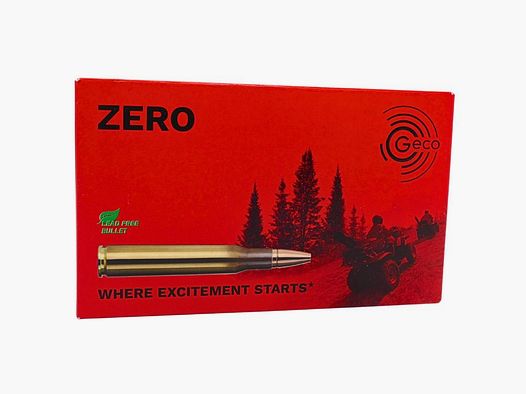
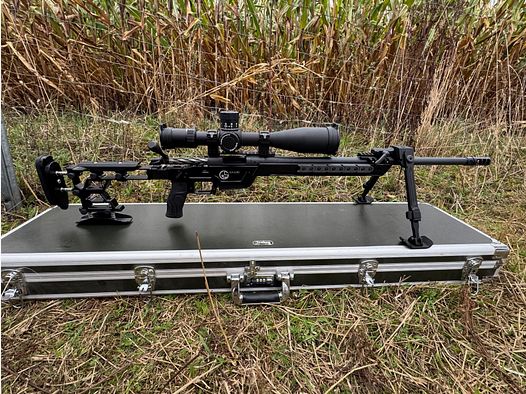
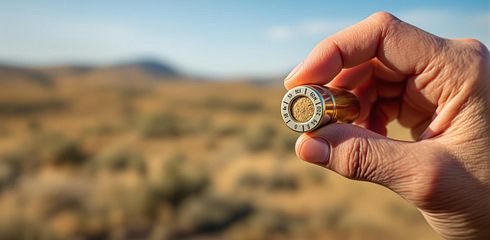
Long-range predator ammunition: What you need to pay attention to

In long-range hunting for predators, precision, ballistics, and bullet performance play a crucial role. Important points to consider:
- Caliber Selection: Small calibers like .22 LR are unsuitable for long distances. Medium calibers like 6.5 Creedmoor or .308 Winchester offer a good balance of precision, energy, and recoil.
- Ballistics: A high ballistic coefficient (BC) ensures flatter trajectories and less wind drift. Check muzzle velocity and energy to ensure reliable expansion even at long distances.
- Bullet Selection: Lead-free expanding bullets like Barnes TTSX minimize game meat loss and guarantee short escape distances. Choose bullets that perform reliably even at lower impact velocities.
- Calibration: The rifle, optics, and ammunition must match perfectly. Test different loads and ensure a precise zero point.
- Environmental Influences: Wind and distance significantly affect the point of impact. Use ballistic apps and train regularly to make corrections confidently.
Summary: For a fair chase long-range hunt for predators, the right caliber selection, matched ammunition, and precise technique are essential. Platforms like Gunfinder help you find the right equipment.
What Does Modern Hunting Ammunition Really Achieve? S&B Cutting Edge Tested at 100–500 m | Part 3
Caliber Selection for Long-Range Hunting of Predators
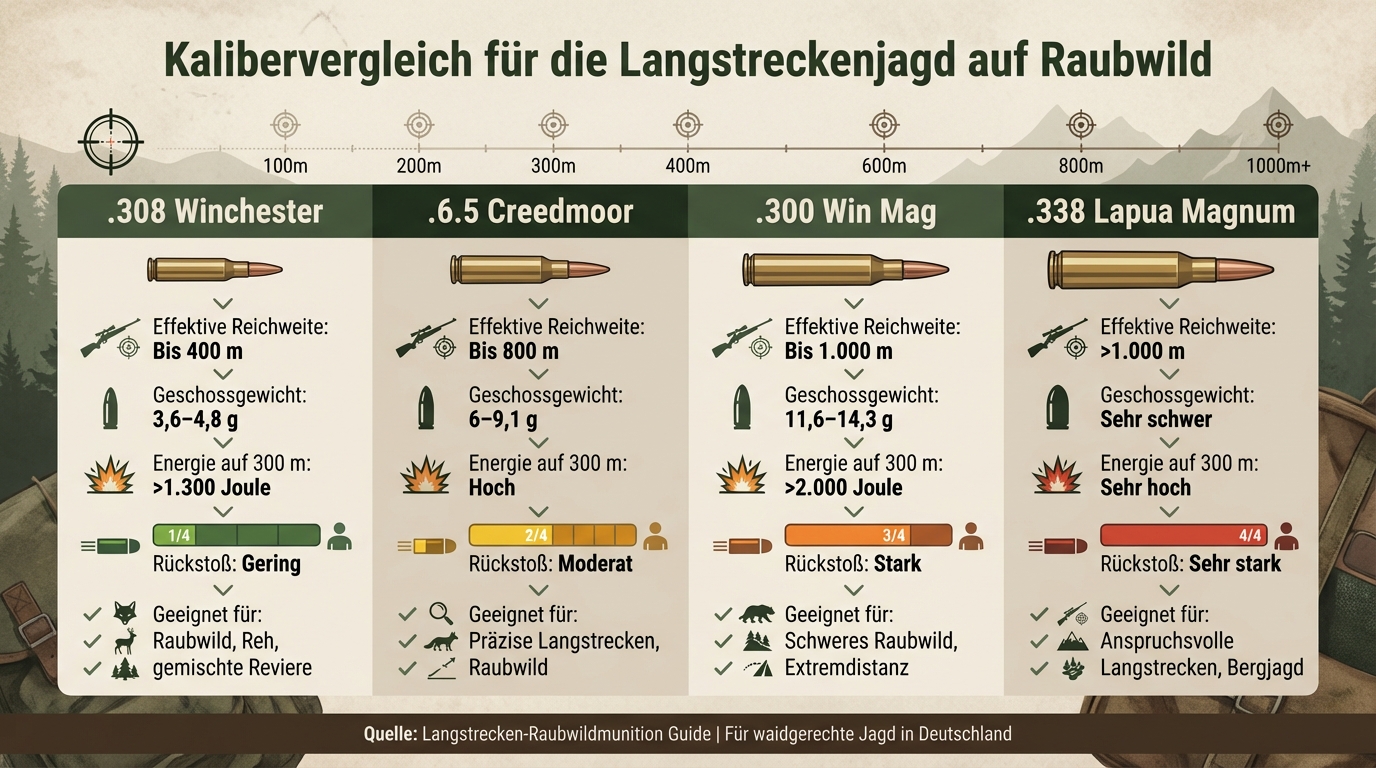
Caliber Comparison for Long-Range Hunting of Predators: Range, Energy, and Suitability
Based on the previously discussed ballistic properties: The choice of the right caliber is crucial for long-range shots. While the basic principles remain the same, different calibers offer various advantages – from the versatile .308 Winchester to the precise 6.5 Creedmoor and powerful magnum calibers for extreme distances.
In Germany, minimum requirements apply for game (≥6.5 mm bullet diameter, ≥2,000 Joules at 100 m). For predators, the requirements are often lower, but a fair chase energy of at least 1,000 Joules should still be ensured. The availability of ammunition, recoil, and game meat loss also play an important role in caliber selection. The respective strengths of the individual calibers are explained below.
.308 Winchester
The .308 Winchester is a true classic among long-range calibers and is particularly suitable for medium distances of about 300 to 400 meters. With bullets weighing 3.6 to 4.8 g, it offers high precision and is less affected by wind. An RWS cartridge with a 4.8 g bullet delivers over 1,300 Joules of energy at 300 m – well above the legal minimum requirements.
This caliber is appreciated by hunters because it can be used versatilely in mixed areas – from foxes and badgers to roe deer. The moderate recoil makes shooting more pleasant, and heavier bullets (e.g., 4.1 g) minimize bruising and preserve the game meat at impact velocities over 650 m/s.
6.5 Creedmoor
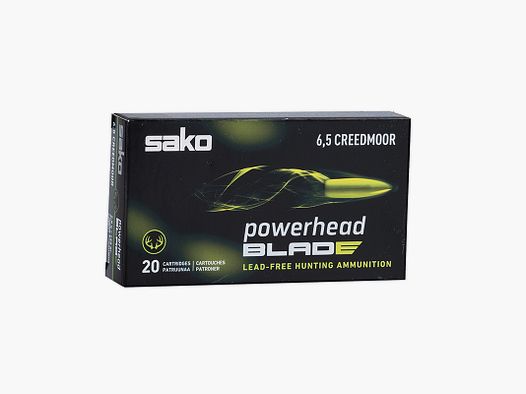
The 6.5 Creedmoor has established itself in recent years as a favorite for precise long-range shots. Its flat trajectory and low recoil make it ideal for distances of 600 to 800 meters. With bullet weights of 6 to 9.1 g (e.g., TMS or double-core), it delivers excellent results with minimal game meat loss and reliable exit wounds.
Thanks to its high ballistic coefficient, it is particularly insensitive to wind – a significant advantage in variable conditions. Practical experiences show that the 6.5 Creedmoor is impressively precise for both predators and medium-sized game like deer.
.300 Winchester Magnum
When it comes to extreme distances and larger predators, the .300 Winchester Magnum is a powerful choice. With bullets weighing 11.6 to 14.3 g, it delivers more than 2,000 Joules of energy at 100 m and remains effective at distances of 800 to 1,000 m. It particularly excels in mountainous terrain and areas with variable game like boars and red deer.
However, the high energy comes at a price: the recoil is significantly stronger and requires a robust rifle and practice. At shorter distances, there may also be higher game meat loss. Therefore, the .300 Win Mag is primarily suitable for hunters who regularly shoot at distances over 500 m and can handle heavy rifles.
.338 Lapua Magnum
The .338 Lapua Magnum is the caliber of choice for shots beyond the 1,000-meter mark. It impresses with excellent energy retention, low wind sensitivity due to heavy bullets, and exceptional precision. This makes it ideal for large predators in open areas or mountain hunting.
This caliber, however, requires an experienced hand, as the strong recoil is not suitable for everyone. Additionally, the ammunition is significantly more expensive than that of smaller calibers. With the right bullet selection, the .338 Lapua Magnum can also be adapted for medium game without unnecessarily damaging the game meat. It covers a wide spectrum – from predators to large game like moose – and is a true all-round caliber for extreme distances.
Here is an overview of the calibers and their characteristics:
| Caliber | Effective Range | Bullet Weight | Energy at 300 m | Recoil | Suitable For |
|---|---|---|---|---|---|
| .308 Winchester | Up to 400 m | 3.6–4.8 g | >1,300 Joules | Low | Predators, roe deer, mixed areas |
| 6.5 Creedmoor | Up to 800 m | 6–9.1 g | High | Moderate | Precise long-range, predators |
| .300 Win Mag | Up to 1,000 m | 11.6–14.3 g | >2,000 Joules | Strong | Large predators, extreme distance |
| .338 Lapua Magnum | >1,000 m | Very heavy | Very high | Very strong | Difficult long-range, mountain hunting |
Ballistics and Bullet Selection
Ballistics play a central role when it comes to making precise and effective shots at greater distances. Factors such as muzzle velocity, ballistic coefficient (BC), trajectory, and wind drift significantly determine a bullet's performance. A combination of high muzzle velocity and a strong BC ensures a flatter trajectory, making it considerably easier to correct the point of aim at distances between 300 and 500 meters. These fundamentals are crucial for selecting the appropriate bullet.
Wind drift is one of the most common sources of error when shooting in the field. A high BC helps keep the bullet stable even in strong winds. Especially with small targets like foxes or badgers, high wind sensitivity can quickly lead to missed shots. At the same time, it should be noted that heavy bullets may deliver hard hits but can cause bruising, while lighter bullets with an impact velocity over 650 m/s can have particularly strong effects.
In addition to the trajectory, the construction of the bullet has a significant influence on the hit effect. Expanding bullets like the RWS Double-Core guarantee excellent precision and high momentary effect thanks to their long cylinder, without excessively damaging the game meat – ideal for predators and roe deer. Lead-free alternatives like the Barnes Tipped TSX (150 Grain, copper) have proven themselves from foxes to red deer. They achieve a practical exit wound rate of 90% with a diameter of only 3 to 5 cm at impact, even if their BC is not optimal.
The choice between controlled expansion and highly fragmenting bullets largely depends on the ballistic requirements. A good bullet must function reliably at long distances even with lower impact velocities – whether through controlled expansion or targeted fragmentation. Highly fragmenting bullets release energy quickly, which can reduce the likelihood of exit wounds and severely damage the hide. For long-range shots on predators, controlled expansion bullets with moderate fragmentation offer the best compromise between effective performance, exit wounds, and preservation of the hide.
As distance increases, both speed and energy decrease, causing some bullets to fail to reach the recommended values beyond 200 to 300 meters and lose their reliability. To place precise chamber shots at long distances, it is important to rely on reliable ballistic data – for example, drop tables or ballistic apps – and to regularly practice reading the wind.
Environmental Factors: Wind, Distance, and Shot Placement
Wind is one of the biggest influencing factors in long-range shooting. A crosswind of 10 m/s can deflect a .308 Winchester bullet by up to 50 cm sideways at 300 meters. Heavier bullets, such as 4.8 g variants, are significantly less susceptible to wind and ensure more precise hits.
To assess the wind correctly, natural indicators such as moving grass or stirred-up dust are useful, becoming visible at around 5 m/s. Additionally, ballistic apps and drift tables can provide valuable support. For example, a wind of 5 m/s at 400 meters requires a correction of the aim point by 20 to 30 cm to the downwind side. Practicing with wind flags in the field helps make these corrections accurately, as over-correction can also lead to missed shots. This wind issue makes the use of a laser rangefinder indispensable for accurately determining the distance.
As distance increases, the bullet loses energy. A .308 Winchester still has 1,300 Joules at 300 meters, while the bullet drop for 6.5 Creedmoor at 400 meters is about 1 meter and for .308 Winchester around 1.5 meters. Without precise distance measurement, an ethical shot is hardly guaranteed.
In addition to distance, shot placement plays a crucial role. As already mentioned in caliber selection, environmental factors must also be considered to ensure an optimal interplay of rifle, optics, and ammunition. Especially in wind and at long distances, placement on vital zones – such as the heart-lung area (about 20 × 30 cm) for foxes – is crucial. A chamber shot or a hit on the shoulder usually ensures immediate effect. In this regard, expanding bullets like the RWS Double-Core offer high precision and minimize game meat loss. Alternatives without lead, such as Barnes TSX, achieve an exit wound rate of 90% with only 3 to 5 cm and limit the escape distance to under 50 meters.
Regular training on animal anatomy and drop compensation is essential to ensure a clean and effective shot even under difficult conditions.
sbb-itb-1cfd233
Calibration of Rifle, Optics, and Ammunition for Maximum Precision
The precision of a rifle heavily depends on the interplay between barrel twist and ammunition. By default, many twist rates are tuned for lighter bullets. However, with heavier bullets in the range of 4.1 to 4.8 g, precision issues can arise. For example, a 1:10 twist works well for .308 Winchester bullets between 11 and 13 g. Heavier bullets of 14 g or more require a faster twist, such as 1:8, to achieve groupings under 1 MOA at 300 m. These insights should be consistently applied when zeroing the rifle.
When zeroing, it is advisable to test different loads, as powder loads and bullet weights have different ballistic properties. Fire several series, measure the group size, and typically set the first zero point at 100 m. Confirming this zero point at 300 m provides additional security. A stable rest is essential. For reliable results, at least 3 to 5 shots should be fired per series to achieve a spread of under 1.5 MOA. Also, consider the temperature dependence of the loads: a temperature drop of 20 °C can reduce muzzle velocity by about 30 m/s, affecting the zero setting.
Once you have found the optimal combination of twist and load, the choice of the right optics is the next step. For long-range hunting, models with high magnification, such as 3–18x or 5–25x, combined with parallax adjustment from about 150 m, are suitable. Optics with a first focal plane reticle (FFP) are particularly practical, as the reticle scales with magnification, allowing for more precise hold points even at distances over 500 m. It is important to precisely match mil or MOA scales to the ballistic data of your ammunition. High-quality bullets like the RWS Double-Core or the Barnes Tipped TSX with a long cylinder offer excellent precision in this context.
A practical example shows how this calibration can look in practice: In December 2025, a complete long-range setup was offered on Gunfinder. It consisted of a Tikka T3x CTR in .308 Winchester, combined with a Steiner Ranger6 3–18x56 optic and an Innogun block mount – all together for €3,199. This configuration illustrates how important stable mounts are to maintain the zero setting even under strong recoil. For beginners, there were also used systems, such as a Blaser R93 with Docter Optic 3–12x56, starting at around €2,899.
This careful calibration complements the fundamental ballistic principles and enables precise shots in the long term. With a chronograph, you can compare different loads, such as with the 6.5 Creedmoor with 140 gr and 147 gr, to find the point with minimal vertical spread. Pay attention to a standard deviation of under 15 fps.
Find Ammunition on Gunfinder
Once you have selected the right ammunition for your needs, Gunfinder helps you discover the best deals. This platform is a central hub for hunters and shooters. It provides you with quick and clear access to a variety of offers – not only for ammunition but also for firearms, optics, and accessories from various dealers and private sellers.
With practical filter options, you can specifically search by caliber, bullet weight, manufacturer, or condition to find exactly the long-range ammunition that meets your requirements. Particularly helpful: In the "Long Range Ammunition" category, you will find specially developed loads with high ballistic coefficients. These are ideal for long shots, for example, on predators. Additionally, with the "Search Orders" feature, you can receive notifications as soon as ammunition you are looking for becomes available – perfect for rare or special loads.
“Very good and clear site with the best offers and great support.” – Andreas P.
Gunfinder offers various purchasing options such as immediate purchases, classifieds, and auctions. All prices are clearly and transparently stated in euros. For standard calibers, prices typically range from €1.00 to €3.00 per shot, while magnum calibers can cost between €2.00 and €5.00 per shot. The platform works exclusively with registered specialist dealers to ensure secure transactions and compliance with firearms regulations.
Another advantage: You can perfectly match not only ammunition but also firearms and optics through Gunfinder. The platform allows you to search for compatible components simultaneously. With the wishlist feature, you can save various offers and compare them at your leisure before making a decision. Start your search today and discover the benefits of Gunfinder!
Conclusion: Selecting the Right Long-Range Predator Ammunition
After familiarizing yourself with the factors of caliber, ballistics, and environmental influences, it becomes clear: The ideal long-range predator ammunition requires careful calibration of caliber, bullet construction, and the combination of rifle and optics. For hunters in Germany, medium calibers like .308 Winchester, 6.5 mm cartridges, or .30-06 offer a balanced solution. These cover predators up to medium-sized big game while remaining well controllable. For extreme distances or heavy variable game, magnum cartridges like .300 Win. Mag. or .338 Lapua Mag. are the better choice.
A high ballistic coefficient helps reduce wind drift and ensures a flat trajectory. Lead-free expanding bullets like Barnes TTSX provide reliable exit wounds of 3–5 cm and lead to short escape distances in about 90% of cases. Also, ensure that your ammunition complies with legal requirements.
Thoroughly test your combination of rifle, optics, and ammunition by trying different loads. Often, a rifle with a specific ammunition achieves significantly better precision. Document group sizes, point of impact at different distances, and behavior in crosswinds to find the best calibration.
With Gunfinder, you can quickly find the right ammunition: Filter by caliber, bullet weight, and manufacturer, compare prices in euros, and optimally calibrate your equipment. Use this knowledge to make your long-range hunting safe and successful.
FAQs
What criteria are important when selecting the right ammunition for long-range hunting of predators?
For long-range hunting of predators, there are several important aspects to consider. Caliber and ballistics are crucial as they determine the trajectory and penetration power of the ammunition. At the same time, high target precision ensures that you hit safely and reliably even at great distances.
Equally, the quality of the ammunition is a central factor. The spread angle should be as low as possible, and the energy transfer must remain sufficient over long distances. Only then can you ensure that your hunt is not only effective but also ethical.
What is the ballistic coefficient and why is it important for long-range shots?
The ballistic coefficient indicates how efficiently a bullet flies through the air while minimizing air resistance. The higher the coefficient, the less speed the bullet loses, leading to a more stable trajectory and better precision over greater distances.
Especially in long-range hunting, this value plays a central role, as it significantly affects accuracy even under challenging conditions such as strong winds. Therefore, when selecting ammunition, you should ensure that the ballistic coefficient meets your requirements.
How do environmental factors like wind affect long-range hunting?
Wind is a decisive factor in long-range hunting, as it can significantly influence the trajectory of bullets. Even light gusts of wind can impair precision and noticeably alter the hit pattern.
To minimize this influence, it is important to observe the wind carefully and incorporate its strength and direction into your shot planning. Many hunters use tools like wind meters or rely on natural signs in the environment, such as the movement of leaves or grasses. Careful ballistic calculations that take the wind into account are essential to reliably hit the target.