Batteries for night vision devices: weather tips
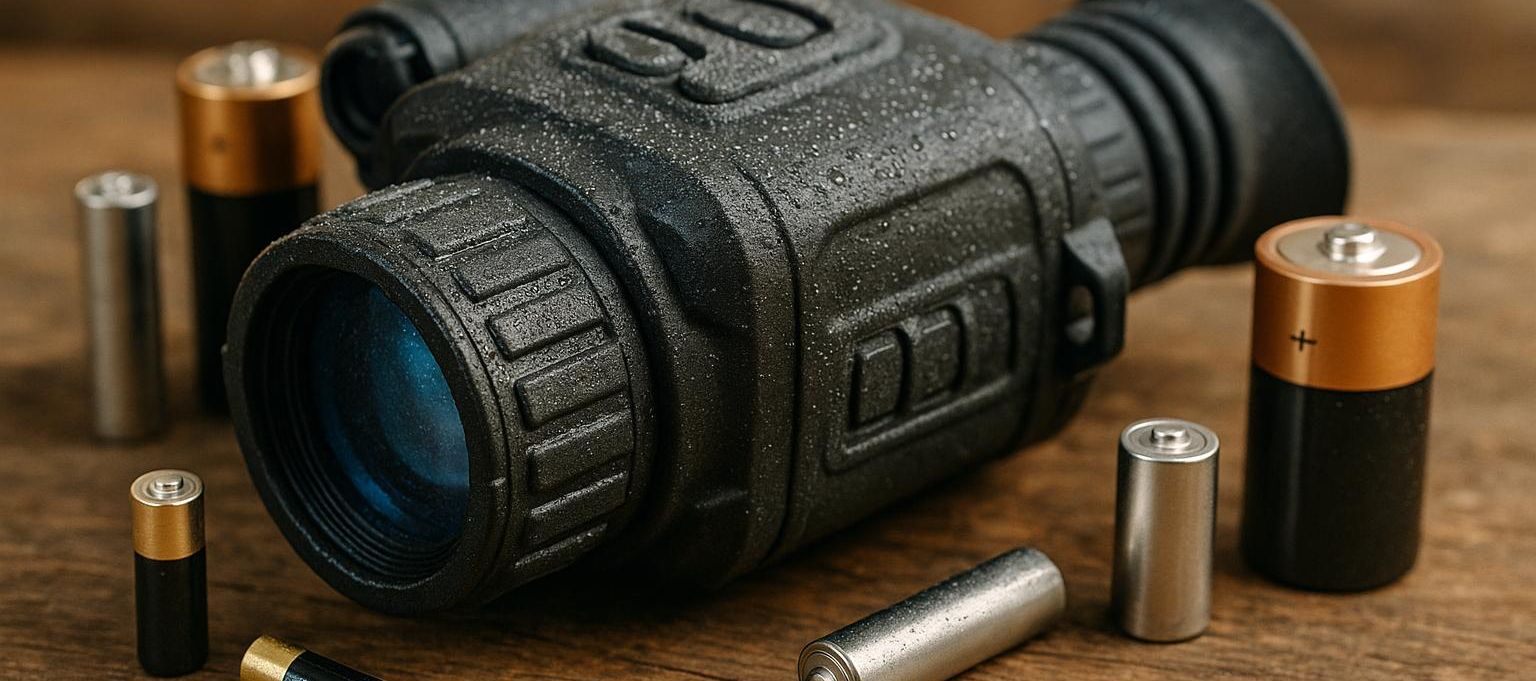
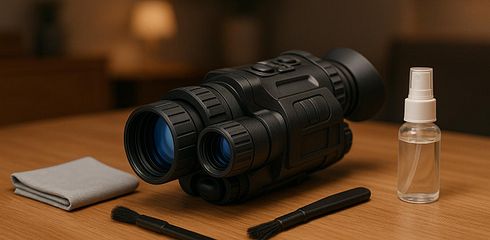
Night vision devices are indispensable for hunting, but their functionality heavily depends on battery performance – especially under extreme weather conditions. Cold, heat, and humidity can significantly weaken batteries, leading to failures or poor image quality. Lithium batteries like CR123A or 18650 cells are the best choice in low temperatures, as they are more stable and longer-lasting than alkaline batteries. In heat and humidity, waterproof protective cases and proper storage help prevent damage.
Important Points:
- In Cold: Lithium batteries lose up to 50% capacity at -20 °C, while alkaline batteries lose up to 40% starting at 10 °C.
- In Heat: Temperatures above 60 °C can cause batteries to swell or become damaged.
- Humidity: Can cause short circuits and corrosion. Protection through waterproof bags and silica gel.
- Tips: Keep batteries warm close to the body, do not store devices in the sun, carry spare batteries.
With the right preparation and robust batteries, your night vision device will remain reliable even in adverse weather. On platforms like Gunfinder, you can find weatherproof equipment and suitable accessories.

Battery types for night vision devices in weather comparison: performance in cold, heat, and humidity
How Batteries Work in Night Vision Devices
Night vision devices require a reliable power source to supply energy to either image intensifier tubes or digital sensors. Understanding how batteries work is crucial, especially when the devices are used under extreme weather conditions. Three main factors play an important role: voltage, capacity, and the chemical processes within the battery.
Voltage is the key factor that determines whether the device can even be operated. Common voltage values are 1.5 V for AA batteries, 3 V for CR123A, or 3.7 V for 18650 Li-Ion cells. Capacity, measured in milliampere-hours (mAh), indicates how long a battery lasts. For example, a CR123A battery provides about 1,450 mAh, while a 18650 cell can reach up to 3,500 mAh.
Temperature has a significant impact on battery performance. In cold conditions, chemical reactions slow down, internal resistance increases, and available capacity decreases. In high temperatures above 60 °C, gas formation can occur, increasing pressure within the battery and potentially leading to damage such as swelling or failure. This knowledge is the basis for comparing different battery types.
Comparison of Battery Types
Alkaline batteries (1.5 V) are inexpensive and widely available but show weaknesses at low temperatures. While they function reliably in summer, their performance drops significantly at temperatures below 10 °C.
Lithium batteries such as the CR123A or the Energizer Ultimate Lithium AA are clearly superior here. They offer high stability even at temperatures down to -20 °C, greater capacity, and longer shelf life. Their ability to maintain voltage consistently even in cold makes them particularly suitable for night vision devices.
NiMH batteries, on the other hand, have a nominal voltage of only 1.2 V, which leads to shorter runtimes in many devices. Additionally, voltage spikes can occur during charging, causing damage. Therefore, they are less suitable for hunting than the more robust lithium alternatives designed specifically for demanding conditions.
Common Battery Sizes and Formats
Commonly used battery types in night vision devices include AA/Mignon, CR123A, and 18650. The CR123A is compact and particularly resistant to extreme weather conditions, making it ideal for optics and scopes.
The 18650 cell offers a high energy density of 13.3 Wh and allows runtimes of up to 6.5 hours in devices like the PARD NV007 or models from Pulsar. Many 18650 batteries are also rechargeable via USB-C or with a power bank, making them practical for longer operations like multi-day hunting trips.
Experts recommend lithium batteries for hunting, as they handle cold and high energy demands – such as from using an IR illuminator – better. On Gunfinder, you can find weatherproof batteries and accessories to optimally adapt your equipment.
How Temperature Affects Battery Chemistry
Temperature has a direct impact on the chemical processes in batteries and thus on the performance of night vision devices. In cold, internal resistance increases, discharge slows down, and voltage can drop under load. This can not only impair the image quality in the device but, in the worst case, lead to a complete failure.
High temperatures, on the other hand, accelerate battery aging. Above 60 °C, internal pressure increases due to gas formation, which affects voltage stability and permanently reduces capacity.
Particularly with lithium cells, caution is advised: Charging under freezing conditions can lead to the formation of dendrites – needle-like structures that can cause short circuits. Experts therefore recommend charging batteries only at temperatures above freezing and limiting the charging current to a maximum of 0.05C in extreme cold.
How Weather Affects Battery Performance
Weather conditions play a crucial role in the performance of batteries in night vision devices. Whether during frosty winter hunts, summer heat, or the changeable conditions of autumn – the weather can determine whether your equipment functions reliably or fails. Particularly temperature fluctuations and high humidity pose a real challenge for batteries and are based on the chemical processes previously explained.
Effects of Cold
Cold significantly affects batteries. Particularly lithium batteries lose capacity sharply at low temperatures. Internal resistance increases, causing voltage to drop under load. The result? Your night vision device shuts down or delivers an unreliable image.
At temperatures below 10 °C, the operating time of alkaline batteries is reduced by about 40%. It becomes even more extreme when temperatures fall below -4 °C – many devices then completely cease operation. Lithium batteries like the CR123A, on the other hand, remain significantly more powerful even in sub-zero temperatures than alkaline alternatives. However, while cold reduces capacity, heat also poses a serious strain on batteries.
Effects of Heat
High temperatures attack batteries in a different way. They accelerate wear and can increase pressure within the battery due to gas formation. At over 130 °C, there is even a risk of thermal runaway, which can lead to dangerous burns.
A major problem is storage in summer heat. Batteries stored in a hot car or in direct sunlight can be permanently damaged. Voltage instabilities not only negatively affect the image quality of your night vision device but can also lead to sudden failures. LiFePO4 batteries are more resilient than NMC variants in this regard. However, not only extreme temperatures but also humidity and temperature fluctuations put batteries under strain.
Rain, Humidity, and Temperature Fluctuations
Humidity is an invisible enemy for batteries. It can decompose electrolyte solvents, dissolve lithium salts, and thus cause capacity losses and corrosion at the contacts. In humid hunting areas, such as during rain or fog, the risk of internal short circuits increases, which can cause your device to fail during use.
Rapid temperature changes further exacerbate the problem. When you move a cold night vision device from the outdoors into a warm vehicle, condensation occurs. This moisture can corrode contacts and cause malfunctions. This effect is particularly common during transitional periods in autumn and spring.
Battery Management Tips for Different Weather Conditions
Now that we know how weather affects battery performance, here are some practical tips to optimally use your equipment under various conditions.
Preparation Based on Weather Forecasts
Before you head out, check the weather forecast. At temperatures below 10 °C, lithium batteries like CR123A or 18650 Li-Ion batteries are the best choice. They retain 80–90% of their capacity at 0 °C and lose only about 50% even at -20 °C. Alkaline batteries, on the other hand, last up to 40% shorter in the cold. For the warmer months between March and October in Central Europe, NiMH or alkaline batteries are often sufficient.
Fully charge your batteries and test your night vision device in advance to avoid unpleasant surprises. Pack 2–3 sets of spare batteries in a waterproof bag and store them at room temperature – never below 0 °C. Below are tips for handling batteries in cold, heat, and moisture.
Battery Handling in Cold
Store your batteries in an inner pocket of your jacket, close to your body. Body heat helps keep the voltage stable, even in sub-zero temperatures. Insert the batteries only shortly before use to avoid unnecessary energy loss. Never charge lithium batteries at temperatures below 0 °C, as this can cause swelling or internal short circuits.
If you move from cold outdoor air into a warm car, condensation can form. Therefore, let your night vision device acclimatize in a closed bag for 20–30 minutes before opening the battery compartment. This helps avoid corrosion and short circuits at the contacts.
Battery Handling in Heat
Heat is just as critical as cold. Do not leave batteries and night vision devices in direct sunlight or in an overheated car. At 60 °C, internal pressure can dangerously increase, leading to swelling or even thermal runaway. Transport your equipment in shaded, well-ventilated bags instead of in dense, dark containers that heat up quickly.
Regularly check your batteries for swelling or discoloration. Defective batteries should be disposed of immediately. Only turn on your device when absolutely necessary to avoid additional heating of the electronics.
Protection of Equipment in Moisture
Ensure that battery compartments are sealed with waterproof rubber seals or silicone tape. In heavy rain, rain covers or waterproof dry bags protect your night vision device from moisture. Open the battery compartment only in dry environments, such as in a car or on a high seat, and never in pouring rain.
If moisture does get in, remove the batteries immediately, dry the contacts thoroughly, and let everything air dry for 24–48 hours. Silica gel packets or rice in a sealed bag can speed up the drying process. Check the voltage of the batteries before reinserting them.
sbb-itb-1cfd233
Find Weatherproof Equipment on Gunfinder

Wondering where to get weatherproof equipment for your outdoor adventures? Gunfinder offers a wide selection of night vision devices, thermal imaging devices, batteries, and accessories specifically designed for use under challenging weather conditions. With practical filters, you can specifically search for devices with IP protection classes and extended temperature ranges. This ensures that your equipment functions reliably even under extreme conditions.
How to Find Weatherproof Devices
To discover robust and weatherproof models, use search terms like “IP67”, “waterproof”, or “-20 °C”. Pay particular attention to specifications regarding temperature ranges (e.g., -20 °C to +50 °C) and IP protection classes. These indicate how well a device is protected against moisture, rain, or fog. For example, IP66 indicates protection against strong water jets, while IP67 even allows for temporary submersion. You will also often find indications of whether lithium batteries like CR123A are recommended – a reliable sign that the device functions well even in cold.
Batteries and Accessories for Protection
In addition to the devices themselves, the right accessories are crucial, especially for winter operations. On Gunfinder, you can specifically search for CR123A lithium batteries or 18650 Li-Ion battery packs. These batteries, which cost between 2 and 4 € each in German hunting specialty stores, provide significantly more power even at sub-zero temperatures than conventional alkaline batteries, which can lose up to 40% of their capacity in the cold. For longer operations, external power banks or battery packs are a good choice. Depending on capacity, prices range from 30 to 150 €.
Additionally, it is worth investing in protective cases or waterproof bags. They protect your devices and batteries from moisture, impacts, and temperature fluctuations. Using search terms like “battery box 18650” or “night vision protective bag”, you can quickly find the right accessories that optimally complement your equipment.
Conclusion
Carefully choose the right batteries and pay attention to proper handling to ensure your night vision device functions reliably under all weather conditions. Cold is the biggest enemy: lithium batteries lose about 10–20% of their capacity at 0 °C and even up to 50% at -20 °C. Alkaline batteries perform even worse, losing around 40% of their runtime at temperatures below 10 °C. Therefore, in winter, you should rely on lithium batteries like CR123A or 18650 cells, keep spare batteries warm close to your body, and only turn on the device when absolutely necessary. These measures are crucial to securing the performance of your equipment.
Heat can also be problematic: temperatures above 60 °C can, in the worst case, lead to dangerous thermal reactions. Therefore, never leave your equipment in an overheated car. In the case of rain and humidity, corrosion and short circuits due to moisture or condensation are a threat – weatherproof protective bags and dry storage are essential here.
Before using your night vision device, take a look at the weather report, choose the right batteries, and always bring a spare set. Especially at temperatures below -10 °C, where batteries discharge faster, a spare is indispensable – a point you can easily consider on your equipment list at Gunfinder. Never charge batteries in frost, as this can lead to long-term damage. With these simple tips, you are well prepared to optimally use your equipment.
On Gunfinder, you will find everything you need for use in adverse weather conditions: from robust night vision devices with high IP protection classes to lithium batteries and protective cases to battery packs. With the help of filters and search terms like “IP67” or “CR123A,” you can quickly find the right equipment. This way, you stay well-equipped in any weather – safe, reliable, and without unpleasant surprises.
FAQs
Which batteries work best in night vision devices at extreme temperatures?
Lithium batteries are ideal for use in night vision devices, especially at extreme temperatures. While alkaline batteries often lose performance in the cold, lithium batteries remain reliable and powerful even at very low temperatures.
If you frequently use your night vision device under changing weather conditions, lithium batteries are a particularly reliable and long-lasting choice. However, it is advisable to always have a set of spare batteries on hand – especially in extreme weather conditions.
How do you optimally protect the batteries of your night vision device in wet weather?
To protect the batteries of your night vision device in wet weather, you should store them in a dry place and ensure they do not come into contact with moisture or water. Whenever possible, opt for weather-resistant batteries and regularly check the contacts for signs of corrosion. A protective cover or a waterproof case can also help extend the life of the batteries.
How do I properly store batteries for night vision devices at extreme temperatures?
To secure the lifespan and function of your batteries, it is important to protect them from extreme temperatures. In heat, you should avoid direct sunlight and keep the batteries away from heat sources, as high temperatures can impair their performance or even permanently damage them. In cold, it is advisable to bring the batteries to room temperature before use. This reduces the risk of performance losses or damage from very low temperatures.