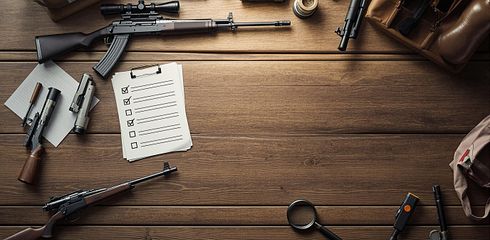
Checklist for Your First Hunting Gear Purchase
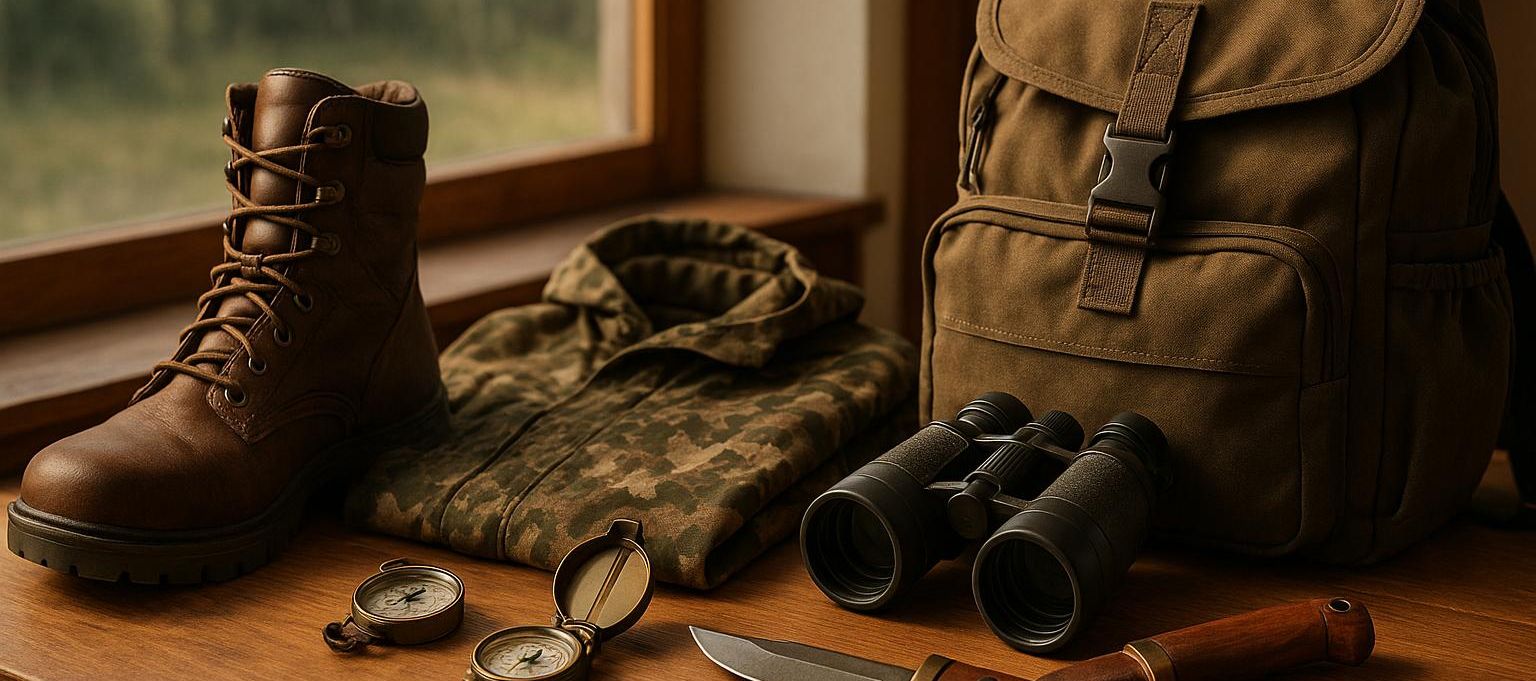
Are you ready for your first hunting adventure? Here’s what you really need:
-
Legal Requirements:
- Valid hunting license
- Gun ownership card (WBK)
- Liability insurance
- Certified gun cabinet
-
Basic Equipment:
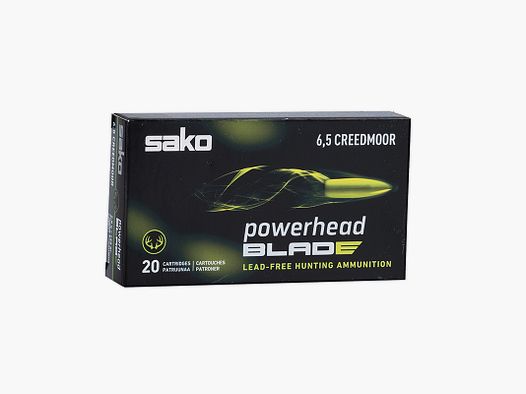
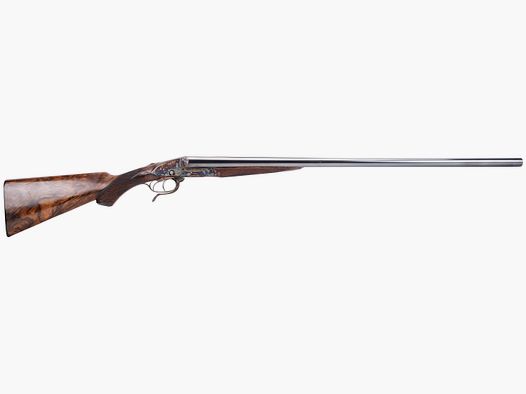
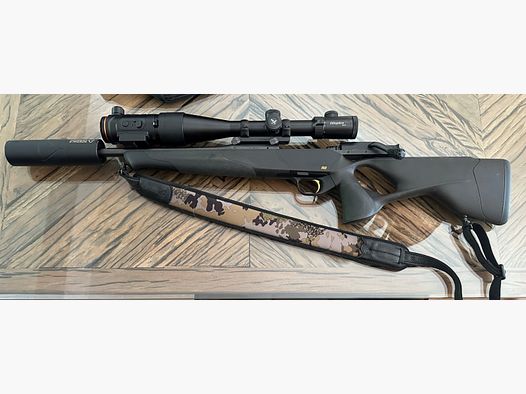
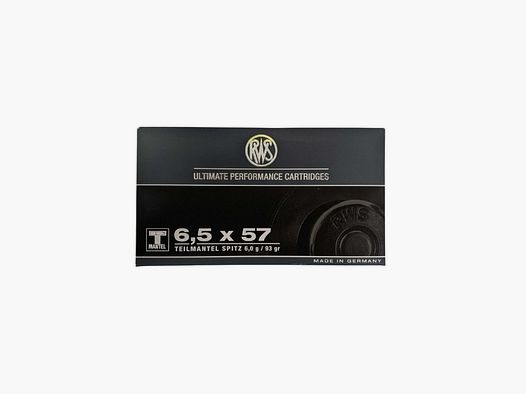
- Firearms & Ammunition: Versatile rifle, appropriate caliber, lead-free or conventional (depending on the hunting area).
- Optics: Scope (e.g., 2.5-10x50) & binoculars (8x42 or 10x42).
- Safety Equipment: Signal vest, hearing protection (SNR value ≥ 27 dB), weatherproof clothing, waterproof hunting boots.
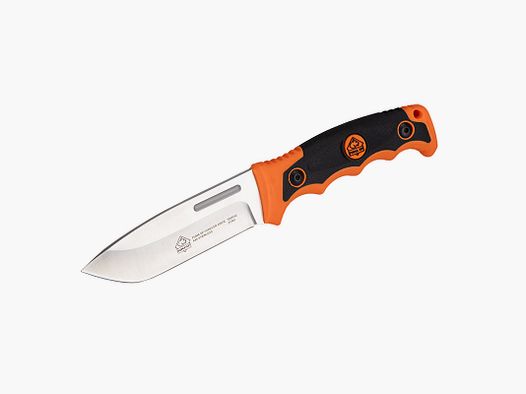
- Practical Tools: Hunting knife, multitool, first aid kit, GPS device or compass.
-
Budget Planning:
- Weapon & optics: ~50% of your budget
- Clothing & protection: ~25%
- Accessories: ~15%
- Reserve: ~10%
-
Tips for Used Equipment:
- Carefully check the condition
- Ensure documentation is complete
- Buy safety-related parts new
Recommended Platform: Gunfinder – ideal for new and used hunting equipment.
Tip: Print this checklist or save it digitally to ensure you don’t forget anything.
With this overview, you are well-prepared to start your first hunting adventure safely and legally.
Equipment for Young Hunters - Which Products for the Start into ...
Required Hunting Equipment
Here you will find an overview of the most important equipment items you need for your first hunting adventure.
Firearms and Ammunition
For beginners, a versatile rifle is recommended. Ensure that the caliber matches your hunting area, the type of game, and legal requirements.
Important points when choosing ammunition:
- Lead-free or conventional: Different regulations apply depending on the federal state and hunting area.
- Bullet weight: Must be tailored to the hunted game species.
- Load: Should optimally match the weapon and intended use.
Optics and Basic Equipment
The following equipment items are essential:
| Equipment | Recommended Specification | Application Area |
|---|---|---|
| Scope | 2.5-10x50 | Versatile use |
| Binoculars | 8x42 or 10x42 | Wild observation |
| Hunting Knife | Blade length 12-15 cm | Field dressing and processing |
| Multitool | With pliers and screwdriver | For minor repairs |
In addition to the right optics, protection plays a central role. Therefore, safety equipment is a must.
Safety Equipment and Clothing
The safety equipment must comply with legal requirements and reliably protect you:
- Signal Vest: In bright orange for better visibility.
- Hearing Protection: Active or passive, ideally with an SNR value of 27 dB.
- Hunting Clothing: Weatherproof and as quiet as possible.
- Hunting Boots: Waterproof and ankle-high for secure footing in the terrain.
The right clothing and equipment ensure that you can move safely and comfortably in the hunting area.
Equipment for the Hunting Area
For a smooth operation in the hunting area, additional equipment is required:
-
Orientation and Navigation
- GPS device or smartphone with offline maps.
- Compass as a backup.
- Flashlight with red light function.
-
Emergency Equipment
- First aid kit.
- Emergency blanket.
- Power bank for electronic devices.
-
Additional Equipment
- Field dressing kit for processing harvested animals.
- Game retrieval tape for transport.
- Hunting horn or signal whistle for communication in the field.
On platforms like Gunfinder, you will find a wide selection of hunting equipment – both new and used. Especially for beginners, it can be worthwhile to buy well-maintained second-hand items from reputable manufacturers.
Purchase Order Guide
Legal Requirements First
Before you start purchasing, you must ensure that you meet the following requirements:
- Valid Hunting License: Without this, the purchase is not possible.
- Gun Ownership Card (WBK): This entitles you to acquire and possess firearms.
- Liability Insurance: Insurance that covers potential damages is essential.
- Certified Gun Cabinet: Required for the safe storage of your firearms.
If all these requirements are met, you can start your shopping.
Budget Planning
Here’s how to allocate your budget sensibly:
- Firearm and Optics: About 50% of your budget should be invested here.
- Clothing and Safety Equipment: Plan about 25% for suitable clothing and protection.
- Accessories and Tools: These account for about 15% of your budget.
- Emergency Reserve: Set aside 10% for unforeseen expenses.
For a solid initial setup, you should expect to spend at least €5,000. High-quality equipment may be more expensive but offers durability and safety. If your budget is tight, you can save by strategically purchasing used items.
Tips for Used Equipment
Used equipment is a great way to save your budget. Especially for firearms and optics, significant savings can often be achieved. Used firearms can be up to 20% cheaper, and with premium optics, you can save even more.
What to look for when buying used:
- Check Condition: Carefully inspect firearms and optics for signs of wear or damage.
- Complete Documentation: Ensure that all papers are present.
- Buy Safety-Related Components New: For maximum safety, do not compromise here.
Search platforms like Gunfinder specifically for certified second-hand equipment. Compare prices with new items to get a feel for fair offers. This way, you can find quality at a lower price.
sbb-itb-1cfd233
Pre-Hunt Checklist
Check Equipment
Ensure that your equipment is functioning perfectly before the hunting trip. This way, you can address any potential issues in time.
Firearms and Optics:
- Conduct a final function test before each hunting trip.
- Carefully check the mounting and function of the optics.
Clothing and Safety Equipment:
- Check seams, closures, and the water-repellent properties of your clothing.
- Ensure that signal and reflective elements are intact and functional.
With checked equipment, you can fully concentrate on the next step: packing.
Packing and Organization
After checking your equipment, you should organize your pack so that you can quickly access important items in an emergency. A three-zone system can help here:
| Zone | Contents |
|---|---|
| External Pockets | First aid kit, signaling devices, hunting license |
| Main Compartment Top | Binoculars, gloves, headgear |
| Main Compartment Bottom | Change of clothes, provisions, tools |
Weather and Location Preparation
Adjust your checklist to the specific conditions of your hunting area and the weather:
- Rain: Use waterproof equipment and additional moisture protection.
- Cold: Opt for a layered clothing system to stay warm.
- Terrain: Choose your equipment carefully based on the environment – open field, forest, or high seat.
Additional Equipment: A Guide
Once your basic equipment is ready, you can enhance your comfort and efficiency with additional tools.
Beginner-Friendly Tools
For beginners in hunting, there are some extras that meaningfully complement the basic equipment. A well-organized hunting backpack, for example, is ideal for keeping everything within reach.
Recommended Additional Equipment for Beginners:
| Equipment | Benefit | Application Area |
|---|---|---|
| Hearing Protection | Protection and comfort | Shooting activities |
| Hunting Knife | Versatile tool | Game processing |
| Game Carrier | Support for transport | After the hunt |
| Headlamp | Better visibility | Dusk/night |
Sources for Equipment
Gunfinder offers an easy way to find new and used hunting equipment. Here are some advantages:
- Direct contact with dealers and private sellers
- Safe and straightforward purchasing process
- Well-structured categories for quick orientation
- Option for auctions or direct purchase
In addition to standard equipment, you can also discover more specialized tools tailored to your individual needs.
Specialized Equipment
For advanced hunters, there are specialized tools that can specifically enhance your basic equipment. Here are some examples:
-
Safety and Survival Equipment:
- Emergency kits with first aid materials
- Survival tools for unexpected situations
- Weatherproof equipment for extreme conditions
- Accessories for dog handlers such as leashes, dog whistles, or marking vests
With these additions, you are well-prepared for any situation.
Conclusion
The right equipment is crucial for successful hunting experiences. With this checklist, you keep track of all important equipment items.
Key Points:
- Legally required equipment comes first
- Carefully plan your budget for equipment and accessories
- Adapt your equipment to weather conditions
- Regularly maintain your equipment
With these aspects, you are well-prepared to enjoy your hunting adventure.
On Gunfinder, you will find a wide selection of certified hunting equipment that makes it easier for you to get started.
"Very good and clear site with the best offers and great support." - Andreas P.
Thorough preparation and high-quality equipment form the foundation for positive experiences in hunting. This checklist helps you keep everything under control.
Tip: Save this checklist digitally or print it out so you can conveniently check off each item.
FAQs
What requirements do I need to consider before purchasing my first hunting equipment?
Before you buy your first hunting equipment, there are some important legal requirements that you must meet. In Germany, you need a valid hunting license, which is only issued after successfully passing the hunter's exam. This exam includes both theoretical knowledge and practical skills.
Additionally, you must ensure that you comply with the legal regulations for the acquisition, possession, and transport of firearms and ammunition. This includes, among other things, proof of a gun license or corresponding permission. It is best to consult your local hunting authority or an experienced hunting instructor to clarify all the details.
Don’t forget that the protection of nature and respectful handling of wildlife is also an essential part of the hunting craft. Plan your entry well and ensure that you are well-prepared!
How do I plan my budget for the first hunting equipment sensibly?
To plan your budget for the first hunting equipment sensibly, start with a detailed checklist. Note all important equipment items such as firearm, optics, ammunition, clothing, and accessories. This ensures that you don’t forget anything and keep track of costs.
Use platforms like Gunfinder to compare prices and find good deals. This helps you achieve a good balance between quality and cost. Remember to also plan for long-term expenses such as maintenance or spare parts to avoid surprises.
What should I pay attention to when buying used hunting equipment?
When buying used hunting equipment, there are some important points you should consider:
- Check Condition: Inspect the equipment closely for wear, damage, or other defects. Especially for safety-related items like firearms or optics, a careful inspection is crucial.
- Test Functionality: Ensure that all functions work perfectly. If possible, test the equipment before purchasing.
- Trustworthy Seller: Only buy from reputable sources to ensure that the equipment is legal and in good condition.
On platforms like Gunfinder, you can find a wide selection of used hunting equipment and purchase safely. This way, you start your next hunting adventure well-equipped!