Angel Care: How to Protect the Environment While Fishing
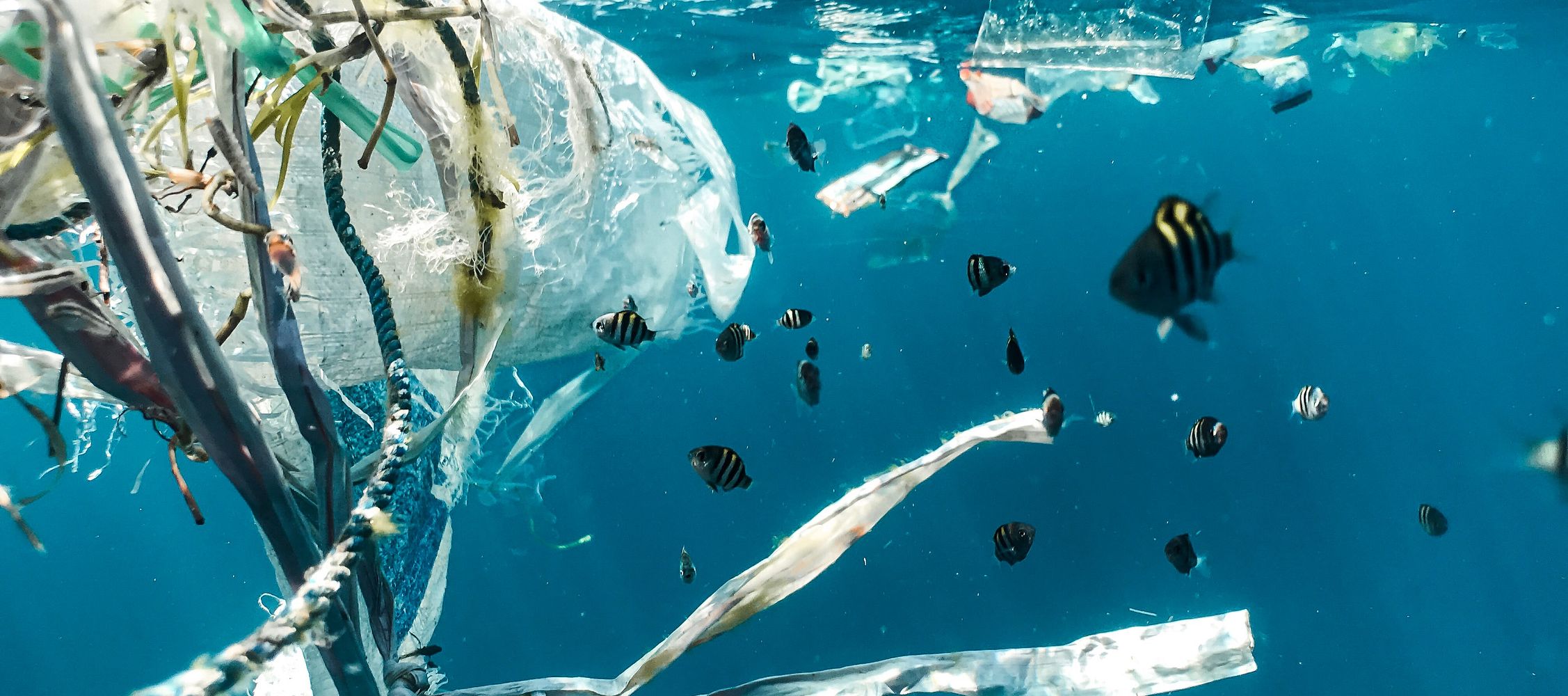
Fishing is not only an individual pleasure but also an activity that is inseparably linked to nature. For passionate anglers, it is crucial to protect the environment and preserve the waters that bring us so much joy. This article is dedicated to the care of fishing waters and provides tips on how to act responsibly while fishing to preserve the environment.
1. Waste Avoidance and Disposal
A fundamental principle of fishing water care is the careful handling of waste. Every angler should be mindful not to leave any trash in the water. Picking up one's own and possibly other litter helps to maintain the beauty of nature. A small trash bag in the fishing gear is a simple yet effective measure.
2. Gentle Handling of Flora and Fauna
The preservation of the animal and plant life in and around the waters is essential. When entering shore zones, care should be taken not to destroy any plants or disturb nesting sites of waterfowl. Even while fishing, mindfulness is required: a sensitive approach to the fish, careful hook removal, and a quick return to the water help minimize stress for the fish.
3. Compliance with Fishing Regulations and Closed Seasons
Most waters are protected by legal regulations and ordinances. These not only regulate which fish species may be caught but also when. Adhering to these closed seasons and regulations is not only a legal obligation but also serves to preserve fish stocks and biodiversity.
4. Sustainable Bait and Fishing Gear
Choosing sustainable materials for fishing gear and bait is another step towards environmental protection. Manufacturers now offer eco-friendly alternatives, whether it be fishing lines made from recycled materials or biodegradable baits. By making conscious choices in gear selection, anglers can minimize their ecological footprint.
5. Active Participation in Water Care Actions
Water care goes beyond individual actions. Many fishing clubs and environmental organizations organize water care actions where anglers have the opportunity to actively participate in cleaning and renaturation projects. These actions not only promote environmental protection but also strengthen the community of anglers.
6. Promoting and Sharing Environmental Awareness
Anglers can take a pioneering role in environmental protection by sharing their knowledge and experiences. Information events, workshops, or social media provide platforms to spread tips on eco-friendliness while fishing. By sharing stories and images, anglers can also inspire others to protect the waters.
Conclusion: Responsible Fishing for the Future
The care of fishing waters is not only an obligation but also an opportunity to preserve the beauty and diversity of our nature. By applying responsible practices and actively contributing to environmental protection, anglers help ensure that future generations can experience the joys of fishing in intact waters. Thus, fishing water care is not only an act of respect for the environment but also an investment in the future of our beloved hobby.
Matching listings








Sponsored listings




You might also like



More articles on this topic