9mm Flobert

The 9mm Flobert ammunition fills a special niche in the world of firearms and carries a rich history that dates back to the mid-19th century. Named after its inventor, the French gunsmith Louis-Nicolas Flobert, this type of ammunition is a fascinating example of innovation in the early days of firearm development. This article provides a detailed insight into the historical development, technical characteristics, applications, and peculiarities of 9mm Flobert ammunition.
History and Development
In an era of significant advancements in weapon technology, Louis-Nicolas Flobert designed the 9mm Flobert cartridge, one of the first rimfire cartridges, where the primer is located at the rim of the case. The invention was originally intended for practice shooting in enclosed spaces or small outdoor areas and was characterized by a very low or even no gunpowder charge. Instead, the projectile was propelled solely by the primer charge, resulting in a very quiet discharge and minimal recoil.
Technical Specifications
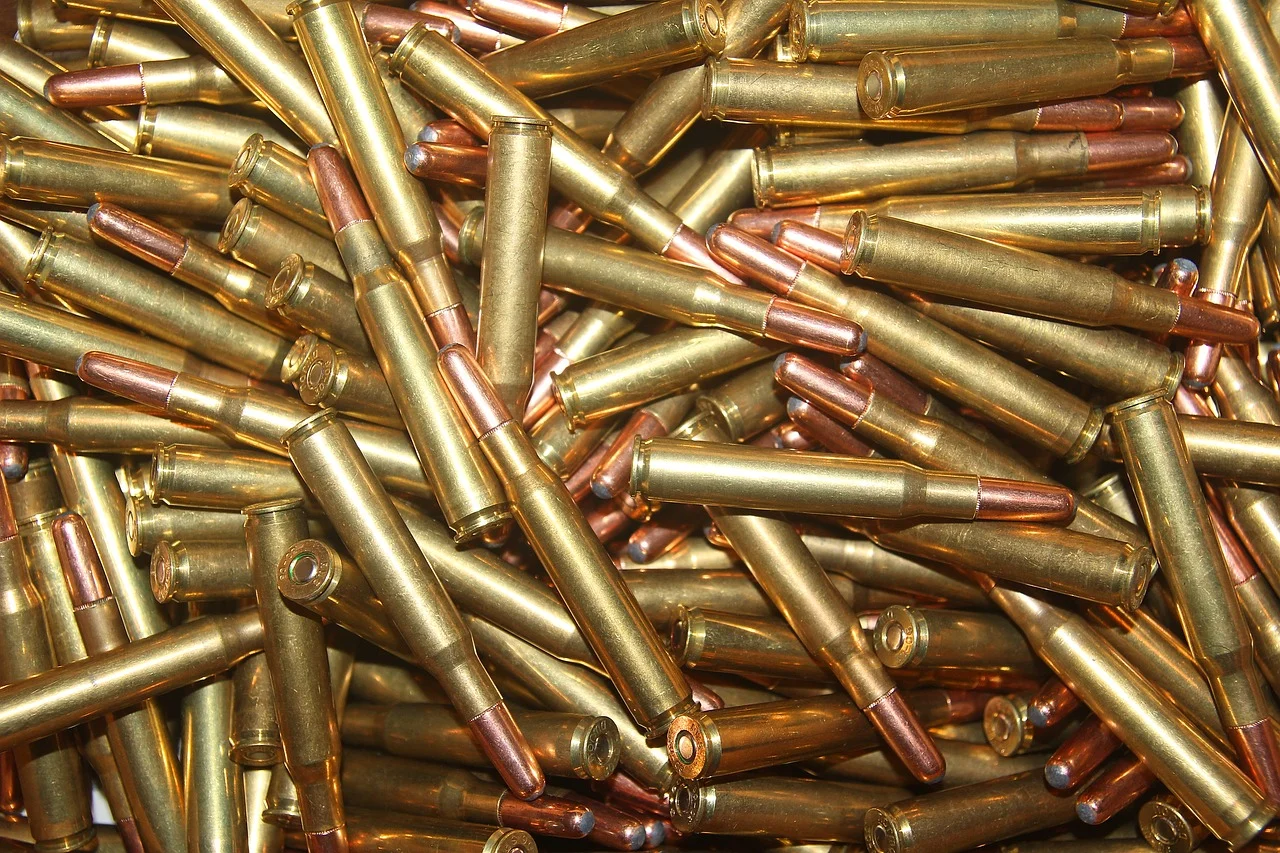
The 9mm Flobert cartridge is available in various configurations, from round balls to shot loads, serving different purposes:
- 9mm Flobert Ball: Uses a small lead ball as a projectile and is ideal for shooting at short distances with sufficient precision and penetration for hunting very small animals or for pest control.
- 9mm Flobert Shot: Filled with shot pellets, this variant resembles a miniature shotgun and is often used for controlling pests and small animals or for recreational shooting activities.
Despite the designation "9mm," the actual diameter of Flobert cartridges can vary depending on the manufacturer and intended use.
Areas of Application
The 9mm Flobert ammunition is primarily used in the following areas:
- Pest Control: Ideal for controlling rodents and small pests at short distances.
- Recreational Shooting: Popular among shooting sports enthusiasts due to its low noise and minimal recoil.
- Hunting: Used under specific conditions for hunting small game such as rabbits or pheasants.
Legal Aspects
The legal classification of 9mm Flobert ammunition and the associated firearms varies significantly worldwide. In some countries, strict regulations apply, while in others, the regulations are more lenient. Interested parties should always inform themselves about local laws.
Summary
The 9mm Flobert cartridge stands as a testament to early firearm innovation and still holds its place in specialized shooting and hunting applications today. Its low noise and minimal recoil make it an interesting option for shooting sports, hunting, and pest control. Despite its limited prevalence, the 9mm Flobert remains a fascinating aspect of firearms history and culture.
Matching listings




Sponsored listings
You might also like
More articles on this topic