The Development History of the Hunting Knife
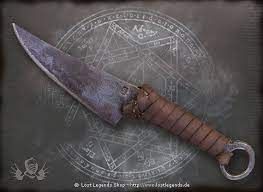
Hunting knives have always been important tools for hunters and outdoor enthusiasts. Their history spans thousands of years and reflects humanity's advancements in tool making and hunting techniques. From simple stone tools to today's technologically advanced hunting knives, these tools have undergone a remarkable evolution. In this article, we will embark on an exciting journey through the history of hunting knives and explore the most significant milestones.
1. Prehistoric Times: Primitive Stone Tools
The use of hunting knives can be traced back to the early days of humanity. In a time when people lived as hunters and gatherers, stone tools such as hand axes and scrapers were the first hunting knives. These simple tools were made from stone and were used to cut meat from hunted animals or to skin them. They were also used for working with wood and other materials to create other tools.
2. Ancient Civilizations: Bronze and Iron Ages
As civilization progressed, so did hunting knives. In the Bronze and Iron Ages, hunting knives were made from more advanced materials such as bronze and iron. The blades became sharper and more efficient. These knives were often elaborately decorated and were not only practical tools but also status symbols.
3. Middle Ages: Hunting Knives as Part of Armor
In the Middle Ages, hunting was an important source of food and resources. Hunting knives became an indispensable part of hunters' equipment and were often integrated into their armor. These knives typically had short, wide blades and were used for breaking down game. They were also used as weapons in self-defense situations.
4. Renaissance: Craftsmanship and Refinement
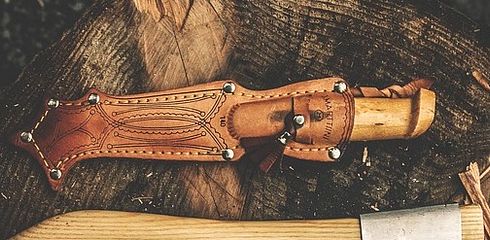
During the Renaissance, the art of knife making experienced a resurgence. Master knife makers created elaborate hunting knives with intricate engravings and noble materials. These knives were often valued by nobles and wealthy hunters as status symbols and collector's items. Hunting knives were also improved for general use during this time and developed into more versatile tools.
5. 18th and 19th Centuries: Industrialization and Mass Production
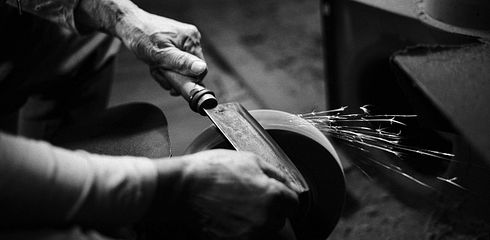
With the industrial revolution and the development of new manufacturing methods, hunting knives became mass-produced items. The availability of steel and the introduction of grinding machines allowed for the production of high-quality hunting knives at affordable prices. The blades became sharper and more robust, and the handles were often made from wood or stag horn.
6. 20th Century: Military Influences and Modern Materials
In the 20th century, military developments influenced the design of hunting knives. Many models were also inspired by military utility knives. The use of new materials such as stainless steel and plastics significantly improved the performance of hunting knives. Hunting knives became lighter, more durable, and easier to maintain.
7. Present: Technological Advancement and Specialization
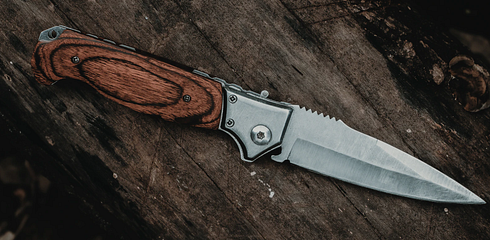
Today's hunting knives are characterized by technological innovations and specialization. There is a wide variety of models optimized for specific hunting purposes, such as gutting knives, boning knives, or skinning knives. Advanced materials such as high-quality stainless steel, titanium, or even ceramic blades are used to enhance the performance and longevity of the knives.
In Summary
The historical development of hunting knives not only shows us the technological advancement of tools but also reflects the significance of hunting in human history. From primitive stone tools to today's high-performance knives, hunting knives are not only functional tools but also a symbol of humanity's connection to nature and its ability to face the challenges of the wilderness. The fascinating journey of hunting knives is a testament to human creativity, innovation, and the pursuit of perfection in its equipment and craftsmanship.
Matching listings









Sponsored listings



You might also like


More articles on this topic