Karambit knife: origin, use, and is it legal in Germany?
What is a Karambit?
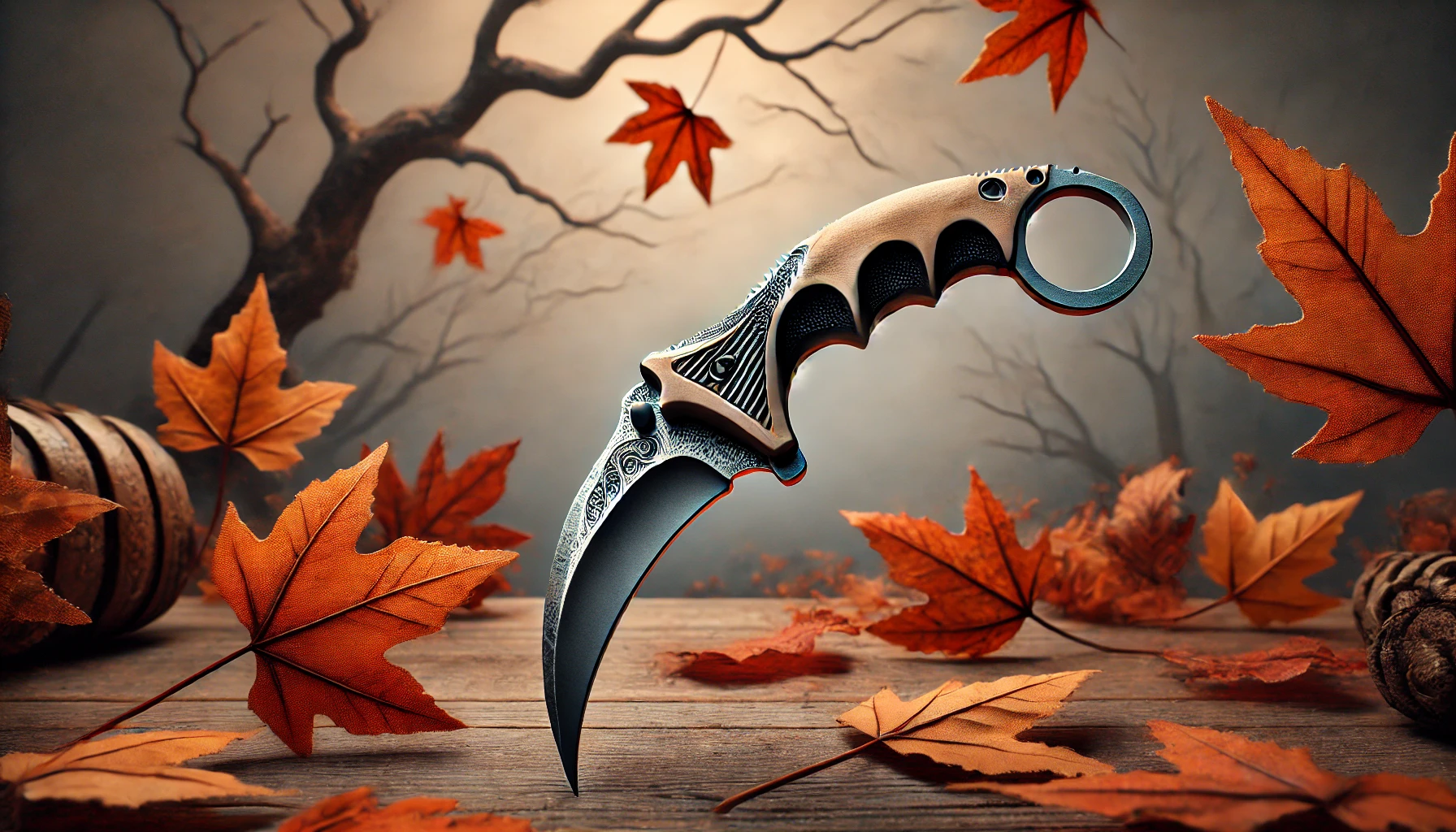
The Karambit is a unique type of knife that originates from Southeast Asia, especially Indonesia. The name “Karambit” comes from the Indonesian and Malaysian languages and means "claw." This traditional tool is known for its distinctive curved blade and the safety ring at the end of the handle. It is extremely useful and effective both as an agricultural tool and as a personal weapon, and is used in traditional Indonesian martial arts known as Escrima, Arnis, Silat, Kali, or Filipino Martial Arts.
What is the design of the Karambit like?
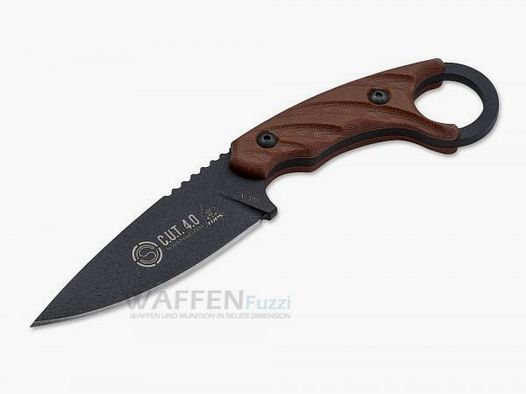
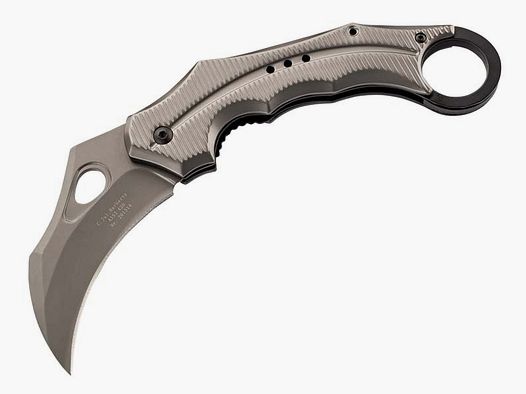
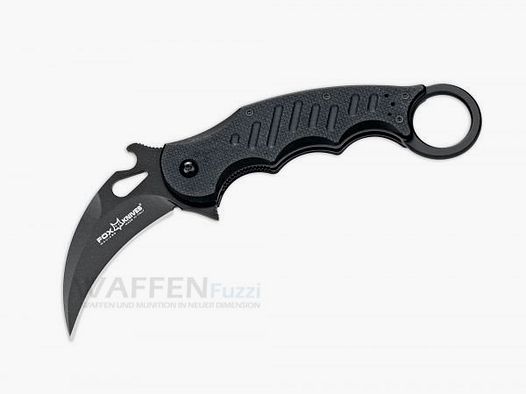
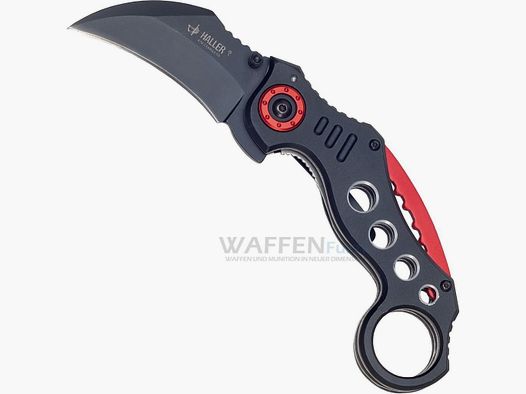
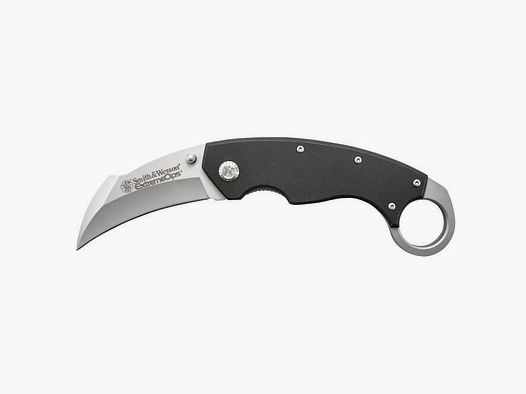
The most striking feature of the Karambit is the curved blade, which resembles the claw of a big cat. The blade is usually 7.5 to 10 centimeters long. The curve of the blade makes it ideal for cutting and pulling motions. Another notable aspect of the Karambit design is the safety ring at the end of the handle. This ring allows the user to grip the knife securely without the risk of it slipping from the hand.
What functions does a Karambit have?
Although the Karambit was originally developed as an agricultural tool, it has evolved over time into a versatile weapon. In agriculture, it was often used for cutting ropes, weeding, and harvesting fruit. In martial arts, the curved blade serves to deter the attacker and, if necessary, deliver effective slashes and stabs. It is also used in elaborate fight choreography.
How is a Karambit used effectively?
Using the Karambit requires skill and practice, especially when used as a weapon. Due to the shape of the blade, the Karambit is particularly effective when used in a pulling motion. It can also be used in a variety of grip positions, including forward and reverse grips, each suited for different applications. The safety ring at the end of the handle also provides the user with high control and security, even during fast or complex maneuvers.
What legal aspects should be considered when owning and using a Karambit?
In many countries, including parts of the USA and Europe, owning or using a Karambit as a weapon is legally regulated or prohibited. It is therefore important to know the local laws and regulations before buying or using a Karambit. In some areas, it may only be carried as a tool and not as a weapon, while in others it is completely banned. In general, a Karambit should be handled with care and respect to avoid injuries and legal issues.
The Karambit in Germany
The right to purchase and possession is permitted for persons aged 18 and over. The blade length is on average 10.5 centimeters. The Federal Criminal Police Office classifies a knife of this type as a cutting and thrusting weapon, but emphasizes that this knife is not a trench knife.
Are there modern variants of the Karambit?
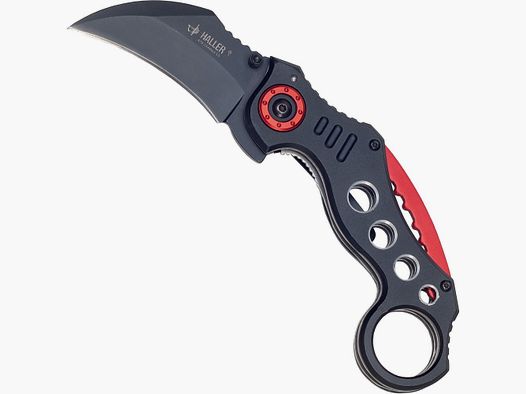
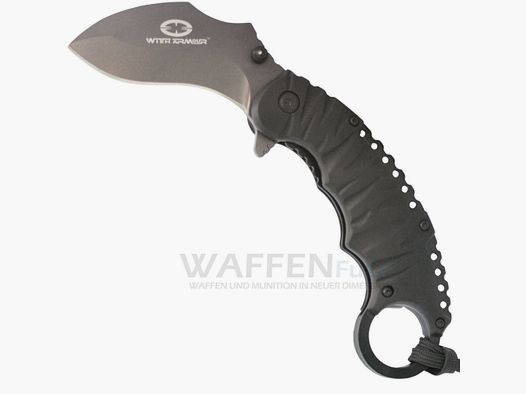
With the rising popularity of the Karambit in the modern world, many knife manufacturers have developed variations of this traditional design. More modern versions can feature folding blades, additional safety features, and high-quality materials. Despite the modern changes, the basic design – a curved blade and a safety ring – remains intact, ensuring that the Karambit continues to be a unique and recognizable type of knife.
The Karambit is more than just a simple tool or weapon. It is a piece of culture, a survival instrument, and a sign of craftsmanship. As with all bladed weapons, it should be handled with caution and responsibility.
Search results for "Karambit"


Sponsored listings


You might also like

More articles on this topic