-10 %
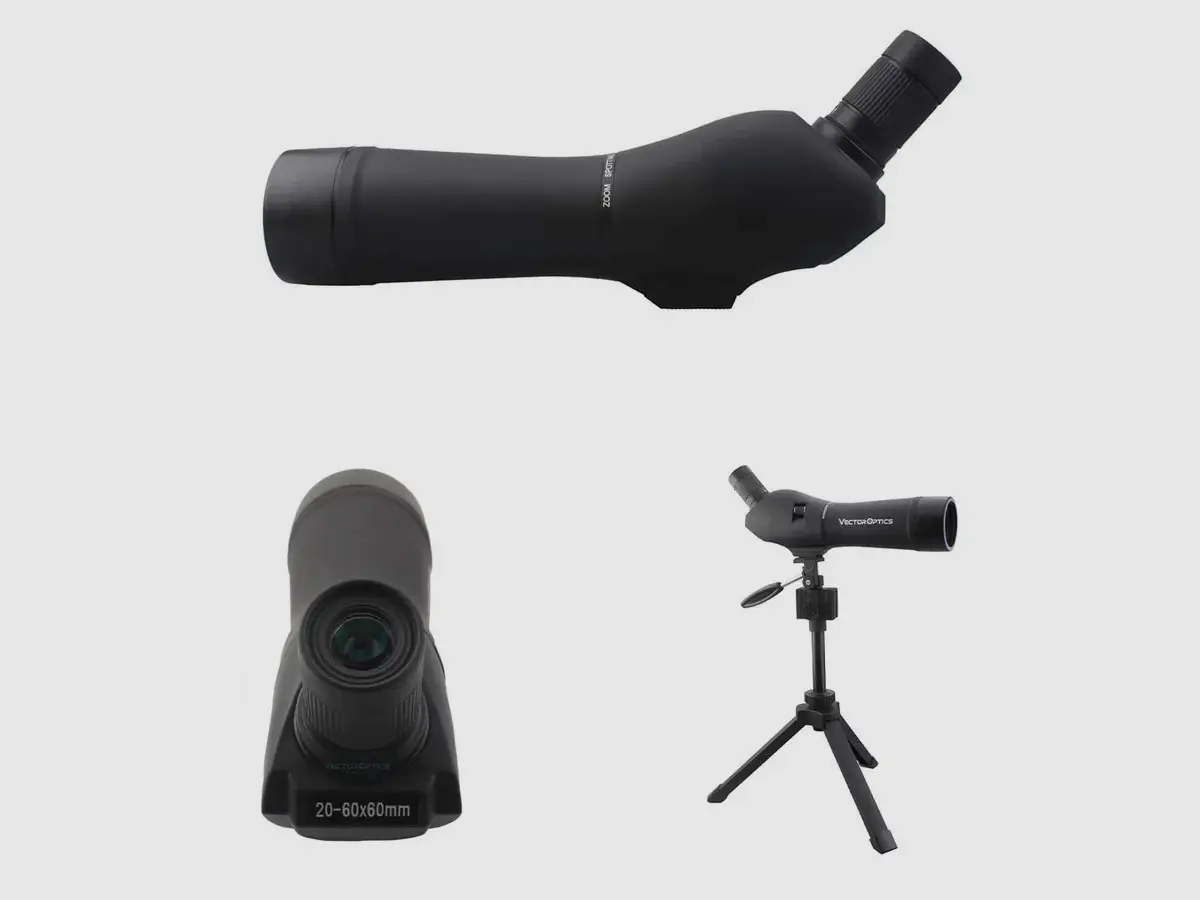
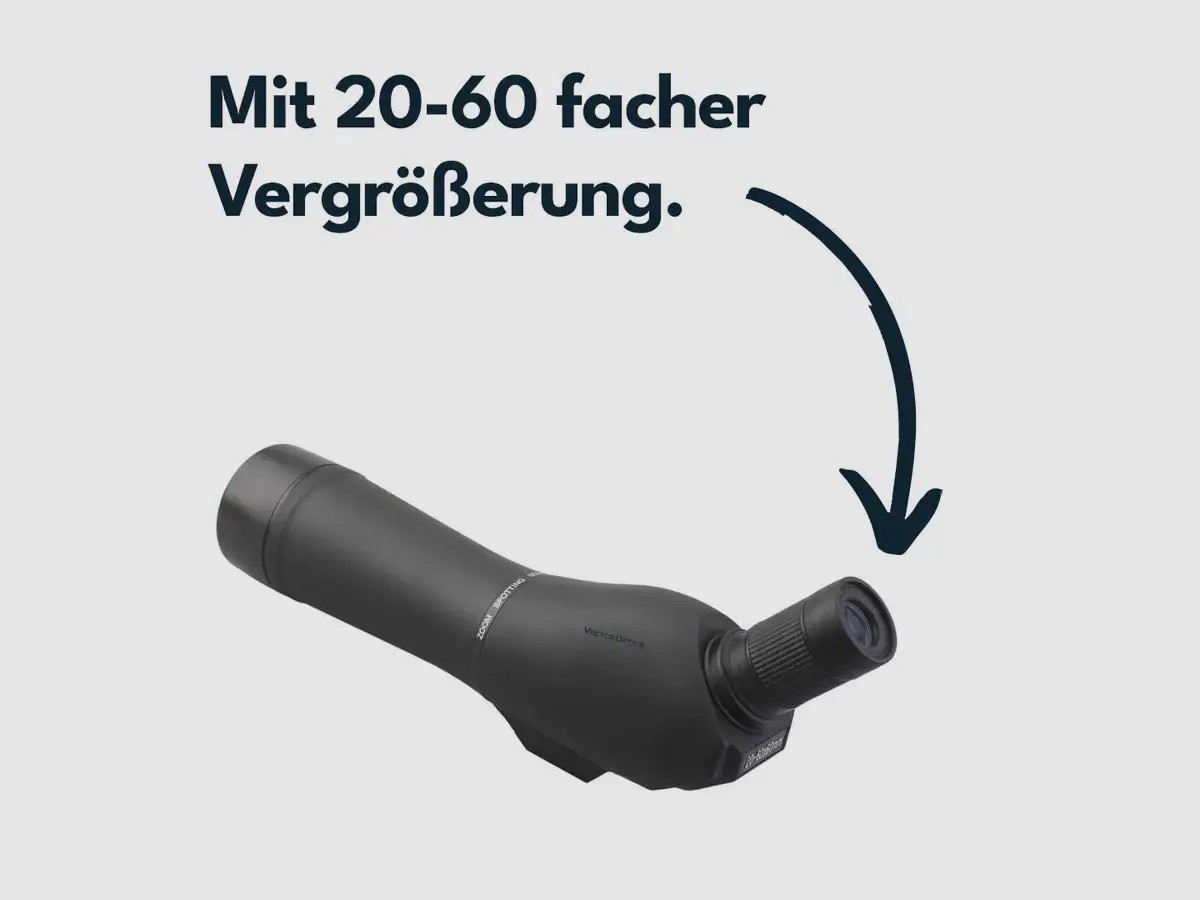
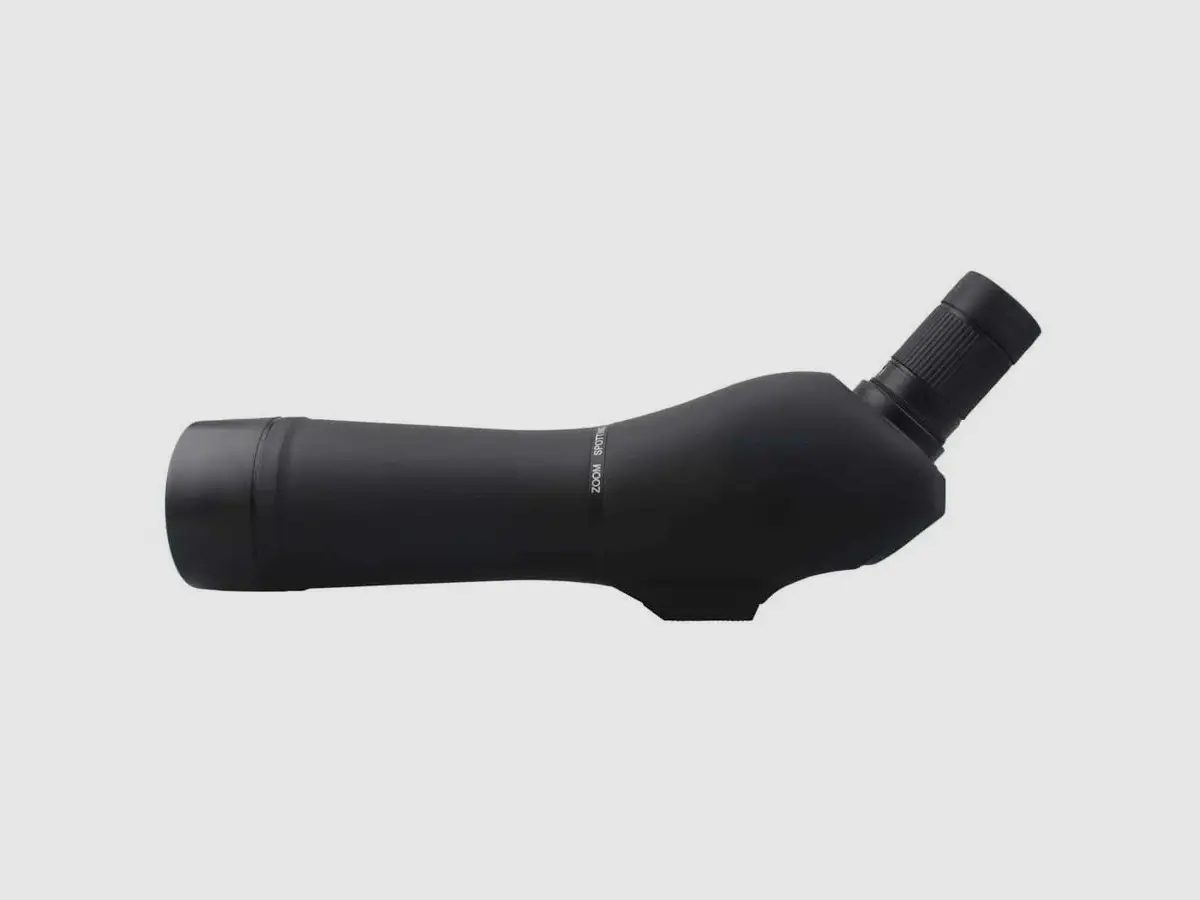
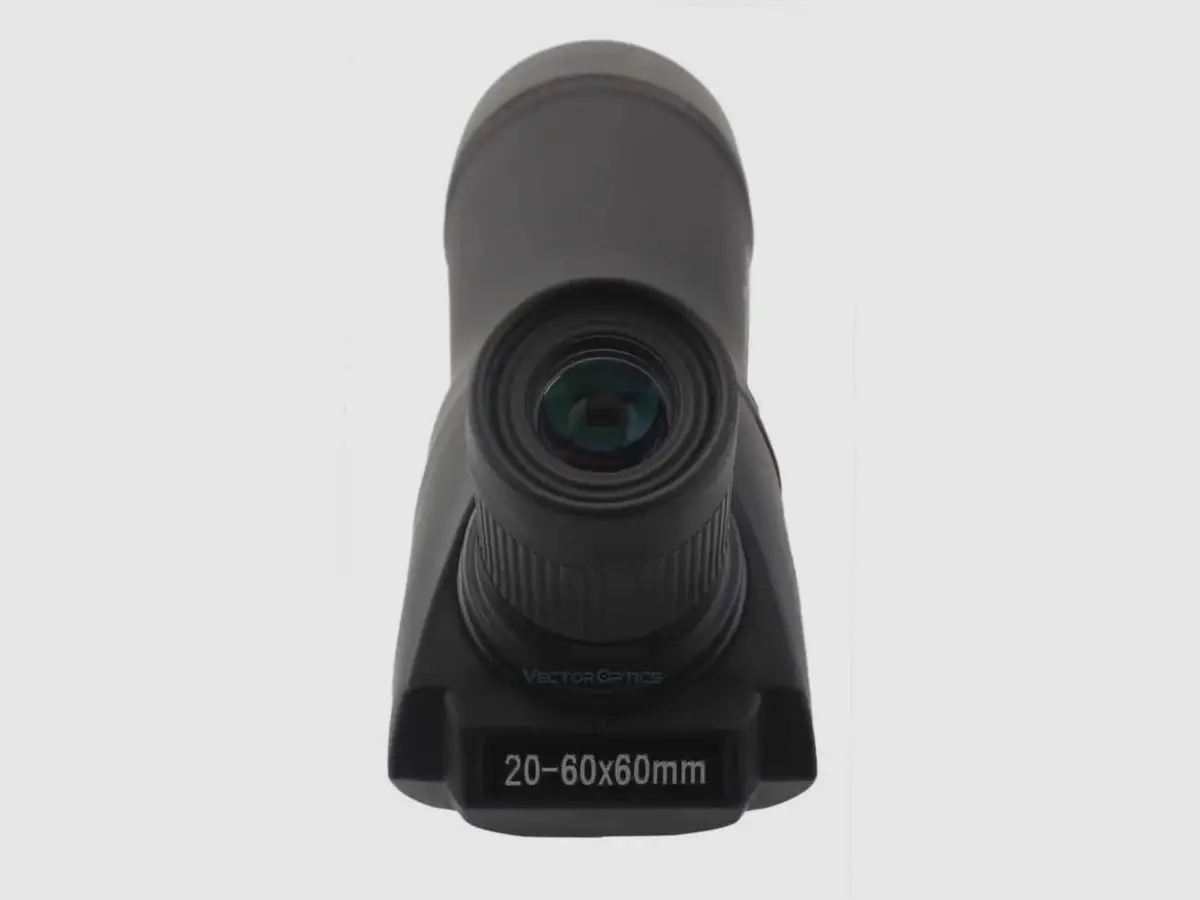
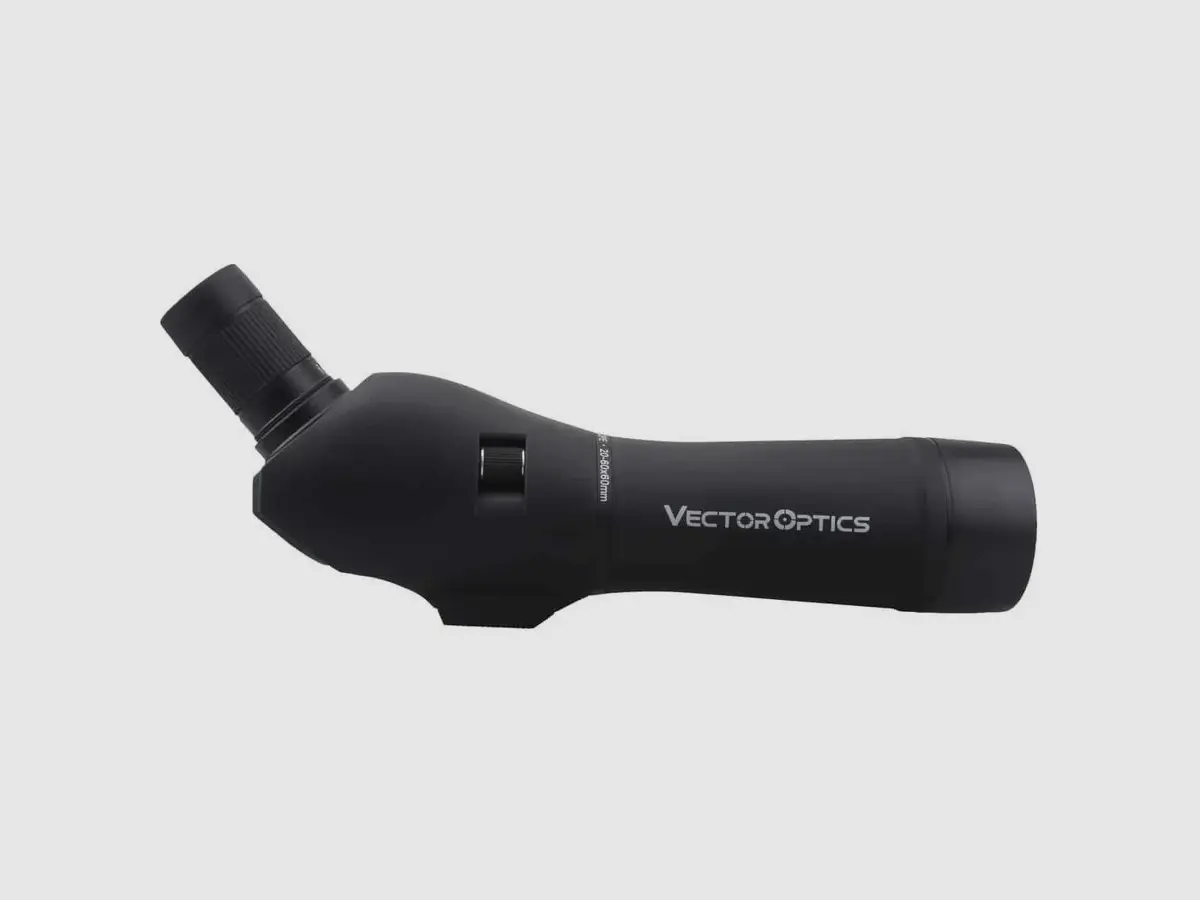
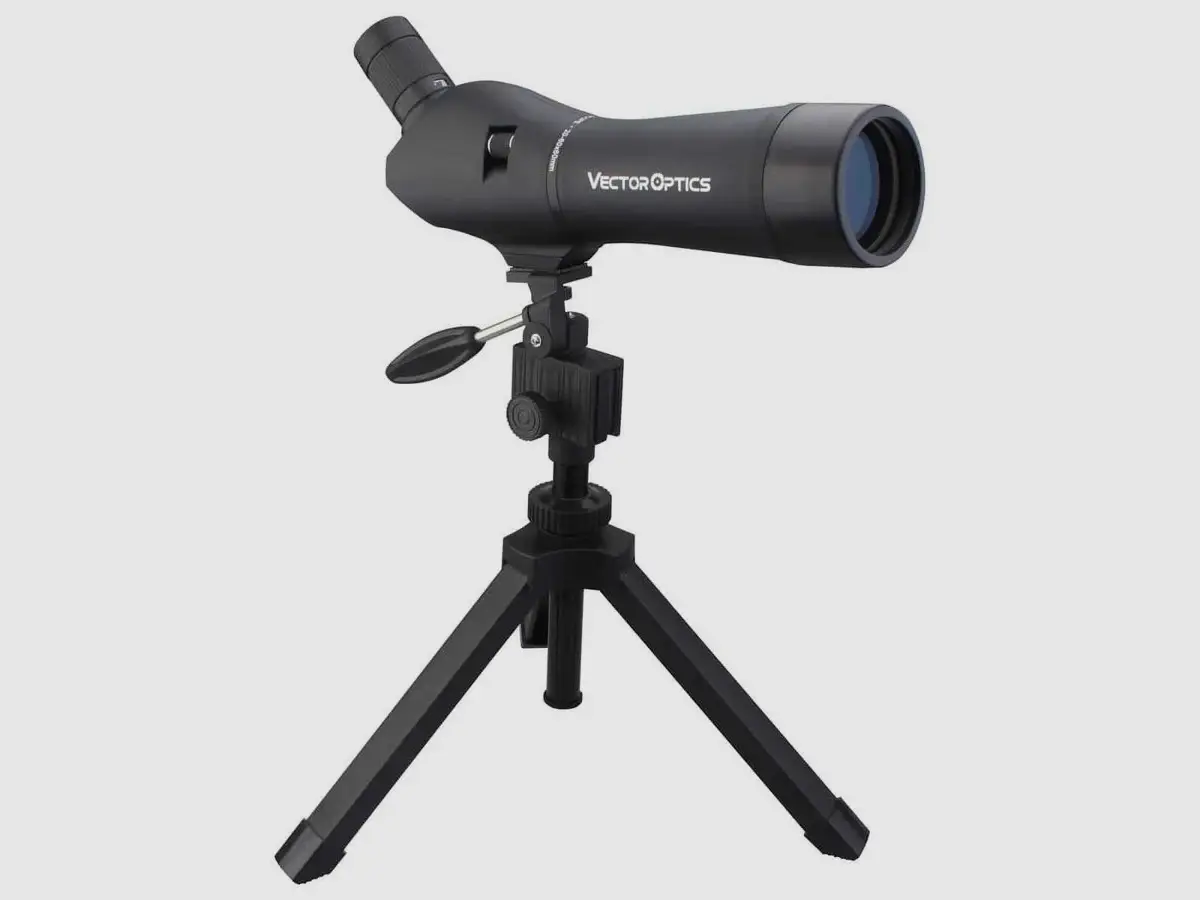
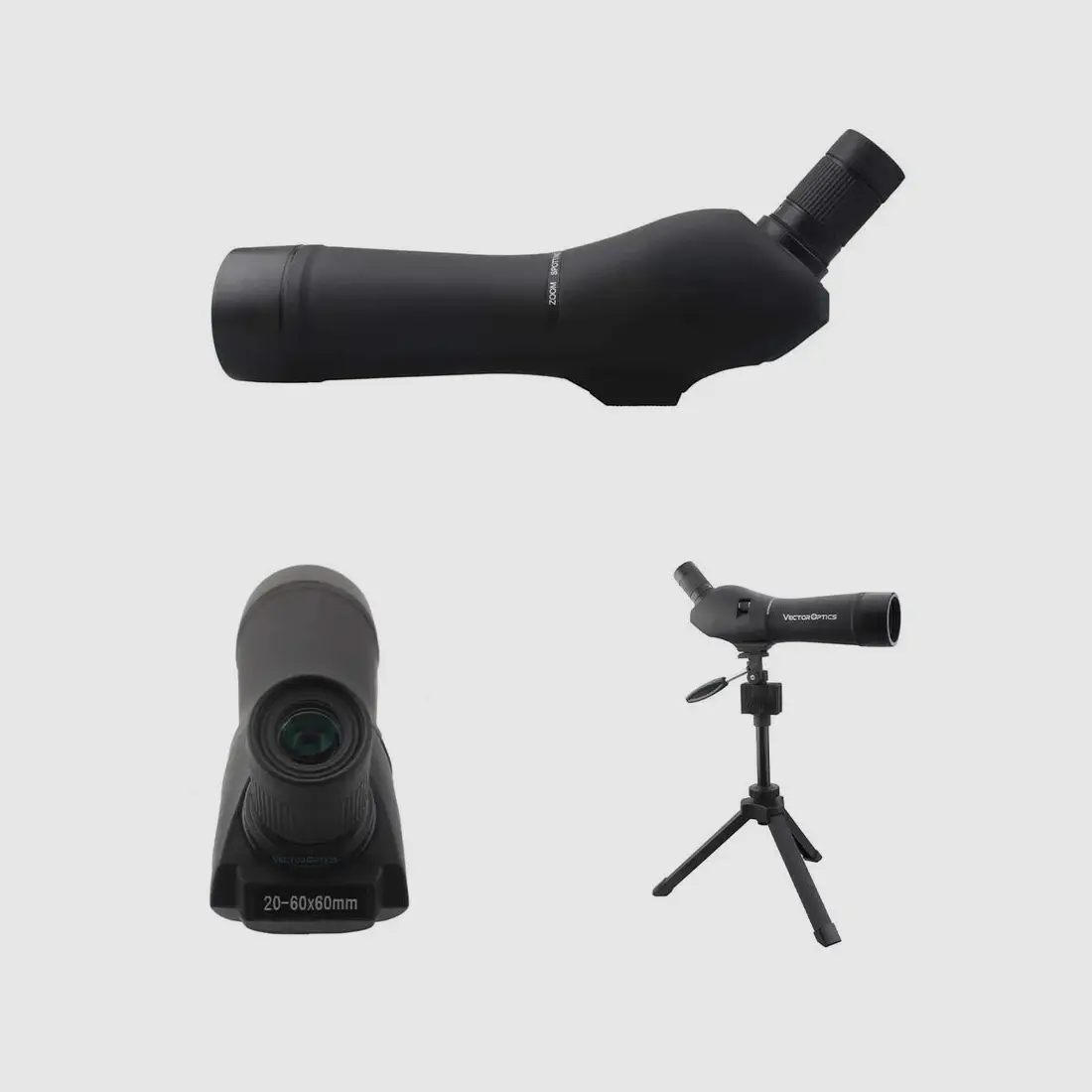
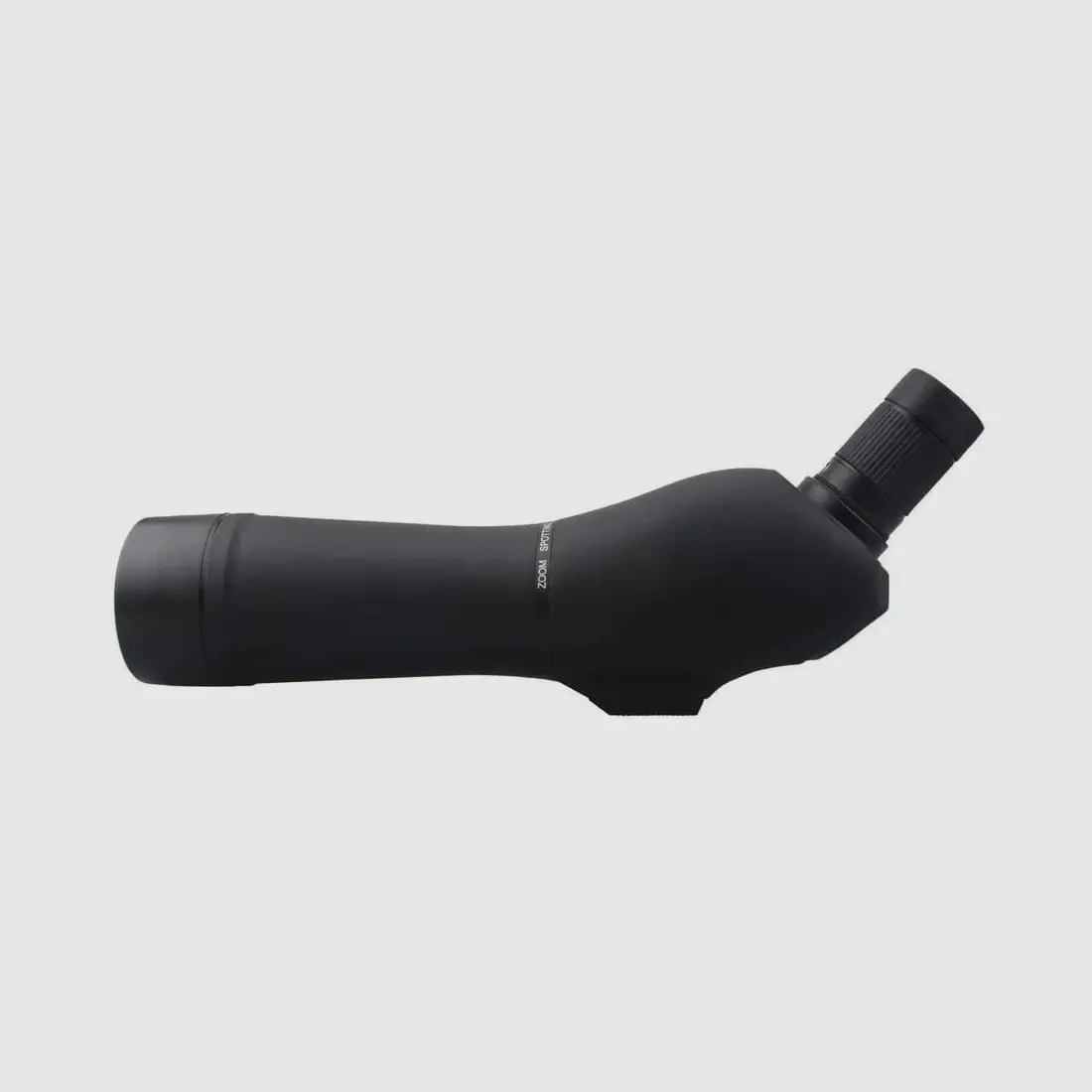
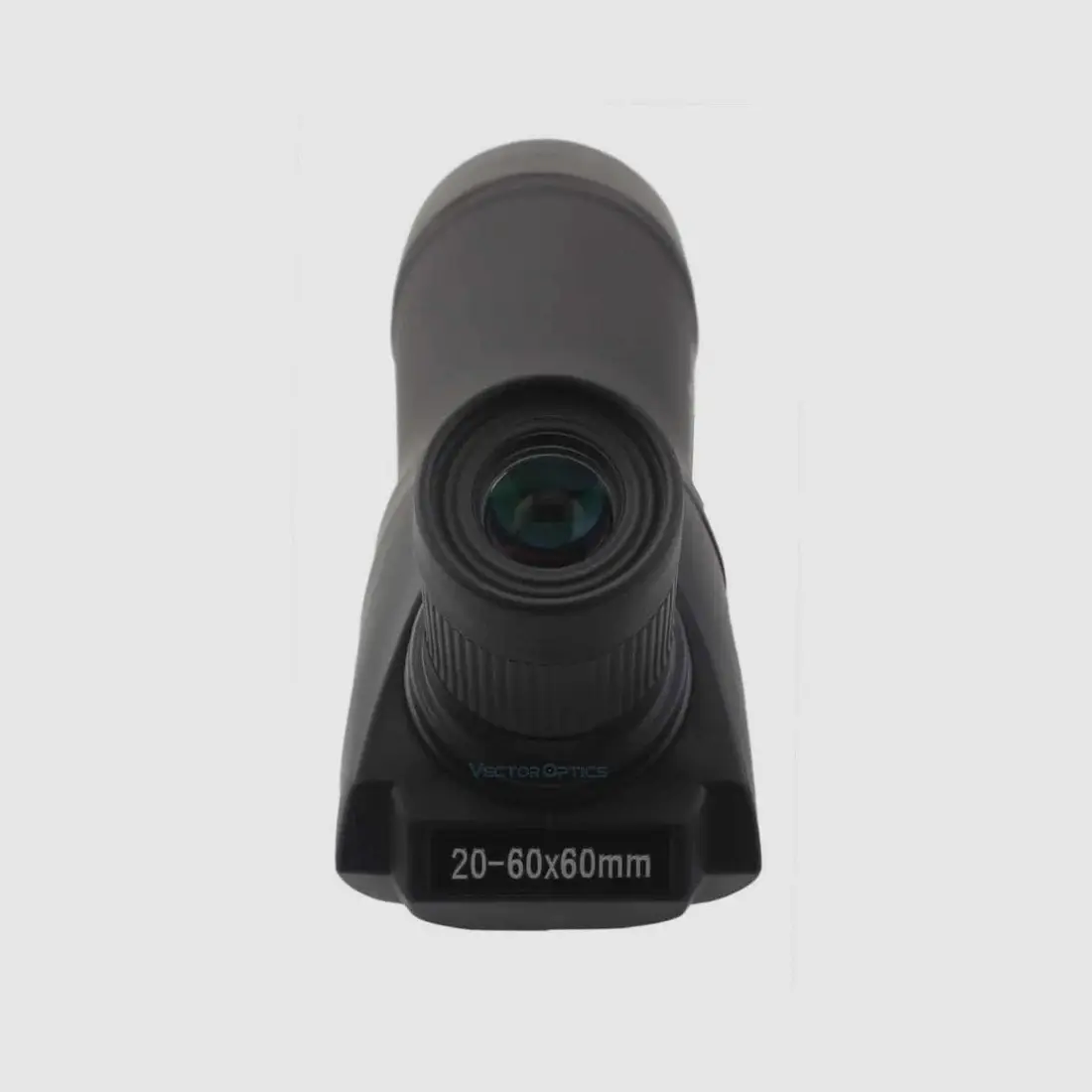
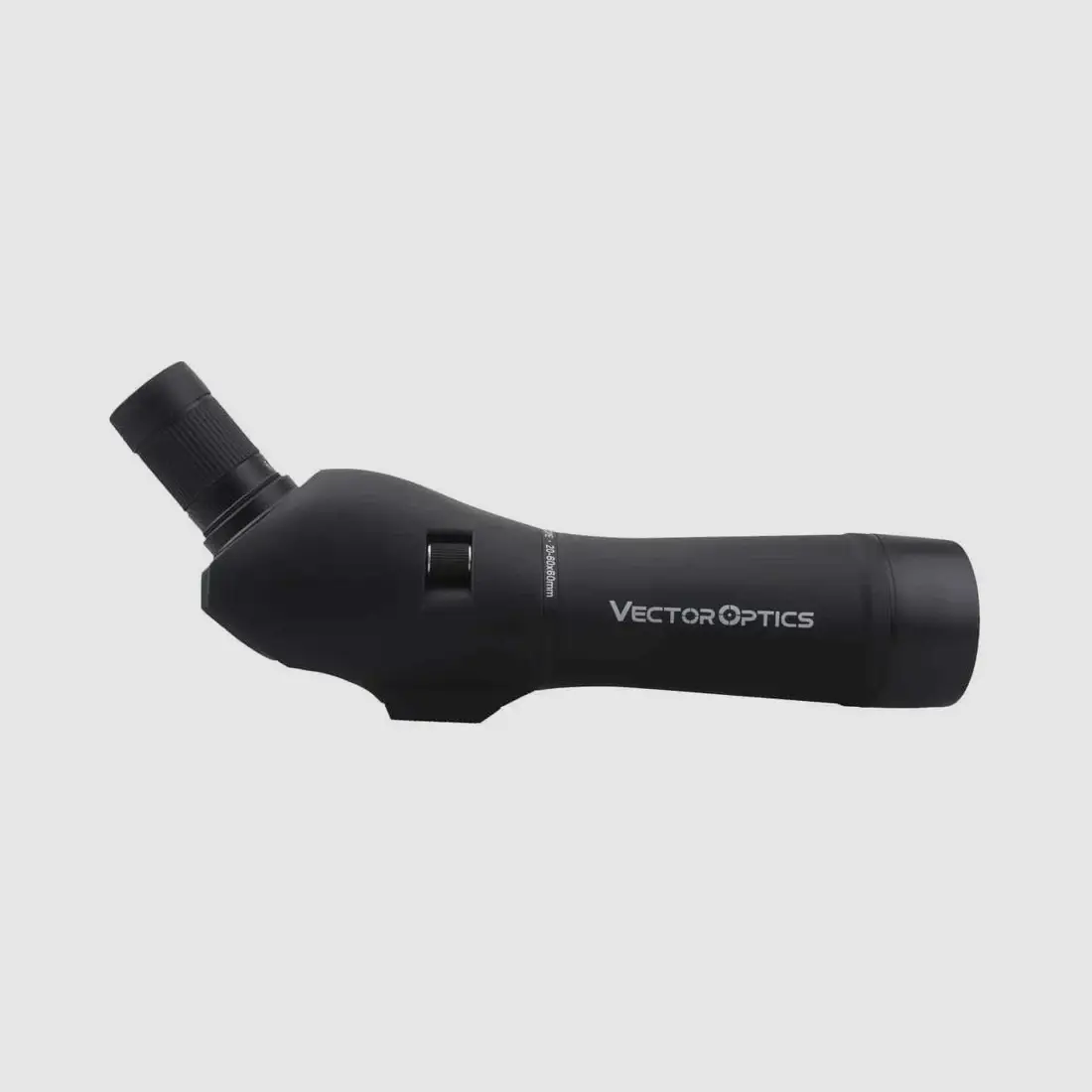
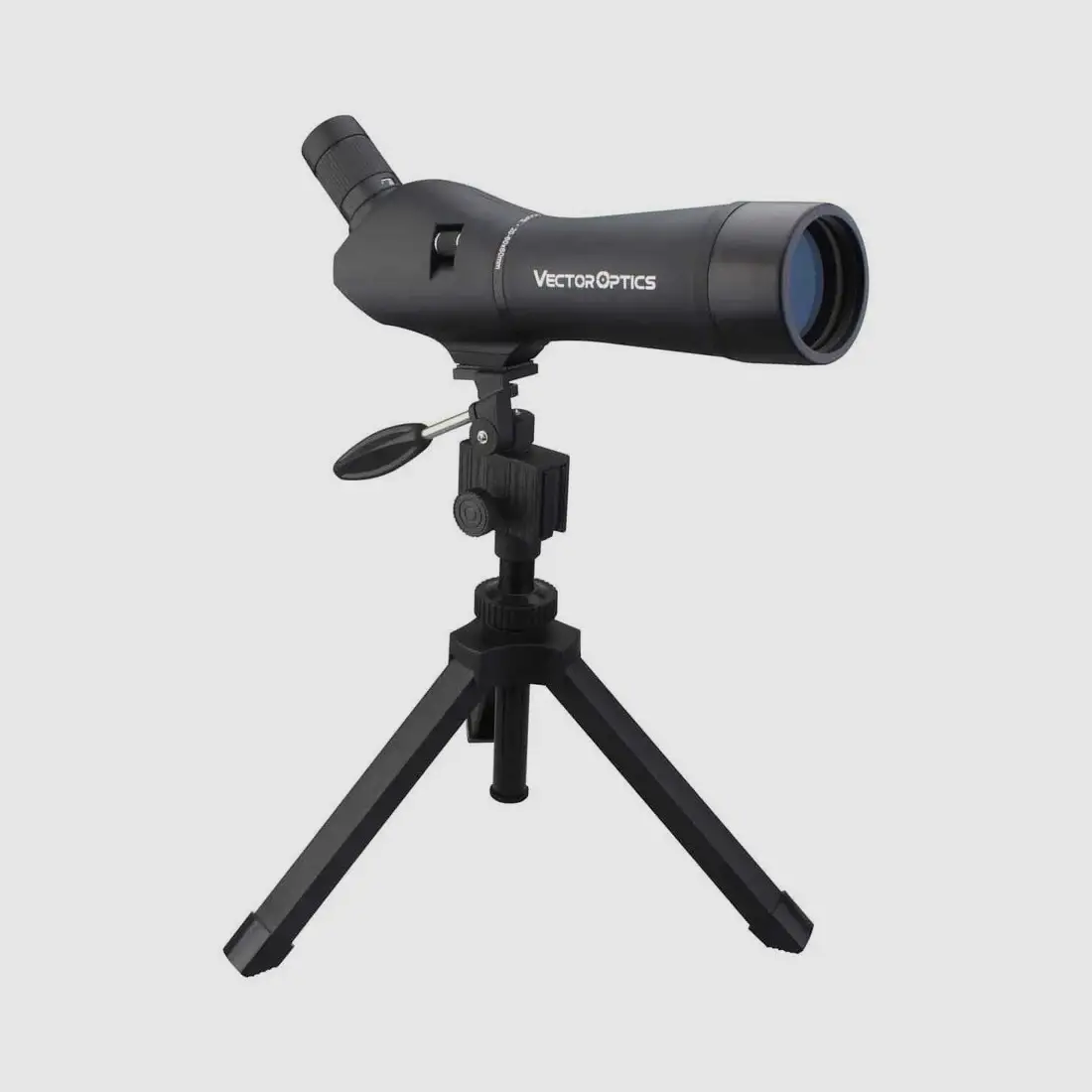
Vector Optics SCSS-01 Forester Liberty 20-60x60 Spotting Scope
72479 Straßberg, Germany
8
ID: 9893843
Shop safely with Gunfinder
Our AI-powered seller identity verification makes Gunfinder the safest marketplace online.
Learn more
Details
- Original language
- German
- Category
- Condition
- New
- Location
- 🇩🇪 72479 Straßberg, Germany
- Availability
- In stock
Freshness
This listing is based on a mirrored offer, where the listing data was synced to us from a shop, dealer, or external marketplace. Please note that temporary price discrepancies may occur due to possible delays in data transmission.
- Source
- Black Raptor
- Last updated
- about 5 hours ago
Description
Note:
The item is located abroad. Please note that delivery conditions, shipping times, and/or the purchase process may differ.
.br-product h1{font-size:1.35rem;margin:0 0 12px}
.br-product h2{font-size:1.15rem;margin-top:28px}
.br-product ul{padding-left:18px}
.br-product .info-box{background:#ffdddd;border-left:6px solid #c40000;padding:12px;margin:20px 0}
.br-product .tip-box{background:#eef6ff;border-left:6px solid #2a6fdb;padding:12px;margin:20px 0}
.br-product .trust-box{background:#eaf7ea;border-left:6px solid #2f8f2f;padding:12px;margin:20px 0}
.br-product details{background:#f2f2f2;padding:10px;margin-bottom:8px;border-radius:4px}
.br-product summary{font-weight:600;cursor:pointer}
Vector Optics SCSS-01 Forester Liberty 20-60x60 Spektiv – praxisnah eingeordnet
Treffer sehen, ohne ständig zur Scheibe zu laufen. Vector Optics SCSS-01 Forester Liberty 20-60x60 Spektiv ist eine Beobachtungsoptik für Range, Revier und Outdoor, wenn du Details auf Distanz erkennen willst.
Warum dieses Produkt?
✔ Mehr Detail als ein Fernglas auf weite Distanz ✔ Sinnvoll für Trefferkontrolle und Beobachtung ✔ Hohe Vergrößerung braucht Stativ und ruhiges Bild ✔ ED-Modelle bieten bessere Farbsäume-/Kontrastkontrolle
Wichtigste Eigenschaften
Mehr Detail als ein Fernglas auf weite Distanz
Sinnvoll für Trefferkontrolle und Beobachtung
Hohe Vergrößerung braucht Stativ und ruhiges Bild
ED-Modelle bieten bessere Farbsäume-/Kontrastkontrolle
Ideal für Stand, Feldkante und Naturbeobachtung
Budget-/Mittelklasse statt Premium-Spektiv
Unsere Einschätzung
Unsere Einschätzung: Ein Spektiv lohnt sich, wenn du wirklich Details beurteilen musst. Maximale Vergrößerung ist aber nicht immer besser – bei Hitze, Flimmern oder schlechtem Licht bringt weniger Zoom oft das klarere Bild.
Ausbilder-Tipp: erst niedrig vergrößern, dann hochgehen. Finde Ziel oder Scheibe bei niedriger Vergrößerung. Erst danach Detailcheck mit mehr Zoom. So verlierst du das Ziel nicht ständig.
Für wen geeignet
Geeignet für: Geeignet für Schießstand, Trefferkontrolle, Jagdbeobachtung und Outdoor.
Nicht geeignet für: Nicht geeignet als schnelle Handoptik oder Ersatz für ein Fernglas im Nahbereich.
Merkmale & Bedienung
Stativ ist Pflicht für sinnvolle Nutzung
Fokussierung langsam und kontrolliert einstellen
Bei Range-Anwendung Position so wählen, dass Hitzeflimmern reduziert wird
Technische Daten – verständlich erklärt
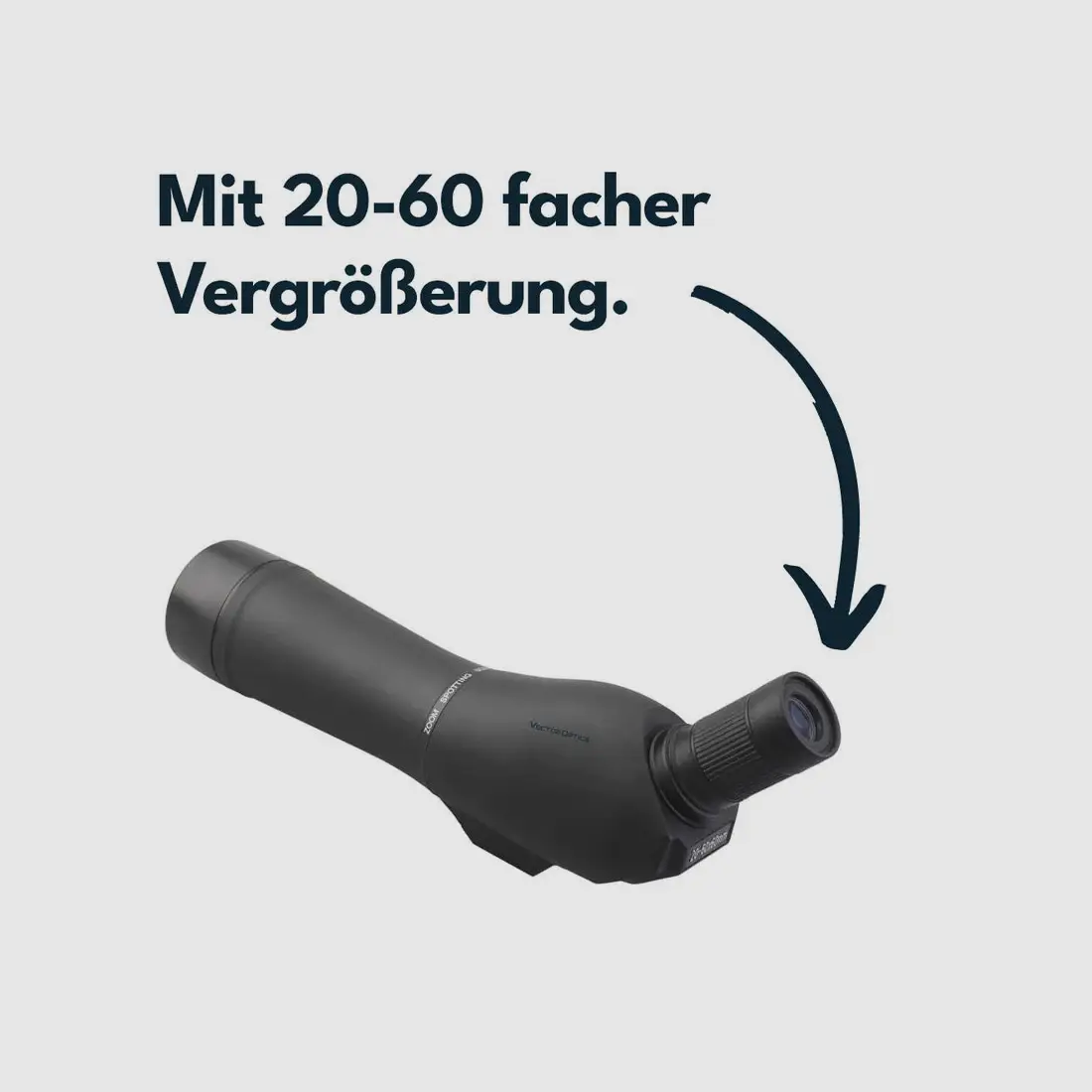
Vergrößerung: 20–60×
Objektivlinsen: 42 mm
Sichtfeld: 30,48–15,24 m bei 100 m
Austrittspupille: 4,1 mm
Linsen: voll mehrfach beschichtet
Optische Struktur: 5 Gruppen / 7 Linsen
Prisma: BaK4 Dachkant-Prisma
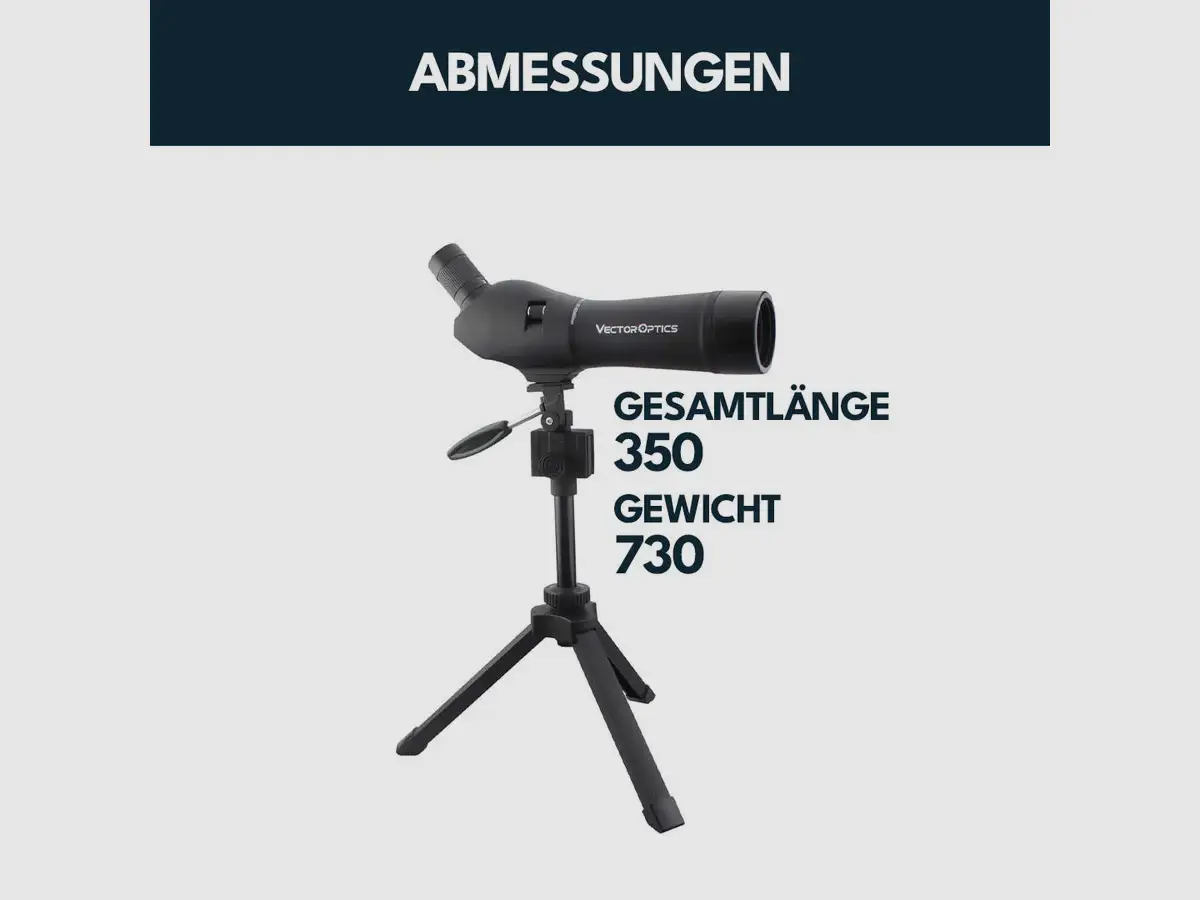
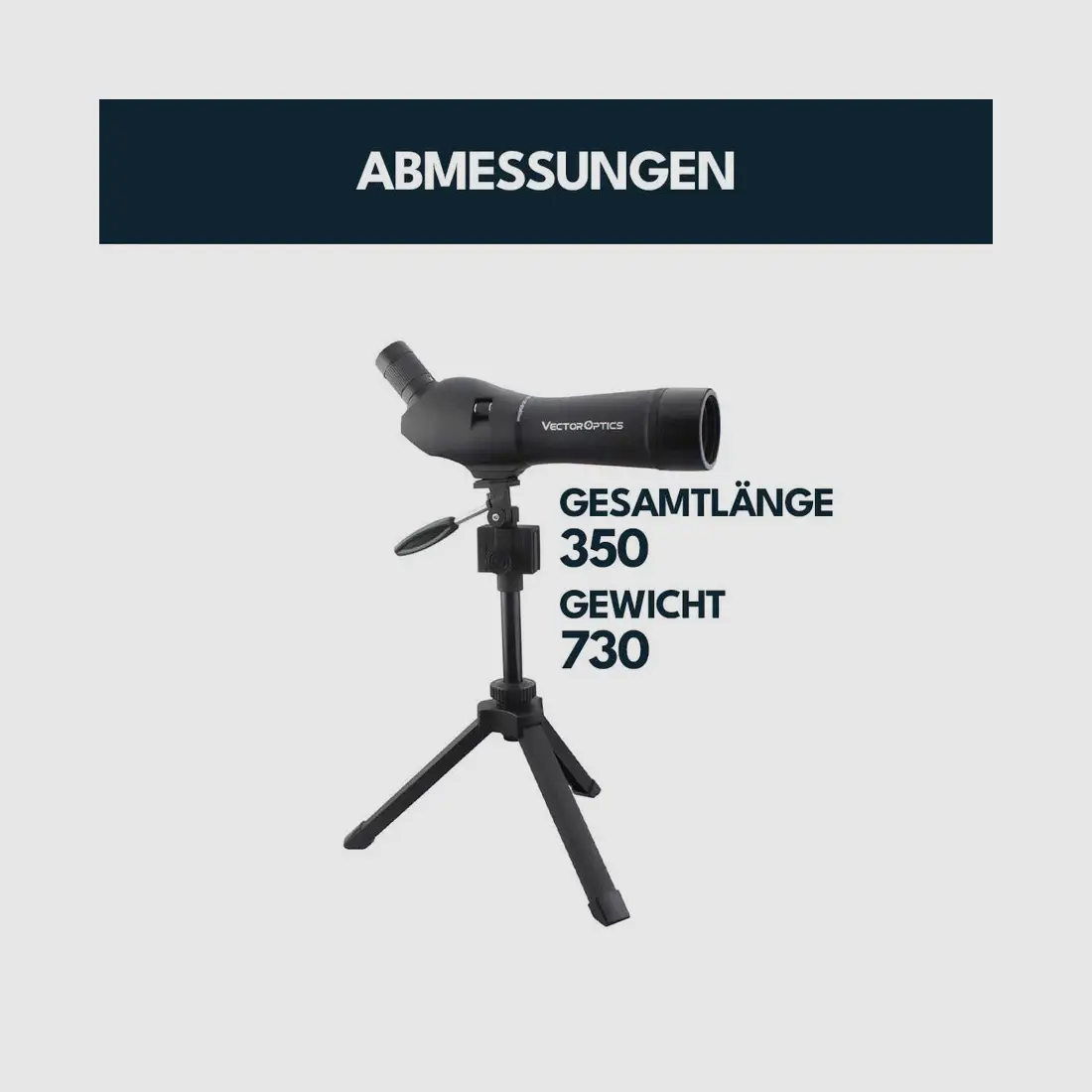
Maße: 146 × 54 × 128 mm
Gewicht: 675 g
Dioptrienausgleich: -4 dpr bis +4 dpr
Wasserbeständigkeit: IPX6
Stoß-, Regen- und Nebelresistent (Herstellerangabe)
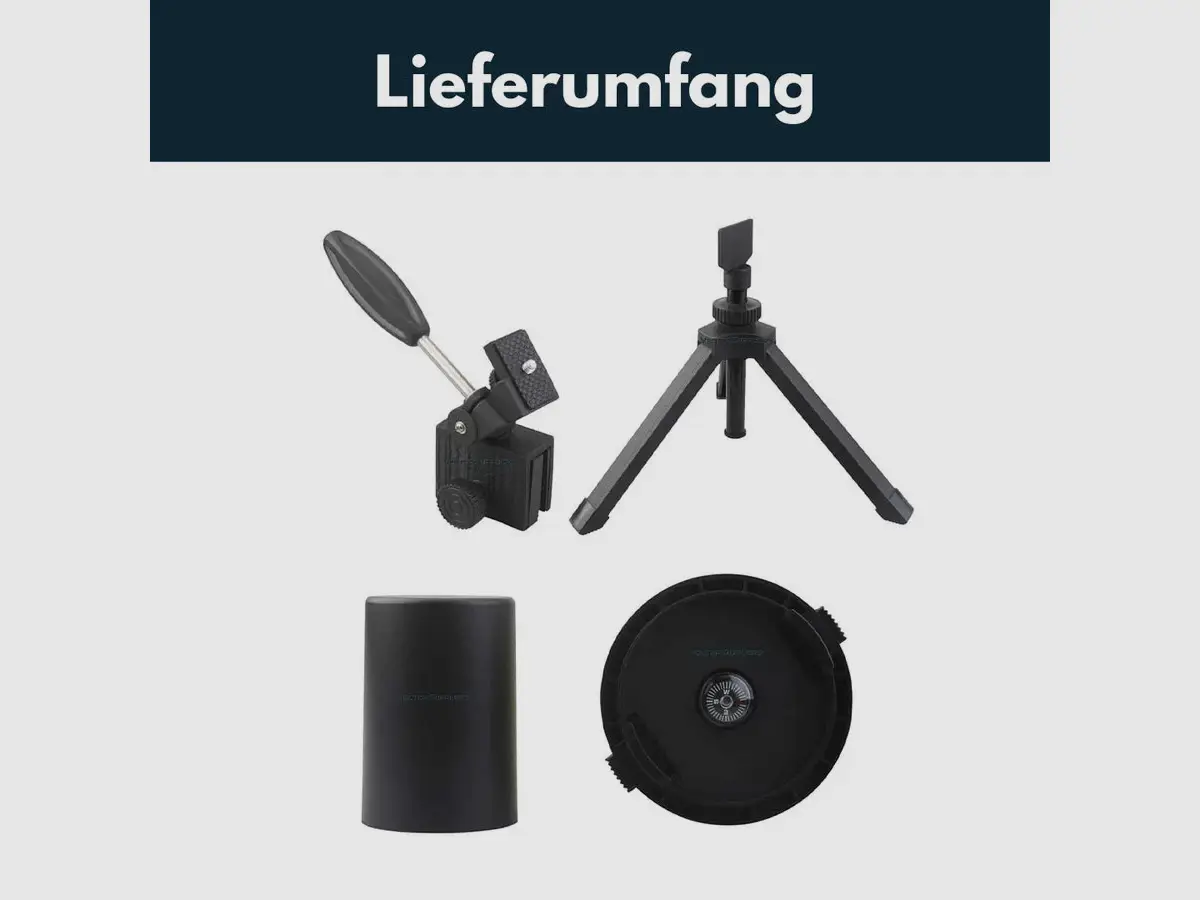
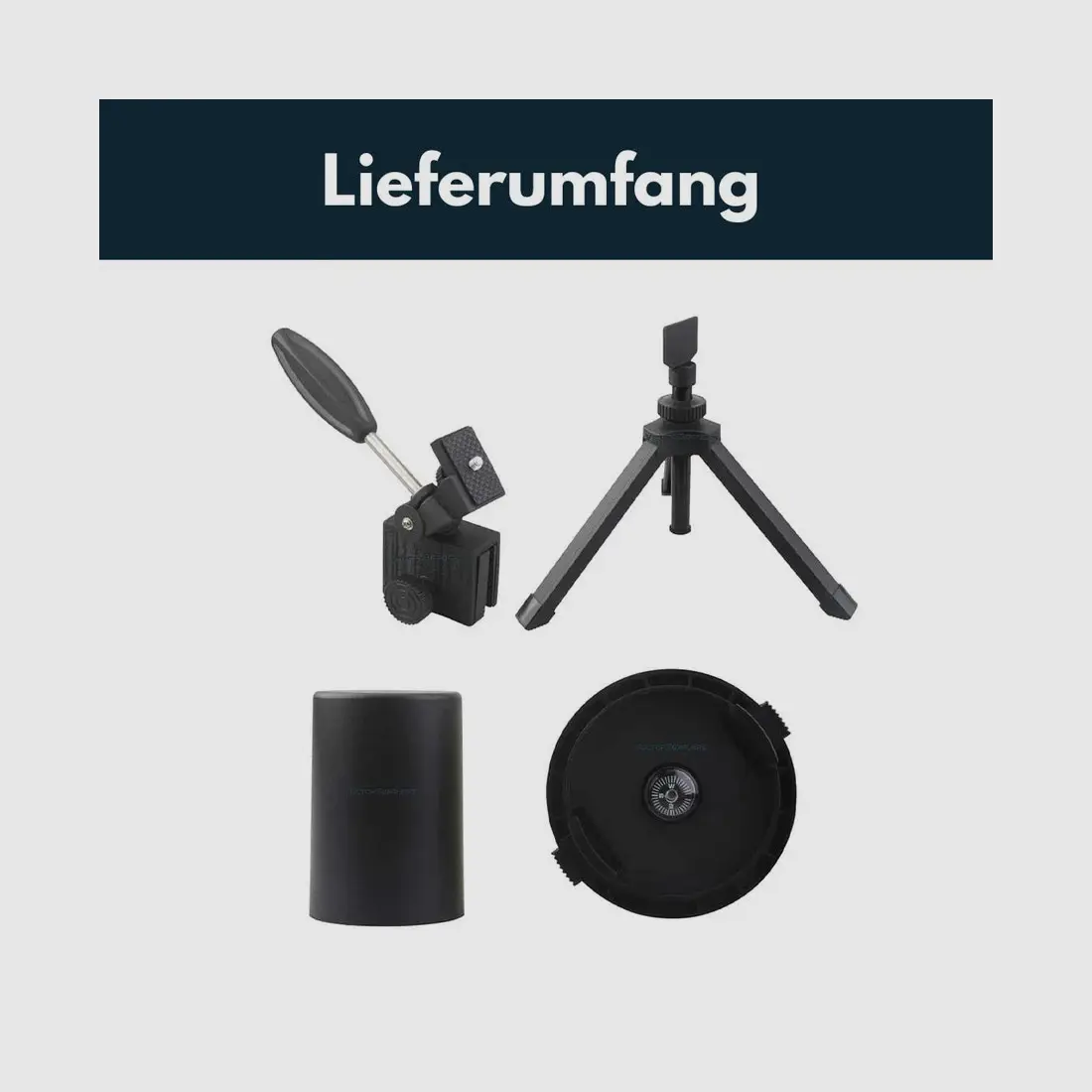
Lieferumfang
Unsere Einschätzung – aus Ausbilder- & Anwendersicht
Merkmale & Bedienung
Zoombereich 20–60× für Wechsel zwischen Überblick und Detail
Mehrfachvergütung zur Reduktion von Reflexen und für Kontrast (Herstellerangabe)
Dioptrienausgleich -4 bis +4 dpr zur Anpassung an die Sehstärke (Herstellerangabe)
IPX6-Wasserbeständigkeit für nasses Wetter (Herstellerangabe)
Dreibein im Lieferumfang für ein ruhigeres Bild (Lieferumfang)
Technische Daten
Hinweis:
Vor dem Einsatz immer Kompatibilität, Montage, festen Sitz und Funktion prüfen. Bei optik- oder treffpunktrelevanten Teilen nach jeder Montage eine Kontrollserie schießen. Vector Optics ist eine starke Budget- bis Mittelklasse-Lösung für zivile Anwendungen – nicht als kompromisslose Behörden-/Duty-Ausrüstung einordnen.
FAQ
Wofür nutzt man ein Spektiv? Zur Trefferkontrolle, Wild-/Naturbeobachtung und Detailerkennung auf Distanz – ideal mit Stativ.
Warum variable Vergrößerung? Niedrig für Übersicht und helleres Bild, hoch für Details. Bei Hitze, Flimmern und schlechtem Licht ist maximaler Zoom nicht immer besser.
Brauche ich ein Stativ? Ja, praktisch immer. Ohne stabile Basis bringt hohe Vergrößerung wenig.
Ist ED sinnvoll? ED-Glas hilft bei Farbsäumen und Kontrast, besonders bei hoher Vergrößerung und langer Beobachtung.
Für wen ungeeignet? Nicht für schnelle Handbeobachtung. Dafür ist ein Fernglas sinnvoller.
Gerade bei Vector Optics entscheidet die richtige Einordnung über den Nutzen: Wähle nicht nach Datenblatt allein, sondern nach Einsatz, Montage, Zielentfernung und realer Anwendung.