Schweißarbeit ohne Schweißhund
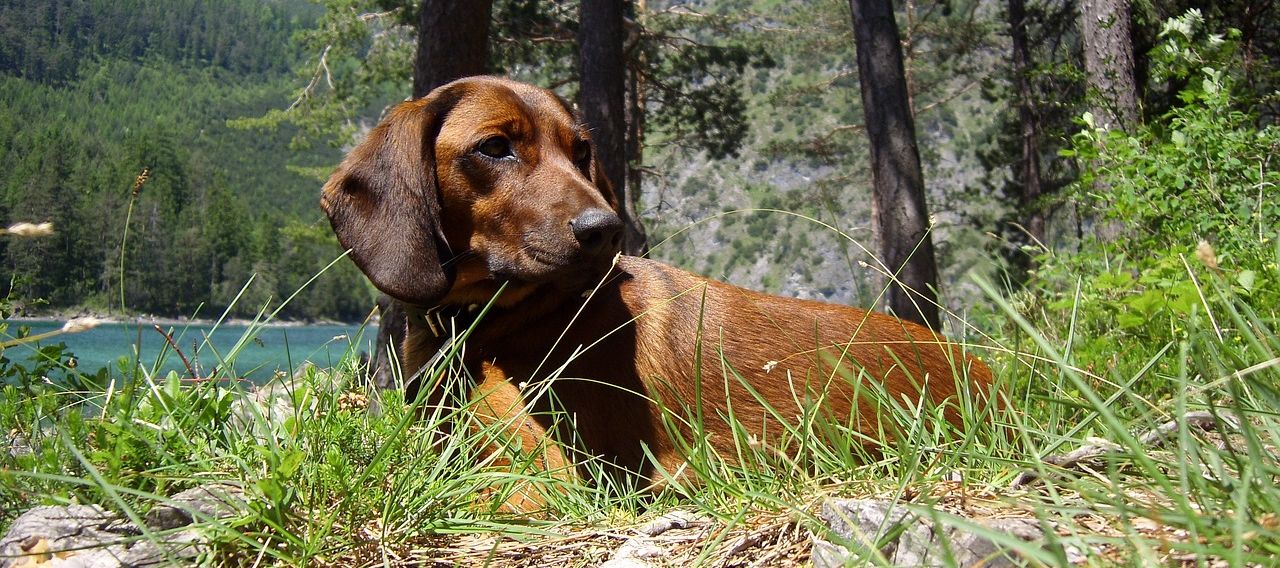
Tracking work is an important part of hunting, where injured game is tracked and pursued by a dog's sense of smell. Typically, specialized tracking dogs such as the Hannoverian Tracking Dog or the Bavarian Mountain Tracking Dog are used for this purpose. However, other hunting dog breeds such as pointing dogs, flushing dogs, and earth dogs can also be effectively trained for tracking work. For example, one can also manage tracking work with a Epagneul Breton, a Wirehaired Dachshund, or a Wachtelhund.
Historical Background and Development
For centuries, hunters have used dogs to track injured game. The use of specialized tracking dogs has proven to be particularly effective. However, other hunting dog breeds have also demonstrated their ability to perform tracking work. The diversity of hunting dog breeds allows hunters to choose and train dogs that best meet their specific needs and hunting areas.
Pointing Dogs in Tracking Work
Epagneul Breton
The Epagneul Breton is a versatile pointing dog, originally bred for bird hunting. Thanks to its keen sense of smell and high willingness to learn, it is also successful in tracking work.
- Characteristics: Intelligent, eager to learn, and with a strong hunting instinct. Known for its endurance and enthusiasm.
- Training: Includes basics of tracking work as well as specific exercises for tracking work. Positive reinforcement and regular training are crucial.
Flushing Dogs in Tracking Work
The Wachtelhund, also known as the German Wachtelhund, is a versatile flushing dog that can be used for both bird and small game hunting as well as for tracking work.
- Characteristics: Enduring, brave, and with a strong sense of smell. Very eager to work and adaptable.
- Training: Often begins at a puppy age. The dog learns to follow blood trails and focus on tracking work, even when other game trails are present.
Earth Dogs in Tracking Work
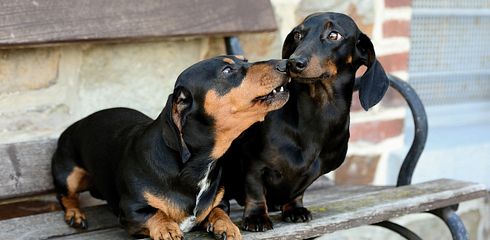
The Wirehaired Dachshund is a popular earth dog, originally bred for hunting badgers and foxes. However, it has also proven to be an effective tracking dog.
- Characteristics: Brave, persistent, and with an excellent sense of smell. Despite its small size, it shows remarkable endurance and determination.
- Training: Requires patience and consistency. The dog must learn to follow blood trails and not be distracted by other scents. Regular training and positive reinforcement are essential.
Training and Education
Training a dog for tracking work is an intensive process that requires a lot of time and patience. Regardless of the breed, there are fundamental principles that must be considered during training.
Basic Obedience
Basic obedience is the foundation of all tracking work. Commands such as "Sit", "Down", "Come", and "Stay" are essential. The dog must learn to listen to its handler and follow instructions immediately.
Specialized Tracking Work
Tracking work involves training the dog to recognize and follow blood trails. Regular practice on artificially laid trails prepares the dog for real tracking work.
Collaboration Between Dog and Handler
Close collaboration between the dog and handler is essential. The handler must be able to correctly interpret the dog's signs and signals, while the dog must learn to respond to its handler's commands.
***
***
Practical Application
In practice, tracking work begins after a successful shot that does not immediately take down the game. The dog is set at the point of impact, where it picks up the trail. Depending on the terrain and weather conditions, the pursuit can take several hours. Patience and precision are crucial here.
- Epagneul Breton: Its endurance and keen sense of smell make it a reliable partner in tracking, especially in forested areas.
- Wachtelhund: Its versatility and adaptability allow it to work effectively in different terrains, including densely vegetated areas.
- Wirehaired Dachshund: Despite its size, the Wirehaired Dachshund shows remarkable abilities in tracking in rough terrain and dense underbrush.
Importance for Animal Welfare
Tracking work significantly contributes to animal welfare. By using dogs, it ensures that injured game is quickly found and euthanized, minimizing unnecessary suffering. This promotes an ethically responsible hunting practice that prioritizes the welfare of the game.
Tracking work without specialized tracking dogs is not only possible but can also be very effective. Pointing dogs like the Epagneul Breton, flushing dogs like the Wachtelhund, and earth dogs like the Wirehaired Dachshund have proven to be excellent alternatives for this demanding task. With the right training and equipment, these dogs can also be successfully used in tracking work and help promote an ethically responsible hunting practice.
Matching listings

Sponsored listings

You might also like


More articles on this topic