German Wachtelhund: Character, Training and Suitability for Hunting
What is a Deutscher Wachtelhund?
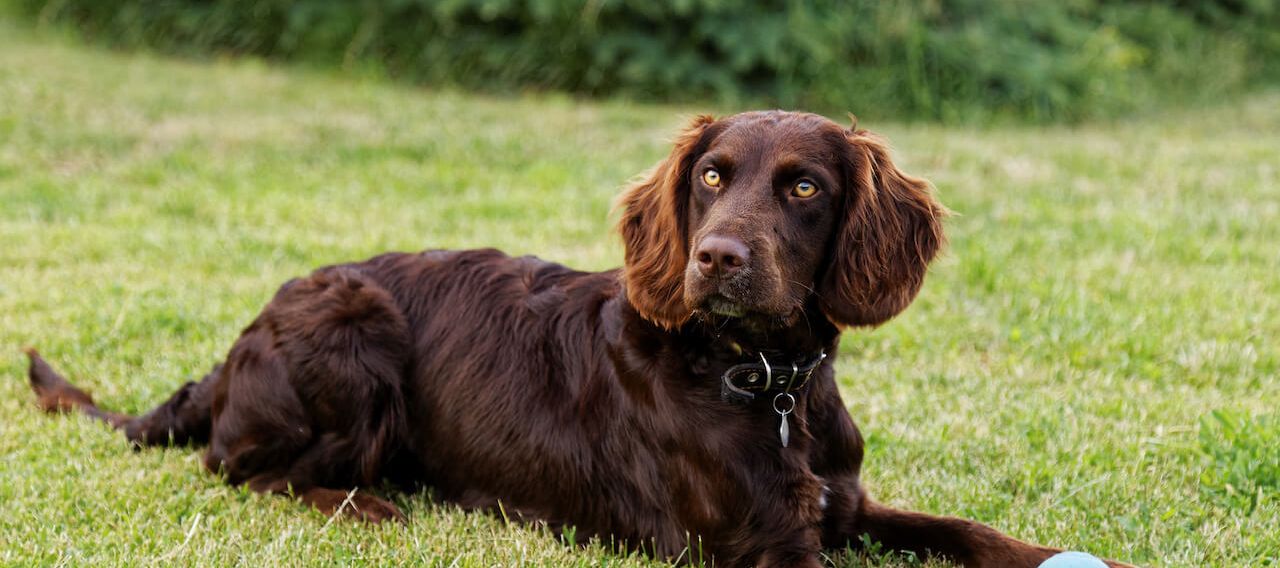
The breed Deutscher Wachtelhund (also simply called Wachtel) is one of the oldest German hunting dog breeds. For many centuries, the ancestors of today’s Deutscher Wachtelhunde dominated the hunting dog populations in German lands. They also gave rise to other current hunting dog breeds such as the Deutsch Langhaar, the Kleine Münsterländer, the Große Münsterländer, or the Deutsch Drahthaar.
After Pointer breeds became increasingly popular at the end of the 19th century and gradually displaced the Wachtelhunde, the “Verein für Deutsche Wachtelhunde e.V. 1903” was founded in 1903, which still ensures the preservation and breeding of the Deutscher Wachtelhund today.
Nowadays, the Wachtel is also considered a classic forester’s dog.
Profile of the Deutscher Wachtelhund:
| Size: | 45-54 cm |
| Weight: | 18-25 kg |
| Colors: | Brown, Brown Roan, Red Deer |
| Coat Texture: | long, strong, dense, close-fitting, curly or smooth, dense undercoat |
| Life Expectancy: | up to 14 years |
| Suitable as: | Hunting and family dog |
| Character: | Affectionate, lively, adaptable, trainable, alert |
| Exercise Needs: | medium-high |
| Water Affinity: | medium-high |
| Child Friendly: | rather yes |
| Social Compatibility: | medium - high |
| Family Dog: | rather yes |
| FCI Group: | 8: Retrievers – Flushing Dogs – Water Dogs |
What are the nature & character of the Deutscher Wachtelhund?
The Deutscher Wachtelhund is a hardworking and passionate hunter, but he can also be a good family dog. The breed is intelligent and eager to learn, but also independent and sometimes stubborn. It is important that the Deutscher Wachtelhund is well socialized from an early age to ensure he gets along well with other dogs and people.
What does a Deutscher Wachtelhund look like?
The Deutscher Wachtelhund is a strong and agile dog with a robust constitution. It has a short, dense coat that can come in various colors such as brown, gray, black, or so-called deer red. The Deutscher Wachtelhund has a strong nose and good hearing, which helps it track game effectively.
How to Keep a Deutscher Wachtelhund?
A Deutscher Wachtelhund is an active and intelligent dog that needs plenty of exercise and mental stimulation to be happy and balanced. Here are some tips for keeping a Deutscher Wachtelhund:
- Exercise: These dogs need at least one hour of intense physical activity daily, such as walks, jogging, hiking, or playing outdoors.
- Training: A Deutscher Wachtelhund requires regular training to develop its mental abilities and strengthen its bond with its owner. Targeted obedience training and cognitive exercises are also helpful.
- Socialization: Socialization is important to get a Deutscher Wachtelhund used to different people, animals, and environments and to prevent it from becoming fearful or aggressive.
- Feeding: It’s important to provide a balanced and healthy diet for your dog to maintain its physical and mental health.
- Care: Regular vet visits, thorough grooming, and good hygiene are important to keep the Deutscher Wachtelhund healthy.
It’s important to note that the Deutscher Wachtelhund is a work-oriented dog and needs a purpose in life to be happy. Hunting, dog sports, or other work tasks can help it live out its natural instincts and boost its confidence.
How to Train a Deutscher Wachtelhund?
The Deutscher Wachtelhund is an intelligent and work-oriented dog that responds well to positive reinforcement. Here are some tips for training a Deutscher Wachtelhund:
- Consistency: Be consistent in your training and stick to a fixed routine.
- Positive Reinforcement: Use positive reinforcement like praise, treats, and toys to reward desired behavior.
- Clear Commands: Use clear and simple commands and repeat them regularly.
- Socialization: Start early with socialization to get your dog used to different people, animals, and environments.
- Training: Incorporate regular training into your daily routine to stimulate your dog’s mental abilities and strengthen your bond.
- Patience: Be patient and stay calm when your dog makes mistakes. Avoid punishment or aggressive methods, as these can disrupt your dog’s learning process.
- Make it Fun: Make training a positive and fun experience for your dog.
It’s important to note that every dog is unique, and a training strategy that works for one dog may not necessarily be effective for another. It’s important to understand your dog’s needs and personality and agree on a training approach that works for both of you.
What diet for a Deutscher Wachtelhund?
As with all hunting dogs of his size, the diet of the Deutscher Wachtelhund should be designed to provide him with the proteins and vitamins his body needs to master the hunting as well as physically demanding recreational challenges. He should also be fed as naturally as possible, meaning meat-based and balanced, to maintain his athletic build.
A good way to provide the dog with large portions of meat is BARF feeding. This food consists of raw meat from cattle, sheep, horses, and other slaughter animals except pigs. Raw pork poses health risks for dogs, e.g. due to Aujeszky's disease.
Regarding a varied and balanced diet, it is also advisable to offer the dog cooked vegetables together with fresh meat etc. from time to time.
Grains like wheat, corn, etc. are simply not needed by hunting dogs and when feeding dry food, it should always be ensured that such grains are processed only in very small amounts.
Some cooked rice is okay from time to time, and rice porridge can even work wonders for gastrointestinal illnesses.
Basically, the adult Wachtel should receive 2-3 meals per day, preferably at regular times, so they set the framework for a structured daily routine.
Puppies need three to four meals per day. Small treats or sausage pieces are suitable as rewards during training. Rewards and snacks in between should be taken into account in the total food amount. It is also important to always have water available for the dog. For on the go, practical water bottles with integrated bowls are available.
How to properly care for the Deutscher Wachtelhund?
The Wachtelhund needs regular care to stay healthy and happy. Here are some tips for properly caring for a Deutscher Wachtelhund:
- Brushing: Brush your dog regularly to keep its coat clean and free of mats.
- Bathing: Bathe your dog only when necessary, as too frequent bathing can remove the natural oils from your dog's coat.
- Nail trimming: Regularly check your dog's nails and trim them if they get too long.
- Ear cleaning: Clean your dog's ears regularly to prevent infections.
- Teeth brushing: Brush your dog's teeth regularly to avoid gum inflammation and tartar buildup.
- Exercise: Make sure your dog gets regular exercise and physical activity to stay healthy and fit.
- Feeding: Feed your dog a balanced and healthy diet to support its health.
It is important to note that every dog has different needs and that it is essential to know your dog's requirements to ensure it receives the right care. If you are unsure how to care for your dog, you should consult a veterinarian or a dog trainer for expert advice.
What are the disadvantages of a Deutscher Wachtelhund?
Individual representatives of this very popular hunting dog breed can also have disadvantages. Examples of these are:
- High activity level: Deutscher Wachtelhunde are very active dogs and need a lot of exercise and physical challenge daily. If they are not sufficiently occupied, they can become restless and destructive.
- Training needs: This breed is very intelligent but also stubborn. They require consistent and clear training to correct unwanted behaviors.
- Hunting instincts: Deutscher Wachtelhunde have a strong hunting instinct and may show flight behavior when they see animals or birds. This can lead to problems if they live in a city or rural area with many free-roaming animals.
- Food requirements: This breed has a high calorie requirement and needs a balanced diet to stay healthy.
- Health issues: Like any breed, Deutscher Wachtelhunde can suffer from certain diseases, such as hip dysplasia or eye problems. Regular veterinary care can help prevent or detect these health issues early.
It is also important to note here that every dog is unique and not all Deutscher Wachtelhunde will have the same disadvantages. Careful consideration and research before buying or adopting a dog can help ensure it fits your lifestyle and needs.
Is the Deutscher Wachtelhund right for me?
The question of whether a dog breed suits someone or not cannot be definitively and generally answered for the Deutscher Wachtelhund either. What is clear, however, is that the Deutscher Wachtelhund, due to its strong hunting drive and centuries of breeding for hunting purposes, is primarily a dog designed for hunters.
If you are considering getting a Wachtel, you should seriously familiarize yourself with the breed profile beforehand and carefully consider whether you can meet the dog's needs and training requirements, and also whether you have enough time and patience to devote to this. The family circumstances of the coming years should also be taken into account. A DK is very attached to its handler and needs sufficient attention and affection from its owner throughout its life.
The most important question to answer, basically, is: Does a Deutscher Wachtelhund fit my living conditions?
Matching listings


Sponsored listings

You might also like
More articles on this topic