The Art of Scaling Fish

Scaling fish is an art appreciated by both professional chefs and home cooks. Removing the scales is not only an aesthetic matter but also a practical one to avoid unpleasant scale remnants on the plate. In this article, we take a detailed look at the various techniques and tools used in fish scaling, as well as the reasons why this process is important.
Why Scale Fish?
The scales of a fish serve as a protective layer that shields its skin from predators and environmental influences. Although scales are beneficial for the fish, they can be bothersome when preparing and eating. By removing the scales, not only does the texture of the fish flesh improve, but so does the flavor. Additionally, scaling allows for even cooking and prevents scale remnants from ending up in the food.
Techniques for Scaling Fish:
There are various techniques for scaling a fish, and the choice of method depends on the type of fish and personal preferences. Here are some of the most common techniques:
Knife Method:
- Place the fish on a cutting board and hold it by the tail.
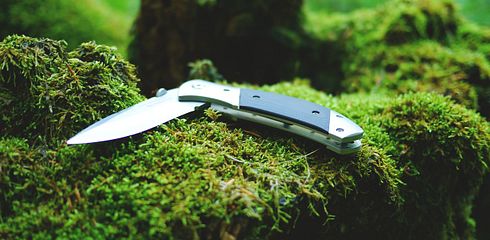
- Run a sharp knife against the grain of the scales, starting from the tail.
- Slowly work your way forward, lifting the knife slightly to remove the scales.
Scaler:
- Special fish scalers are available commercially.
- Run the scaler over the skin of the fish to remove the scales.
- This method is particularly effective and leaves less mess.
Rubbing Method:
- Use coarse salt to remove the scales by rubbing.
- Rub the salt against the grain of the scales until they are abraded off.
- Rinse the fish thoroughly afterward to remove excess salt.
Tools for Scaling Fish:
Scaler:
- Fish scalers are specially designed tools with serrated edges that effectively remove scales.
- They are available in various sizes and materials.
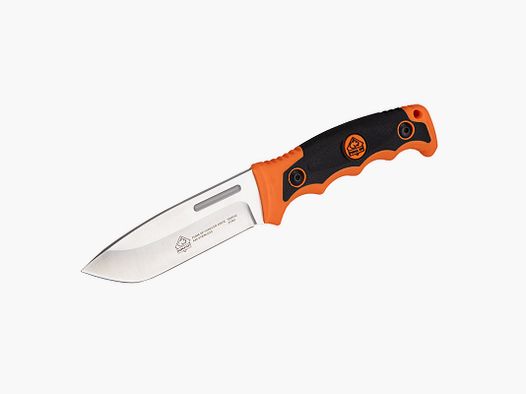
Knife:
- A sharp kitchen knife is a traditional choice for scaling fish.
- A flexible filleting knife is particularly well-suited for this task.
Rubbing Materials:
- Coarse salt or special scale sponges can serve as rubbing tools.
Conclusion:
Scaling fish is a skill valued by chefs to prepare high-quality fish dishes. The choice of method and tools depends on personal preferences and the type of fish. Regardless of the chosen method, scaling leads to a cleaner and more enjoyable fish experience. Experiment with different techniques to find the one that best suits your needs and taste.
Matching listings

Sponsored listings
You might also like



More articles on this topic