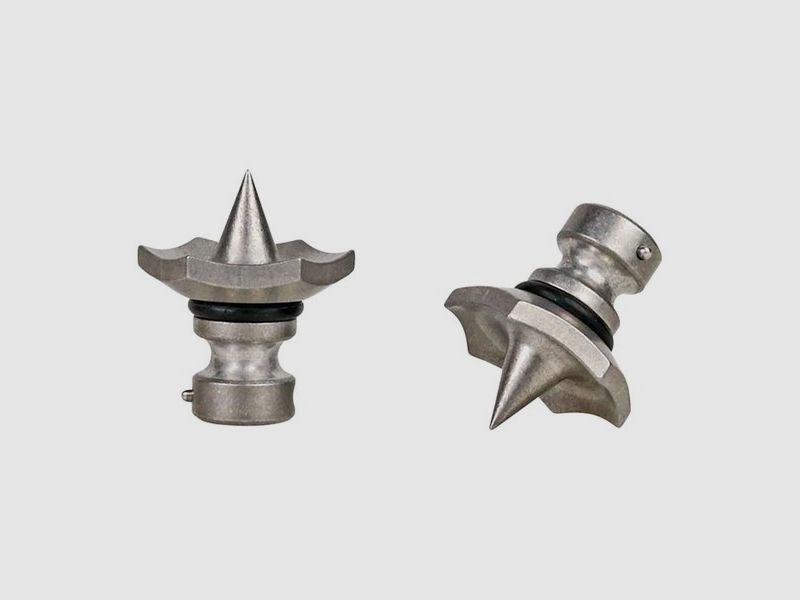

Accu-Shot BT75 Raider Cleat Feet 5H / Super CAL
139.90 €
72479 Straßberg, Germany
5
ID: 9896706
Shop safely with Gunfinder
Our AI-powered seller identity verification makes Gunfinder the safest marketplace online.
Learn more
Details
- Original language
- German
- Category
- Condition
- New
- Location
- 🇩🇪 72479 Straßberg, Germany
- Availability
- In stock
Freshness
This listing is based on a mirrored offer, where the listing data was synced to us from a shop, dealer, or external marketplace. Please note that temporary price discrepancies may occur due to possible delays in data transmission.
- Source
- Black Raptor
- Last updated
- about 17 hours ago
Description
Note:
The item is located abroad. Please note that delivery conditions, shipping times, and/or the purchase process may differ.
.br-product h2{font-size:1.2rem;margin-top:28px;}
.br-product h3{font-size:1rem;margin:0 0 8px;}
.br-product ul{padding-left:18px;}
.br-product .info-box{background:#ffdddd;border-left:6px solid #c40000;padding:12px;margin:20px 0;}
.br-product .tip-box{background:#eef6ff;border-left:6px solid #2a6fdb;padding:12px;margin:20px 0;}
.br-product .trust-box{background:#eaf7ea;border-left:6px solid #2f8f2f;padding:12px;margin:20px 0;}
.br-product .compare-box{background:#f5f5f5;border-left:6px solid #444;padding:12px;margin:20px 0;}
.br-product details{background:#f2f2f2;padding:10px;margin-bottom:8px;border-radius:4px;}
.br-product summary{font-weight:600;cursor:pointer;}
Accu-Shot BT75 Raider Cleat Feet 5H / Super CAL - Stainless Steel Cleat Feet for Atlas 5H and Super CAL
The feet of a bipod determine whether pressure is cleanly transferred to the ground or if the rest slips, shifts, or remains unstable. The BT75 Raider Cleat Feet are designed for Atlas 5H and Super CAL and offer aggressive stainless steel cleats for surfaces where standard rubber feet provide too little grip.
For bipod feet, the surface is the real benchmark. The best foot is the one that works consistently on your surface.
Therefore, the most important test before purchase is always the same: What platform is available, what movement should be controlled, and which variant prevents the next bad purchase?
Why exactly this product?
Raider Cleats are not a universal comfort foot. They are a specialized foot for situations where the bipod foot is allowed and intended to set into a suitable surface. That’s why they are strong on earth, firm mats, or rough surfaces, but not automatically the right choice for sensitive floors.
The BT75 is the larger variant for 5H and Super CAL. Those using V8, PSR, or CAL need the smaller BT74 variant. This distinction is crucial for purchase.
Practical use
In practice, cleats can help make the front stop when loading the bipod more defined. Instead of rubber sliding over smooth or loose surfaces, the stainless steel tips grip the ground more firmly.
The limit is clear: On sensitive surfaces, cleats can leave marks. Those working on smooth tables, painted surfaces, or very hard floors should consider standard rubber feet or other suitable feet.
Key features
For 5H and Super CAL: not intended for V8, PSR, or CAL standard series.
Stainless steel: made from 416 stainless steel according to the manufacturer.
Delivered in pairs: two feet for one bipod.
Plunger mounting: installation via stainless steel plunger according to the manufacturer.
Aggressive grip: for suitable surfaces where rubber provides too little guidance.
Our assessment
For Black Raptor, BT75 Raider Cleats are a very good upgrade if the bipod is actively loaded and the surface allows grip. They are not a decorative part but a deliberately grippy contact surface.
Those who mostly work on sensitive surfaces or smooth shooting bench tables should critically evaluate the decision. Controlled protection is sometimes more important than maximum grip there.
Black Raptor short summary:
Buy if: you use Atlas 5H or Super CAL; you need more bite on suitable surfaces; you want to load the bipod consciously and repeatedly.
Don’t buy if: you use V8, PSR, or CAL standard series; you often work on sensitive surfaces; you prefer softer, more universal contact.
Useful for / less useful for
Useful for:
you use Atlas 5H or Super CAL
you need more bite on suitable surfaces
you want to load the bipod consciously and repeatedly
Less useful for:
you use V8, PSR, or CAL standard series
you often work on sensitive surfaces
you prefer softer, more universal c
Contact preferred
Important classification before purchase
BT75 and BT74 differ in the target series. BT75 is intended for 5H and Super CAL; BT74 is the suitable Raider-Cleat logic for V8, PSR, and CAL.
Therefore, the decision should not be based on name or appearance, but on interface, working range, and actual process on the rifle. If these points fit, the component becomes inconspicuous: it creates stability, reproducible height, and clearer control of the sight picture. If one of these points does not fit, another variant is more honest.
Setup check before installation
First check the Atlas series before thinking about grip. V8, PSR, and CAL use a different sizing logic than 5H and Super CAL. A foot can be perfect for the application but still wrong if the series does not fit.
Then comes the surface. Rubber is more universal and gentler on materials, Cleats grip more defined on suitable surfaces. Those working on changing surfaces should plan not only for maximum adhesion but also for protection and noise behavior.
Finally, your loading behavior counts. If you actively place the bipod on the ground, the foot changes the entire feel of the system. Therefore, a foot change should always be tested with a few deliberate test shots.
Choosing variants correctly
For foot variants, the series decides first and then the surface. Standard Rubber Feet are forgiving and widely applicable. Raider Cleats are more specialized and grip stronger but require a surface where this aggressiveness is desired.
A foot change is not a cosmetic detail. It changes how the bipod is loaded, how much pressure remains in the system, and how the recoil feels. That’s exactly why a more conscious selection is worthwhile.
Practical tip:
Use Cleats only where the surface allows it. On a stable mat or earth, they can work very precisely; on sensitive surfaces, restraint is the better choice.
More practical tips
Surface first: Choose the foot according to the surface you really train on.
Check series: The suitable Atlas series is mandatory before evaluating material or grip.
Test after change: A different foot can significantly change recoil, loading feel, and noise.
Protect surfaces: Cleats should not be used thoughtlessly on sensitive tables or delicate indoor surfaces.
Plan replacements in time: Worn feet change the rest position gradually and are therefore often noticed too late.
Direct classification:
Compared to standard rubber feet, Raider Cleats offer more bite and less compliance. Rubber feet are quieter, gentler on materials, and more universal. It’s not about better, but about the right contact with the surface.
Application scenarios
Firm natural ground: when the Cleats are allowed to grip.
Range mats: when the surface is robust enough and more hold is needed.
Heavy bipod platforms: when 5H or Super CAL should stand cleanly under load.
Repeatable loading: when the front pressure should not be lost due to slipping feet.
Features & construction
One-piece Cleat: made from stainless steel bar stock according to the manufacturer.
Plunger interface: mounted via the Atlas foot mount with stainless steel plunger.
Raw stainless steel finish: not a black rubber foot, but visible stainless steel contact surface.
Series binding: dimensioned for 5H and Super CAL.
Technical data
Compatibility: Atlas 5H and Super CAL.
Material: 416 stainless steel according to manufacturer.
Version: pair, raw stainless steel.
Cleat length: approx. 1.225 inch according to manufacturer.
Largest outer diameter: approx. 1.443 inch according to manufacturer.
Installation: installation via stainless steel plunger.
Scope of delivery
2 BT75 Raider Cleat Feet.
Don’t forget:
BT75 and BT74 differ in the target series. For 5H and Super CAL, BT75 is v
orgesehen; for V8, PSR and CAL the BT74 is the suitable Raider-Cleat logic. Always check the actual interface on your own system before mounting or combining accessories.
Suitable Products
Accu-Shot BT74 Raider Cleat Feet V8 / PSR / CAL - smaller Raider-Cleat variant for V8, PSR and CAL.
Accu-Shot B32 Atlas Standard Rubber Feet - standard rubber feet for compatible Atlas series.
Accu-Shot Atlas Super CAL Bipod - matching Super-CAL platform.
Accu-Shot 5H Quick-Detach Picatinny Bipod - matching 5H platform.
FAQ
Do BT75 fit on V8, PSR or CAL?
No. The BT74 variant is intended for these series.
Why stainless steel cleats instead of rubber?
Cleats provide more bite and less give on suitable surfaces than standard rubber.
Are cleats suitable for every shooting range?
No. On sensitive or very smooth surfaces, rubber feet can be more sensible.
Who really needs BT75?
Users of 5H or Super CAL who want to press the bipod more precisely into the ground under load.
Are the feet delivered individually?
The manufacturer specifies them as a pair.
Conclusion: The feet of a bipod determine whether pressure is cleanly transferred to the ground or whether the support slips, shifts, or remains unstable. The BT75 Raider Cleat Feet are designed for Atlas 5H and Super CAL and offer aggressive stainless steel cleats for surfaces where standard rubber feet provide insufficient grip. The decision should therefore not be based on name or appearance, but on interface, working range, and actual operation on the rifle. If these points fit, the component becomes unobtrusive: It creates stability, reproducible height, and clearer control of the sight picture. If one of these points does not fit, another variant is more honest. (Show description in original language)
.br-product{font-family:Arial,Helvetica,sans-serif;line-height:1.6;color:#222;}
.br-product h2{font-size:1.2rem;margin-top:28px;}
.br-product h3{font-size:1rem;margin:0 0 8px;}
.br-product ul{padding-left:18px;}
.br-product .info-box{background:#ffdddd;border-left:6px solid #c40000;padding:12px;margin:20px 0;}
.br-product .tip-box{background:#eef6ff;border-left:6px solid #2a6fdb;padding:12px;margin:20px 0;}
.br-product .trust-box{background:#eaf7ea;border-left:6px solid #2f8f2f;padding:12px;margin:20px 0;}
.br-product .compare-box{background:#f5f5f5;border-left:6px solid #444;padding:12px;margin:20px 0;}
.br-product details{background:#f2f2f2;padding:10px;margin-bottom:8px;border-radius:4px;}
.br-product summary{font-weight:600;cursor:pointer;}
Accu-Shot BT75 Raider Cleat Feet 5H / Super CAL - Edelstahl-Cleat-Füße für Atlas 5H und Super CAL
Die Füße eines Zweibeins entscheiden darüber, ob Druck sauber in den Untergrund geht oder ob die Auflage rutscht, wandert oder schwammig bleibt. Die BT75 Raider Cleat Feet sind für Atlas 5H und Super CAL gedacht und bieten aggressive Edelstahl-Cleats für Untergründe, auf denen Standardgummifüße zu wenig Halt geben.
Bei Zweibeinfüßen ist der Untergrund der eigentliche Maßstab. Der beste Fuß ist der, der auf deiner Fläche wiederholbar arbeitet.
Darum ist die wichtigste Prüfung vor dem Kauf immer dieselbe: Welche Plattform ist vorhanden, welche Bewegung soll kontrolliert werden und welche Variante verhindert den nächsten Fehlkauf?
Warum genau dieses Produkt?
Raider Cleats sind kein universeller Komfortfuß. Sie sind ein Spezialfuß für Situationen, in denen sich der Zweibeinfuß in geeigneten Untergrund setzen darf und soll. Genau deshalb sind sie stark auf Erde, festen Matten oder rauen Oberflächen, aber nicht automatisch die richtige Wahl für empfindliche Böden.
Der BT75 ist die größere Variante für 5H und Super CAL. Wer V8, PSR oder CAL nutzt, benötigt die kleinere BT74-Variante. Diese Unterscheidung ist kaufentscheidend.
Der praktische Nutzen
In der Praxis können Cleats helfen, den vorderen Anschlag beim Laden des Zweibeins definierter zu machen. Statt dass Gummi über glatte oder lose Oberflächen wandert, greifen die Edelstahlspitzen stärker in den Untergrund.
Die Grenze ist klar: Auf empfindlichen Oberflächen können Cleats Spuren hinterlassen. Wer auf glatten Tischen, lackierten Flächen oder sehr harten Böden arbeitet, sollte Standardgummifüße oder andere passende Füße prüfen.
Wichtigste Eigenschaften
Für 5H und Super CAL: nicht für V8, PSR oder CAL Standardserien gedacht.
Edelstahl: laut Hersteller aus 416 Edelstahl gefertigt.
Paarweise Lieferung: zwei Füße für ein Zweibein.
Plunger-Montage: Installation über Edelstahl-Plunger laut Hersteller.
Aggressiver Halt: für geeignete Untergründe, auf denen Gummi zu wenig Führung bietet.
Unsere Einschätzung
Für Black Raptor sind BT75 Raider Cleats ein sehr gutes Upgrade, wenn das Zweibein aktiv geladen wird und der Untergrund Halt zulässt. Sie sind kein Schmuckteil, sondern eine bewusst griffige Kontaktfläche.
Wer überwiegend auf empfindlichen Oberflächen oder glatten Schießstandtischen arbeitet, sollte die Entscheidung kritisch prüfen. Dort ist kontrollierter Schutz manchmal wichtiger als maximaler Grip.
Black-Raptor-Kurzfazit:
Kaufen, wenn: du Atlas 5H oder Super CAL nutzt; du auf geeignetem Untergrund mehr Biss brauchst; du das Zweibein bewusst und wiederholbar laden willst.
Nicht kaufen, wenn: du V8, PSR oder CAL Standardserien nutzt; du häufig auf empfindlichen Oberflächen arbeitest; du weichen, universelleren Kontakt bevorzugst.
Sinnvoll für / weniger sinnvoll für
Sinnvoll für:
du Atlas 5H oder Super CAL nutzt
du auf geeignetem Untergrund mehr Biss brauchst
du das Zweibein bewusst und wiederholbar laden willst
Weniger sinnvoll für:
du V8, PSR oder CAL Standardserien nutzt
du häufig auf empfindlichen Oberflächen arbeitest
du weichen, universelleren Kontakt bevorzugst
Wichtige Einordnung vor dem Kauf
BT75 und BT74 unterscheiden sich in der Zielserie. Für 5H und Super CAL ist BT75 vorgesehen; für V8, PSR und CAL ist BT74 die passende Raider-Cleat-Logik.
Die Entscheidung sollte deshalb nicht nach Namen oder Optik fallen, sondern nach Schnittstelle, Arbeitsbereich und echtem Ablauf am Gewehr. Wenn diese Punkte passen, wird das Bauteil unauffällig: Es schafft Ruhe, reproduzierbare Höhe und eine klarere Kontrolle des Zielbilds. Wenn einer dieser Punkte nicht passt, ist eine andere Variante ehrlicher.
Setup-Check vor der Montage
Prüfe zuerst die Atlas-Serie, bevor du an Grip denkst. V8, PSR und CAL verwenden eine andere Größenlogik als 5H und Super CAL. Ein Fuß kann vom Einsatzzweck perfekt sein und trotzdem falsch sein, wenn die Serie nicht passt.
Danach kommt der Untergrund. Gummi ist universeller und materialschonender, Cleats greifen definierter auf geeigneten Oberflächen. Wer auf wechselnden Flächen arbeitet, sollte nicht nur maximale Haftung, sondern auch Schonung und Geräuschverhalten einplanen.
Zum Schluss zählt dein Ladeverhalten. Wenn du das Zweibein aktiv in den Untergrund bringst, verändert der Fuß das gesamte Gefühl des Systems. Deshalb sollte ein Fußwechsel immer mit ein paar bewussten Probeschüssen geprüft werden.
Varianten richtig wählen
Bei Fußvarianten entscheidet zuerst die Serie und erst danach der Untergrund. Standard Rubber Feet sind gutmütig und breit einsetzbar. Raider Cleats sind spezieller und greifen stärker, verlangen aber eine Oberfläche, auf der diese Aggressivität erwünscht ist.
Ein Fußwechsel ist kein kosmetisches Detail. Er verändert, wie das Zweibein geladen wird, wie viel Druck im System bleibt und wie sich der Rücklauf anfühlt. Genau deshalb lohnt sich die bewusstere Auswahl.
Praxis-Tipp:
Nutze Cleats nur dort, wo der Untergrund es erlaubt. Auf einer stabilen Matte oder Erde können sie sehr definiert arbeiten; auf empfindlichen Oberflächen ist Zurückhaltung die bessere Entscheidung.
Weitere Praxis-Tipps
Untergrund zuerst: Wähle den Fuß nach der Fläche, auf der du wirklich trainierst.
Serie prüfen: Die passende Atlas-Serie ist Pflicht, bevor Material oder Grip bewertet werden.
Nach dem Wechsel testen: Ein anderer Fuß kann Rücklauf, Ladegefühl und Geräusch deutlich verändern.
Oberflächen schützen: Cleats gehören nicht unüberlegt auf empfindliche Tische oder empfindliche Innenflächen.
Ersatz rechtzeitig planen: Abgenutzte Füße verändern den Anschlag schleichend und werden deshalb oft zu spät bemerkt.
Direkte Einordnung:
Gegenüber Standardgummifüßen bieten Raider Cleats mehr Biss und weniger Nachgiebigkeit. Gummifüße sind dafür leiser, materialschonender und universeller. Es geht nicht um besser, sondern um den passenden Kontakt zum Untergrund.
Anwendungsszenarien
Fester Naturboden: wenn die Cleats greifen dürfen.
Range-Matten: wenn die Oberfläche robust genug ist und mehr Halt gebraucht wird.
Schwere Zweibeinplattformen: wenn 5H oder Super CAL unter Last sauber stehen sollen.
Wiederholbares Laden: wenn der vordere Druck nicht über rutschende Füße verloren gehen soll.
Merkmale & Konstruktion
Ein-Piece-Cleat: laut Hersteller aus Edelstahl-Barstock gefertigt.
Plunger-Schnittstelle: Montage über die Atlas-Fußaufnahme mit Edelstahl-Plunger.
Rohes Edelstahlfinish: kein schwarzer Gummifuß, sondern sichtbare Edelstahl-Kontaktfläche.
Serienbindung: für 5H und Super CAL dimensioniert.
Technische Daten
Kompatibilität: Atlas 5H und Super CAL.
Material: 416 Edelstahl laut Hersteller.
Ausführung: Paar, roh in Edelstahl.
Cleat-Länge: ca. 1.225 Zoll laut Hersteller.
Größter Außendurchmesser: ca. 1.443 Zoll laut Hersteller.
Montage: Installation über Edelstahl-Plunger.
Lieferumfang
2 BT75 Raider Cleat Feet.
Nicht vergessen:
BT75 und BT74 unterscheiden sich in der Zielserie. Für 5H und Super CAL ist BT75 vorgesehen; für V8, PSR und CAL ist BT74 die passende Raider-Cleat-Logik. Prüfe zusätzlich immer die echte Schnittstelle am eigenen System, bevor du montierst oder Zubehör kombinierst.
Passende Produkte
Accu-Shot BT74 Raider Cleat Feet V8 / PSR / CAL - kleinere Raider-Cleat-Variante für V8, PSR und CAL.
Accu-Shot B32 Atlas Standard Rubber Feet - Standard-Gummifüße für kompatible Atlas-Serien.
Accu-Shot Atlas Super CAL Zweibein - passende Super-CAL-Plattform.
Accu-Shot 5H Quick-Detach Picatinny Zweibein - passende 5H-Plattform.
FAQ
Passen BT75 an V8, PSR oder CAL?
Nein. Für diese Serien ist die BT74-Variante vorgesehen.
Warum Edelstahl-Cleats statt Gummi?
Cleats geben auf geeigneten Untergründen mehr Biss und weniger Nachgiebigkeit als Standardgummi.
Sind Cleats für jeden Schießstand geeignet?
Nein. Auf empfindlichen oder sehr glatten Oberflächen können Gummifüße sinnvoller sein.
Wer braucht BT75 wirklich?
Nutzer von 5H oder Super CAL, die das Zweibein unter Last definierter in den Untergrund bringen wollen.
Werden die Füße einzeln geliefert?
Die Herstellerangabe beschreibt sie als Paar.
Fazit: Die Füße eines Zweibeins entscheiden darüber, ob Druck sauber in den Untergrund geht oder ob die Auflage rutscht, wandert oder schwammig bleibt. Die BT75 Raider Cleat Feet sind für Atlas 5H und Super CAL gedacht und bieten aggressive Edelstahl-Cleats für Untergründe, auf denen Standardgummifüße zu wenig Halt geben. Die Entscheidung sollte deshalb nicht nach Namen oder Optik fallen, sondern nach Schnittstelle, Arbeitsbereich und echtem Ablauf am Gewehr. Wenn diese Punkte passen, wird das Bauteil unauffällig: Es schafft Ruhe, reproduzierbare Höhe und eine klarere Kontrolle des Zielbilds. Wenn einer dieser Punkte nicht passt, ist eine andere Variante ehrlicher.
.br-product h2{font-size:1.2rem;margin-top:28px;}
.br-product h3{font-size:1rem;margin:0 0 8px;}
.br-product ul{padding-left:18px;}
.br-product .info-box{background:#ffdddd;border-left:6px solid #c40000;padding:12px;margin:20px 0;}
.br-product .tip-box{background:#eef6ff;border-left:6px solid #2a6fdb;padding:12px;margin:20px 0;}
.br-product .trust-box{background:#eaf7ea;border-left:6px solid #2f8f2f;padding:12px;margin:20px 0;}
.br-product .compare-box{background:#f5f5f5;border-left:6px solid #444;padding:12px;margin:20px 0;}
.br-product details{background:#f2f2f2;padding:10px;margin-bottom:8px;border-radius:4px;}
.br-product summary{font-weight:600;cursor:pointer;}
Accu-Shot BT75 Raider Cleat Feet 5H / Super CAL - Edelstahl-Cleat-Füße für Atlas 5H und Super CAL
Die Füße eines Zweibeins entscheiden darüber, ob Druck sauber in den Untergrund geht oder ob die Auflage rutscht, wandert oder schwammig bleibt. Die BT75 Raider Cleat Feet sind für Atlas 5H und Super CAL gedacht und bieten aggressive Edelstahl-Cleats für Untergründe, auf denen Standardgummifüße zu wenig Halt geben.
Bei Zweibeinfüßen ist der Untergrund der eigentliche Maßstab. Der beste Fuß ist der, der auf deiner Fläche wiederholbar arbeitet.
Darum ist die wichtigste Prüfung vor dem Kauf immer dieselbe: Welche Plattform ist vorhanden, welche Bewegung soll kontrolliert werden und welche Variante verhindert den nächsten Fehlkauf?
Warum genau dieses Produkt?
Raider Cleats sind kein universeller Komfortfuß. Sie sind ein Spezialfuß für Situationen, in denen sich der Zweibeinfuß in geeigneten Untergrund setzen darf und soll. Genau deshalb sind sie stark auf Erde, festen Matten oder rauen Oberflächen, aber nicht automatisch die richtige Wahl für empfindliche Böden.
Der BT75 ist die größere Variante für 5H und Super CAL. Wer V8, PSR oder CAL nutzt, benötigt die kleinere BT74-Variante. Diese Unterscheidung ist kaufentscheidend.
Der praktische Nutzen
In der Praxis können Cleats helfen, den vorderen Anschlag beim Laden des Zweibeins definierter zu machen. Statt dass Gummi über glatte oder lose Oberflächen wandert, greifen die Edelstahlspitzen stärker in den Untergrund.
Die Grenze ist klar: Auf empfindlichen Oberflächen können Cleats Spuren hinterlassen. Wer auf glatten Tischen, lackierten Flächen oder sehr harten Böden arbeitet, sollte Standardgummifüße oder andere passende Füße prüfen.
Wichtigste Eigenschaften
Für 5H und Super CAL: nicht für V8, PSR oder CAL Standardserien gedacht.
Edelstahl: laut Hersteller aus 416 Edelstahl gefertigt.
Paarweise Lieferung: zwei Füße für ein Zweibein.
Plunger-Montage: Installation über Edelstahl-Plunger laut Hersteller.
Aggressiver Halt: für geeignete Untergründe, auf denen Gummi zu wenig Führung bietet.
Unsere Einschätzung
Für Black Raptor sind BT75 Raider Cleats ein sehr gutes Upgrade, wenn das Zweibein aktiv geladen wird und der Untergrund Halt zulässt. Sie sind kein Schmuckteil, sondern eine bewusst griffige Kontaktfläche.
Wer überwiegend auf empfindlichen Oberflächen oder glatten Schießstandtischen arbeitet, sollte die Entscheidung kritisch prüfen. Dort ist kontrollierter Schutz manchmal wichtiger als maximaler Grip.
Black-Raptor-Kurzfazit:
Kaufen, wenn: du Atlas 5H oder Super CAL nutzt; du auf geeignetem Untergrund mehr Biss brauchst; du das Zweibein bewusst und wiederholbar laden willst.
Nicht kaufen, wenn: du V8, PSR oder CAL Standardserien nutzt; du häufig auf empfindlichen Oberflächen arbeitest; du weichen, universelleren Kontakt bevorzugst.
Sinnvoll für / weniger sinnvoll für
Sinnvoll für:
du Atlas 5H oder Super CAL nutzt
du auf geeignetem Untergrund mehr Biss brauchst
du das Zweibein bewusst und wiederholbar laden willst
Weniger sinnvoll für:
du V8, PSR oder CAL Standardserien nutzt
du häufig auf empfindlichen Oberflächen arbeitest
du weichen, universelleren Kontakt bevorzugst
Wichtige Einordnung vor dem Kauf
BT75 und BT74 unterscheiden sich in der Zielserie. Für 5H und Super CAL ist BT75 vorgesehen; für V8, PSR und CAL ist BT74 die passende Raider-Cleat-Logik.
Die Entscheidung sollte deshalb nicht nach Namen oder Optik fallen, sondern nach Schnittstelle, Arbeitsbereich und echtem Ablauf am Gewehr. Wenn diese Punkte passen, wird das Bauteil unauffällig: Es schafft Ruhe, reproduzierbare Höhe und eine klarere Kontrolle des Zielbilds. Wenn einer dieser Punkte nicht passt, ist eine andere Variante ehrlicher.
Setup-Check vor der Montage
Prüfe zuerst die Atlas-Serie, bevor du an Grip denkst. V8, PSR und CAL verwenden eine andere Größenlogik als 5H und Super CAL. Ein Fuß kann vom Einsatzzweck perfekt sein und trotzdem falsch sein, wenn die Serie nicht passt.
Danach kommt der Untergrund. Gummi ist universeller und materialschonender, Cleats greifen definierter auf geeigneten Oberflächen. Wer auf wechselnden Flächen arbeitet, sollte nicht nur maximale Haftung, sondern auch Schonung und Geräuschverhalten einplanen.
Zum Schluss zählt dein Ladeverhalten. Wenn du das Zweibein aktiv in den Untergrund bringst, verändert der Fuß das gesamte Gefühl des Systems. Deshalb sollte ein Fußwechsel immer mit ein paar bewussten Probeschüssen geprüft werden.
Varianten richtig wählen
Bei Fußvarianten entscheidet zuerst die Serie und erst danach der Untergrund. Standard Rubber Feet sind gutmütig und breit einsetzbar. Raider Cleats sind spezieller und greifen stärker, verlangen aber eine Oberfläche, auf der diese Aggressivität erwünscht ist.
Ein Fußwechsel ist kein kosmetisches Detail. Er verändert, wie das Zweibein geladen wird, wie viel Druck im System bleibt und wie sich der Rücklauf anfühlt. Genau deshalb lohnt sich die bewusstere Auswahl.
Praxis-Tipp:
Nutze Cleats nur dort, wo der Untergrund es erlaubt. Auf einer stabilen Matte oder Erde können sie sehr definiert arbeiten; auf empfindlichen Oberflächen ist Zurückhaltung die bessere Entscheidung.
Weitere Praxis-Tipps
Untergrund zuerst: Wähle den Fuß nach der Fläche, auf der du wirklich trainierst.
Serie prüfen: Die passende Atlas-Serie ist Pflicht, bevor Material oder Grip bewertet werden.
Nach dem Wechsel testen: Ein anderer Fuß kann Rücklauf, Ladegefühl und Geräusch deutlich verändern.
Oberflächen schützen: Cleats gehören nicht unüberlegt auf empfindliche Tische oder empfindliche Innenflächen.
Ersatz rechtzeitig planen: Abgenutzte Füße verändern den Anschlag schleichend und werden deshalb oft zu spät bemerkt.
Direkte Einordnung:
Gegenüber Standardgummifüßen bieten Raider Cleats mehr Biss und weniger Nachgiebigkeit. Gummifüße sind dafür leiser, materialschonender und universeller. Es geht nicht um besser, sondern um den passenden Kontakt zum Untergrund.
Anwendungsszenarien
Fester Naturboden: wenn die Cleats greifen dürfen.
Range-Matten: wenn die Oberfläche robust genug ist und mehr Halt gebraucht wird.
Schwere Zweibeinplattformen: wenn 5H oder Super CAL unter Last sauber stehen sollen.
Wiederholbares Laden: wenn der vordere Druck nicht über rutschende Füße verloren gehen soll.
Merkmale & Konstruktion
Ein-Piece-Cleat: laut Hersteller aus Edelstahl-Barstock gefertigt.
Plunger-Schnittstelle: Montage über die Atlas-Fußaufnahme mit Edelstahl-Plunger.
Rohes Edelstahlfinish: kein schwarzer Gummifuß, sondern sichtbare Edelstahl-Kontaktfläche.
Serienbindung: für 5H und Super CAL dimensioniert.
Technische Daten
Kompatibilität: Atlas 5H und Super CAL.
Material: 416 Edelstahl laut Hersteller.
Ausführung: Paar, roh in Edelstahl.
Cleat-Länge: ca. 1.225 Zoll laut Hersteller.
Größter Außendurchmesser: ca. 1.443 Zoll laut Hersteller.
Montage: Installation über Edelstahl-Plunger.
Lieferumfang
2 BT75 Raider Cleat Feet.
Nicht vergessen:
BT75 und BT74 unterscheiden sich in der Zielserie. Für 5H und Super CAL ist BT75 vorgesehen; für V8, PSR und CAL ist BT74 die passende Raider-Cleat-Logik. Prüfe zusätzlich immer die echte Schnittstelle am eigenen System, bevor du montierst oder Zubehör kombinierst.
Passende Produkte
Accu-Shot BT74 Raider Cleat Feet V8 / PSR / CAL - kleinere Raider-Cleat-Variante für V8, PSR und CAL.
Accu-Shot B32 Atlas Standard Rubber Feet - Standard-Gummifüße für kompatible Atlas-Serien.
Accu-Shot Atlas Super CAL Zweibein - passende Super-CAL-Plattform.
Accu-Shot 5H Quick-Detach Picatinny Zweibein - passende 5H-Plattform.
FAQ
Passen BT75 an V8, PSR oder CAL?
Nein. Für diese Serien ist die BT74-Variante vorgesehen.
Warum Edelstahl-Cleats statt Gummi?
Cleats geben auf geeigneten Untergründen mehr Biss und weniger Nachgiebigkeit als Standardgummi.
Sind Cleats für jeden Schießstand geeignet?
Nein. Auf empfindlichen oder sehr glatten Oberflächen können Gummifüße sinnvoller sein.
Wer braucht BT75 wirklich?
Nutzer von 5H oder Super CAL, die das Zweibein unter Last definierter in den Untergrund bringen wollen.
Werden die Füße einzeln geliefert?
Die Herstellerangabe beschreibt sie als Paar.
Fazit: Die Füße eines Zweibeins entscheiden darüber, ob Druck sauber in den Untergrund geht oder ob die Auflage rutscht, wandert oder schwammig bleibt. Die BT75 Raider Cleat Feet sind für Atlas 5H und Super CAL gedacht und bieten aggressive Edelstahl-Cleats für Untergründe, auf denen Standardgummifüße zu wenig Halt geben. Die Entscheidung sollte deshalb nicht nach Namen oder Optik fallen, sondern nach Schnittstelle, Arbeitsbereich und echtem Ablauf am Gewehr. Wenn diese Punkte passen, wird das Bauteil unauffällig: Es schafft Ruhe, reproduzierbare Höhe und eine klarere Kontrolle des Zielbilds. Wenn einer dieser Punkte nicht passt, ist eine andere Variante ehrlicher.