-13 %
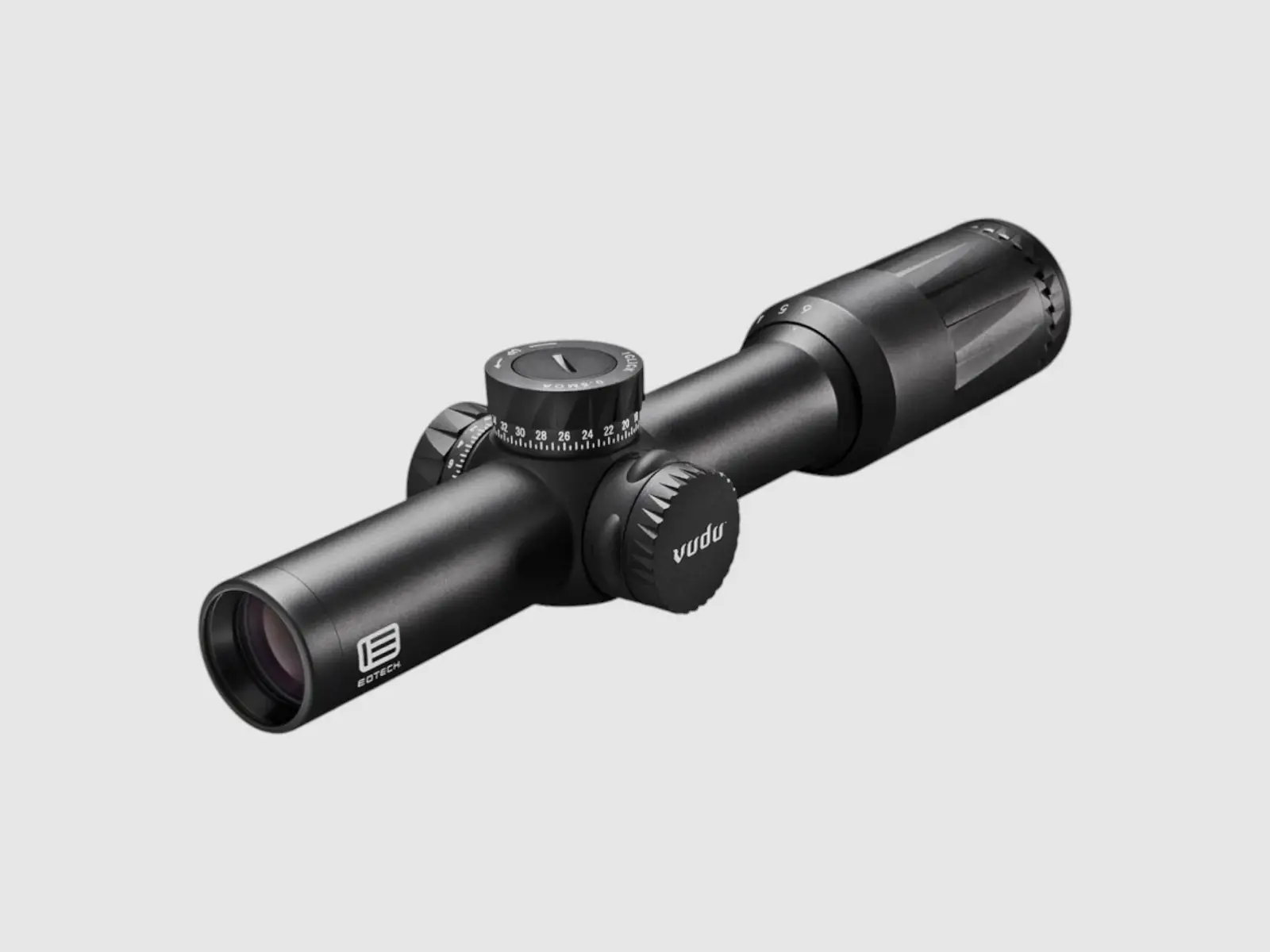
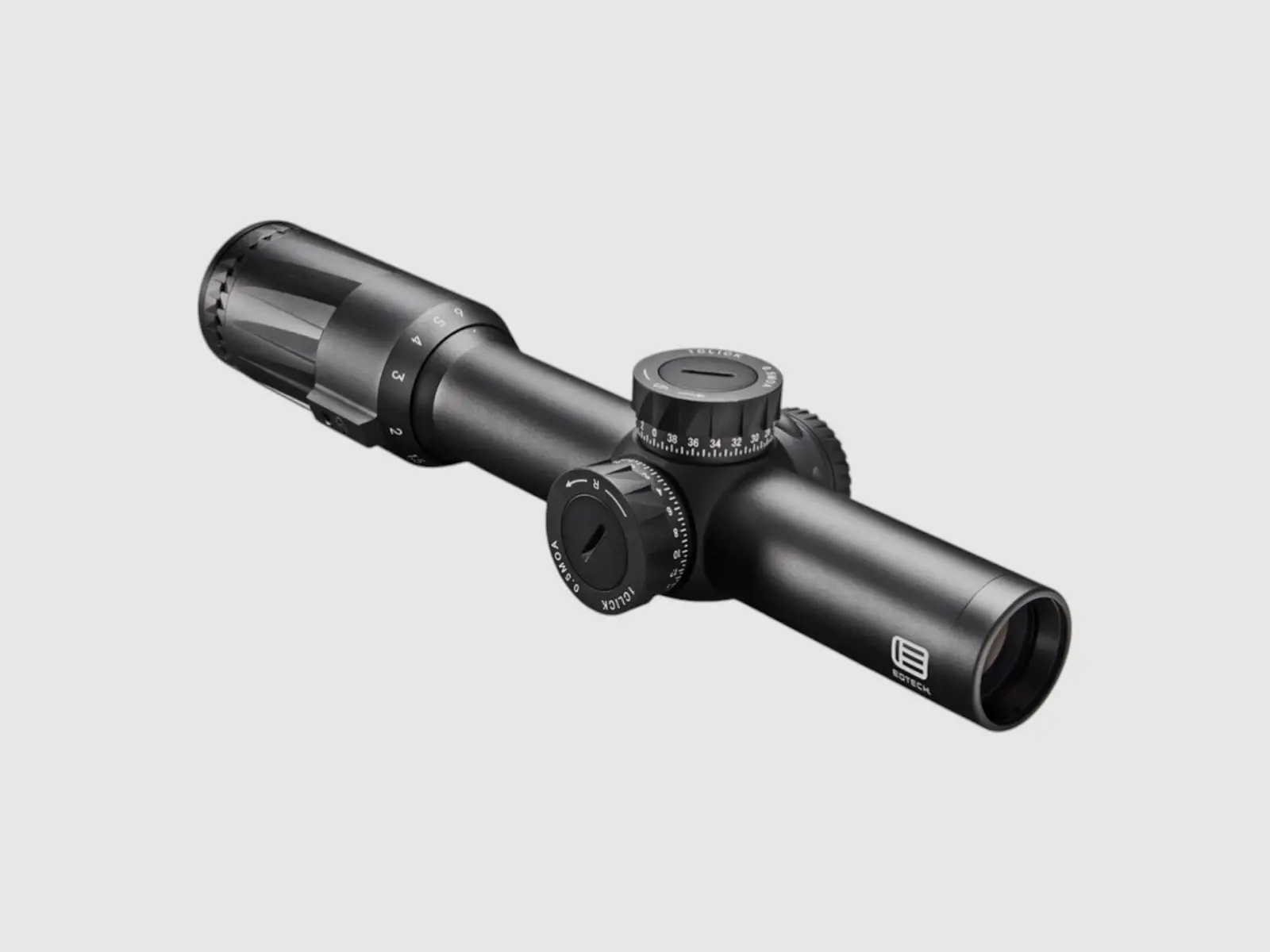
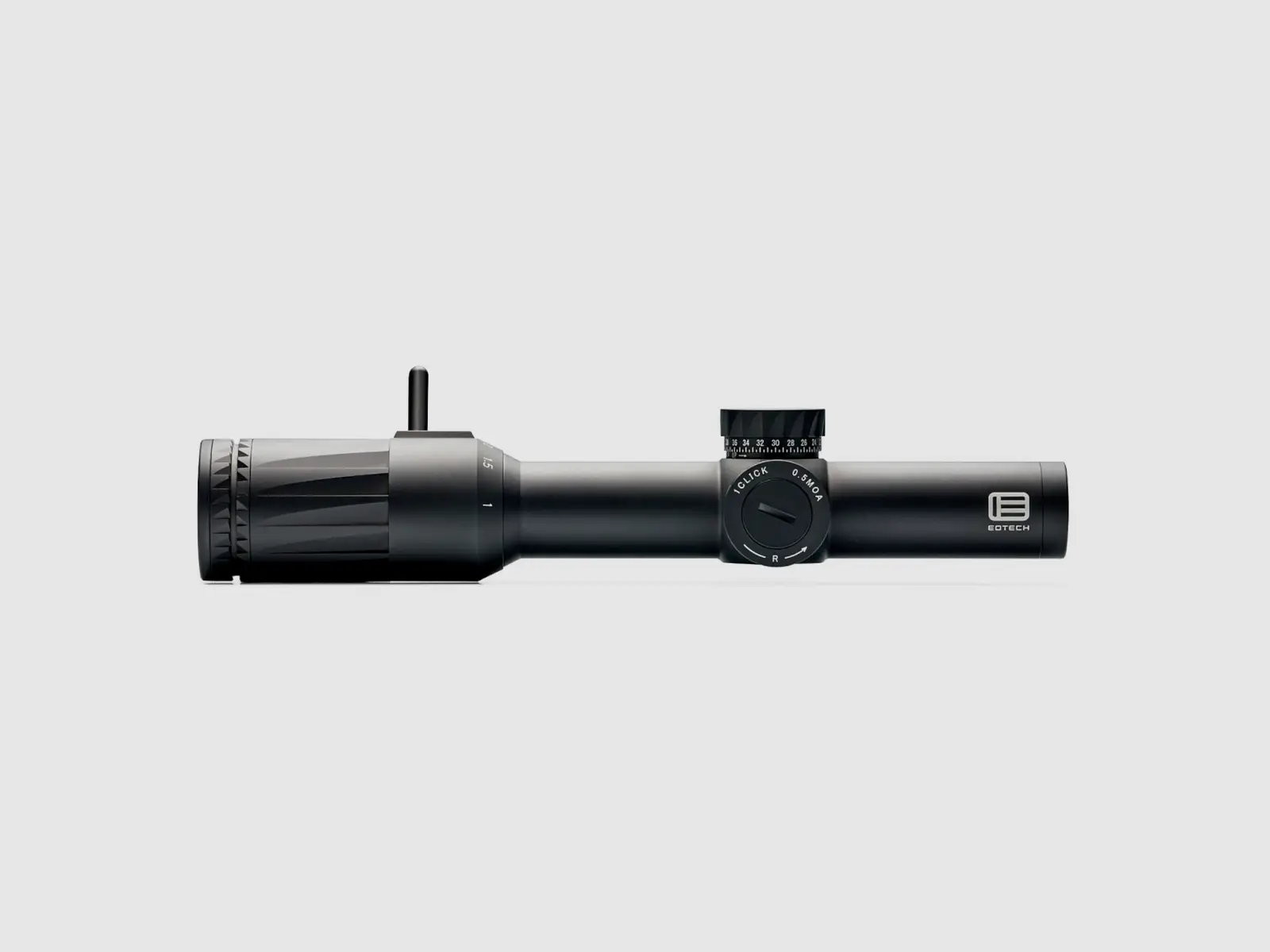
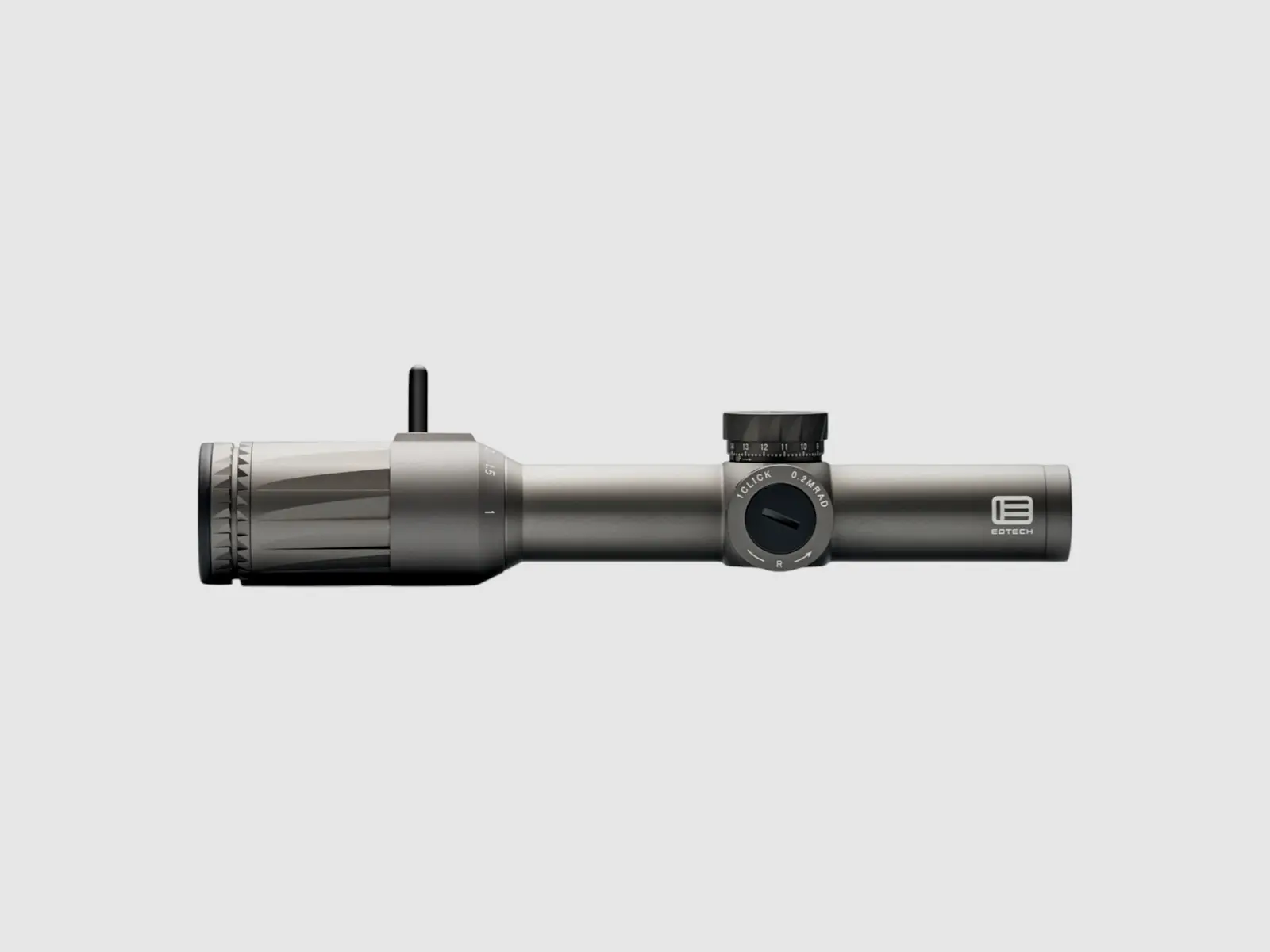
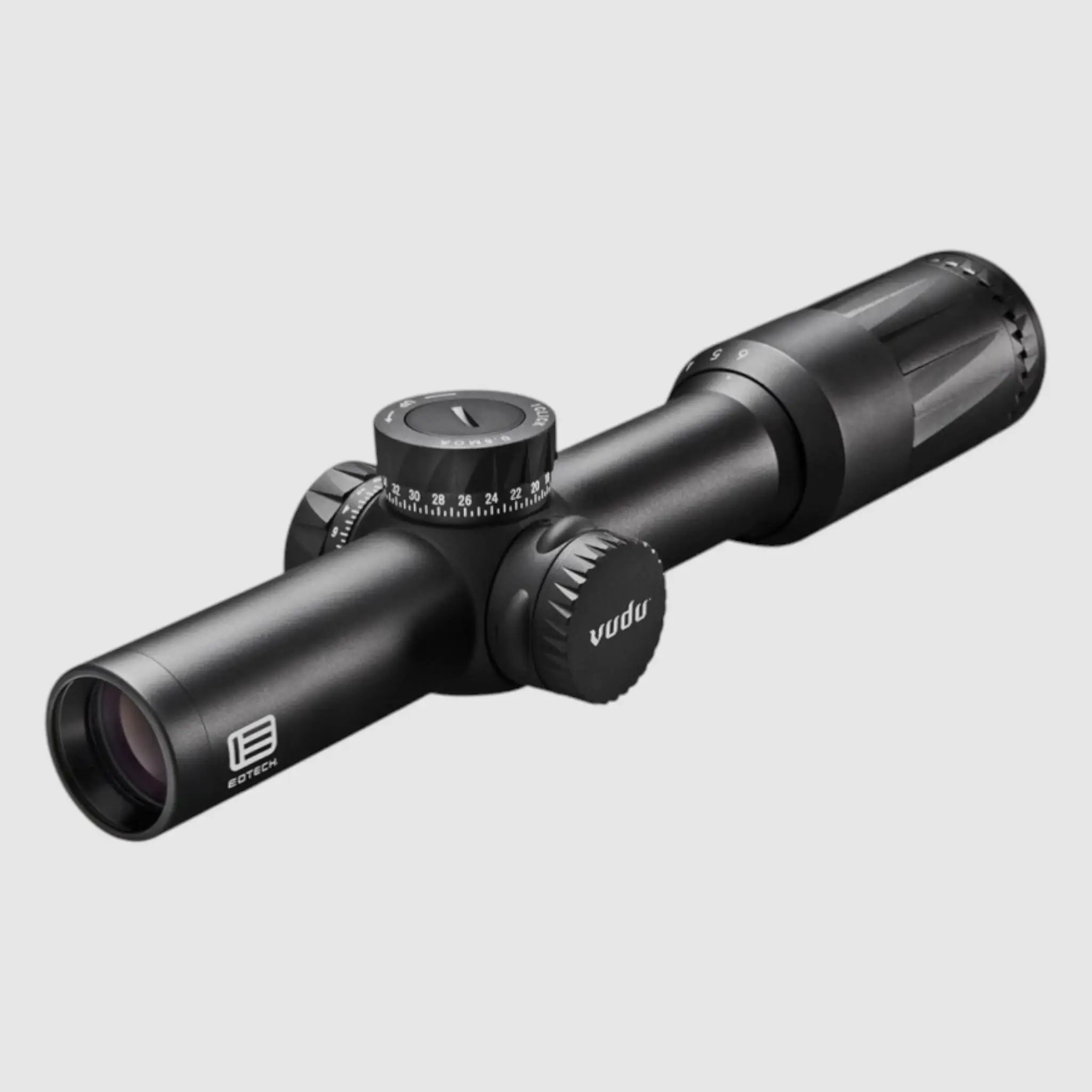
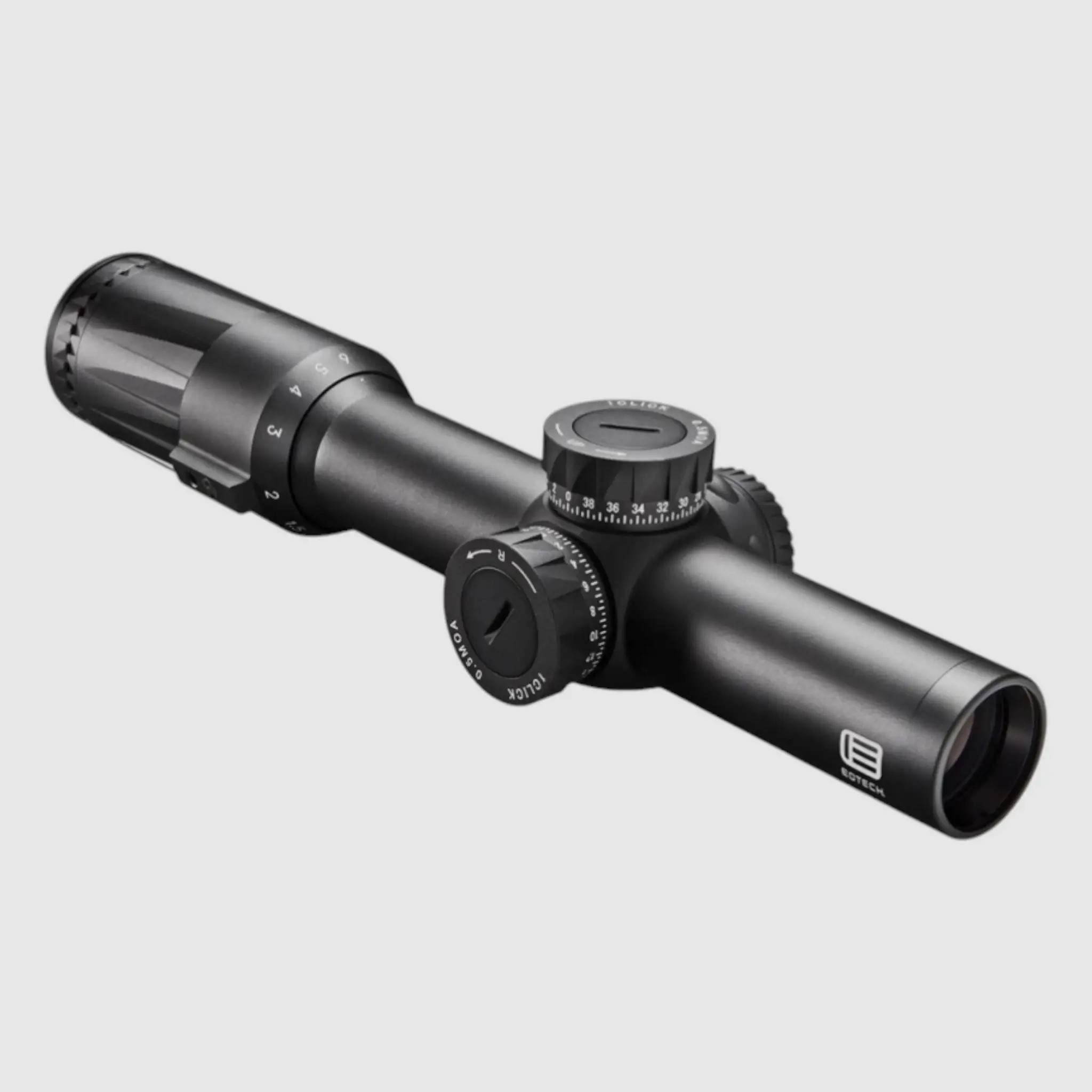
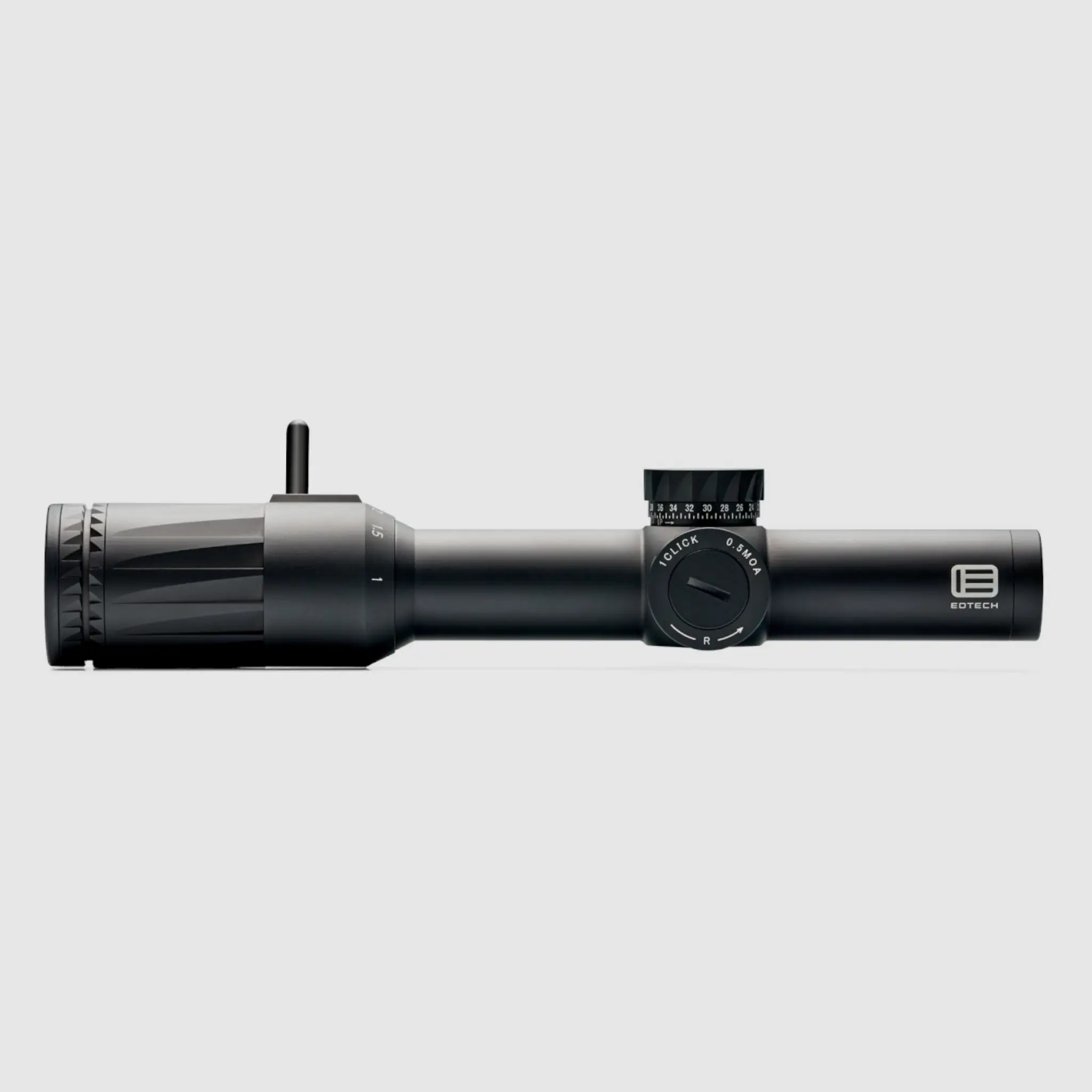
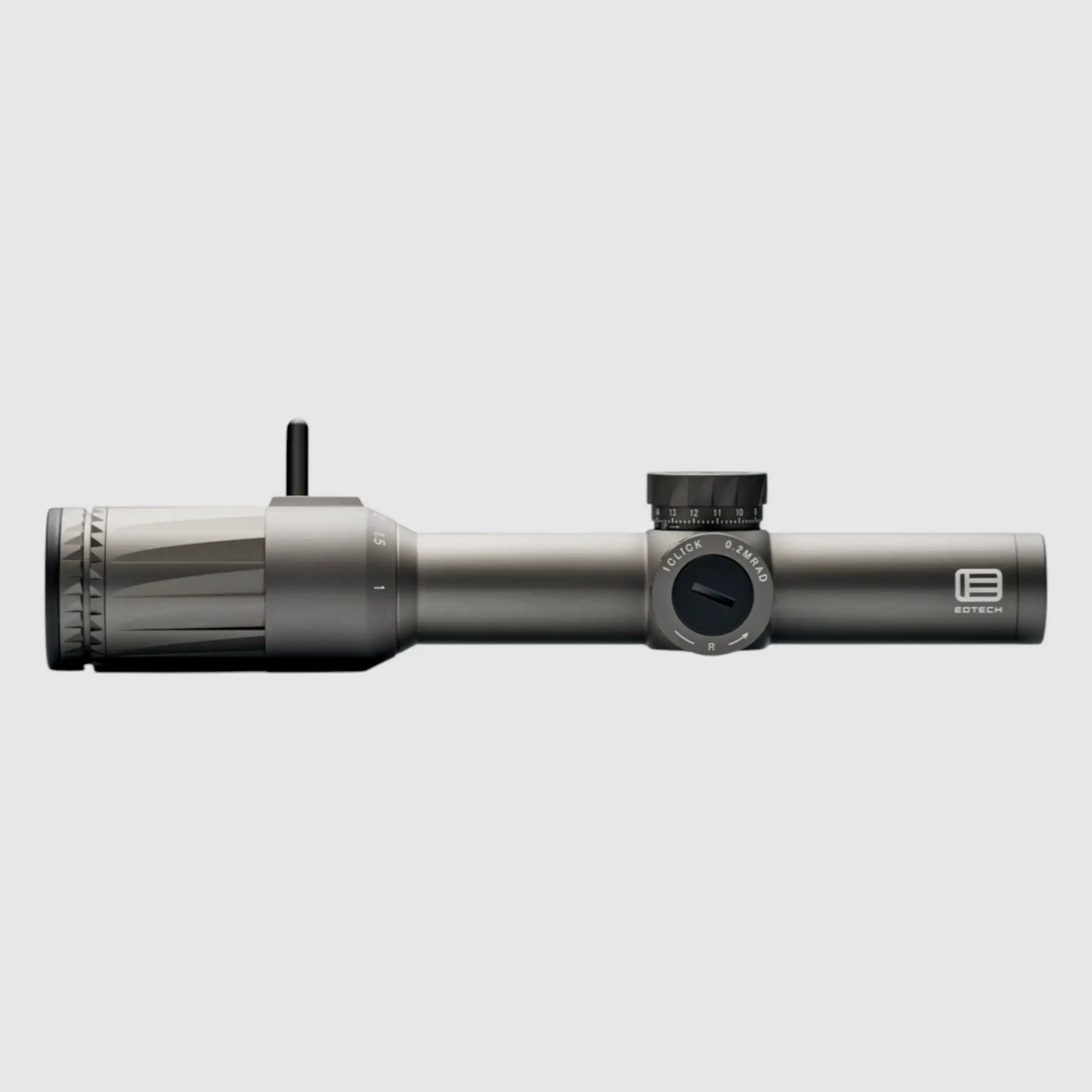
EOTECH Vudu 1-6x24 FFP
72479 Straßberg, Germany
6
ID: 9895089
Shop safely with Gunfinder
Our AI-powered seller identity verification makes Gunfinder the safest marketplace online.
Learn more
Details
- Original language
- German
- Category
- Condition
- New
- Location
- 🇩🇪 72479 Straßberg, Germany
- Availability
- In stock
Freshness
This listing is based on a mirrored offer, where the listing data was synced to us from a shop, dealer, or external marketplace. Please note that temporary price discrepancies may occur due to possible delays in data transmission.
- Source
- Black Raptor
- Last updated
- about 14 hours ago
Description
Note:
The item is located abroad. Please note that delivery conditions, shipping times, and/or the purchase process may differ.
.br-product h2{font-size:1.2rem;margin-top:28px;}
.br-product ul{padding-left:18px;}
.br-product .info-box{background:#ffdddd;border-left:6px solid #c40000;padding:12px;margin:20px 0;}
.br-product .tip-box{background:#eef6ff;border-left:6px solid #2a6fdb;padding:12px;margin:20px 0;}
.br-product .trust-box{background:#eaf7ea;border-left:6px solid #2f8f2f;padding:12px;margin:20px 0;}
.br-product .compare-box{background:#f5f5f5;border-left:6px solid #444;padding:12px;margin:20px 0;}
.br-product details{background:#f2f2f2;padding:10px;margin-bottom:8px;border-radius:4px;}
.br-product summary{font-weight:600;cursor:pointer;}
EOTECH Vudu 1-6x24 FFP – LPVO for 1x close range, 4- to 10x target info and quick switching between near and medium.
With scopes, it’s not just the magnification range that matters, but whether reticle, focal plane, mounting, and purpose fit together.
The EOTECH Vudu 1-6x24 FFP is a classic 1-6x LPVO for fast short to medium distances. It’s designed for users who need more target info than a pure 1x sight offers but understand the limits of this optic class.
An LPVO isn’t as fast as a true HWS and not as bright as a big hunting scope at dusk. It’s a compromise for changing distances. Before buying, you should clarify whether your use prioritizes quick target acquisition, target engagement, holdover marks, turret adjustment, or low-light performance.
Important note for classification:
FFP means: holdover marks stay proportionally correct across the magnification range. This is great for distance work but often looks finer and less stable at low magnification.
Check before buying: 30 mm tube diameter, mounting height, eye relief, reticle variant, click system, zero-stop/turret logic, parallax, firearm type, engagement distance, and whether you really need 1-6x.
What makes this product technically special:
✔ 1-6x magnification: defines the real working range – close, mid-range, or precision distance depending on model.
✔ FFP focal plane: determines how reticle and holdover marks can be used at changing magnifications.
✔ 30 mm tube/mounting logic: decides which mount fits and how much adjustment/travel and size the scope has.
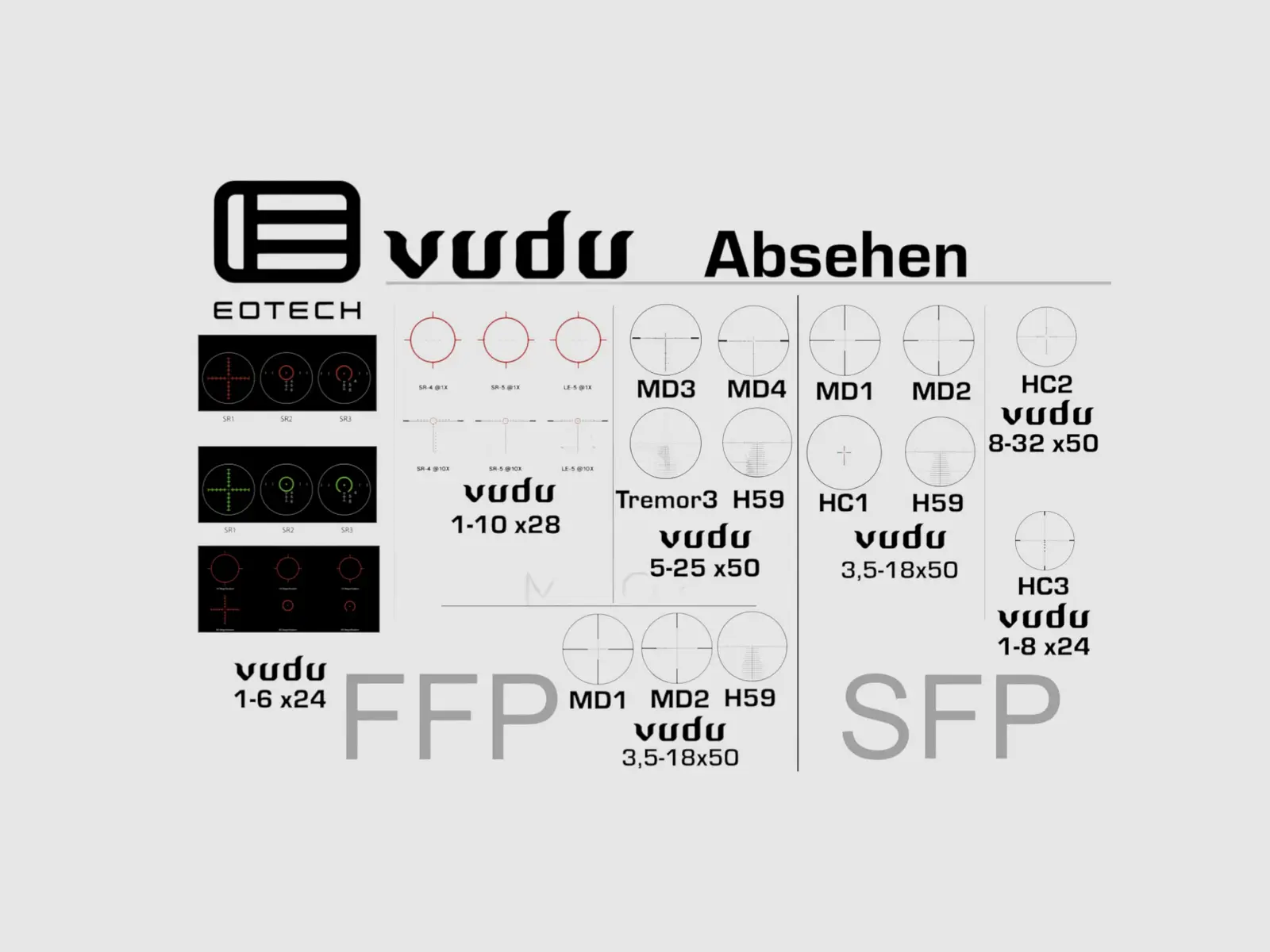
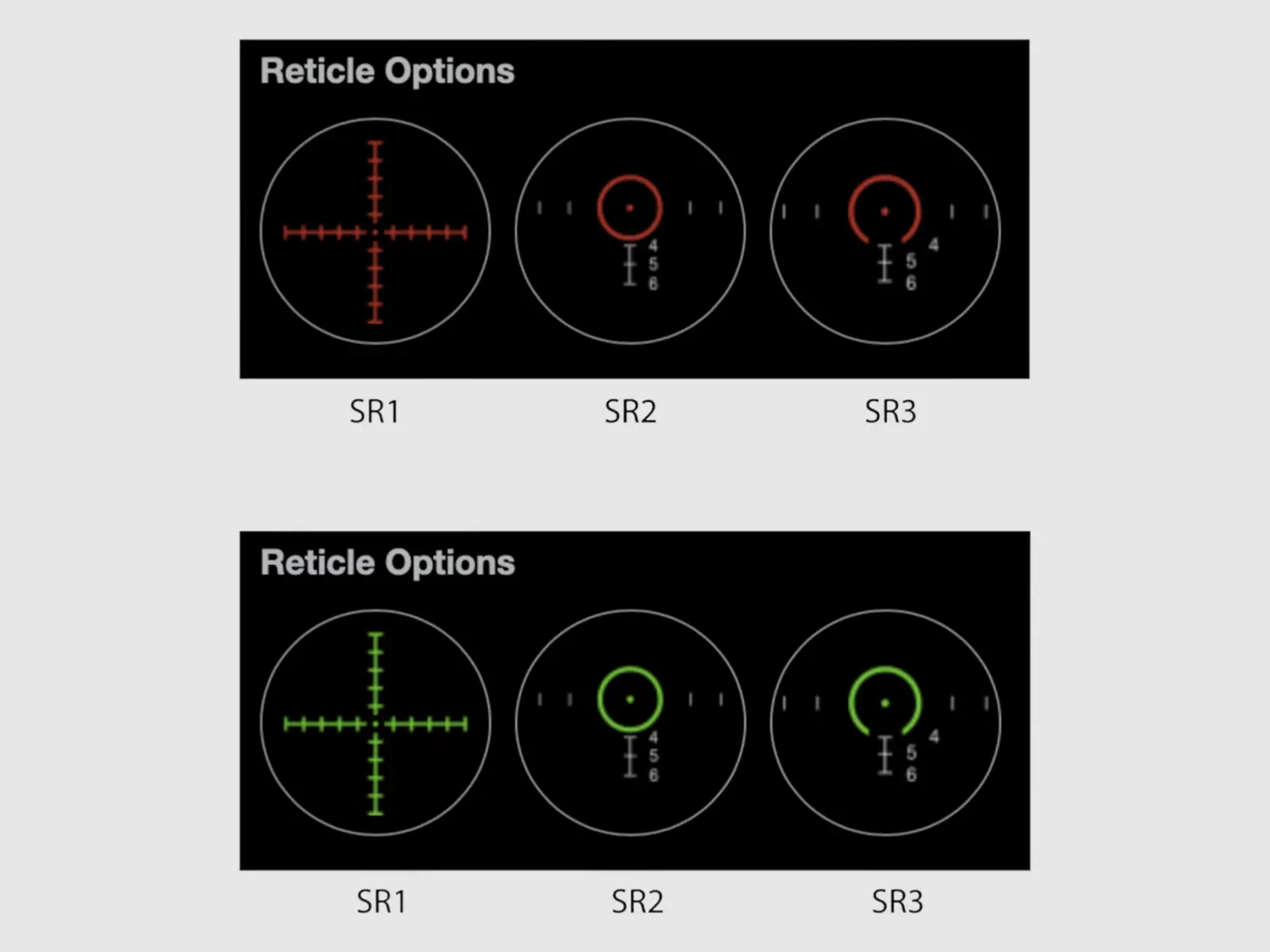
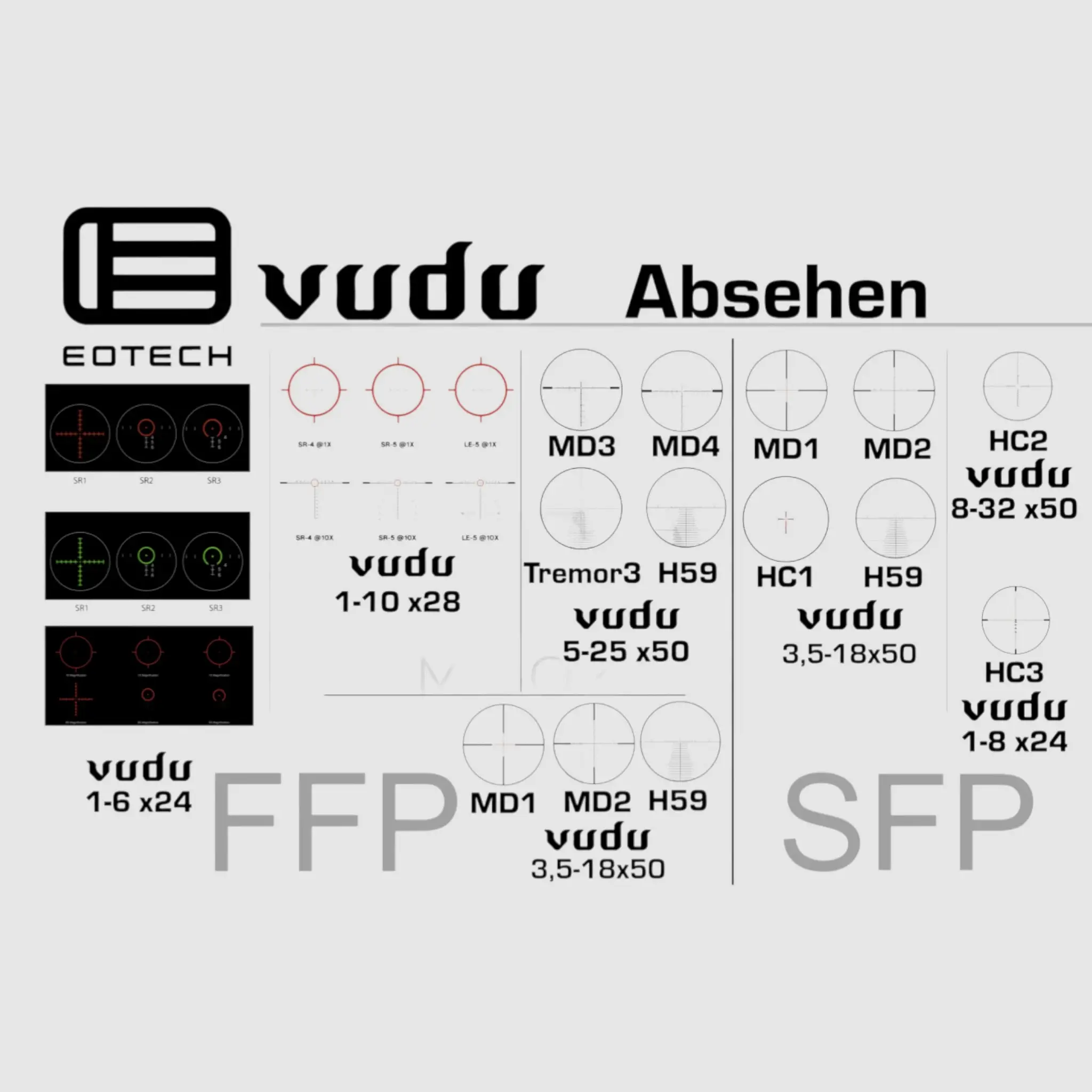
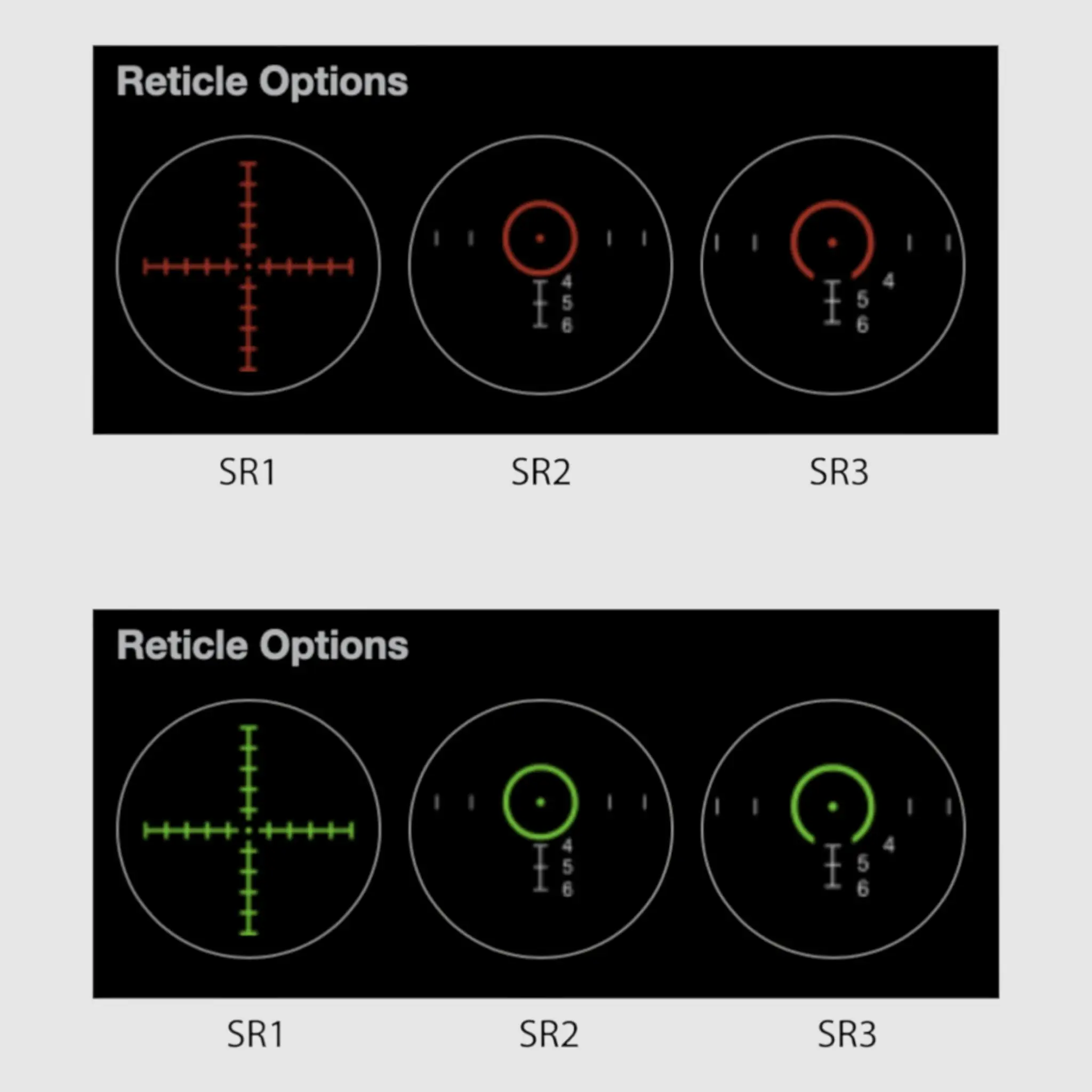
✔ SR1 MRAD, SR2 MOA, SR3 MOA plus green variants depending on choice: reticle choice is a ballistics and usage question, not just a matter of taste.
✔ 24 mm objective: affects size, light gathering, mounting height, and balance.
Why this product?
The EOTECH Vudu 1-6x24 FFP makes sense if you don’t want to cover your distance range with a pure 1x sight. Compared to HWS/red dot, you get target info, reticle structure, and depending on model, more precision reserve.
The limit is just as important: more magnification means narrower field of view, more sensitive eye relief, and more weight. A 1-6x scope must fit the platform. On a light short firearm it can become front-heavy; on a precision platform it can be exactly the right choice.
Working range: 1-6x – don’t buy by max number, but by real distance.
Reticle: SR1 MRAD, SR2 MOA, SR3 MOA plus green variants depending on choice – MOA/MRAD/BDC only make sense if ammo and zero match.
Mounting: 30 mm – proper rings or mount are mandatory, no guessing with accessories.
Platform logic: AR platforms, range, driven hunt close use and short to medium distances – that’s where the scope shows its strengths.
Trainer tip: Don’t treat LPVO and scope like a red dot
At low magnification, an LPVO feels fast, but eye box, mounting height, and cheek weld must be right. If you mount too far back, you force your head into an unnatural position and lose speed.
At higher magnification, a clean, relaxed cheek weld counts more than max zoom. If the image
at 10x, 25x or 32x constantly blacking out, it’s often not the glass that’s the problem, but eye relief and body position.
Always zero with the ammunition you actually use. BDC and holdover marks are just approximations until you verify them at distance.
Our Assessment
The EOTECH Vudu 1-6x24 FFP is strong if you know exactly why you need 1-6x. It’s less useful if you just buy the highest number on the magnification ring. Especially with EOTECH Vudu and VuduX, the question must be: fast 1x use, all-round hunting, DMR or precision distance?
SFP LPVOs often feel steadier and faster at 1x, but the holdover marks only match at a defined magnification. That’s why the focal plane determines your real benefit. For training, hunting and range, SFP can be very pleasant. For holdover marks across changing magnifications, FFP is often the clean choice.
Useful for:
AR platforms, range, close-range driven hunt use and short to medium distances
Users who consciously set mounting height, eye relief and reticle
Shooters who verify their reticle with real ammo and distance data
Setups where target info is more important than pure 1x speed
Less useful for:
pure close-range setups where HWS or red dot are faster
Hunters expecting maximum twilight performance from a large hunting scope
Shooters who want to use holdover marks without checking ballistics and zero
Platforms where weight, length or mounting height don’t fit
Direct classification:
✔ EOTECH Vudu 1-6x24 FFP: useful if a classic 1-6x LPVO for fast short to medium distances fits your setup.
✔ HWS / Red Dot: faster at short range, but without target info and magnification.
✔ larger precision scope: stronger for pure distance work, but heavier, slower and less agile.
The EOTECH Vudu 1-6x24 FFP pays off if the magnification range matches your real application. If you only work at short range, an HWS is more honest. If you only shoot long range, a specialized precision scope can be more useful.
Use scenarios
Range: magnification for target control, group picture and training distances.
Hunting: depending on model useful for stalking, field edge, close-range driven hunt situations or stand hunting with limited twilight expectations.
DMR / Carbine: more target info than HWS, without directly mounting a large long-range scope.
Precision: use holdover marks, turrets and repeatable positions only if the setup is properly zeroed.
Practical tip: plan mounting height before purchase
The best optic helps little if you run it at an unsuitable mounting height. Too low can feel unnatural with straight stock, safety glasses or helmet. Too high increases mechanical offset and changes cheek weld.
Plan scope, mount, stock, eye relief and usability as one system. Especially on AR platforms, this is more important than many datasheet values.
Features & Construction
Magnification: 1-6x – defines whether the optic is rather fast, all-round or precision-oriented.
Focal plane: FFP – determines how holdover marks work at changing magnifications.
Objective: 24 mm – affects light transmission, size and mounting height.
Tube / Mount: 30 mm – select suitable rings or cantilever mount beforehand.
Reticle: SR1 MRAD, SR2 MOA, SR3 MOA as well as green variants depending on choice – select based on ammo, distance and hold/turret logic.
Variant logic: Variants: SR1 (MRAD), SR1 Green, SR2 (MOA), SR2 Green, SR3 (MOA), SR3 Green – selection mainly by reticle, color or setup logic.
Technical Data
Model: EOTECH Vudu 1-6x24 FFP – classic 1-6x LPVO for fast short to medium distances.
Magnification: 1-6x – real working range of the optic.
Objective diameter: 24 mm – affects light, height and weight.
Image plane: FFP – important for holdover marks and reticle image with changing magnification.
Tube diameter: 30 mm – must be checked before purchase for mounting.
Length: 270 mm – relevant for mounting clearance, clip-on reserve, and balance.
Weight: 570 g – affects handling and center of gravity of the firearm.
Battery / Illumination: CR2032 – only for reticle illumination, not for the basic function of the optic.
Reticle: SR1 MRAD, SR2 MOA, SR3 MOA as well as green variants depending on selection – match reticle choice with ammunition and distance.
Click / Reticle logic: depending on reticle MOA or MRAD – do not mix MOA and MRAD if you want to calculate accurately.
Origin: Japan – manufacturer/model information for the product line.
Scope of delivery
1x EOTECH Vudu 1-6x24 FFP scope
1x Throw Lever, if included with the specific variant
1x Operator Manual
1x Reticle Manual, if model-dependent included
1x Lens Cloth, if model-dependent included
1x CR2032 battery, if illuminated reticle is present
Not included:
No rings, no cantilever mount, no bubble level, no ballistic calculator, no firearm, and no zeroing service. For variants with EFLX package, only include if this variant is explicitly selected.
FAQ
Is the EOTECH Vudu 1-6x24 FFP intended more for close or long range?
The 1-6x range determines the role. Low magnification helps with faster target acquisition, high magnification provides more target information but requires a better rest and closer eye relief.
What does FFP mean in practice?
FFP means: holdover marks remain proportionally correct across the magnification range. This is strong for long-range work but often appears finer and less stable at low magnification.
What mount do I need?
You need a mount suitable for 30 mm. Additionally, height, cant, eye relief, and platform must match.
Do I have to verify BDC or holdover marks?
Yes. Every holdover mark is only as good as your ammunition, barrel length, velocity, zero distance, and actual distance verification.
For whom is this optic not suitable?
It is not suitable if you only want a quick close-range sight or want to use the optic without mounting planning, zeroing, and distance control.
Conclusion: The EOTECH Vudu 1-6x24 FFP is a strong optic if magnification range, image plane, and reticle fit your real use. It does not replace training or mounting planning but can carry a very clean range, hunting, or precision setup. (Show description in original language)
.br-product{font-family:Arial,Helvetica,sans-serif;line-height:1.6;color:#222;}
.br-product h2{font-size:1.2rem;margin-top:28px;}
.br-product ul{padding-left:18px;}
.br-product .info-box{background:#ffdddd;border-left:6px solid #c40000;padding:12px;margin:20px 0;}
.br-product .tip-box{background:#eef6ff;border-left:6px solid #2a6fdb;padding:12px;margin:20px 0;}
.br-product .trust-box{background:#eaf7ea;border-left:6px solid #2f8f2f;padding:12px;margin:20px 0;}
.br-product .compare-box{background:#f5f5f5;border-left:6px solid #444;padding:12px;margin:20px 0;}
.br-product details{background:#f2f2f2;padding:10px;margin-bottom:8px;border-radius:4px;}
.br-product summary{font-weight:600;cursor:pointer;}
EOTECH Vudu 1-6x24 FFP – LPVO für 1x-Nähe, 4- bis 10x-Zielinformation und schnelle Wechsel zwischen nah und mittel.
Bei Zielfernrohren entscheidet nicht nur der Vergrößerungsbereich, sondern ob Absehen, Bildebene, Montage und Einsatzzweck zusammenpassen.
Das EOTECH Vudu 1-6x24 FFP ist ein klassisches 1-6x LPVO für schnelle kurze bis mittlere Distanzen. Es ist für Anwender gedacht, die mehr Zielinformation brauchen als mit einem reinen 1x-Visier, aber die Grenzen der jeweiligen Optikklasse verstehen.
Ein LPVO ist nicht so schnell wie ein echtes HWS und nicht so hell wie ein großes Jagdglas bei Dämmerung. Es ist ein Kompromiss für wechselnde Distanzen. Vor dem Kauf solltest du klären, ob deine Anwendung schnelle Zielaufnahme, Zielansprache, Haltemarken, Turmverstellung oder Dämmerungsleistung priorisiert.
Wichtiger Hinweis zur Einordnung:
FFP bedeutet: Haltemarken bleiben über den Vergrößerungsbereich proportional korrekt. Das ist stark für Distanzarbeit, wirkt bei niedriger Vergrößerung aber oft feiner und unruhiger.
Vor dem Kauf prüfen: Rohrdurchmesser 30 mm, Montagehöhe, Augenabstand, Absehenvariante, Klicksystem, Zero-Stop-/Turmlogik, Parallaxe, Waffentyp, Einsatzdistanz und ob du wirklich 1-6x brauchst.
Was dieses Produkt technisch besonders macht:
✔ 1-6x Vergrößerung: definiert den echten Arbeitsbereich – Nähe, Mittelstrecke oder Präzisionsdistanz je nach Modell.
✔ FFP Bildebene: entscheidet, wie Absehen und Haltemarken bei wechselnder Vergrößerung nutzbar sind.
✔ 30 mm Rohr-/Montagelogik: bestimmt, welche Montage passt und wie viel Verstellweg/Bauvolumen das Glas mitbringt.
✔ SR1 MRAD, SR2 MOA, SR3 MOA sowie grüne Varianten je nach Auswahl: Absehenwahl ist Ballistik- und Nutzungsfrage, keine reine Geschmacksfrage.
✔ 24 mm Objektiv: beeinflusst Baugröße, Lichtreserve, Montagehöhe und Balance.
Warum dieses Produkt?
Das EOTECH Vudu 1-6x24 FFP ist sinnvoll, wenn du deinen Distanzbereich nicht mit einem reinen 1x-Visier abdecken willst. Gegenüber HWS/Red Dot bekommst du Zielinformation, Absehenstruktur und je nach Modell mehr Präzisionsreserve.
Die Grenze ist genauso wichtig: Mehr Vergrößerung bedeutet engeres Sehfeld, sensibleren Augenabstand und mehr Gewicht. Ein 1-6x Glas muss zur Plattform passen. Auf einer leichten kurzen Waffe kann es kopflastig werden; auf einer Präzisionsplattform kann es genau die richtige Entscheidung sein.
Arbeitsbereich: 1-6x – nicht nach Maximalzahl kaufen, sondern nach realer Distanz.
Absehen: SR1 MRAD, SR2 MOA, SR3 MOA sowie grüne Varianten je nach Auswahl – MOA/MRAD/BDC nur sinnvoll, wenn Munition und Zero dazu passen.
Montage: 30 mm – passende Ringe oder Montage sind Pflicht, nicht Zubehör-Ratespiel.
Plattformlogik: AR-Plattformen, Range, Drückjagd-nahe Nutzung und kurze bis mittlere Distanzen – dort spielt das Glas seine Stärken aus.
Ausbilder-Tipp: LPVO und Zielfernrohr nicht wie ein Red Dot behandeln
Bei niedriger Vergrößerung wirkt ein LPVO schnell, aber Augenbox, Montagehöhe und Anschlag müssen stimmen. Wenn du zu weit hinten montierst, zwingst du den Kopf in eine unnatürliche Position und verlierst Geschwindigkeit.
Bei höherer Vergrößerung zählt ein sauberer, entspannter Anschlag mehr als maximale Zoomzahl. Wenn das Bild bei 10x, 25x oder 32x ständig schwarz abschattet, ist oft nicht das Glas das Problem, sondern Augenabstand und Körperposition.
Nullung immer mit der Munition durchführen, die du tatsächlich nutzt. BDC- und Haltemarken sind nur Annäherungen, bis du sie auf Distanz verifiziert hast.
Unsere Einschätzung
Das EOTECH Vudu 1-6x24 FFP ist stark, wenn du genau weißt, warum du 1-6x brauchst. Es ist weniger sinnvoll, wenn du nur die größte Zahl auf dem Vergrößerungsring kaufst. Gerade bei EOTECH Vudu und VuduX muss die Frage lauten: schnelle 1x-Nutzung, Allround-Jagd, DMR oder Präzisionsdistanz?
SFP-LPVOs wirken bei 1x oft ruhiger und schneller, die Haltemarken stimmen aber nur auf einer definierten Vergrößerung. Deshalb entscheidet die Bildebene über deinen echten Nutzen. Für Training, Jagd und Range kann SFP sehr angenehm sein. Für Haltemarken über wechselnde Vergrößerung ist FFP oft die saubere Wahl.
Sinnvoll für:
AR-Plattformen, Range, Drückjagd-nahe Nutzung und kurze bis mittlere Distanzen
Nutzer, die Montagehöhe, Augenabstand und Absehen bewusst einrichten
Schützen, die ihr Absehen mit echter Munition und Distanzdaten verifizieren
Setups, bei denen Zielinformation wichtiger ist als reines 1x-Tempo
Weniger sinnvoll für:
reine Nahdistanz-Setups, bei denen HWS oder Red Dot schneller sind
Jäger, die maximale Dämmerungsleistung eines großen Ansitzglases erwarten
Schützen, die Haltemarken nutzen wollen, ohne Ballistik und Zero zu prüfen
Plattformen, bei denen Gewicht, Länge oder Montagehöhe nicht passen
Direkte Einordnung:
✔ EOTECH Vudu 1-6x24 FFP: sinnvoll, wenn klassisches 1-6x LPVO für schnelle kurze bis mittlere Distanzen zu deinem Setup passt.
✔ HWS / Red Dot: schneller auf kurzer Distanz, aber ohne Zielansprache und Vergrößerung.
✔ größeres Präzisionsglas: stärker für reine Distanzarbeit, aber schwerer, langsamer und weniger führig.
Das EOTECH Vudu 1-6x24 FFP lohnt sich, wenn der Vergrößerungsbereich deine echte Anwendung trifft. Wenn du nur auf kurze Distanz arbeitest, ist ein HWS ehrlicher. Wenn du nur Long Range schießt, kann ein spezialisiertes Präzisionsglas sinnvoller sein.
Anwendungsszenarien
Range: Vergrößerung für Zielkontrolle, Gruppenbild und Trainingsdistanzen.
Jagd: je nach Modell sinnvoll für Pirsch, Feldkante, Drückjagd-nahe Situationen oder Ansitz mit begrenzter Dämmerungserwartung.
DMR / Carbine: mehr Zielinformation als HWS, ohne direkt ein großes Long-Range-Glas aufzubauen.
Präzision: Haltemarken, Türme und wiederholbare Positionen nur nutzen, wenn das Setup sauber eingeschossen ist.
Praxis-Tipp: Montagehöhe vor dem Kauf planen
Die beste Optik hilft wenig, wenn du sie auf einer unpassenden Montagehöhe fährst. Zu niedrig kann mit geradem Schaft, Schutzbrille oder Helm unnatürlich werden. Zu hoch vergrößert den mechanischen Offset und verändert den Anschlag.
Plane Glas, Montage, Schaft, Augenabstand und Bedienbarkeit als ein System. Besonders bei AR-Plattformen ist das wichtiger als viele Datenblattwerte.
Merkmale & Konstruktion
Vergrößerung: 1-6x – definiert, ob die Optik eher schnell, allround oder präzisionsorientiert ist.
Bildebene: FFP – bestimmt, wie Haltemarken bei wechselnder Vergrößerung arbeiten.
Objektiv: 24 mm – beeinflusst Lichtreserve, Baugröße und Montagehöhe.
Rohr / Montage: 30 mm – passende Ringe oder Cantilever-Montage vorher auswählen.
Absehen: SR1 MRAD, SR2 MOA, SR3 MOA sowie grüne Varianten je nach Auswahl – Auswahl nach Munition, Distanz und Halte-/Turmlogik treffen.
Variantenlogik: Varianten: SR1 (MRAD), SR1 Green, SR2 (MOA), SR2 Green, SR3 (MOA), SR3 Green – Auswahl vor allem nach Absehen, Farbe oder Setup-Logik treffen.
Technische Daten
Modell: EOTECH Vudu 1-6x24 FFP – klassisches 1-6x LPVO für schnelle kurze bis mittlere Distanzen.
Vergrößerung: 1-6x – realer Arbeitsbereich der Optik.
Objektivdurchmesser: 24 mm – beeinflusst Licht, Bauhöhe und Gewicht.
Bildebene: FFP – wichtig für Haltemarken und Zielbild bei wechselnder Vergrößerung.
Rohrdurchmesser: 30 mm – vor Montagekauf zwingend prüfen.
Länge: 270 mm – relevant für Montagespielraum, Clip-On-Reserve und Balance.
Gewicht: 570 g – beeinflusst Führigkeit und Schwerpunkt der Waffe.
Batterie / Beleuchtung: CR2032 – nur für Absehenbeleuchtung, nicht für die Grundfunktion der Optik.
Absehen: SR1 MRAD, SR2 MOA, SR3 MOA sowie grüne Varianten je nach Auswahl – Absehenwahl mit Munition und Distanz abgleichen.
Klick-/Absehenlogik: je nach Absehen MOA oder MRAD – MOA und MRAD nicht mischen, wenn du sauber rechnen willst.
Herkunft: Japan – Hersteller-/Modellangabe zur Produktlinie.
Lieferumfang
1x EOTECH Vudu 1-6x24 FFP Zielfernrohr
1x Throw Lever, sofern bei der konkreten Variante enthalten
1x Operator Manual
1x Reticle Manual, sofern modellabhängig enthalten
1x Linsentuch / Lens Cloth, sofern modellabhängig enthalten
1x CR2032 Batterie, sofern beleuchtetes Absehen vorhanden
Nicht enthalten:
Keine Ringe, keine Cantilever-Montage, keine Wasserwaage, kein Ballistikrechner, keine Waffe und keine Einschießleistung. Bei Varianten mit EFLX-Paket nur enthalten führen, wenn diese Variante ausdrücklich ausgewählt ist.
FAQ
Ist das EOTECH Vudu 1-6x24 FFP eher für Nähe oder Distanz gedacht?
Der 1-6x Bereich bestimmt die Rolle. Niedrige Vergrößerung hilft bei schnellerer Zielaufnahme, hohe Vergrößerung bringt mehr Zielinformation, verlangt aber besseren Anschlag und engeren Augenabstand.
Was bedeutet FFP in der Praxis?
FFP bedeutet: Haltemarken bleiben über den Vergrößerungsbereich proportional korrekt. Das ist stark für Distanzarbeit, wirkt bei niedriger Vergrößerung aber oft feiner und unruhiger.
Welche Montage brauche ich?
Du brauchst eine Montage passend zu 30 mm. Zusätzlich müssen Bauhöhe, Vorneigung, Augenabstand und Plattform zusammenpassen.
Muss ich BDC- oder Haltemarken verifizieren?
Ja. Jede Haltemarke ist nur so gut wie deine Munition, Lauflänge, Geschwindigkeit, Zero-Distanz und tatsächliche Distanzprüfung.
Für wen ist dieses Glas nicht sinnvoll?
Nicht sinnvoll ist es, wenn du nur ein schnelles Nahdistanzvisier suchst oder die Optik ohne Montageplanung, Zero und Distanzkontrolle nutzen willst.
Fazit: Das EOTECH Vudu 1-6x24 FFP ist eine starke Optik, wenn Vergrößerungsbereich, Bildebene und Absehen zu deinem echten Einsatz passen. Es ersetzt weder Training noch Montageplanung, kann aber ein sehr sauberes Range-, Jagd- oder Präzisionssetup tragen.
.br-product h2{font-size:1.2rem;margin-top:28px;}
.br-product ul{padding-left:18px;}
.br-product .info-box{background:#ffdddd;border-left:6px solid #c40000;padding:12px;margin:20px 0;}
.br-product .tip-box{background:#eef6ff;border-left:6px solid #2a6fdb;padding:12px;margin:20px 0;}
.br-product .trust-box{background:#eaf7ea;border-left:6px solid #2f8f2f;padding:12px;margin:20px 0;}
.br-product .compare-box{background:#f5f5f5;border-left:6px solid #444;padding:12px;margin:20px 0;}
.br-product details{background:#f2f2f2;padding:10px;margin-bottom:8px;border-radius:4px;}
.br-product summary{font-weight:600;cursor:pointer;}
EOTECH Vudu 1-6x24 FFP – LPVO für 1x-Nähe, 4- bis 10x-Zielinformation und schnelle Wechsel zwischen nah und mittel.
Bei Zielfernrohren entscheidet nicht nur der Vergrößerungsbereich, sondern ob Absehen, Bildebene, Montage und Einsatzzweck zusammenpassen.
Das EOTECH Vudu 1-6x24 FFP ist ein klassisches 1-6x LPVO für schnelle kurze bis mittlere Distanzen. Es ist für Anwender gedacht, die mehr Zielinformation brauchen als mit einem reinen 1x-Visier, aber die Grenzen der jeweiligen Optikklasse verstehen.
Ein LPVO ist nicht so schnell wie ein echtes HWS und nicht so hell wie ein großes Jagdglas bei Dämmerung. Es ist ein Kompromiss für wechselnde Distanzen. Vor dem Kauf solltest du klären, ob deine Anwendung schnelle Zielaufnahme, Zielansprache, Haltemarken, Turmverstellung oder Dämmerungsleistung priorisiert.
Wichtiger Hinweis zur Einordnung:
FFP bedeutet: Haltemarken bleiben über den Vergrößerungsbereich proportional korrekt. Das ist stark für Distanzarbeit, wirkt bei niedriger Vergrößerung aber oft feiner und unruhiger.
Vor dem Kauf prüfen: Rohrdurchmesser 30 mm, Montagehöhe, Augenabstand, Absehenvariante, Klicksystem, Zero-Stop-/Turmlogik, Parallaxe, Waffentyp, Einsatzdistanz und ob du wirklich 1-6x brauchst.
Was dieses Produkt technisch besonders macht:
✔ 1-6x Vergrößerung: definiert den echten Arbeitsbereich – Nähe, Mittelstrecke oder Präzisionsdistanz je nach Modell.
✔ FFP Bildebene: entscheidet, wie Absehen und Haltemarken bei wechselnder Vergrößerung nutzbar sind.
✔ 30 mm Rohr-/Montagelogik: bestimmt, welche Montage passt und wie viel Verstellweg/Bauvolumen das Glas mitbringt.
✔ SR1 MRAD, SR2 MOA, SR3 MOA sowie grüne Varianten je nach Auswahl: Absehenwahl ist Ballistik- und Nutzungsfrage, keine reine Geschmacksfrage.
✔ 24 mm Objektiv: beeinflusst Baugröße, Lichtreserve, Montagehöhe und Balance.
Warum dieses Produkt?
Das EOTECH Vudu 1-6x24 FFP ist sinnvoll, wenn du deinen Distanzbereich nicht mit einem reinen 1x-Visier abdecken willst. Gegenüber HWS/Red Dot bekommst du Zielinformation, Absehenstruktur und je nach Modell mehr Präzisionsreserve.
Die Grenze ist genauso wichtig: Mehr Vergrößerung bedeutet engeres Sehfeld, sensibleren Augenabstand und mehr Gewicht. Ein 1-6x Glas muss zur Plattform passen. Auf einer leichten kurzen Waffe kann es kopflastig werden; auf einer Präzisionsplattform kann es genau die richtige Entscheidung sein.
Arbeitsbereich: 1-6x – nicht nach Maximalzahl kaufen, sondern nach realer Distanz.
Absehen: SR1 MRAD, SR2 MOA, SR3 MOA sowie grüne Varianten je nach Auswahl – MOA/MRAD/BDC nur sinnvoll, wenn Munition und Zero dazu passen.
Montage: 30 mm – passende Ringe oder Montage sind Pflicht, nicht Zubehör-Ratespiel.
Plattformlogik: AR-Plattformen, Range, Drückjagd-nahe Nutzung und kurze bis mittlere Distanzen – dort spielt das Glas seine Stärken aus.
Ausbilder-Tipp: LPVO und Zielfernrohr nicht wie ein Red Dot behandeln
Bei niedriger Vergrößerung wirkt ein LPVO schnell, aber Augenbox, Montagehöhe und Anschlag müssen stimmen. Wenn du zu weit hinten montierst, zwingst du den Kopf in eine unnatürliche Position und verlierst Geschwindigkeit.
Bei höherer Vergrößerung zählt ein sauberer, entspannter Anschlag mehr als maximale Zoomzahl. Wenn das Bild bei 10x, 25x oder 32x ständig schwarz abschattet, ist oft nicht das Glas das Problem, sondern Augenabstand und Körperposition.
Nullung immer mit der Munition durchführen, die du tatsächlich nutzt. BDC- und Haltemarken sind nur Annäherungen, bis du sie auf Distanz verifiziert hast.
Unsere Einschätzung
Das EOTECH Vudu 1-6x24 FFP ist stark, wenn du genau weißt, warum du 1-6x brauchst. Es ist weniger sinnvoll, wenn du nur die größte Zahl auf dem Vergrößerungsring kaufst. Gerade bei EOTECH Vudu und VuduX muss die Frage lauten: schnelle 1x-Nutzung, Allround-Jagd, DMR oder Präzisionsdistanz?
SFP-LPVOs wirken bei 1x oft ruhiger und schneller, die Haltemarken stimmen aber nur auf einer definierten Vergrößerung. Deshalb entscheidet die Bildebene über deinen echten Nutzen. Für Training, Jagd und Range kann SFP sehr angenehm sein. Für Haltemarken über wechselnde Vergrößerung ist FFP oft die saubere Wahl.
Sinnvoll für:
AR-Plattformen, Range, Drückjagd-nahe Nutzung und kurze bis mittlere Distanzen
Nutzer, die Montagehöhe, Augenabstand und Absehen bewusst einrichten
Schützen, die ihr Absehen mit echter Munition und Distanzdaten verifizieren
Setups, bei denen Zielinformation wichtiger ist als reines 1x-Tempo
Weniger sinnvoll für:
reine Nahdistanz-Setups, bei denen HWS oder Red Dot schneller sind
Jäger, die maximale Dämmerungsleistung eines großen Ansitzglases erwarten
Schützen, die Haltemarken nutzen wollen, ohne Ballistik und Zero zu prüfen
Plattformen, bei denen Gewicht, Länge oder Montagehöhe nicht passen
Direkte Einordnung:
✔ EOTECH Vudu 1-6x24 FFP: sinnvoll, wenn klassisches 1-6x LPVO für schnelle kurze bis mittlere Distanzen zu deinem Setup passt.
✔ HWS / Red Dot: schneller auf kurzer Distanz, aber ohne Zielansprache und Vergrößerung.
✔ größeres Präzisionsglas: stärker für reine Distanzarbeit, aber schwerer, langsamer und weniger führig.
Das EOTECH Vudu 1-6x24 FFP lohnt sich, wenn der Vergrößerungsbereich deine echte Anwendung trifft. Wenn du nur auf kurze Distanz arbeitest, ist ein HWS ehrlicher. Wenn du nur Long Range schießt, kann ein spezialisiertes Präzisionsglas sinnvoller sein.
Anwendungsszenarien
Range: Vergrößerung für Zielkontrolle, Gruppenbild und Trainingsdistanzen.
Jagd: je nach Modell sinnvoll für Pirsch, Feldkante, Drückjagd-nahe Situationen oder Ansitz mit begrenzter Dämmerungserwartung.
DMR / Carbine: mehr Zielinformation als HWS, ohne direkt ein großes Long-Range-Glas aufzubauen.
Präzision: Haltemarken, Türme und wiederholbare Positionen nur nutzen, wenn das Setup sauber eingeschossen ist.
Praxis-Tipp: Montagehöhe vor dem Kauf planen
Die beste Optik hilft wenig, wenn du sie auf einer unpassenden Montagehöhe fährst. Zu niedrig kann mit geradem Schaft, Schutzbrille oder Helm unnatürlich werden. Zu hoch vergrößert den mechanischen Offset und verändert den Anschlag.
Plane Glas, Montage, Schaft, Augenabstand und Bedienbarkeit als ein System. Besonders bei AR-Plattformen ist das wichtiger als viele Datenblattwerte.
Merkmale & Konstruktion
Vergrößerung: 1-6x – definiert, ob die Optik eher schnell, allround oder präzisionsorientiert ist.
Bildebene: FFP – bestimmt, wie Haltemarken bei wechselnder Vergrößerung arbeiten.
Objektiv: 24 mm – beeinflusst Lichtreserve, Baugröße und Montagehöhe.
Rohr / Montage: 30 mm – passende Ringe oder Cantilever-Montage vorher auswählen.
Absehen: SR1 MRAD, SR2 MOA, SR3 MOA sowie grüne Varianten je nach Auswahl – Auswahl nach Munition, Distanz und Halte-/Turmlogik treffen.
Variantenlogik: Varianten: SR1 (MRAD), SR1 Green, SR2 (MOA), SR2 Green, SR3 (MOA), SR3 Green – Auswahl vor allem nach Absehen, Farbe oder Setup-Logik treffen.
Technische Daten
Modell: EOTECH Vudu 1-6x24 FFP – klassisches 1-6x LPVO für schnelle kurze bis mittlere Distanzen.
Vergrößerung: 1-6x – realer Arbeitsbereich der Optik.
Objektivdurchmesser: 24 mm – beeinflusst Licht, Bauhöhe und Gewicht.
Bildebene: FFP – wichtig für Haltemarken und Zielbild bei wechselnder Vergrößerung.
Rohrdurchmesser: 30 mm – vor Montagekauf zwingend prüfen.
Länge: 270 mm – relevant für Montagespielraum, Clip-On-Reserve und Balance.
Gewicht: 570 g – beeinflusst Führigkeit und Schwerpunkt der Waffe.
Batterie / Beleuchtung: CR2032 – nur für Absehenbeleuchtung, nicht für die Grundfunktion der Optik.
Absehen: SR1 MRAD, SR2 MOA, SR3 MOA sowie grüne Varianten je nach Auswahl – Absehenwahl mit Munition und Distanz abgleichen.
Klick-/Absehenlogik: je nach Absehen MOA oder MRAD – MOA und MRAD nicht mischen, wenn du sauber rechnen willst.
Herkunft: Japan – Hersteller-/Modellangabe zur Produktlinie.
Lieferumfang
1x EOTECH Vudu 1-6x24 FFP Zielfernrohr
1x Throw Lever, sofern bei der konkreten Variante enthalten
1x Operator Manual
1x Reticle Manual, sofern modellabhängig enthalten
1x Linsentuch / Lens Cloth, sofern modellabhängig enthalten
1x CR2032 Batterie, sofern beleuchtetes Absehen vorhanden
Nicht enthalten:
Keine Ringe, keine Cantilever-Montage, keine Wasserwaage, kein Ballistikrechner, keine Waffe und keine Einschießleistung. Bei Varianten mit EFLX-Paket nur enthalten führen, wenn diese Variante ausdrücklich ausgewählt ist.
FAQ
Ist das EOTECH Vudu 1-6x24 FFP eher für Nähe oder Distanz gedacht?
Der 1-6x Bereich bestimmt die Rolle. Niedrige Vergrößerung hilft bei schnellerer Zielaufnahme, hohe Vergrößerung bringt mehr Zielinformation, verlangt aber besseren Anschlag und engeren Augenabstand.
Was bedeutet FFP in der Praxis?
FFP bedeutet: Haltemarken bleiben über den Vergrößerungsbereich proportional korrekt. Das ist stark für Distanzarbeit, wirkt bei niedriger Vergrößerung aber oft feiner und unruhiger.
Welche Montage brauche ich?
Du brauchst eine Montage passend zu 30 mm. Zusätzlich müssen Bauhöhe, Vorneigung, Augenabstand und Plattform zusammenpassen.
Muss ich BDC- oder Haltemarken verifizieren?
Ja. Jede Haltemarke ist nur so gut wie deine Munition, Lauflänge, Geschwindigkeit, Zero-Distanz und tatsächliche Distanzprüfung.
Für wen ist dieses Glas nicht sinnvoll?
Nicht sinnvoll ist es, wenn du nur ein schnelles Nahdistanzvisier suchst oder die Optik ohne Montageplanung, Zero und Distanzkontrolle nutzen willst.
Fazit: Das EOTECH Vudu 1-6x24 FFP ist eine starke Optik, wenn Vergrößerungsbereich, Bildebene und Absehen zu deinem echten Einsatz passen. Es ersetzt weder Training noch Montageplanung, kann aber ein sehr sauberes Range-, Jagd- oder Präzisionssetup tragen.