-7 %

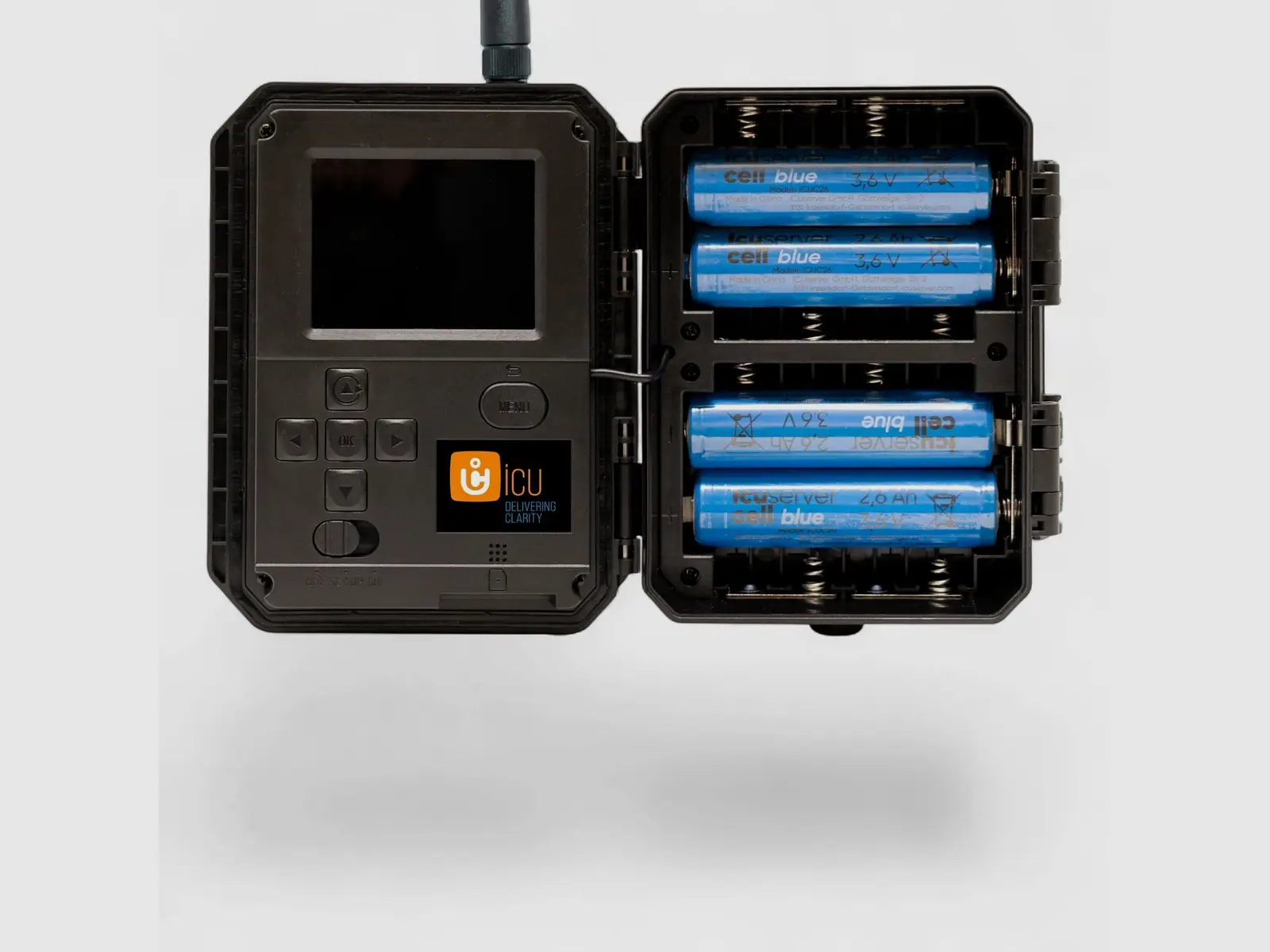


ICU Trail Camera Clom Cam-S
72479 Straßberg, Germany
5
ID: 9894280
Shop safely with Gunfinder
Our AI-powered seller identity verification makes Gunfinder the safest marketplace online.
Learn more
Details
- Original language
- German
- Category
- Condition
- New
- Location
- 🇩🇪 72479 Straßberg, Germany
- Availability
- In stock
Freshness
This listing is based on a mirrored offer, where the listing data was synced to us from a shop, dealer, or external marketplace. Please note that temporary price discrepancies may occur due to possible delays in data transmission.
- Source
- Black Raptor
- Last updated
- about 11 hours ago
Description
Note:
The item is located abroad. Please note that delivery conditions, shipping times, and/or the purchase process may differ.
font-family: Arial, Helvetica, sans-serif;
line-height:1.6;
color:#222;
}
.br-product h1{
font-size:1.4rem;
margin-bottom:10px;
}
.br-product h2{
font-size:1.2rem;
margin-top:28px;
}
.br-product ul{
padding-left:18px;
}
.br-product .info-box{
background:#ffdddd;
border-left:6px solid #c40000;
padding:12px;
margin:20px 0;
}
.br-product .tip-box{
background:#eef6ff;
border-left:6px solid #2a6fdb;
padding:12px;
margin:20px 0;
}
.br-product .trust-box{
background:#eaf7ea;
border-left:6px solid #2f8f2f;
padding:12px;
margin:20px 0;
}
.br-product .compare-box{
background:#f5f5f5;
border-left:6px solid #444;
padding:12px;
margin:20px 0;
}
.br-product details{
background:#f2f2f2;
padding:10px;
margin-bottom:8px;
border-radius:4px;
}
.br-product summary{
font-weight:600;
cursor:pointer;
}
ICU Wildkamera Clom Cam-S – budget-friendly LTE trail camera with app plan logic
If you only find out what happened when you’re out in the field, it’s too late.
The ICU Wildkamera Clom Cam-S is designed for game monitoring, baiting, game trails, and property surveillance – situations where you want not just to collect images but to prepare decisions.
The Cam-S is interesting if you’re looking for a modern wireless camera with app connectivity but deliberately want a leaner price/plan model. What matters isn’t just the megapixel count but whether trigger, night image, mobile network, power supply, and placement fit the use.
Why exactly this product?
✔ 4G/LTE transmission with eSIM logic
✔ App connection for images and remote control
✔ Cam-S: entry into the CLOM wireless camera world with app/tariff logic and wide detection angle
✔ 940-nm black flash for discreet night shots
✔ Weatherproof outdoor design for field and property
✔ Up to 12 MP photo resolution
✔ Full-HD video
Why ICU CLOM Cam-S?
A trail camera isn’t an end in itself. It should give you usable information – not just pretty pictures.
You get images without constantly running to the camera
You recognize activity times, trails, and movement patterns better
You reduce unnecessary disturbance in the field
You can compare locations and reposition cameras more precisely
You detect battery status, signal, and alignment earlier
Trail camera done right:
❌ Just hang it anywhere: empty images, wrong angle, poor night shots ✔ Choose location consciously: cover trails, baiting, wallows, fence, or access cleanly The difference isn’t just the camera but distance, height, angle, and power supply.
Pro tip: angle beats megapixels
Don’t mount the camera directly facing a trail but slightly angled to the direction of movement. This way, the animal stays longer in the detection area and the camera has more time for a usable shot. Also watch out for backlight in the morning/evening and remove moving branches in front of the sensor.
Key features
Wireless trail camera for field, baiting, and property monitoring
4G/LTE mobile connection with integrated eSIM
App-based image transmission and control
940-nm infrared flash for discreet night images
Fast trigger for game trails and movements
Weatherproof design for permanent outdoor mounting
Up to 12 MP photo resolution
Full-HD video
52 IR LEDs with 940 nm
Wide detection angle approx. 62°
GPS tracking possible
Our assessment
The ICU CLOM Cam-S is strong when you want field information without being constantly on site. A wireless camera saves trips, reduces disturbance, and gives you significantly more data on activity and times.
Practical benefit depends heavily on location: 2–3 meters height can be useful for property monitoring, while baiting and trails usually call for a lower, slightly angled mount.
Power supply is also important. Wireless transmission consumes energy. Those who want to leave the camera outside longer should use batteries, solar panel, or
Plan location changes consciously.
For whom suitable
Hunter: to monitor baiting sites, game trails, wallows, and activity times
Gamekeeper: for multiple locations and fewer inspection rounds
Property / Object: if movements are to be documented
Outdoor user: for wildlife observation and remote locations
Why exactly for you?
If you want to disturb less and still know more about activity in the hunting area, a cellular wildlife camera is exactly the right solution – provided location and power supply fit.
You can also find suitable wildlife cameras and hunting area equipment in our category Outdoor & Emergency Preparedness.
Important note:
With wildlife cameras and wireless surveillance, data protection, property rights, hunting law, and local regulations must be observed. Cameras must not monitor public paths, foreign properties, or persons without legal basis.
Location choice – the most important practical factor
A wildlife camera only delivers good images if location, distance, and orientation are right. Technical data cannot compensate for poor installation.
Baiting site: pay attention to short distance and clean angle
Game trail: mount diagonally to the direction of movement
Open area: consider wind, sun, and long trigger paths
Object monitoring: mount higher and plan theft protection
Practical tip: First test image, then leave
Always check a test image after hanging: height, angle, image section, and night range. Many poor camera images are not caused by technology but by mounting too high, too low, or too frontal.
Night images, IR flash & trigger time
The 940 nm black flash is intended for inconspicuous night shots. However, the range must fit the location: too far away, even a good camera delivers fewer usable details.
Short distance: more details and less motion blur
Too close: possible overexposure at night
Too far: animal recognizable, but details missing
Avoid branches and grass in front of the sensor
Cellular & power supply
Wireless cameras are extremely practical but need energy and network. Therefore, regularly check signal strength, battery status, and data/tariff logic.
Test signal on site
Charge and label batteries sensibly
Plan solar panel for permanent locations
Consider shorter runtime in cold
Features & construction / contents
Camera unit with cellular transmission
Integrated eSIM / CLOM network connection
IR night illumination
Memory card operation depending on model
Outdoor housing for hunting area and outdoor use
Power supply via batteries or rechargeable batteries depending on model
Technical data
Sensor:
CMOS image sensor with 5 MP – sensor captures images that are software-interpolated up to 12 MP
Photo resolution:
up to 12 MP – sufficient for clear wildlife images and reliable animal recognition
Video:
Full HD – detailed video recordings for observing wildlife behavior
Trigger time:
0.1 seconds – extremely fast reaction to movement
Infrared flash:
940 nm black flash – practically invisible to animals
Number of IR LEDs:
52 – ensures even illumination for night shots
Night vision range:
up to about 40 m – suitable for larger baiting sites or open areas
Detection angle:
62° – wide detection area in front of the camera
Display:
2.4 inch color display – allows setup and image control directly on the camera
Protection class:
IP66 – dust-tight and protected against strong water jets
Cellular:
2G / 3G / 4G LTE
GPS tracking:
yes – camera location can be transmitted
Memory card:
SD / SDHC up to 256 GB
Power supply:
8 × AA batteries or 4 × 18650 Li-Ion rechargeable batteries
Dimensions:
11 × 8 × 13 cm
Weight:
approx. 462 g
Scope of delivery
ICU Clom Cam-S wildlife camera
Antenna
Integrated eSIM card
16 GB memory card
Mounting strap
User manual
FAQ
Where is the best place to mount the camera?
L
angled obliquely to the direction of movement, not directly frontal. This creates more usable images.
Why are night images sometimes poor?
Often it’s due to too great a distance, branches in front of the camera, wrong angle, or weak power supply.
Do I absolutely need mobile reception?
For live/app transmission, yes. Without sufficient network, the camera can store but not reliably send.
How do I save battery?
Fewer unnecessary triggers, clean location, appropriate sensitivity, and a solar panel for continuous operation.
Is a wireless camera suitable for object surveillance?
Yes, if legal requirements, data protection, and mounting location are observed. It is not a substitute for a professional alarm system.
Especially in the area of wireless game cameras, territory monitoring, and baiting control, the combination of location choice, trigger behavior, night image, mobile network, and power supply determines real practical suitability. (Show description in original language)
.br-product{
font-family: Arial, Helvetica, sans-serif;
line-height:1.6;
color:#222;
}
.br-product h1{
font-size:1.4rem;
margin-bottom:10px;
}
.br-product h2{
font-size:1.2rem;
margin-top:28px;
}
.br-product ul{
padding-left:18px;
}
.br-product .info-box{
background:#ffdddd;
border-left:6px solid #c40000;
padding:12px;
margin:20px 0;
}
.br-product .tip-box{
background:#eef6ff;
border-left:6px solid #2a6fdb;
padding:12px;
margin:20px 0;
}
.br-product .trust-box{
background:#eaf7ea;
border-left:6px solid #2f8f2f;
padding:12px;
margin:20px 0;
}
.br-product .compare-box{
background:#f5f5f5;
border-left:6px solid #444;
padding:12px;
margin:20px 0;
}
.br-product details{
background:#f2f2f2;
padding:10px;
margin-bottom:8px;
border-radius:4px;
}
.br-product summary{
font-weight:600;
cursor:pointer;
}
ICU Wildkamera Clom Cam-S – preisbewusste LTE-Wildkamera mit App-Plan-Logik
Wenn du erst beim Reviergang erfährst, was passiert ist, bist du zu spät.
Die ICU Wildkamera Clom Cam-S ist für Revierüberwachung, Kirrung, Wildwechsel und Objektkontrolle gedacht – also für Situationen, in denen du nicht nur Bilder sammeln, sondern Entscheidungen vorbereiten willst.
Die Cam-S ist interessant, wenn du eine moderne Funkkamera mit App-Anbindung suchst, aber bewusst auf ein schlankeres Preis-/Plan-Modell setzt. Entscheidend ist nicht nur die Megapixelzahl, sondern ob Auslösung, Nachtbild, Mobilfunk, Stromversorgung und Platzierung zum Einsatz passen.
Warum genau dieses Produkt?
✔ 4G/LTE-Übertragung mit eSIM-Logik
✔ App-Anbindung für Bilder und Kontrolle aus der Ferne
✔ Cam-S: Einstieg in die CLOM-Funkkamera-Welt mit App-/Tariflogik und breitem Erfassungswinkel
✔ 940-nm-Schwarzblitz für unauffällige Nachtaufnahmen
✔ Wetterfeste Outdoor-Konstruktion für Revier und Grundstück
✔ Bis zu 12 MP Fotoauflösung
✔ Full-HD-Video
Warum ICU CLOM Cam-S?
Eine Wildkamera ist kein Selbstzweck. Sie soll dir verwertbare Information liefern – nicht nur schöne Bilder.
Du bekommst Bilder, ohne ständig zur Kamera laufen zu müssen
Du erkennst Aktivitätszeiten, Wechsel und Bewegungsmuster besser
Du reduzierst unnötige Revierstörungen
Du kannst Standorte vergleichen und Kameras gezielter versetzen
Du erkennst Batteriezustand, Signal und Ausrichtung früher
Wildkamera richtig gedacht:
❌ Einfach irgendwo aufhängen: leere Bilder, falscher Winkel, schlechte Nachtaufnahmen ✔ Standort bewusst wählen: Wechsel, Kirrung, Suhle, Zaun oder Zufahrt sauber abdecken Der Unterschied liegt nicht nur in der Kamera, sondern in Abstand, Höhe, Winkel und Energieversorgung.
Praxis-Tipp: Winkel schlägt Megapixel
Montiere die Kamera nicht direkt frontal auf einen Wechsel, sondern leicht schräg zur Bewegungsrichtung. So bleibt das Stück länger im Erfassungsbereich und die Kamera hat mehr Zeit für eine brauchbare Aufnahme. Achte zusätzlich auf Gegenlicht am Morgen/Abend und entferne bewegliche Äste vor dem Sensor.
Wichtigste Eigenschaften
Funk-Wildkamera für Revier, Kirrung und Objektüberwachung
4G/LTE-Mobilfunkanbindung mit integrierter eSIM
App-basierte Bildübertragung und Kontrolle
940-nm-Infrarotblitz für unauffällige Nachtbilder
Schnelle Auslösung für Wildwechsel und Bewegungen
Wetterfeste Bauweise für dauerhafte Außenmontage
Bis zu 12 MP Fotoauflösung
Full-HD-Video
52 IR-LEDs mit 940 nm
Breiter Erfassungswinkel ca. 62°
GPS-Ortung möglich
Unsere Einschätzung
Die ICU CLOM Cam-S ist dann stark, wenn du Revierinformationen bekommen willst, ohne ständig vor Ort zu sein. Eine Funkkamera spart Wege, reduziert Störung und gibt dir deutlich mehr Daten über Aktivität und Uhrzeiten.
Der Praxisnutzen hängt stark vom Standort ab: 2–3 Meter Höhe können bei Objektüberwachung sinnvoll sein, an Kirrung und Wechsel ist meist eine niedrigere, leicht schräge Montage besser.
Wichtig ist auch die Stromversorgung. Funkübertragung kostet Energie. Wer die Kamera länger draußen lassen will, sollte Akkus, Solarpanel oder Standortwechsel bewusst planen.
Für wen geeignet
Jäger: zur Kontrolle von Kirrung, Wechsel, Suhle und Aktivitätszeiten
Revierbetreuer: für mehrere Standorte und weniger Kontrollgänge
Grundstück / Objekt: wenn Bewegungen dokumentiert werden sollen
Outdoor-Nutzer: für Wildbeobachtung und abgelegene Standorte
Warum genau für dich?
Wenn du weniger stören und trotzdem mehr über Aktivität im Revier wissen willst, ist eine Funk-Wildkamera genau die richtige Lösung – vorausgesetzt Standort und Stromversorgung passen.
Passende Wildkamera- und Revierausrüstung findest du auch in unserer Kategorie Outdoor & Krisenvorsorge .
Wichtiger Hinweis:
Bei Wildkameras und Funküberwachung sind Datenschutz, Eigentumsrechte, Jagdrecht und lokale Vorgaben zu beachten. Kameras dürfen nicht ohne Rechtsgrundlage öffentliche Wege, fremde Grundstücke oder Personen überwachen.
Standortwahl – der wichtigste Praxisfaktor
Eine Wildkamera liefert nur dann gute Bilder, wenn Standort, Abstand und Ausrichtung stimmen. Technische Daten können eine schlechte Montage nicht ausgleichen.
Kirrung: auf kurzen Abstand und sauberen Winkel achten
Wildwechsel: schräg zur Bewegungsrichtung montieren
Freifläche: Wind, Sonne und lange Auslösewege beachten
Objektüberwachung: höher montieren und Diebstahlschutz einplanen
Praxis-Tipp: Erst Testbild, dann verlassen
Nach dem Aufhängen immer Testbild prüfen: Höhe, Winkel, Bildausschnitt und Nachtreichweite. Viele schlechte Kamerabilder entstehen nicht durch Technik, sondern durch zu hohe, zu tiefe oder zu frontale Montage.
Nachtbilder, IR-Blitz & Auslösezeit
Der 940-nm-Schwarzblitz ist für unauffällige Nachtaufnahmen gedacht. Die Reichweite muss aber zum Standort passen: Zu weit entfernt liefert auch eine gute Kamera weniger verwertbare Details.
Kurze Distanz: mehr Details und weniger Bewegungsunschärfe
Zu nah: Überbelichtung bei Nacht möglich
Zu weit: Tier erkennbar, aber Details fehlen
Äste und Gras vor dem Sensor vermeiden
Mobilfunk & Stromversorgung
Funkkameras sind extrem praktisch, brauchen aber Energie und Netz. Prüfe deshalb Signalstärke, Batteriestand und Daten-/Tariflogik regelmäßig.
Vor Ort Signal testen
Akkus sinnvoll laden und beschriften
Solarpanel bei Dauerstandorten einplanen
Bei Kälte kürzere Laufzeit berücksichtigen
Merkmale & Konstruktion / Inhalte
Kameraeinheit mit Mobilfunkübertragung
Integrierte eSIM / CLOM-Netzwerkanbindung
IR-Nachtbeleuchtung
Speicherkartenbetrieb je nach Modell
Außengehäuse für Revier- und Outdoor-Einsatz
Energieversorgung über Batterien oder Akkus je nach Modell
Technische Daten
Sensor:
CMOS-Bildsensor mit 5 MP – der Sensor nimmt Bilder auf, die softwareseitig auf bis zu 12 MP interpoliert werden
Fotoauflösung:
bis 12 MP – ausreichend für klare Wildbilder und sichere Tiererkennung
Video:
Full HD – detailreiche Videoaufnahmen zur Beobachtung des Wildverhaltens
Auslösezeit:
0,1 Sekunden – extrem schnelle Reaktion bei Bewegung
Infrarotblitz:
940 nm Schwarzblitz – für Tiere praktisch unsichtbar
Anzahl IR-LEDs:
52 – sorgt für gleichmäßige Ausleuchtung bei Nachtaufnahmen
Nachtsichtreichweite:
bis etwa 40 m – geeignet für größere Kirrungen oder offene Flächen
Erfassungswinkel:
62° – breiter Erfassungsbereich vor der Kamera
Display:
2,4 Zoll Farbdisplay – ermöglicht Einrichtung und Bildkontrolle direkt an der Kamera
Schutzklasse:
IP66 – staubdicht und gegen starkes Spritzwasser geschützt
Mobilfunk:
2G / 3G / 4G LTE
GPS-Ortung:
ja – Standort der Kamera kann übertragen werden
Speicherkarte:
SD / SDHC bis 256 GB
Energieversorgung:
8 × AA Batterien oder 4 × 18650 Li-Ion Akkus
Abmessungen:
11 × 8 × 13 cm
Gewicht:
ca. 462 g
Lieferumfang
ICU Clom Cam-S Wildkamera
Antenne
integrierte eSIM-Karte
16 GB Speicherkarte
Befestigungsgurt
Bedienungsanleitung
FAQ
Wo montiere ich die Kamera am besten?
Leicht schräg zur Bewegungsrichtung, nicht direkt frontal. So entstehen mehr verwertbare Bilder.
Warum sind Nachtbilder manchmal schlecht?
Häufig liegt es an zu großer Entfernung, Ästen vor der Kamera, falschem Winkel oder schwacher Energieversorgung.
Brauche ich zwingend Mobilfunkempfang?
Für Live-/App-Übertragung ja. Ohne ausreichendes Netz kann die Kamera zwar speichern, aber nicht zuverlässig senden.
Wie spare ich Akku?
Weniger unnötige Auslösungen, sauberer Standort, passende Empfindlichkeit und bei Dauerbetrieb ein Solarpanel.
Ist eine Funkkamera für Objektüberwachung geeignet?
Ja, wenn rechtliche Vorgaben, Datenschutz und Montageort beachtet werden. Sie ist kein Ersatz für ein professionelles Alarmsystem.
Gerade im Bereich Funk-Wildkamera, Revierüberwachung und Kirrungskontrolle entscheidet die Kombination aus Standortwahl, Auslöseverhalten, Nachtbild, Mobilfunk und Stromversorgung über echte Praxistauglichkeit.
font-family: Arial, Helvetica, sans-serif;
line-height:1.6;
color:#222;
}
.br-product h1{
font-size:1.4rem;
margin-bottom:10px;
}
.br-product h2{
font-size:1.2rem;
margin-top:28px;
}
.br-product ul{
padding-left:18px;
}
.br-product .info-box{
background:#ffdddd;
border-left:6px solid #c40000;
padding:12px;
margin:20px 0;
}
.br-product .tip-box{
background:#eef6ff;
border-left:6px solid #2a6fdb;
padding:12px;
margin:20px 0;
}
.br-product .trust-box{
background:#eaf7ea;
border-left:6px solid #2f8f2f;
padding:12px;
margin:20px 0;
}
.br-product .compare-box{
background:#f5f5f5;
border-left:6px solid #444;
padding:12px;
margin:20px 0;
}
.br-product details{
background:#f2f2f2;
padding:10px;
margin-bottom:8px;
border-radius:4px;
}
.br-product summary{
font-weight:600;
cursor:pointer;
}
ICU Wildkamera Clom Cam-S – preisbewusste LTE-Wildkamera mit App-Plan-Logik
Wenn du erst beim Reviergang erfährst, was passiert ist, bist du zu spät.
Die ICU Wildkamera Clom Cam-S ist für Revierüberwachung, Kirrung, Wildwechsel und Objektkontrolle gedacht – also für Situationen, in denen du nicht nur Bilder sammeln, sondern Entscheidungen vorbereiten willst.
Die Cam-S ist interessant, wenn du eine moderne Funkkamera mit App-Anbindung suchst, aber bewusst auf ein schlankeres Preis-/Plan-Modell setzt. Entscheidend ist nicht nur die Megapixelzahl, sondern ob Auslösung, Nachtbild, Mobilfunk, Stromversorgung und Platzierung zum Einsatz passen.
Warum genau dieses Produkt?
✔ 4G/LTE-Übertragung mit eSIM-Logik
✔ App-Anbindung für Bilder und Kontrolle aus der Ferne
✔ Cam-S: Einstieg in die CLOM-Funkkamera-Welt mit App-/Tariflogik und breitem Erfassungswinkel
✔ 940-nm-Schwarzblitz für unauffällige Nachtaufnahmen
✔ Wetterfeste Outdoor-Konstruktion für Revier und Grundstück
✔ Bis zu 12 MP Fotoauflösung
✔ Full-HD-Video
Warum ICU CLOM Cam-S?
Eine Wildkamera ist kein Selbstzweck. Sie soll dir verwertbare Information liefern – nicht nur schöne Bilder.
Du bekommst Bilder, ohne ständig zur Kamera laufen zu müssen
Du erkennst Aktivitätszeiten, Wechsel und Bewegungsmuster besser
Du reduzierst unnötige Revierstörungen
Du kannst Standorte vergleichen und Kameras gezielter versetzen
Du erkennst Batteriezustand, Signal und Ausrichtung früher
Wildkamera richtig gedacht:
❌ Einfach irgendwo aufhängen: leere Bilder, falscher Winkel, schlechte Nachtaufnahmen ✔ Standort bewusst wählen: Wechsel, Kirrung, Suhle, Zaun oder Zufahrt sauber abdecken Der Unterschied liegt nicht nur in der Kamera, sondern in Abstand, Höhe, Winkel und Energieversorgung.
Praxis-Tipp: Winkel schlägt Megapixel
Montiere die Kamera nicht direkt frontal auf einen Wechsel, sondern leicht schräg zur Bewegungsrichtung. So bleibt das Stück länger im Erfassungsbereich und die Kamera hat mehr Zeit für eine brauchbare Aufnahme. Achte zusätzlich auf Gegenlicht am Morgen/Abend und entferne bewegliche Äste vor dem Sensor.
Wichtigste Eigenschaften
Funk-Wildkamera für Revier, Kirrung und Objektüberwachung
4G/LTE-Mobilfunkanbindung mit integrierter eSIM
App-basierte Bildübertragung und Kontrolle
940-nm-Infrarotblitz für unauffällige Nachtbilder
Schnelle Auslösung für Wildwechsel und Bewegungen
Wetterfeste Bauweise für dauerhafte Außenmontage
Bis zu 12 MP Fotoauflösung
Full-HD-Video
52 IR-LEDs mit 940 nm
Breiter Erfassungswinkel ca. 62°
GPS-Ortung möglich
Unsere Einschätzung
Die ICU CLOM Cam-S ist dann stark, wenn du Revierinformationen bekommen willst, ohne ständig vor Ort zu sein. Eine Funkkamera spart Wege, reduziert Störung und gibt dir deutlich mehr Daten über Aktivität und Uhrzeiten.
Der Praxisnutzen hängt stark vom Standort ab: 2–3 Meter Höhe können bei Objektüberwachung sinnvoll sein, an Kirrung und Wechsel ist meist eine niedrigere, leicht schräge Montage besser.
Wichtig ist auch die Stromversorgung. Funkübertragung kostet Energie. Wer die Kamera länger draußen lassen will, sollte Akkus, Solarpanel oder Standortwechsel bewusst planen.
Für wen geeignet
Jäger: zur Kontrolle von Kirrung, Wechsel, Suhle und Aktivitätszeiten
Revierbetreuer: für mehrere Standorte und weniger Kontrollgänge
Grundstück / Objekt: wenn Bewegungen dokumentiert werden sollen
Outdoor-Nutzer: für Wildbeobachtung und abgelegene Standorte
Warum genau für dich?
Wenn du weniger stören und trotzdem mehr über Aktivität im Revier wissen willst, ist eine Funk-Wildkamera genau die richtige Lösung – vorausgesetzt Standort und Stromversorgung passen.
Passende Wildkamera- und Revierausrüstung findest du auch in unserer Kategorie Outdoor & Krisenvorsorge .
Wichtiger Hinweis:
Bei Wildkameras und Funküberwachung sind Datenschutz, Eigentumsrechte, Jagdrecht und lokale Vorgaben zu beachten. Kameras dürfen nicht ohne Rechtsgrundlage öffentliche Wege, fremde Grundstücke oder Personen überwachen.
Standortwahl – der wichtigste Praxisfaktor
Eine Wildkamera liefert nur dann gute Bilder, wenn Standort, Abstand und Ausrichtung stimmen. Technische Daten können eine schlechte Montage nicht ausgleichen.
Kirrung: auf kurzen Abstand und sauberen Winkel achten
Wildwechsel: schräg zur Bewegungsrichtung montieren
Freifläche: Wind, Sonne und lange Auslösewege beachten
Objektüberwachung: höher montieren und Diebstahlschutz einplanen
Praxis-Tipp: Erst Testbild, dann verlassen
Nach dem Aufhängen immer Testbild prüfen: Höhe, Winkel, Bildausschnitt und Nachtreichweite. Viele schlechte Kamerabilder entstehen nicht durch Technik, sondern durch zu hohe, zu tiefe oder zu frontale Montage.
Nachtbilder, IR-Blitz & Auslösezeit
Der 940-nm-Schwarzblitz ist für unauffällige Nachtaufnahmen gedacht. Die Reichweite muss aber zum Standort passen: Zu weit entfernt liefert auch eine gute Kamera weniger verwertbare Details.
Kurze Distanz: mehr Details und weniger Bewegungsunschärfe
Zu nah: Überbelichtung bei Nacht möglich
Zu weit: Tier erkennbar, aber Details fehlen
Äste und Gras vor dem Sensor vermeiden
Mobilfunk & Stromversorgung
Funkkameras sind extrem praktisch, brauchen aber Energie und Netz. Prüfe deshalb Signalstärke, Batteriestand und Daten-/Tariflogik regelmäßig.
Vor Ort Signal testen
Akkus sinnvoll laden und beschriften
Solarpanel bei Dauerstandorten einplanen
Bei Kälte kürzere Laufzeit berücksichtigen
Merkmale & Konstruktion / Inhalte
Kameraeinheit mit Mobilfunkübertragung
Integrierte eSIM / CLOM-Netzwerkanbindung
IR-Nachtbeleuchtung
Speicherkartenbetrieb je nach Modell
Außengehäuse für Revier- und Outdoor-Einsatz
Energieversorgung über Batterien oder Akkus je nach Modell
Technische Daten
Sensor:
CMOS-Bildsensor mit 5 MP – der Sensor nimmt Bilder auf, die softwareseitig auf bis zu 12 MP interpoliert werden
Fotoauflösung:
bis 12 MP – ausreichend für klare Wildbilder und sichere Tiererkennung
Video:
Full HD – detailreiche Videoaufnahmen zur Beobachtung des Wildverhaltens
Auslösezeit:
0,1 Sekunden – extrem schnelle Reaktion bei Bewegung
Infrarotblitz:
940 nm Schwarzblitz – für Tiere praktisch unsichtbar
Anzahl IR-LEDs:
52 – sorgt für gleichmäßige Ausleuchtung bei Nachtaufnahmen
Nachtsichtreichweite:
bis etwa 40 m – geeignet für größere Kirrungen oder offene Flächen
Erfassungswinkel:
62° – breiter Erfassungsbereich vor der Kamera
Display:
2,4 Zoll Farbdisplay – ermöglicht Einrichtung und Bildkontrolle direkt an der Kamera
Schutzklasse:
IP66 – staubdicht und gegen starkes Spritzwasser geschützt
Mobilfunk:
2G / 3G / 4G LTE
GPS-Ortung:
ja – Standort der Kamera kann übertragen werden
Speicherkarte:
SD / SDHC bis 256 GB
Energieversorgung:
8 × AA Batterien oder 4 × 18650 Li-Ion Akkus
Abmessungen:
11 × 8 × 13 cm
Gewicht:
ca. 462 g
Lieferumfang
ICU Clom Cam-S Wildkamera
Antenne
integrierte eSIM-Karte
16 GB Speicherkarte
Befestigungsgurt
Bedienungsanleitung
FAQ
Wo montiere ich die Kamera am besten?
Leicht schräg zur Bewegungsrichtung, nicht direkt frontal. So entstehen mehr verwertbare Bilder.
Warum sind Nachtbilder manchmal schlecht?
Häufig liegt es an zu großer Entfernung, Ästen vor der Kamera, falschem Winkel oder schwacher Energieversorgung.
Brauche ich zwingend Mobilfunkempfang?
Für Live-/App-Übertragung ja. Ohne ausreichendes Netz kann die Kamera zwar speichern, aber nicht zuverlässig senden.
Wie spare ich Akku?
Weniger unnötige Auslösungen, sauberer Standort, passende Empfindlichkeit und bei Dauerbetrieb ein Solarpanel.
Ist eine Funkkamera für Objektüberwachung geeignet?
Ja, wenn rechtliche Vorgaben, Datenschutz und Montageort beachtet werden. Sie ist kein Ersatz für ein professionelles Alarmsystem.
Gerade im Bereich Funk-Wildkamera, Revierüberwachung und Kirrungskontrolle entscheidet die Kombination aus Standortwahl, Auslöseverhalten, Nachtbild, Mobilfunk und Stromversorgung über echte Praxistauglichkeit.