Equipment for Tracking Dogs in Action
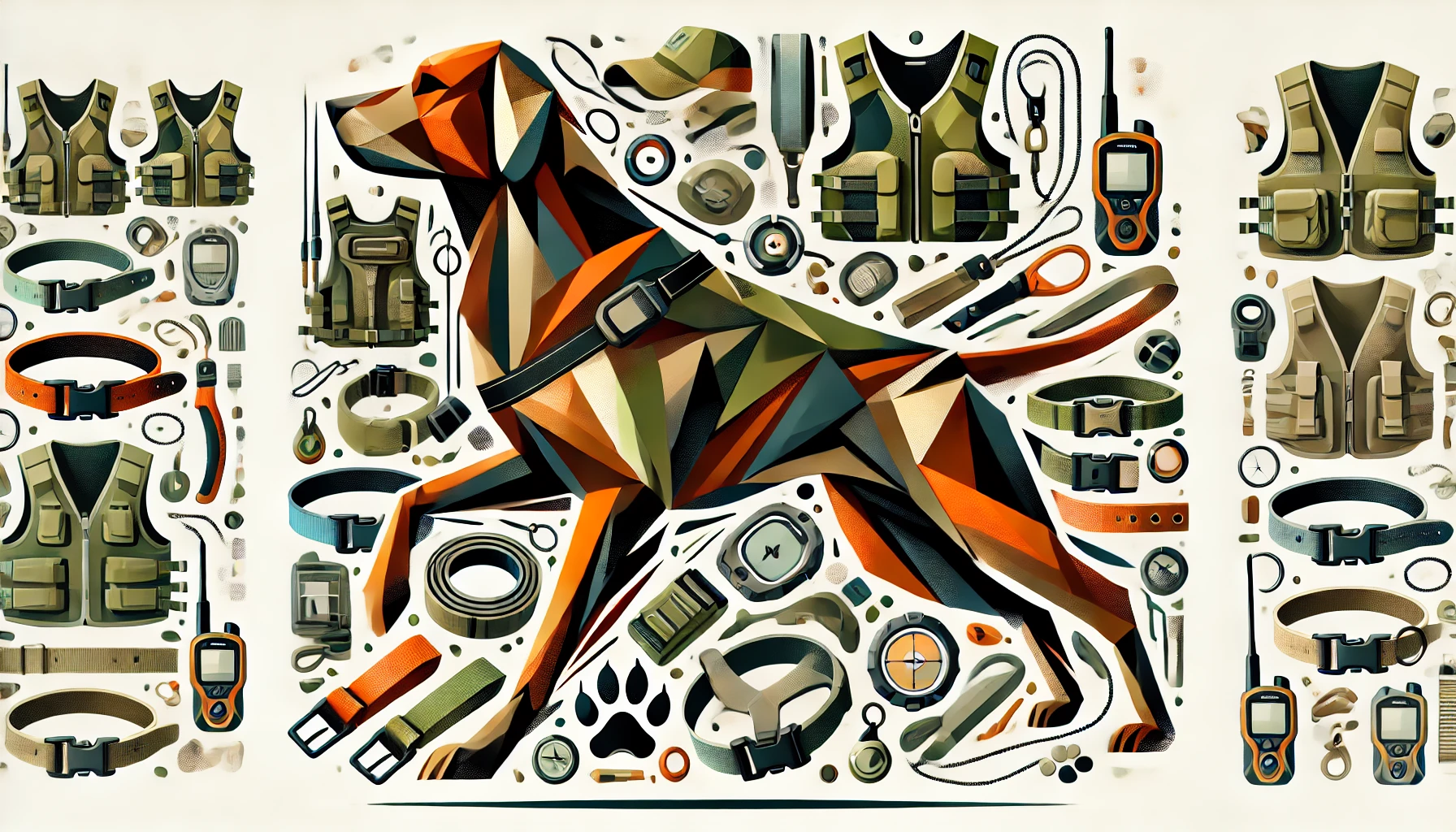
The tracking work with dogs is an essential part of hunting. However, a well-trained tracking dog is only as effective as the equipment that supports him and his handler. From collars and harnesses to GPS trackers and special shoes – the right equipment can make the difference between success and failure. In this article, we highlight the most important pieces of equipment for tracking dogs in action.
***
***
1. Collars and Harnesses
Collars
Collars for tracking dogs need to be robust and comfortable. They should be made of durable materials like leather or nylon and fit well to avoid chafing. A reliable closure mechanism is also crucial to ensure that the collar does not accidentally come loose.
Harnesses
Harnesses are often a better choice than collars as they distribute pressure more evenly across the dog's body, making them more comfortable and safer. Special tracking dog harnesses come with handles that allow the handler to better control and support the dog, especially in difficult terrain.
2. Leashes and Long Lines
Standard Leashes
A sturdy leash, about 1.5 to 2 meters long, is ideal for everyday use and training. It should be made of strong material and feel good in the hand.
Long Lines
Long lines are longer, typically between 5 and 10 meters, and allow the dog more freedom of movement during tracking work. These leashes are particularly useful when following trails, as they allow the dog to move freely while the handler maintains control.
3. GPS Trackers and Locating Systems
GPS trackers are an indispensable tool for tracking work. They allow the handler to accurately locate the dog even in difficult terrain or poor visibility conditions.
Features and Benefits
- Live Tracking: Real-time monitoring of the dog to track its position at any time.
- Geofencing: Ability to set virtual fences that trigger an alarm when the dog leaves them.
- Movement and Activity Log: Recording of the distances traveled and activities of the dog, which is useful for training purposes and analyzing tracking work.
Well-Known Brands and Models
- Garmin Alpha 100: A popular model with high accuracy and numerous features.
- Tractive GPS Dog Tracker: A more affordable model with basic tracking features.
4. Signal Collars and Safety Vests
Signal Collars
Signal collars with LED lights or reflective elements are particularly useful in low light conditions. They increase the visibility of the dog and thus contribute to safety.
Safety Vests
Safety vests made of reflective material are also important to make the dog visible. They provide additional protection and can help prevent accidents, especially at dusk or in the dark.
5. Shoes and Paw Protection
In difficult terrain, the dog's paws can be heavily stressed. Special dog shoes and paw protection products protect against injuries from sharp stones, thorns, or snow.
Dog Shoes
- Ruffwear Grip Trex: High-quality dog shoes that provide good grip and protection.
- Musher’s Secret: A natural wax paste that serves as paw protection and prevents cracking and drying out.
6. First Aid Equipment
A well-stocked first aid kit is essential. It should include bandaging materials, disinfectants, tweezers, scissors, and other basic medical supplies. In an emergency, quick first aid can be crucial for treating injuries and stabilizing the dog.
7. Training and Reward Equipment
Training Collars and Clickers
Training is a continuous process. Training collars that produce vibrations or sounds can be helpful for correcting and guiding the dog. Clicker training is an effective method for rewarding and reinforcing positive behavior.
Treats and Food Pouches
Treats are important motivational aids during training and in action. A practical food pouch on the handler's belt allows for quick access and keeps the rewards fresh and ready to hand.
Conclusion
The right equipment for tracking dogs is essential for effective and safe tracking work. From collars and harnesses to GPS trackers and protective shoes to first aid kits – each piece of equipment helps support the dog and the handler in their important task. Investing in high-quality equipment pays off and contributes to the safety and efficiency of tracking work.