The Pump-Action Rifle - Exotics

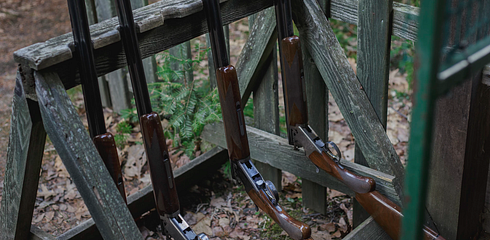
A pump-action rifle, also known as a pump-action gun, is a type of firearm that is loaded and reloaded by manually operating a pump handle. These weapons are known for their reliability, ease of use, and rapid rate of fire. They are used in various fields, including hunting, shooting sports, home defense, and in some cases, military and police applications.
History of Development
The development of pump-action rifles began in the late 19th century when gun manufacturers sought ways to increase the rate of fire of firearms without relying on the then-nascent technology of self-loading rifles. The first successful pump-action weapon was the Winchester Model 1893, designed by John Browning, which was later replaced by the improved Winchester Model 1897. These and subsequent models laid the foundation for the popularity of pump-action rifles.
Functionality
Pump-action rifles feature a pump handle (also known as a fore-end grip) located beneath the barrel and connected to the fore-end. To load the weapon, the pump handle is pulled back, which opens the bolt mechanism, ejects an empty casing, feeds a new cartridge from the magazine into the chamber, and cocks the firing pin. Pushing the handle forward closes the bolt and makes the weapon ready to fire. This mechanism allows for a rapid rate of fire, as the shooter can quickly operate the pump handle without having to take the weapon off their shoulder.
Areas of Use
- Hunting: Pump-action rifles are particularly popular for hunting small to medium-sized game. Their rapid rate of fire and reliability make them ideal for situations where multiple shots are needed in quick succession.
- Shooting Sports: These rifles are also used in shooting sports, especially in disciplines that require quick target acquisition and shooting.
- Home Defense: Due to their ease of use and reliability, many people choose pump-action rifles for home defense.
- Law Enforcement and Military: Although less common than in other areas, pump-action guns are occasionally used by police and military units for specific tasks.
Advantages
- Reliability: Pump-action rifles are known for their robust construction and ability to function reliably under adverse conditions.
- Easy Maintenance: The simple mechanism of these weapons makes maintenance and repair straightforward.
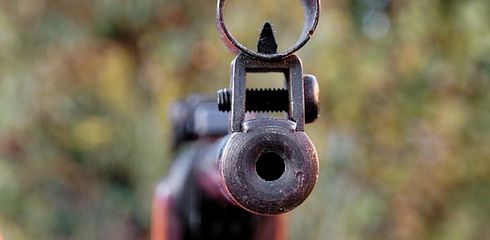
- Adaptability: Many models can be easily customized with various sighting devices, magazine extensions, and other accessories.
Known Models
Some of the most well-known and widely used models of pump-action rifles include the Remington Model 870 and the Mossberg 500 series. Both are known for their robustness, versatility, and reliability, and enjoy a high reputation among hunters, sport shooters, and in the field of home defense worldwide.
Conclusion
Pump-action rifles offer a unique combination of reliability, rapid rate of fire, and ease of use. Their versatility makes them a preferred choice in a variety of applications, from hunting to shooting sports to home defense. With a long history and ongoing development, they remain a staple in the world of firearms.
Matching listings



Sponsored listings

You might also like

More articles on this topic