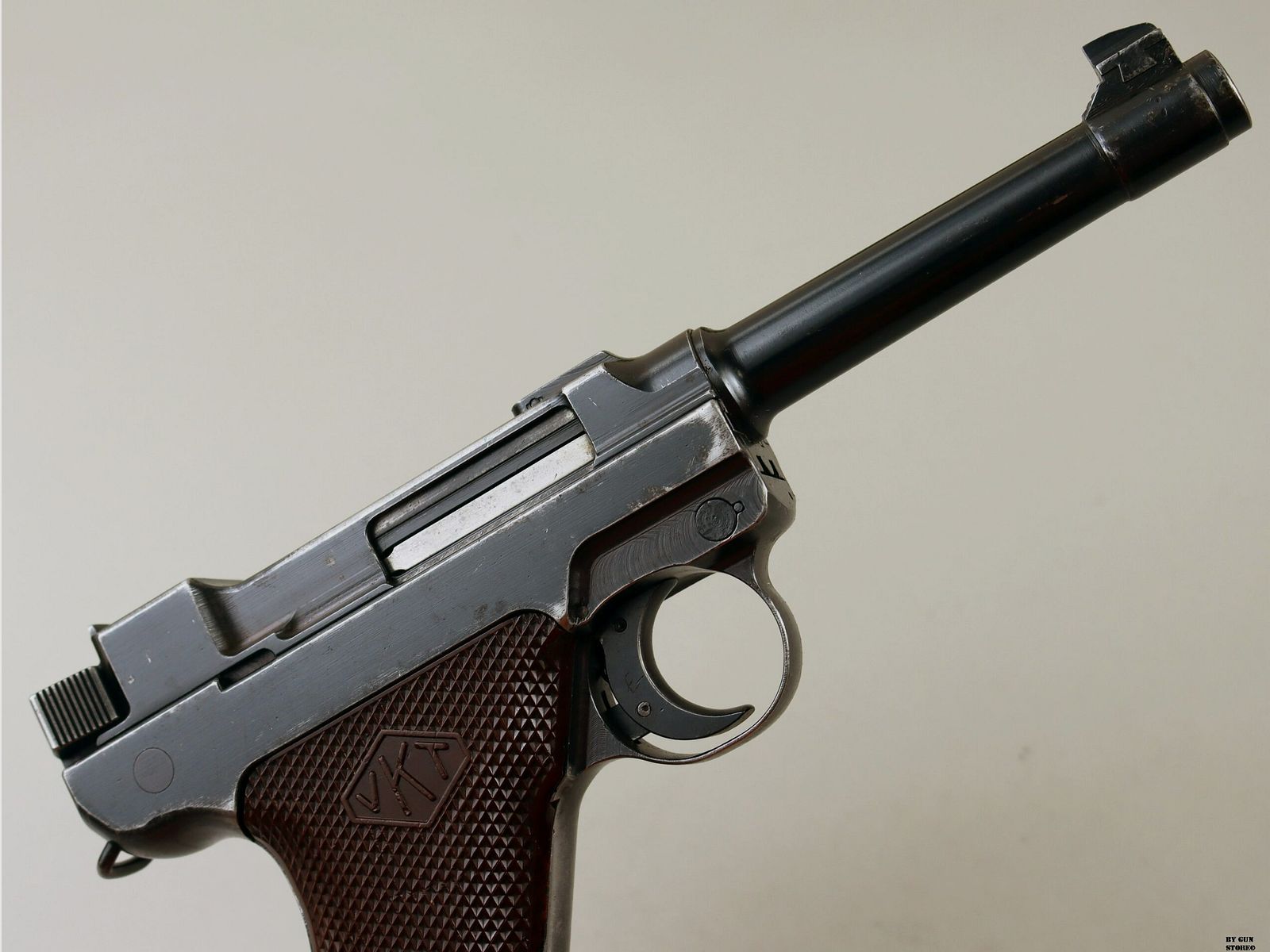


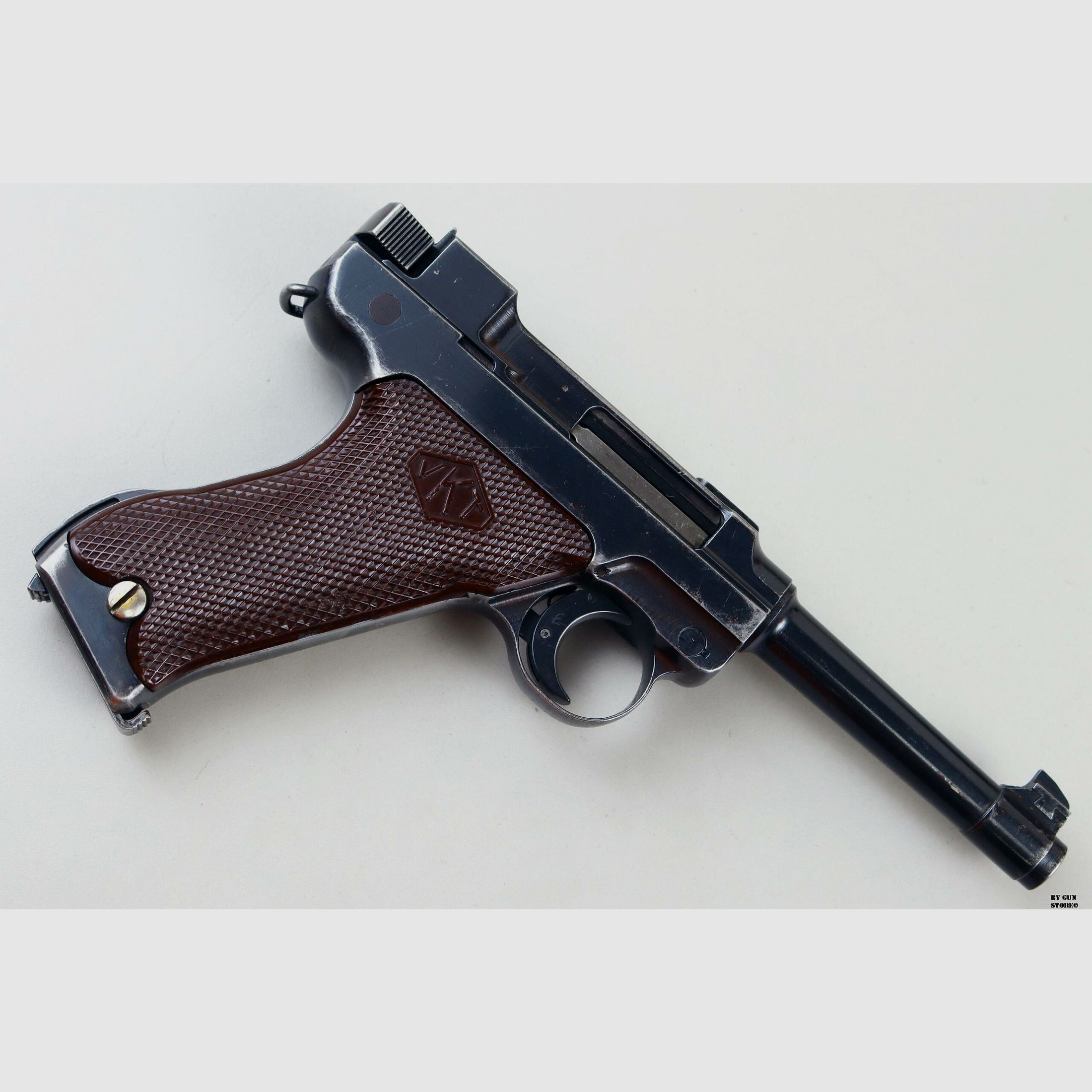


Pistol VKT / VALMET mod. L-35 LAHTI Series 2 cal. 9×19 ser. no. 3744
≈ $3,151
Price at the dealer: 2,800 €. Converted at the ECB rate as of October 16, 2026.
Purchase permit required
20127 Milano, Italy
15
ID: 9932073
Purchase from outside the EU: The firearm goes through an importer in your country, the dealer handles the export.
How buying from Europe works
Shop safely with Gunfinder
Our AI-powered seller identity verification makes Gunfinder the safest marketplace online.
Learn more
Details
- Original language
- Italian
- Category
- Purchase eligibility
- Required
- Caliber
- 9mmLuger
- Condition
- Used
- Location
- 🇮🇹 20127 Milano, Italy
- Availability
- In stock
Freshness
This listing is based on a mirrored offer, where the listing data was synced to us from a shop, dealer, or external marketplace. Please note that temporary price discrepancies may occur due to possible delays in data transmission.
- Source
- Gun Store Bunker
- Last updated
- about 17 hours ago
Description
Note:
The item is located abroad. Please note that delivery conditions, shipping times, and/or the purchase process may differ.
Aimo Lahti had the idea to develop this pistol from his superiors in the autumn of 1929. He did not receive a specific order to develop a new military pistol, but rather a suggestion to see if it was possible to develop a new pistol for tests, which would be organised in the near future. The weapon had to have good reliability, structural simplicity, ease of disassembly, and sufficient power to penetrate a German steel helmet at a distance of 50 meters.
The weapon with which the new pistol would naturally be compared was the German Parabellum used by the Finnish army at the time. Lahti managed to design the first version already in the autumn of 1929, and the Helsinki technical weapons depot produced the first prototype. The pistol has a clear visual resemblance to the Parabellum, but its mechanism is very different. The first L-29 prototype was in 9 mm x 19 caliber (Parabellum).
In 1931, Lahti made some improvements to the L-29 pistol designs. A prototype of the improved L-31 pistol was produced, but it broke during testing. Lahti made several further improvements, which led to the L-29/35 trial version in 1935. In June 1935, the infantry and light anti-aircraft weapons committee decided that the pistol could be put into production as soon as some problems were solved. The trigger mechanism was improved. On 28 January 1936, an order for 2,500 L-35 pistols was sent to VKT. The price per pistol was to be 650 Finnish marks. In February 1937, the L-35 pistol was accepted for serial production, but the decision required that the grip panels be replaced with non-wooden ones first. Tests had revealed that wooden grip panels could swell after getting wet and block the trigger mechanism.
The changes made to the design further delayed the start of serial production, and the initial cost per pistol also proved too low. When the unit price of the pistols was recalculated in 1938, it was almost double the original, now standing at 1,290 Finnish marks per pistol. A test series of five pistols was not completed and delivered to the army until March 1938; in July of the same year, a larger test series of 94 pistols was completed. Tests carried out with this test series in army units revealed several problems; fortunately, Aimo Lahti had already anticipated most of the problems and had managed to develop the necessary improvements to eliminate them. These prototypes had wooden grip panels, while all production pistols had brown bakelite grip panels with the VKT mark (Valtion Kivääritehdas = State Rifle Factory in the city of Jyväskylä).
In July 1938, the old order of 2,500 pistols was cancelled and a new order of 7,642 L-35s was introduced. The price of this new order was now 1,290 marks/pistol. VKT, which produced these pistols, was to deliver them in batches of 1,000 pistols every 3 months. However, production did not start as quickly as expected, and in the summer of 1939 the Finnish Armed Forces were still waiting for the first delivery.
Collectors usually divide the production of the L-35 pistol as follows:
Series 0: Series produced mainly for field tests in 1938, serial numbers 1006-1104. After tests in various military units, further improvements were made. Such improvements were introduced in the next production series.
Series
1: First true production series. Production was delayed and this production series was finally delivered during the Winter War. This production series included about 2,600 pistols, with the first 1,000 delivered before mid-March 1940 and another 1,500 by June 1941. This production series included serial numbers between 1100 and 3700. They are identifiable by the slide structure, which still features unnecessarily machined details for parts (slide buffer) that were omitted after improvements introduced after series 0 and “the curve” on the top of the slide.
Series 2: This production series of about 1,000 pistols was made around 1941-1942. The pistols no longer had unnecessary machined details inside the pistol for parts (slide buffer) omitted after series 0. The serial numbers were about 3700-4700. Ours has serial number 3744.
Series 3: This production series counted just over 2,000 pistols. The part of this series produced during wartime had serial numbers around 3700-5800 and was almost entirely delivered in spring 1944. The 1944 peace interrupted new component production, but building L-35 pistols from existing components continued until the end of 1945. This post-war continuation production counted about 1,000 pistols (serial numbers around 5800-6800). The last L-35 pistol delivered to the Finnish Armed Forces had serial number 6731.
Series 4: After World War II, the Finnish Armed Forces had more than enough pistols for peacetime use. However, Valmet Oy Tourula factories (VKT factory under the new name) still had many semi-finished components for the L-35 pistol. The company decided to use these existing components to produce pistols for the commercial market. This production, counting just over 2,000 pistols, had serial numbers between 6800 and 9300. Most of these pistols were sold abroad. All series 4 L-35s featured Valmet and L-35 markings on the top of the slide, instead of the VKT and L-35 markings used in previous production series. The series 4 pistols also did not have the stock attachment, which had been used in all previous production series.
As mentioned, VKT (Valtion Kivääritehdas = State Rifle Factory) in the city of Jyväskylä was the only producer of this pistol in Finland. The factory name was changed to Valmet (Valtion Metallitehtaat Tourulan Tehdas = State Metal Factories – Tourula Factory) after World War II. (Show description in original language)
Questa pistola fu progettata e prodotta in Finlandia e distribuita alle unità in prima linea durante la Guerra d’Inverno (1939-1940), in numero molto limitato e poi crescente durante la Guerra di Continuazione (1941-1944). Dopo la Seconda Guerra Mondiale rimase in uso nelle Forze Armate finlandesi fino agli anni ’80.
Aimo Lahti ebbe l’idea di sviluppare questa pistola dai suoi superiori nell’autunno del 1929. Non ricevette un ordine preciso per lo sviluppo di una nuova pistola militare, ma piuttosto un suggerimento per verificare se fosse possibile sviluppare una nuova pistola per i test, che sarebbero stati organizzati nel prossimo futuro. L’arma doveva avere buona affidabilità, semplicità strutturale, facilità nello smontaggio e avere potenza sufficiente per forare un elmetto d’acciaio tedesco a distanza di 50 metri.
L’arma con cui la nuova pistola sarebbe stata naturalmente confrontata era la Parabellum tedesca utilizzata dall’esercito finlandese all’epoca. Lahti riuscì a far progettare la prima versione già nell’autunno del 1929 e il deposito tecnico di armi di Helsinki realizzò il primo prototipo. La pistola ha una chiara somiglianza visiva con la Parabellum, ma il suo meccanismo è molto diverso. Il primo prototipo L-29 era in calibro 9 mm x 19 (Parabellum).
Nel 1931, Lahti apportò alcuni miglioramenti ai progetti della pistola L-29. Fu prodotto un prototipo della pistola L-31 migliorata, ma si ruppe durante i test. Lahti apportò diversi ulteriori miglioramenti, che portarono alla versione di prova L-29/35 nel 1935. Nel giugno del 1935, il comitato per le armi di fanteria e antiaeree leggere decise che la pistola avrebbe potuto essere messa in produzione non appena fossero stati risolti alcuni problemi. Il meccanismo di scatto fu migliorato. Il 28 gennaio 1936 fu inviato alla VKT un ordine di 2.500 pistole L-35. Il prezzo per pistola sarebbe stato di 650 marchi finlandesi. Nel febbraio del 1937, la pistola L-35 fu accettata per la produzione in serie, ma la decisione richiedeva che le guancette dell’impugnatura fossero prima sostituite con altre non in legno. I test avevano rivelato che le guancette in legno potevano gonfiarsi dopo essere state bagnate e bloccare il meccanismo di scatto.
Le modifiche apportate al progetto ritardarono ulteriormente l’avvio della produzione in serie e anche il costo iniziale per pistola si rivelò troppo basso. Quando il prezzo unitario delle pistole fu ricalcolato nel 1938, risultò quasi il doppio dell’originale, attestandosi ora a 1.290 marchi finlandesi per pistola. Una serie di test di cinque pistole non fu completata e consegnata all’esercito fino al marzo del 1938; nel luglio dello stesso anno fu completata una serie di test più ampia di 94 pistole. I test effettuati con questa serie di test nelle unità dell’esercito rivelarono diversi problemi; fortunatamente Aimo Lahti aveva già previsto la maggior parte dei problemi ed era riuscito a sviluppare i miglioramenti necessari per eliminarli. Questi prototipi avevano guancette in legno, mentre tutte le pistole di produzione effettiva avevano guancette in bachelite marrone con marchio VKT (Valtion Kivääritehdas = Fabbrica Statale di Fucili nella città di Jyväskylä).
Nel luglio 1938, il vecchio ordine di 2.500 pistole fu annullato e ne fu introdotto uno nuovo di 7.642 L-35. Il prezzo di questo nuovo ordine era ora di 1.290 marchi/pistola. La VKT, che produceva queste pistole, avrebbe dovuto consegnarle in lotti di 1.000 pistole ogni 3 mesi. Tuttavia, la produzione non iniziò con la rapidità prevista e nell’estate del 1939 le Forze Armate finlandesi erano ancora in attesa della prima consegna.
Solitamente i collezionisti dividono la produzione della pistola L-35 nel modo seguente:
Serie 0: Serie prodotta principalmente per test sul campo nel 1938, numeri di serie 1006-1104. Dopo i test in diverse unità militari, furono apportati ulteriori miglioramenti. Tali miglioramenti furono introdotti nella serie di produzione successiva.
Serie 1: Prima vera e propria serie di produzione. La produzione subì ritardi e questa serie di produzione fu finalmente consegnata durante la Guerra d’Inverno. Questa serie di produzione comprendeva circa 2.600 pistole, di cui le prime 1.000 furono consegnate prima della metà di marzo del 1940 e altre 1.500 entro giugno del 1941. Questa serie di produzione includeva numeri di serie compresi tra 1100 e 3700. Sono identificabili dalla struttura del carrello, che presenta ancora dettagli inutilmente lavorati a macchina per componenti (recuperatore del carrello) che furono omessi dopo i miglioramenti introdotti dopo la serie 0 e “la curva” nella parte superiore del carrello.
Serie 2: Questa serie di produzione di circa 1.000 pistole fu realizzata intorno al 1941-1942. Le pistole non presentavano più dettagli inutili realizzati all’interno della pistola per parti (recuperatore del carrello) omesse dopo la serie 0. I numeri di serie erano circa 3700-4700. La nostra che presentiamo ha matricola 3744.
Serie 3: Questa serie di produzione contava poco più di 2.000 pistole. La parte di questa serie prodotta in tempo di guerra aveva numeri di serie intorno al 3700-5800 e fu quasi interamente consegnata nella primavera del 1944. La pace del 1944 interruppe la produzione di nuovi componenti, ma la costruzione di pistole L-35 da componenti esistenti continuò fino alla fine del 1945. Questa produzione post-Guerra di Continuazione contava circa 1.000 pistole (numeri di serie intorno al 5800-6800). L’ultima pistola L-35 consegnata alle Forze Armate finlandesi aveva il numero di serie 6731.
Serie 4: Dopo la Seconda Guerra Mondiale, le forze armate finlandesi avevano pistole più che sufficienti per l’uso in tempo di pace. Tuttavia, le fabbriche Valmet Oy Tourula (fabbrica VKT con il nuovo nome) avevano ancora molti componenti semilavorati per la pistola L-35. L’azienda decise di sfruttare questi componenti esistenti utilizzandoli per produrre pistole per il mercato commerciale. Questa produzione, che contava poco più di 2.000 pistole, aveva numeri di serie compresi tra 6800 e 9300. La maggior parte di queste pistole fu venduta all’estero. Tutte le L-35 della serie 4 presentavano le marcature Valmet e L-35 sulla parte superiore del carrello, al posto delle marcature VKT e L-35 utilizzate nelle serie di produzione precedenti. Le pistole della serie 4 non avevano inoltre l’attacco per il calcio, che era stato utilizzato in tutte le serie di produzione precedenti.
Come accennato, la VKT (Valtion Kivääritehdas = Fabbrica Statale di Fucili) nellaserie città di Jyväskylä era l’unico produttore di questa pistola in Finlandia. Il nome della fabbrica fu cambiato in Valmet (Valtion Metallitehtaat Tourulan Tehdas = Fabbriche Statali di Metalli – Fabbrica di Tourula) dopo la Seconda Guerra Mondiale.
Aimo Lahti ebbe l’idea di sviluppare questa pistola dai suoi superiori nell’autunno del 1929. Non ricevette un ordine preciso per lo sviluppo di una nuova pistola militare, ma piuttosto un suggerimento per verificare se fosse possibile sviluppare una nuova pistola per i test, che sarebbero stati organizzati nel prossimo futuro. L’arma doveva avere buona affidabilità, semplicità strutturale, facilità nello smontaggio e avere potenza sufficiente per forare un elmetto d’acciaio tedesco a distanza di 50 metri.
L’arma con cui la nuova pistola sarebbe stata naturalmente confrontata era la Parabellum tedesca utilizzata dall’esercito finlandese all’epoca. Lahti riuscì a far progettare la prima versione già nell’autunno del 1929 e il deposito tecnico di armi di Helsinki realizzò il primo prototipo. La pistola ha una chiara somiglianza visiva con la Parabellum, ma il suo meccanismo è molto diverso. Il primo prototipo L-29 era in calibro 9 mm x 19 (Parabellum).
Nel 1931, Lahti apportò alcuni miglioramenti ai progetti della pistola L-29. Fu prodotto un prototipo della pistola L-31 migliorata, ma si ruppe durante i test. Lahti apportò diversi ulteriori miglioramenti, che portarono alla versione di prova L-29/35 nel 1935. Nel giugno del 1935, il comitato per le armi di fanteria e antiaeree leggere decise che la pistola avrebbe potuto essere messa in produzione non appena fossero stati risolti alcuni problemi. Il meccanismo di scatto fu migliorato. Il 28 gennaio 1936 fu inviato alla VKT un ordine di 2.500 pistole L-35. Il prezzo per pistola sarebbe stato di 650 marchi finlandesi. Nel febbraio del 1937, la pistola L-35 fu accettata per la produzione in serie, ma la decisione richiedeva che le guancette dell’impugnatura fossero prima sostituite con altre non in legno. I test avevano rivelato che le guancette in legno potevano gonfiarsi dopo essere state bagnate e bloccare il meccanismo di scatto.
Le modifiche apportate al progetto ritardarono ulteriormente l’avvio della produzione in serie e anche il costo iniziale per pistola si rivelò troppo basso. Quando il prezzo unitario delle pistole fu ricalcolato nel 1938, risultò quasi il doppio dell’originale, attestandosi ora a 1.290 marchi finlandesi per pistola. Una serie di test di cinque pistole non fu completata e consegnata all’esercito fino al marzo del 1938; nel luglio dello stesso anno fu completata una serie di test più ampia di 94 pistole. I test effettuati con questa serie di test nelle unità dell’esercito rivelarono diversi problemi; fortunatamente Aimo Lahti aveva già previsto la maggior parte dei problemi ed era riuscito a sviluppare i miglioramenti necessari per eliminarli. Questi prototipi avevano guancette in legno, mentre tutte le pistole di produzione effettiva avevano guancette in bachelite marrone con marchio VKT (Valtion Kivääritehdas = Fabbrica Statale di Fucili nella città di Jyväskylä).
Nel luglio 1938, il vecchio ordine di 2.500 pistole fu annullato e ne fu introdotto uno nuovo di 7.642 L-35. Il prezzo di questo nuovo ordine era ora di 1.290 marchi/pistola. La VKT, che produceva queste pistole, avrebbe dovuto consegnarle in lotti di 1.000 pistole ogni 3 mesi. Tuttavia, la produzione non iniziò con la rapidità prevista e nell’estate del 1939 le Forze Armate finlandesi erano ancora in attesa della prima consegna.
Solitamente i collezionisti dividono la produzione della pistola L-35 nel modo seguente:
Serie 0: Serie prodotta principalmente per test sul campo nel 1938, numeri di serie 1006-1104. Dopo i test in diverse unità militari, furono apportati ulteriori miglioramenti. Tali miglioramenti furono introdotti nella serie di produzione successiva.
Serie 1: Prima vera e propria serie di produzione. La produzione subì ritardi e questa serie di produzione fu finalmente consegnata durante la Guerra d’Inverno. Questa serie di produzione comprendeva circa 2.600 pistole, di cui le prime 1.000 furono consegnate prima della metà di marzo del 1940 e altre 1.500 entro giugno del 1941. Questa serie di produzione includeva numeri di serie compresi tra 1100 e 3700. Sono identificabili dalla struttura del carrello, che presenta ancora dettagli inutilmente lavorati a macchina per componenti (recuperatore del carrello) che furono omessi dopo i miglioramenti introdotti dopo la serie 0 e “la curva” nella parte superiore del carrello.
Serie 2: Questa serie di produzione di circa 1.000 pistole fu realizzata intorno al 1941-1942. Le pistole non presentavano più dettagli inutili realizzati all’interno della pistola per parti (recuperatore del carrello) omesse dopo la serie 0. I numeri di serie erano circa 3700-4700. La nostra che presentiamo ha matricola 3744.
Serie 3: Questa serie di produzione contava poco più di 2.000 pistole. La parte di questa serie prodotta in tempo di guerra aveva numeri di serie intorno al 3700-5800 e fu quasi interamente consegnata nella primavera del 1944. La pace del 1944 interruppe la produzione di nuovi componenti, ma la costruzione di pistole L-35 da componenti esistenti continuò fino alla fine del 1945. Questa produzione post-Guerra di Continuazione contava circa 1.000 pistole (numeri di serie intorno al 5800-6800). L’ultima pistola L-35 consegnata alle Forze Armate finlandesi aveva il numero di serie 6731.
Serie 4: Dopo la Seconda Guerra Mondiale, le forze armate finlandesi avevano pistole più che sufficienti per l’uso in tempo di pace. Tuttavia, le fabbriche Valmet Oy Tourula (fabbrica VKT con il nuovo nome) avevano ancora molti componenti semilavorati per la pistola L-35. L’azienda decise di sfruttare questi componenti esistenti utilizzandoli per produrre pistole per il mercato commerciale. Questa produzione, che contava poco più di 2.000 pistole, aveva numeri di serie compresi tra 6800 e 9300. La maggior parte di queste pistole fu venduta all’estero. Tutte le L-35 della serie 4 presentavano le marcature Valmet e L-35 sulla parte superiore del carrello, al posto delle marcature VKT e L-35 utilizzate nelle serie di produzione precedenti. Le pistole della serie 4 non avevano inoltre l’attacco per il calcio, che era stato utilizzato in tutte le serie di produzione precedenti.
Come accennato, la VKT (Valtion Kivääritehdas = Fabbrica Statale di Fucili) nellaserie città di Jyväskylä era l’unico produttore di questa pistola in Finlandia. Il nome della fabbrica fu cambiato in Valmet (Valtion Metallitehtaat Tourulan Tehdas = Fabbriche Statali di Metalli – Fabbrica di Tourula) dopo la Seconda Guerra Mondiale.