-6 %


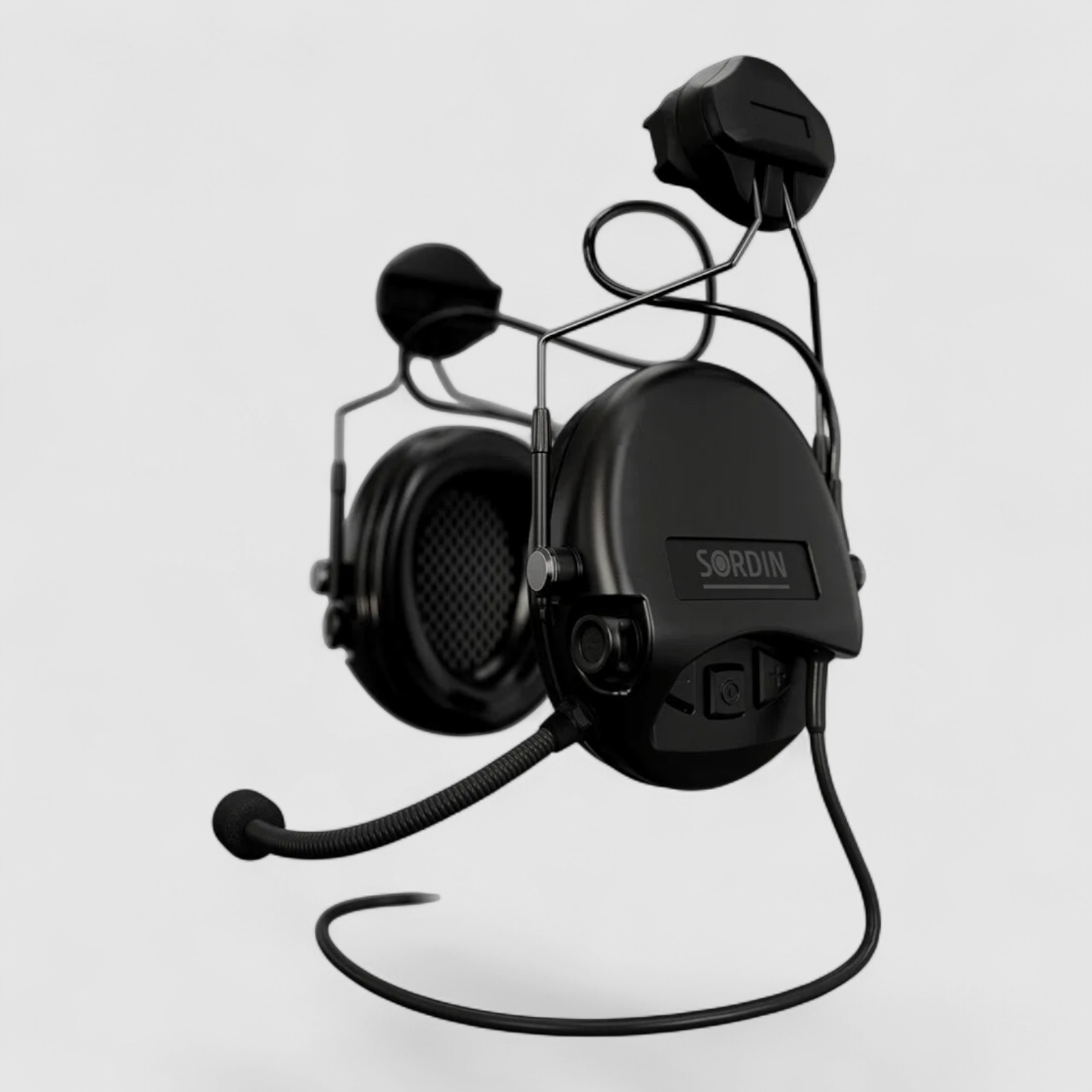

Sordin Supreme MIL CC ARC
No permit required (18+)
72479 Straßberg, Germany
4
ID: 9894113
Shop safely with Gunfinder
Our AI-powered seller identity verification makes Gunfinder the safest marketplace online.
Learn more
Details
- Original language
- German
- Category
- Condition
- New
- Location
- 🇩🇪 72479 Straßberg, Germany
- Availability
- In stock
Freshness
This listing is based on a mirrored offer, where the listing data was synced to us from a shop, dealer, or external marketplace. Please note that temporary price discrepancies may occur due to possible delays in data transmission.
- Source
- Black Raptor
- Last updated
- about 2 hours ago
Description
Note:
The item is located abroad. Please note that delivery conditions, shipping times, and/or the purchase process may differ.
font-family: Arial, Helvetica, sans-serif;
line-height:1.6;
color:#222;
}
.br-product h1{
font-size:1.4rem;
margin-bottom:10px;
}
.br-product h2{
font-size:1.2rem;
margin-top:28px;
}
.br-product ul{
padding-left:18px;
}
.br-product .info-box{
background:#ffdddd;
border-left:6px solid #c40000;
padding:12px;
margin:20px 0;
}
.br-product .tip-box{
background:#eef6ff;
border-left:6px solid #2a6fdb;
padding:12px;
margin:20px 0;
}
.br-product .trust-box{
background:#eaf7ea;
border-left:6px solid #2f8f2f;
padding:12px;
margin:20px 0;
}
.br-product .compare-box{
background:#f5f5f5;
border-left:6px solid #444;
padding:12px;
margin:20px 0;
}
.br-product details{
background:#f2f2f2;
padding:10px;
margin-bottom:8px;
border-radius:4px;
}
.br-product summary{
font-weight:600;
cursor:pointer;
}
Sordin Supreme MIL CC ARC – active comms hearing protection for helmet setups
If you work with a helmet, a normal headband is always a compromise. The Sordin Supreme MIL CC ARC mounts directly to ARC rails and is designed for users who want hearing protection, comms, and helmet as one system.
The ARC version reduces headband pressure, creates space under the helmet, and keeps the ear cups where they belong – provided helmet, rails, and cup pressure are properly adjusted.
Why exactly this model?
✔ ARC version for direct helmet mounting
✔ MIL CC with Nexus TP120 / U-174 connection
✔ Boom microphone for comms
✔ SNR 24 dB according to available product data
✔ RFI/MIL logic according to manufacturer/dealer info
✔ Active ambient amplification
✔ Ideal for professional helmet and comms setups
✔ Colors depending on variant: Green, Black, Beige
Why this product?
The ARC version is the cleanest solution if your hearing protection is to work permanently on the helmet.
You remove the headband completely from the helmet setup
You can wear or swing away the ear cups depending on the situation
You keep comms via Nexus/PTT
You reduce pressure points under the helmet
You build a clearer operational system instead of an improvised headband solution
MIL-/Comms headset vs. normal active hearing protection
❌ Normal active hearing protection: hear environment and dampen shots ✔ MIL-/Comms headset: additionally designed for comms/audio integration, RFI protection, and rugged operational logic This only pays off if communication, helmet, or professional use are really part of your setup.
Instructor tip: test comms dry first
Test PTT, plug wiring, radio, and microphone position not only on the range.
A comms hearing protector is only better if speech is reliably transmitted and the hearing protection still seals properly.
Key features
Active comms hearing protection with ARC helmet mount
Nexus TP120 connection
Boom microphone for comms operation
SNR 24 dB according to available product info
Level-dependent ambient amplification
RFI protection according to MIL platform info
ARC adapter pre-installed / system-specific depending on version
For compatible helmet rails
Our assessment
The MIL CC ARC is not hearing protection for the average sport shooter. It is made for helmet users, teams, and professional comms setups.
The big advantage is integration: no headband, less pressure, better helmet compatibility. The downside: you have to properly coordinate helmet, rails, cup pressure, and comms.
Those who don’t need this pay for complexity. Those who do get a much cleaner solution than a headband under the helmet.
Who it’s suitable for
Professional helmet users: with ARC-compatible helmet
Tactical training: when comms and helmet belong together
Teams/instructors: for clear PTT communication
Range and operational environments: when helmet and hearing protection are permanently combined
Not suitable for:
normal hunters and sport shooters without helmet
users without PTT/comms needs
helmets without suitable ARC/rail compatibility
Important note
Radio/Nexus/AUX compatibility depends on PTT, connector wiring, radio, and system configuration. Always check technically before use.
Hearing protection effectiveness also depends on fit. Helmet straps, glasses, cables, neckbands, and padding must not lift the ear cup.
Gel pads, glasses, and sealing – why it matters
The best electronics don’t help much if the hearing protection doesn’t seal properly. Shooting glasses, safety glasses, or thin temples often create a small gap between the cushion and the head.
Standard cushions: work but cause pressure points faster and are more sensitive to glasses temples.
Gel pads: adapt better to head shape and glasses temples.
Practical result: less sound leakage, fewer pressure points, longer wear time.
Instructor tip: after putting on, feel around the ear cup – if a glasses temple visibly lifts the seal, you lose protection.
For glasses wearers and frequent shooters, gel pads are rarely just comfort. They often make the difference between “fits somehow” and truly effective sealing.
Features & operation
Active ambient amplification: important sounds remain audible while impulses are reduced.
Communication: depending on model via Nexus TP120, AUX, or Flex-Com solution.
Microphone position: position boom mic close enough to the mouth but not directly in the airflow.
Directional hearing: ear cups must fit correctly – twisted or poorly fitting cups worsen perception.
Technical data – with practical notes
Type: active communication hearing protection with ARC mount
Mounting: for compatible ARC helmet rails
Connection: Nexus TP120 / U-174
SNR: 24 dB according to product specs
Microphone: boom mic for radio communication
Practical: rail compatibility, clamping force, and sealing must be checked before use
Scope of delivery
1x Sordin Supreme MIL CC ARC in chosen color
ARC adapter according to version
Boom microphone / Nexus downlead depending on version
Batteries / documents depending on manufacturer scope
FAQ
Does the ARC hearing protection fit every helmet?
No. It requires compatible ARC/rail systems. Helmet and adapter must match.
Why ARC instead of neckband?
ARC is cleaner if the headset stays on the helmet permanently. Neckband is more flexible if you switch between setups.
How do I check the fit?
Put on ear cups, check glasses/helmet straps, and ensure no gaps form. Then do a PTT/mic test.
Is this useful for civilian range use?
Only if you really work with helmet and radio. Otherwise, Pro-X/X2 is easier.
Can the radio function run without batteries?
In many MIL-CC systems, communication is structurally separate; active ambient amplification requires power. Details depend on version/setup.
Especially with Sordin MIL hearing protection, communication hearing protection, and active hearing protection for operations and range, the right system choice determines protection, communication, and comfort. (Show description in original language)
.br-product{
font-family: Arial, Helvetica, sans-serif;
line-height:1.6;
color:#222;
}
.br-product h1{
font-size:1.4rem;
margin-bottom:10px;
}
.br-product h2{
font-size:1.2rem;
margin-top:28px;
}
.br-product ul{
padding-left:18px;
}
.br-product .info-box{
background:#ffdddd;
border-left:6px solid #c40000;
padding:12px;
margin:20px 0;
}
.br-product .tip-box{
background:#eef6ff;
border-left:6px solid #2a6fdb;
padding:12px;
margin:20px 0;
}
.br-product .trust-box{
background:#eaf7ea;
border-left:6px solid #2f8f2f;
padding:12px;
margin:20px 0;
}
.br-product .compare-box{
background:#f5f5f5;
border-left:6px solid #444;
padding:12px;
margin:20px 0;
}
.br-product details{
background:#f2f2f2;
padding:10px;
margin-bottom:8px;
border-radius:4px;
}
.br-product summary{
font-weight:600;
cursor:pointer;
}
Sordin Supreme MIL CC ARC – aktiver Funk-Gehörschutz für Helm-Setups
Wenn du mit Helm arbeitest, ist ein normaler Kopfbügel immer ein Kompromiss. Der Sordin Supreme MIL CC ARC wird direkt an ARC-Schienen montiert und ist für Anwender gedacht, die Gehörschutz, Funk und Helm als ein System nutzen.
Die ARC-Version reduziert Kopfbügel-Druck, schafft Platz unter dem Helm und hält die Kapseln dort, wo sie hingehören – vorausgesetzt, Helm, Rails und Kapseldruck sind sauber eingestellt.
Warum genau dieses Modell?
✔ ARC-Version für direkte Helmmontage
✔ MIL CC mit Nexus TP120 / U-174-Anbindung
✔ Boom-Mikrofon für Funkkommunikation
✔ SNR 24 dB laut vorhandenen Produktdaten
✔ RFI-/MIL-Logik laut Hersteller-/Händlerangaben
✔ Aktive Umgebungsverstärkung
✔ Sinnvoll für professionelle Helm- und Funk-Setups
✔ Farben je nach Variante: Grün, Schwarz, Beige
Warum dieses Produkt?
Die ARC-Version ist die sauberste Lösung, wenn dein Gehörschutz dauerhaft am Helm arbeiten soll.
Du entfernst den Kopfbügel komplett aus dem Helm-Setup
Du kannst die Kapseln je nach Situation anlegen oder wegschwenken
Du behältst Funkkommunikation über Nexus/PTT
Du reduzierst Druckstellen unter dem Helm
Du baust ein klareres Einsatzsystem statt improvisierter Kopfbügel-Lösung
MIL-/Comms-Headset vs. normaler aktiver Gehörschutz
❌ Normaler aktiver Gehörschutz: Umgebung hören und Schüsse dämpfen ✔ MIL-/Comms-Headset: zusätzlich für Funk-/Audiointegration, RFI-Schutz und robuste Einsatzlogik ausgelegt Das lohnt sich nur, wenn Kommunikation, Helm oder professionelle Nutzung wirklich Teil deines Setups sind.
Ausbilder-Tipp: Funk zuerst trocken testen
Teste PTT, Steckerbelegung, Funkgerät und Mikrofonposition nicht erst auf dem Stand.
Ein Kommunikationsgehörschutz ist nur dann besser, wenn Sprache zuverlässig übertragen wird und der Gehörschutz trotzdem sauber abdichtet.
Wichtigste Eigenschaften
Aktiver Kommunikationsgehörschutz mit ARC-Helmmontage
Nexus TP120 Anschluss
Boom-Mikrofon für Funkbetrieb
SNR 24 dB laut vorhandener Produktangabe
Pegelabhängige Umgebungsverstärkung
RFI-Schutz laut MIL-Plattformangaben
ARC-Adapter vormontiert / systembezogen je nach Ausführung
Für kompatible Helm-Rails
Unsere Einschätzung
Der MIL CC ARC ist kein Gehörschutz für den normalen Sportschützen. Er ist für Helmnutzer, Teams und professionelle Kommunikations-Setups gemacht.
Der große Vorteil ist die Integration: kein Bügel, weniger Druck, bessere Helm-Kompatibilität. Der Nachteil: Du musst Helm, Rails, Kapseldruck und Funk sauber abstimmen.
Wer das nicht braucht, zahlt für Komplexität. Wer es braucht, bekommt eine deutlich sauberere Lösung als Kopfbügel unter Helm.
Für wen geeignet
Professionelle Helmnutzer: mit ARC-kompatiblem Helm
Tactical Training: wenn Funk und Helm zusammengehören
Teams/Ausbilder: für klare PTT-Kommunikation
Range- und Einsatzumgebungen: wenn Helm und Gehörschutz dauerhaft kombiniert werden
Nicht geeignet für:
normale Jäger und Sportschützen ohne Helm
Nutzer ohne PTT-/Funkbedarf
Helme ohne passende ARC-/Rail-Kompatibilität
Wichtiger Hinweis
Funk-/Nexus-/AUX-Kompatibilität hängt von PTT, Steckerbelegung, Funkgerät und Systemkonfiguration ab. Vor Einsatz immer technisch prüfen.
Gehörschutzwirkung hängt weiterhin vom Sitz ab. Helmriemen, Brille, Kabel, Nackenband und Polster dürfen die Kapsel nicht anheben.
Gelkissen, Brille und Abdichtung – warum das entscheidend ist
Die beste Elektronik bringt wenig, wenn der Gehörschutz nicht sauber abdichtet. Gerade Schießbrillen, Schutzbrillen oder dünne Bügel erzeugen schnell einen kleinen Spalt zwischen Kissen und Kopf.
Standardpolster: funktionieren, drücken aber schneller und reagieren empfindlicher auf Brillenbügel.
Gelkissen: passen sich besser an Kopfform und Brillenbügel an.
Praxisfolge: weniger Schallleck, weniger Druckstellen, längere Tragezeit.
Ausbilder-Hinweis: nach dem Aufsetzen einmal rund um die Kapsel fühlen – wenn ein Brillenbügel die Dichtung sichtbar anhebt, verlierst du Schutzwirkung.
Für Brillenträger und Vielschießer sind Gelkissen fast nie nur Komfort. Sie sind häufig der Unterschied zwischen „sitzt irgendwie“ und wirklich brauchbarer Abdichtung.
Merkmale & Bedienung
Aktive Umgebungsverstärkung: wichtige Geräusche bleiben hörbar, während Impulse reduziert werden.
Kommunikation: je nach Modell über Nexus TP120, AUX oder Flex-Com-Lösung.
Mikrofonposition: Boom-Mikrofon dicht genug am Mund positionieren, aber nicht direkt in den Atemstrom.
Richtungshören: Kapseln müssen korrekt sitzen – verdrehte oder schlecht anliegende Kapseln verschlechtern Wahrnehmung.
Technische Daten – mit Praxis-Einordnung
Typ: aktiver Kommunikationsgehörschutz mit ARC-Montage
Montage: für kompatible ARC-Helmschienen
Anschluss: Nexus TP120 / U-174
SNR: 24 dB laut vorhandener Produktangabe
Mikrofon: Boom-Mikrofon für Funkkommunikation
Praxis: Rail-Kompatibilität, Anpressdruck und Dichtung müssen vor Nutzung geprüft werden
Lieferumfang
1x Sordin Supreme MIL CC ARC in gewählter Farbe
ARC-Adapter gemäß Ausführung
Boom-Mikrofon / Nexus-Downlead je nach Ausführung
Batterien / Unterlagen je nach Herstellerumfang
FAQ
Passt der ARC-Gehörschutz an jeden Helm?
Nein. Er benötigt kompatible ARC-/Rail-Systeme. Helm und Adapter müssen zusammenpassen.
Warum ARC statt Neckband?
ARC ist sauberer, wenn das Headset dauerhaft am Helm bleiben soll. Neckband ist flexibler, wenn du zwischen Setups wechselst.
Wie prüfe ich den Sitz?
Kapseln anlegen, Brille/Helmriemen prüfen und sicherstellen, dass keine Spalte entstehen. Danach PTT-/Mikrofontest machen.
Ist das für zivile Range-Nutzung sinnvoll?
Nur, wenn du wirklich mit Helm und Funk arbeitest. Sonst ist Pro-X/X2 einfacher.
Kann die Funkfunktion ohne Batterie laufen?
Bei vielen MIL-CC-Systemen ist die Kommunikation konstruktiv getrennt; aktive Umgebungsverstärkung benötigt jedoch Strom. Details hängen von Ausführung/Setup ab.
Gerade bei Sordin MIL Gehörschutz, Kommunikationsgehörschutz und aktivem Gehörschutz für Einsatz und Range entscheidet die richtige Systemwahl über Schutz, Verständigung und Tragekomfort.
font-family: Arial, Helvetica, sans-serif;
line-height:1.6;
color:#222;
}
.br-product h1{
font-size:1.4rem;
margin-bottom:10px;
}
.br-product h2{
font-size:1.2rem;
margin-top:28px;
}
.br-product ul{
padding-left:18px;
}
.br-product .info-box{
background:#ffdddd;
border-left:6px solid #c40000;
padding:12px;
margin:20px 0;
}
.br-product .tip-box{
background:#eef6ff;
border-left:6px solid #2a6fdb;
padding:12px;
margin:20px 0;
}
.br-product .trust-box{
background:#eaf7ea;
border-left:6px solid #2f8f2f;
padding:12px;
margin:20px 0;
}
.br-product .compare-box{
background:#f5f5f5;
border-left:6px solid #444;
padding:12px;
margin:20px 0;
}
.br-product details{
background:#f2f2f2;
padding:10px;
margin-bottom:8px;
border-radius:4px;
}
.br-product summary{
font-weight:600;
cursor:pointer;
}
Sordin Supreme MIL CC ARC – aktiver Funk-Gehörschutz für Helm-Setups
Wenn du mit Helm arbeitest, ist ein normaler Kopfbügel immer ein Kompromiss. Der Sordin Supreme MIL CC ARC wird direkt an ARC-Schienen montiert und ist für Anwender gedacht, die Gehörschutz, Funk und Helm als ein System nutzen.
Die ARC-Version reduziert Kopfbügel-Druck, schafft Platz unter dem Helm und hält die Kapseln dort, wo sie hingehören – vorausgesetzt, Helm, Rails und Kapseldruck sind sauber eingestellt.
Warum genau dieses Modell?
✔ ARC-Version für direkte Helmmontage
✔ MIL CC mit Nexus TP120 / U-174-Anbindung
✔ Boom-Mikrofon für Funkkommunikation
✔ SNR 24 dB laut vorhandenen Produktdaten
✔ RFI-/MIL-Logik laut Hersteller-/Händlerangaben
✔ Aktive Umgebungsverstärkung
✔ Sinnvoll für professionelle Helm- und Funk-Setups
✔ Farben je nach Variante: Grün, Schwarz, Beige
Warum dieses Produkt?
Die ARC-Version ist die sauberste Lösung, wenn dein Gehörschutz dauerhaft am Helm arbeiten soll.
Du entfernst den Kopfbügel komplett aus dem Helm-Setup
Du kannst die Kapseln je nach Situation anlegen oder wegschwenken
Du behältst Funkkommunikation über Nexus/PTT
Du reduzierst Druckstellen unter dem Helm
Du baust ein klareres Einsatzsystem statt improvisierter Kopfbügel-Lösung
MIL-/Comms-Headset vs. normaler aktiver Gehörschutz
❌ Normaler aktiver Gehörschutz: Umgebung hören und Schüsse dämpfen ✔ MIL-/Comms-Headset: zusätzlich für Funk-/Audiointegration, RFI-Schutz und robuste Einsatzlogik ausgelegt Das lohnt sich nur, wenn Kommunikation, Helm oder professionelle Nutzung wirklich Teil deines Setups sind.
Ausbilder-Tipp: Funk zuerst trocken testen
Teste PTT, Steckerbelegung, Funkgerät und Mikrofonposition nicht erst auf dem Stand.
Ein Kommunikationsgehörschutz ist nur dann besser, wenn Sprache zuverlässig übertragen wird und der Gehörschutz trotzdem sauber abdichtet.
Wichtigste Eigenschaften
Aktiver Kommunikationsgehörschutz mit ARC-Helmmontage
Nexus TP120 Anschluss
Boom-Mikrofon für Funkbetrieb
SNR 24 dB laut vorhandener Produktangabe
Pegelabhängige Umgebungsverstärkung
RFI-Schutz laut MIL-Plattformangaben
ARC-Adapter vormontiert / systembezogen je nach Ausführung
Für kompatible Helm-Rails
Unsere Einschätzung
Der MIL CC ARC ist kein Gehörschutz für den normalen Sportschützen. Er ist für Helmnutzer, Teams und professionelle Kommunikations-Setups gemacht.
Der große Vorteil ist die Integration: kein Bügel, weniger Druck, bessere Helm-Kompatibilität. Der Nachteil: Du musst Helm, Rails, Kapseldruck und Funk sauber abstimmen.
Wer das nicht braucht, zahlt für Komplexität. Wer es braucht, bekommt eine deutlich sauberere Lösung als Kopfbügel unter Helm.
Für wen geeignet
Professionelle Helmnutzer: mit ARC-kompatiblem Helm
Tactical Training: wenn Funk und Helm zusammengehören
Teams/Ausbilder: für klare PTT-Kommunikation
Range- und Einsatzumgebungen: wenn Helm und Gehörschutz dauerhaft kombiniert werden
Nicht geeignet für:
normale Jäger und Sportschützen ohne Helm
Nutzer ohne PTT-/Funkbedarf
Helme ohne passende ARC-/Rail-Kompatibilität
Wichtiger Hinweis
Funk-/Nexus-/AUX-Kompatibilität hängt von PTT, Steckerbelegung, Funkgerät und Systemkonfiguration ab. Vor Einsatz immer technisch prüfen.
Gehörschutzwirkung hängt weiterhin vom Sitz ab. Helmriemen, Brille, Kabel, Nackenband und Polster dürfen die Kapsel nicht anheben.
Gelkissen, Brille und Abdichtung – warum das entscheidend ist
Die beste Elektronik bringt wenig, wenn der Gehörschutz nicht sauber abdichtet. Gerade Schießbrillen, Schutzbrillen oder dünne Bügel erzeugen schnell einen kleinen Spalt zwischen Kissen und Kopf.
Standardpolster: funktionieren, drücken aber schneller und reagieren empfindlicher auf Brillenbügel.
Gelkissen: passen sich besser an Kopfform und Brillenbügel an.
Praxisfolge: weniger Schallleck, weniger Druckstellen, längere Tragezeit.
Ausbilder-Hinweis: nach dem Aufsetzen einmal rund um die Kapsel fühlen – wenn ein Brillenbügel die Dichtung sichtbar anhebt, verlierst du Schutzwirkung.
Für Brillenträger und Vielschießer sind Gelkissen fast nie nur Komfort. Sie sind häufig der Unterschied zwischen „sitzt irgendwie“ und wirklich brauchbarer Abdichtung.
Merkmale & Bedienung
Aktive Umgebungsverstärkung: wichtige Geräusche bleiben hörbar, während Impulse reduziert werden.
Kommunikation: je nach Modell über Nexus TP120, AUX oder Flex-Com-Lösung.
Mikrofonposition: Boom-Mikrofon dicht genug am Mund positionieren, aber nicht direkt in den Atemstrom.
Richtungshören: Kapseln müssen korrekt sitzen – verdrehte oder schlecht anliegende Kapseln verschlechtern Wahrnehmung.
Technische Daten – mit Praxis-Einordnung
Typ: aktiver Kommunikationsgehörschutz mit ARC-Montage
Montage: für kompatible ARC-Helmschienen
Anschluss: Nexus TP120 / U-174
SNR: 24 dB laut vorhandener Produktangabe
Mikrofon: Boom-Mikrofon für Funkkommunikation
Praxis: Rail-Kompatibilität, Anpressdruck und Dichtung müssen vor Nutzung geprüft werden
Lieferumfang
1x Sordin Supreme MIL CC ARC in gewählter Farbe
ARC-Adapter gemäß Ausführung
Boom-Mikrofon / Nexus-Downlead je nach Ausführung
Batterien / Unterlagen je nach Herstellerumfang
FAQ
Passt der ARC-Gehörschutz an jeden Helm?
Nein. Er benötigt kompatible ARC-/Rail-Systeme. Helm und Adapter müssen zusammenpassen.
Warum ARC statt Neckband?
ARC ist sauberer, wenn das Headset dauerhaft am Helm bleiben soll. Neckband ist flexibler, wenn du zwischen Setups wechselst.
Wie prüfe ich den Sitz?
Kapseln anlegen, Brille/Helmriemen prüfen und sicherstellen, dass keine Spalte entstehen. Danach PTT-/Mikrofontest machen.
Ist das für zivile Range-Nutzung sinnvoll?
Nur, wenn du wirklich mit Helm und Funk arbeitest. Sonst ist Pro-X/X2 einfacher.
Kann die Funkfunktion ohne Batterie laufen?
Bei vielen MIL-CC-Systemen ist die Kommunikation konstruktiv getrennt; aktive Umgebungsverstärkung benötigt jedoch Strom. Details hängen von Ausführung/Setup ab.
Gerade bei Sordin MIL Gehörschutz, Kommunikationsgehörschutz und aktivem Gehörschutz für Einsatz und Range entscheidet die richtige Systemwahl über Schutz, Verständigung und Tragekomfort.