





Rare British bayonet 1907 quillon sheath type 1 – Chapman – Royal Inniskilling – Bayonet 1907 quillon JAC MkI
Price on Request
No permit required (18+)
75002 Paris, France
4
ID: 10339514
This item is currently unavailable.
Purchase from outside the EU: The firearm goes through an importer in your country, the dealer handles the export.
How buying from Europe works
Shop safely with Gunfinder
Our AI-powered seller identity verification makes Gunfinder the safest marketplace online.
Learn more
Details
- Original language
- French
- Category
- Condition
- New
- Location
- 🇫🇷 75002 Paris, France
- Availability
- Out of stock
Freshness
This listing is based on a mirrored offer, where the listing data was synced to us from a shop, dealer, or external marketplace. Please note that temporary price discrepancies may occur due to possible delays in data transmission.
- Source
- Flingus Maximus
- Last checked with the dealer
- about 23 hours ago
Description
Note:
The item is located abroad. Please note that delivery conditions, shipping times, and/or the purchase process may differ.
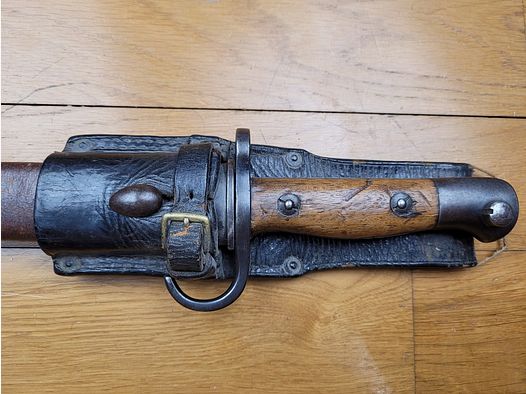
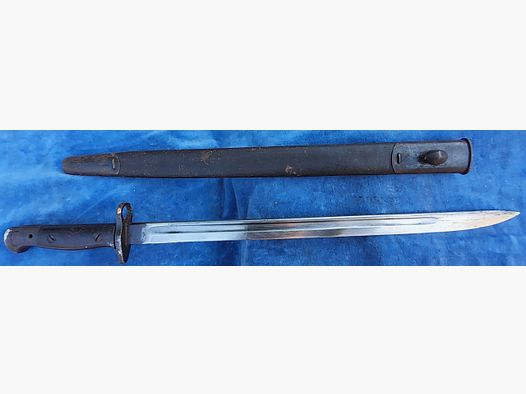
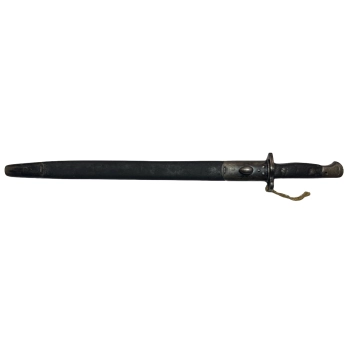
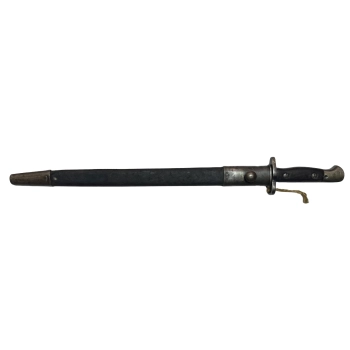
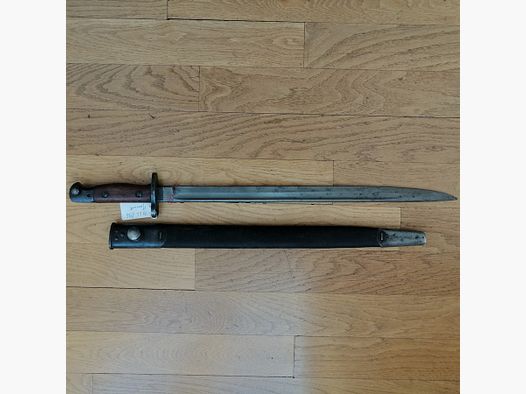
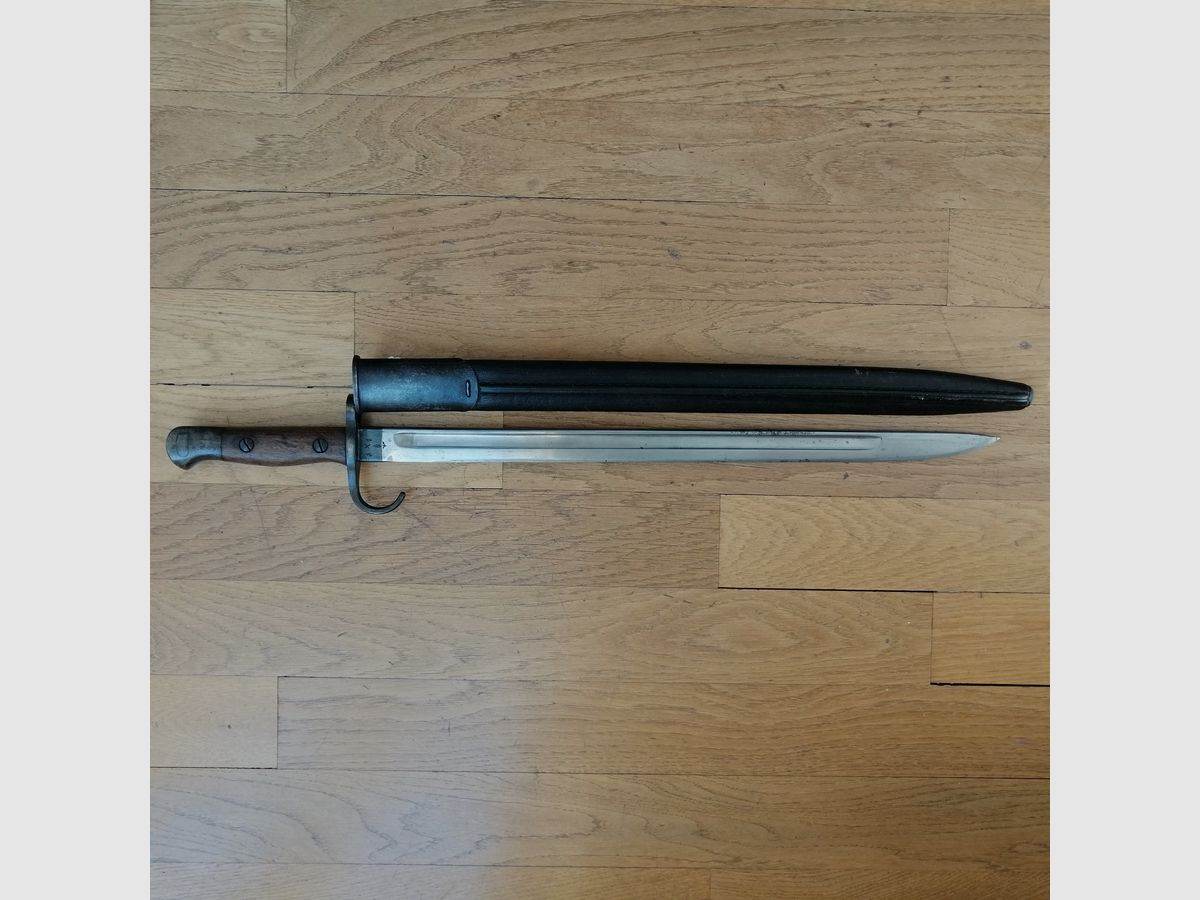
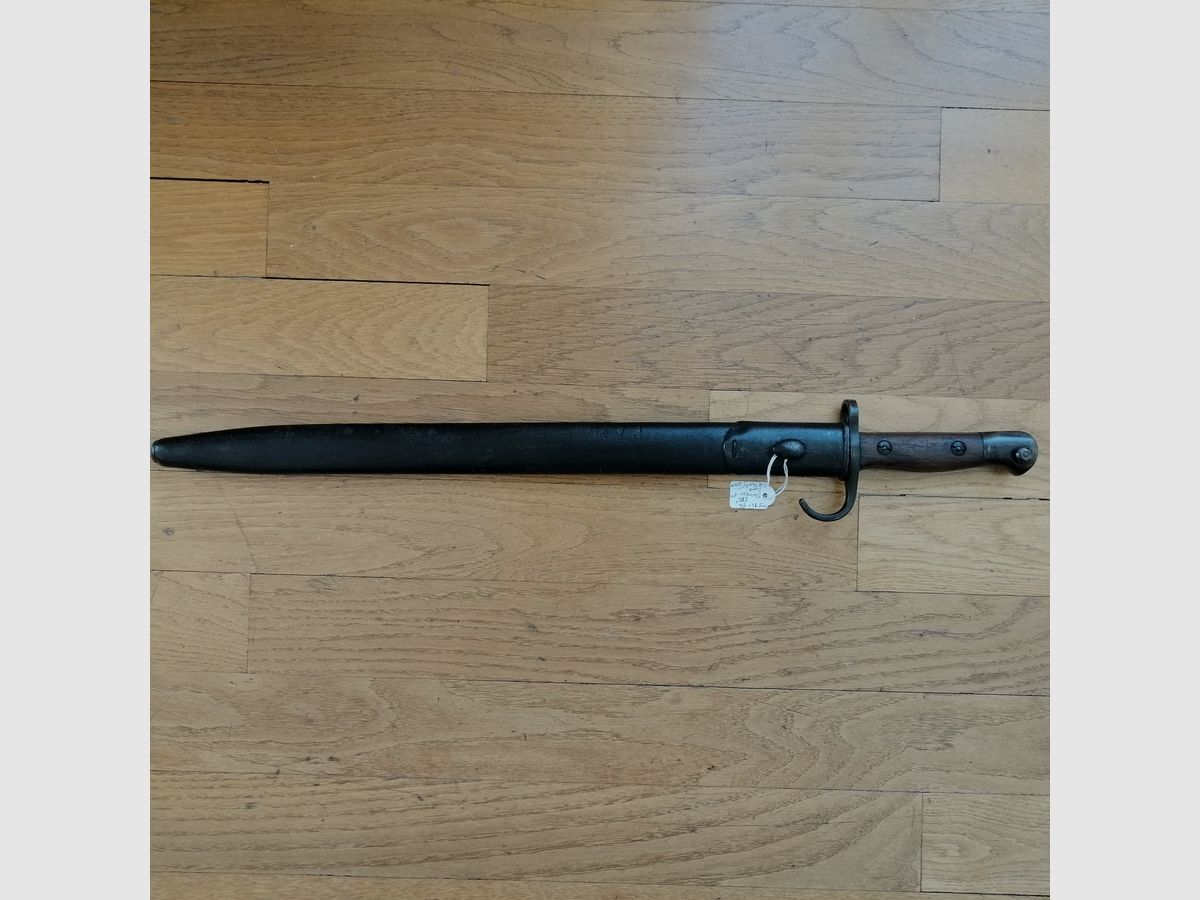
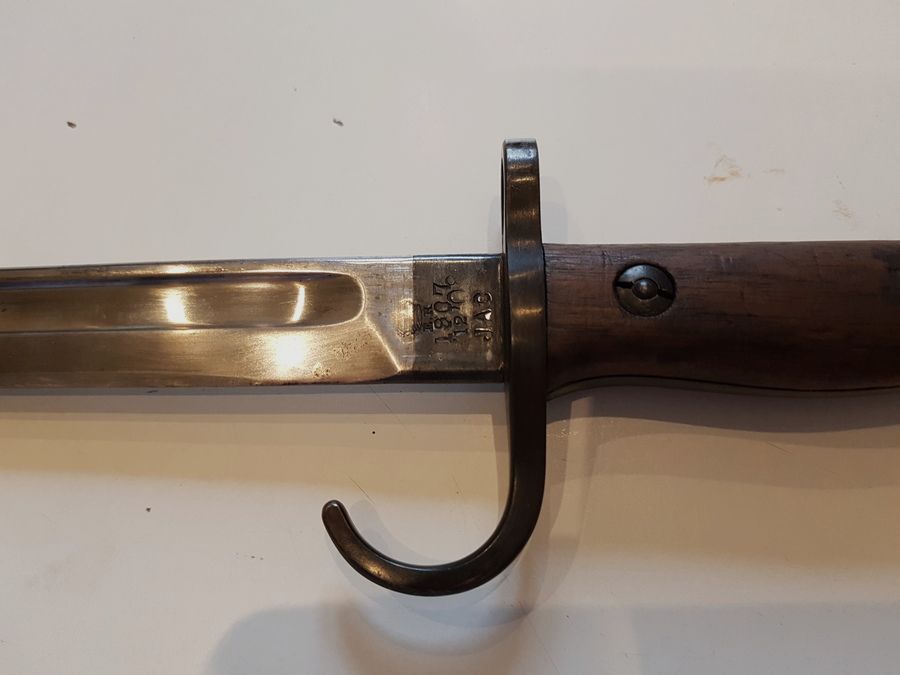
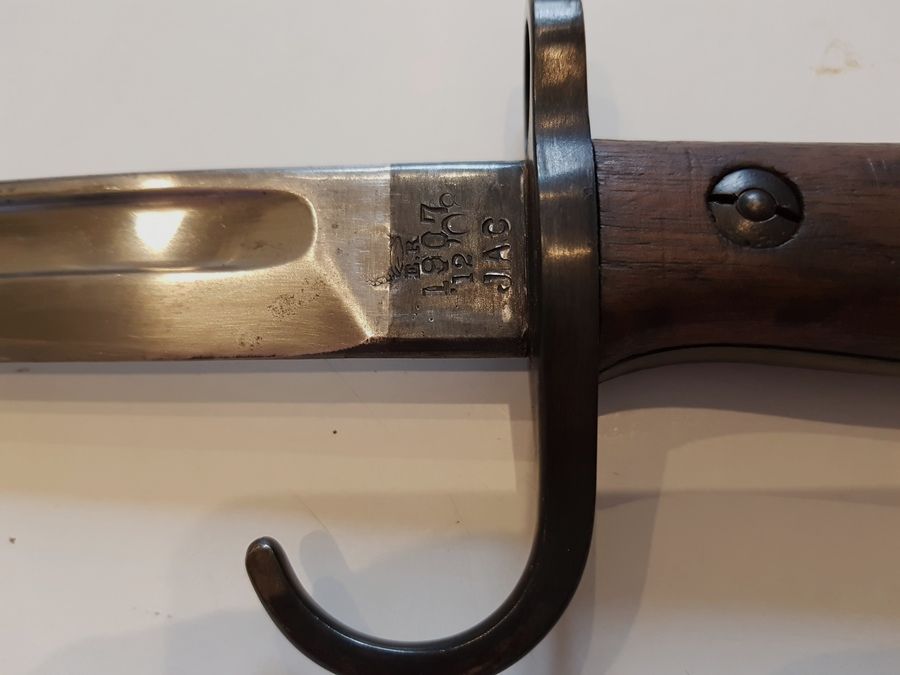
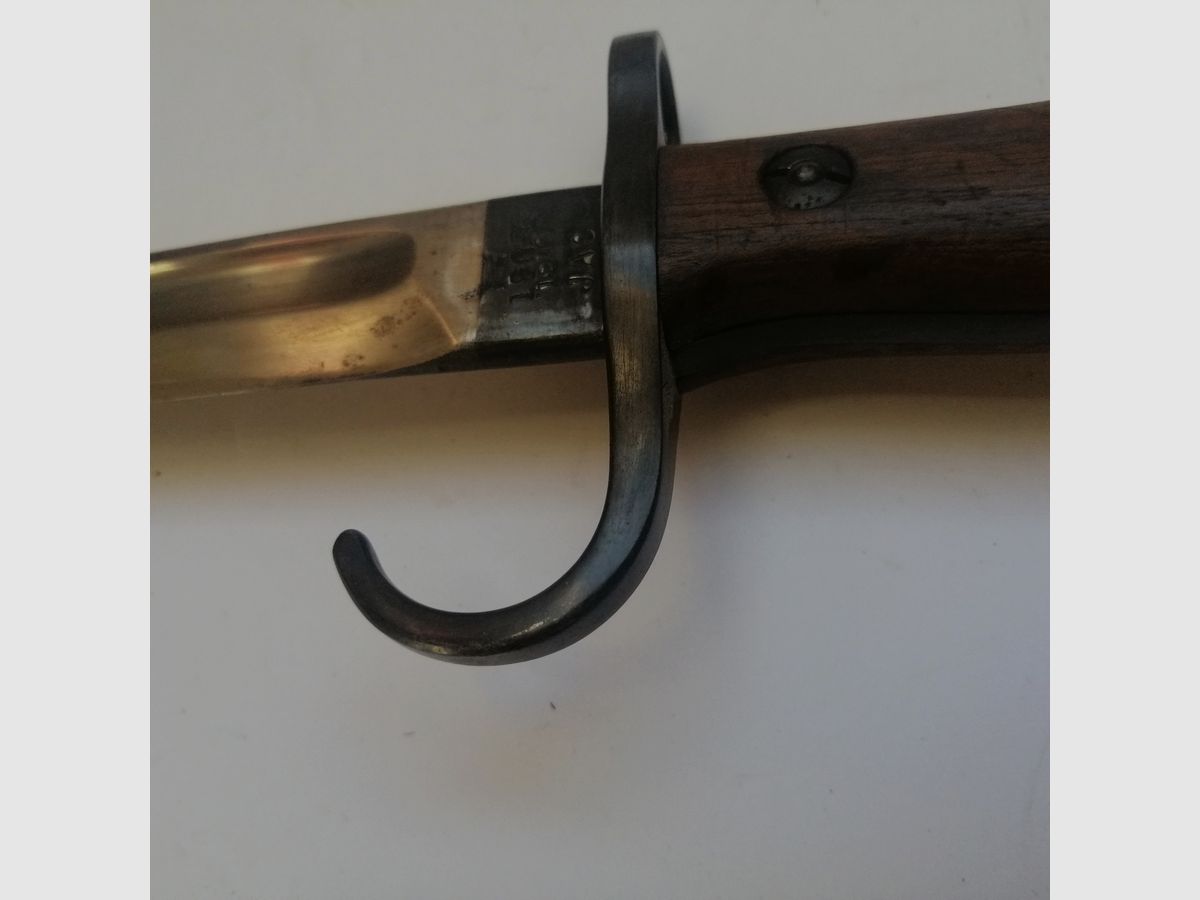
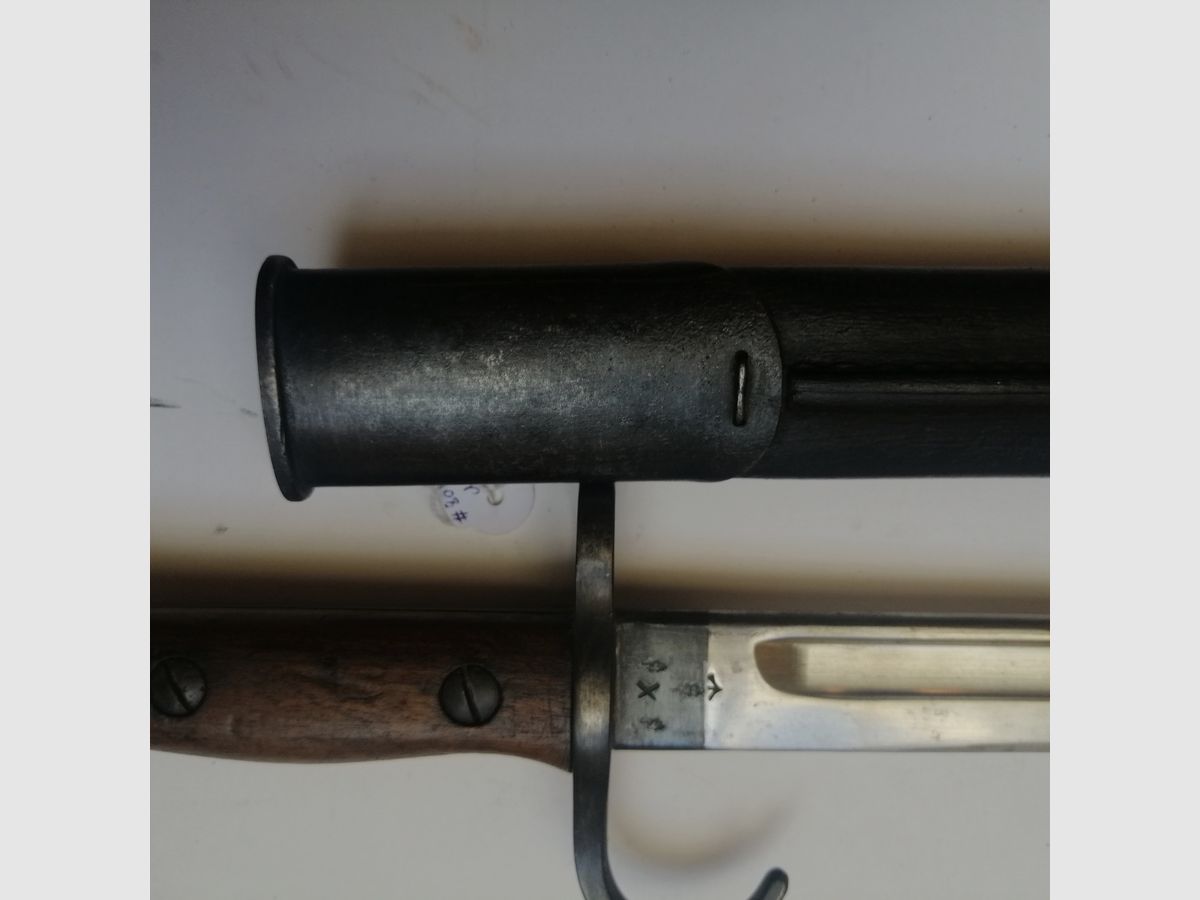
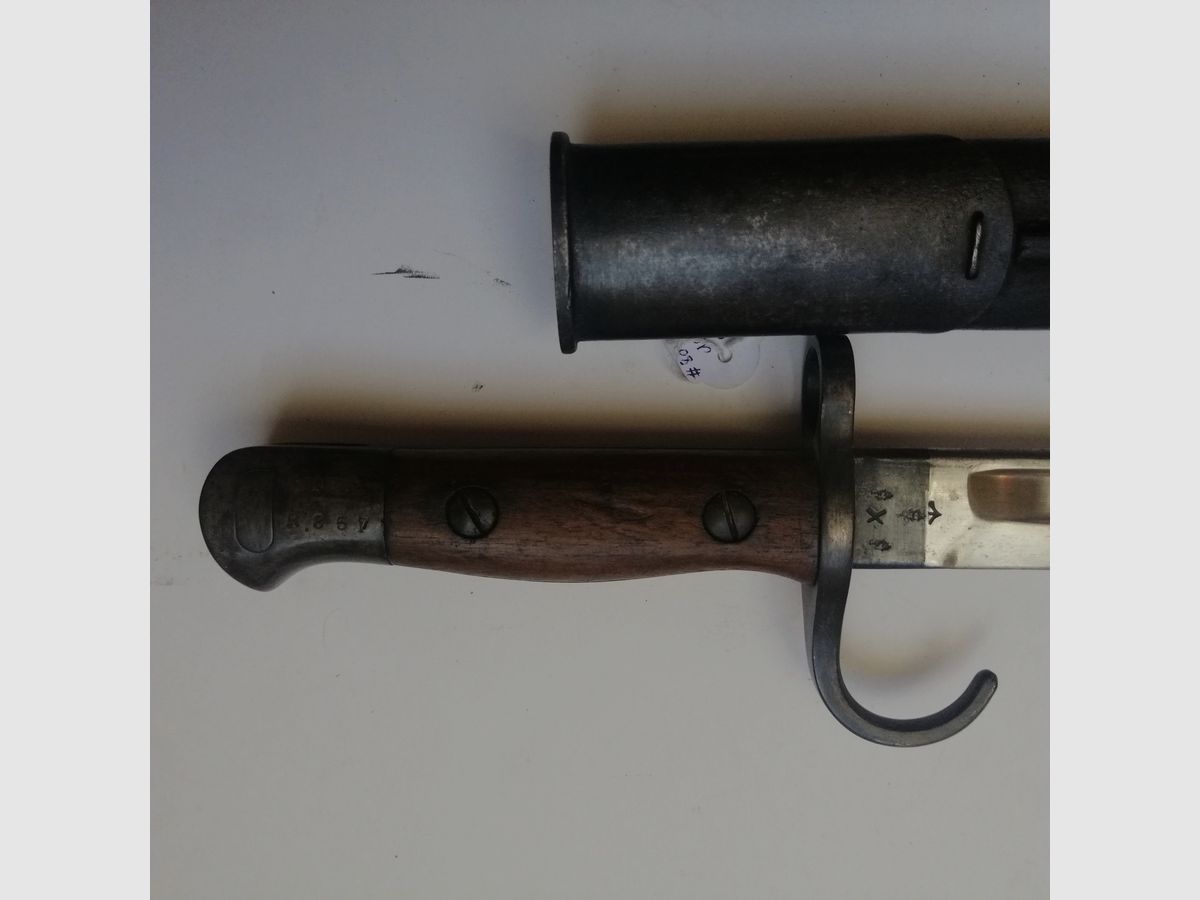
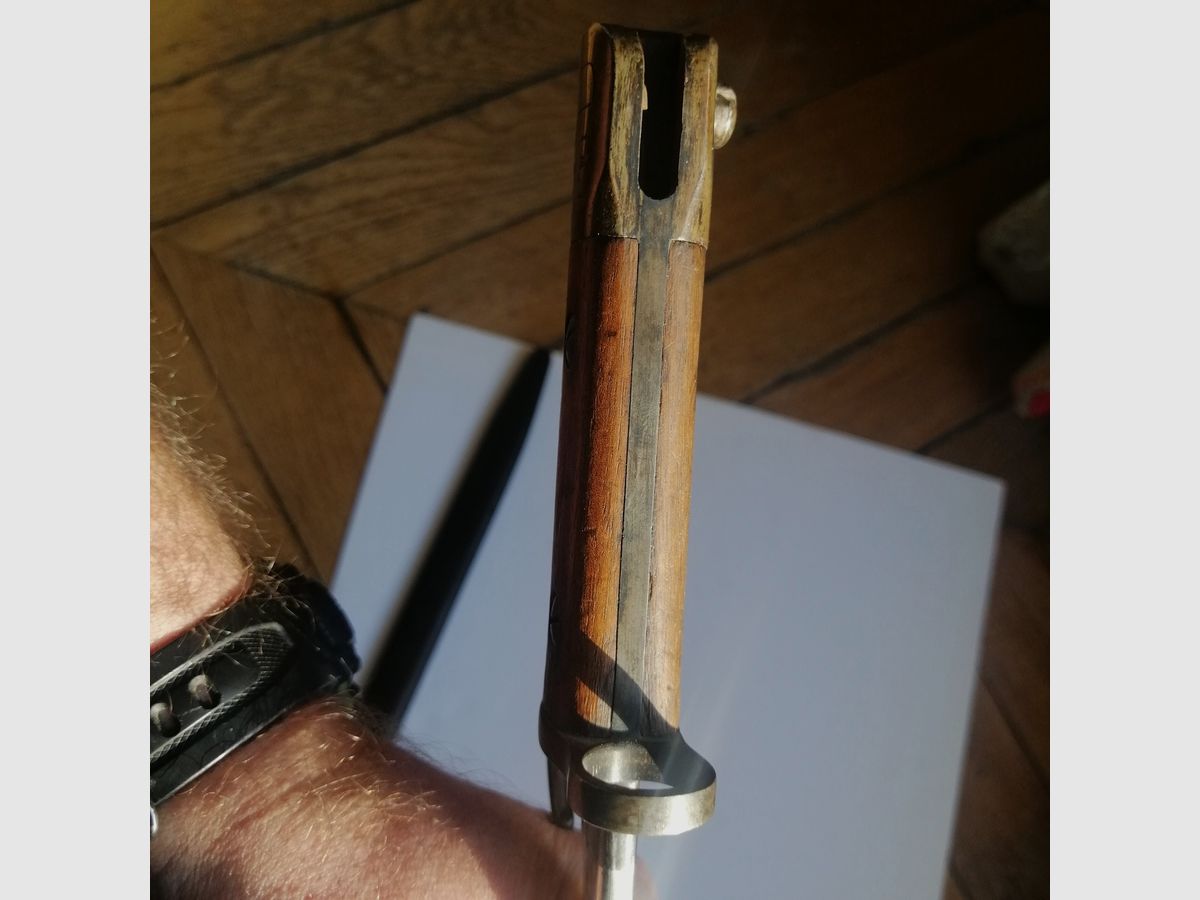
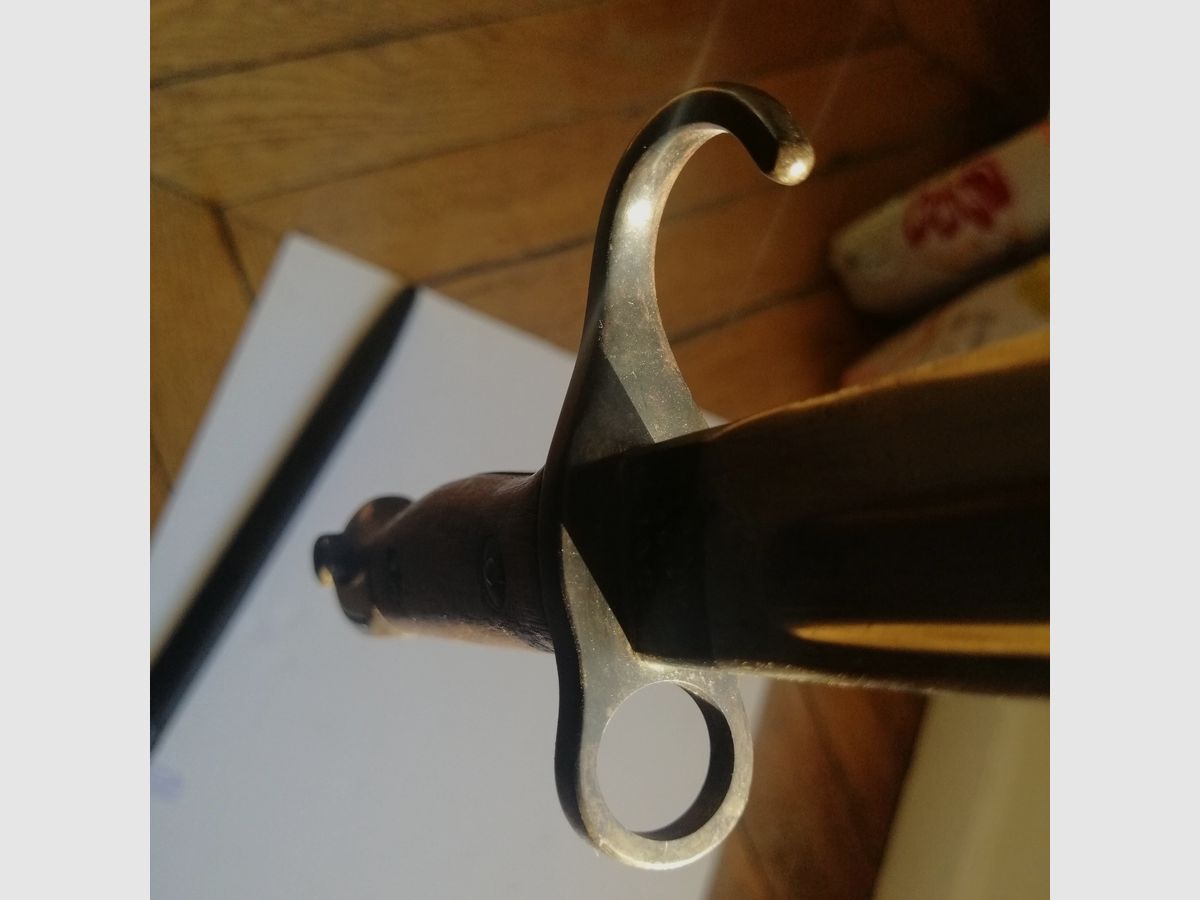
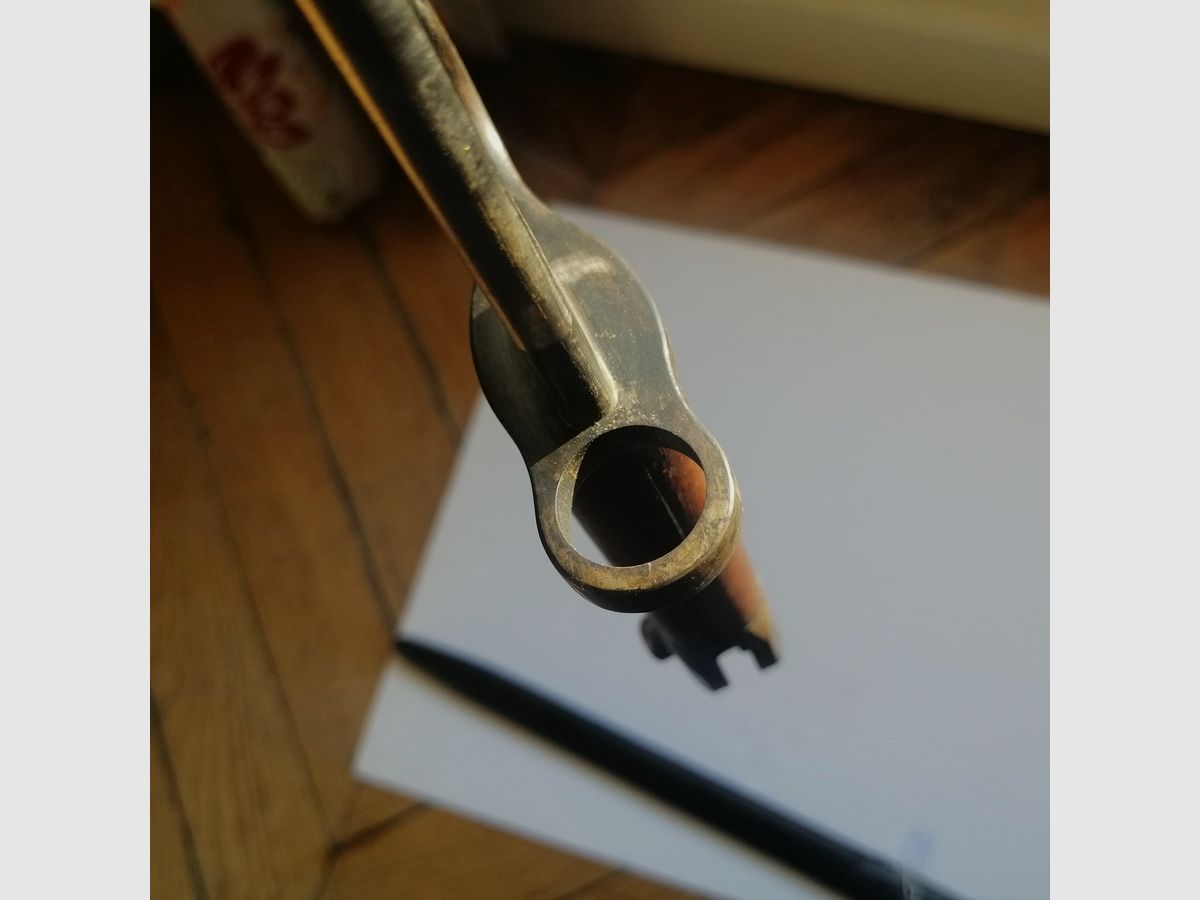
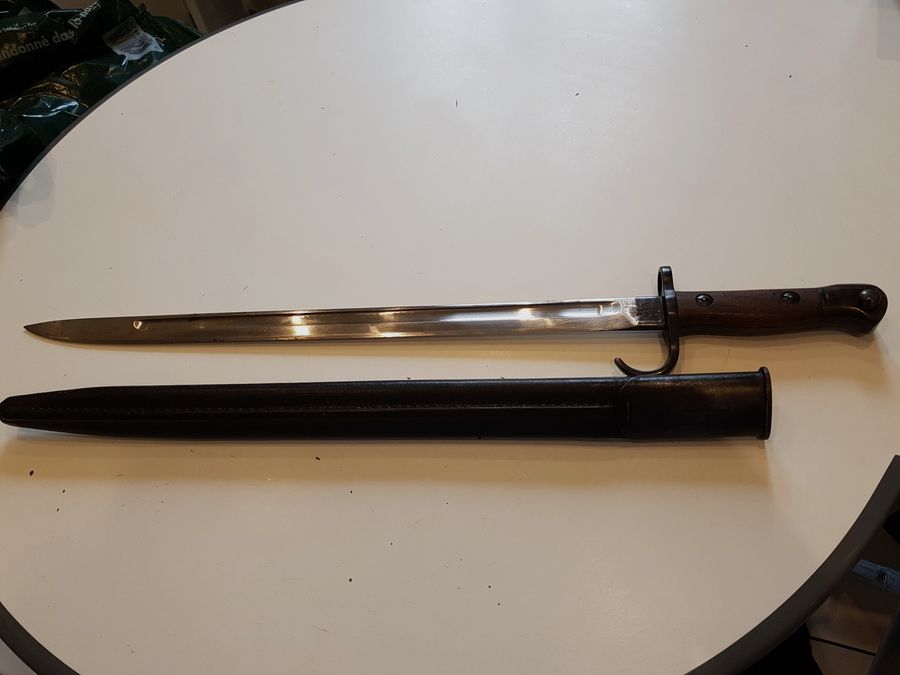
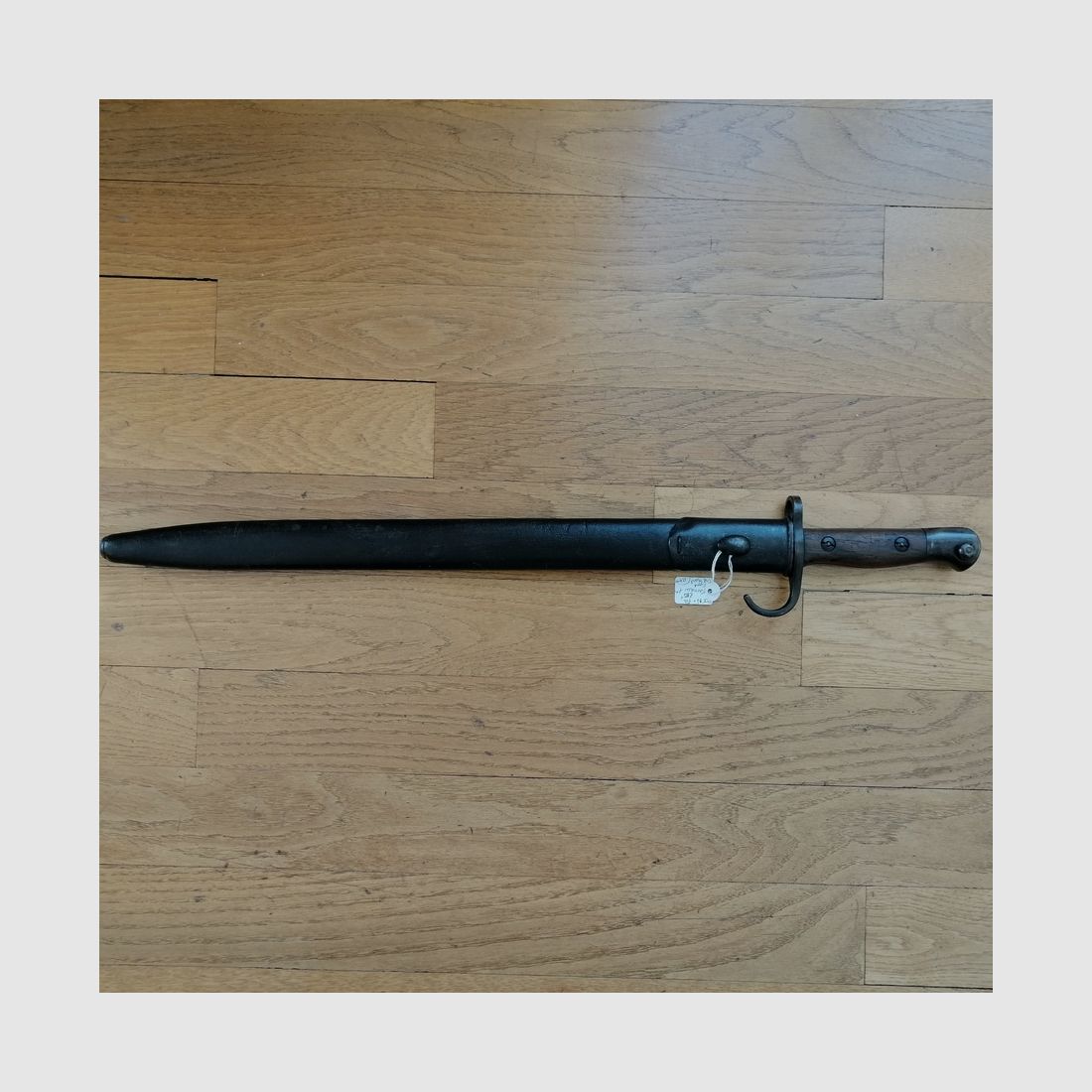
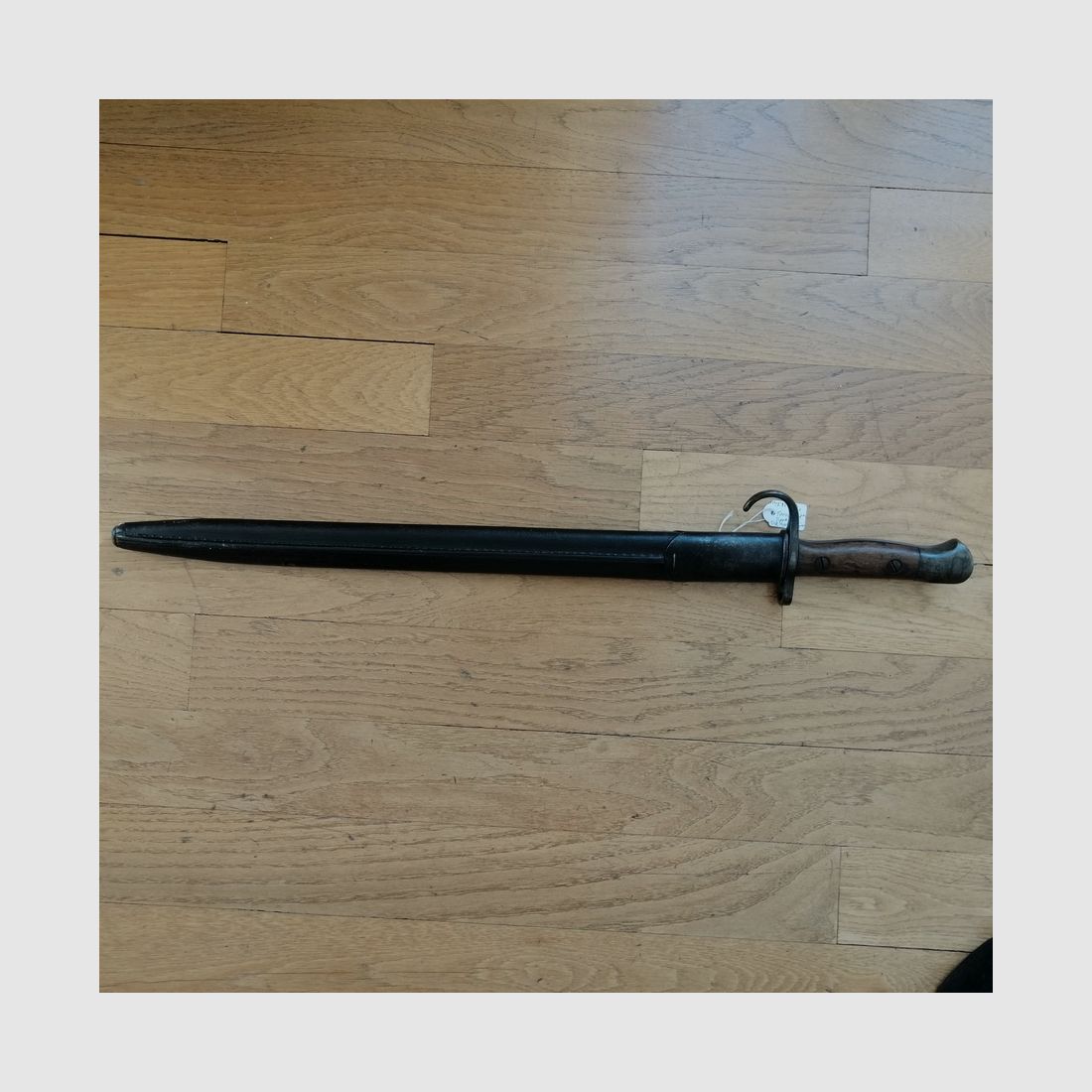
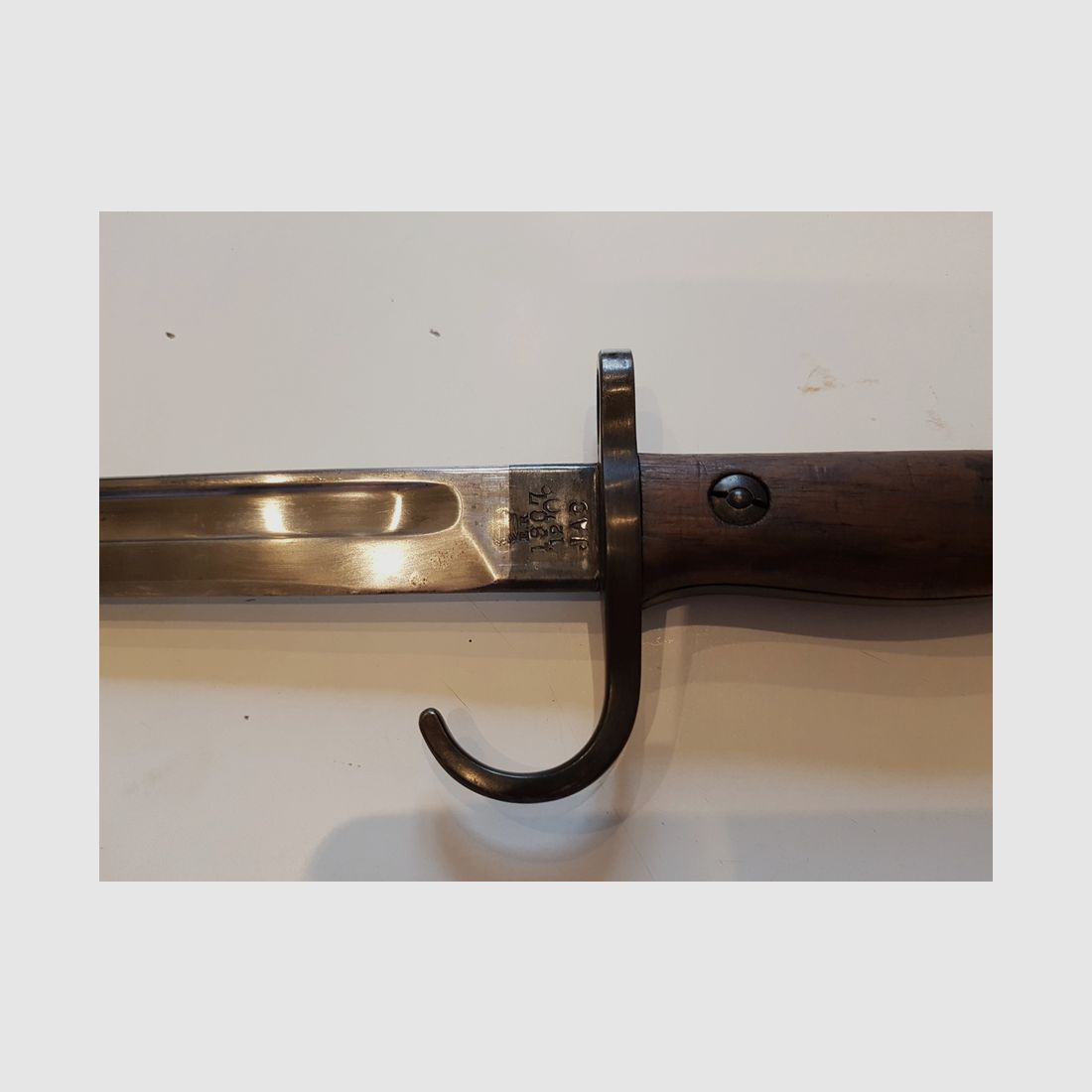
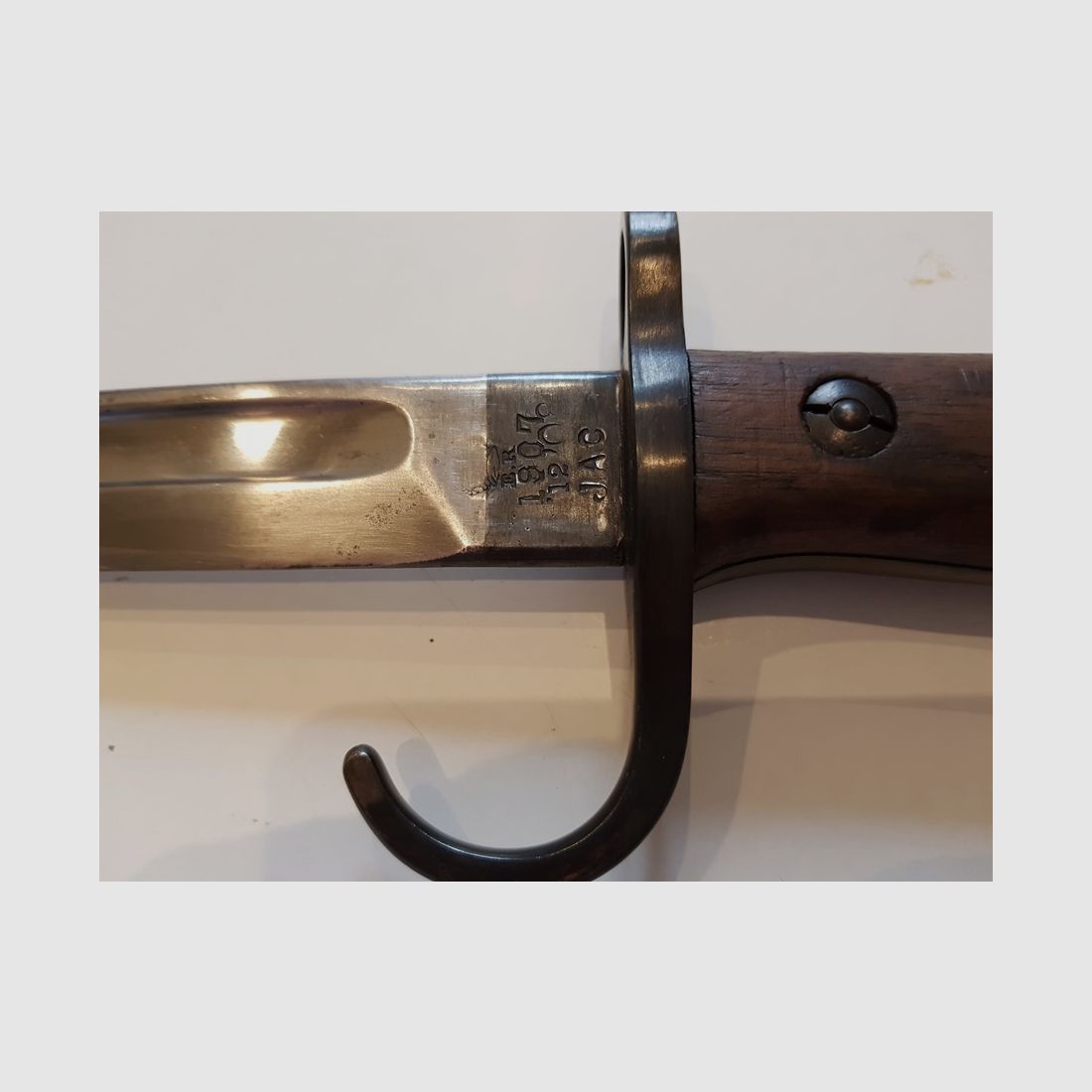
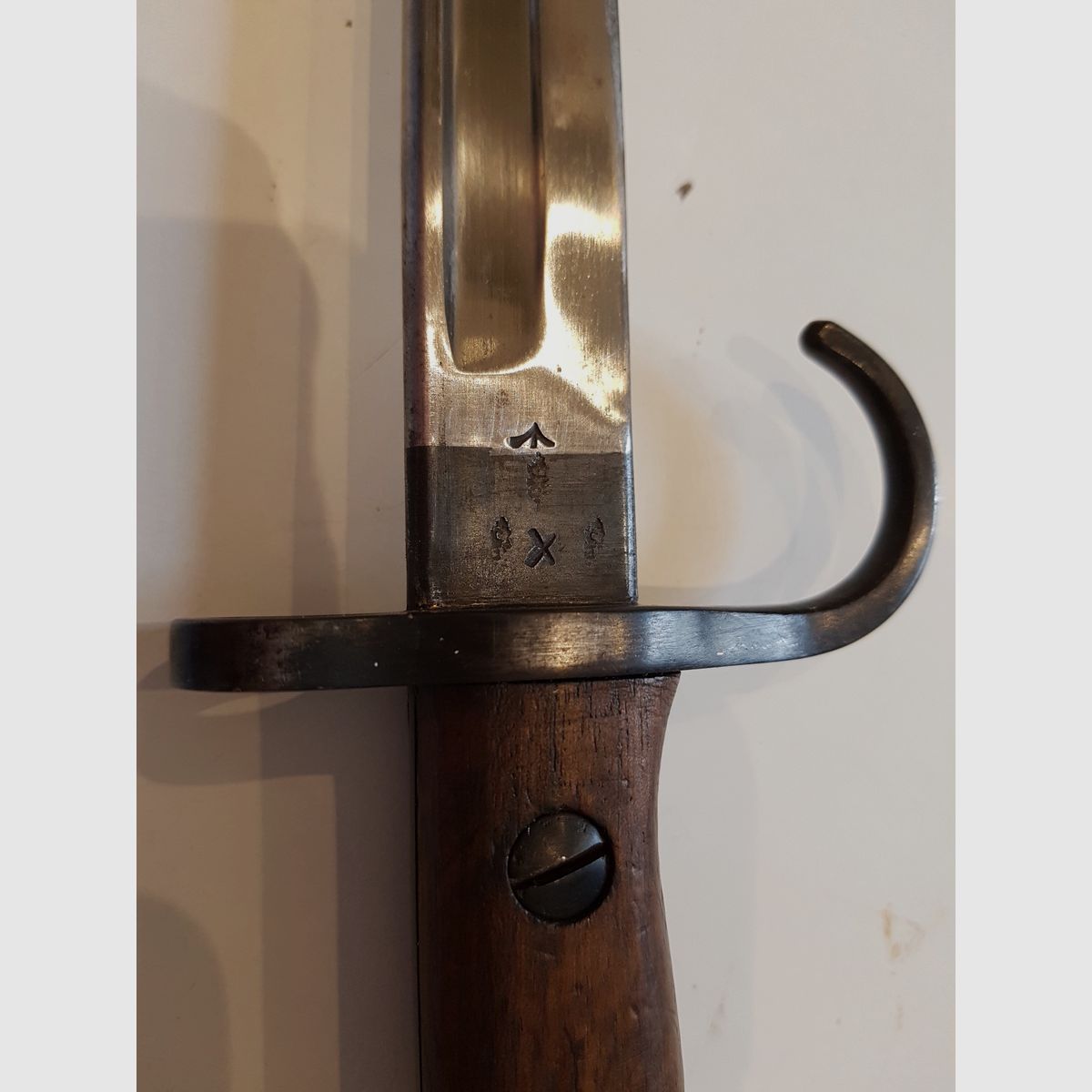
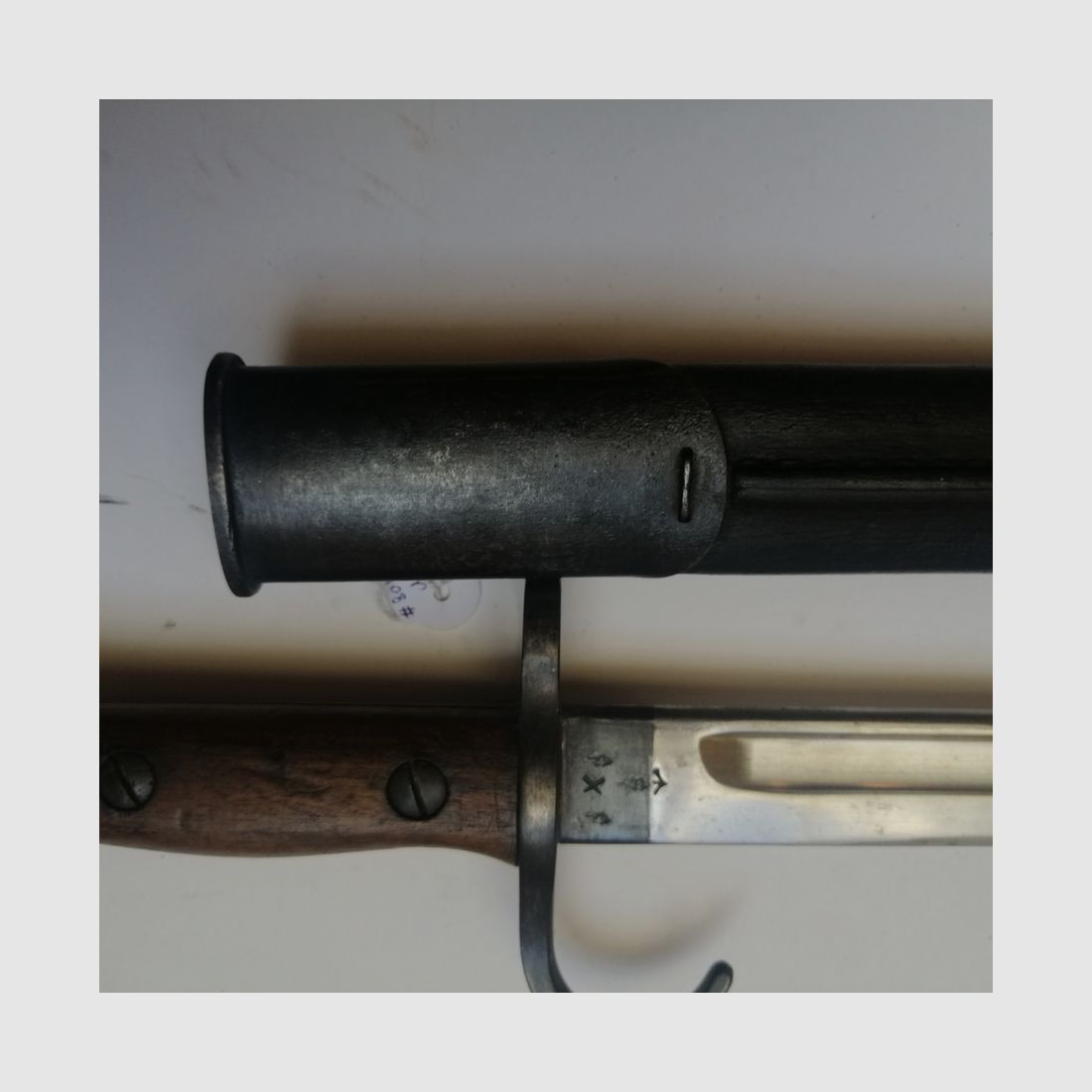
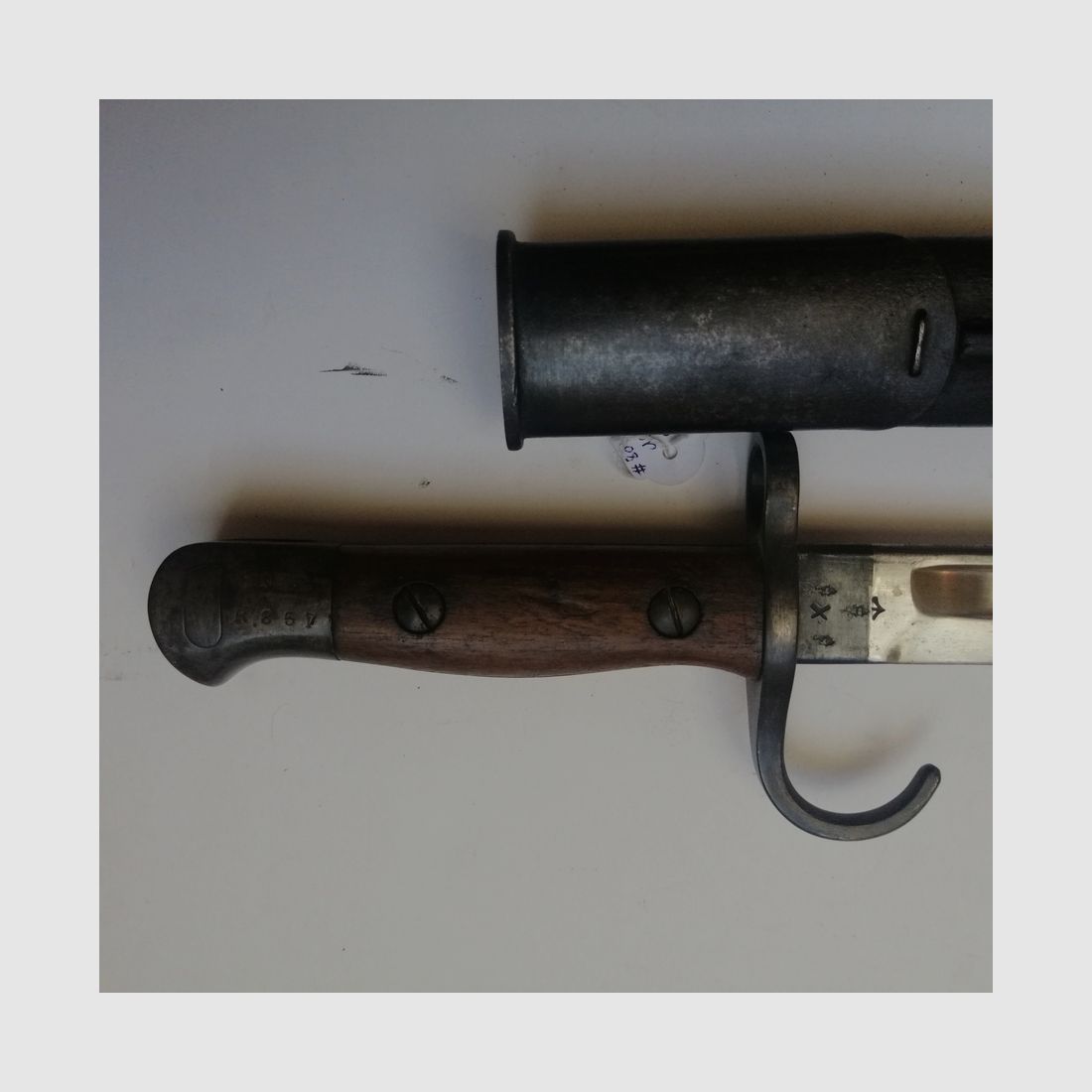
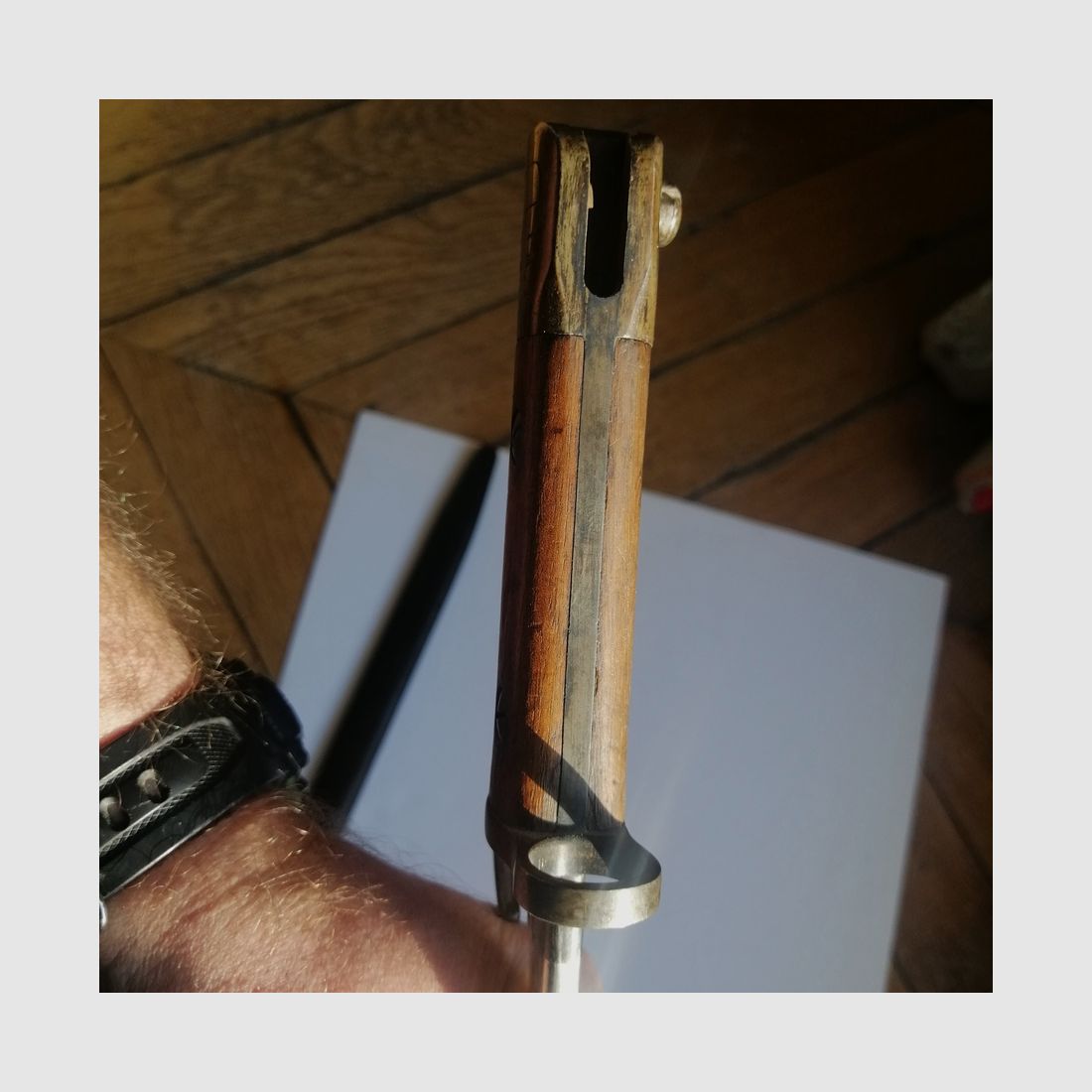
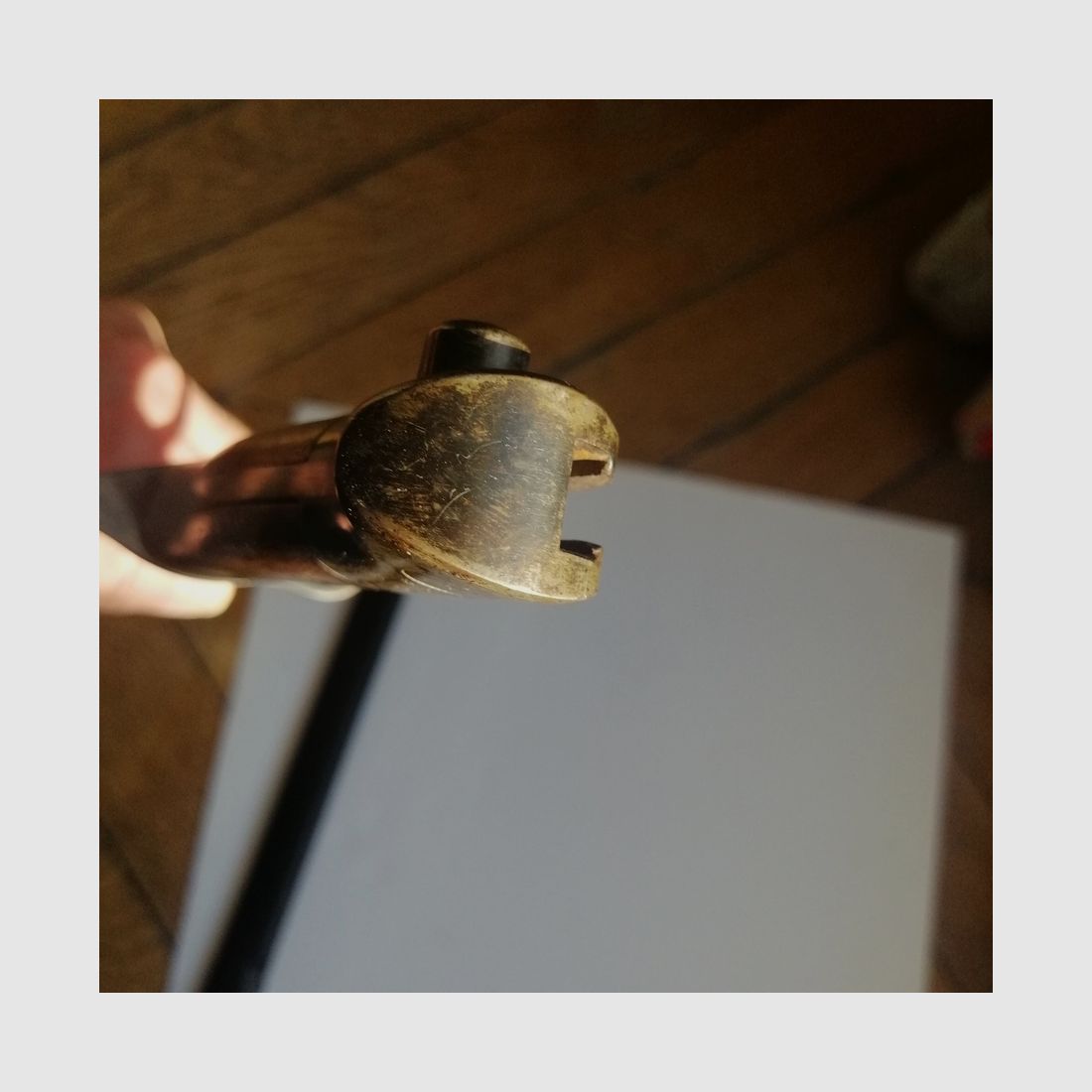
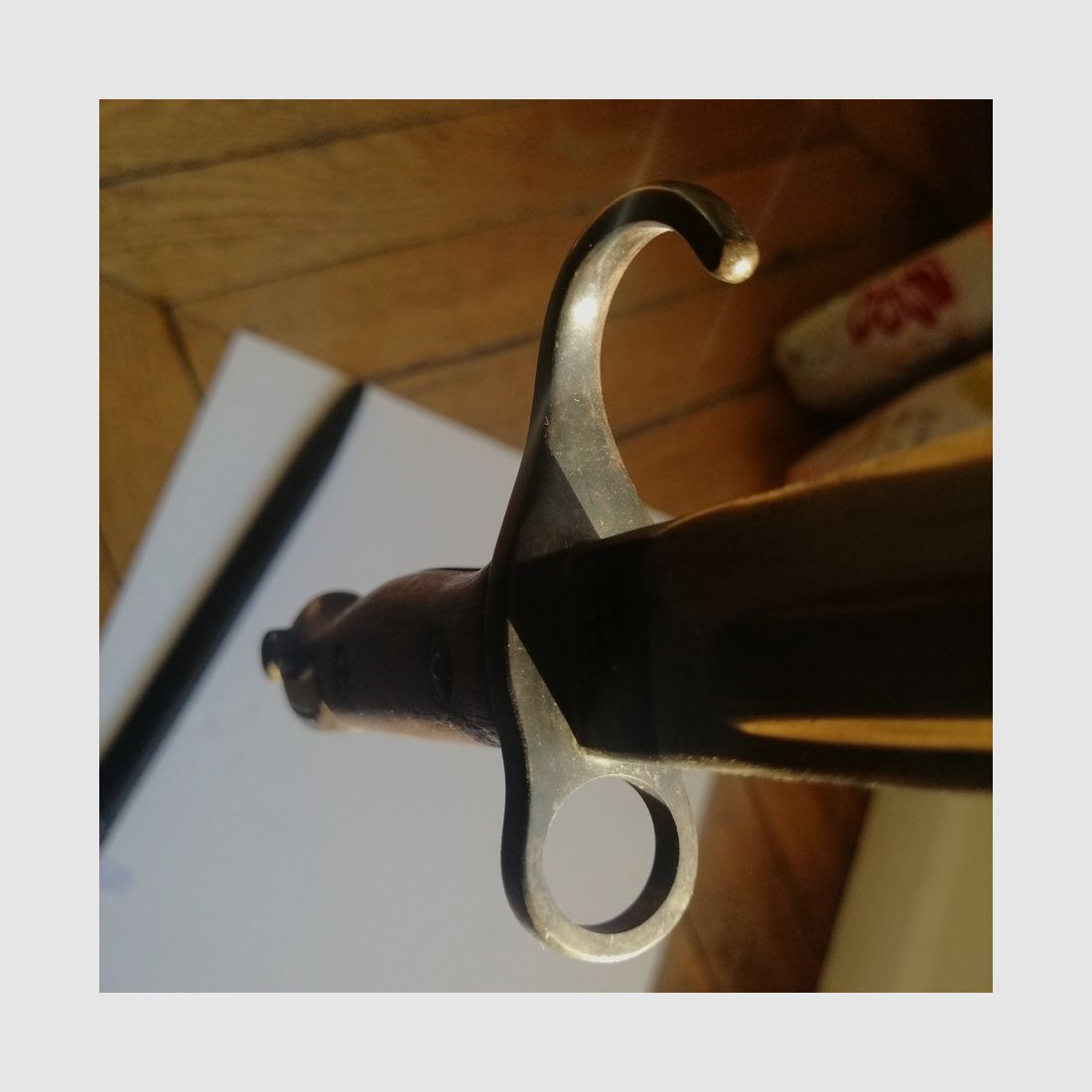
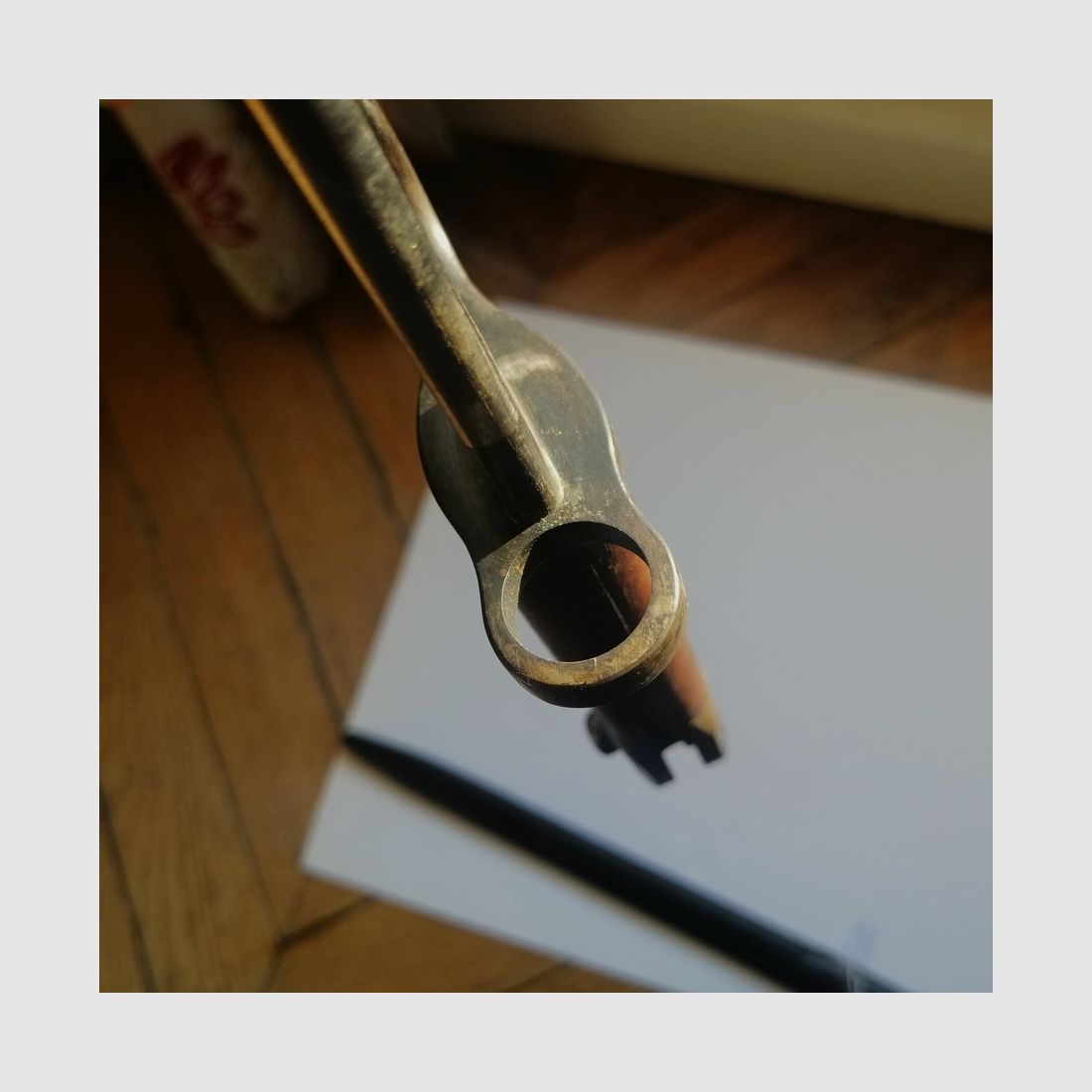
Model 1907 bayonet in the rare quillon pattern for the Lee Enfield Mk I and III rifle, complete with the extremely rare first-pattern MKI scabbard. This bayonet is therefore one of the very few that escaped the October 1913 modification removing the quillon, which affected virtually the entire production run of these early 1907 bayonets. One of the rare survivors…
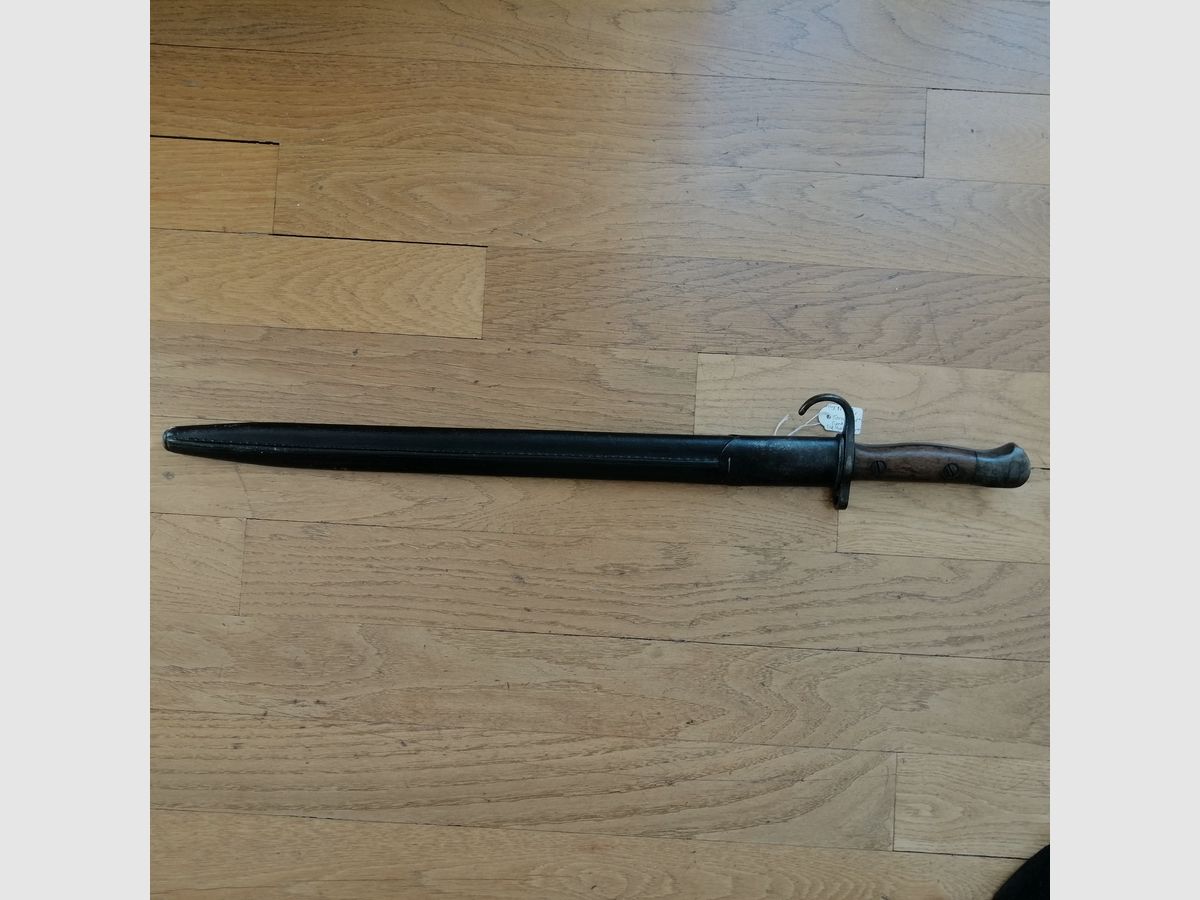
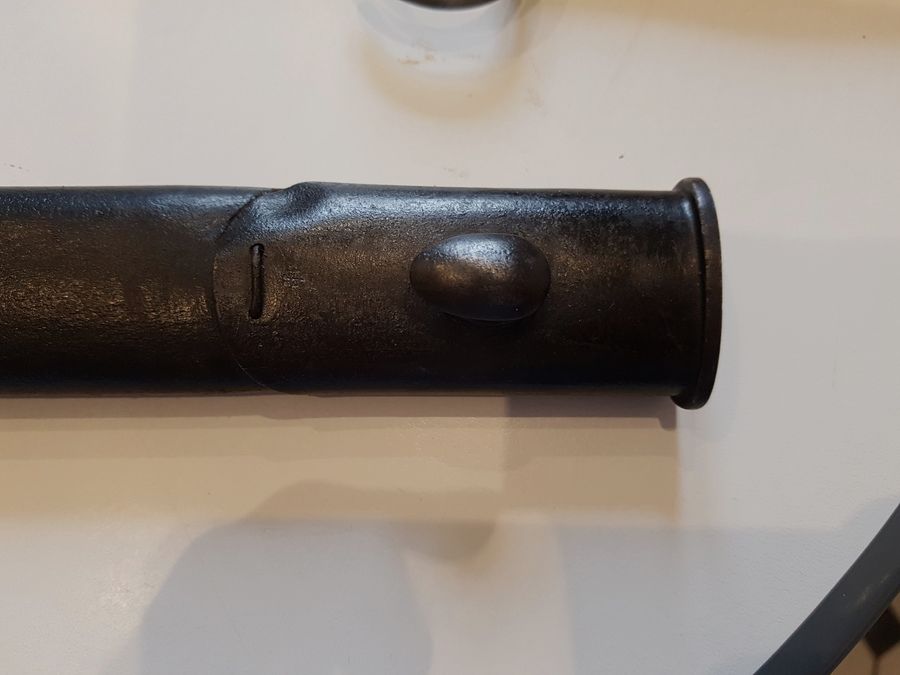
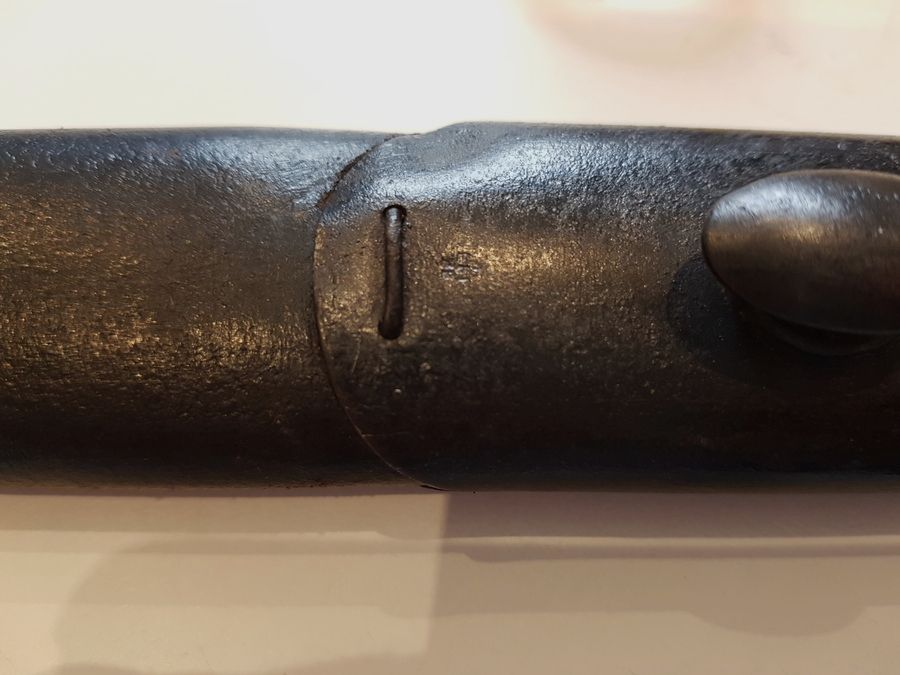
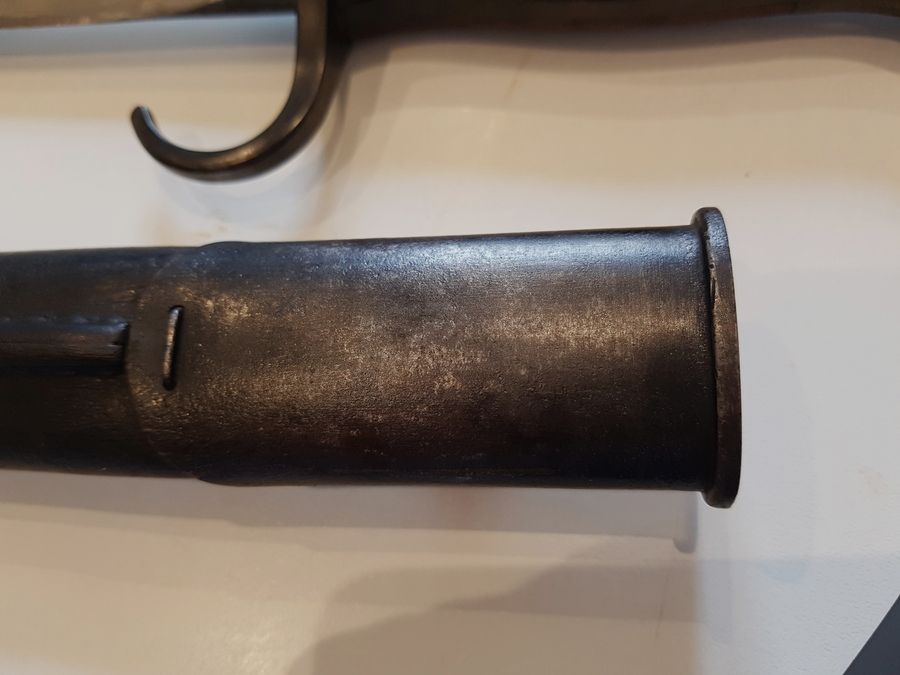
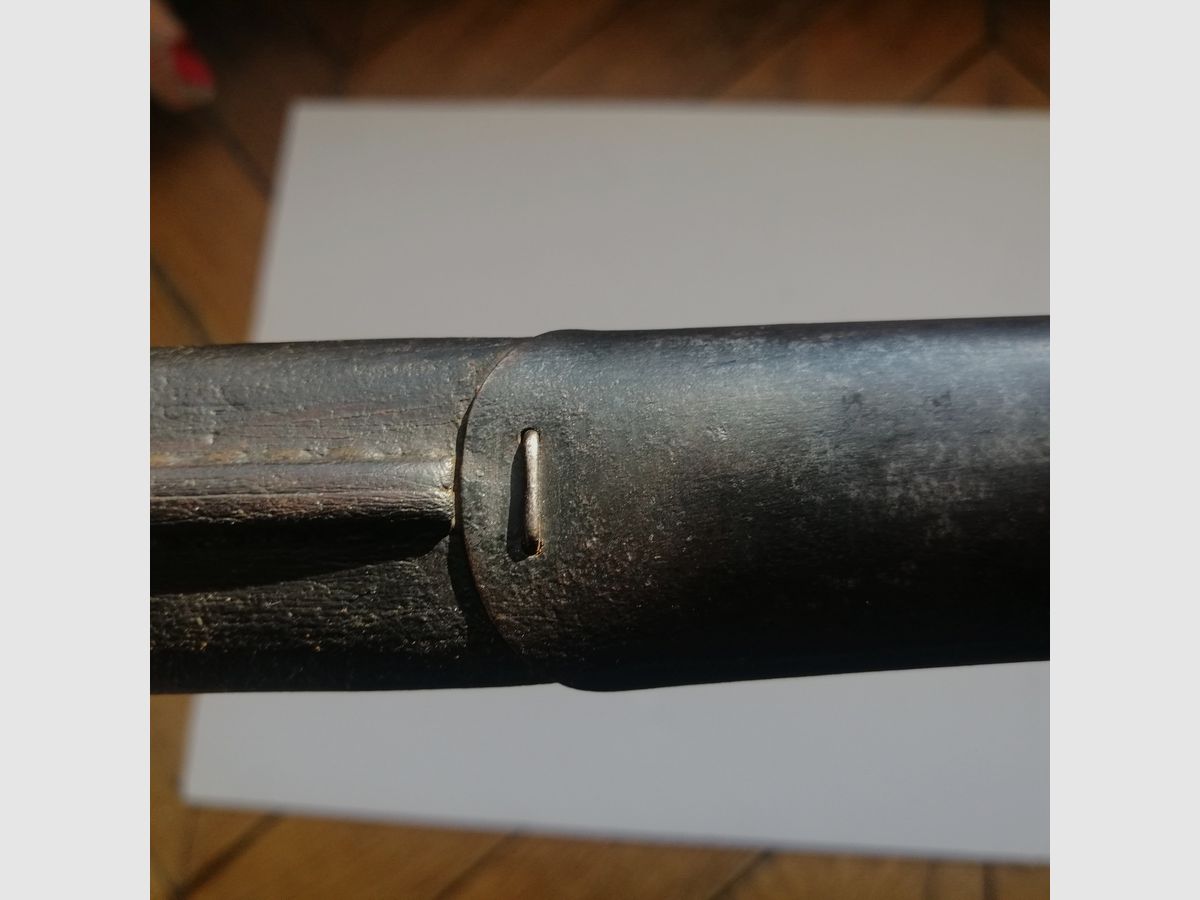
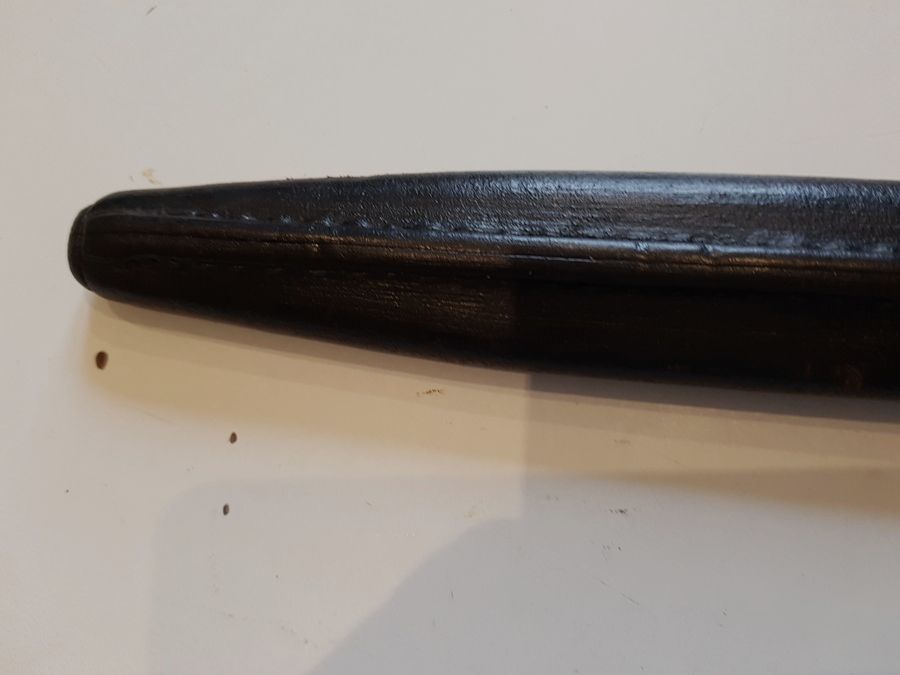
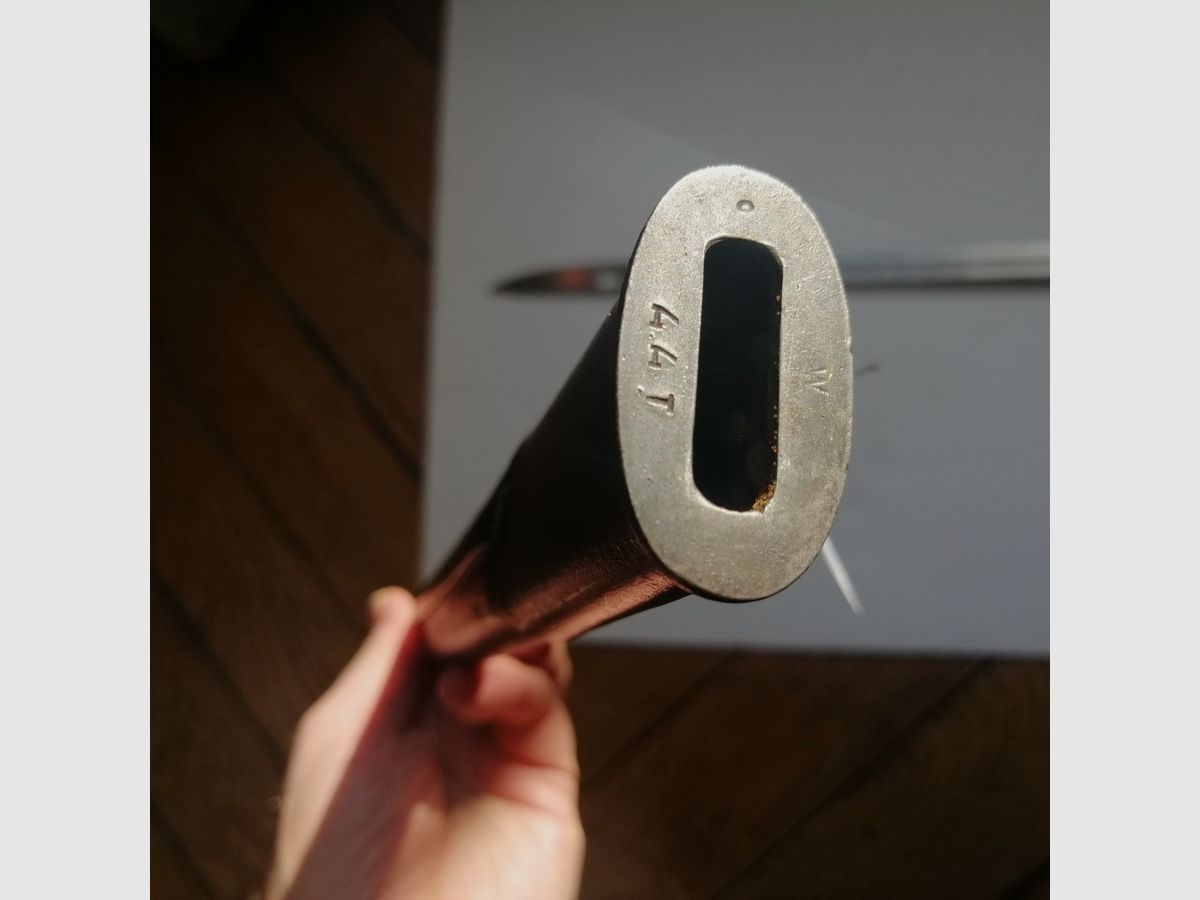
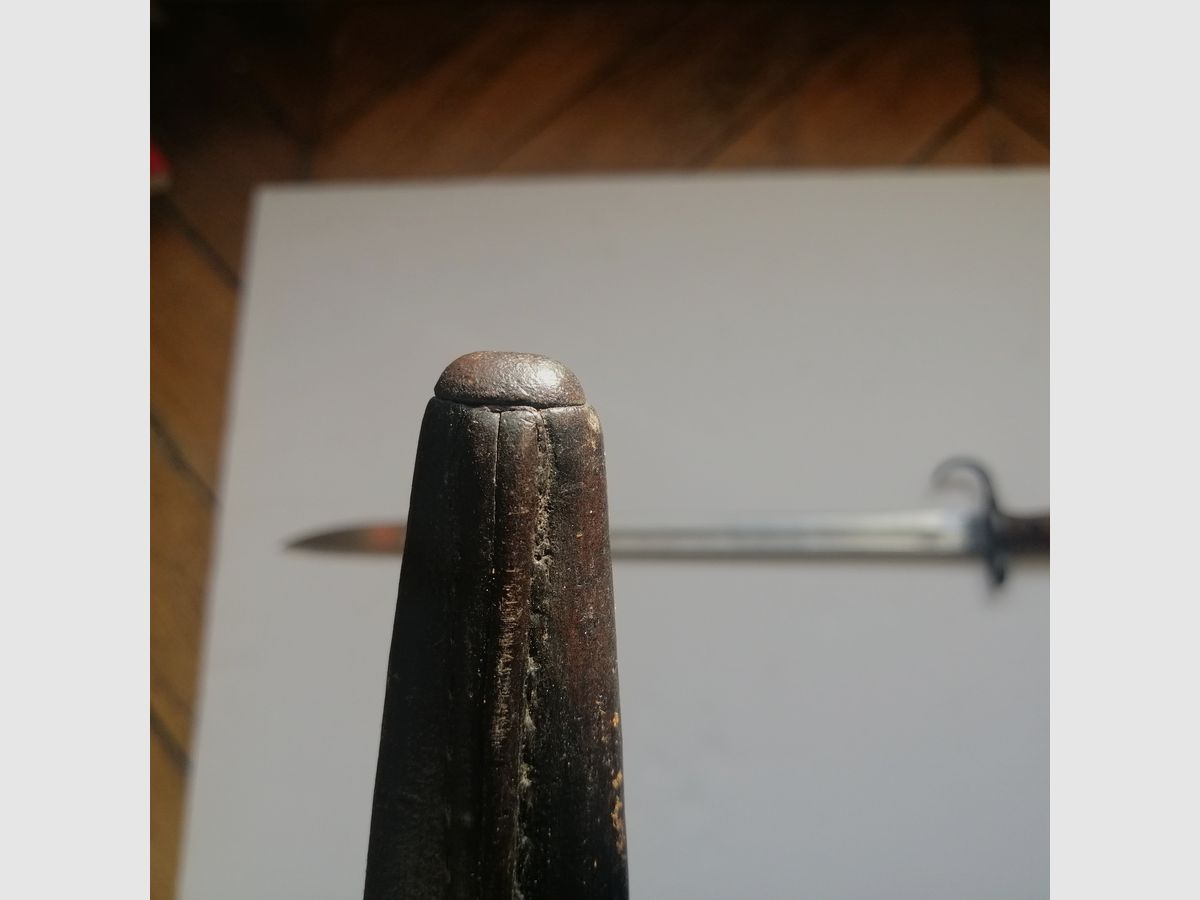
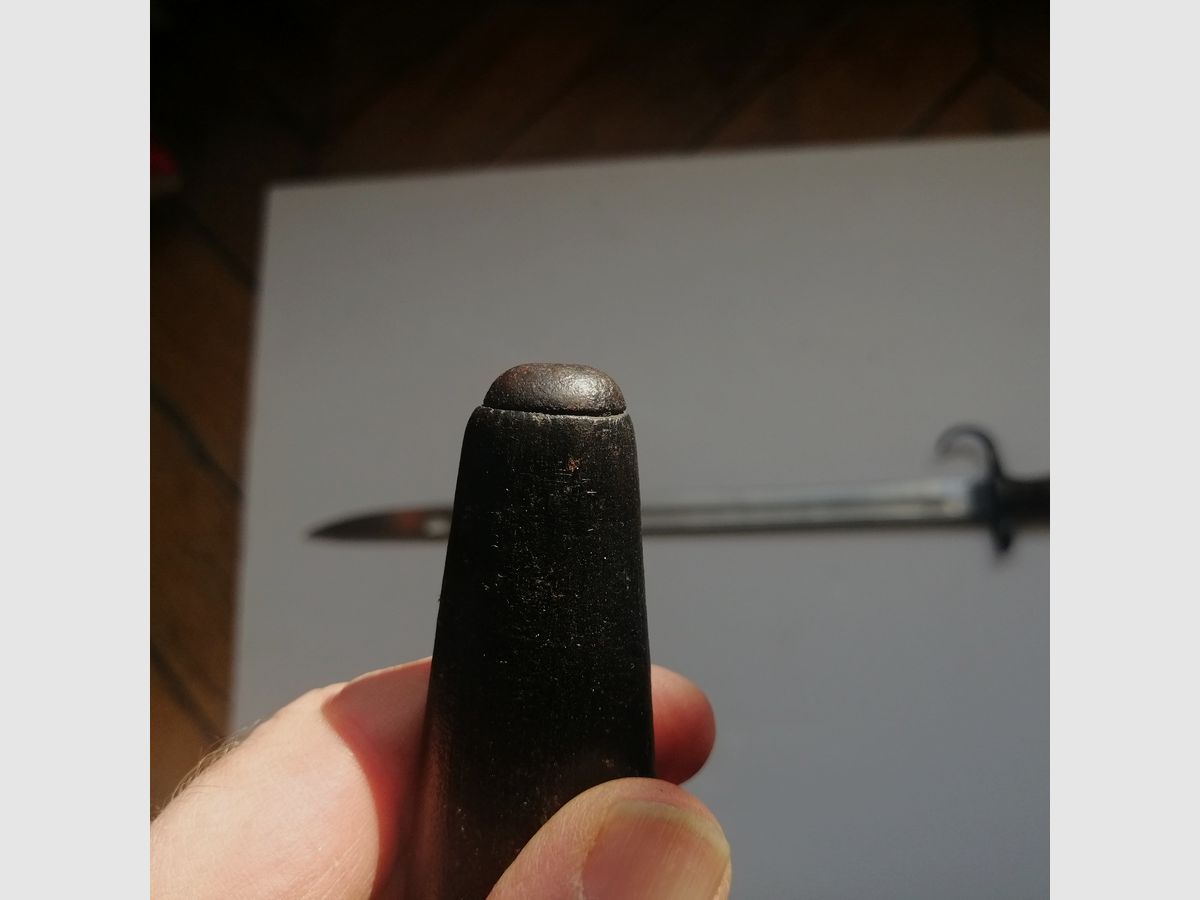
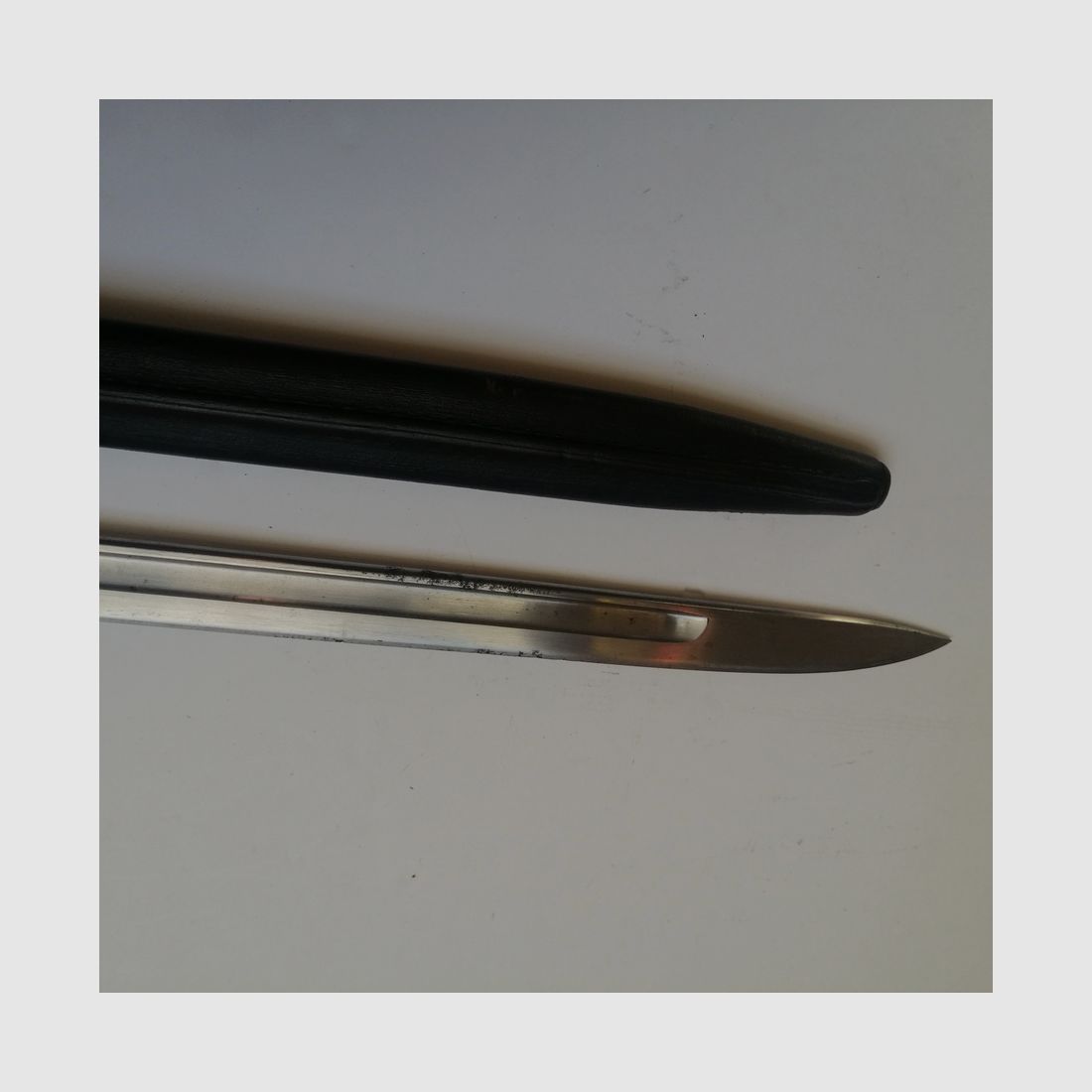
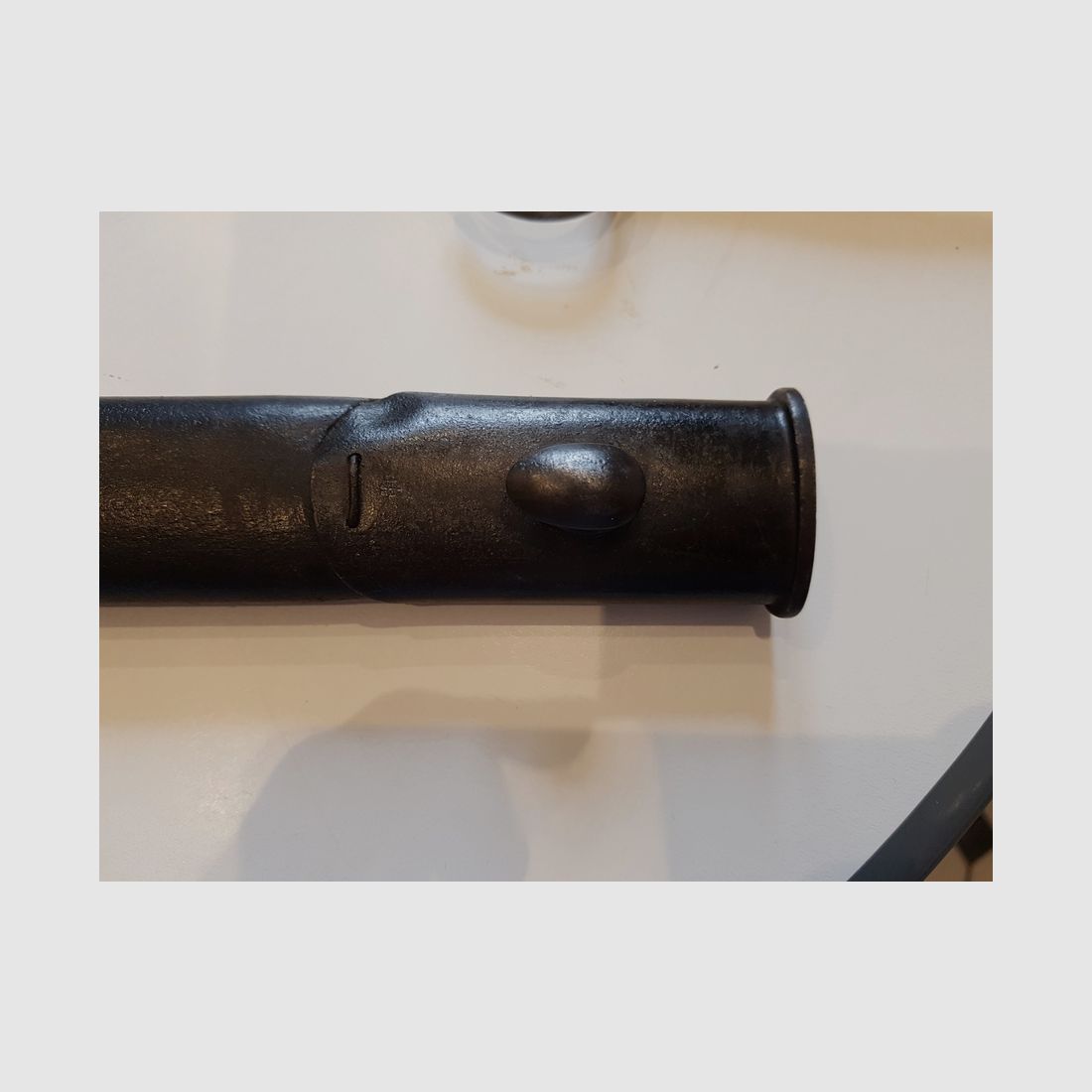
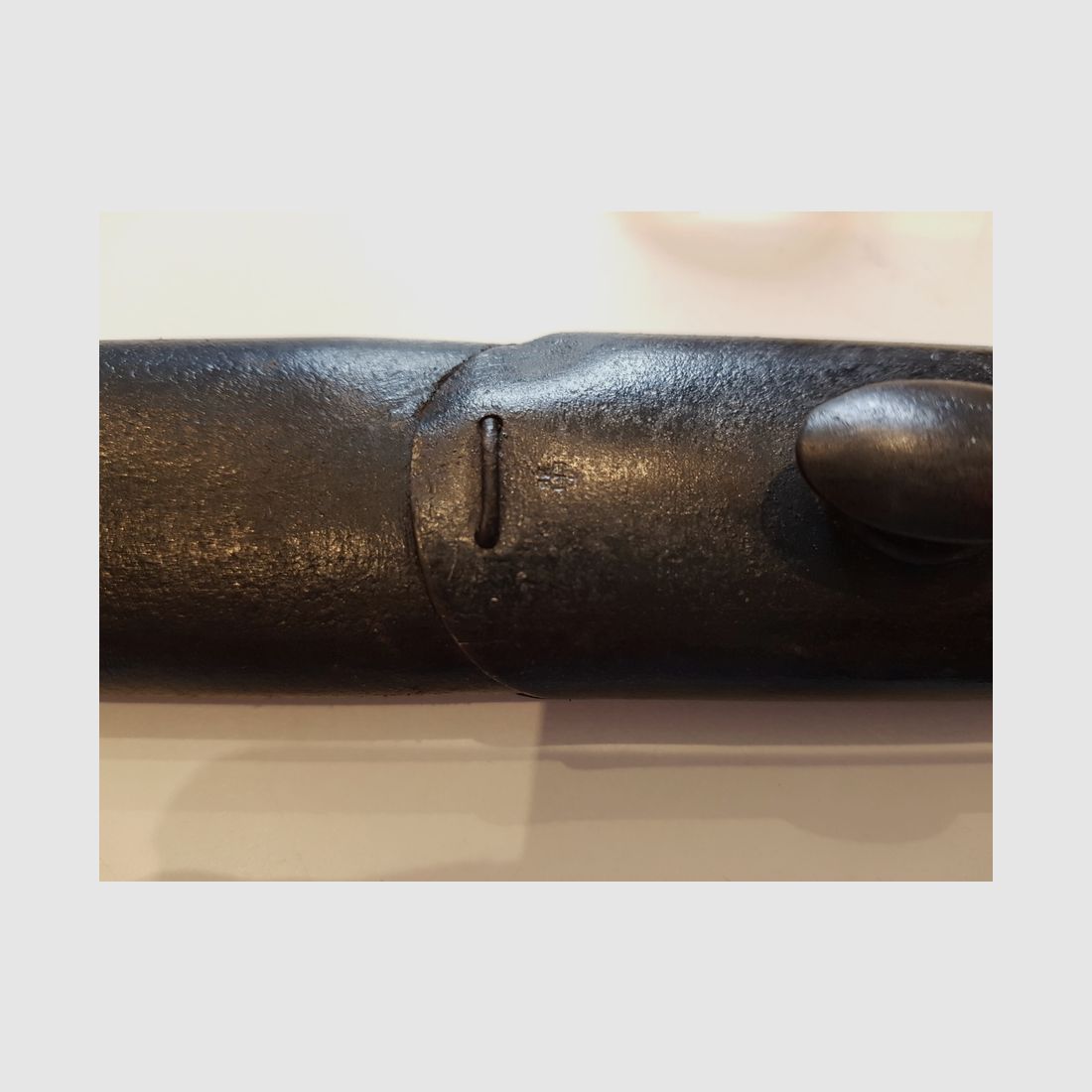
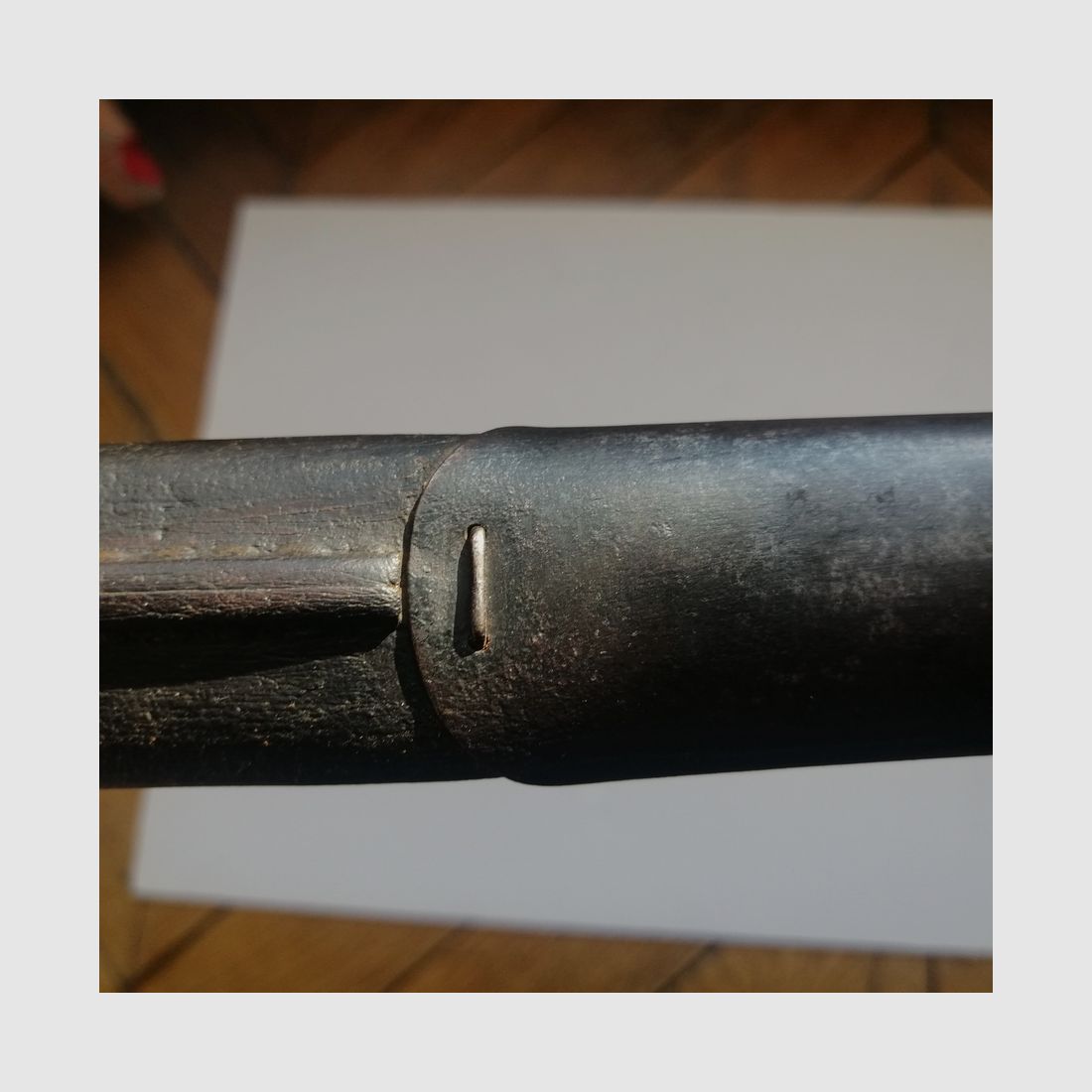
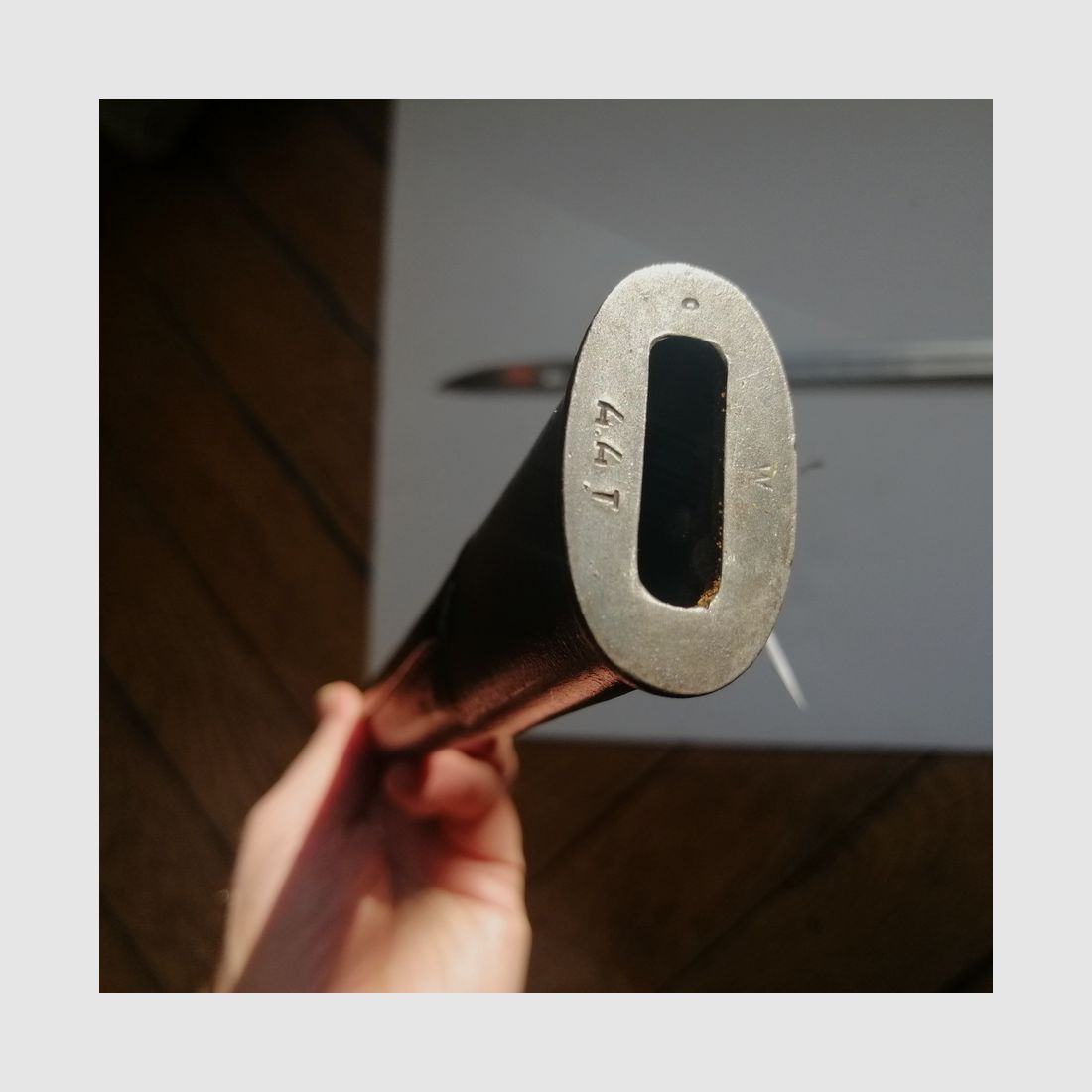
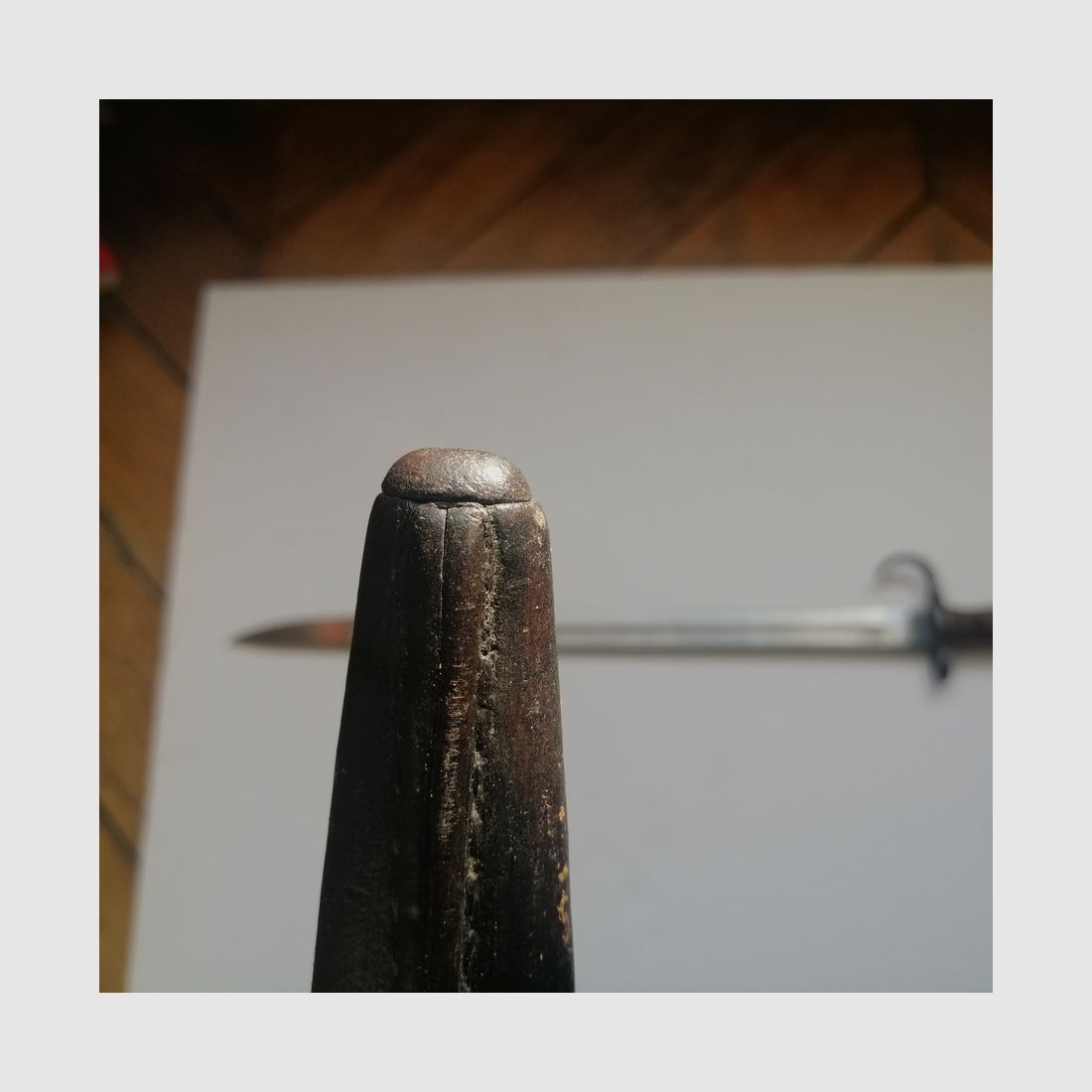
What’s more, this already very rare bayonet with its quillon comes in the extremely rare first-pattern scabbard with an internal terminal chape, known as the “MK I” or first pattern. This exceptionally well-made but difficult-to-produce scabbard was discontinued in December 1908 in favor of a more conventional scabbard with two external fittings, found on almost all surviving 1907 bayonets.
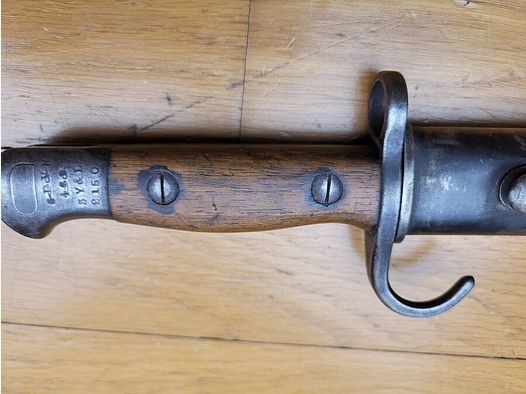
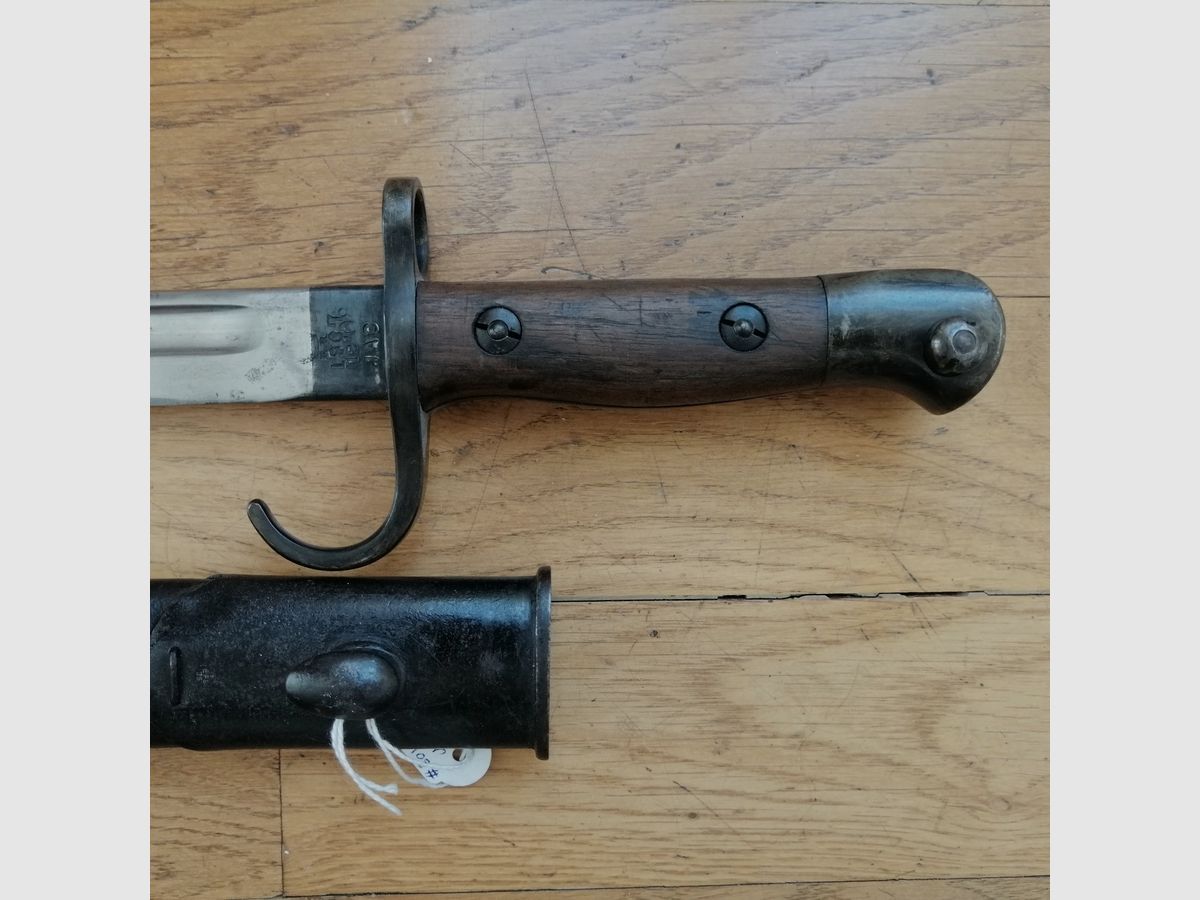
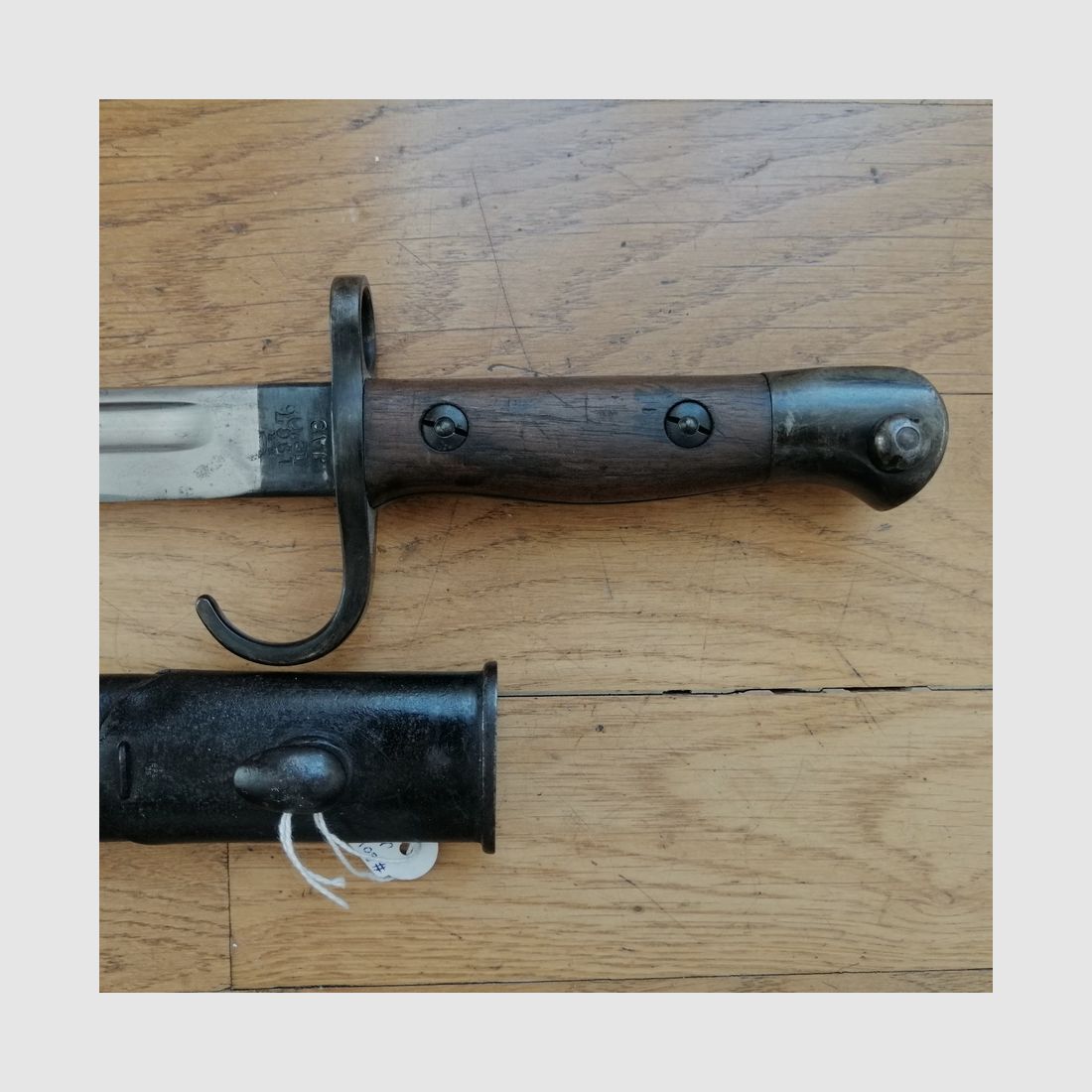
Our example is also from the rarest maker, “J. A.C”, or James A Chapman Ltd, which produced only 14,250 (!!) bayonets of this type by the end of 1911. Ours is dated December 1908, making it one of the very last examples produced with the rare MKI scabbard.
For comparison, the Enfield arsenal produced 175,000 quillon bayonets, of which 99.999% also lost their quillons. This gives you an idea of just how rare Chapman examples of this type are in their original condition, with the quillon and MKI scabbard intact.
Our example is therefore exceptionally rare in more ways than one. Source: Skennerton, British & Commonwealth Bayonets, pages 186 and 187.
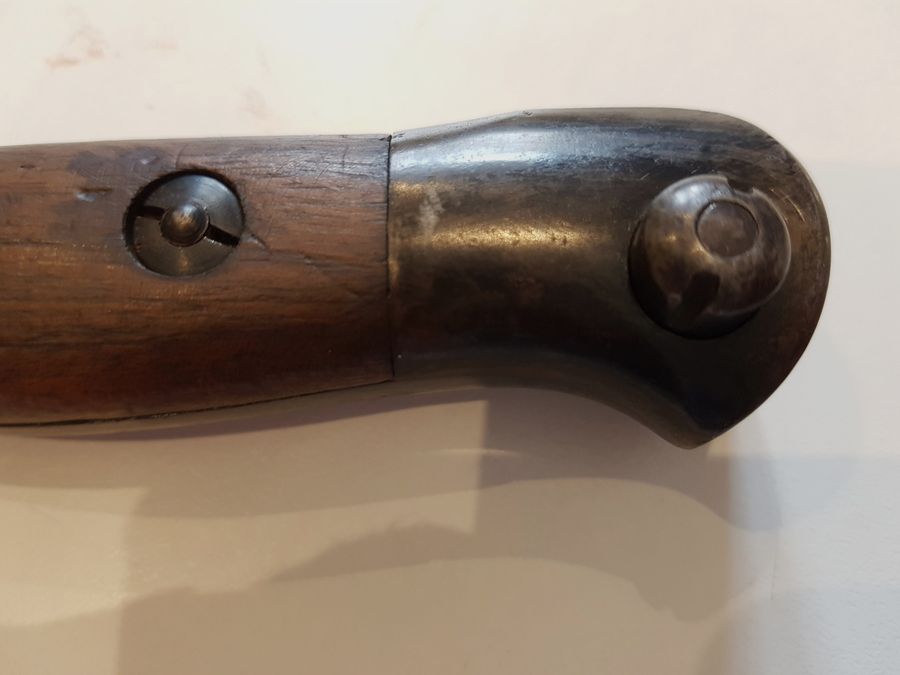
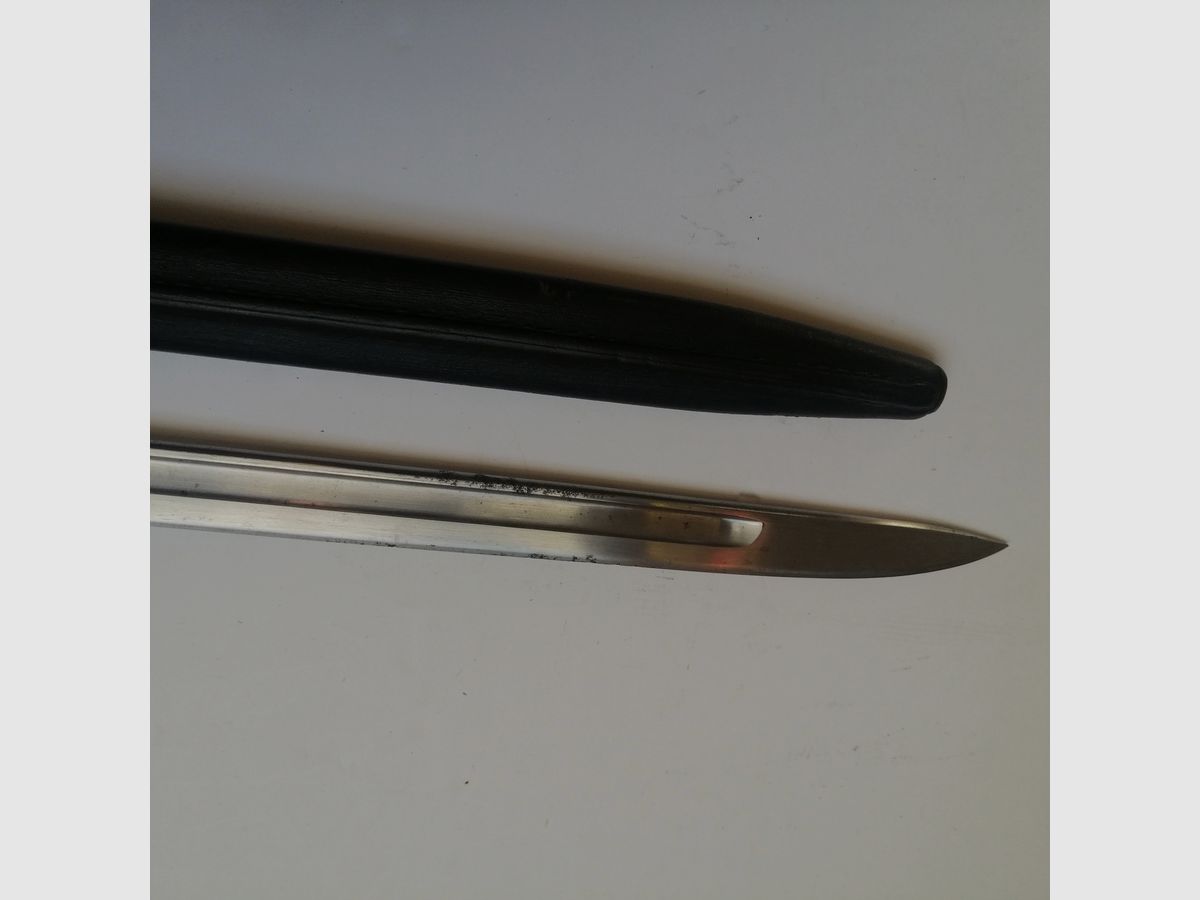
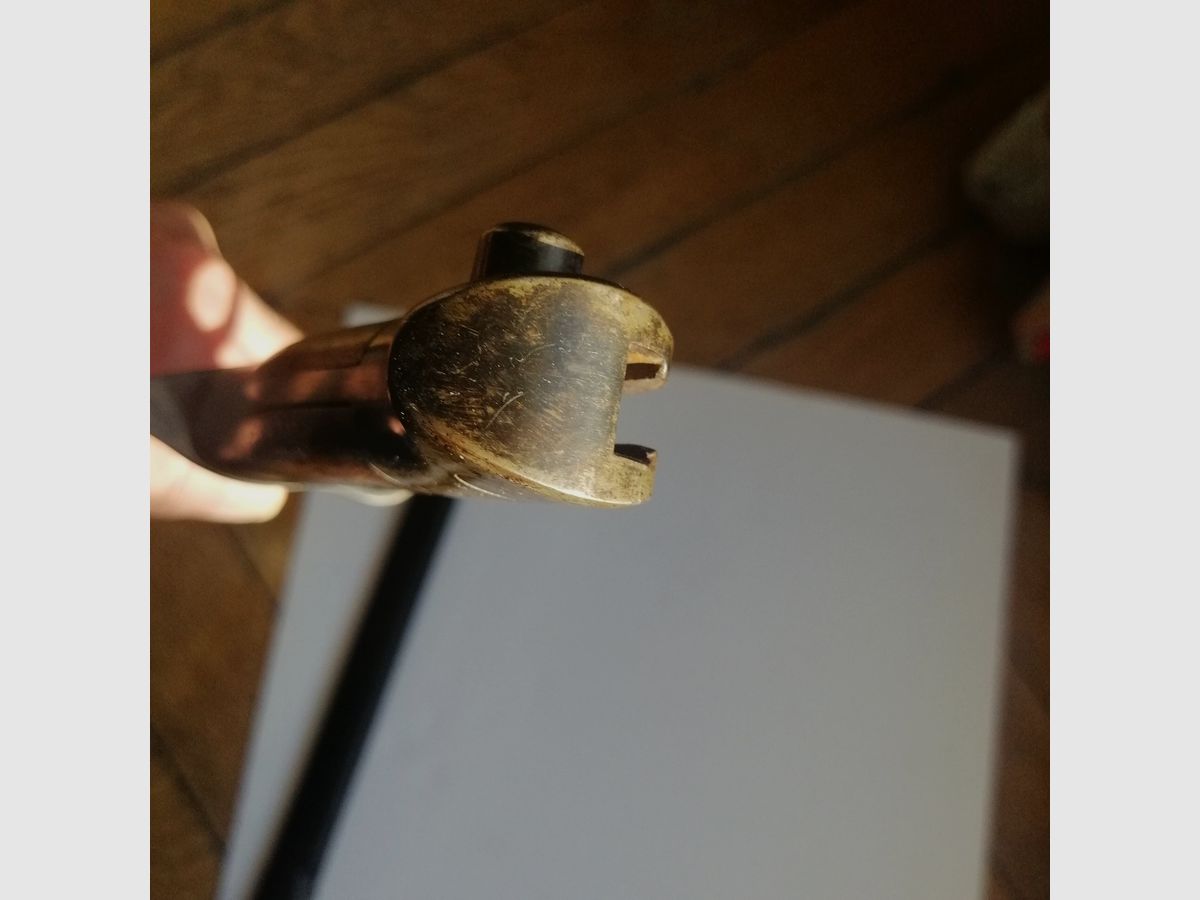
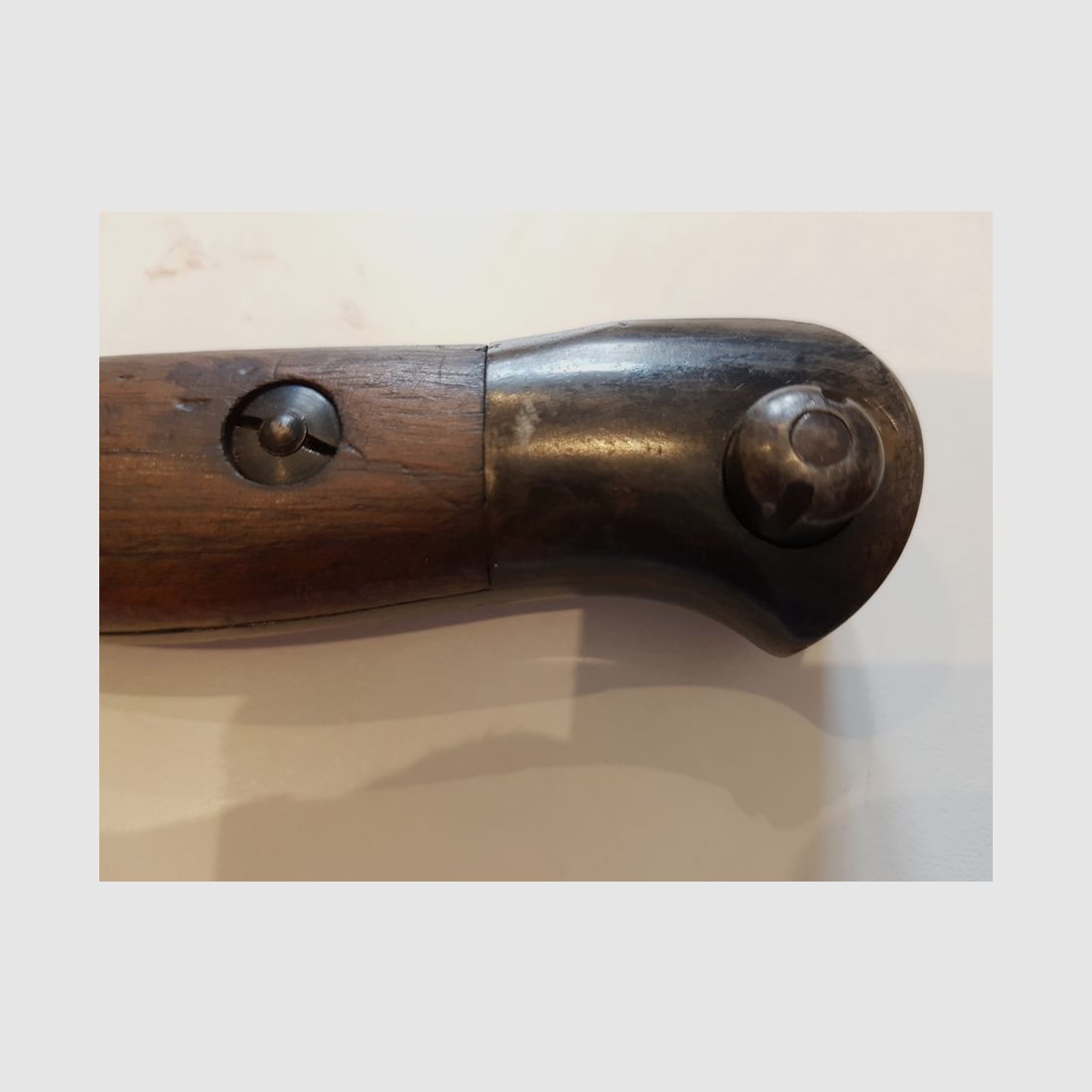
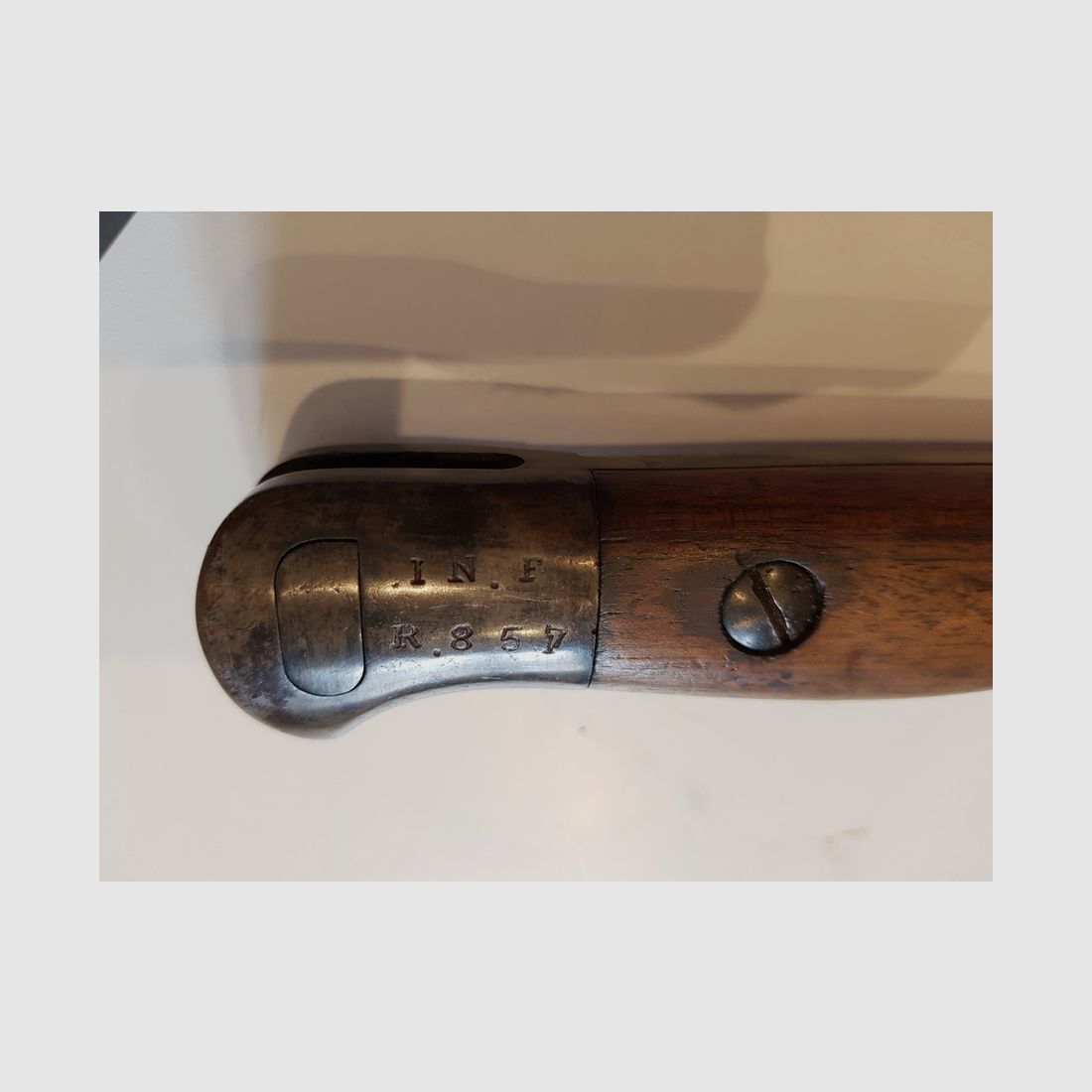
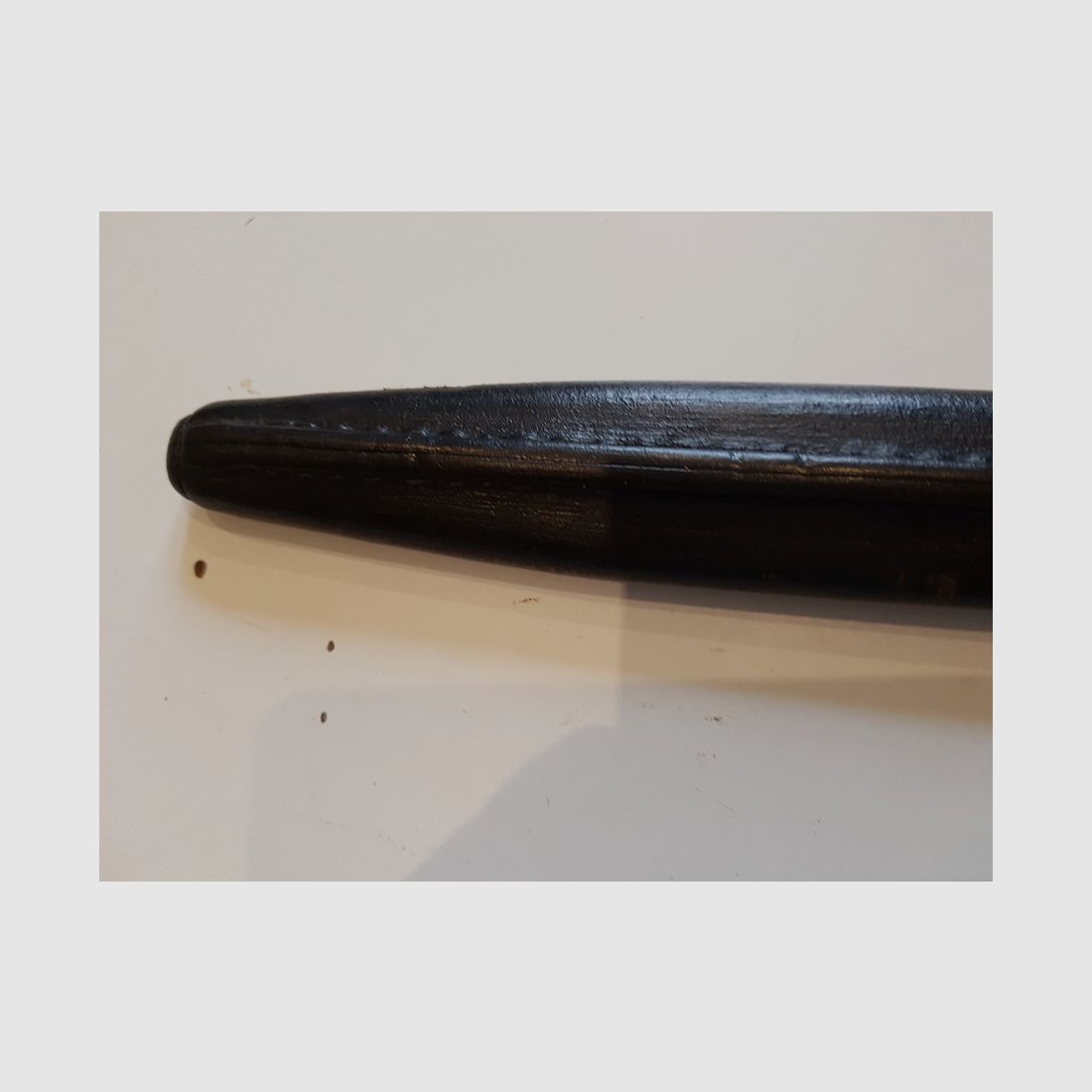
The piece is in exceptional condition: all stamps and markings are crisp; the blade is almost perfect, full length and unsharpened; the wood is in equally good condition. The scabbard is almost perfect, including the stitching, with just a small dent on the left side of the chape. The mechanism is impeccable. A beautiful piece, too, thanks to its exceptional state of preservation.
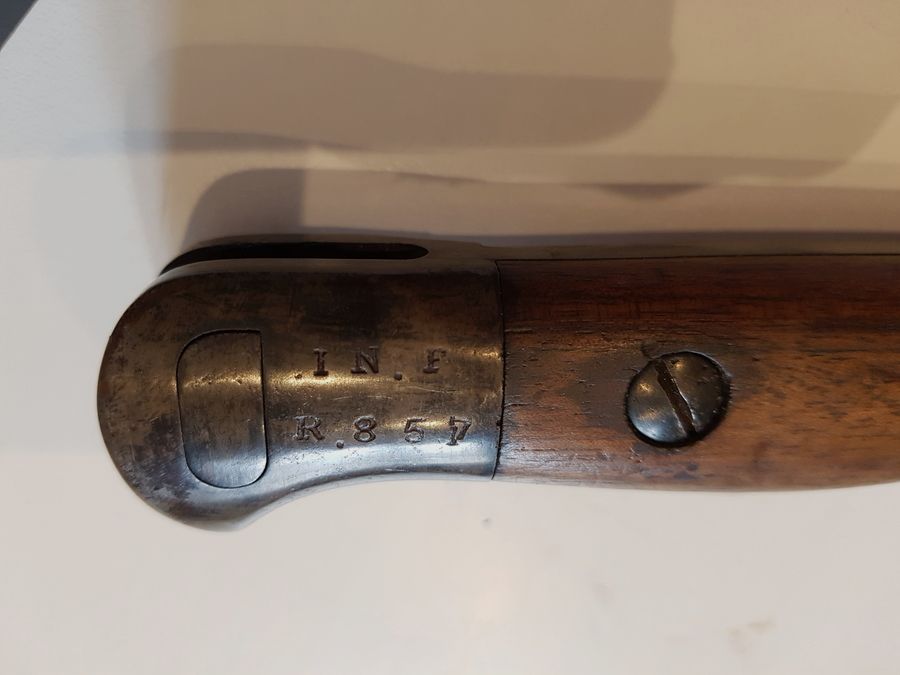
The pommel bears a prestigious regimental marking, In.F.R, referring to the Royal Inniskilling Fusillers Regiment, a regiment of tough Northern Irishmen who distinguished themselves in Gallipoli, Macedonia, the Battle of Le Cateau and the ruthless suppression of the 1916 Easter Rising in Ireland. Tough, politically reliable colonial troops, assigned to every difficult operation.
Most British authors agree that the few 1907 bayonets to retain their quillons belonged to units stationed far away in the Empire, which were never recalled to Great Britain during their postings there in the years before the First World War. This was the case with the 1st Battalion, stationed in Malta, China and then India from 1907 to 1915, before being sent to the Eastern Front in 1915, while the 2nd Battalion was stationed in England from 1910 to 1914. This bayonet therefore almost certainly belonged to the 1st Battalion of the Inniskilling Regiment. It had quite a journey before ending up in an excellent collection…
A legendary British bayonet—the second rarest (after the obscure Pritchard) of all British bayonets from the First World War, especially with the MKI scabbard. There are photographs of British soldiers using these quillon bayonets in the Dardanelles in 1915.
An essential must-have for any collector of British bayonets or rare pieces.
Very scarce Model 1907 bayonet with quillon in the very scarce MKI scabbard – Regimental marking: Royal Inniskilling Fusillers Regiment – Maker: JAC Chapman
Weapon not classified under the CSI, but sale to minors is prohibited: ID required. (Show description in original language)
Du lourd…
Baïonnette du modèle 1907 du rare modèle à quillon pour fusil Lee Enfield Mk I et III – venue dans le rarissime fourreau MKI du premier type. Cette baïonnette n’a donc exceptionnellement pas subi la modification d’octobre 1913 de suppression du quillon qui a affecté la totalité de la production de ces premières 1907 à quelques rares exceptions près. Une des rares rescapées donc…
De plus, cette baïonnette déjà très rare avec son quillon est dans son rarissime fourreau du 1er type à bouterolle terminale interne dite « MK I » ou premier type – Ce modèle de fourreau, d’une qualité exceptionnelle mais difficile à produire, a été supprimé en décembre 1908 pour un fourreau plus classique à double garniture externe qu’on trouve sur la quasi totalité des 1907 nous étant parvenues.
Notre pièce est en outre de la fabrication la plus rare « J. A.C » soit James A Chapman Ltd – qui n »a produit jusque fin 1911 que 14.250 (!!) baïonnettes de ce type. La notre est bien de décembre 1908, une des toutes dernières sorties avec le rare fourreau MKI.
A titre de comparaison, l’arsenal de Enfield en a sorti 175.000 à quillon dont 99,999% n’a pas non plus conservé son quillon. C’est dire la rareté des productions Chapman sur ce type de pièces dans leur état d’origine avec quillon et ayant conservé leur fourreau MKI.
Notre pièce est donc rarissime à un plus d’un titre. Source: Skennerton Brttish & Commonwealth Bayonets pages 186 et 187.
La pièce est dans un état exceptionnel – tous les poinçons et marquages sont nets – une lame quasi parfaite dans sa bonne longueur et non épointée – bois idem. Fourreau en état quasi parfait coutures comprises avec juste un petit coup sur la chape à gauche. Mécanisme impeccable. Une très belle pièce aussi par son état de conservation exceptionnel.
L’arme porte au pommeau une affectation régimentaire prestigieuse au In.F.R qui n’est autre que le Royal Inniskilling Fusillers Regiment un régiment de solides irlandais du Nord qui s’est vaillamment illustré à Galipolli, en Macédoine, dans la bataille du Cateau et dans l’impitoyable répression de l’insurrection de Pâques 1916 en Irlande. Des soldats coloniaux solides, politiquement sûrs, affectés à tous les coups durs.
La plupart des auteurs britanniques s’accordent à dire que les rares 1907 qui ont conservé leur quillon appartenaient à des unités stationnées loin dans l’Empire n’ayant pas été rapatriées en Grande-Bretagne à aucun moment de leurs affectation dans l’Empire dans les années précédant la 1ière guerre mondiale. C’est le cas du 1er bataillon affecté à Malte, en Chine puis en Inde de 1907 à 1915 puis expédié sur le front d’Orient en 1915 alors que le 2d bataillon a été stationné en Angleterre de 1910 à 1914 . Cette baïonnette a donc selon toute vraisemblance appartenu à ce 1st Bataillon du Inniskilling. Elle a donc un peu voyagé avant d’atterrir dans une excellente collection…
Une baïonnette britannique mythique – la seconde plus rare (après l’anecdotique Pritchard) de toutes les baïonnettes britanniques pour la première guerre mondiale surtout dans le fourreau MKI – Il existe des photos de soldats britanniques avec ces baïonnettes à quillon en action dans les Dardanelles en 1915.
Un must indispensable pour tout collectionneur de baïonnettes britanniques ou de pièces rares.
Very scare bayonet model 1907 with quillion in the very scarce MI scabbard – Regimental marking Royal Inniskilling Fusillers Regiment – Maker JAC Chapman
Arme non classée au CSI mais interdite de vente aux mineurs : CNI obligatoire.