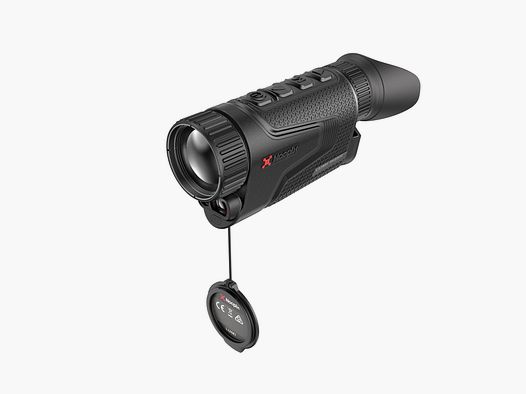
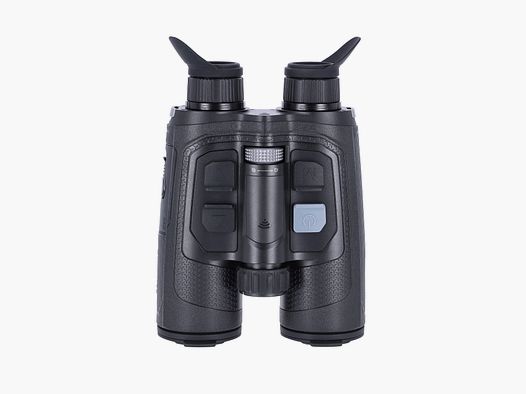
Nocpix OMNI L19R – 8K Multispectral Binocular with LRF
≈ $1,973
Price at the dealer: 1,799 €. Converted at the ECB rate as of November 18, 2026.
No permit required (18+)
72479 Straßberg, Germany
17
ID: 9990863
Purchase from outside the EU: The firearm goes through an importer in your country, the dealer handles the export.
How buying from Europe works
Shop safely with Gunfinder
Our AI-powered seller identity verification makes Gunfinder the safest marketplace online.
Learn more
Details
- Original language
- German
- Brand
- Nocpix
- Product
- Nocpix OMNI L19R
- Category
- Condition
- New
- Location
- 🇩🇪 72479 Straßberg, Germany
- Availability
- In stock
Freshness
This listing is based on a mirrored offer, where the listing data was synced to us from a shop, dealer, or external marketplace. Please note that temporary price discrepancies may occur due to possible delays in data transmission.
- Source
- Black Raptor
- Last checked with the dealer
- about 2 hours ago
Description
Note:
The item is located abroad. Please note that delivery conditions, shipping times, and/or the purchase process may differ.
NOCPIX OMNI L19R · DAY · NIGHT · THERMAL IMAGING
Your hunting grounds change with the light. Your observation doesn't have to stop.
The Nocpix OMNI L19R combines digital day and night vision, thermal imaging, and a laser rangefinder in one pair of binoculars. The 8K digital sensor with 8192 × 6144 pixels provides image data for detailed optical viewing. The separate 384 × 288-pixel thermal sensor with 19-mm F0.9 optics helps you detect temperature contrasts—whether or not the scene is still clearly visible in natural light.
The idea: instead of constantly switching between several observation devices, choose the right imaging channel for the situation. The L19R is the affordable entry point to the OMNI series, without giving up its shared 8K digital platform.
What the OMNI L19R offers
Three observation scenarios, one device
View the scene digitally during the day, adjust the image in twilight, and use thermal imaging or digital night vision in the dark. You choose based on the light and what you're observing, not on how many devices are in your bag.
Low base thermal magnification
Thermal imaging starts at 1.5×, without strong magnification. This makes it easier to begin observing before digitally enlarging an interesting part of the image. The thermal magnification range goes up to 12×.
Fine temperature contrasts
NETD ≤15 mK describes the thermal channel's sensitivity to small temperature differences. Combined with F0.9 optics and 50 Hz, the system is designed for high-contrast, smooth viewing.
Distance information right at hand
The integrated
The laser rangefinder works up to 1,000 m. This gives you a measured distance instead of having to estimate distances on a dark field using just a few reference points.
Who is the L19R right for?
The L19R is especially suited to hunters and nature observers who regularly switch between daylight, dusk, and night and want to combine these tasks in a binocular device. It’s also worth considering if you currently use digital night vision only and want to add a thermal observation channel.
Good reasons to choose the L19R
You want to use the OMNI series’ 8K digital platform and make the most of your budget.
You mainly observe at short to medium distances.
You prefer viewing with both eyes.
Thermal imaging should complement your observation; maximum thermal detail isn’t your only buying criterion.
When to choose something else
For frequent thermal detail observation at longer distances, the OMNI H35R with its 640 sensor is the more interesting alternative. If you want something that fits in your jacket pocket, a compact monocular is a different class of device. Binoculars that work in daylight without power can’t replace an electronic multispectral device in every situation.
Why two image channels offer more than a higher zoom number
A heat source stands out from its surroundings in the thermal image. The digital channel, on the other hand, shows the scene’s optical appearance: outlines, visible surfaces, and, in suitable daylight, colors. Each view answers different questions. Thermal imaging helps you find things; the digital image can reveal additional features.
Nocpix lets you switch channels with a short button press. You can also manually select settings for daylight, dusk, and very low light for digital image processing. This lets you adapt the display to the actual conditions instead of always using the same image profile.
8K digital channel: use image information where details matter
The digital sensor has 8192 × 6144 pixels behind a 50-mm F1.8 lens. Digital observation starts at 3× magnification and goes up to 18×, including digital zoom. The high sensor resolution provides plenty of source data for image processing and viewing cropped sections.
Important for a meaningful comparison: 8K refers to the digital sensor, not the thermal sensor or the display. The image is shown on a 0.5-inch AMOLED round display with 1600 × 1200 pixels. A digitally zoomed section appears larger, but doesn’t gain any newly captured detail. Lighting, focus, and a steady hold remain essential.
Thermal imaging with a 384 sensor and fast F0.9 optics
The thermal channel combines 384 × 288 native pixels, a 12 µm pixel pitch, and 50 Hz with the 19-mm lens. The low base magnification and dedicated digital channel make this a versatile introduction to multispectral observation. F0.9 refers to the aperture ratio of the thermal optics—not magnification.
When choosing between the L19R and H35R, don’t focus only on the maximum zoom figure: the L19R magnifies an image from 110,592 native thermal sensor pixels. The H35R starts with 327,680. This difference in the starting point matters more than the size of the displayed section, especially for frequent thermal detail observation.
Digital night vision, viewing, and controls
The OMNI concept uses a replaceable IR illuminator system for 850 or 940 nm. The IR illumination suited to the model supports the digital night channel when available light isn’t enough. The thermal channel doesn’t need active IR illumination.
The focus and controls are within easy reach of your fingers. Combined with viewing through both eyes, this is designed for long...
designed for observation. For a comfortable start, adjust the eyepiece to suit you, focus on the scene, and choose a display brightness that matches your surroundings. Familiarity with the buttons is especially helpful in the dark and when wearing gloves.
L19R or H35R: same digital platform, different thermal channel
OMNI L19R
384 × 288 · 19 mm F0,9 · 1.5–12× thermal
For a carefully considered entry point, with low native thermal magnification and the combination of digital observation and thermal imaging. The shared 8K digital platform is a key part of its value.
OMNI H35R
640 × 512 · 35 mm F0,9 · 2–16× thermal
For users who prioritize more native thermal image detail. Your investment is primarily in the thermal channel, not a different 8K digital sensor. See the H35R in detail .
Technical specifications – separated by imaging channel
Thermal imaging
Sensor
384 × 288 pixels; 12 µm pixel pitch
Thermal sensitivity
NETD ≤15 mK
Lens
19 mm F0,9
Frame rate
50 Hz
Magnification
1.5× base magnification; up to 12× including digital magnification
Digital day and night vision
Digital sensor
8192 × 6144 pixels
Digital lens
50 mm F1,8
Magnification
3× base magnification; up to 18× including digital magnification
Digital image profiles
Daylight, twilight, and low light; manually selectable
IR system
Interchangeable IR illuminator; 850/940 nm depending on version
Display and rangefinding
Display
0.5-inch round AMOLED display; 1600 × 1200 pixels
Laser rangefinder
Integrated; range up to 1,000 m
Design
Handheld multispectral binoculars with binocular viewing
Storage and operating time
Internal storage
64 GB
Stated runtime
Up to 7.5 hours; depending on use and operating conditions
Device function
Observation; not an attachment or aiming device
What's included
1× Nocpix OMNI L19R multispectral binoculars. Check the specific IR and accessory configuration before ordering. An additional dealer bag or other accessories shown in images are not automatically included in this offer.
Black-Raptor practical tip
Start with the overview, not maximum zoom. Hold the device steady, focus carefully, and first view the scene at low magnification. Then switch channels to check for additional details. The rangefinder provides distance information, while movement and surroundings add context to your observation.
If a situation cannot be clearly identified, it remains unclear. Detection, rangefinding, and positive identification are different tasks. Vegetation, weather, and a lack of temperature contrast limit even high-end technology.
Frequently asked questions about the Nocpix OMNI L19R
Does the L19R have the same 8K technology as the H35R?
Yes. Both use the digital platform with 8192 × 6144 pixels and a 50 mm F1,8 digital lens. The key model difference is the thermal imaging channel: 384 × 288 pixels and 19 mm on the L19R, compared with 640 × 512 pixels and 35 mm on the H35R.
Are 12× thermal and 18× digital magnifications optical?
No. The L19R's base magnifications are 1.5× thermal and 3× digital. The higher maximum values include digital magnification. More zoom enlarges the image, but does not add native sensor resolution.
What does a multispectral binocular offer over a thermal-only device?
In addition to the thermal image, you can use digital day and night vision. This gives you access to different types of image information without needing a separate handheld device for each channel.
Does the OMNI need an IR illuminator at night?
Thermal imaging works without active IR illumination. For the digital night channel, a suitable IR illuminator may be needed in low or no ambient light. Check the exact IR configuration as part of the product details.
offered configuration.
When is it worth switching to the H35R?
If you use the thermal channel extensively and want more native thermal image detail at longer distances. The H35R combines a 640 × 512-pixel sensor with 35 mm optics. You don’t need to switch just to get the shared 8K digital platform.
What does NETD ≤15 mK mean?
NETD measures sensitivity to small temperature differences. A low value is particularly useful when temperature contrast is low. Actual image quality also depends on the optics, image processing and viewing conditions.
Does the 1,000 m measurement range also mean a reliable detection distance?
No. The LRF range refers to distance measurement. Whether an animal or detail can be clearly recognized depends on the imaging channel, distance, lighting, weather and unobstructed visibility. This does not imply a general identification distance.
Our assessment
The OMNI L19R is an interesting option if you really want to use digital day/night vision and thermal imaging together. Its advantage isn’t competing for the highest thermal resolution, but offering versatile observation with the same 8K digital platform as the H35R—while making more deliberate use of your budget.
Compare the Nocpix devices and our selection of thermal imaging & night vision. We’ll help you work out which features you actually need in the field. (Show description in original language)
.br-product-v3{--br-ink:#18221b;--br-muted:#56635b;--br-deep:#10271d;--br-gold:#efd18c;--br-soft:#f4f7f4;--br-line:#d9e2db;font-family:Arial,Helvetica,sans-serif;font-size:1rem;line-height:1.7;color:var(--br-ink);max-width:100%;overflow-wrap:break-word}.br-product-v3 *{box-sizing:border-box}.br-product-v3 p{margin:0 0 14px}.br-product-v3 .br-hero-v3,.br-product-v3 .br-final{background:var(--br-deep);color:#fff;border-top:3px solid var(--br-gold);border-radius:12px;padding:25px;margin:0 0 22px}.br-product-v3 .br-kicker{color:var(--br-gold);font-size:.8rem;letter-spacing:.08em;margin-bottom:10px}.br-product-v3 .br-headline{font-size:1.55rem;line-height:1.3;font-weight:800;margin-bottom:15px}.br-product-v3 .br-section-title{font-size:1.2rem;line-height:1.4;font-weight:800;margin:28px 0 13px}.br-product-v3 .br-grid,.br-product-v3 .br-specs{display:grid;grid-template-columns:repeat(2,minmax(0,1fr));gap:14px;margin-bottom:16px}.br-product-v3 .br-card,.br-product-v3 .br-box{padding:18px;border:1px solid var(--br-line);background:var(--br-soft);border-radius:10px}.br-product-v3 .br-box{margin:16px 0}.br-product-v3 .br-card-title{display:block;font-size:1.04rem;margin-bottom:9px}.br-product-v3 .br-note{color:var(--br-muted);font-size:.9rem}.br-product-v3 ul{margin:8px 0 0;padding-left:21px}.br-product-v3 li{margin:6px 0}.br-product-v3 dl{margin:0}.br-product-v3 dt{font-weight:700;margin-top:9px}.br-product-v3 dd{margin:1px 0 9px}.br-product-v3 details{border:1px solid var(--br-line);border-radius:8px;padding:14px 16px;margin:9px 0;background:var(--br-soft)}.br-product-v3 summary{font-weight:700;cursor:pointer}.br-product-v3 details p{margin:12px 0 0}.br-product-v3 a{color:#245d3e;text-decoration:underline;text-underline-offset:3px}.br-product-v3 .br-final a{color:var(--br-gold)}.br-product-v3 .br-final{margin-top:25px}.br-product-v3 .br-hero-v3 p:last-child,.br-product-v3 .br-card p:last-child,.br-product-v3 .br-box p:last-child,.br-product-v3 .br-final p:last-child{margin-bottom:0}@media(max-width:700px){.br-product-v3 .br-grid,.br-product-v3 .br-specs{grid-template-columns:1fr}.br-product-v3 .br-headline{font-size:1.3rem}.br-product-v3 .br-hero-v3,.br-product-v3 .br-final{padding:19px}.br-product-v3 .br-card,.br-product-v3 .br-box{padding:15px}}
NOCPIX OMNI L19R · TAG · NACHT · WÄRMEBILD
Dein Revier verändert sich mit dem Licht. Deine Beobachtung muss nicht aufhören.
Das Nocpix OMNI L19R vereint digitale Tag- und Nachtsicht, Wärmebild und einen Laser-Entfernungsmesser in einem Fernglas. Der 8K-Digitalsensor mit 8192 × 6144 Pixeln liefert die Bildinformationen für die optische Detailbetrachtung. Der separate 384 × 288-Pixel-Wärmebildsensor mit 19-mm-F0,9-Optik hilft dir, Temperaturkontraste zu entdecken – unabhängig davon, ob die Szene im sichtbaren Licht noch gut erkennbar ist.
Die Idee dahinter: nicht ständig zwischen mehreren Beobachtungsgeräten wechseln, sondern für die jeweilige Situation den passenden Bildkanal wählen. Das L19R ist der preisbewusste Einstieg in die OMNI-Serie, ohne auf deren gemeinsame 8K-Digitalplattform zu verzichten.
Das bringt dir das OMNI L19R
Drei Beobachtungssituationen, ein Gerät
Tagsüber die Szene digital betrachten, in der Dämmerung die Bilddarstellung anpassen und bei Dunkelheit Wärmebild oder digitale Nachtsicht nutzen. Du entscheidest nach Licht und Beobachtungsaufgabe, nicht nach der Zahl der Geräte in deiner Tasche.
Niedrige thermische Grundvergrößerung
Mit 1,5× startet das Wärmebild ohne starke Vergrößerung. Das erleichtert den Einstieg in die Beobachtung, bevor du einen interessanten Bildausschnitt digital größer darstellst. Der thermische Vergrößerungsbereich reicht bis 12×.
Feine Temperaturkontraste
NETD ≤15 mK beschreibt die Empfindlichkeit des Wärmekanals gegenüber kleinen Temperaturunterschieden. Zusammen mit F0,9-Optik und 50 Hz ist das System auf kontrastreiche, flüssige Beobachtung ausgelegt.
Distanzinformation direkt dabei
Der integrierte Laser-Entfernungsmesser arbeitet bis 1.000 m. Damit erhältst du einen Messwert, statt Entfernungen auf einer dunklen Wiese ausschließlich anhand weniger Bezugspunkte schätzen zu müssen.
Für wen ist das L19R die passende Wahl?
Das L19R passt besonders zu Jägern und Naturbeobachtern, die regelmäßig zwischen Tageslicht, Dämmerung und Nacht wechseln und diese Aufgaben in einem binokularen Gerät bündeln möchten. Interessant ist es auch, wenn du bisher rein digitale Nachtsicht nutzt und zusätzlich einen thermischen Beobachtungskanal möchtest.
Gute Gründe für das L19R
Du möchtest die 8K-Digitalplattform der OMNI-Serie nutzen und dein Budget bewusst einsetzen.
Du beobachtest überwiegend auf kurze bis mittlere Entfernungen.
Du bevorzugst den Einblick mit beiden Augen.
Wärmebild soll deine Beobachtung ergänzen; maximale thermische Detailreserve ist nicht dein einziges Kaufkriterium.
Wann du anders wählen solltest
Für häufige Wärmebild-Detailbeobachtung auf größere Entfernung ist das OMNI H35R mit 640er Sensor die interessantere Alternative. Für die Jackentasche ist ein kompaktes Monokular eine andere Geräteklasse. Ein stromunabhängiges Tageslichtfernglas ersetzt ein elektronisches Multispektralgerät nicht in jeder Situation.
Warum zwei Bildkanäle mehr bringen als eine höhere Zoomzahl
Eine Wärmequelle hebt sich im thermischen Bild von ihrem Umfeld ab. Der digitale Kanal zeigt dagegen die optische Erscheinung der Szene: Konturen, sichtbare Oberflächen und bei geeignetem Tageslicht auch Farben. Beide Ansichten beantworten unterschiedliche Fragen. Wärmebild unterstützt das Auffinden; das digitale Bild kann zusätzliche Merkmale liefern.
Nocpix ermöglicht den Kanalwechsel per kurzem Tastendruck. Für die digitale Bildverarbeitung stehen außerdem manuell wählbare Einstellungen für Tageslicht, Dämmerung und sehr wenig Licht bereit. So lässt sich die Darstellung an die tatsächliche Situation anpassen, statt immer mit demselben Bildprofil zu arbeiten.
8K-Digitalkanal: Bildinformationen dort nutzen, wo Details zählen
Der digitale Sensor arbeitet mit 8192 × 6144 Pixeln hinter einem 50-mm-F1,8-Objektiv . Die digitale Beobachtung beginnt bei 3× Grundvergrößerung und reicht einschließlich digitaler Vergrößerung bis 18×. Die hohe Sensorauflösung stellt viele Ausgangsdaten für die Bildverarbeitung und die Betrachtung von Ausschnitten bereit.
Wichtig für einen sinnvollen Vergleich: 8K bezeichnet den Digitalsensor , nicht den Wärmesensor und nicht das Display. Angezeigt wird das Bild auf einem 0,5-Zoll-AMOLED-Runddisplay mit 1600 × 1200 Pixeln. Ein digital vergrößerter Ausschnitt wird größer dargestellt, gewinnt dadurch aber keine neu aufgenommenen Details. Beleuchtung, Fokus und eine ruhige Haltung bleiben entscheidend.
Wärmebild mit 384er Sensor und lichtstarker F0,9-Optik
Der Wärmebildkanal kombiniert 384 × 288 native Bildpunkte, 12 µm Pixelpitch und 50 Hz mit dem 19-mm-Objektiv. Die niedrige Grundvergrößerung und der eigenständige Digitalkanal ergeben einen vielseitigen Einstieg in die Multispektralbeobachtung. F0,9 steht dabei für das Öffnungsverhältnis der Wärmebildoptik – nicht für eine Vergrößerung.
Bei der Wahl zwischen L19R und H35R solltest du dich nicht allein an der maximalen Zoomangabe orientieren: Das L19R vergrößert ein Bild aus 110.592 nativen Wärmesensorpixeln. Das H35R startet mit 327.680. Gerade bei häufiger thermischer Detailbetrachtung ist diese unterschiedliche Ausgangsbasis wichtiger als die bloße Größe des dargestellten Ausschnitts.
Digitale Nachtsicht, Einblick und Bedienung
Das OMNI-Konzept arbeitet mit einem austauschbaren IR-Strahlersystem für 850 beziehungsweise 940 nm . Die zur Ausführung passende IR-Beleuchtung unterstützt den digitalen Nachtkanal, wenn das vorhandene Licht nicht ausreicht. Der Wärmekanal benötigt keine aktive IR-Ausleuchtung.
Fokus und Bedienelemente liegen in natürlicher Fingerreichweite. Zusammen mit dem Einblick für beide Augen ist das auf längere Beobachtung ausgelegt. Für einen angenehmen Start stellst du den Einblick passend ein, fokussierst die Szene und wählst eine Displayhelligkeit, die zur Umgebung passt. Vertrautheit mit den Tasten hilft besonders bei Dunkelheit und mit Handschuhen.
L19R oder H35R: gleiche Digitalplattform, anderer Wärmekanal
OMNI L19R
384 × 288 · 19 mm F0,9 · 1,5–12× thermisch
Für den bewusst kalkulierten Einstieg, niedrige thermische Grundvergrößerung und die Kombination von digitaler Beobachtung mit Wärmebild. Die gemeinsame 8K-Digitalplattform ist ein wesentlicher Teil seines Nutzens.
OMNI H35R
640 × 512 · 35 mm F0,9 · 2–16× thermisch
Für Anwender, die mehr native thermische Bildinformationen priorisieren. Du investierst vor allem in den Wärmekanal, nicht in einen anderen 8K-Digitalsensor. H35R im Detail ansehen .
Technische Daten – nach Bildkanal getrennt
Wärmebild
Sensor
384 × 288 Pixel; 12 µm Pixelpitch
Thermische Empfindlichkeit
NETD ≤15 mK
Objektiv
19 mm F0,9
Bildfrequenz
50 Hz
Vergrößerung
1,5× Grundvergrößerung; bis 12× einschließlich digitaler Vergrößerung
Digitale Tag- und Nachtsicht
Digitalsensor
8192 × 6144 Pixel
Digitalobjektiv
50 mm F1,8
Vergrößerung
3× Grundvergrößerung; bis 18× einschließlich digitaler Vergrößerung
Digitale Bildprofile
Tageslicht, Dämmerung und schwaches Licht; manuell wählbar
IR-System
Austauschbare IR-Beleuchtung; 850/940 nm je Ausführung
Anzeige und Entfernungsmessung
Display
0,5 Zoll AMOLED-Runddisplay; 1600 × 1200 Pixel
Laser-Entfernungsmesser
Integriert; Messreichweite bis 1.000 m
Bauform
Handgehaltenes Multispektral-Fernglas mit binokularem Einblick
Speicher und Betriebsdauer
Interner Speicher
64 GB
Angegebene Laufzeit
Bis zu 7,5 Stunden; abhängig von Nutzung und Betriebsbedingungen
Gerätefunktion
Beobachtung; kein Vorsatz- oder Zielgerät
Lieferumfang
1× Nocpix OMNI L19R Multispektral-Fernglas. Die konkrete IR- und Zubehörbestückung ist vor Bestellung abzugleichen. Eine zusätzliche Händlertasche oder weiteres auf Bildern gezeigtes Zubehör ist nicht automatisch Bestandteil dieses Angebots.
Black-Raptor-Praxistipp
Beginne mit dem Überblick, nicht mit dem Maximalzoom. Halte das Gerät ruhig, fokussiere sorgfältig und betrachte die Szene zunächst bei niedriger Vergrößerung. Wechsle dann den Kanal, um zusätzliche Merkmale zu prüfen. Der Entfernungsmesser liefert Distanzinformationen, während Bewegung und Umfeld die Beobachtung ergänzen.
Eine nicht eindeutig erkennbare Situation bleibt unklar. Detektion, Entfernungsmessung und sichere Identifikation sind unterschiedliche Aufgaben. Bewuchs, Wetter und fehlender Temperaturkontrast setzen auch hochwertiger Technik Grenzen.
Häufige Fragen zum Nocpix OMNI L19R
Hat das L19R dieselbe 8K-Technik wie das H35R?
Ja. Beide verwenden die Digitalplattform mit 8192 × 6144 Pixeln und ein 50-mm-F1,8-Digitalobjektiv. Der entscheidende Modellunterschied liegt im Wärmebildkanal: 384 × 288 Pixel und 19 mm beim L19R gegenüber 640 × 512 Pixeln und 35 mm beim H35R.
Sind 12× Wärmebild und 18× digital optische Vergrößerungen?
Nein. Die Grundvergrößerungen betragen beim L19R 1,5× thermisch und 3× digital. Die höheren Endwerte beinhalten digitale Vergrößerung. Mehr Zoom vergrößert den Ausschnitt, erzeugt aber keine zusätzliche native Sensorauflösung.
Was bringt mir ein Multispektral-Fernglas gegenüber einem reinen Wärmebildgerät?
Du kannst zusätzlich zur thermischen Darstellung die digitale Tag- und Nachtsicht verwenden. Dadurch stehen unterschiedliche Bildinformationen zur Verfügung, ohne dass du für jeden Kanal ein separates Handgerät brauchst.
Braucht das OMNI bei Nacht einen IR-Strahler?
Wärmebild funktioniert ohne aktive IR-Beleuchtung. Für den digitalen Nachtkanal kann bei wenig oder fehlendem Restlicht ein passender IR-Strahler erforderlich sein. Die genaue IR-Bestückung gehört zum Abgleich der angebotenen Ausführung.
Wann lohnt sich der Wechsel zum H35R?
Wenn du den Wärmekanal intensiv nutzt und auf größere Entfernungen mehr native thermische Bildinformationen möchtest. Das H35R kombiniert einen 640 × 512-Pixel-Sensor mit 35-mm-Optik. Für die gemeinsame 8K-Digitalplattform allein ist der Wechsel nicht erforderlich.
Was sagt NETD ≤15 mK aus?
NETD ist ein Maß für die Empfindlichkeit gegenüber kleinen Temperaturunterschieden. Ein niedriger Wert ist insbesondere bei geringem Temperaturkontrast interessant. Die reale Bildqualität hängt zusätzlich von Optik, Bildverarbeitung und Beobachtungsbedingungen ab.
Ist die Messreichweite von 1.000 m zugleich die sichere Erkennungsdistanz?
Nein. Die LRF-Reichweite betrifft die Entfernungsmessung. Ob ein Tier oder ein Detail eindeutig erkennbar ist, hängt vom Bildkanal, der Entfernung, Beleuchtung, Witterung und freien Sicht ab. Daraus folgt keine pauschale Identifikationsdistanz.
Unsere Einordnung
Das OMNI L19R ist interessant, wenn du digitale Tag-/Nachtsicht und Wärmebild wirklich gemeinsam einsetzen möchtest. Sein Vorteil ist nicht der Wettbewerb um die größte Wärmebildauflösung, sondern die vielseitige Beobachtung mit derselben 8K-Digitalplattform wie beim H35R – bei bewussterem Budgeteinsatz.
Vergleiche die Nocpix-Geräte und unsere Auswahl an Wärmebild & Nachtsicht . Wir beraten dich danach, welche Funktionen du im Revier tatsächlich brauchst.