-10 %


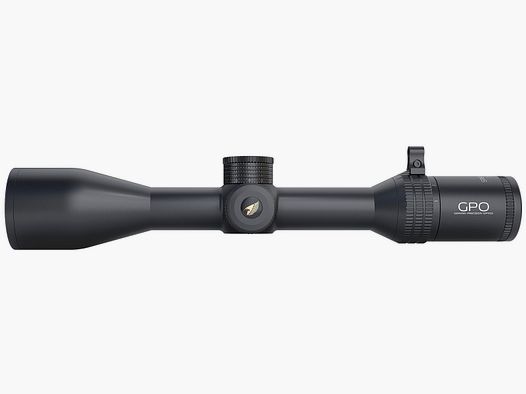
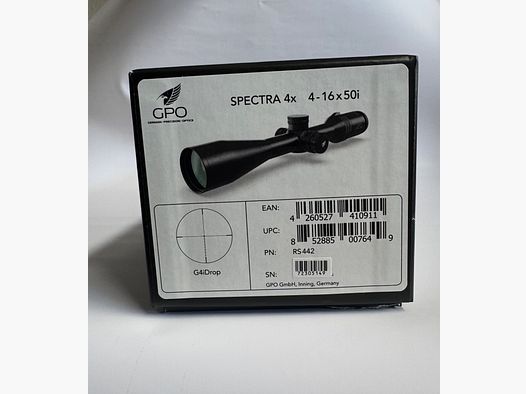
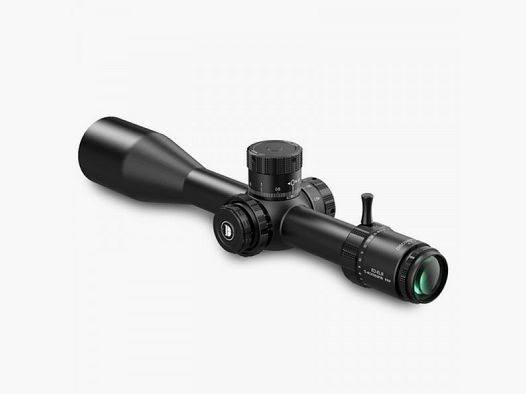
GPO Spectra 6x 4.5-27x50i PLRi FFP CCW riflescope
Price at the dealer: 1,329 €. Converted at the ECB rate as of October 23, 2026.
No permit required (18+)
72479 Straßberg, Germany
11
ID: 9894965
Purchase from outside the EU: The firearm goes through an importer in your country, the dealer handles the export.
How buying from Europe works
Shop safely with Gunfinder
Our AI-powered seller identity verification makes Gunfinder the safest marketplace online.
Learn more
Details
- Original language
- German
- Brand
- GPO
- Category
- Condition
- New
- Location
- 🇩🇪 72479 Straßberg, Germany
- Availability
- In stock
Freshness
This listing is based on a mirrored offer, where the listing data was synced to us from a shop, dealer, or external marketplace. Please note that temporary price discrepancies may occur due to possible delays in data transmission.
- Source
- Black Raptor
- Last updated
- about 4 hours ago
Description
Note:
The item is located abroad. Please note that delivery conditions, shipping times, and/or the purchase process may differ.
font-family: Arial, Helvetica, sans-serif;
line-height:1.6;
color:#222;
}
.br-product h1{
font-size:1.4rem;
margin-bottom:10px;
}
.br-product h2{
font-size:1.2rem;
margin-top:28px;
}
.br-product ul{
padding-left:18px;
}
.br-product .info-box{
background:#ffdddd;
border-left:6px solid #c40000;
padding:12px;
margin:20px 0;
}
.br-product .tip-box{
background:#eef6ff;
border-left:6px solid #2a6fdb;
padding:12px;
margin:20px 0;
}
.br-product .trust-box{
background:#eaf7ea;
border-left:6px solid #2f8f2f;
padding:12px;
margin:20px 0;
}
.br-product .compare-box{
background:#f5f5f5;
border-left:6px solid #444;
padding:12px;
margin:20px 0;
}
.br-product details{
background:#f2f2f2;
padding:10px;
margin-bottom:8px;
border-radius:4px;
}
.br-product summary{
font-weight:600;
cursor:pointer;
}
GPO Spectra 6x 4.5-27x50i PLRi FFP CCW scope – practically classified for hunting and shooting range
A scope is only good if it really works in your setup.
The GPO Spectra 6x 4.5-27x50i PLRi FFP CCW scope is not just any glass off the shelf, but an optic for long range, precision shooting, distance training, and controlled work with holdover marks. The practical benefit comes from the interplay of magnification range, reticle, mounting, eye relief, and consistent point of impact.
This is not about "more zoom is better," but about control. FFP ensures that holdover marks remain usable correctly across the magnification range. PLRi and 0.1-mrad logic are designed for shooters who work with data.
Why exactly this glass?
✔ Magnification: 4.5-27x – suitable for long range, precision shooting, distance training, and controlled work with holdover marks
✔ Objective: 50 mm – sensible compromise between image quality and size
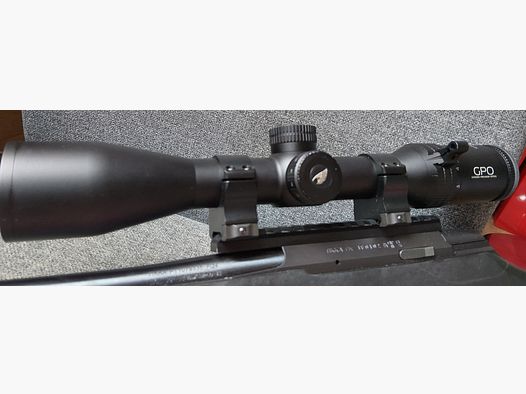
✔ Mounting: without rail / 34 mm ring mount
✔ Reticle: PLRi FFP / illuminated
✔ Practical use: not "more tech," but better control in the right scenario
Why this product?
This scope is the right choice when your use profile matches the optic. That is more important than pure maximum values.
You get the right magnification range: 4.5-27x is designed for long range, precision shooting, distance training, and controlled work with holdover marks.
You build a functioning system: optic, mounting, eye relief, and zero must fit together.
You work more controlled: the right glass reduces search movements, unstable shooting position, and unnecessary readjustments.
You avoid bad purchases: this model is not meant for fast hunting at short distances; it is a precision optic, not a stalking scope.
The honest classification:
❌ Bought wrong: maximum magnification or large objectives without relation to use
✔ Chosen right: magnification, mounting type, and reticle matching terrain, discipline, and shooting position
This is exactly where it decides whether a scope supports you – or slows you down at the crucial moment.
Practical tip:
Zero your scope cleanly, document ammunition lot, temperature, and click values. Then check tracking and return-to-zero at the range. At 27x you see errors that remain hidden at 10x.
Most important features
4.5-27x magnification for long range, precision shooting, distance training, and controlled work with holdover marks
50 mm objective diameter
34 mm main tube
PLRi FFP / illuminated
without rail / 34 mm ring mount
Transmission: approx. 92 %
Field of view / working range: 7.1–1.3 m at 100 m
Weight: long-range class
Length: approx. 360 mm
Our assessment
Many product texts describe scopes only by magnification and objective diameter. That’s not enough. What matters is how you really use the glass: quickly from the shooting position, steady rested, in low light, at the range, or with repeatable turret/zero logic.
With the GPO Spectra 6x 4.5-27x50i PLRi FFP CCW scope, the
Nutzen klar bei: Long Range, precision shooting, distance training, and controlled work with holdover marks. If this is exactly your use, you get a coherent scope. If your focus lies elsewhere, you should consciously choose a different model.
34 mm barrel means more adjustment range and a robust mounting base. Use high-quality rings, align the scope precisely, and check for canting – otherwise, you waste performance.
For whom suitable
Hunters: if the magnification range fits your hunting ground and type of hunting.
Sport shooters: if you need a reproducible setup with a clean zero and controlled adjustment.
Hunting ground users: if you want not only optical performance but a practical combination of weight, design, and usability.
Demanding users: if you consciously choose your scope and don’t buy by the principle “max size = max quality.”
Why exactly for you?
If you want to know if this scope fits, don’t ask for the datasheet first. Ask: At what distance do I mostly use it, how quickly do I need to get on target, and how important are weight, mounting type, and light transmission?
Important note:
After every mounting, scope change, and relevant setup change, the point of impact must be checked. A good scope does not replace professional mounting and proper zeroing.
Also pay attention to safe firearm handling, suitable mounting components, and the applicable legal requirements.
Magnification in practice
Magnification not only determines how large the target appears. It also affects field of view, image stability, and speed.
Low magnification: more overview, faster target acquisition, better for movement.
Medium magnification: often the best working range for hunting grounds and ranges.
High magnification: more detail, but more sensitive to shaking, mirage, parallax, and unstable shooting position.
Practical rule: don’t automatically turn it up to max – as much magnification as necessary, as little as possible.
Reticle, zero & point of impact
An illuminated reticle only brings real added value if used correctly. For quick target acquisition, a clear illuminated dot helps; for precise work, a clean aiming point without glare counts.
Zero: always zero with your actual ammunition, not with any reference value.
Point of impact: check after mounting, transport, or hard shocks.
Illuminated dot: set as low as possible so it helps and doesn’t dazzle.
Documentation: note distance, ammunition, click values, and special features – especially with frequently changing setups.
Features & construction / contents
Variable scope optics with 4.5-27x magnification range
50 mm objective as a practical compromise of light, weight, and size
34 mm main tube for suitable mounting components
PLRi FFP / illuminated for clear target acquisition
without rail / 34 mm ring mounting for the chosen setup concept
Suitable for Long Range, precision shooting, distance training, and controlled work with holdover marks
Technical data
Brand: GPO
Model: Spectra 6x 4.5-27x50i PLRi FFP CCW
Product type: scope
Magnification: 4.5-27x
Objective diameter: 50 mm
Main tube: 34 mm
Reticle / version: PLRi FFP / illuminated
Mounting type: without rail / 34 mm ring mounting
Transmission: approx. 92 %
Field of view / working range: 7.1–1.3 m at 100 m
Weight: Long Range class
Length: approx. 360 mm
FAQ
For which use is this scope most suitable?
It is strongest for Long Range, precision shooting, distance training, and controlled work with holdover marks. If your focus is clearly different, you should consciously choose a different model.
What practical benefit does the magnification range bring me?
The range 4.5-27x determines whether the sc...
as rather fast, universal or distance-oriented. Low values provide overview, high values more detail – but also higher demands on position and image stability.
What do I need to consider for mounting and zeroing?
Mounting height, eye relief, horizontal alignment, and stress-free attachment are crucial. After that, the point of impact must be checked with your ammunition and properly documented.
Is this model better than a larger scope?
Not automatically. Bigger doesn’t always mean better. What matters is whether size, weight, light performance, and magnification fit your actual use.
What magnification should I preset for use?
For fast situations, rather the lower range. For stand hunting or ambush, usually a medium working range. Maximum magnification only when position, light, and target image really allow it.
Especially in the area of GPO scopes, hunting optics, and precision optics, not only the technical equipment matters but the right combination of magnification, mounting, reticle, and reproducible point of impact. (Show description in original language)
.br-product{
font-family: Arial, Helvetica, sans-serif;
line-height:1.6;
color:#222;
}
.br-product h1{
font-size:1.4rem;
margin-bottom:10px;
}
.br-product h2{
font-size:1.2rem;
margin-top:28px;
}
.br-product ul{
padding-left:18px;
}
.br-product .info-box{
background:#ffdddd;
border-left:6px solid #c40000;
padding:12px;
margin:20px 0;
}
.br-product .tip-box{
background:#eef6ff;
border-left:6px solid #2a6fdb;
padding:12px;
margin:20px 0;
}
.br-product .trust-box{
background:#eaf7ea;
border-left:6px solid #2f8f2f;
padding:12px;
margin:20px 0;
}
.br-product .compare-box{
background:#f5f5f5;
border-left:6px solid #444;
padding:12px;
margin:20px 0;
}
.br-product details{
background:#f2f2f2;
padding:10px;
margin-bottom:8px;
border-radius:4px;
}
.br-product summary{
font-weight:600;
cursor:pointer;
}
GPO Spectra 6x 4,5-27x50i PLRi FFP CCW Zielfernrohr – praxisnah eingeordnet für Jagd und Schießstand
Ein Zielfernrohr ist nur dann gut, wenn es in deinem Setup wirklich funktioniert.
Das GPO Spectra 6x 4,5-27x50i PLRi FFP CCW Zielfernrohr ist kein beliebiges Glas aus dem Regal, sondern eine Optik für Long Range, Präzisionsschießen, Distanztraining und kontrolliertes Arbeiten mit Haltemarken. Der praktische Nutzen entsteht aus dem Zusammenspiel von Vergrößerungsbereich, Absehen, Montage, Augenabstand und sauberer Treffpunktlage.
Hier geht es nicht um „mehr Zoom ist besser“, sondern um Kontrolle. FFP sorgt dafür, dass Haltemarken über den Vergrößerungsbereich korrekt nutzbar bleiben. PLRi und 0,1-mrad-Logik sind für Schützen gedacht, die mit Daten arbeiten.
Warum genau dieses Glas?
✔ Vergrößerung: 4,5-27x – passend für Long Range, Präzisionsschießen, Distanztraining und kontrolliertes Arbeiten mit Haltemarken
✔ Objektiv: 50 mm – sinnvoller Kompromiss aus Bildleistung und Baugröße
✔ Montage: ohne Schiene / 34-mm-Ringmontage
✔ Absehen: PLRi FFP / beleuchtet
✔ Praxiseinsatz: nicht „mehr Technik“, sondern bessere Kontrolle im richtigen Szenario
Warum dieses Produkt?
Dieses Zielfernrohr ist dann die richtige Wahl, wenn dein Einsatzprofil zur Optik passt. Genau das ist wichtiger als reine Maximalwerte.
Du bekommst den passenden Vergrößerungsbereich: 4,5-27x ist auf Long Range, Präzisionsschießen, Distanztraining und kontrolliertes Arbeiten mit Haltemarken ausgelegt.
Du baust ein funktionierendes System: Optik, Montage, Augenabstand und Zero müssen zusammenpassen.
Du arbeitest kontrollierter: das richtige Glas reduziert Suchbewegungen, unsicheren Anschlag und unnötiges Nachjustieren.
Du vermeidest Fehlkäufe: dieses Modell ist nicht für schnelle Jagd auf kurze Distanz gedacht; das ist ein Präzisionsglas, kein Drückjagdglas.
Die ehrliche Einordnung:
❌ Falsch gekauft: maximale Vergrößerung oder große Objektive ohne Bezug zum Einsatz
✔ Richtig gewählt: Vergrößerung, Montageart und Absehen passend zu Revier, Disziplin und Anschlag
Genau hier entscheidet sich, ob ein Zielfernrohr dich unterstützt – oder dich im entscheidenden Moment ausbremst.
Praxis-Tipp:
Schieße dein Zero sauber, dokumentiere Munitionslos, Temperatur und Klickwerte. Danach prüfe Tracking und Return-to-Zero auf dem Stand. Bei 27x sieht man Fehler, die bei 10x noch verborgen bleiben.
Wichtigste Eigenschaften
4,5-27x Vergrößerung für Long Range, Präzisionsschießen, Distanztraining und kontrolliertes Arbeiten mit Haltemarken
50 mm Objektivdurchmesser
34 mm Mittelrohr
PLRi FFP / beleuchtet
ohne Schiene / 34-mm-Ringmontage
Transmission: ca. 92 %
Sehfeld / Arbeitsbereich: 7,1–1,3 m auf 100 m
Gewicht: Long-Range-Klasse
Länge: ca. 360 mm
Unsere Einschätzung
Viele Produkttexte beschreiben Zielfernrohre nur über Vergrößerung und Objektivdurchmesser. Das reicht nicht. Entscheidend ist, wie du das Glas wirklich nutzt: schnell im Anschlag, ruhig aufgelegt, bei schwachem Licht, auf dem Stand oder mit wiederholbarer Turm-/Zero-Logik.
Beim GPO Spectra 6x 4,5-27x50i PLRi FFP CCW Zielfernrohr liegt der Nutzen klar bei: Long Range, Präzisionsschießen, Distanztraining und kontrolliertes Arbeiten mit Haltemarken . Wenn genau das dein Einsatz ist, bekommst du eine stimmige Optik. Wenn dein Schwerpunkt woanders liegt, solltest du bewusst ein anderes Modell wählen.
34 mm Rohr bedeutet mehr Verstellweg und robuste Montagebasis. Nutze hochwertige Ringe, richte das Glas exakt aus und prüfe die Verkantung – sonst verschenkst du Leistung.
Für wen geeignet
Jäger: wenn der Vergrößerungsbereich zu deinem Revier und deiner Jagdart passt.
Sportschützen: wenn du ein reproduzierbares Setup mit sauberem Zero und kontrollierter Verstellung brauchst.
Reviernutzer: wenn du nicht nur optische Leistung, sondern eine alltagstaugliche Kombination aus Gewicht, Bauform und Bedienbarkeit suchst.
Anspruchsvolle Anwender: wenn du deine Optik bewusst auswählst und nicht nach dem Prinzip „maximal groß = maximal gut“ kaufst.
Warum genau für dich?
Wenn du wissen willst, ob dieses Glas passt, frag nicht zuerst nach dem Datenblatt. Frag: In welcher Entfernung nutze ich es meistens, wie schnell muss ich ins Bild kommen und wie wichtig sind Gewicht, Montageart und Lichtreserve?
Wichtiger Hinweis:
Nach jeder Montage, jedem Glaswechsel und jeder relevanten Änderung am Setup muss die Treffpunktlage geprüft werden. Ein gutes Zielfernrohr ersetzt keine fachgerechte Montage und kein sauberes Einschießen.
Achte außerdem auf sichere Waffenhandhabung, passende Montagekomponenten und die jeweils geltenden rechtlichen Vorgaben.
Vergrößerung in der Praxis
Die Vergrößerung entscheidet nicht nur darüber, wie groß das Ziel erscheint. Sie entscheidet auch über Sehfeld, Bildruhe und Geschwindigkeit.
Niedrige Vergrößerung: mehr Übersicht, schnelleres Finden des Ziels, besser bei Bewegung.
Mittlere Vergrößerung: oft der beste Arbeitsbereich für Revier und Stand.
Hohe Vergrößerung: mehr Detail, aber empfindlicher gegenüber Wackeln, Mirage, Parallaxe und unruhigem Anschlag.
Praxisregel: nicht automatisch maximal hochdrehen – so viel Vergrößerung wie nötig, so wenig wie möglich.
Absehen, Zero & Treffpunktlage
Ein Leuchtabsehen bringt nur dann echten Mehrwert, wenn es richtig genutzt wird. Bei schneller Zielaufnahme hilft ein klarer Leuchtpunkt, bei präziser Arbeit zählt ein sauberer Haltepunkt ohne Überstrahlung.
Zero: immer mit deiner tatsächlichen Munition einschießen, nicht mit irgendeinem Referenzwert.
Treffpunktlage: nach Montage, Transport oder harten Stößen kontrollieren.
Leuchtpunkt: so niedrig wie möglich einstellen, damit er hilft und nicht blendet.
Dokumentation: Entfernung, Munition, Klickwerte und Besonderheiten notieren – besonders bei häufig wechselnden Setups.
Merkmale & Konstruktion / Inhalte
Variable Zielfernrohr-Optik mit 4,5-27x Vergrößerungsbereich
50 mm Objektiv als praxisbezogener Kompromiss aus Licht, Gewicht und Baugröße
34 mm Mittelrohr für passende Montagekomponenten
PLRi FFP / beleuchtet für klare Zielaufnahme
ohne Schiene / 34-mm-Ringmontage für das gewählte Aufbaukonzept
Geeignet für Long Range, Präzisionsschießen, Distanztraining und kontrolliertes Arbeiten mit Haltemarken
Technische Daten
Marke: GPO
Modell: Spectra 6x 4,5-27x50i PLRi FFP CCW
Produkttyp: Zielfernrohr
Vergrößerung: 4,5-27x
Objektivdurchmesser: 50 mm
Mittelrohr: 34 mm
Absehen / Ausführung: PLRi FFP / beleuchtet
Montageausführung: ohne Schiene / 34-mm-Ringmontage
Transmission: ca. 92 %
Sehfeld / Arbeitsbereich: 7,1–1,3 m auf 100 m
Gewicht: Long-Range-Klasse
Länge: ca. 360 mm
FAQ
Für welchen Einsatz ist dieses Zielfernrohr am sinnvollsten?
Am stärksten ist es bei Long Range, Präzisionsschießen, Distanztraining und kontrolliertes Arbeiten mit Haltemarken. Wenn dein Schwerpunkt deutlich anders liegt, solltest du bewusst ein anderes Modell wählen.
Was bringt mir der Vergrößerungsbereich praktisch?
Der Bereich 4,5-27x bestimmt, ob das Glas eher schnell, universell oder distanzorientiert arbeitet. Niedrige Werte bringen Übersicht, hohe Werte mehr Detail – aber auch mehr Anforderungen an Anschlag und Bildruhe.
Was muss ich bei Montage und Einschießen beachten?
Montagehöhe, Augenabstand, waagerechte Ausrichtung und spannungsfreie Befestigung sind entscheidend. Danach muss die Treffpunktlage mit deiner Munition geprüft und sauber dokumentiert werden.
Ist dieses Modell besser als ein größeres Glas?
Nicht automatisch. Größer bedeutet nicht immer besser. Entscheidend ist, ob Größe, Gewicht, Lichtleistung und Vergrößerung zu deinem echten Einsatz passen.
Welche Vergrößerung sollte ich im Einsatz voreinstellen?
Für schnelle Situationen eher den unteren Bereich. Für Ansitz oder Stand meist einen mittleren Arbeitsbereich. Maximale Vergrößerung nur dann, wenn Anschlag, Licht und Zielbild es wirklich zulassen.
Gerade im Bereich GPO Zielfernrohr, Jagdoptik und Präzisionsoptik entscheidet nicht nur die technische Ausstattung, sondern die passende Kombination aus Vergrößerung, Montage, Absehen und reproduzierbarer Treffpunktlage.
font-family: Arial, Helvetica, sans-serif;
line-height:1.6;
color:#222;
}
.br-product h1{
font-size:1.4rem;
margin-bottom:10px;
}
.br-product h2{
font-size:1.2rem;
margin-top:28px;
}
.br-product ul{
padding-left:18px;
}
.br-product .info-box{
background:#ffdddd;
border-left:6px solid #c40000;
padding:12px;
margin:20px 0;
}
.br-product .tip-box{
background:#eef6ff;
border-left:6px solid #2a6fdb;
padding:12px;
margin:20px 0;
}
.br-product .trust-box{
background:#eaf7ea;
border-left:6px solid #2f8f2f;
padding:12px;
margin:20px 0;
}
.br-product .compare-box{
background:#f5f5f5;
border-left:6px solid #444;
padding:12px;
margin:20px 0;
}
.br-product details{
background:#f2f2f2;
padding:10px;
margin-bottom:8px;
border-radius:4px;
}
.br-product summary{
font-weight:600;
cursor:pointer;
}
GPO Spectra 6x 4,5-27x50i PLRi FFP CCW Zielfernrohr – praxisnah eingeordnet für Jagd und Schießstand
Ein Zielfernrohr ist nur dann gut, wenn es in deinem Setup wirklich funktioniert.
Das GPO Spectra 6x 4,5-27x50i PLRi FFP CCW Zielfernrohr ist kein beliebiges Glas aus dem Regal, sondern eine Optik für Long Range, Präzisionsschießen, Distanztraining und kontrolliertes Arbeiten mit Haltemarken. Der praktische Nutzen entsteht aus dem Zusammenspiel von Vergrößerungsbereich, Absehen, Montage, Augenabstand und sauberer Treffpunktlage.
Hier geht es nicht um „mehr Zoom ist besser“, sondern um Kontrolle. FFP sorgt dafür, dass Haltemarken über den Vergrößerungsbereich korrekt nutzbar bleiben. PLRi und 0,1-mrad-Logik sind für Schützen gedacht, die mit Daten arbeiten.
Warum genau dieses Glas?
✔ Vergrößerung: 4,5-27x – passend für Long Range, Präzisionsschießen, Distanztraining und kontrolliertes Arbeiten mit Haltemarken
✔ Objektiv: 50 mm – sinnvoller Kompromiss aus Bildleistung und Baugröße
✔ Montage: ohne Schiene / 34-mm-Ringmontage
✔ Absehen: PLRi FFP / beleuchtet
✔ Praxiseinsatz: nicht „mehr Technik“, sondern bessere Kontrolle im richtigen Szenario
Warum dieses Produkt?
Dieses Zielfernrohr ist dann die richtige Wahl, wenn dein Einsatzprofil zur Optik passt. Genau das ist wichtiger als reine Maximalwerte.
Du bekommst den passenden Vergrößerungsbereich: 4,5-27x ist auf Long Range, Präzisionsschießen, Distanztraining und kontrolliertes Arbeiten mit Haltemarken ausgelegt.
Du baust ein funktionierendes System: Optik, Montage, Augenabstand und Zero müssen zusammenpassen.
Du arbeitest kontrollierter: das richtige Glas reduziert Suchbewegungen, unsicheren Anschlag und unnötiges Nachjustieren.
Du vermeidest Fehlkäufe: dieses Modell ist nicht für schnelle Jagd auf kurze Distanz gedacht; das ist ein Präzisionsglas, kein Drückjagdglas.
Die ehrliche Einordnung:
❌ Falsch gekauft: maximale Vergrößerung oder große Objektive ohne Bezug zum Einsatz
✔ Richtig gewählt: Vergrößerung, Montageart und Absehen passend zu Revier, Disziplin und Anschlag
Genau hier entscheidet sich, ob ein Zielfernrohr dich unterstützt – oder dich im entscheidenden Moment ausbremst.
Praxis-Tipp:
Schieße dein Zero sauber, dokumentiere Munitionslos, Temperatur und Klickwerte. Danach prüfe Tracking und Return-to-Zero auf dem Stand. Bei 27x sieht man Fehler, die bei 10x noch verborgen bleiben.
Wichtigste Eigenschaften
4,5-27x Vergrößerung für Long Range, Präzisionsschießen, Distanztraining und kontrolliertes Arbeiten mit Haltemarken
50 mm Objektivdurchmesser
34 mm Mittelrohr
PLRi FFP / beleuchtet
ohne Schiene / 34-mm-Ringmontage
Transmission: ca. 92 %
Sehfeld / Arbeitsbereich: 7,1–1,3 m auf 100 m
Gewicht: Long-Range-Klasse
Länge: ca. 360 mm
Unsere Einschätzung
Viele Produkttexte beschreiben Zielfernrohre nur über Vergrößerung und Objektivdurchmesser. Das reicht nicht. Entscheidend ist, wie du das Glas wirklich nutzt: schnell im Anschlag, ruhig aufgelegt, bei schwachem Licht, auf dem Stand oder mit wiederholbarer Turm-/Zero-Logik.
Beim GPO Spectra 6x 4,5-27x50i PLRi FFP CCW Zielfernrohr liegt der Nutzen klar bei: Long Range, Präzisionsschießen, Distanztraining und kontrolliertes Arbeiten mit Haltemarken . Wenn genau das dein Einsatz ist, bekommst du eine stimmige Optik. Wenn dein Schwerpunkt woanders liegt, solltest du bewusst ein anderes Modell wählen.
34 mm Rohr bedeutet mehr Verstellweg und robuste Montagebasis. Nutze hochwertige Ringe, richte das Glas exakt aus und prüfe die Verkantung – sonst verschenkst du Leistung.
Für wen geeignet
Jäger: wenn der Vergrößerungsbereich zu deinem Revier und deiner Jagdart passt.
Sportschützen: wenn du ein reproduzierbares Setup mit sauberem Zero und kontrollierter Verstellung brauchst.
Reviernutzer: wenn du nicht nur optische Leistung, sondern eine alltagstaugliche Kombination aus Gewicht, Bauform und Bedienbarkeit suchst.
Anspruchsvolle Anwender: wenn du deine Optik bewusst auswählst und nicht nach dem Prinzip „maximal groß = maximal gut“ kaufst.
Warum genau für dich?
Wenn du wissen willst, ob dieses Glas passt, frag nicht zuerst nach dem Datenblatt. Frag: In welcher Entfernung nutze ich es meistens, wie schnell muss ich ins Bild kommen und wie wichtig sind Gewicht, Montageart und Lichtreserve?
Wichtiger Hinweis:
Nach jeder Montage, jedem Glaswechsel und jeder relevanten Änderung am Setup muss die Treffpunktlage geprüft werden. Ein gutes Zielfernrohr ersetzt keine fachgerechte Montage und kein sauberes Einschießen.
Achte außerdem auf sichere Waffenhandhabung, passende Montagekomponenten und die jeweils geltenden rechtlichen Vorgaben.
Vergrößerung in der Praxis
Die Vergrößerung entscheidet nicht nur darüber, wie groß das Ziel erscheint. Sie entscheidet auch über Sehfeld, Bildruhe und Geschwindigkeit.
Niedrige Vergrößerung: mehr Übersicht, schnelleres Finden des Ziels, besser bei Bewegung.
Mittlere Vergrößerung: oft der beste Arbeitsbereich für Revier und Stand.
Hohe Vergrößerung: mehr Detail, aber empfindlicher gegenüber Wackeln, Mirage, Parallaxe und unruhigem Anschlag.
Praxisregel: nicht automatisch maximal hochdrehen – so viel Vergrößerung wie nötig, so wenig wie möglich.
Absehen, Zero & Treffpunktlage
Ein Leuchtabsehen bringt nur dann echten Mehrwert, wenn es richtig genutzt wird. Bei schneller Zielaufnahme hilft ein klarer Leuchtpunkt, bei präziser Arbeit zählt ein sauberer Haltepunkt ohne Überstrahlung.
Zero: immer mit deiner tatsächlichen Munition einschießen, nicht mit irgendeinem Referenzwert.
Treffpunktlage: nach Montage, Transport oder harten Stößen kontrollieren.
Leuchtpunkt: so niedrig wie möglich einstellen, damit er hilft und nicht blendet.
Dokumentation: Entfernung, Munition, Klickwerte und Besonderheiten notieren – besonders bei häufig wechselnden Setups.
Merkmale & Konstruktion / Inhalte
Variable Zielfernrohr-Optik mit 4,5-27x Vergrößerungsbereich
50 mm Objektiv als praxisbezogener Kompromiss aus Licht, Gewicht und Baugröße
34 mm Mittelrohr für passende Montagekomponenten
PLRi FFP / beleuchtet für klare Zielaufnahme
ohne Schiene / 34-mm-Ringmontage für das gewählte Aufbaukonzept
Geeignet für Long Range, Präzisionsschießen, Distanztraining und kontrolliertes Arbeiten mit Haltemarken
Technische Daten
Marke: GPO
Modell: Spectra 6x 4,5-27x50i PLRi FFP CCW
Produkttyp: Zielfernrohr
Vergrößerung: 4,5-27x
Objektivdurchmesser: 50 mm
Mittelrohr: 34 mm
Absehen / Ausführung: PLRi FFP / beleuchtet
Montageausführung: ohne Schiene / 34-mm-Ringmontage
Transmission: ca. 92 %
Sehfeld / Arbeitsbereich: 7,1–1,3 m auf 100 m
Gewicht: Long-Range-Klasse
Länge: ca. 360 mm
FAQ
Für welchen Einsatz ist dieses Zielfernrohr am sinnvollsten?
Am stärksten ist es bei Long Range, Präzisionsschießen, Distanztraining und kontrolliertes Arbeiten mit Haltemarken. Wenn dein Schwerpunkt deutlich anders liegt, solltest du bewusst ein anderes Modell wählen.
Was bringt mir der Vergrößerungsbereich praktisch?
Der Bereich 4,5-27x bestimmt, ob das Glas eher schnell, universell oder distanzorientiert arbeitet. Niedrige Werte bringen Übersicht, hohe Werte mehr Detail – aber auch mehr Anforderungen an Anschlag und Bildruhe.
Was muss ich bei Montage und Einschießen beachten?
Montagehöhe, Augenabstand, waagerechte Ausrichtung und spannungsfreie Befestigung sind entscheidend. Danach muss die Treffpunktlage mit deiner Munition geprüft und sauber dokumentiert werden.
Ist dieses Modell besser als ein größeres Glas?
Nicht automatisch. Größer bedeutet nicht immer besser. Entscheidend ist, ob Größe, Gewicht, Lichtleistung und Vergrößerung zu deinem echten Einsatz passen.
Welche Vergrößerung sollte ich im Einsatz voreinstellen?
Für schnelle Situationen eher den unteren Bereich. Für Ansitz oder Stand meist einen mittleren Arbeitsbereich. Maximale Vergrößerung nur dann, wenn Anschlag, Licht und Zielbild es wirklich zulassen.
Gerade im Bereich GPO Zielfernrohr, Jagdoptik und Präzisionsoptik entscheidet nicht nur die technische Ausstattung, sondern die passende Kombination aus Vergrößerung, Montage, Absehen und reproduzierbarer Treffpunktlage.