-5 %


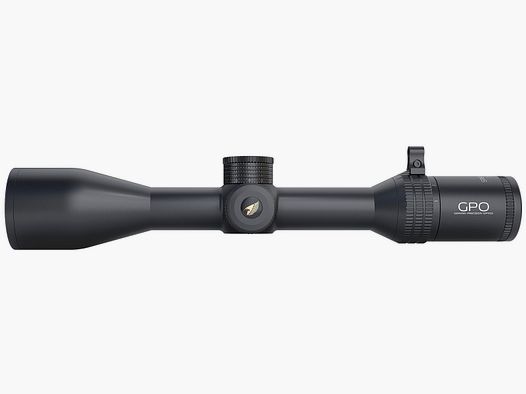
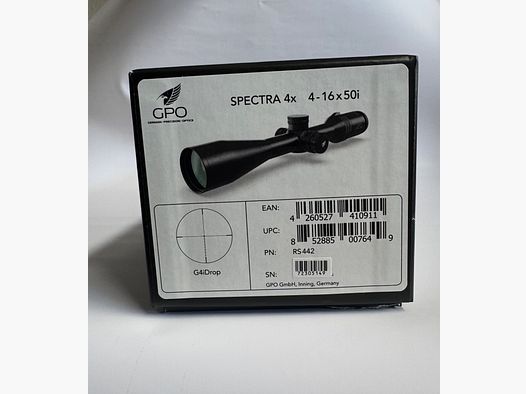
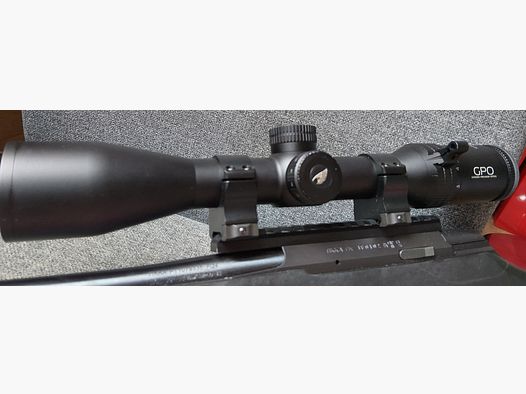
GPO Spectra 8x 1–8×24i riflescope
Price at the dealer: 949 €. Converted at the ECB rate as of October 22, 2026.
No permit required (18+)
72479 Straßberg, Germany
32
ID: 9894959
Purchase from outside the EU: The firearm goes through an importer in your country, the dealer handles the export.
How buying from Europe works
Shop safely with Gunfinder
Our AI-powered seller identity verification makes Gunfinder the safest marketplace online.
Learn more
Details
- Original language
- German
- Brand
- GPO
- Category
- Condition
- New
- Location
- 🇩🇪 72479 Straßberg, Germany
- Availability
- In stock
Freshness
This listing is based on a mirrored offer, where the listing data was synced to us from a shop, dealer, or external marketplace. Please note that temporary price discrepancies may occur due to possible delays in data transmission.
- Source
- Black Raptor
- Last updated
- about 13 hours ago
Description
Note:
The item is located abroad. Please note that delivery conditions, shipping times, and/or the purchase process may differ.
font-family: Arial, Helvetica, sans-serif;
line-height:1.6;
color:#222;
}
.br-product h1{
font-size:1.4rem;
margin-bottom:10px;
}
.br-product h2{
font-size:1.2rem;
margin-top:28px;
}
.br-product ul{
padding-left:18px;
}
.br-product .info-box{
background:#ffdddd;
border-left:6px solid #c40000;
padding:12px;
margin:20px 0;
}
.br-product .tip-box{
background:#eef6ff;
border-left:6px solid #2a6fdb;
padding:12px;
margin:20px 0;
}
.br-product .trust-box{
background:#eaf7ea;
border-left:6px solid #2f8f2f;
padding:12px;
margin:20px 0;
}
.br-product .compare-box{
background:#f5f5f5;
border-left:6px solid #444;
padding:12px;
margin:20px 0;
}
.br-product details{
background:#f2f2f2;
padding:10px;
margin-bottom:8px;
border-radius:4px;
}
.br-product summary{
font-weight:600;
cursor:pointer;
}
GPO Spectra 8x 1-8x24i scope – practically classified for hunting and shooting range
A scope is only good if it really works in your setup.
The GPO Spectra 8x 1-8x24i scope is not just any optic off the shelf, but an optic for driven hunt, stalking hunt, range, and fast short to medium distances. The practical benefit comes from the interplay of magnification range, reticle, mounting, eye relief, and precise point of impact.
The optic belongs on a handy rifle that you can quickly bring up. At 1x you work with maximum overview, at 6–8x you take the precise shot when the game stands still and the distance increases.
Why exactly this optic?
✔ Magnification: 1-8x – suitable for driven hunt, stalking hunt, range, and fast short to medium distances
✔ Objective: 24 mm – sensible compromise between image quality and size
✔ Mounting: without rail / for 30 mm ring mount
✔ Reticle: G4i Fiber / illuminated reticle
✔ Practical use: not “more tech,” but better control in the right scenario
Why this product?
This scope is the right choice when your use profile matches the optic. That is more important than pure maximum values.
You get the right magnification range: 1-8x is designed for driven hunt, stalking hunt, range, and fast short to medium distances.
You build a functioning system: optic, mounting, eye relief, and zero must fit together.
You work more controlled: the right optic reduces search movements, uncertain hold, and unnecessary readjustments.
You avoid bad purchases: this model is not intended as a twilight sitting scope, but as a fast, handy 24 mm LPVO.
The honest classification:
❌ Wrong purchase: maximum magnification or large objectives without relation to use
✔ Correct choice: magnification, mounting type, and reticle matching terrain, discipline, and hold
This is exactly where it decides whether a scope supports you – or slows you down at the crucial moment.
Practical tip:
With ring mounting, clean work is mandatory: mounting height, eye relief, and horizontal alignment decide whether the optic is really fast on hold.
Most important features
1-8x magnification for driven hunt, stalking hunt, range, and fast short to medium distances
24 mm objective diameter
30 mm main tube
G4i Fiber / illuminated reticle
without rail / for 30 mm ring mount
Transmission: approx. 90 %
Field of view / working range: 41–5.2 m at 100 m
Weight: approx. 570 g
Length: approx. 284 mm
Our assessment
Many product texts describe scopes only by magnification and objective diameter. That’s not enough. What matters is how you really use the optic: quickly on hold, steady rested, in low light, at the range, or with repeatable turret/zero logic.
With the GPO Spectra 8x 1-8x24i scope, the benefit is clear: driven hunt, stalking hunt, range, and fast short to medium distances. If that is exactly your use, you get a coherent optic. If your focus lies elsewhere, you get a different impression.
gt, if you consciously choose a different model.
The ring mount makes sense if you already have a suitable base or want to determine the mounting height exactly via rings.
Who is it suitable for
Hunters: if the magnification range fits your hunting ground and type of hunting.
Sport shooters: if you need a reproducible setup with a clean zero and controlled adjustment.
Territory users: if you want not only optical performance but a practical combination of weight, design, and usability.
Demanding users: if you consciously choose your optic and don’t buy by the principle “bigger = better.”
Why exactly for you?
If you want to know if this scope fits, don’t ask for the datasheet first. Ask: At what distance do I mostly use it, how fast do I need to get on target, and how important are weight, mounting type, and light transmission?
Important note:
After every mounting, every scope change, and every relevant change to the setup, the point of impact must be checked. A good scope does not replace professional mounting and proper zeroing.
Also pay attention to safe firearm handling, suitable mounting components, and the applicable legal requirements.
Magnification in practice
Magnification not only decides how large the target appears. It also affects field of view, image stability, and speed.
Low magnification: more overview, faster target acquisition, better for movement.
Medium magnification: often the best working range for hunting grounds and ranges.
High magnification: more detail, but more sensitive to shaking, mirage, parallax, and unstable shooting position.
Practical rule: don’t automatically turn it up to max – as much magnification as necessary, as little as possible.
Reticle, zero & point of impact
An illuminated reticle only brings real added value if used correctly. For quick target acquisition, a clear illuminated dot helps; for precise work, a clean aiming point without glare counts.
Zero: always zero with your actual ammunition, not with some reference value.
Point of impact: check after mounting, transport, or hard shocks.
Illuminated dot: set as low as possible so it helps and doesn’t dazzle.
Documentation: note distance, ammunition, click values, and special features – especially with frequently changing setups.
Features & construction / contents
Variable scope optic with 1-8x magnification range
24 mm objective as a practical compromise of light, weight, and size
30 mm main tube for suitable mounting components
G4i Fiber / illuminated reticle for clear target acquisition
Without rail / for 30 mm ring mount for the chosen setup concept
Suitable for driven hunt, stalking, range, and fast short to medium distances
Technical data
Brand: GPO
Model: Spectra 8x 1-8x24i
Product type: scope
Magnification: 1-8x
Objective diameter: 24 mm
Main tube: 30 mm
Reticle / version: G4i Fiber / illuminated reticle
Mounting version: without rail / for 30 mm ring mount
Transmission: approx. 90 %
Field of view / working range: 41–5.2 m at 100 m
Weight: approx. 570 g
Length: approx. 284 mm
FAQ
What is this scope best suited for?
It is strongest for driven hunt, stalking, range, and fast short to medium distances. If your focus is clearly different, you should consciously choose a different model.
What practical benefit does the magnification range bring me?
The 1-8x range determines whether the scope works rather quickly, universally, or distance-oriented. Low values bring overview, high values more detail – but also more demands on shooting position and image stability.
What do I need to consider for mounting and zeroing?
Mounting height, eye relief, horizontal alignment, and stress-free attachment
The point of impact is crucial. After that, the point of impact must be checked with your ammunition and properly documented.
Is this model better than a larger scope?
Not automatically. Bigger doesn’t always mean better. What matters is whether size, weight, light transmission, and magnification fit your actual use.
What magnification should I preset for use?
For quick situations, rather the lower range. For hunting or stand shooting, usually a medium working range. Maximum magnification only when the rest, light, and target image really allow it.
Especially in the area of GPO scopes, hunting optics, and precision optics, not only the technical equipment matters, but the right combination of magnification, mount, reticle, and reproducible point of impact. (Show description in original language)
.br-v3-product{--br-green:#18392f;--br-gold:#e8d39a;--br-cream:#f7f4ec;--br-red:#8b2c2c;--br-text:#1b1f1d;color:var(--br-text);font-size:16px;line-height:1.62;max-width:100%;overflow-wrap:anywhere}.br-v3-product *{box-sizing:border-box}.br-v3-product a{color:#174d3d;text-decoration:underline;text-underline-offset:2px}.br-v3-product a:focus-visible,.br-v3-product summary:focus-visible{outline:3px solid #9f6c00;outline-offset:3px}.br-v3-product .br-hero,.br-v3-product .br-card,.br-v3-product .br-tip,.br-v3-product .br-compare,.br-v3-product .br-note,.br-v3-product .br-final{padding:22px;margin:20px 0;border-radius:8px}.br-v3-product .br-hero{background:var(--br-green);color:#fff}.br-v3-product .br-eyebrow{display:block;font-size:.82rem;font-weight:800;letter-spacing:.08em;text-transform:uppercase;color:var(--br-gold);margin:0 0 8px}.br-v3-product .br-title{display:block;font-size:1.55rem;line-height:1.2;font-weight:800;margin:0 0 10px}.br-v3-product .br-section-title{display:block;font-size:1.25rem;line-height:1.25;font-weight:800;margin:30px 0 12px;color:var(--br-green)}.br-v3-product .br-card{background:var(--br-cream);border-left:5px solid var(--br-gold)}.br-v3-product .br-tip{background:#edf4f0;border-left:5px solid var(--br-green)}.br-v3-product .br-compare{background:#f1f1f1;border-left:5px solid #555}.br-v3-product .br-note{background:#fff2f2;border-left:5px solid var(--br-red)}.br-v3-product .br-final{background:var(--br-green);color:#fff}.br-v3-product ul{padding-left:1.25rem}.br-v3-product li{margin:.42rem 0}.br-v3-product details{background:#f2f2f2;padding:12px 14px;margin:10px 0;border-radius:5px}.br-v3-product summary{cursor:pointer;font-weight:750;color:#153d32}@media(max-width:720px){.br-v3-product{font-size:16px;line-height:1.55}.br-v3-product .br-hero,.br-v3-product .br-card,.br-v3-product .br-tip,.br-v3-product .br-compare,.br-v3-product .br-note,.br-v3-product .br-final{padding:17px;margin:16px 0}.br-v3-product .br-title{font-size:1.3rem}.br-v3-product .br-section-title{font-size:1.15rem}}
1–8×24 · 41 m Sehfeld · 30-mm-Ringmontage Mehr Reichweite im Zoom, ohne das schnelle 1×-Bild aufzugeben Auf engem Wechsel zählt Übersicht, auf der längeren Schneise plötzlich Detail. Das GPO Spectra 8x 1–8×24i deckt genau diesen Wechsel ab: echte 1×-Untergrenze für den beidäugigen Anschlag und 8× Reserve, wenn das Ziel weiter steht oder genauer beurteilt werden muss.
Diese Ausführung besitzt ein 30-mm-Mittelrohr für Ringmontagen. Damit lassen sich Bauhöhe und Position passend zum vorhandenen System wählen. Das ist flexibel, verlangt aber zwei sauber abgestimmte Ringe und eine fachgerechte, spannungsarme Montage.
Vor dem Kauf prüfen
Montageart: Benötigt werden zwei passende 30-mm-Ringe. Diese Ausführung passt nicht direkt auf eine ZEISS-Innenschienenmontage.
Montagehöhe: Sie muss zum Schaft, Augenabstand, Okular und zur vorhandenen Basis passen. Zu hoch montiert kostet eine stabile Kopfposition; zu niedrig kann mechanisch kollidieren.
Einsatzprofil: Das 24-mm-Objektiv priorisiert Führigkeit und Sehfeld. Für regelmäßigen Ansitz in tiefer Dämmerung ist ein größerer Objektivdurchmesser ehrlicher.
Parallaxe: Sie ist fest auf 100 m eingestellt. Eine seitliche Parallaxeverstellung für präzise Sonderanwendungen gibt es nicht.
Unsere Einschätzung aus Anwender- und Ausbildersicht Der stärkste Kaufgrund ist nicht einfach die Zahl 8×. Entscheidend ist der nutzbare Weg von 1× bis 8×: Bei 1× liefert das Glas laut GPO ein unverkleinertes, randscharfes Bild mit 41 m Sehfeld auf 100 m. Bei höherer Vergrößerung bleibt zusätzliche Detailreserve für längere Schneisen oder einen vorbereiteten Schuss. Die 95 mm Augenabstand und die großzügige Eyebox unterstützen einen wiederholbaren Anschlag.
Die häufigste Fehlannahme wäre, aus der 8×-Obergrenze ein universelles Ansitzglas abzuleiten. Das kompakte 24-mm-Objektiv setzt andere Prioritäten. Ebenfalls wichtig: Ringmontage bedeutet Auswahlfreiheit, aber nicht automatisch eine bessere Montage. Erst passende Bauhöhe, korrekter Augenabstand und gleichmäßige Befestigung machen aus der Optik ein stimmiges System.
Kaufen, wenn: Du eine führige Bewegungsjagdoptik mit echter 1×-Darstellung, 8× Reserve und frei wählbarer Ringhöhe suchst.
Nicht kaufen, wenn: Du bereits eine Schienenmontage besitzt, überwiegend im letzten Licht ansitzt oder eine einstellbare Parallaxe benötigst.
Was im Einsatz wirklich zählt
41–5,2 m Sehfeld: Im unteren Bereich bleibt das Umfeld sichtbar; bei 8× wird das Ziel enger gefasst. Das erweitert den Arbeitsbereich, ersetzt aber nicht den Wechsel zu einem ruhigen Anschlag.
G4i Fiber: Der Leuchtpunkt liegt in der zweiten Bildebene und bleibt über den Zoomweg visuell konstant. Seine Helligkeit sollte nur so hoch stehen, dass der Punkt klar erkennbar ist, ohne kleine Zielmerkmale zu überstrahlen.
iControl: Die Beleuchtung schaltet nach drei Stunden ab, reagiert über Lagesensoren auf die Position der Optik und warnt bei 15 Prozent Batterierest. Die Sensorfunktion kann deaktiviert werden.
Zero Stop: Die aktuelle Ringversion besitzt eine mechanische Nullreferenz. Nach dem bestätigten Einschießen lässt sich die Ausgangsposition reproduzierbar absichern.
Optionaler GBT: Der GPO Ballistikturm kann nachgerüstet werden, gehört aber nicht zum Lieferumfang. Sein Mehrwert entsteht nur, wenn Entfernungen und Treffpunktkorrekturen sauber ermittelt werden.
538 g ohne Zubehör: Das Glas bleibt kompakt. Das fertige Systemgewicht hängt zusätzlich von Ringen, Basis und Batterie ab.
Ausbilder-Tipp: Lege die Montagehöhe nicht nach Optik allein fest. Baue mit entladener, gesicherter Ausrüstung einen natürlichen Anschlag auf und prüfe, ob bei geschlossenen Augen die Kopfposition stabil bleibt. Erst dann Augen öffnen: Das volle Bild sollte ohne Nachschieben des Kopfes erscheinen.
Zoom-Routine: Für dynamische Situationen auf 1× beginnen. Erst hochdrehen, wenn Ziel, Umfeld und Kugelfang sicher beurteilt sind und Zeit für einen stabileren Anschlag besteht. Wer das Glas dauerhaft auf hoher Vergrößerung trägt, verschenkt den größten Vorteil dieses Modells.
Kontroll-Routine: Nach Montage, Transport mit hartem Stoß oder Änderung an Ringen und Basis die Treffpunktlage erneut bestätigen. Markierungen an Schrauben ersetzen keine Kontrolle, helfen aber, auffällige Veränderungen früh zu erkennen.
Montage und sichere Nutzung
Montagearbeiten nur an entladener, gesicherter Ausrüstung durchführen. Ringe müssen zum 30-mm-Mittelrohr und zur verwendeten Basis passen. Vorgaben sowie Drehmomente des Montageherstellers einhalten; keine Werte schätzen und das Rohr nicht durch ungleichmäßiges Anziehen verspannen.
Niemals durch die Optik in die Sonne oder starke Lichtquellen sehen. Vor jeder Nutzung festen Sitz, freien Bedienweg und ausreichenden Augenabstand prüfen. Die CR2032 korrekt gepolt einsetzen, von Kindern fernhalten, nicht kurzschließen und fachgerecht entsorgen.
Welche Ausführung passt besser? Wenn Dein System bereits auf eine ZEISS-Innenschiene ausgelegt ist, passt das GPO Spectra 8x 1–8×24i mit Schiene ohne Umweg über Ringe. Wenn 6× Reserve ausreicht und ein günstigerer Einstieg gewünscht ist, lohnt der Vergleich mit dem GPO Spectra 6x 1–6×24i mit Schiene . Mehr Licht- und Distanzreserve bietet das GPO Spectra 8x 1,6–13×44i mit Schiene . Weitere Modelle stehen in der GPO-Kollektion .
Technische Praxisdaten
Vergrößerung: 1–8×
Objektivdurchmesser: 24 mm
Sehfeld auf 100 m: 41–5,2 m
Austrittspupille: 8,5–3,0 mm
Augenabstand: 95 mm
Parallaxe: fest auf 100 m
Dioptrienausgleich: −3 bis +2 dpt
Klickwert: 1 cm auf 100 m
Höhen- und Seitenverstellweg: jeweils 320 cm auf 100 m
Transmission: 90 % nach ISO 14490-5:2005
Länge: 248 mm
Gewicht: 538 g ohne Abdeckungen und Zubehör
Mittelrohr: 30 mm für Ringmontage
Absehen: G4i Fiber, zweite Bildebene
Batterie: CR2032
Lieferumfang
1 × GPO Spectra 8x 1–8×24i
1 × abnehmbarer Throw Lever
1 × Bikini-Schutzabdeckung
1 × Reinigungstuch
1 × CR2032-Batterie
1 × Bedienungsanleitung
30-mm-Montageringe, Basis und optionaler GPO GBT-Ballistikturm sind nicht enthalten.
Häufige Fragen
Welche Ringe benötigt diese Ausführung? Das Mittelrohr misst 30 mm. Zusätzlich müssen Ringhöhe und Befestigung zur vorhandenen Basis, zum Waffensystem und zum gewünschten Augenabstand passen.
Ist die 1×-Stellung für beide geöffneten Augen gedacht? Ja. GPO beschreibt die 1×-Darstellung ohne künstliche Verkleinerung und mit 41 m Sehfeld auf 100 m. Ein schneller, schattenfreier Anschlag muss trotzdem passend montiert und trainiert werden.
Hat das Zielfernrohr eine einstellbare Parallaxe? Nein. Die Parallaxe ist auf 100 m fest eingestellt. Für sehr kurze Präzisionsdistanzen oder stark wechselnde Entfernungen kann ein Modell mit Seitenfokus sinnvoller sein.
Ist das 24-mm-Objektiv für späten Dämmerungsansitz gedacht? Seine Stärke ist die kompakte Bauform für Übersicht und Führigkeit. Wer regelmäßig bei sehr schwachem Licht ansitzt, profitiert eher von einem größeren Objektiv.
Kann der GPO GBT nachgerüstet werden? Ja. GPO führt die aktuelle Ringversion als kompatibel mit dem optionalen GBT-Ballistikturm. Er gehört nicht zum Lieferumfang.
Welche Batterie wird benötigt? Die Beleuchtung arbeitet mit einer CR2032. iControl schaltet automatisch ab und meldet laut Hersteller 15 Prozent Restkapazität.
Was unterscheidet die Ring- von der Schienenversion? Die Optikdaten sind eng verwandt. Die Ringversion wird über zwei 30-mm-Ringe befestigt und erlaubt eine gezielte Wahl der Ringhöhe; die Schienenversion benötigt eine kompatible ZEISS-Schienenmontage.
1–8×24 · 41 m Sehfeld · 30-mm-Ringmontage Mehr Reichweite im Zoom, ohne das schnelle 1×-Bild aufzugeben Auf engem Wechsel zählt Übersicht, auf der längeren Schneise plötzlich Detail. Das GPO Spectra 8x 1–8×24i deckt genau diesen Wechsel ab: echte 1×-Untergrenze für den beidäugigen Anschlag und 8× Reserve, wenn das Ziel weiter steht oder genauer beurteilt werden muss.
Diese Ausführung besitzt ein 30-mm-Mittelrohr für Ringmontagen. Damit lassen sich Bauhöhe und Position passend zum vorhandenen System wählen. Das ist flexibel, verlangt aber zwei sauber abgestimmte Ringe und eine fachgerechte, spannungsarme Montage.
Vor dem Kauf prüfen
Montageart: Benötigt werden zwei passende 30-mm-Ringe. Diese Ausführung passt nicht direkt auf eine ZEISS-Innenschienenmontage.
Montagehöhe: Sie muss zum Schaft, Augenabstand, Okular und zur vorhandenen Basis passen. Zu hoch montiert kostet eine stabile Kopfposition; zu niedrig kann mechanisch kollidieren.
Einsatzprofil: Das 24-mm-Objektiv priorisiert Führigkeit und Sehfeld. Für regelmäßigen Ansitz in tiefer Dämmerung ist ein größerer Objektivdurchmesser ehrlicher.
Parallaxe: Sie ist fest auf 100 m eingestellt. Eine seitliche Parallaxeverstellung für präzise Sonderanwendungen gibt es nicht.
Unsere Einschätzung aus Anwender- und Ausbildersicht Der stärkste Kaufgrund ist nicht einfach die Zahl 8×. Entscheidend ist der nutzbare Weg von 1× bis 8×: Bei 1× liefert das Glas laut GPO ein unverkleinertes, randscharfes Bild mit 41 m Sehfeld auf 100 m. Bei höherer Vergrößerung bleibt zusätzliche Detailreserve für längere Schneisen oder einen vorbereiteten Schuss. Die 95 mm Augenabstand und die großzügige Eyebox unterstützen einen wiederholbaren Anschlag.
Die häufigste Fehlannahme wäre, aus der 8×-Obergrenze ein universelles Ansitzglas abzuleiten. Das kompakte 24-mm-Objektiv setzt andere Prioritäten. Ebenfalls wichtig: Ringmontage bedeutet Auswahlfreiheit, aber nicht automatisch eine bessere Montage. Erst passende Bauhöhe, korrekter Augenabstand und gleichmäßige Befestigung machen aus der Optik ein stimmiges System.
Kaufen, wenn: Du eine führige Bewegungsjagdoptik mit echter 1×-Darstellung, 8× Reserve und frei wählbarer Ringhöhe suchst.
Nicht kaufen, wenn: Du bereits eine Schienenmontage besitzt, überwiegend im letzten Licht ansitzt oder eine einstellbare Parallaxe benötigst.
Was im Einsatz wirklich zählt
41–5,2 m Sehfeld: Im unteren Bereich bleibt das Umfeld sichtbar; bei 8× wird das Ziel enger gefasst. Das erweitert den Arbeitsbereich, ersetzt aber nicht den Wechsel zu einem ruhigen Anschlag.
G4i Fiber: Der Leuchtpunkt liegt in der zweiten Bildebene und bleibt über den Zoomweg visuell konstant. Seine Helligkeit sollte nur so hoch stehen, dass der Punkt klar erkennbar ist, ohne kleine Zielmerkmale zu überstrahlen.
iControl: Die Beleuchtung schaltet nach drei Stunden ab, reagiert über Lagesensoren auf die Position der Optik und warnt bei 15 Prozent Batterierest. Die Sensorfunktion kann deaktiviert werden.
Zero Stop: Die aktuelle Ringversion besitzt eine mechanische Nullreferenz. Nach dem bestätigten Einschießen lässt sich die Ausgangsposition reproduzierbar absichern.
Optionaler GBT: Der GPO Ballistikturm kann nachgerüstet werden, gehört aber nicht zum Lieferumfang. Sein Mehrwert entsteht nur, wenn Entfernungen und Treffpunktkorrekturen sauber ermittelt werden.
538 g ohne Zubehör: Das Glas bleibt kompakt. Das fertige Systemgewicht hängt zusätzlich von Ringen, Basis und Batterie ab.
Ausbilder-Tipp: Lege die Montagehöhe nicht nach Optik allein fest. Baue mit entladener, gesicherter Ausrüstung einen natürlichen Anschlag auf und prüfe, ob bei geschlossenen Augen die Kopfposition stabil bleibt. Erst dann Augen öffnen: Das volle Bild sollte ohne Nachschieben des Kopfes erscheinen.
Zoom-Routine: Für dynamische Situationen auf 1× beginnen. Erst hochdrehen, wenn Ziel, Umfeld und Kugelfang sicher beurteilt sind und Zeit für einen stabileren Anschlag besteht. Wer das Glas dauerhaft auf hoher Vergrößerung trägt, verschenkt den größten Vorteil dieses Modells.
Kontroll-Routine: Nach Montage, Transport mit hartem Stoß oder Änderung an Ringen und Basis die Treffpunktlage erneut bestätigen. Markierungen an Schrauben ersetzen keine Kontrolle, helfen aber, auffällige Veränderungen früh zu erkennen.
Montage und sichere Nutzung
Montagearbeiten nur an entladener, gesicherter Ausrüstung durchführen. Ringe müssen zum 30-mm-Mittelrohr und zur verwendeten Basis passen. Vorgaben sowie Drehmomente des Montageherstellers einhalten; keine Werte schätzen und das Rohr nicht durch ungleichmäßiges Anziehen verspannen.
Niemals durch die Optik in die Sonne oder starke Lichtquellen sehen. Vor jeder Nutzung festen Sitz, freien Bedienweg und ausreichenden Augenabstand prüfen. Die CR2032 korrekt gepolt einsetzen, von Kindern fernhalten, nicht kurzschließen und fachgerecht entsorgen.
Welche Ausführung passt besser? Wenn Dein System bereits auf eine ZEISS-Innenschiene ausgelegt ist, passt das GPO Spectra 8x 1–8×24i mit Schiene ohne Umweg über Ringe. Wenn 6× Reserve ausreicht und ein günstigerer Einstieg gewünscht ist, lohnt der Vergleich mit dem GPO Spectra 6x 1–6×24i mit Schiene . Mehr Licht- und Distanzreserve bietet das GPO Spectra 8x 1,6–13×44i mit Schiene . Weitere Modelle stehen in der GPO-Kollektion .
Technische Praxisdaten
Vergrößerung: 1–8×
Objektivdurchmesser: 24 mm
Sehfeld auf 100 m: 41–5,2 m
Austrittspupille: 8,5–3,0 mm
Augenabstand: 95 mm
Parallaxe: fest auf 100 m
Dioptrienausgleich: −3 bis +2 dpt
Klickwert: 1 cm auf 100 m
Höhen- und Seitenverstellweg: jeweils 320 cm auf 100 m
Transmission: 90 % nach ISO 14490-5:2005
Länge: 248 mm
Gewicht: 538 g ohne Abdeckungen und Zubehör
Mittelrohr: 30 mm für Ringmontage
Absehen: G4i Fiber, zweite Bildebene
Batterie: CR2032
Lieferumfang
1 × GPO Spectra 8x 1–8×24i
1 × abnehmbarer Throw Lever
1 × Bikini-Schutzabdeckung
1 × Reinigungstuch
1 × CR2032-Batterie
1 × Bedienungsanleitung
30-mm-Montageringe, Basis und optionaler GPO GBT-Ballistikturm sind nicht enthalten.
Häufige Fragen
Welche Ringe benötigt diese Ausführung? Das Mittelrohr misst 30 mm. Zusätzlich müssen Ringhöhe und Befestigung zur vorhandenen Basis, zum Waffensystem und zum gewünschten Augenabstand passen.
Ist die 1×-Stellung für beide geöffneten Augen gedacht? Ja. GPO beschreibt die 1×-Darstellung ohne künstliche Verkleinerung und mit 41 m Sehfeld auf 100 m. Ein schneller, schattenfreier Anschlag muss trotzdem passend montiert und trainiert werden.
Hat das Zielfernrohr eine einstellbare Parallaxe? Nein. Die Parallaxe ist auf 100 m fest eingestellt. Für sehr kurze Präzisionsdistanzen oder stark wechselnde Entfernungen kann ein Modell mit Seitenfokus sinnvoller sein.
Ist das 24-mm-Objektiv für späten Dämmerungsansitz gedacht? Seine Stärke ist die kompakte Bauform für Übersicht und Führigkeit. Wer regelmäßig bei sehr schwachem Licht ansitzt, profitiert eher von einem größeren Objektiv.
Kann der GPO GBT nachgerüstet werden? Ja. GPO führt die aktuelle Ringversion als kompatibel mit dem optionalen GBT-Ballistikturm. Er gehört nicht zum Lieferumfang.
Welche Batterie wird benötigt? Die Beleuchtung arbeitet mit einer CR2032. iControl schaltet automatisch ab und meldet laut Hersteller 15 Prozent Restkapazität.
Was unterscheidet die Ring- von der Schienenversion? Die Optikdaten sind eng verwandt. Die Ringversion wird über zwei 30-mm-Ringe befestigt und erlaubt eine gezielte Wahl der Ringhöhe; die Schienenversion benötigt eine kompatible ZEISS-Schienenmontage.