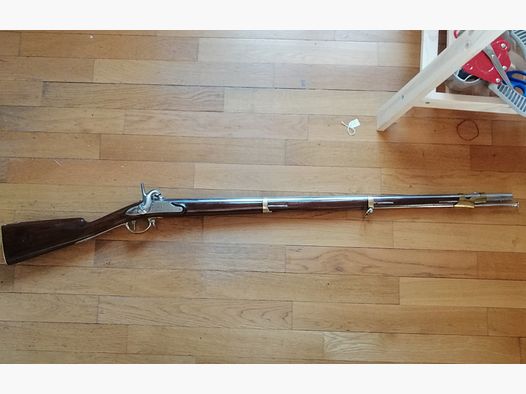
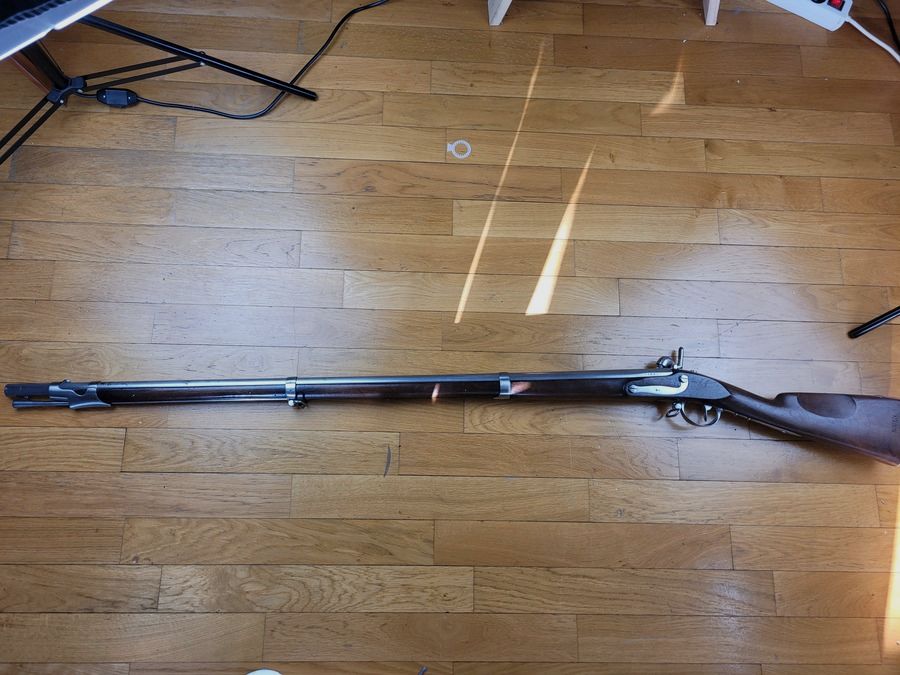







Exceptional Infantry Rifle 1822 T (not Tbis) – Royal Manufacture Mutzig 1838 – Bayonet Museum Condition
Price on Request
Purchase permit required
75002 Paris, France
6
ID: 10339410
This item is currently unavailable.
Purchase from outside the EU: The firearm goes through an importer in your country, the dealer handles the export.
How buying from Europe works
Shop safely with Gunfinder
Our AI-powered seller identity verification makes Gunfinder the safest marketplace online.
Learn more
Details
- Original language
- French
- Category
- Purchase eligibility
- Required
- Condition
- New
- Location
- 🇫🇷 75002 Paris, France
- Availability
- Out of stock
Freshness
This listing is based on a mirrored offer, where the listing data was synced to us from a shop, dealer, or external marketplace. Please note that temporary price discrepancies may occur due to possible delays in data transmission.
- Source
- Flingus Maximus
- Last checked with the dealer
- 1 day ago
Description
Note:
The item is located abroad. Please note that delivery conditions, shipping times, and/or the purchase process may differ.
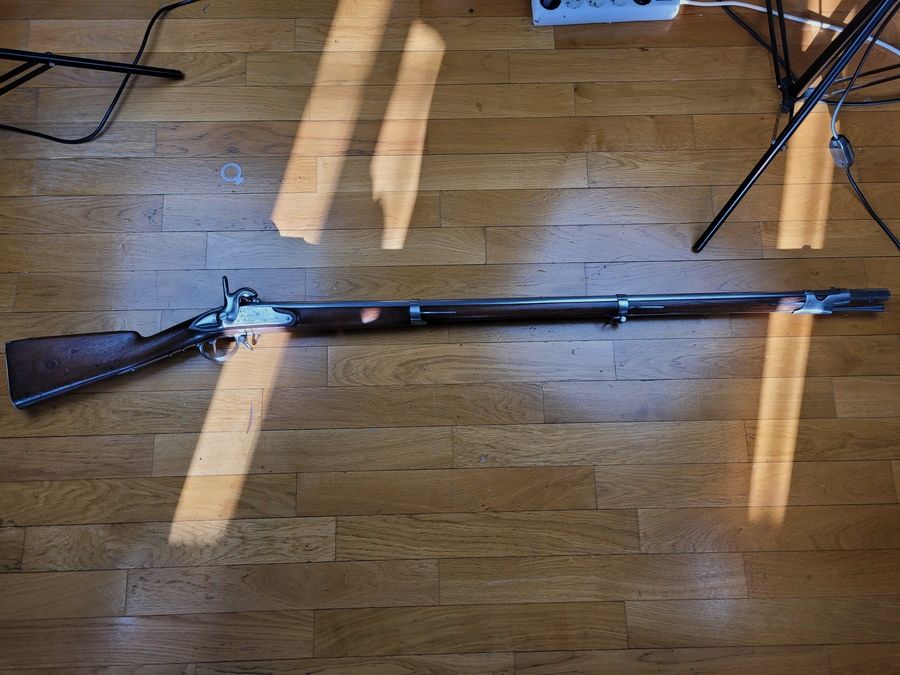
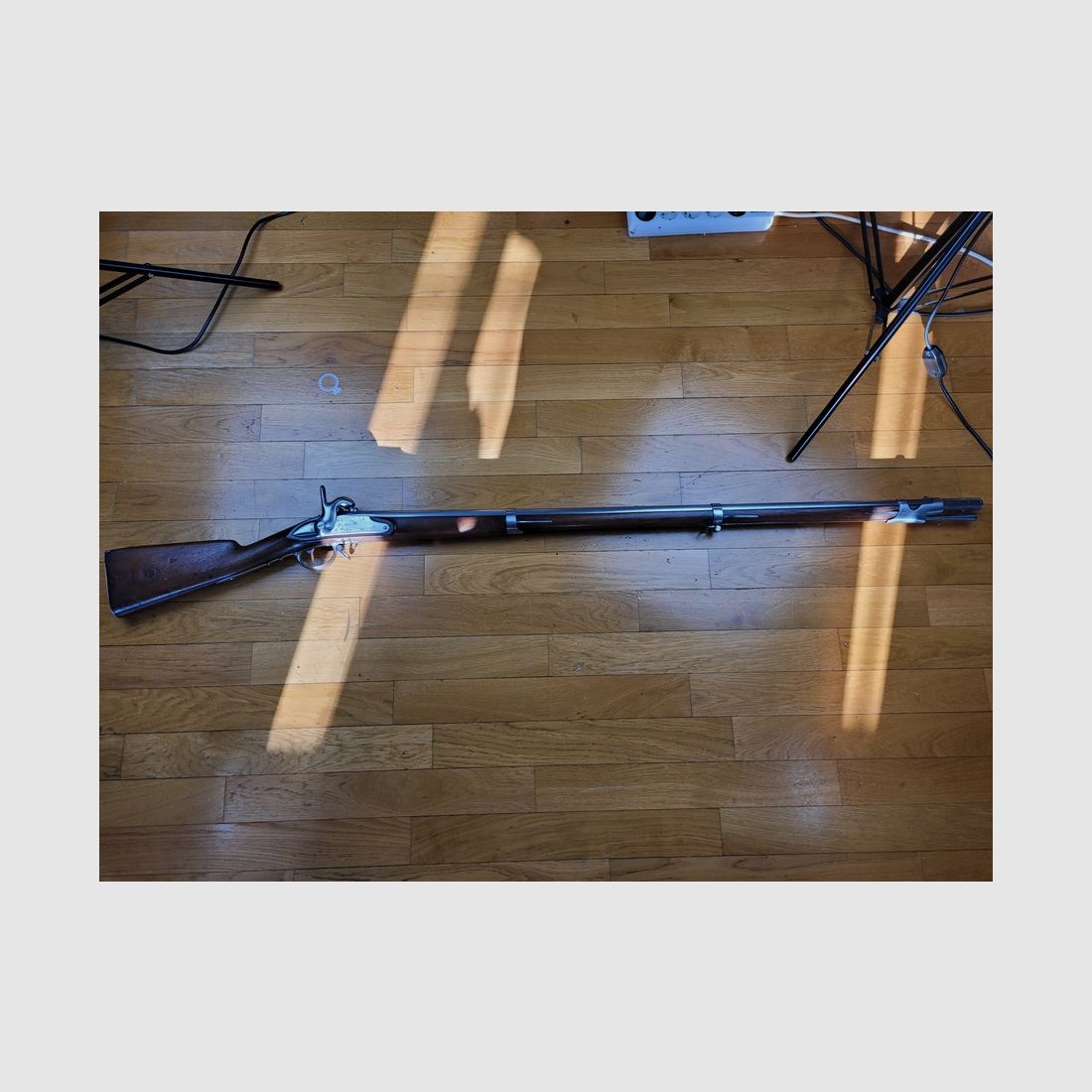
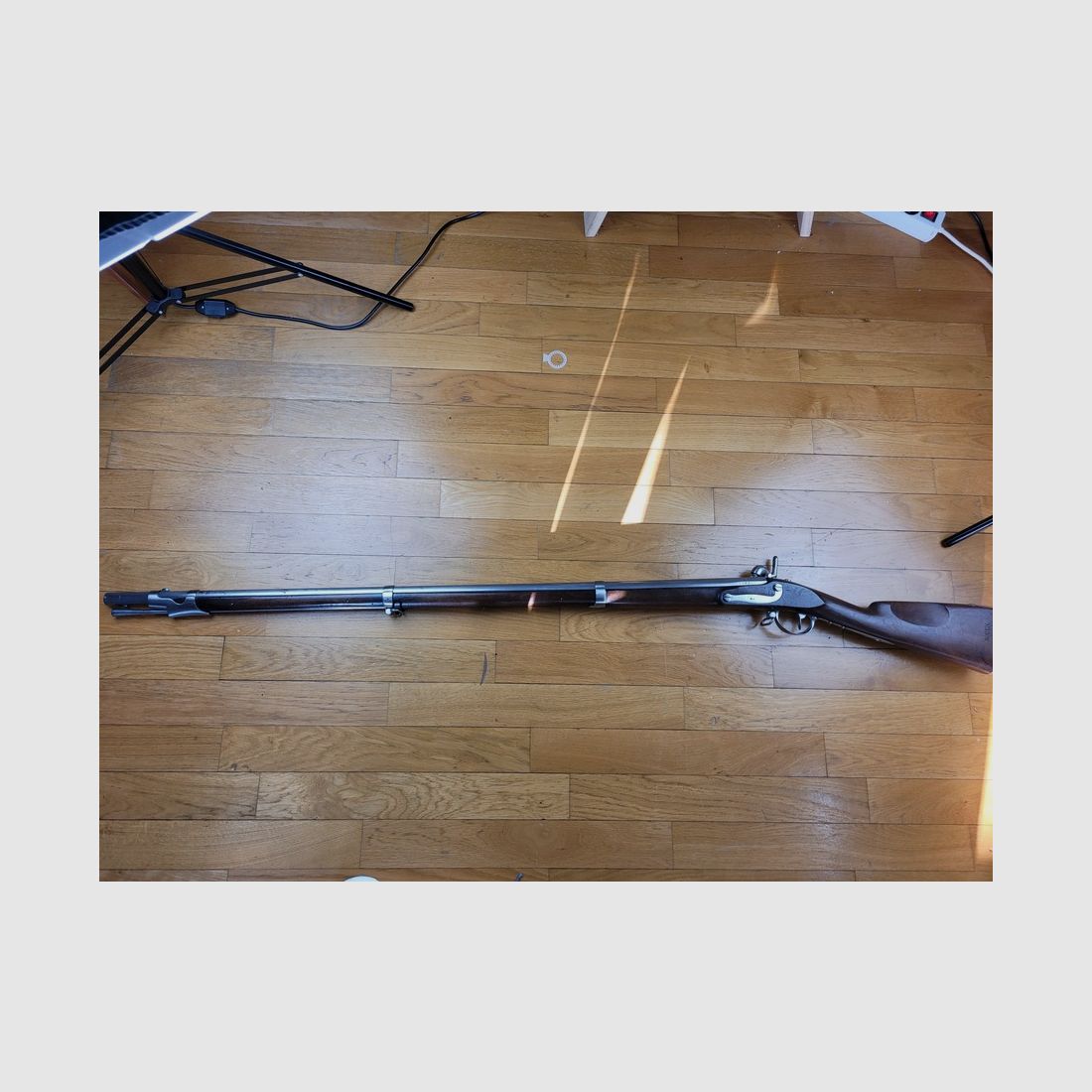
This firearm, especially one that was not converted to BIS from 1840 onward, is difficult to upgrade in a collection. It is not just “very well preserved”; it is in “excellent plus condition” (and God knows I’m particular about condition…). I’ve never had a finer one.
This is the perfect model for a collection. Shooting it could damage it with a simple handling mistake, so I don’t recommend it. But as the song goes: to each their own…
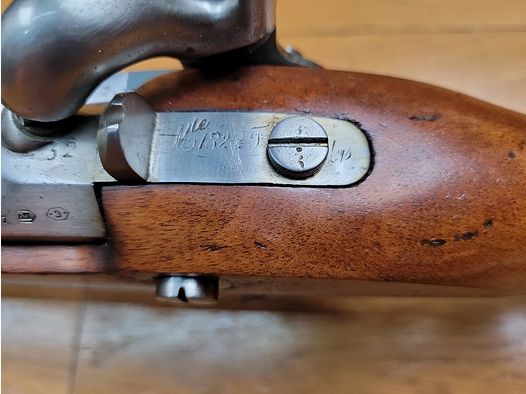
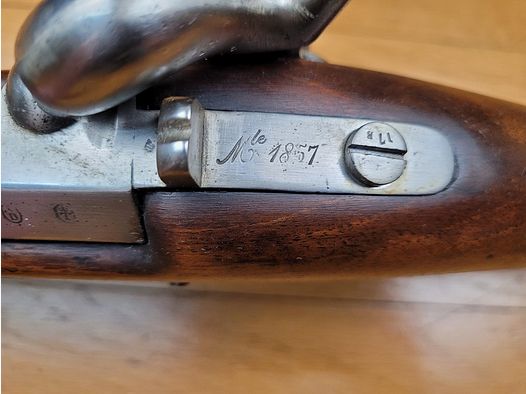
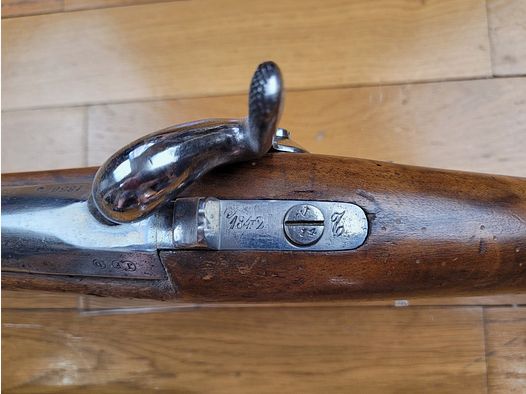
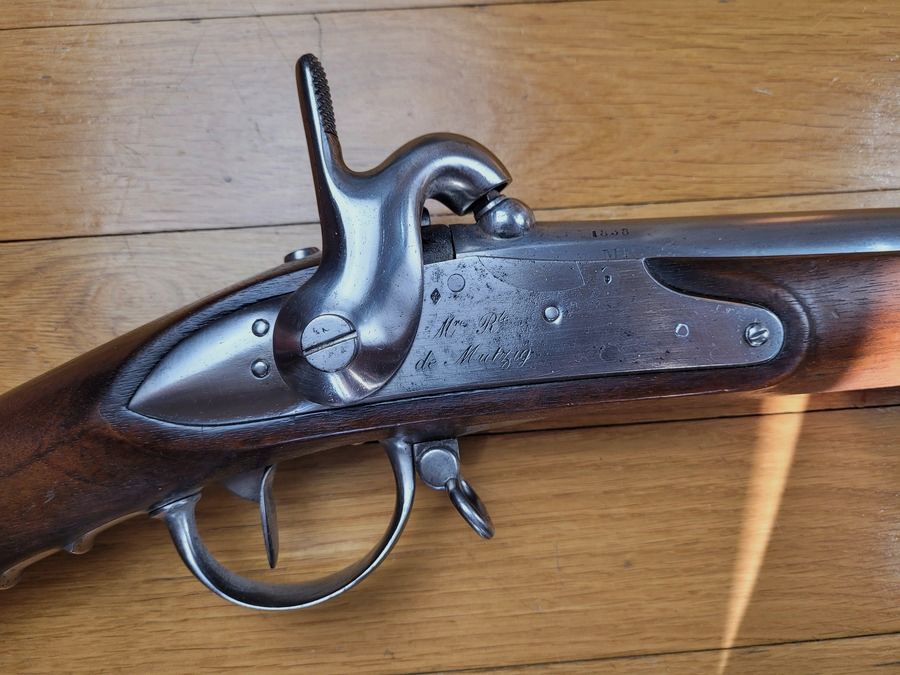
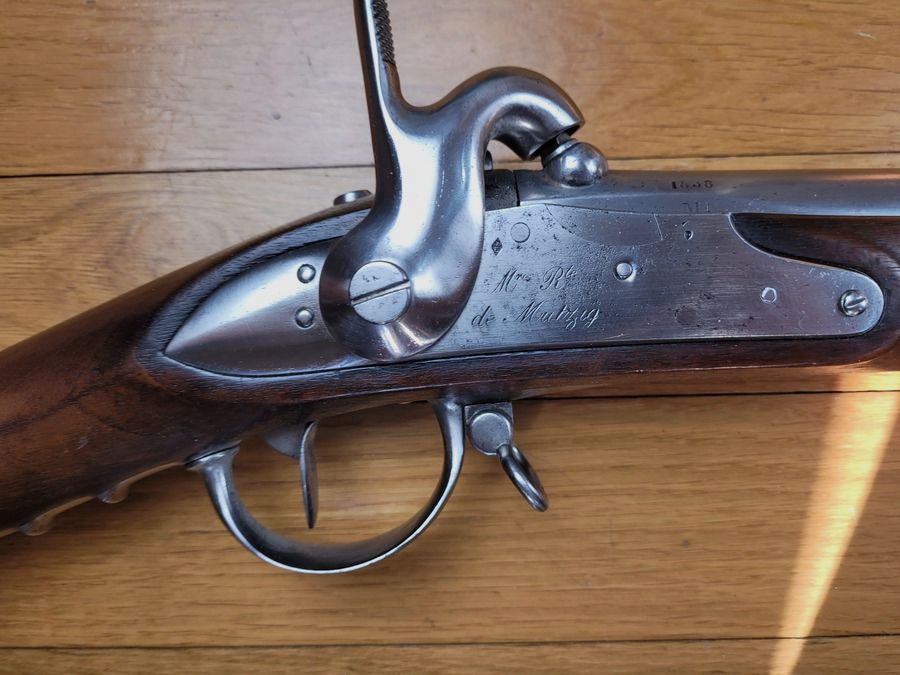
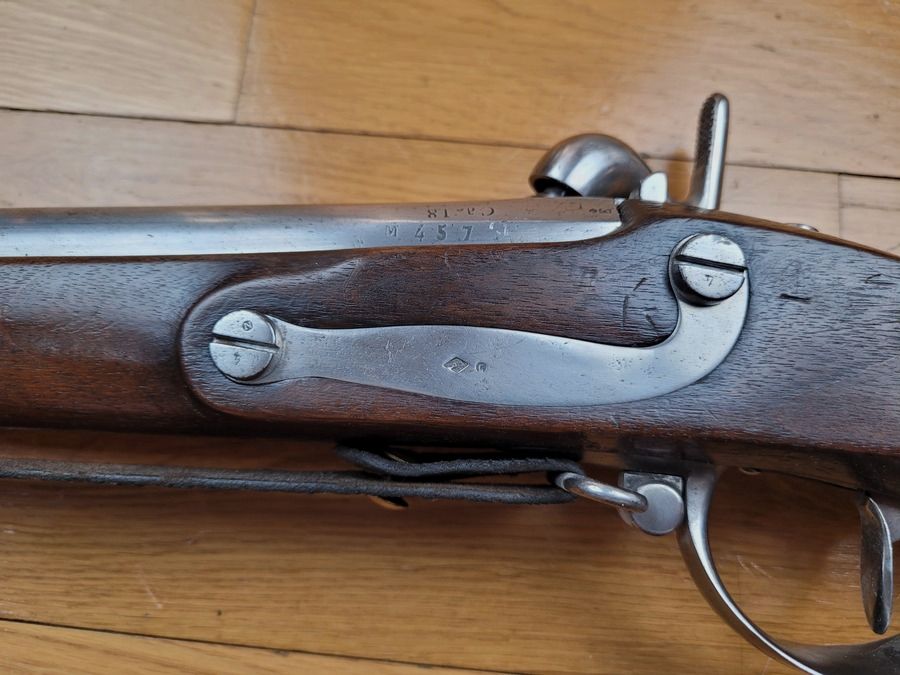
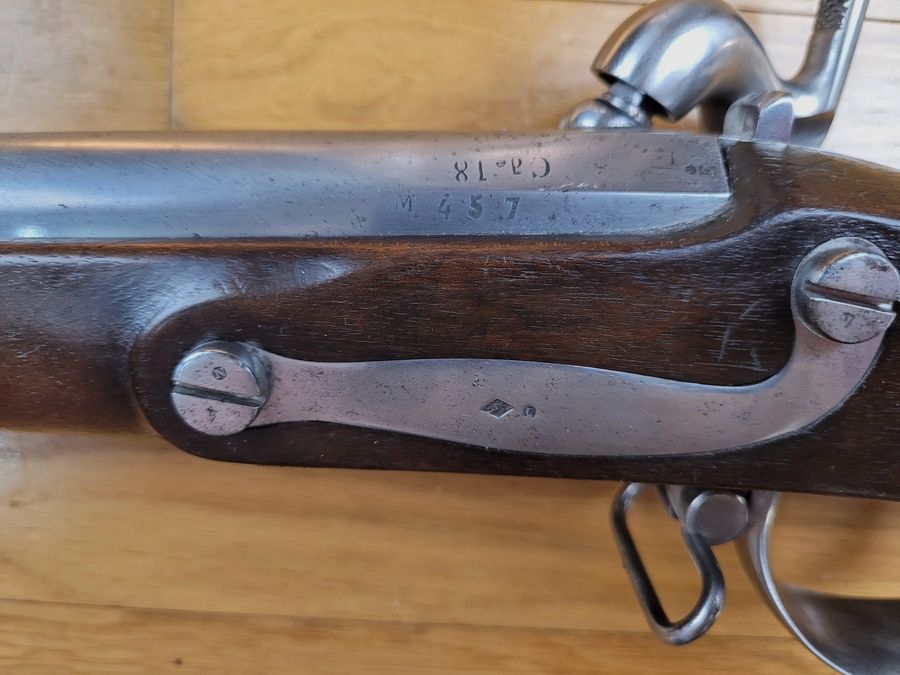
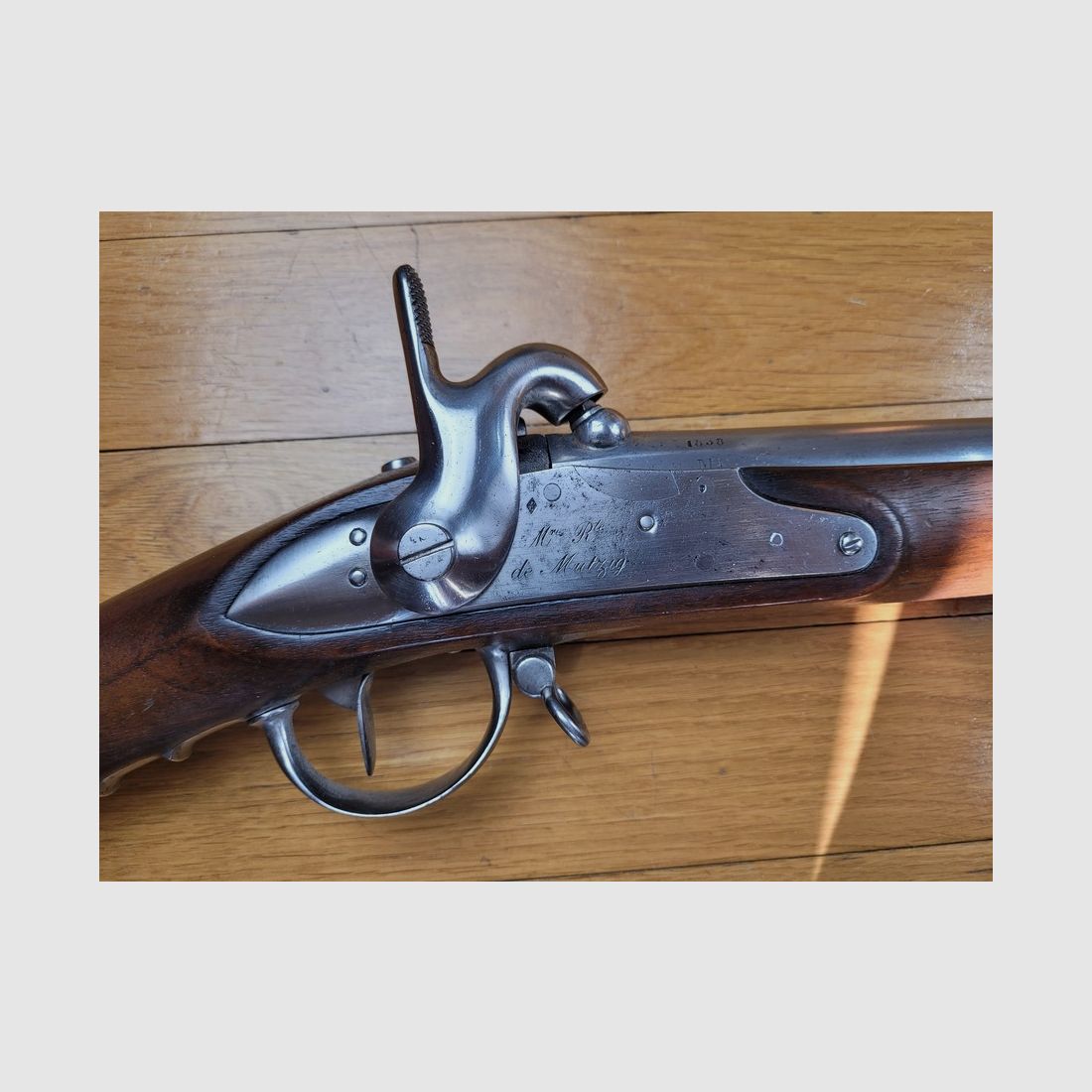
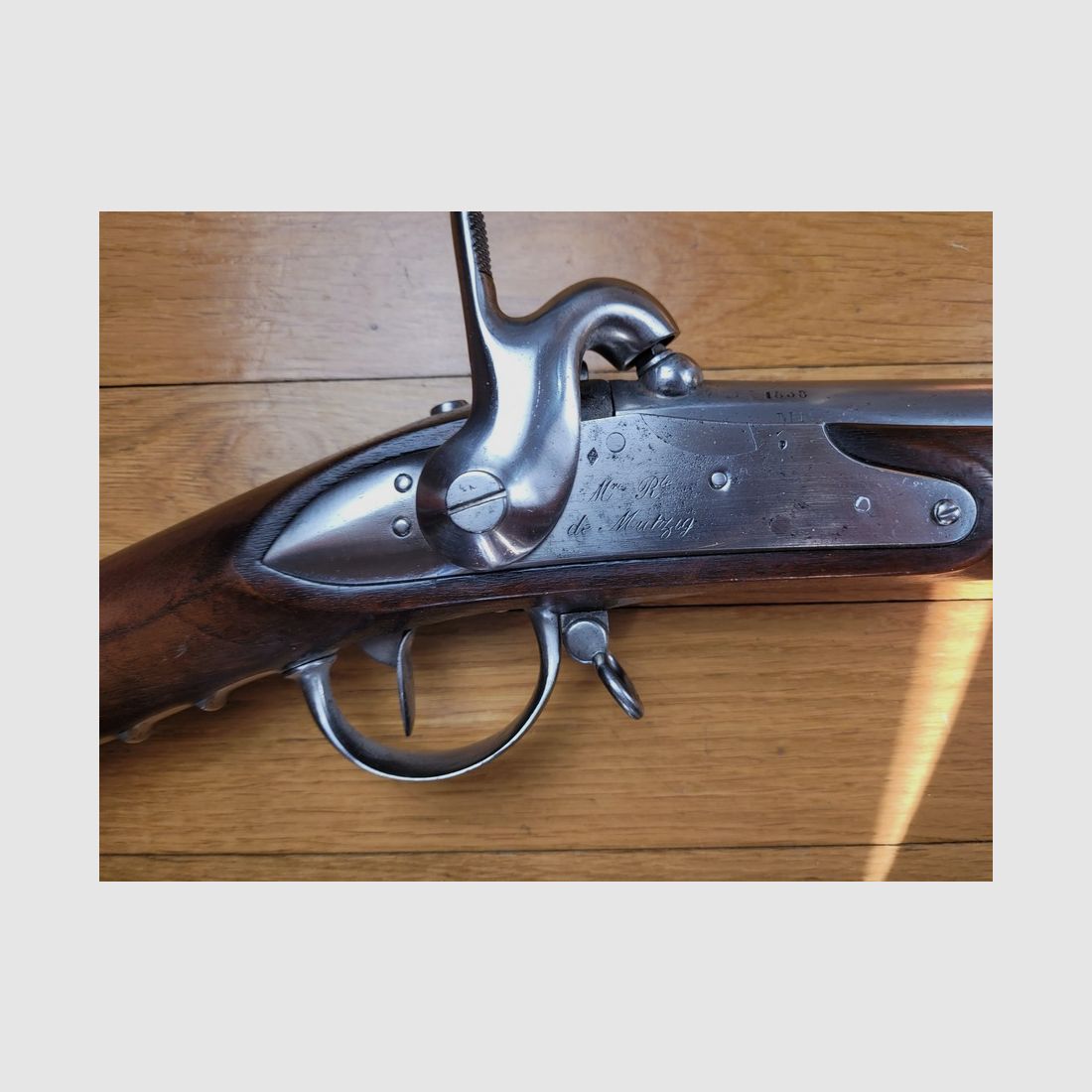
The lock is clearly marked “Manufacture ROYALE DE MUTZIG,” with a C stamped in a crowned shield and a D in a shield. The firearm dates from 1838 and is serial-numbered “M457.”
The firearm is mechanically perfect and holds its notches flawlessly.
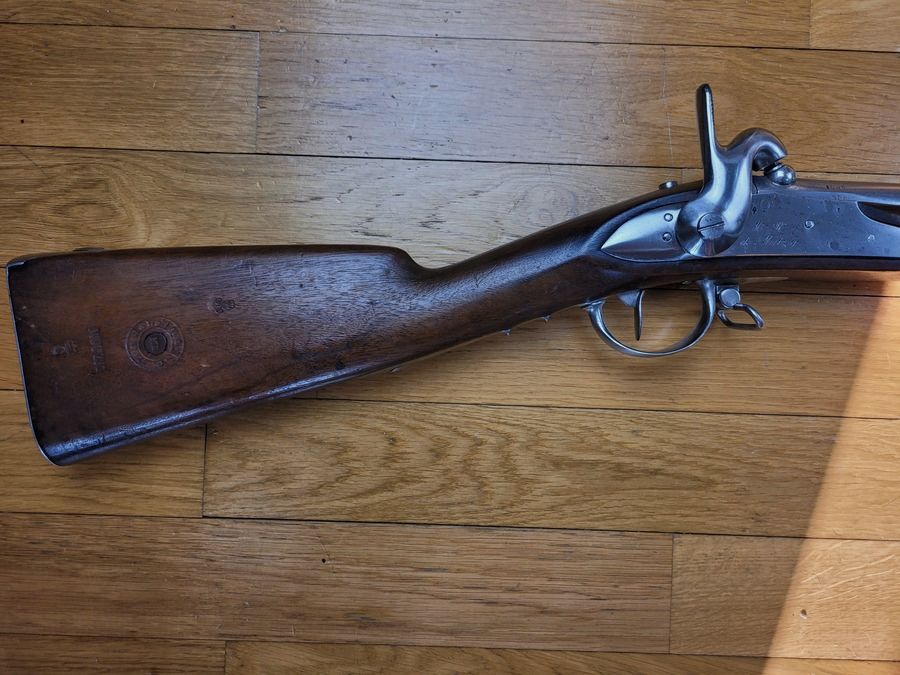
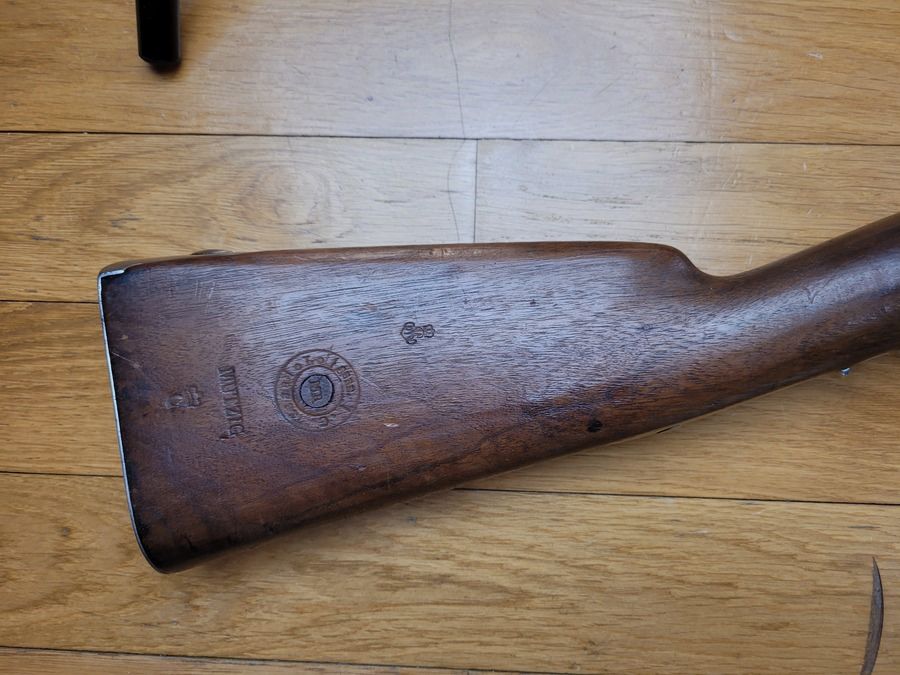
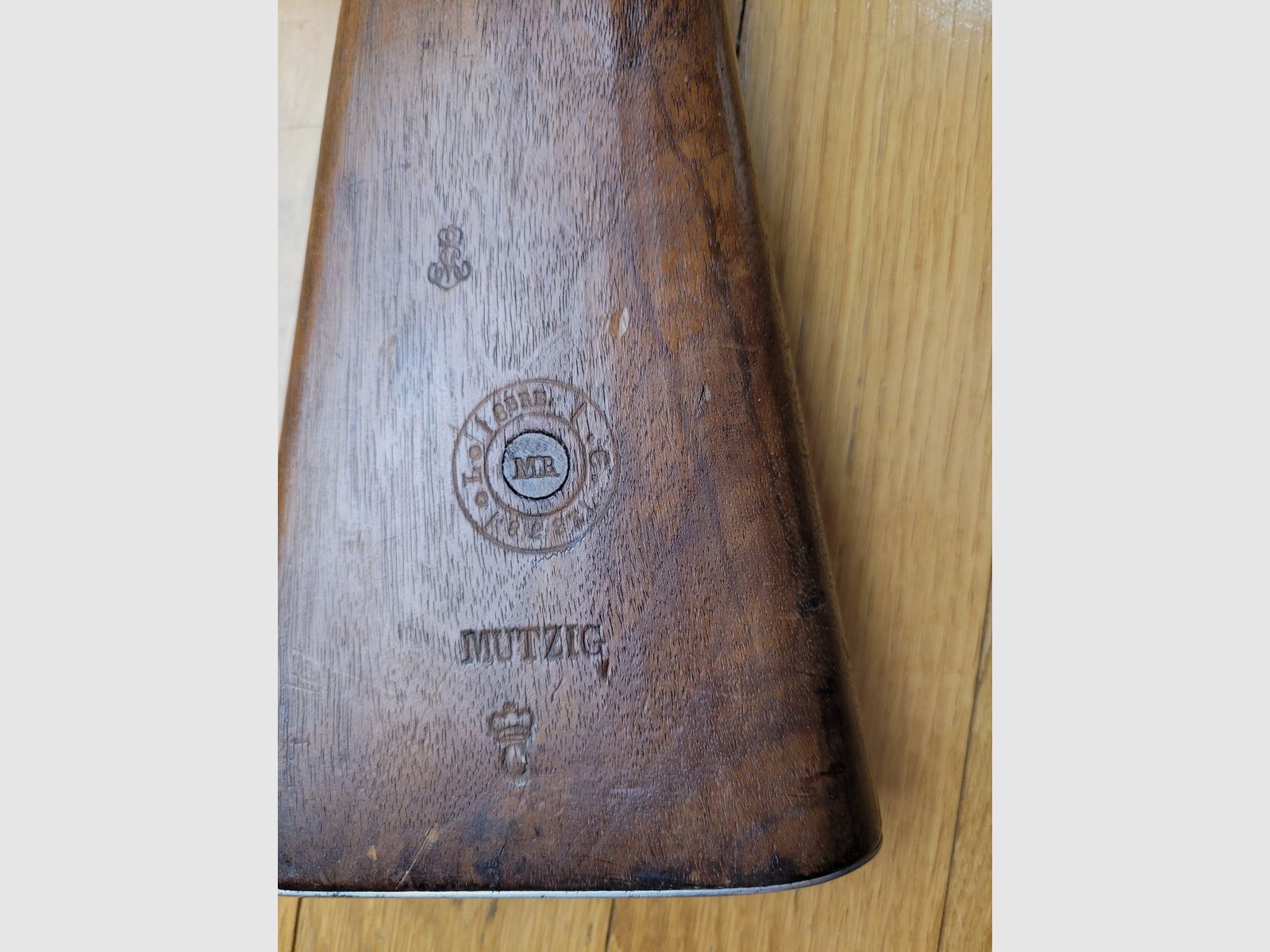
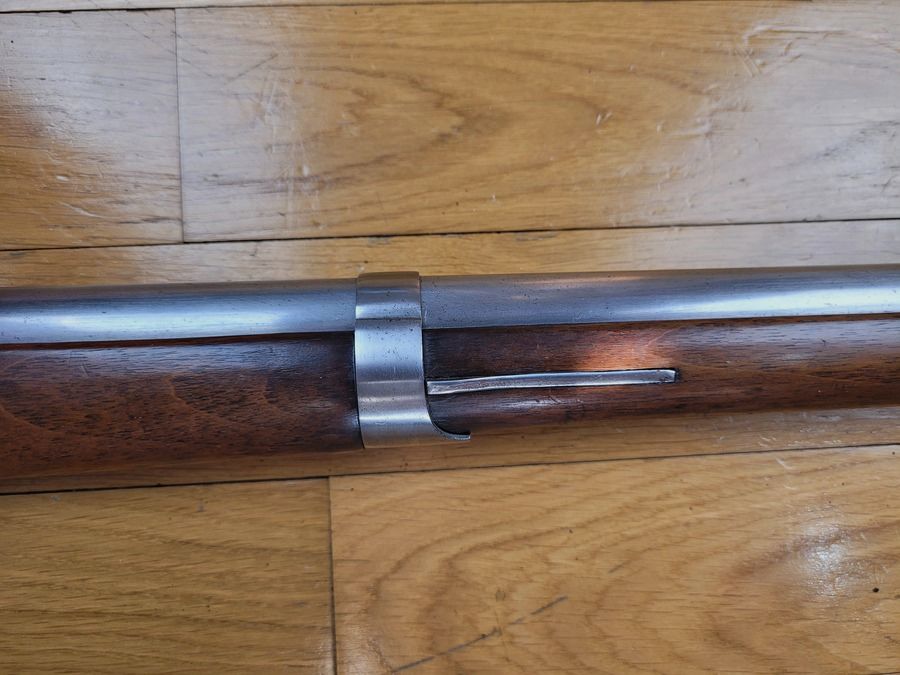
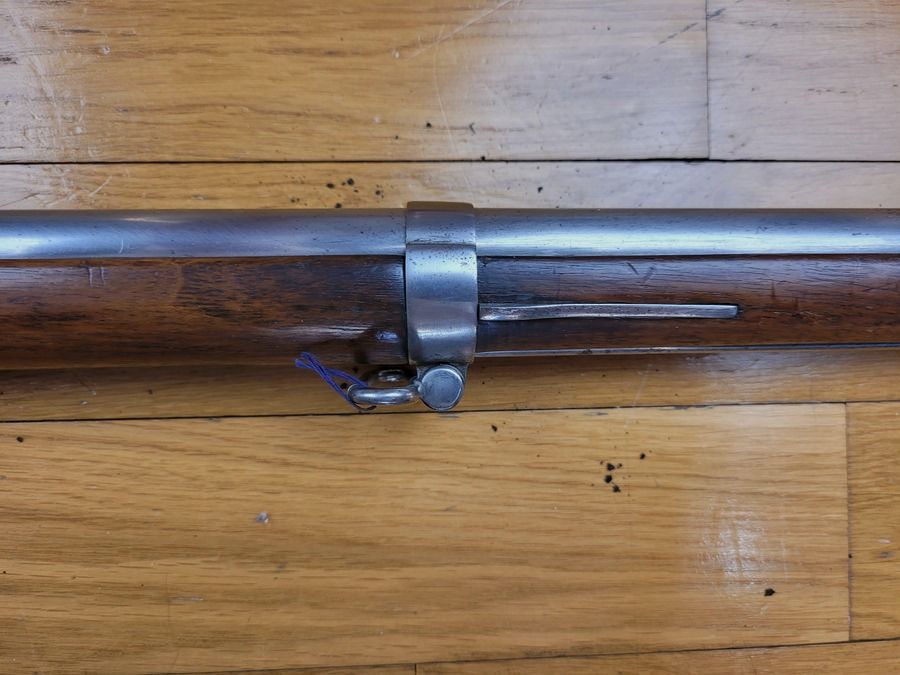
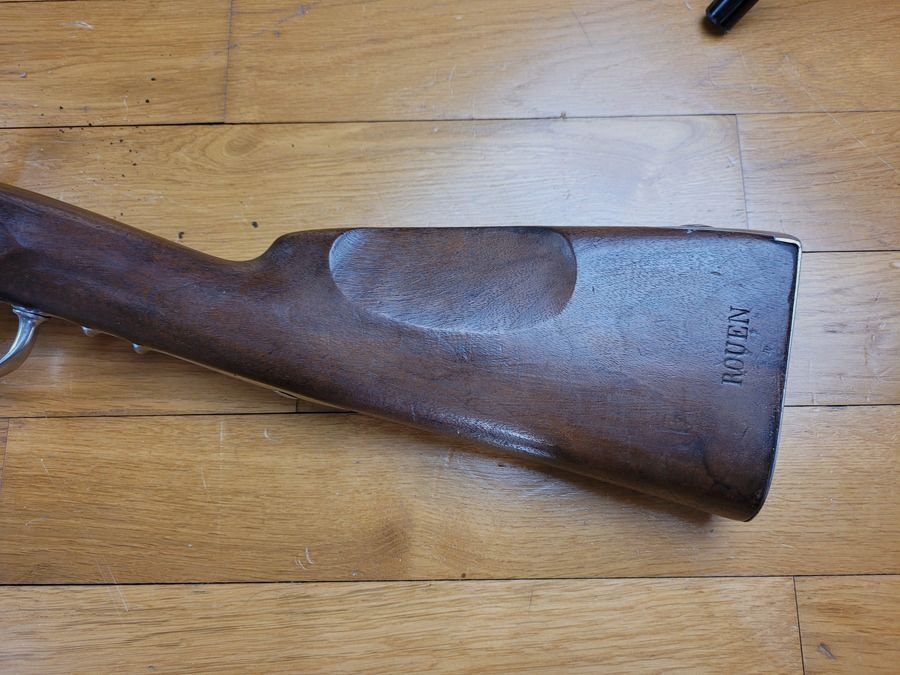
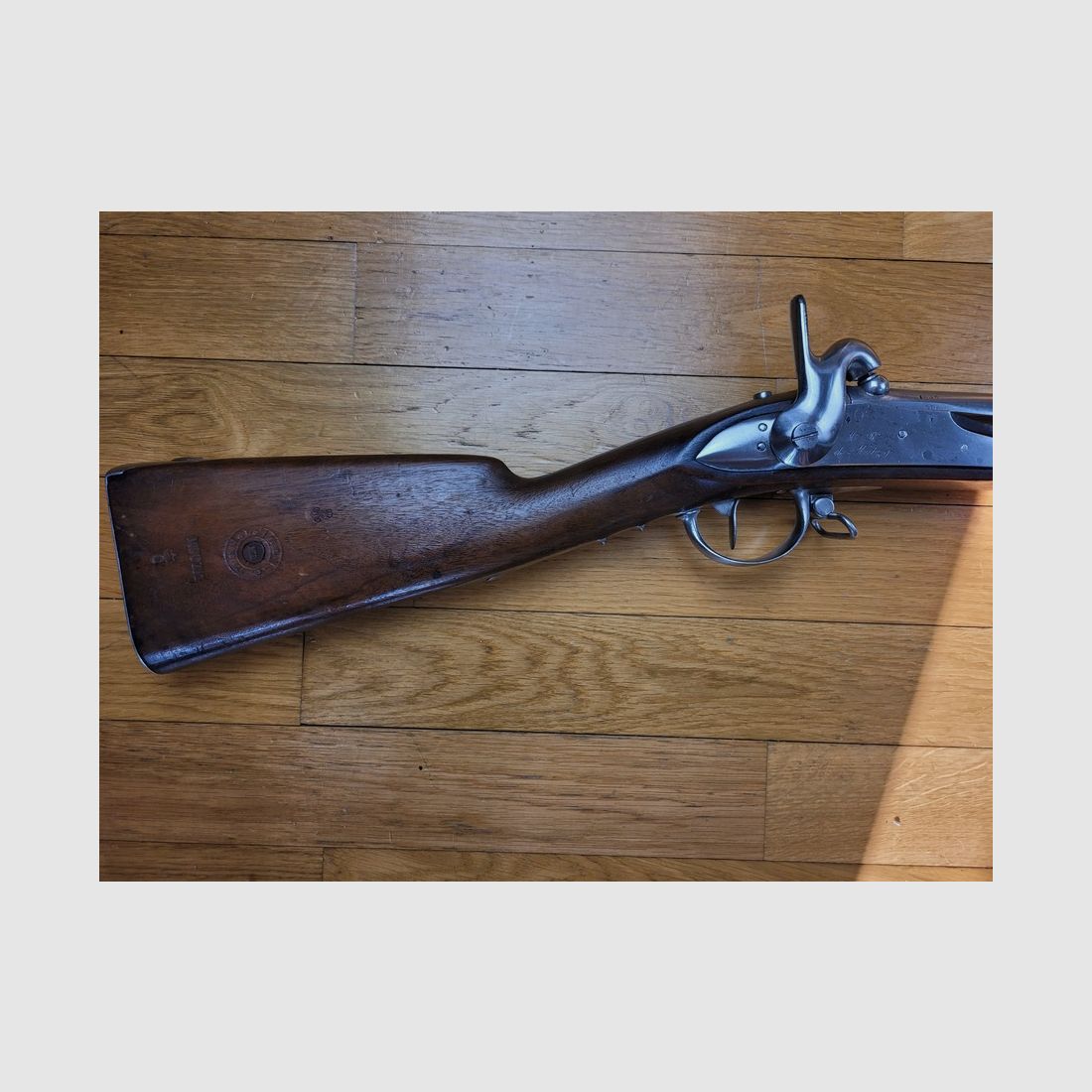
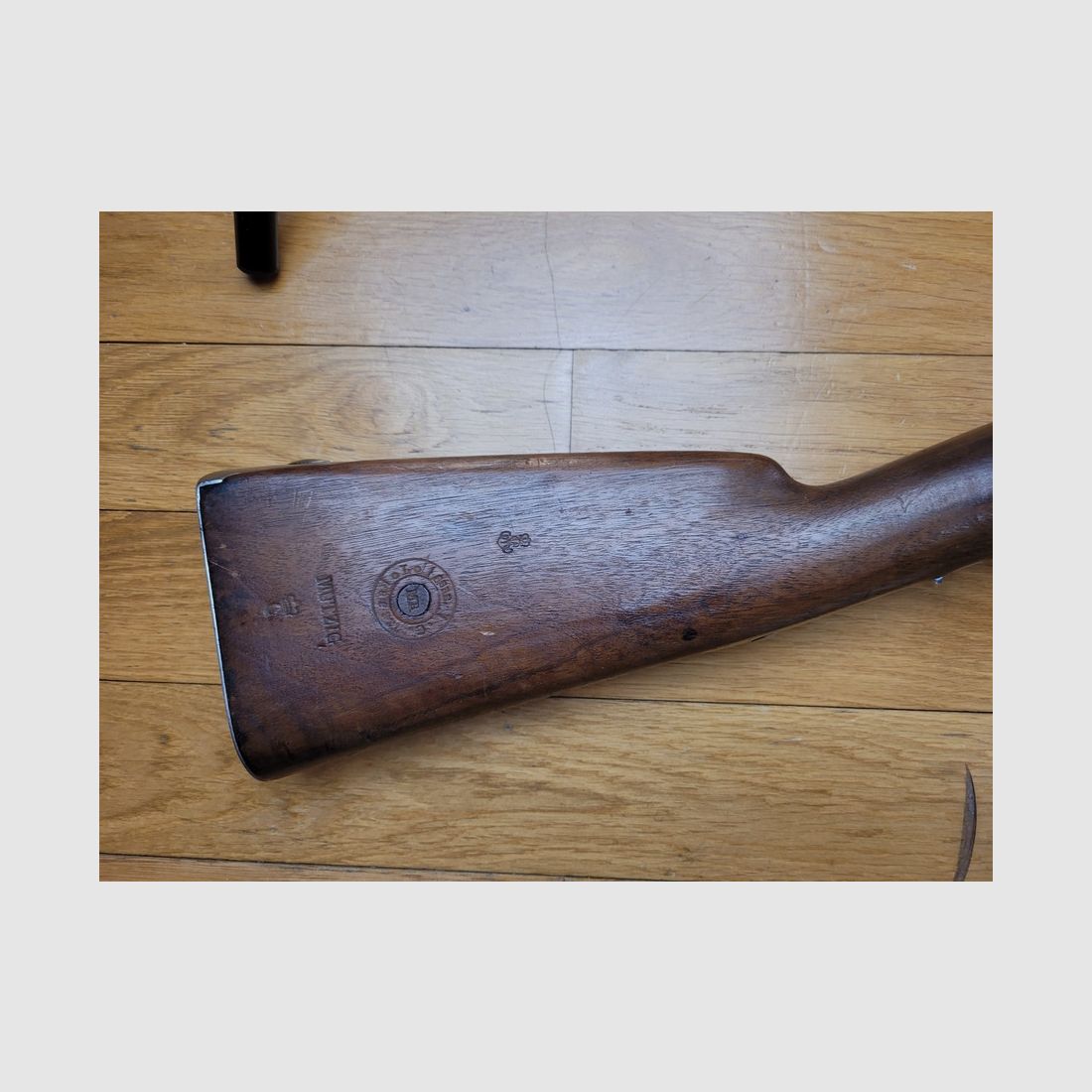
The walnut stock is superb, with a beautiful finish and almost like new, showing only very sparse handling marks. Truly very, very beautiful. The metal parts are almost perfect, with a few scattered fingerprints (on the lock and the top of the barrel). The stock still has its beautiful, perfectly legible date cartouche (very rare on these old models and a sure sign of excellent preservation), marked with the month of October, “8bre” 1838 (as on its barrel), and, of course, the Mutzig manufacture, as on the lock.
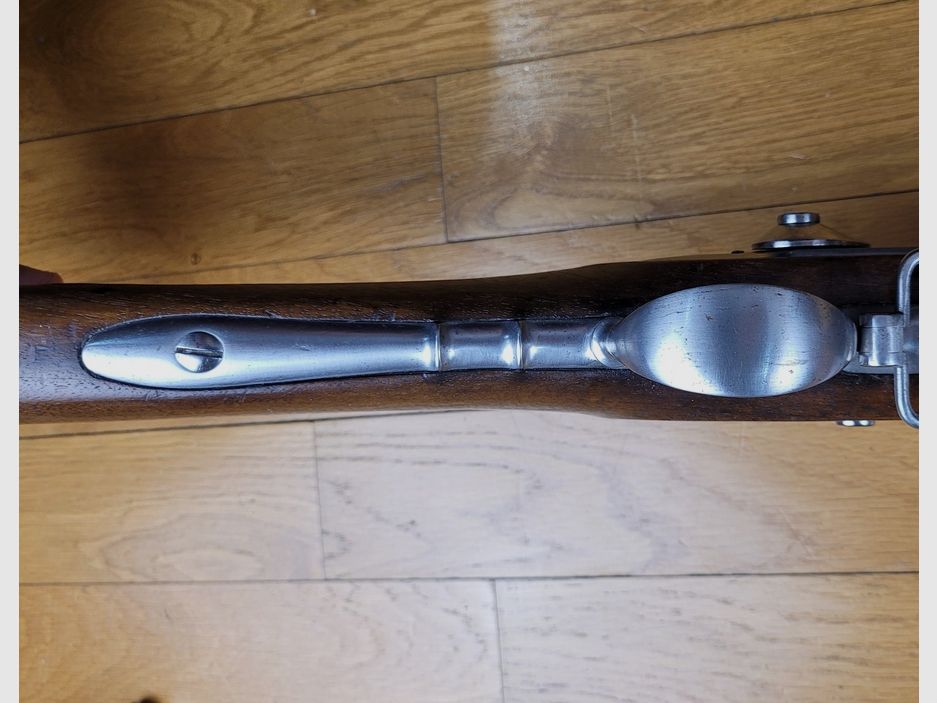
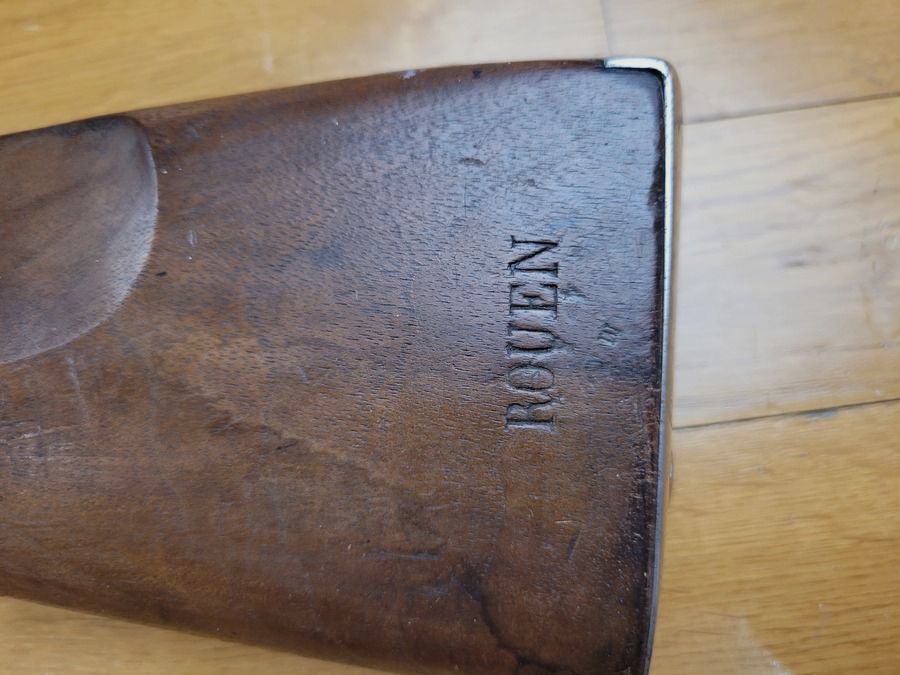
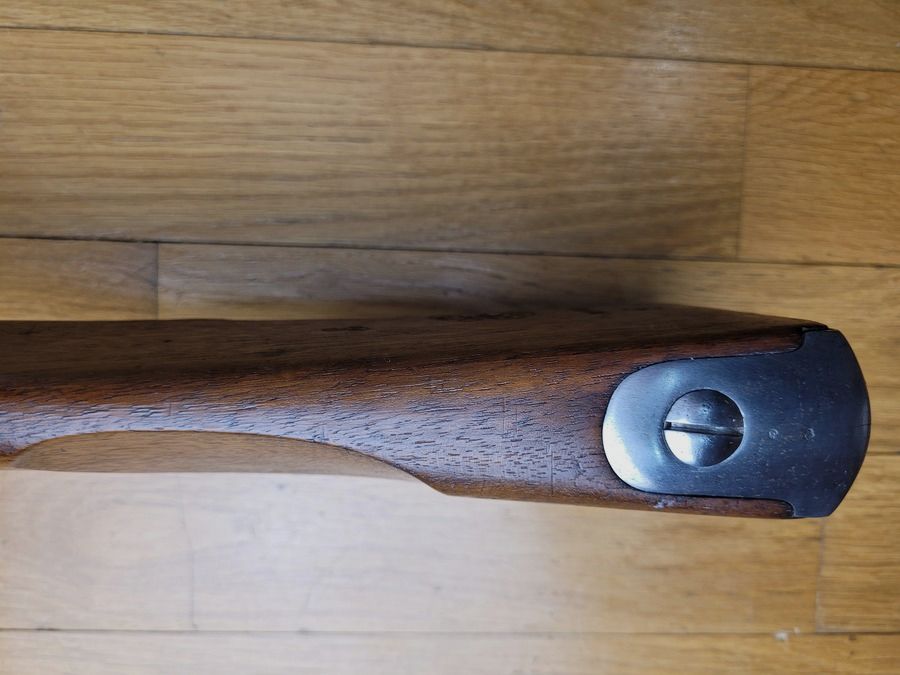
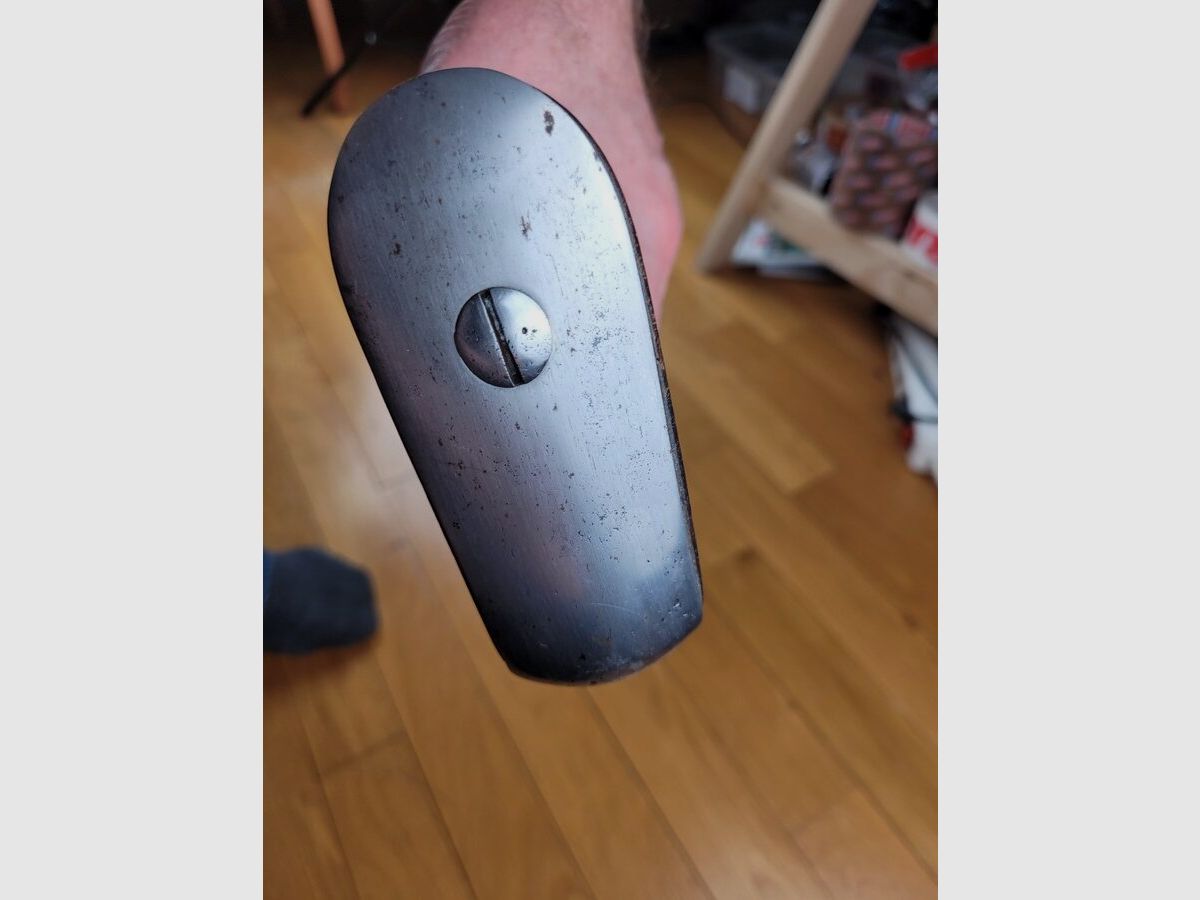
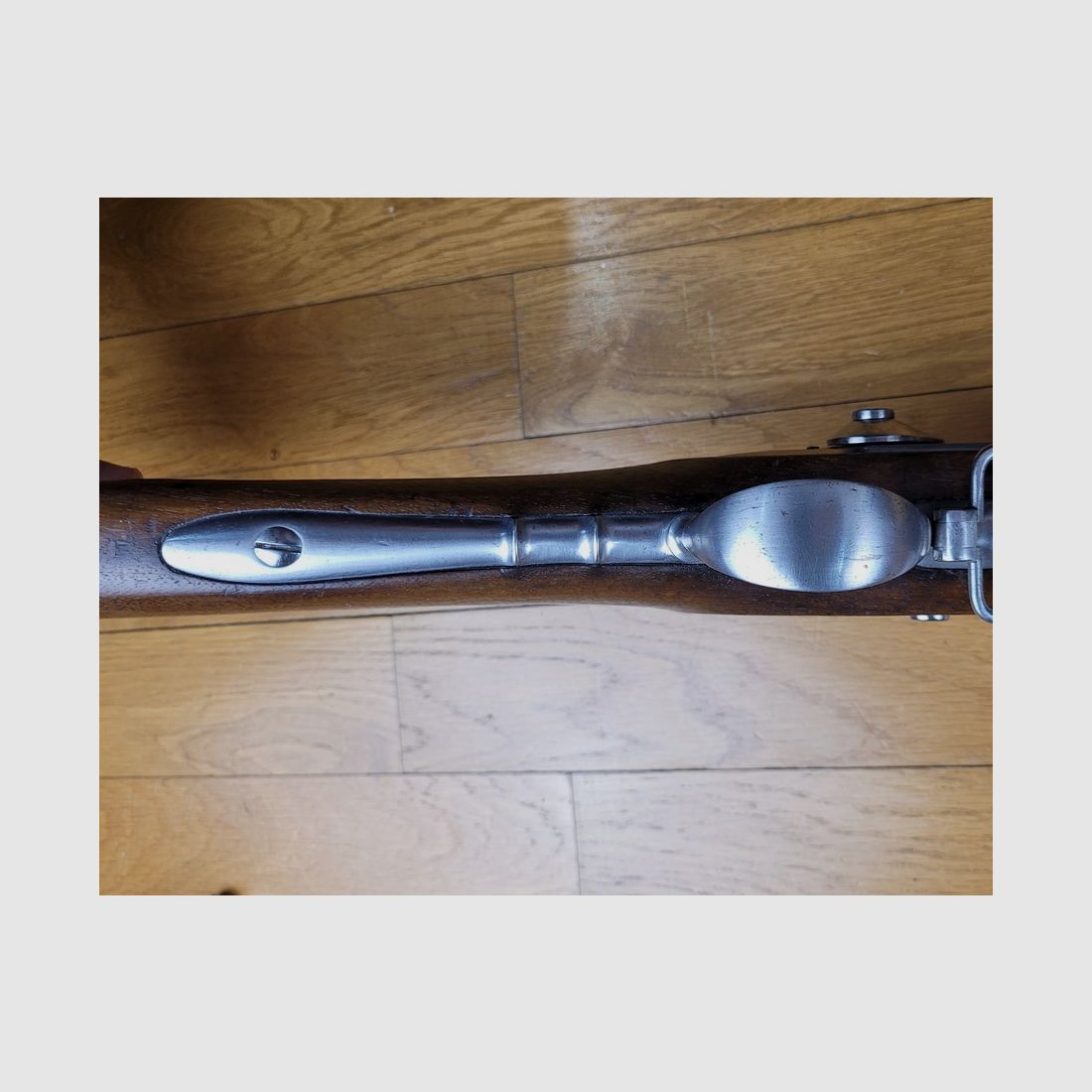
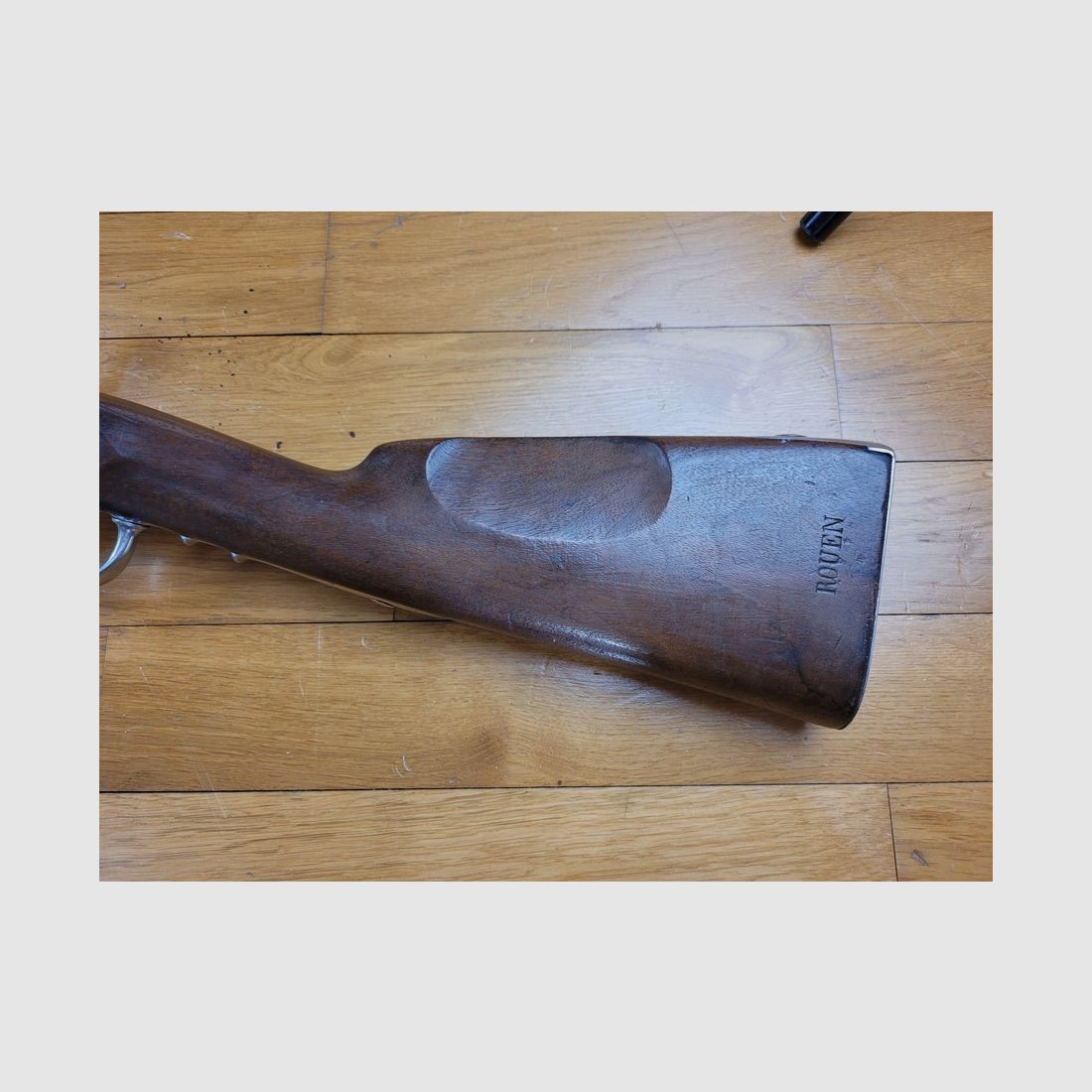
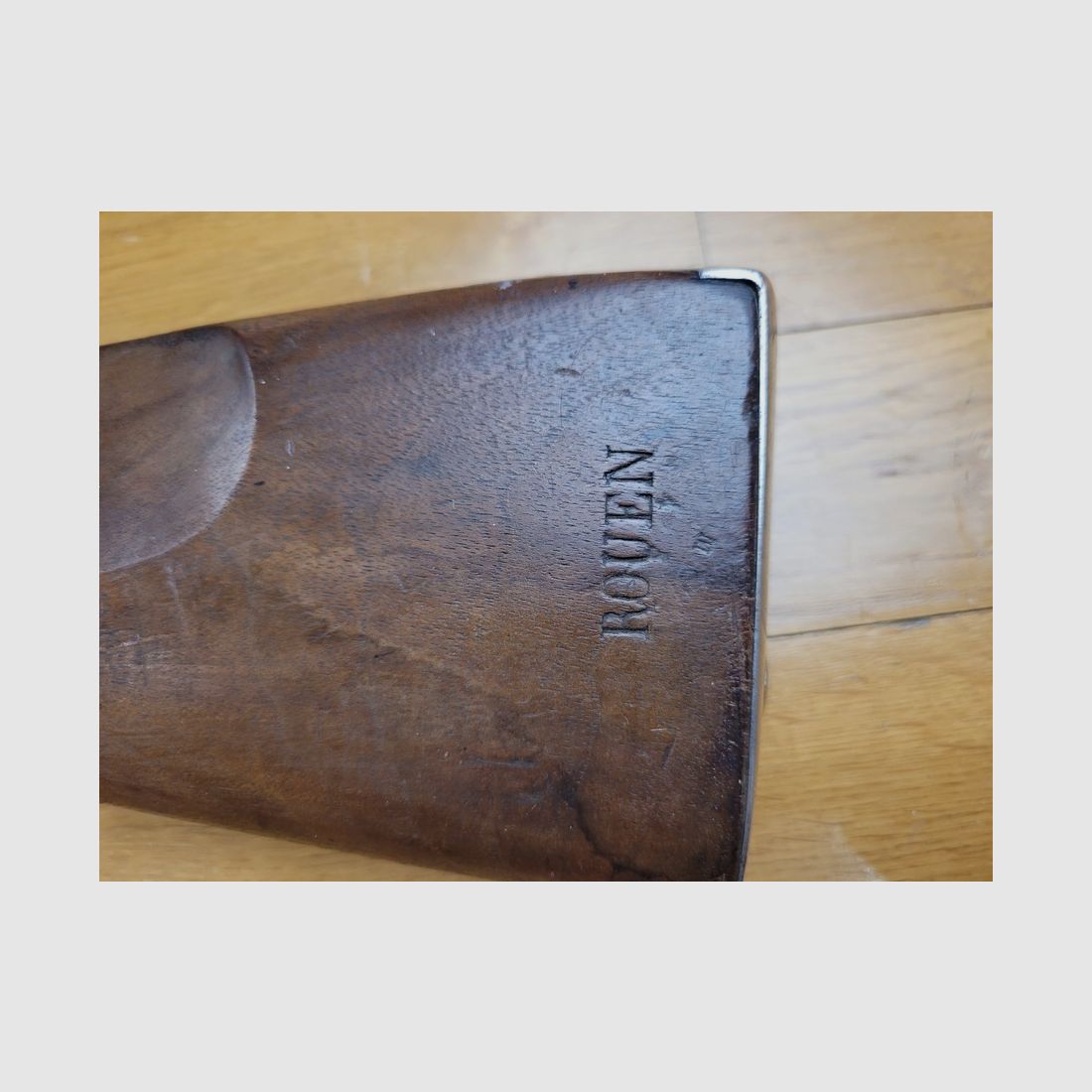
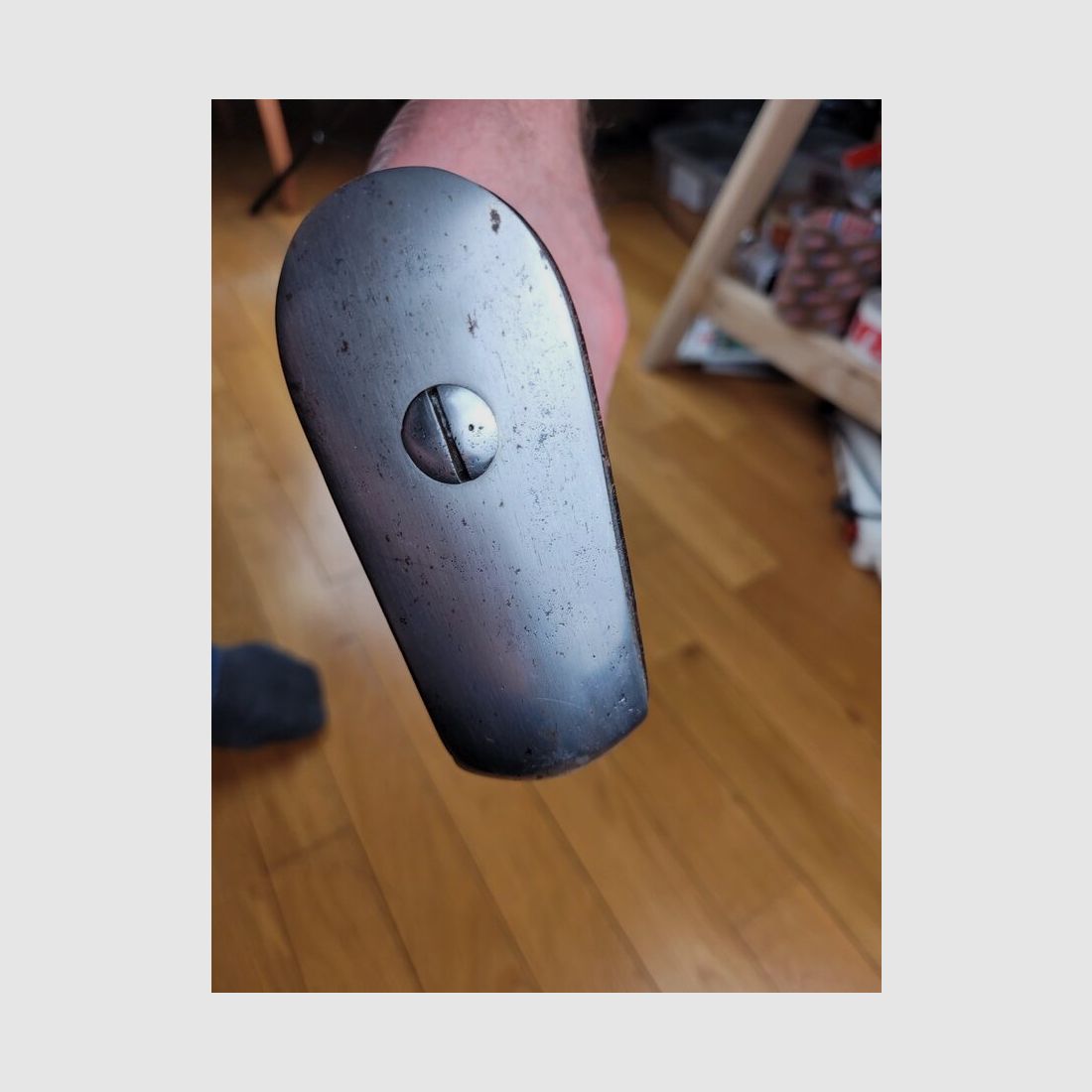
The stock stamp bears the initials of the inspectors, “C” and “L,” and its central boxwood disc is clearly marked “MR” for Manufacture Royale. The stock still has two crisp crowned inspection marks on the right side, along with the inspector’s crowned “C” above the word “Mutzig,” also stamped into the wood. On the left side, the stock bears an uncrowned M mark and the word “Rouen.” It has no numbered serial on the stock or ramrod, and no unit designation on the butt plate. It must therefore have been delivered directly to the National Guard (created in 1831) of this city in 1838, without first being assigned to a regular army unit, then disappeared from the records and has been impeccably preserved ever since.
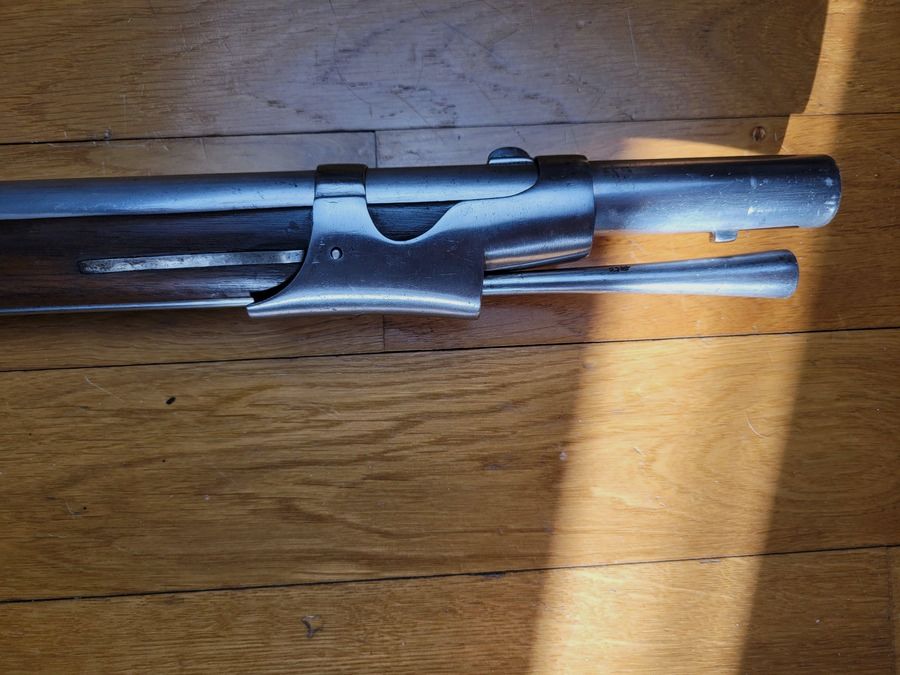
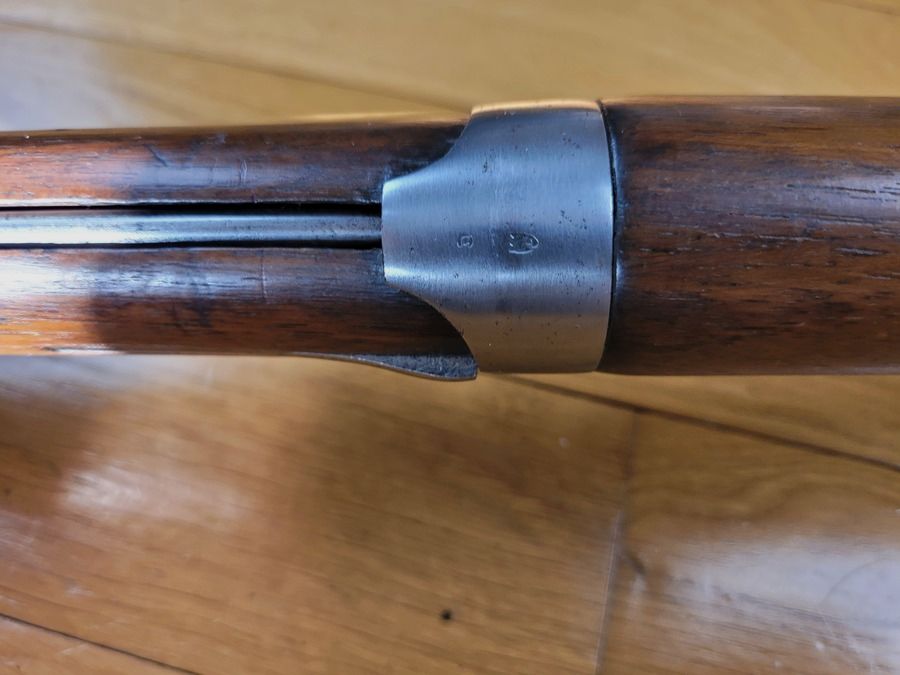
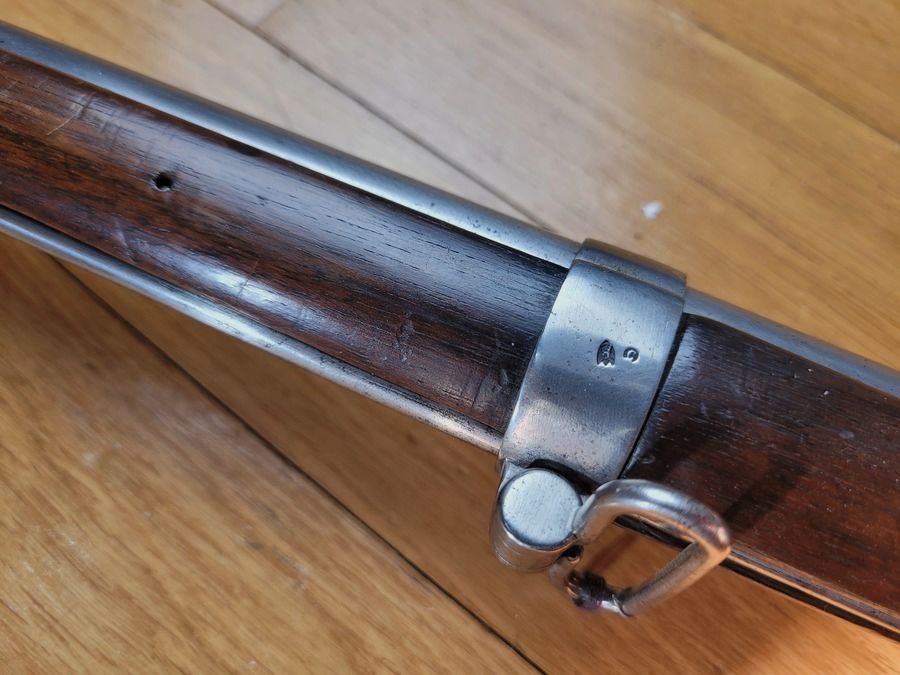
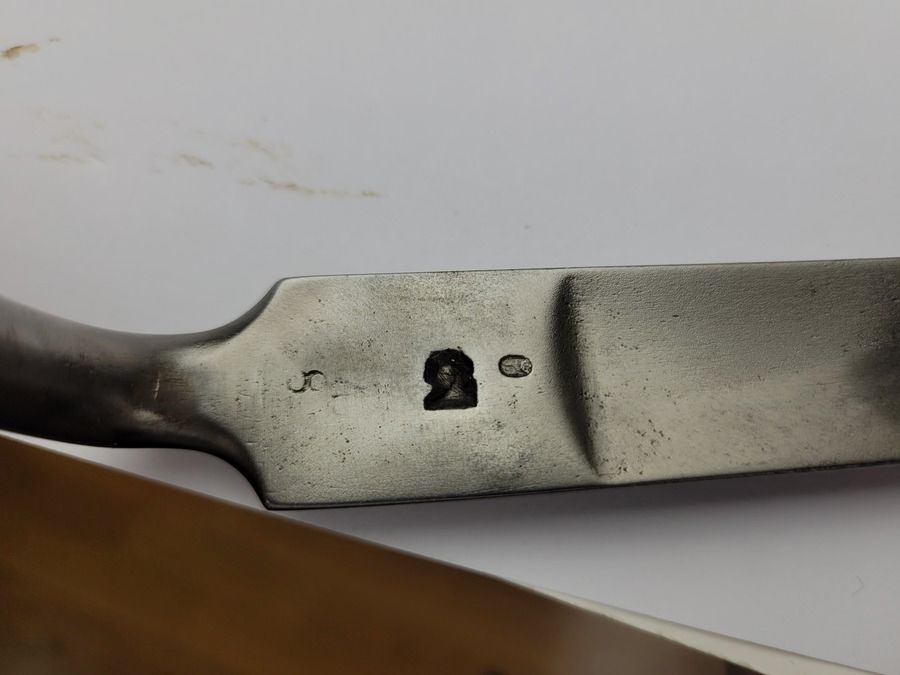
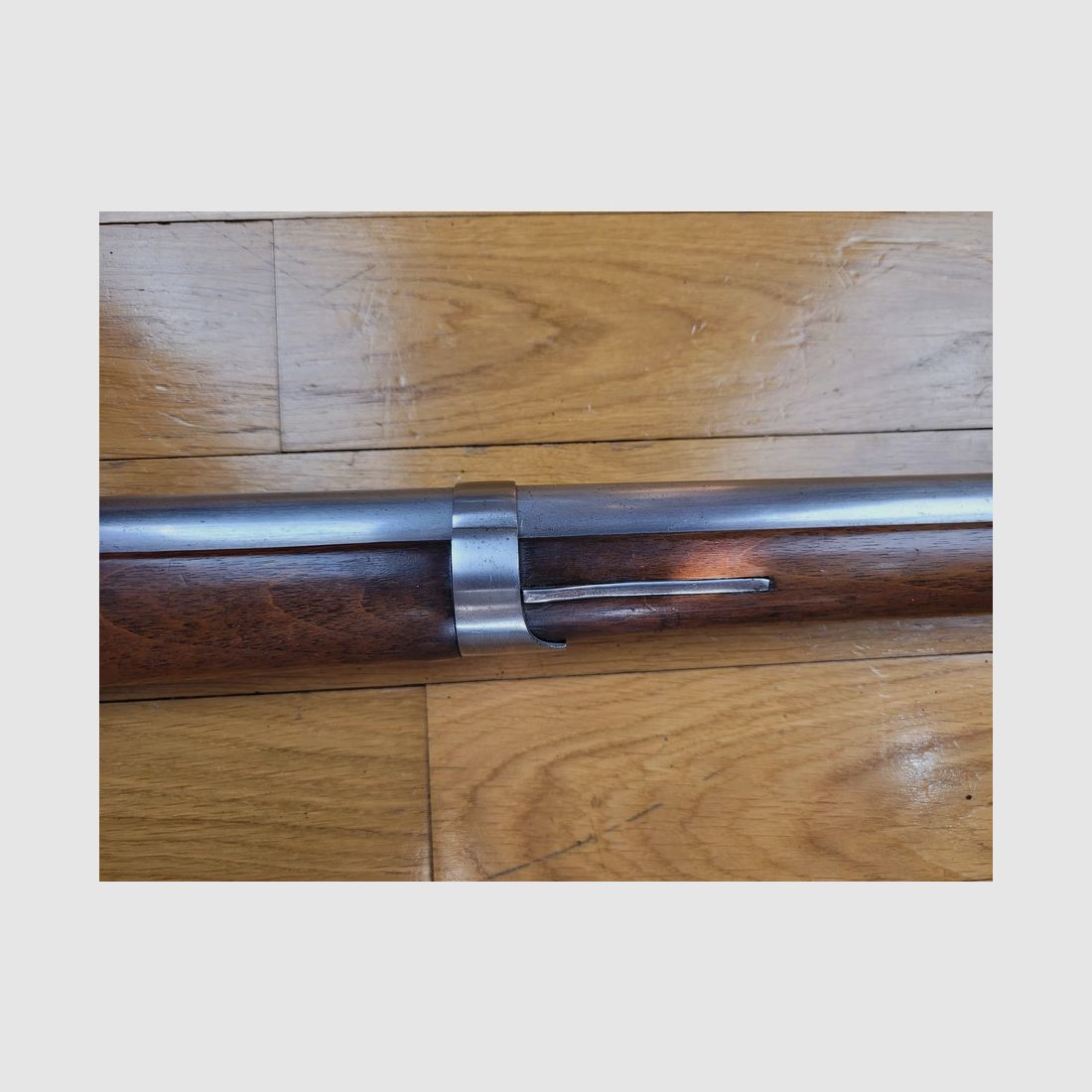
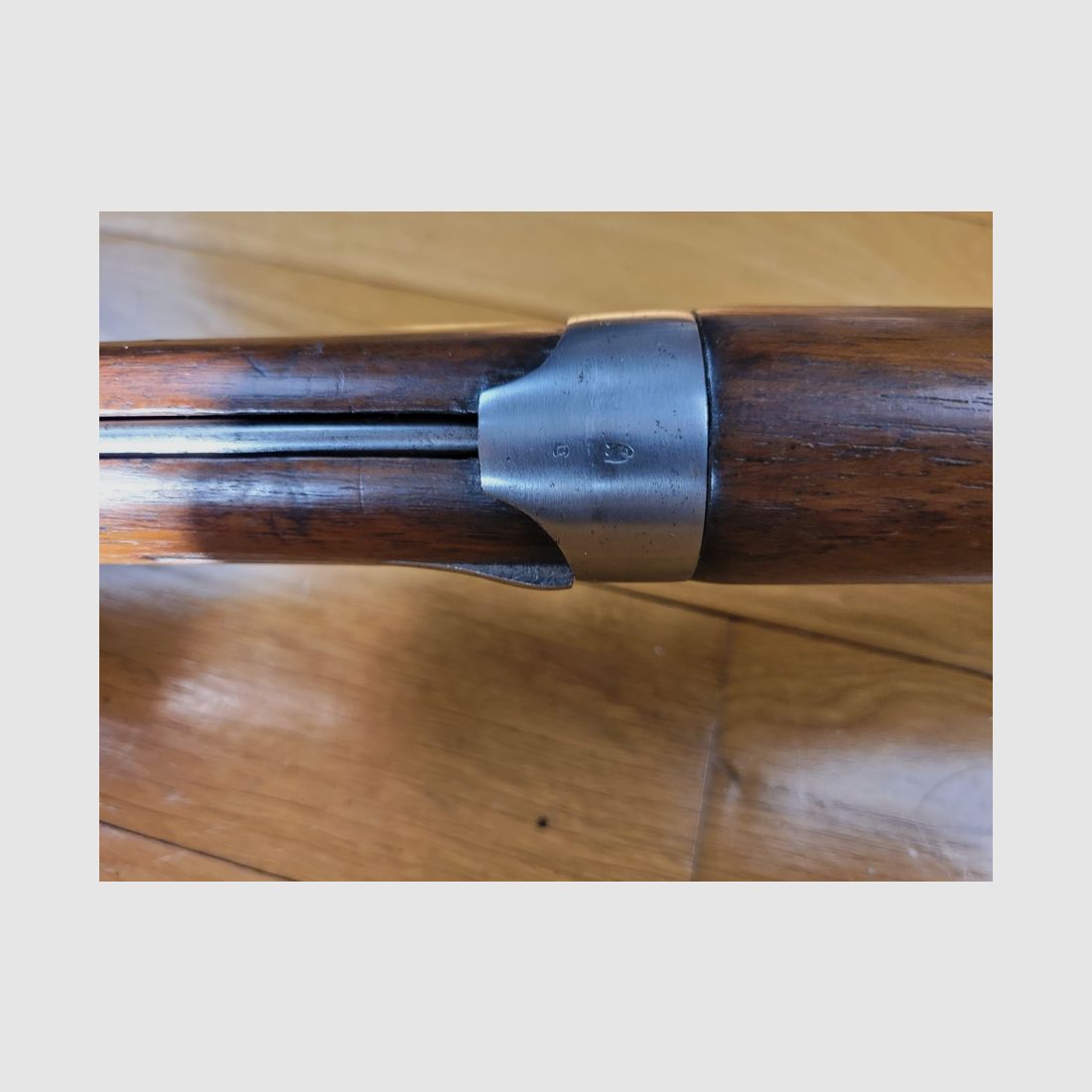
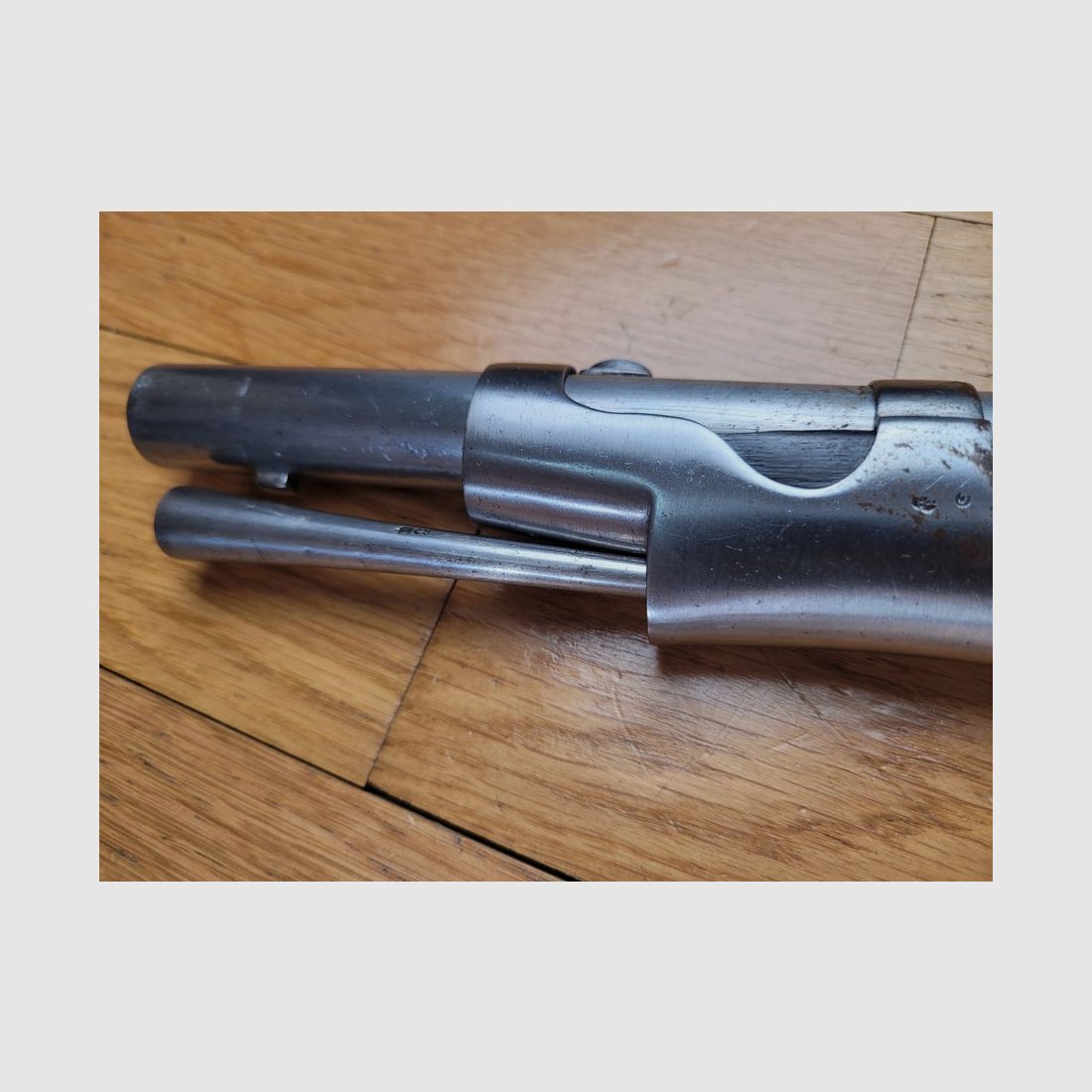
All the fittings are iron. They are all in perfect condition and clearly stamped “C” + “B” beneath a crown. The firearm is perfectly matching. None of the parts have been replaced in 184 years…
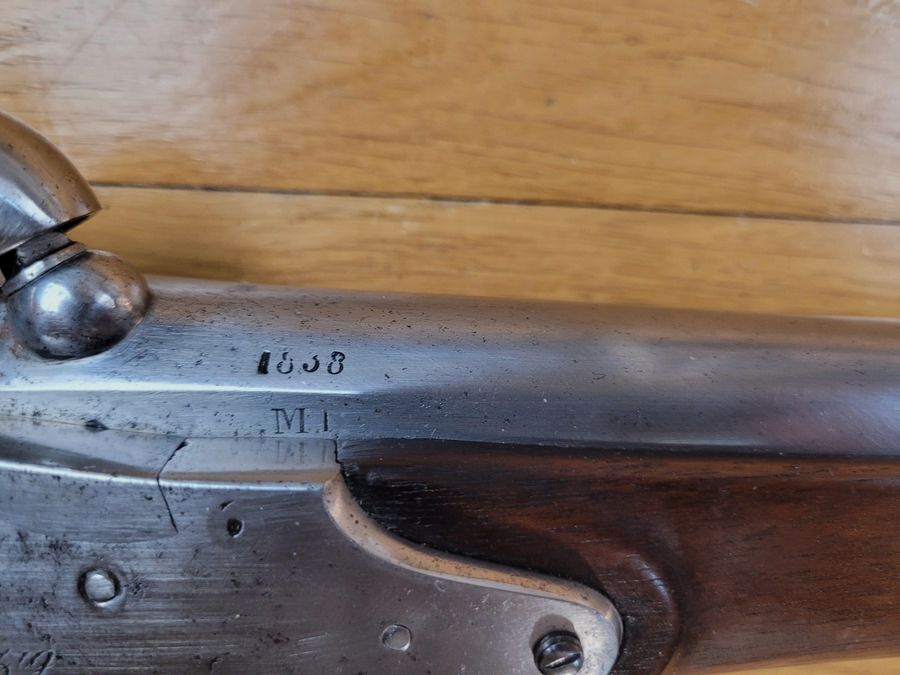
All the manufacture and model markings, the caliber 18 markings, and the proof marks are deep, crisp, and perfectly legible. All the screws are stamped “4” or “M4,” except for one. They are in perfect condition.
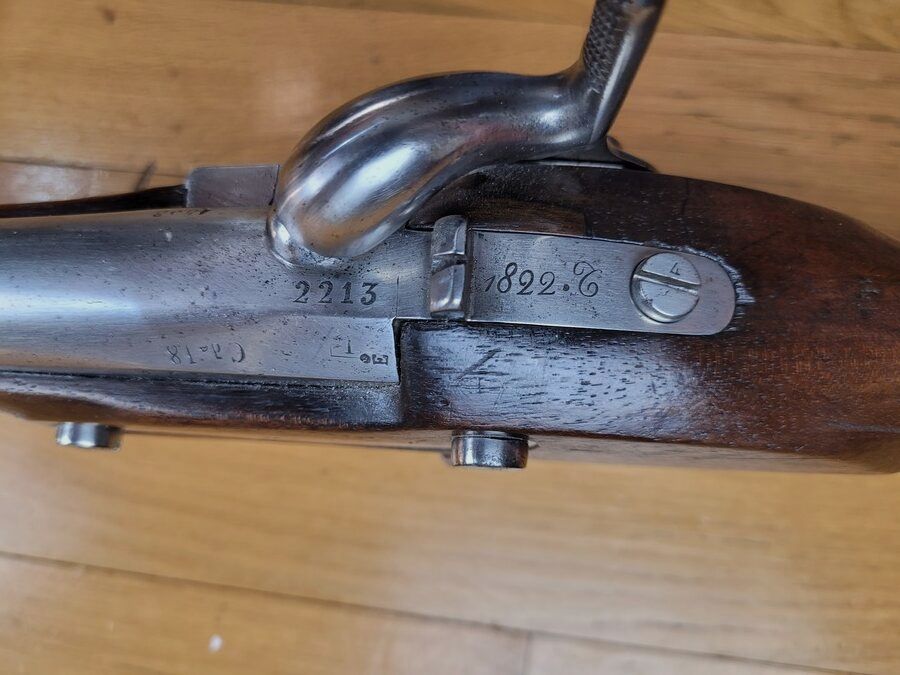
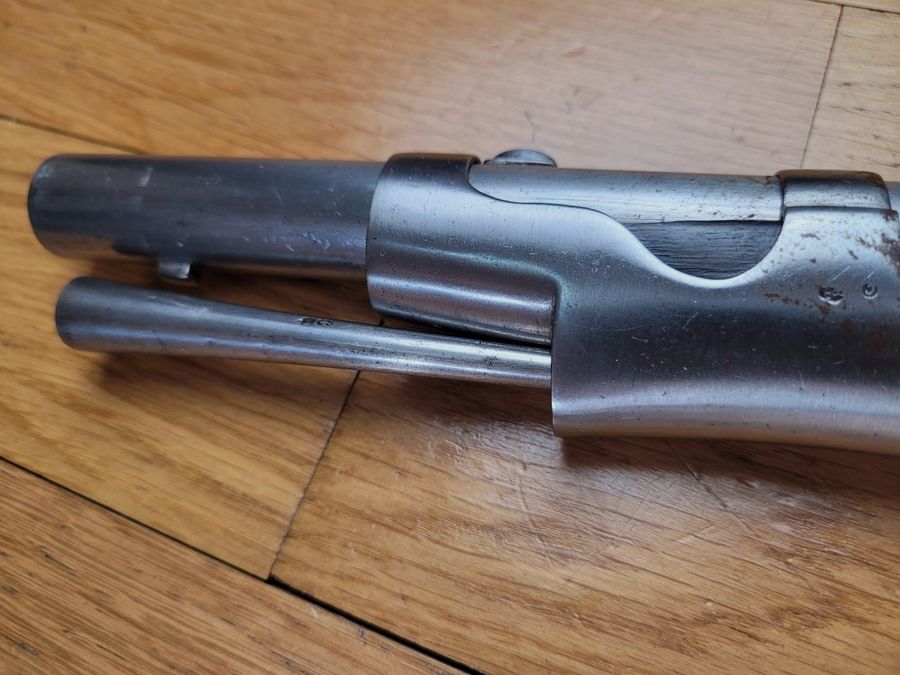
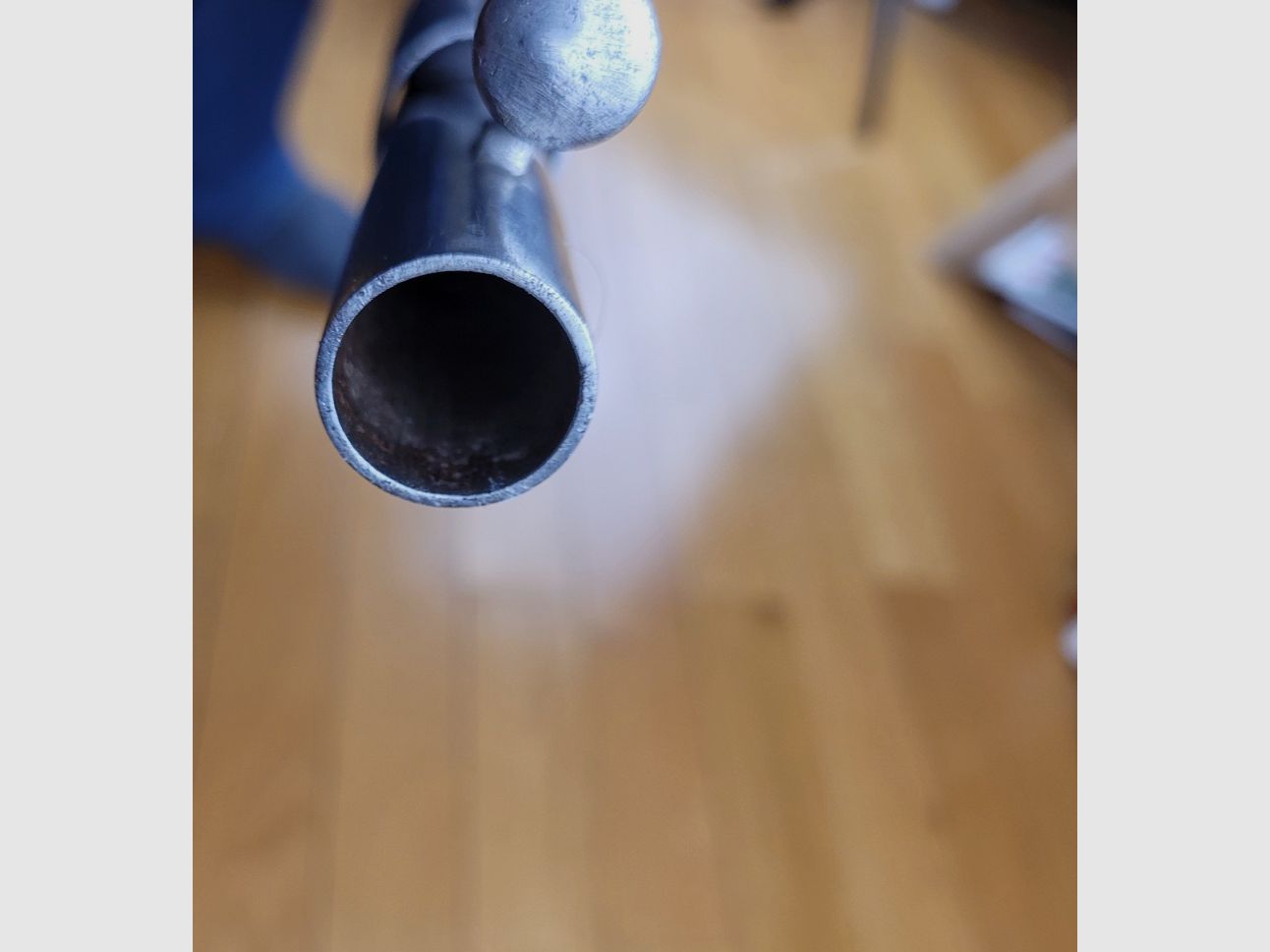
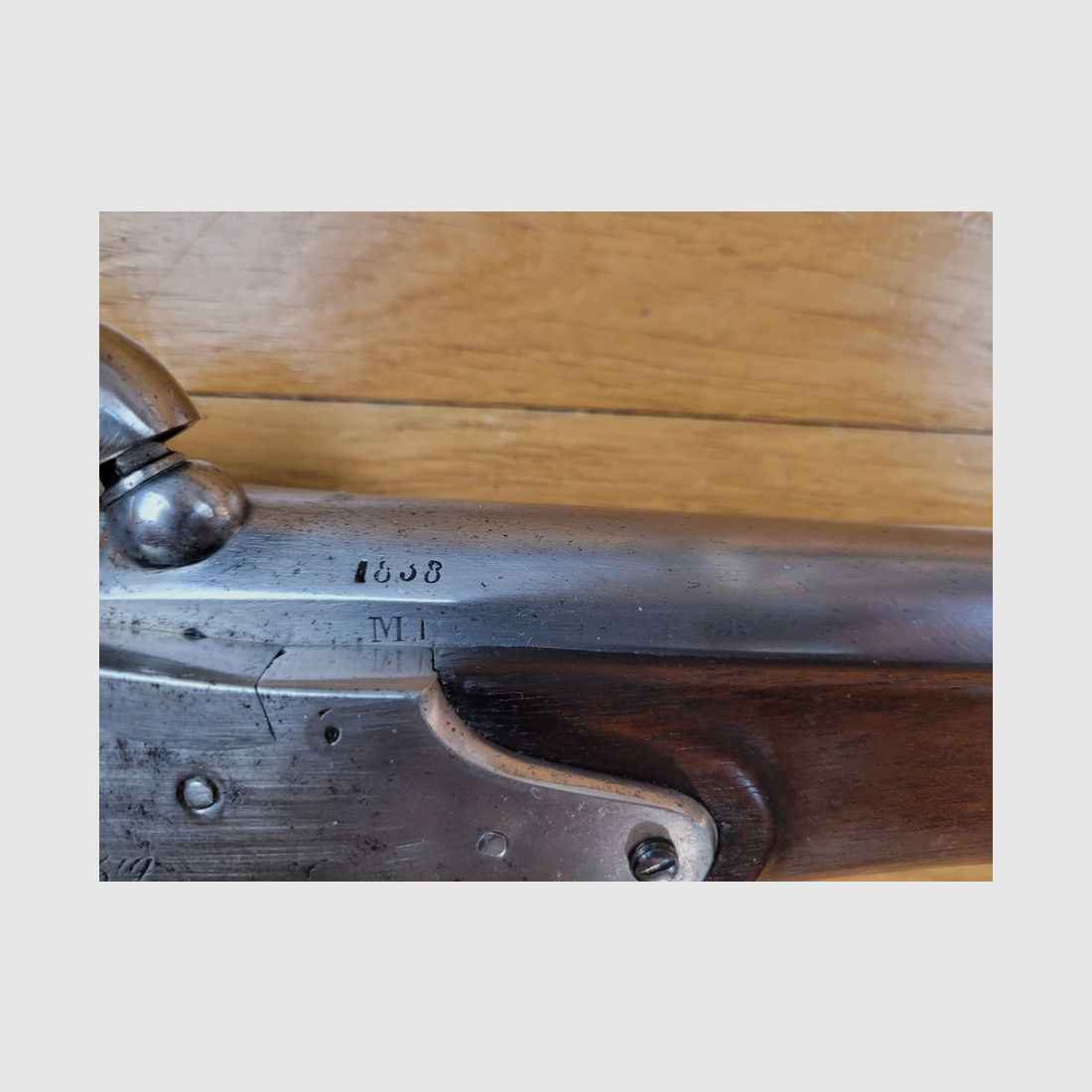
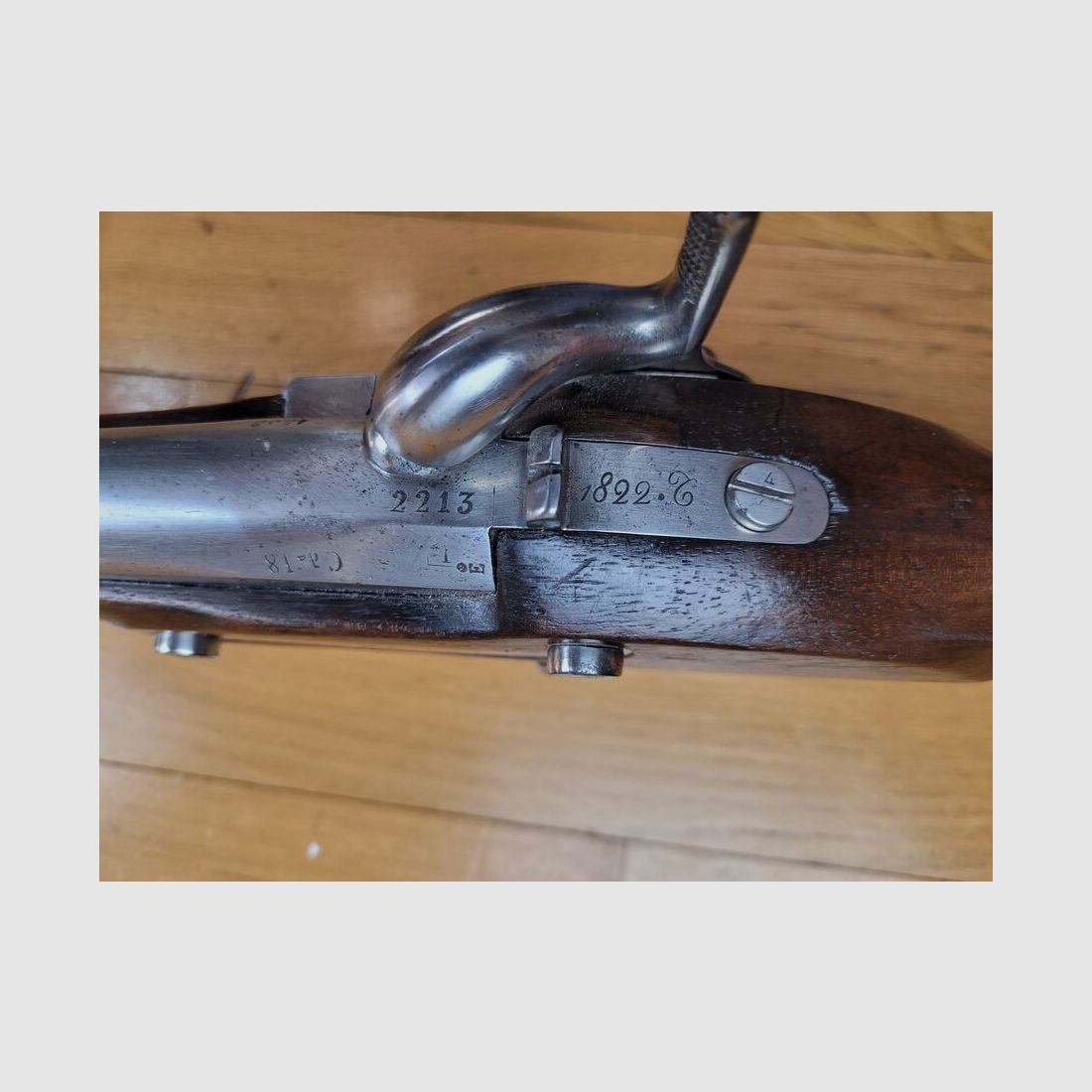
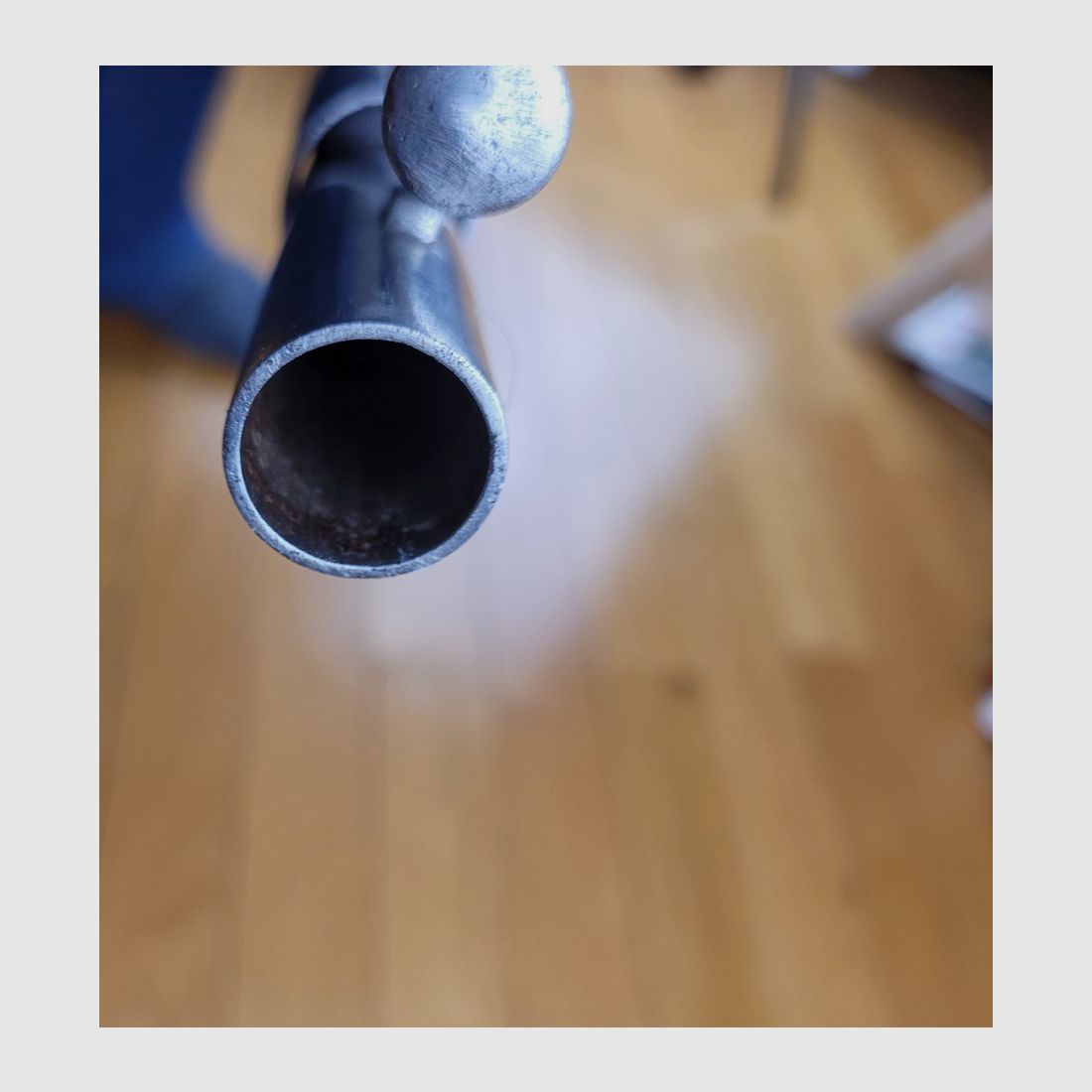
The firearm is in near-original condition. The barrel is in exceptional condition, especially considering that the firearm is nearly two centuries old. It is serial-numbered “E,” “MI,” and “1838” on the right, the same year as the stock, and on the left, “M,” “457,” “cal 18” for the caliber, and a crowned “E” inspection mark. The tang is marked “2213” and clearly marked with the model designation “1822 T.” The ramrod is the correct model and is also clearly proof-marked. The butt plate and the wood where it joins the butt plate are in excellent condition, which is rare on these very old firearms.
The fit is perfect. Nothing has been disassembled or tampered with. There are no markings from any arsenal other than Mutzig, as you would expect for a firearm that has undergone no modifications since it was made in 1838.
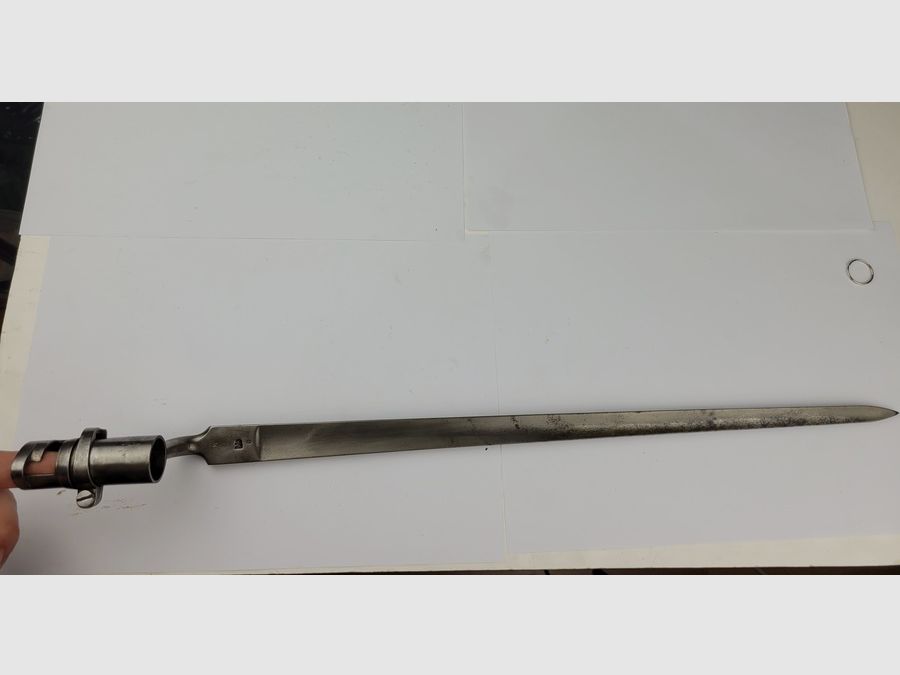
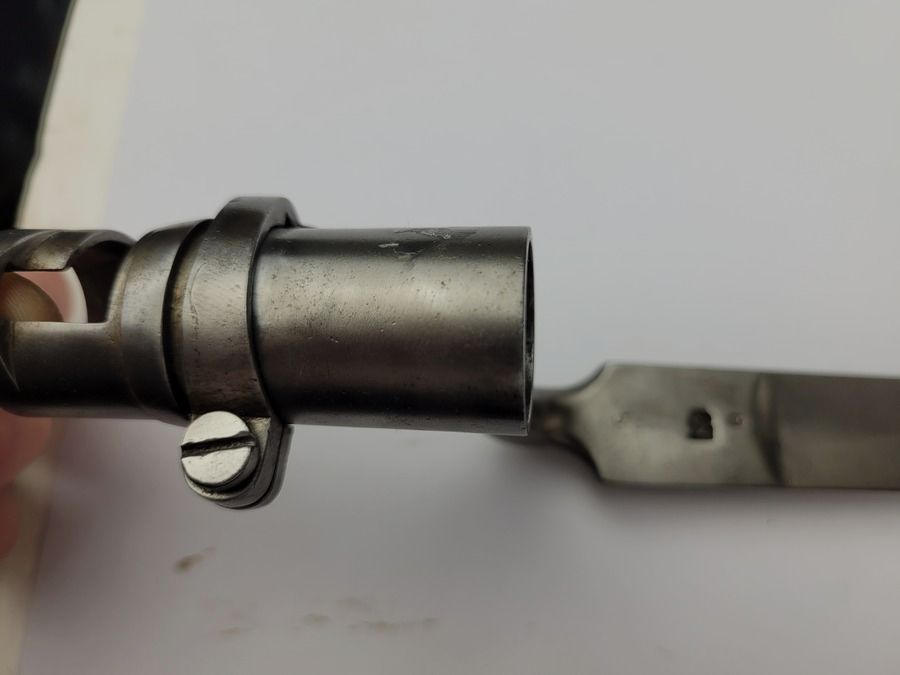
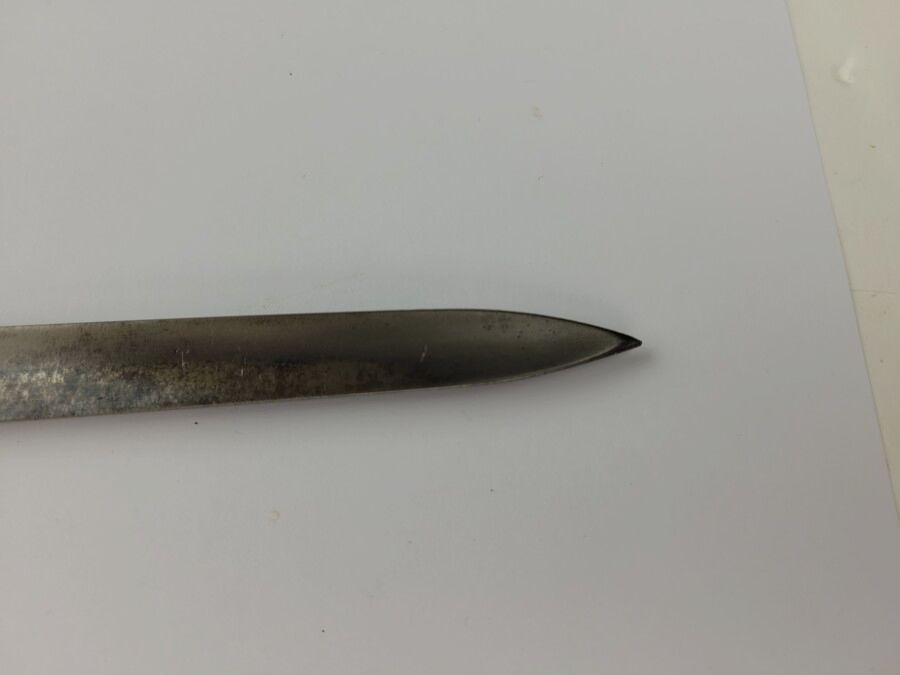
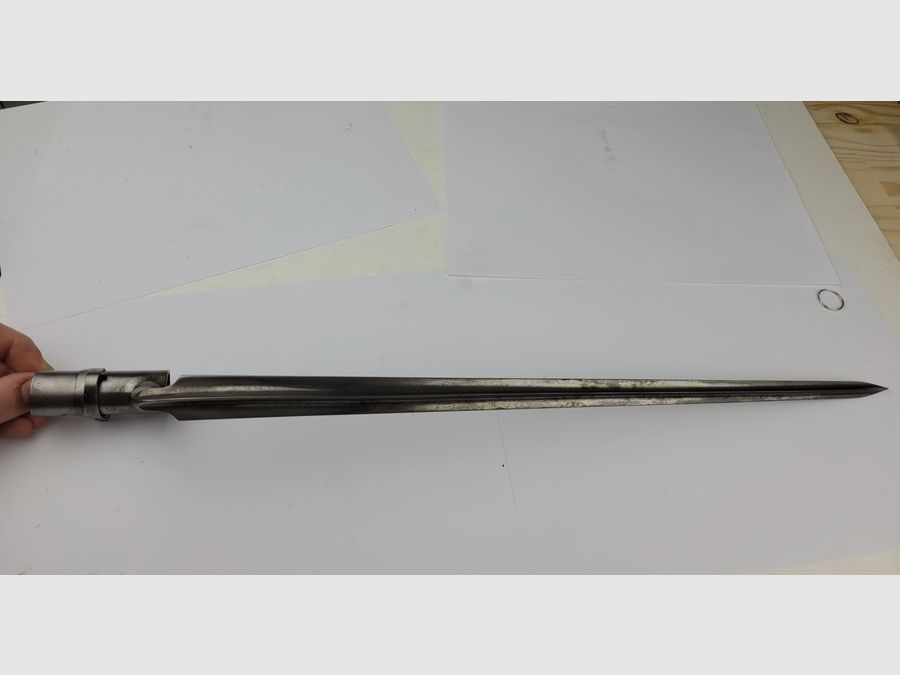
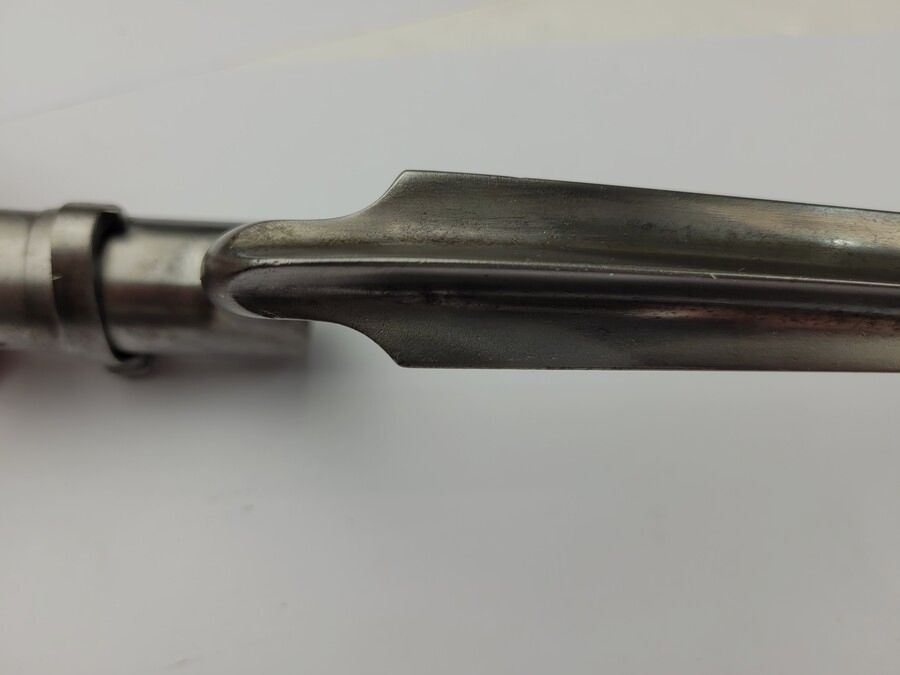
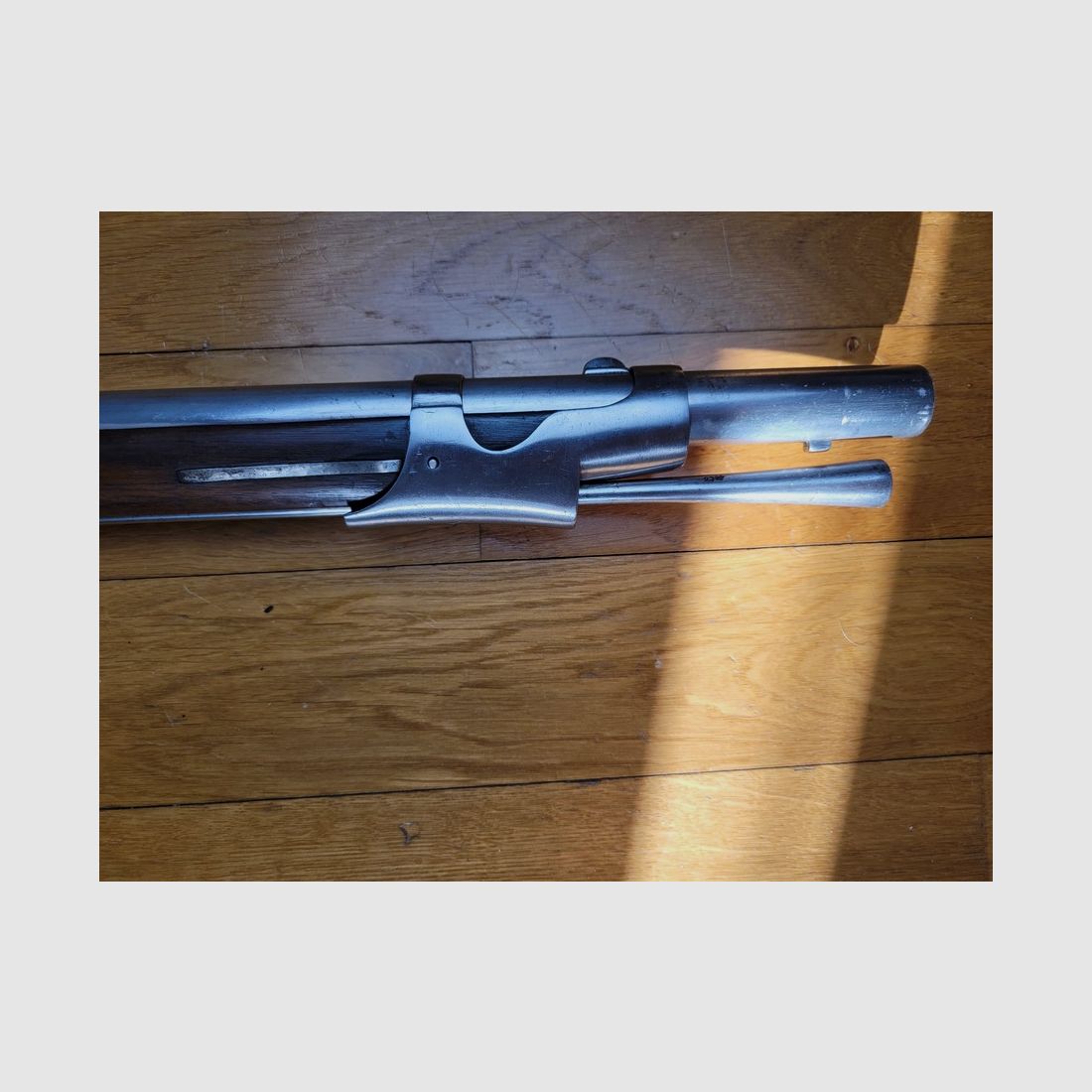
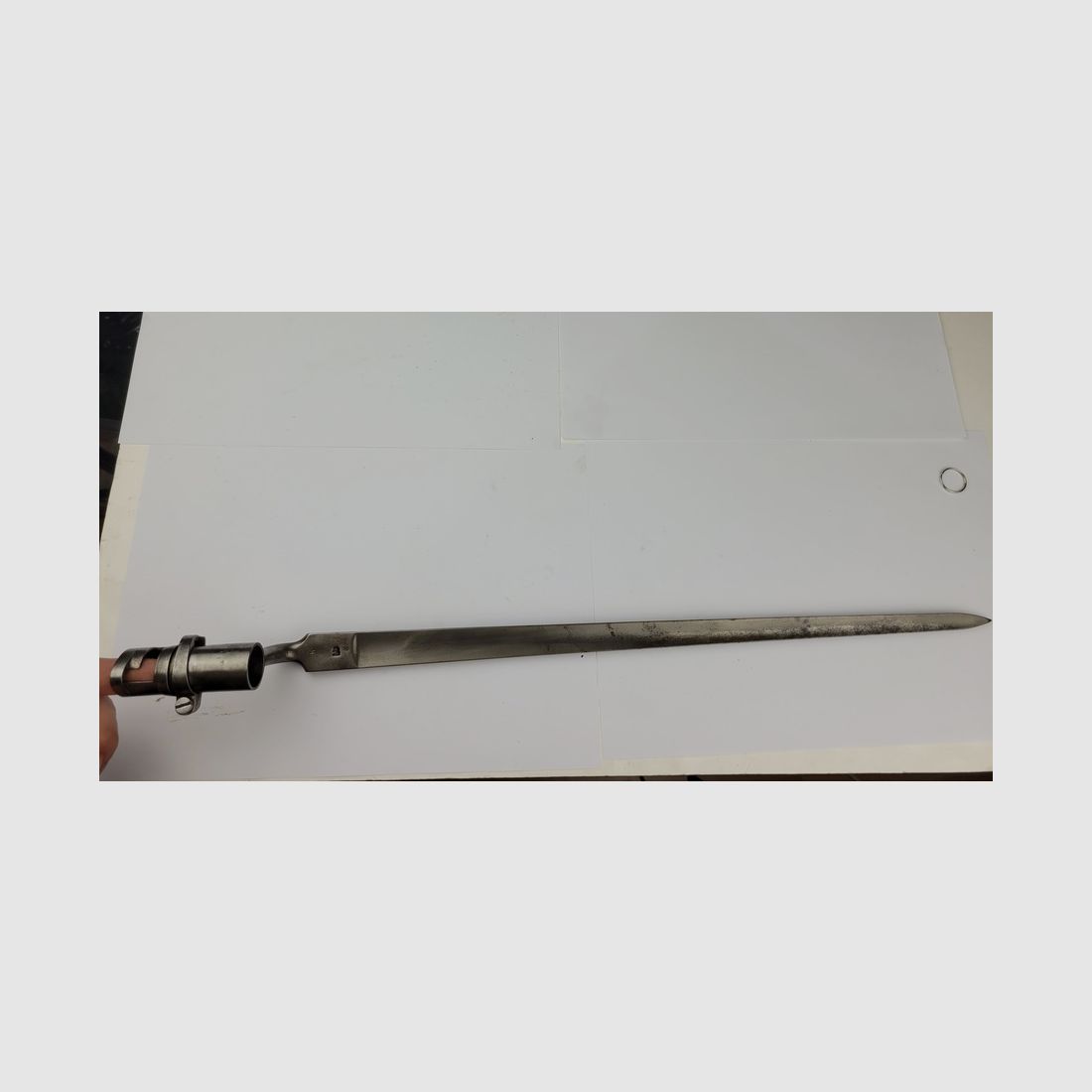
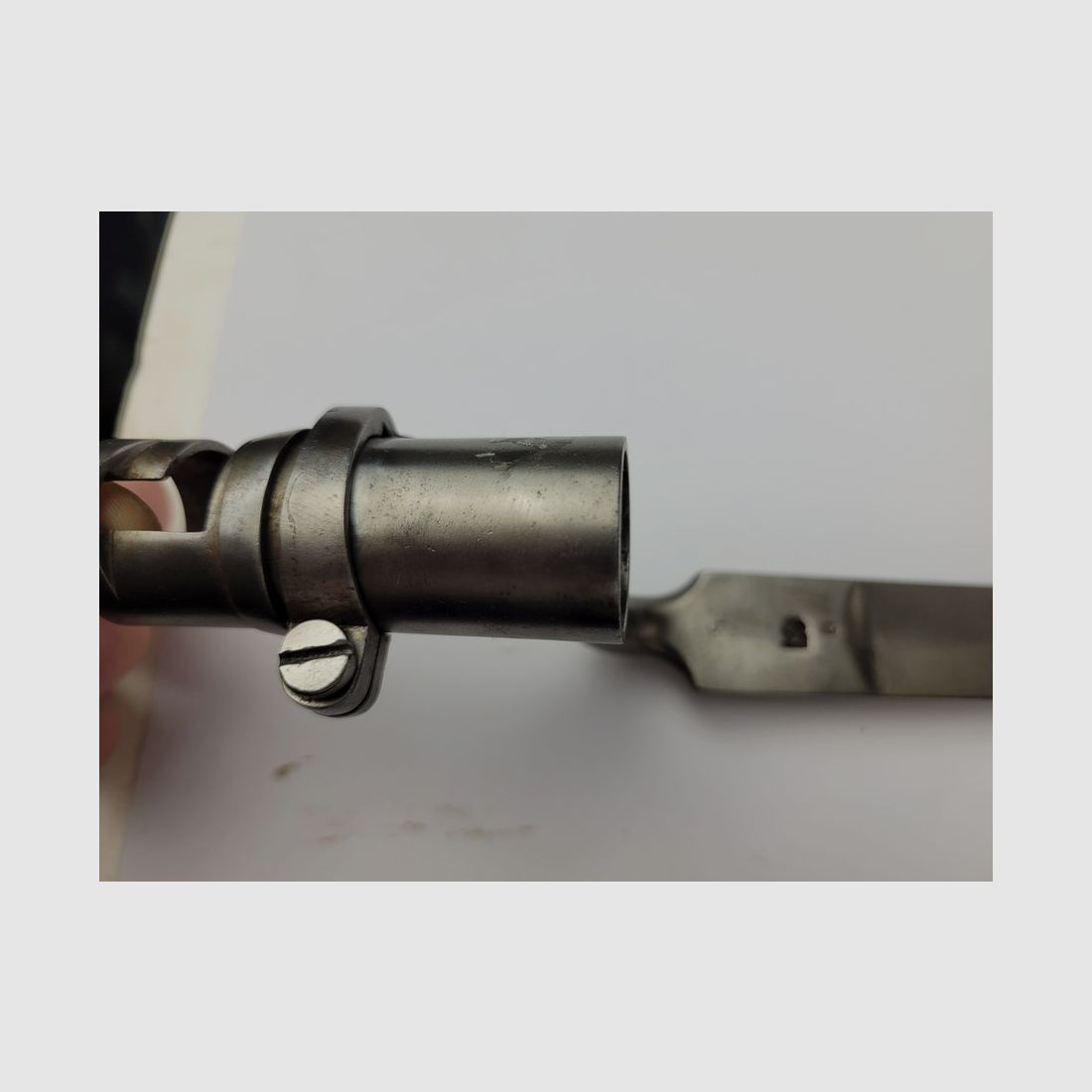
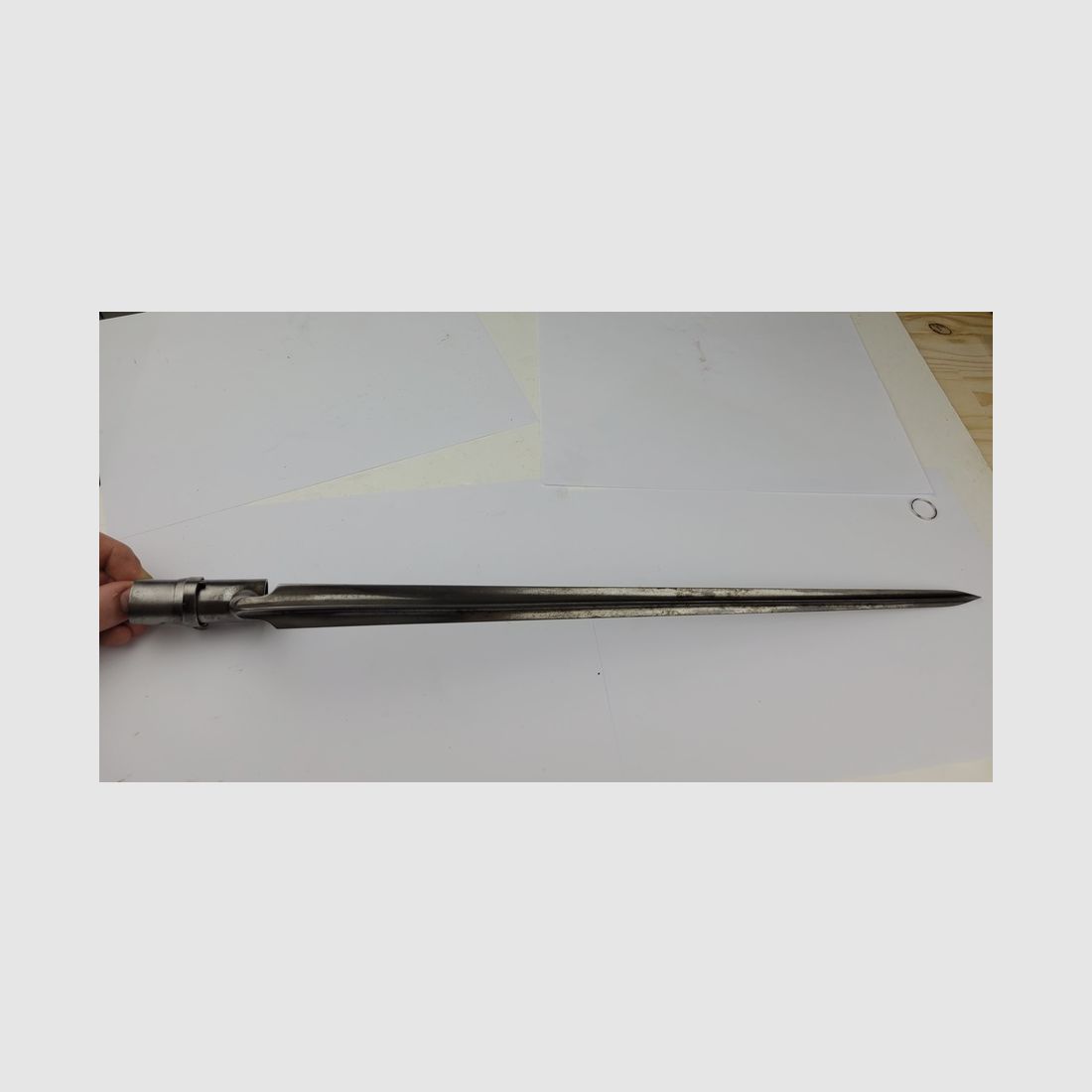
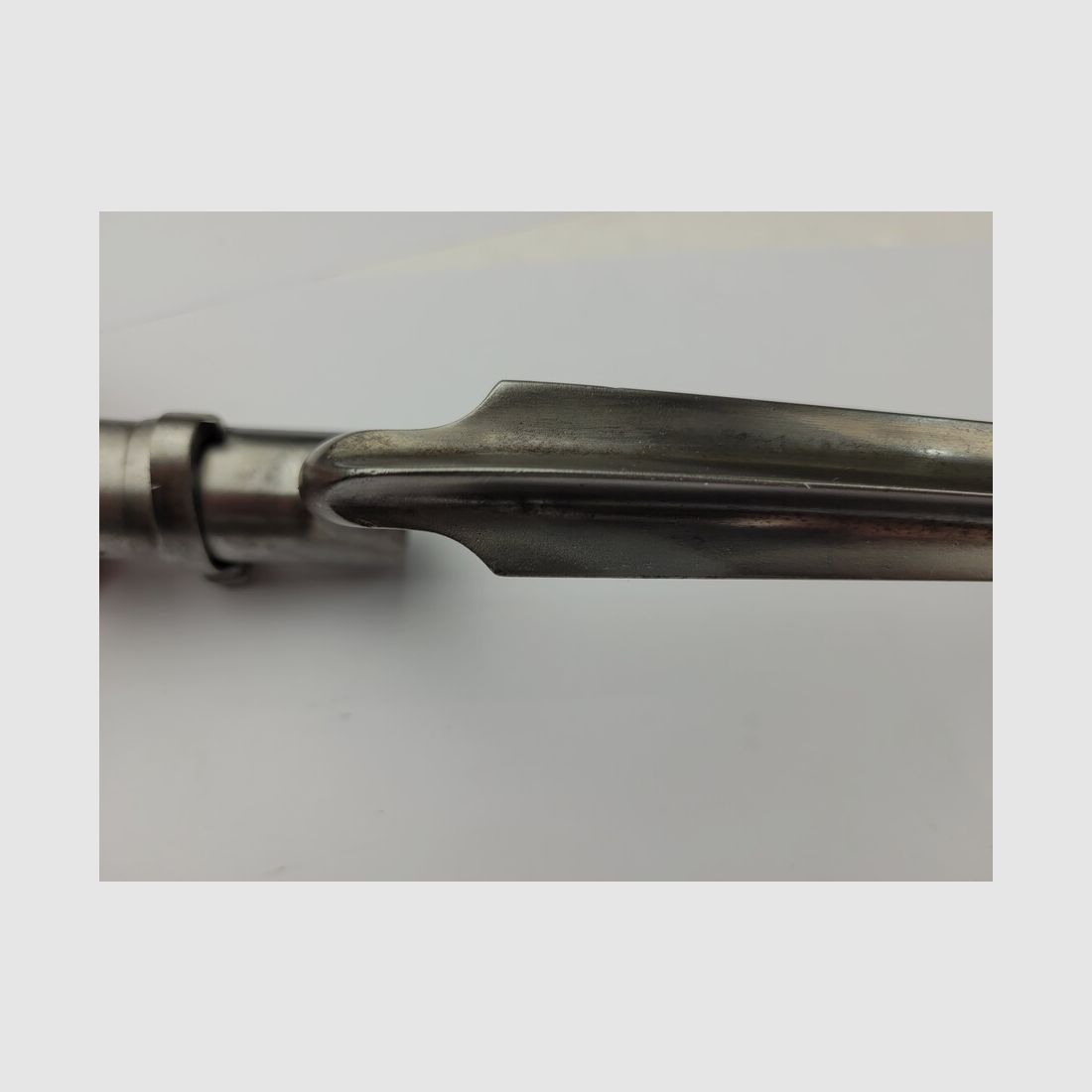
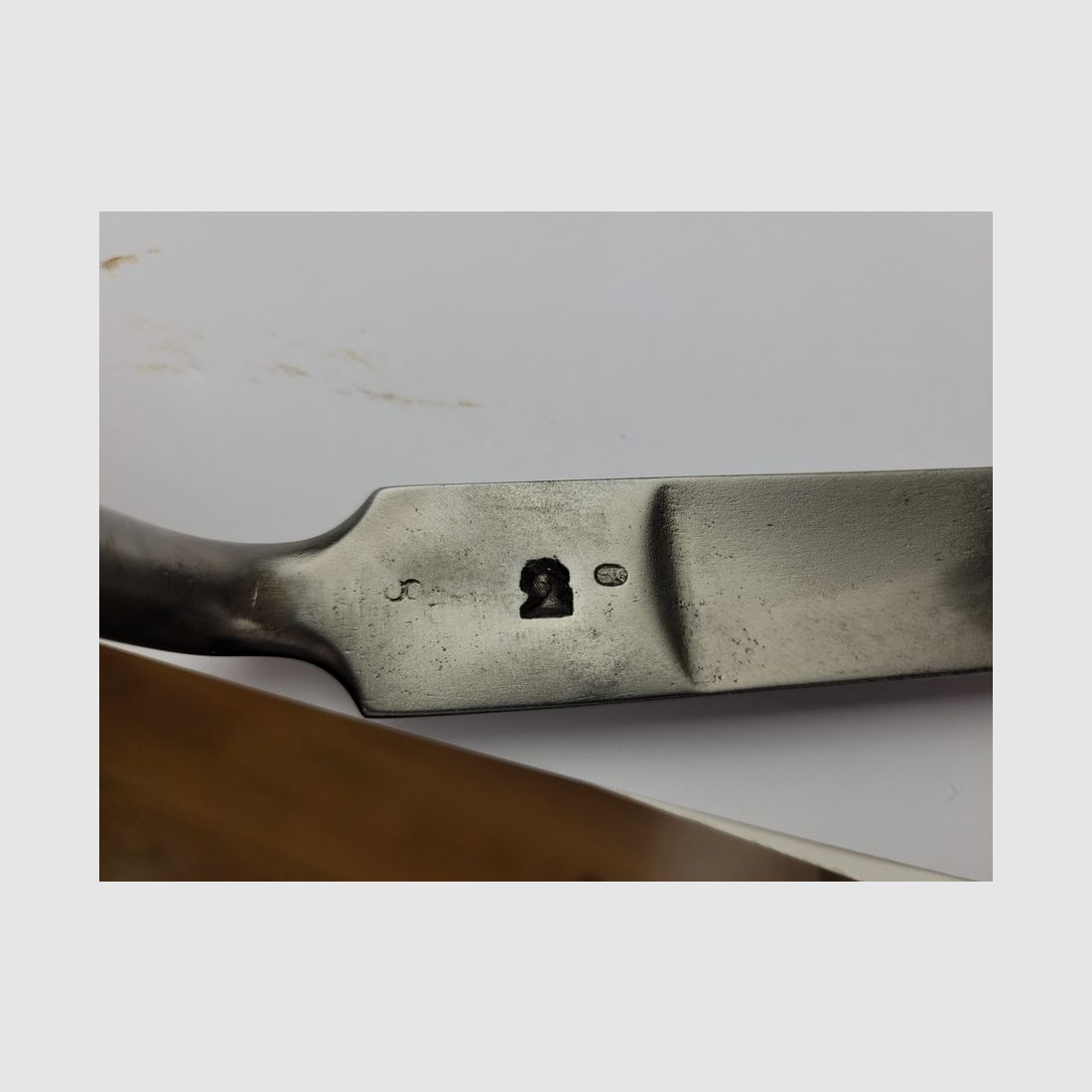
The firearm comes with its model 1822 bayonet, which attaches to and detaches from it without any difficulty.
The unconverted 1822 Bis is very uncommon; 95% were rifled later, starting in 1840. The 1822 is a landmark firearm in French military history, having seen every conflict from the Carlist War in Spain in 1823 through Algeria and even the Franco-Prussian War of 1870. It has partic
ipé at the Revolution of 1830 and the Three Glorious Days of 1848.
This firearm is part of a lot of four T/Tbis system firearms that I’ve just acquired from a collector who is obsessive about condition. All four are the finest examples of these systems I’ve ever seen.
A magnificent set of truly museum-quality firearms, extremely hard to find in this condition, especially in an unconverted BIS model. For the discerning collector of French service firearms. A must-have.
Category D firearm under the CSI: valid ID card or passport required
Let’s say it again! Flingus Maximus, gun dealer in Paris and throughout France, can also help with private firearm sales, buying firearm and militaria collections, firearm appraisals, and questions about firearms in estates and inheritances. Contact your favorite gun dealer using our contact form or at [email protected]
Flingus Maximus, gun dealer in Paris: All collectible, hunting, and shooting firearms are used and sold as-is, without warranty.
All antique firearms sold as Category C or D, “Collection” or “Cowboy shooting” are collectible firearms that have not been proof-tested for shooting or tested at a range. They have been visually inspected for their general condition, but none have been used for shooting, so they are sold as untested. Anyone wishing to use a firearm for shooting must first contact the National Proof House of Saint Étienne, the only body authorized to issue proof certificates before use for shooting. (Show description in original language)
Fusil fusil d’infanterie modèle 1822 T (et pas TBIS) à percussion et canon lisse donc– Fabriqué en octobre 1838 par la Manufacture Royale de Mutzig en Alsace – Ce modèle est plus lourd et plus massif que les modèles 1816 par exemple. Sa particularité, outre d’être T et pas Tbis, est d’être exceptionnel dans son état.
Cette arme, surtout non modifiée BIS à partir de 1840, est difficilement up-gradable dans une collection. Il n’est pas juste très bien conservé » il est en « excellent état plus » (et Dieu seul sait si je suis maniaque sur les états….). Je n’en ai jamais eu de plus beau.
C’est le modèle parfait pour une collection. Tirer avec risquerait de l’abimer sur une simple erreur de manipulation et je ne recommande pas. Mais comme dit la chanson: chacun fait ce qui lui plaît…
La platine est bien marquée « Manufacture ROYALE DE MUTZIG » – poinçonnée C dans un écu sous couronne et D en écu – L’arme date de 1838. Elle est matriculée « M457 ».
L’arme est mécaniquement parfaite et tient ses crans impeccablement.
Le bois est superbe un noyer du plus bel effet quasi neuf avec juste de très éparses traces de manipulations– Vraiment très très beaux. Les fers sont quasi parfaits avec quelques traces de doigts éparses (platine et sommet canon). La crosse a encore son beau timbre-macaron parfaitement lisible (très rare sur ces modèles anciens et indice certain d’une très belle conservation) marqué du mois d’octobre « 8bre » 1838 (comme sur son canon), et bien sûr de la manufacture de Mutzig comme la Platine.
Le tampon de crosse porte les initiales des contrôleurs « C » et « L » et sa pastille centrale de buis bien marquée « MR » pour Manufacture Royale. La crosse porte encore deux poinçons bien nets d’inspection couronnés sur le bois coté droit avec encore le « C » couronné de l’inspecteur des bois au dessus de la mention « Mutzig » estampée aussi dans le bois. Sur le coté gauche, la crosse porte un poinçon M non couronné et la mention « Rouen ». Elle ne porte pas de matricule chiffré sur la crosse et la baguette ou d’attribution d’unité en plaque de couche. Elle a donc du être livrée directement à la Garde Nationale (créée en 1831) de cette ville en 1838 sans affectation préalable à une unité militaire de ligne puis disparaitre des registres et être impeccablement conservée depuis lors.
Toutes les garnitures sont en fer. Ces garnitures sont toutes en état parfait et bien toutes poinçonnées « C » + « B » sous couronne. L’arme est parfaitement homogène. Aucune n’a été changée en 184 ans…
Tous les marquages de manufacture et de modèle, les indications de calibres de 18 et les poinçons sont tous bien profonds, très nets et parfaitement lisibles. Les vis sont toutes poinçonnées « 4 » ou « M4 » sauf une. Elles sont en parfait état.
L’arme est dans un état quasi originel. Le canon est dans un état exceptionnel surtout si ont tient compte de l’âge bientôt bicentenaire de l’arme. Il est matriculé « E » et « MI » et « 1838 », bien la même année que la crosse, à droite, et, à gauche, « M » « 457, « cal 18 » pour le calibre et un « E » sous couronne d’inspection. La queue de culasse est marquée « 2213 » et bien nettement du modèle « 1822 T ». La baguette est bien du bon modèle et également bien poinçonnée. La plaque de couche et le bois à la jonction de la plaque de couche sont en excellent état ce qui est rare sur ces armes très anciennes désormais.
Les ajustements sont parfaits. Rien n’a été démonté ou bricolé. Aucune mention d’un autre arsenal que Mutzig bien évidement pour une arme n’ayant subit aucune transformation après sa production en 1838.
L’arme vient avec sa baïonnette modèle 1822 aussi qui se fixe et se retire sans aucune difficulté à l’arme.
Le 1822 non transformé Bis est très peu courant, 95% ayant été rayés par la suite à partir de 1840. Le 1822 est une arme phare de l’armement français qui à connu tous les combats de l’Espagne Carliste en 1823 en passant par l’Algérie et même la guerre de 1870. Il a participé à la Révolution de 1830 et aux Trois glorieuses de 1848.
Cette arme fait partie d’un lot de quatre armes du système T/Tbis que je viens de rentrer de chez un collectionneur maniaque sur l’état et elles sont toutes les quatre les plus belles que j’ai jamais vues dans ces systèmes.
Ensemble magnifique de qualité réellement muséale et très difficilement trouvable dans cet état surtout sur un modèle non transformé BIS. Pour un collectionneur exigeant d’armes réglementaires françaises. Un must.
Arme de catégorie D au CSI : pièce d’identité, CNI ou passeport, en cours de validité obligatoire
Répétons le ! L’armurerie Flingus Maximus à Paris et partout en France est là aussi pour vos formalités armes entre particuliers, le rachat de collections armes et militaria, vos estimations d’armes, vos questions armes dans les successions et héritage. Contactez votre armurier préféré via notre formulaire de contact ou à [email protected]
Flingus Maximus Armurier à Paris : Toutes les armes de collection, de chasse, et de tir sont d’occasion et sont vendues dans l’état, sans garantie.
Toutes les armes historiques de fabrication ancienne vendues en tant que C ou D, “Collection” ou “Cow-boy shooting” , sont des armes de collection non éprouvées pour le tir et non testées en stand. Elles ont été inspectées visuellement relativement à leur état général mais aucune n’a été utilisée au tir et elles sont donc vendues comme non testées. L’acquéreur désirant utiliser une arme pour le tir devra impérativement se rapprocher préalablement du banc National d’Épreuve de Saint Étienne, seule entité habilitée à délivrer des certifications d’épreuves préalable à un usage de tir.