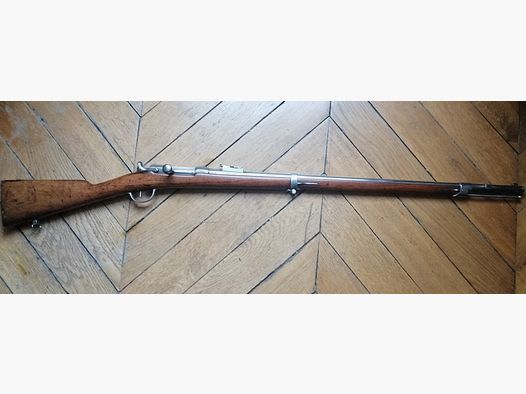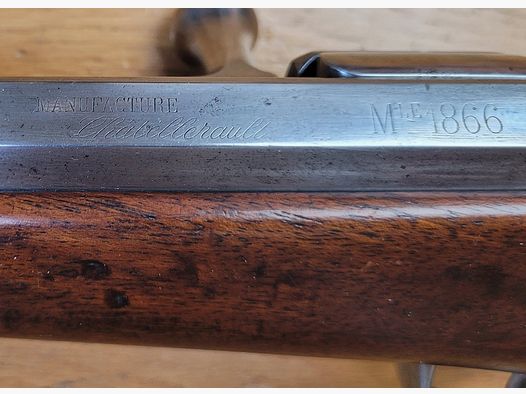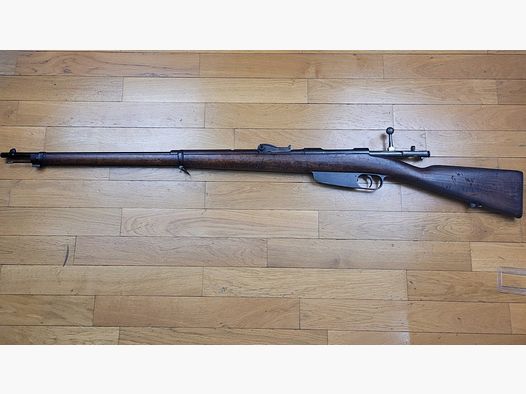
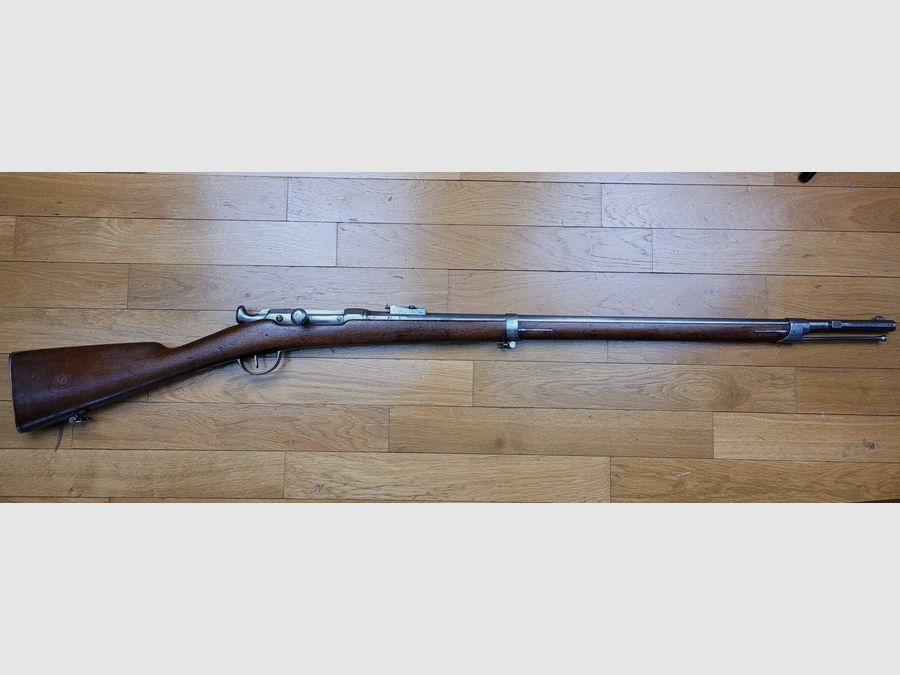
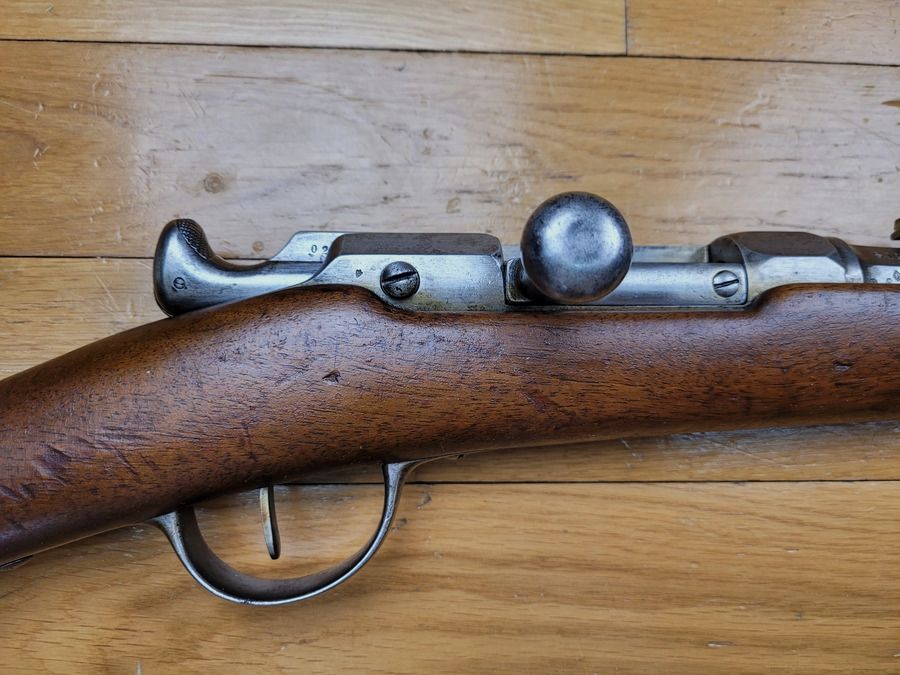

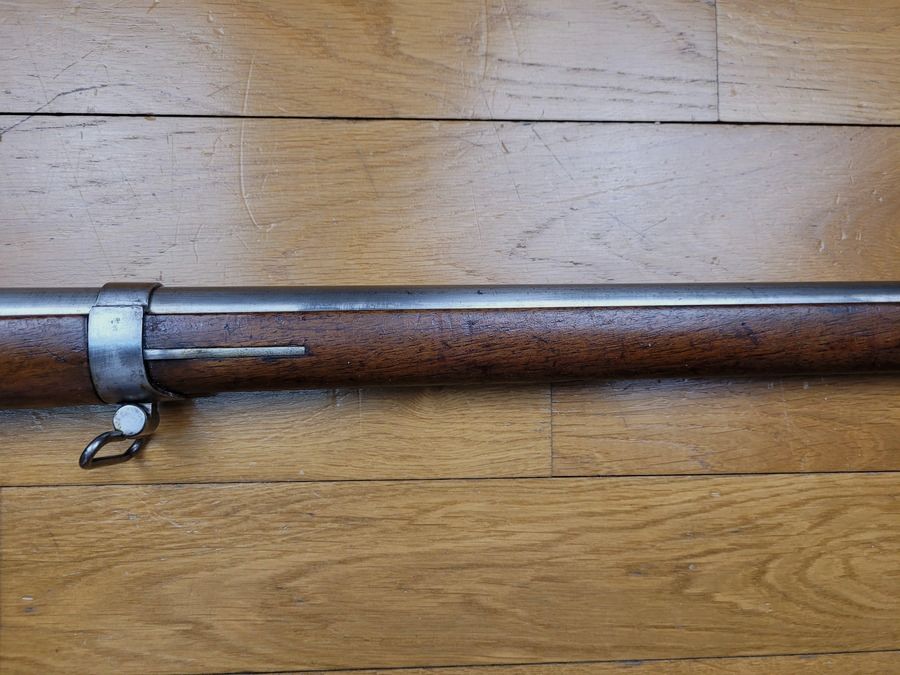
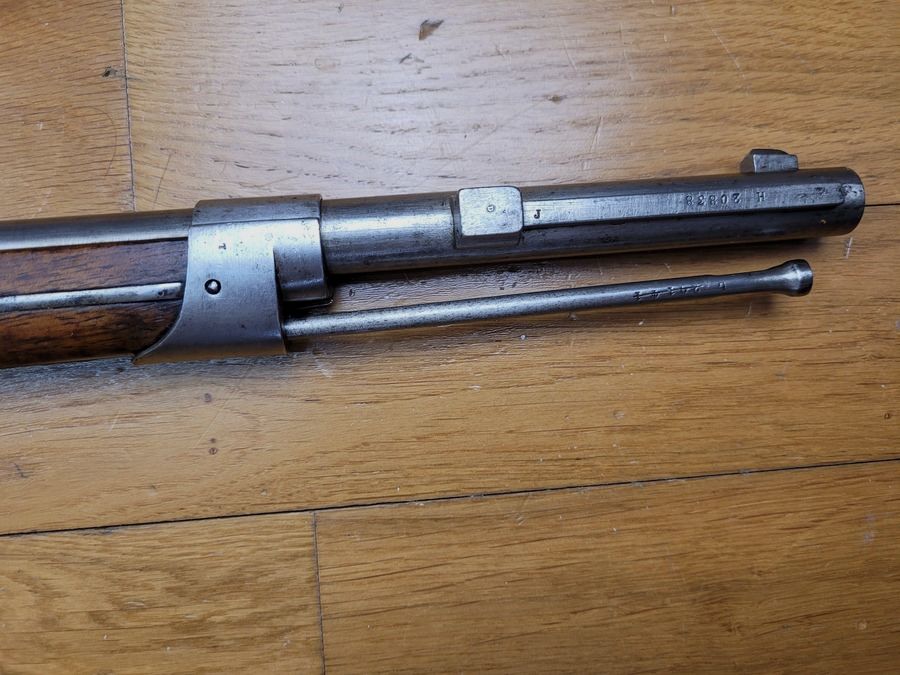
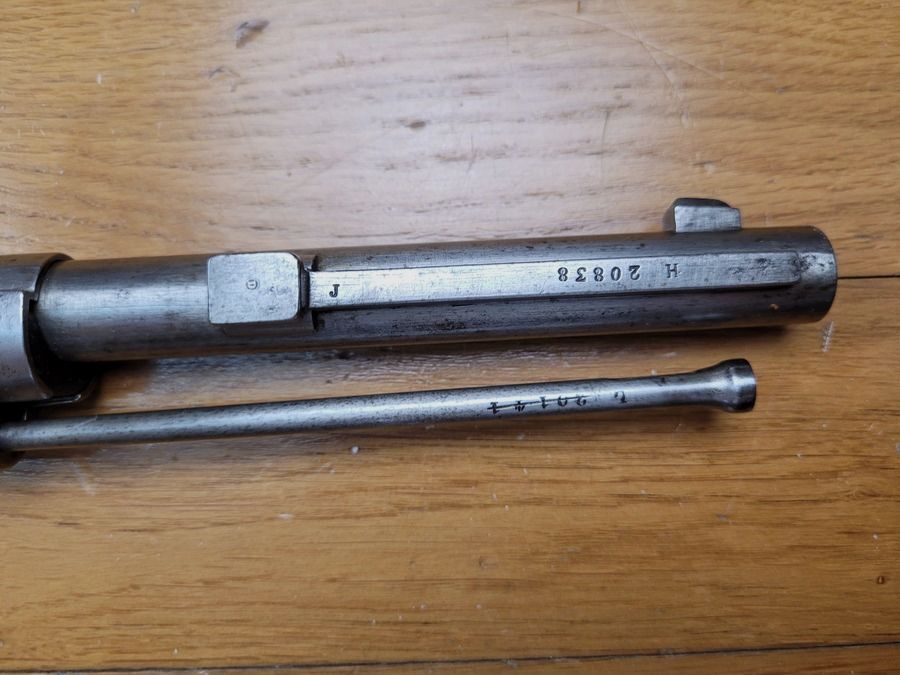
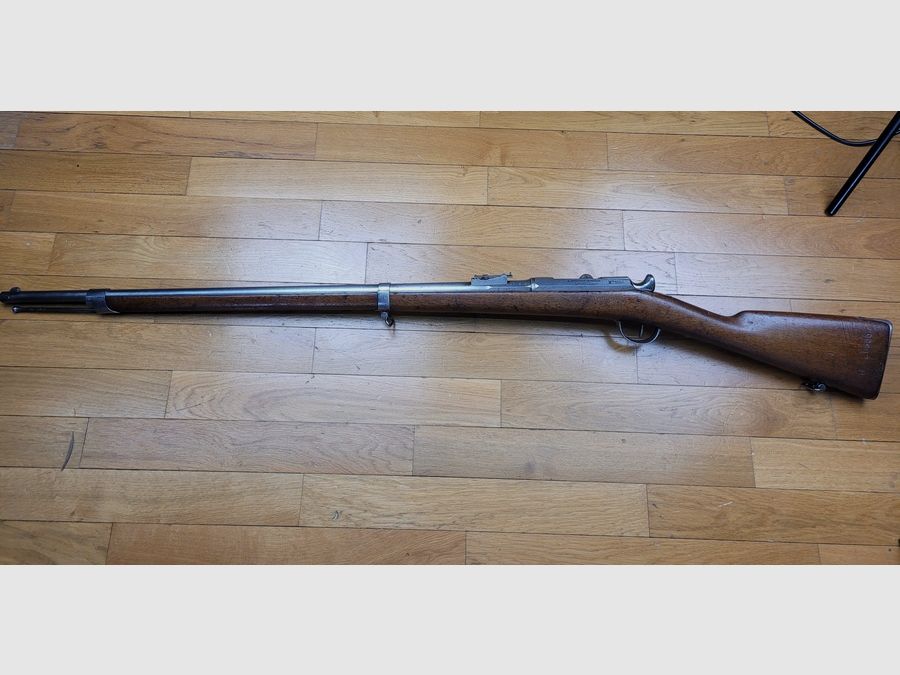
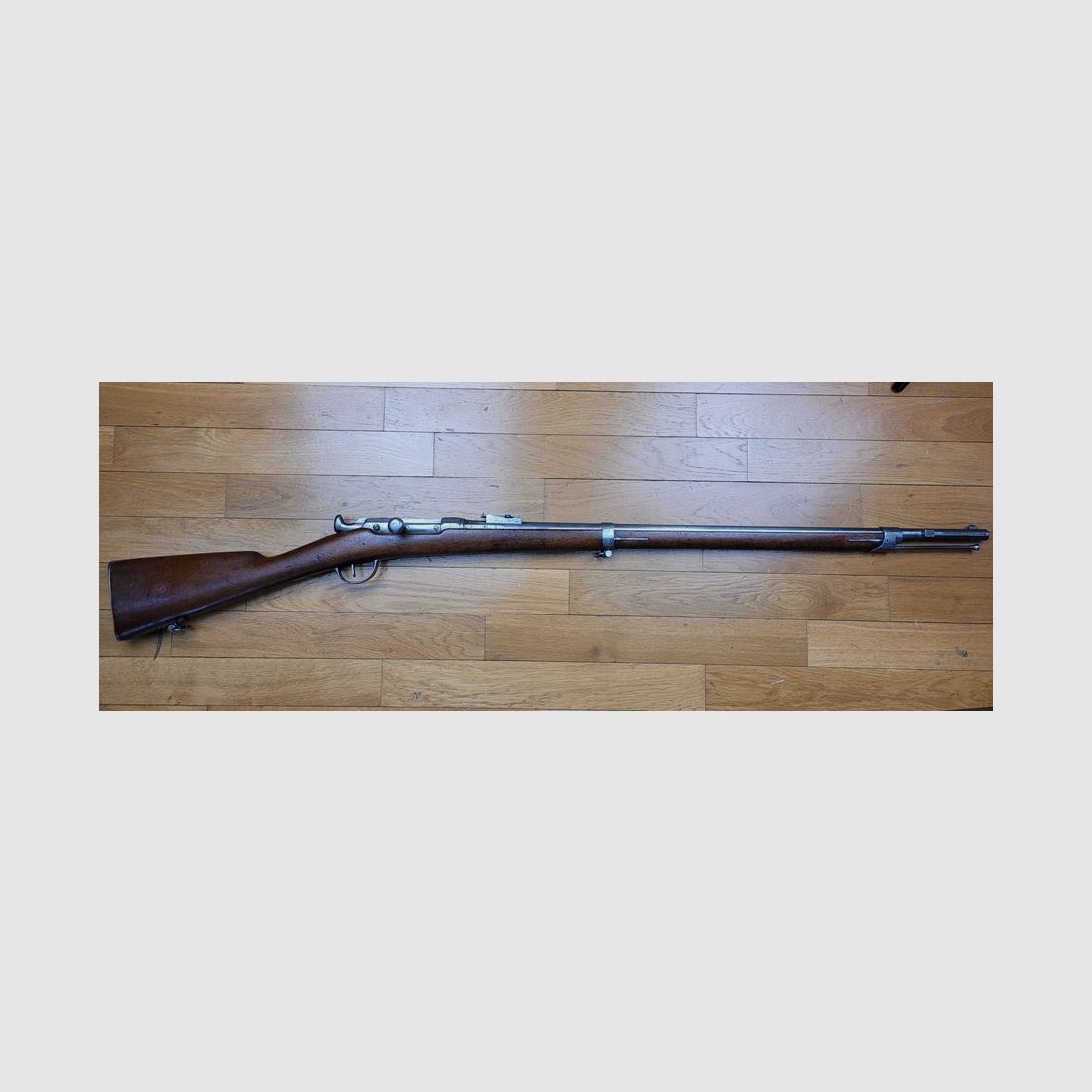
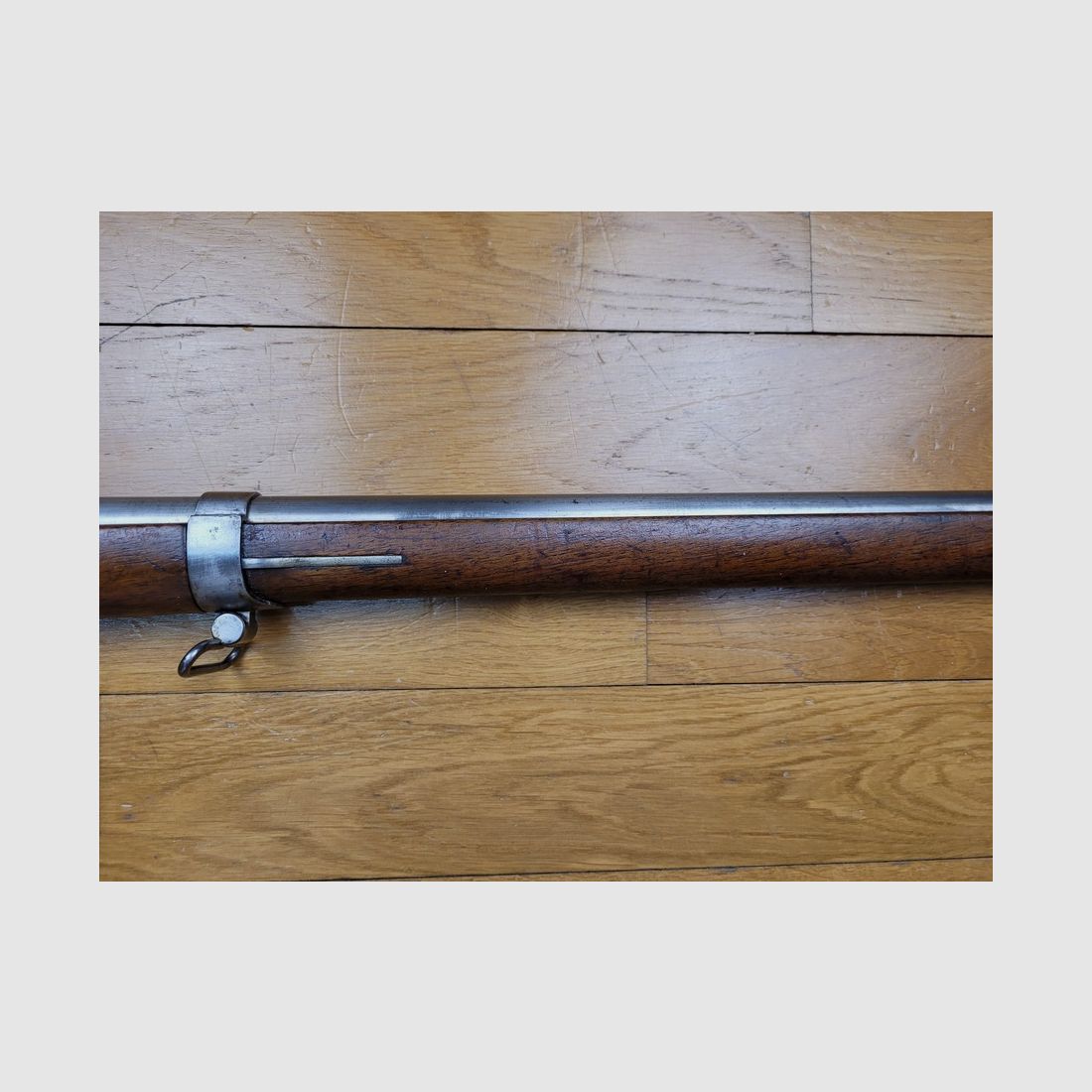
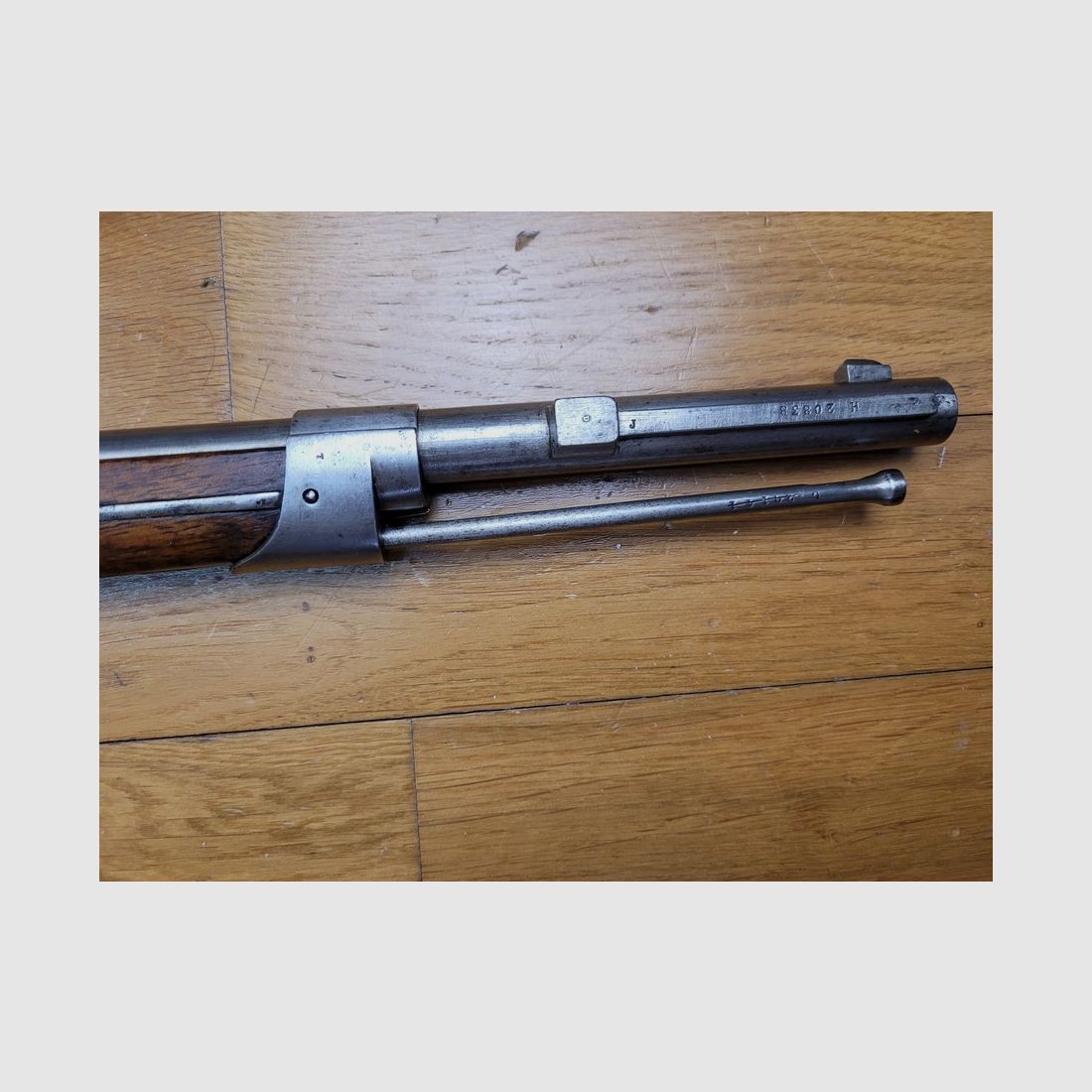

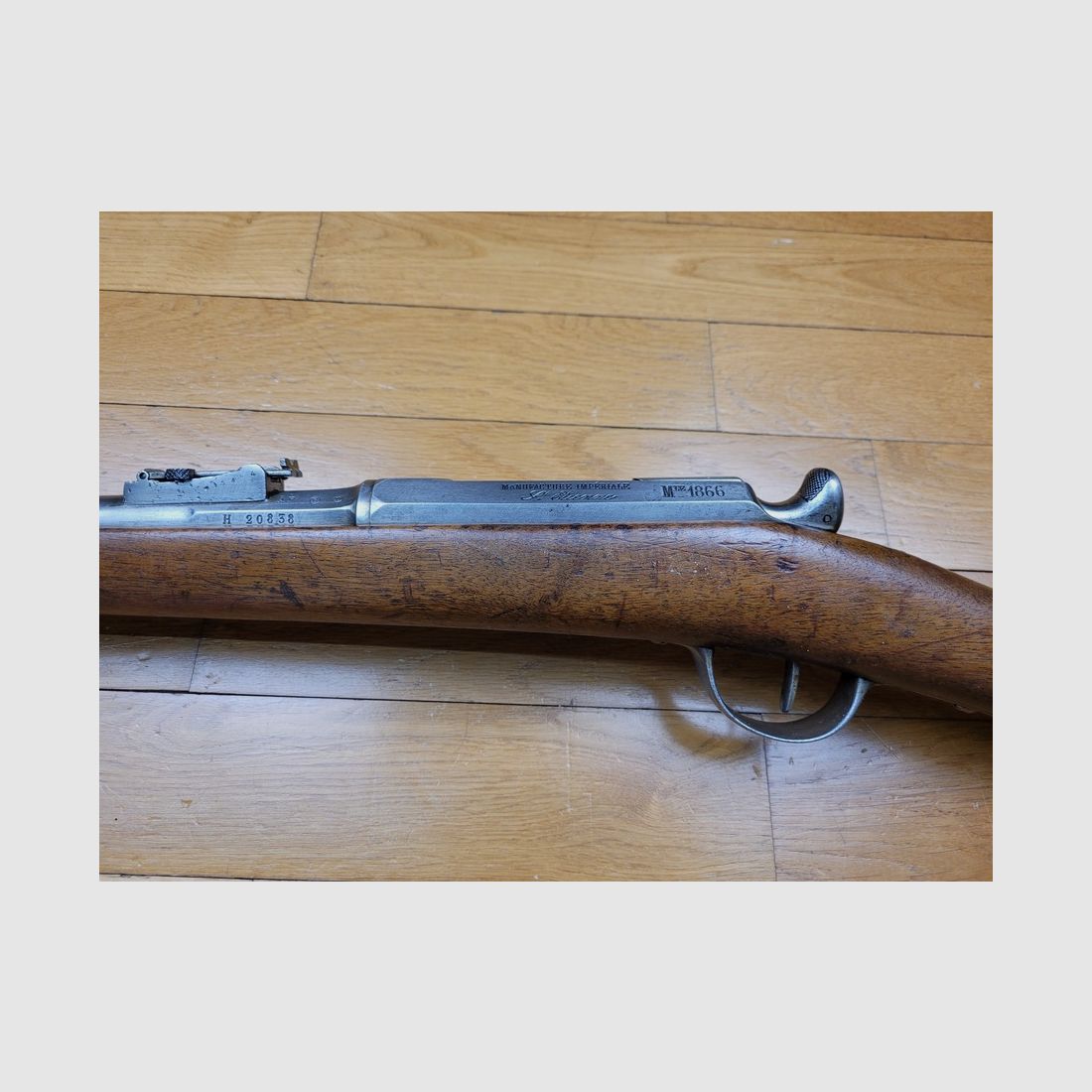
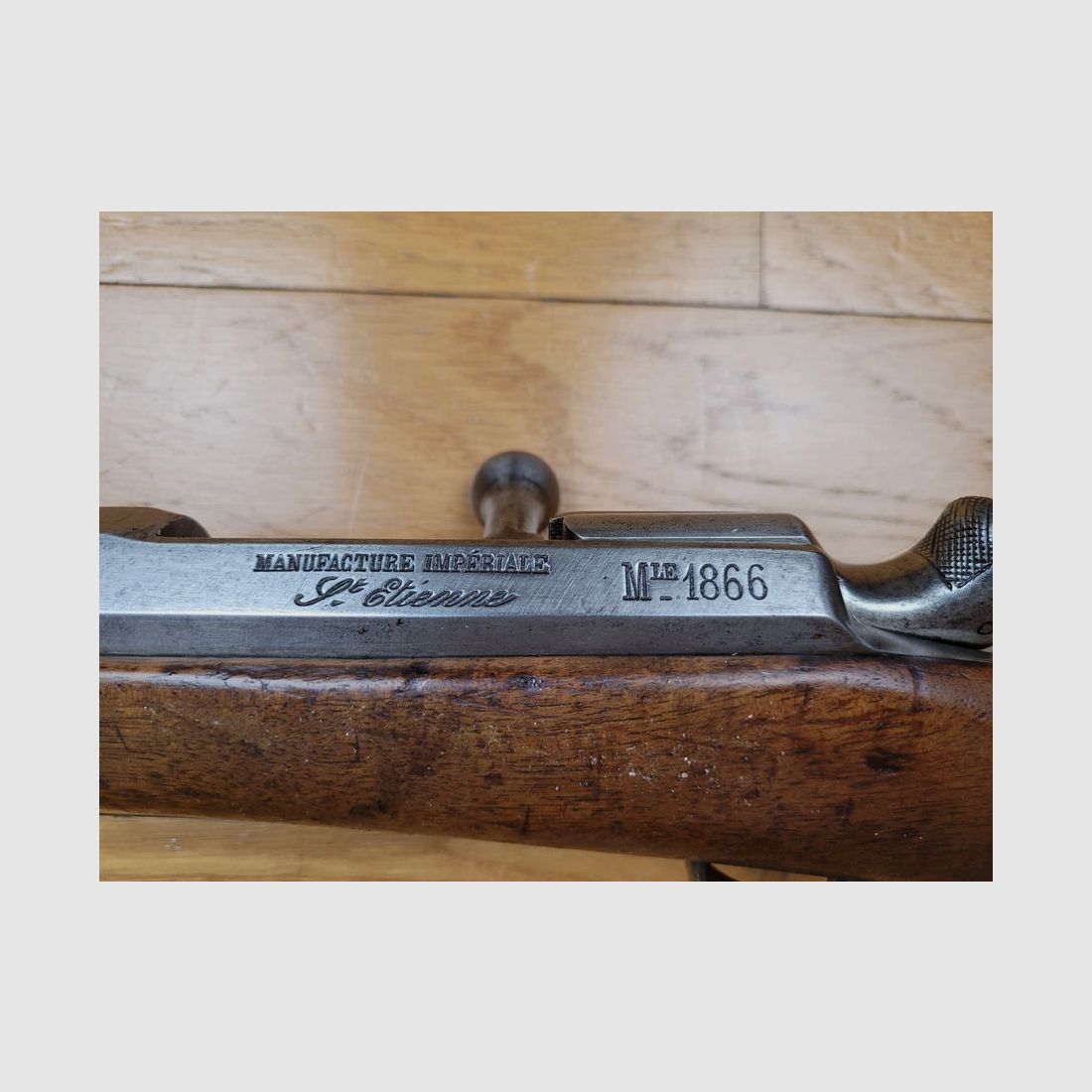
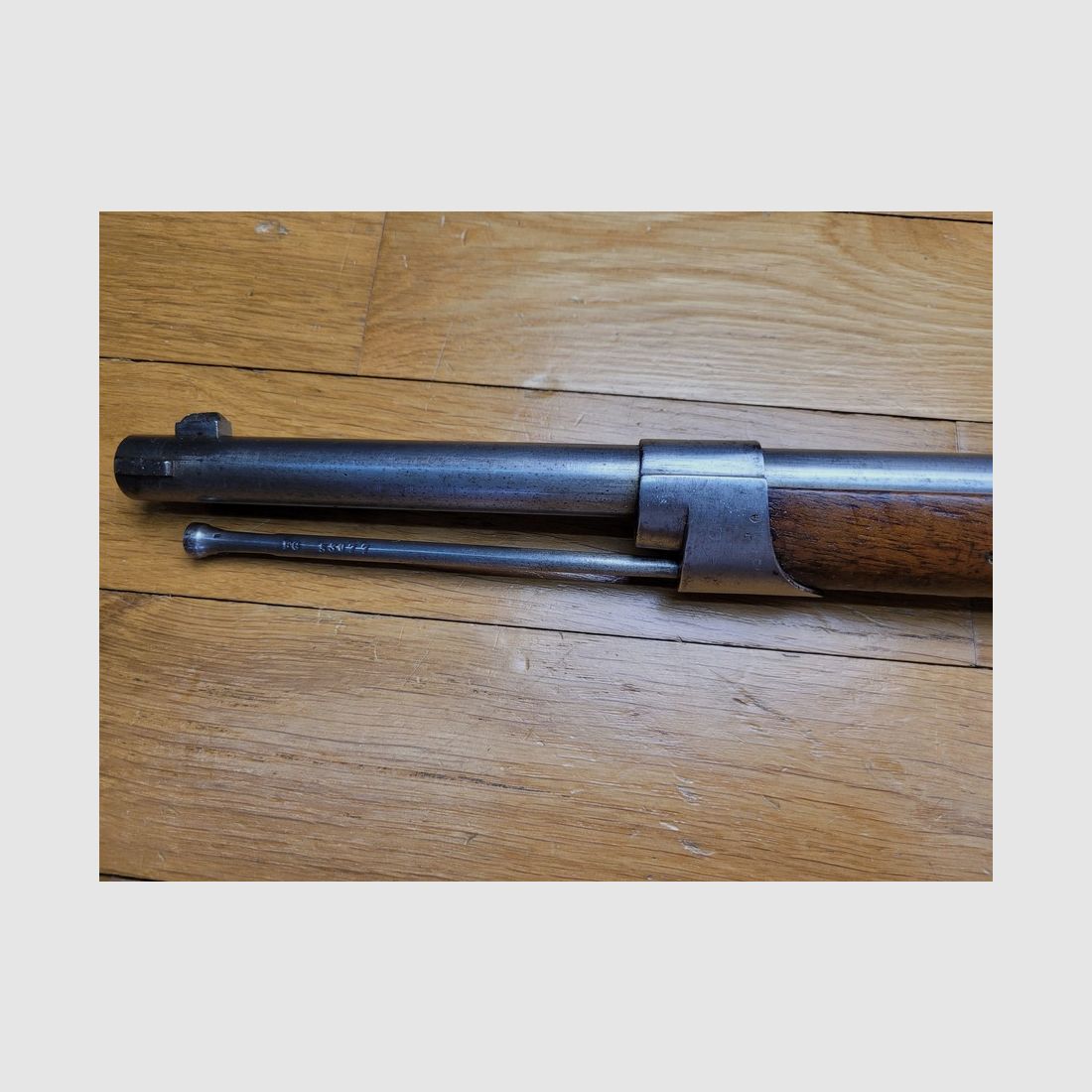
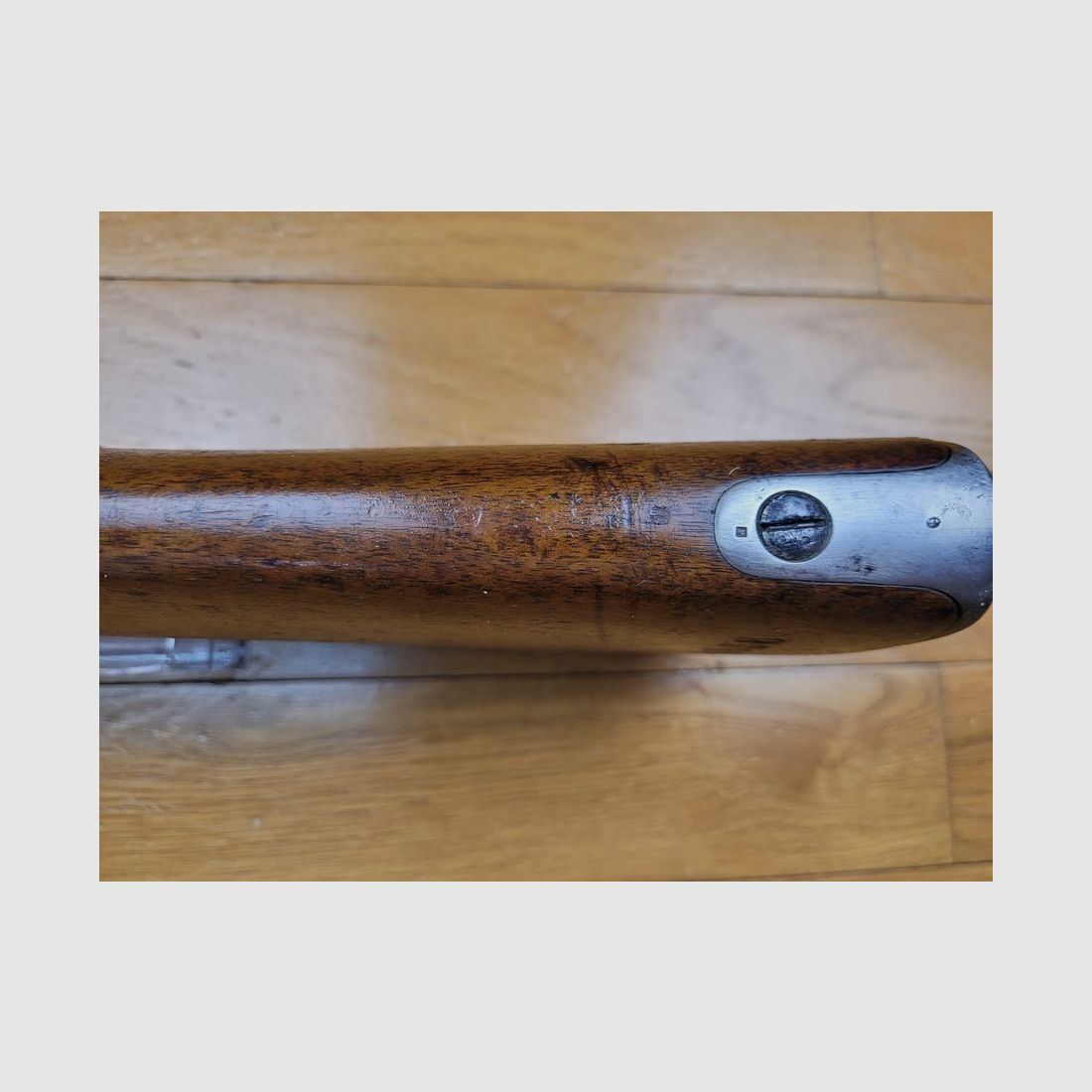
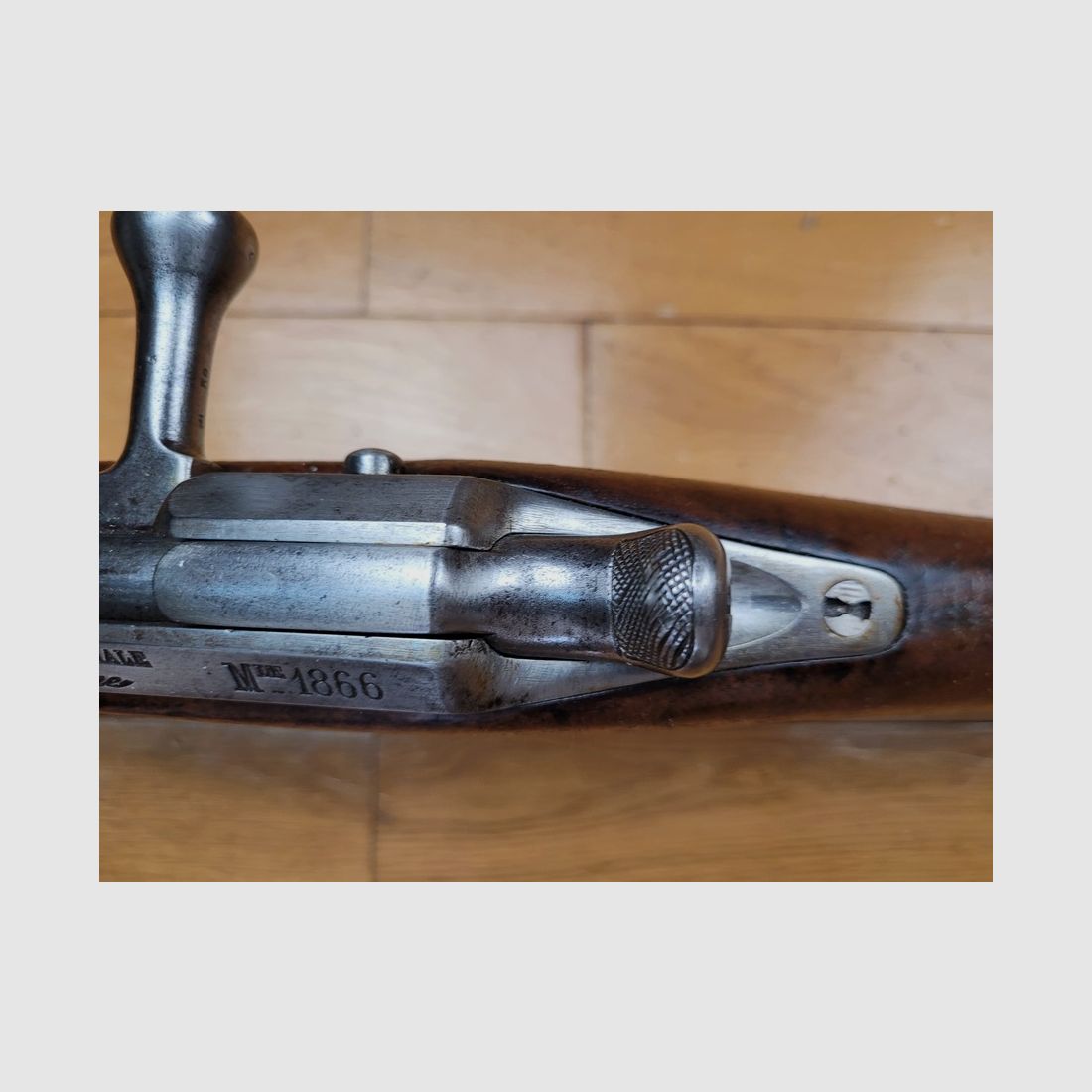
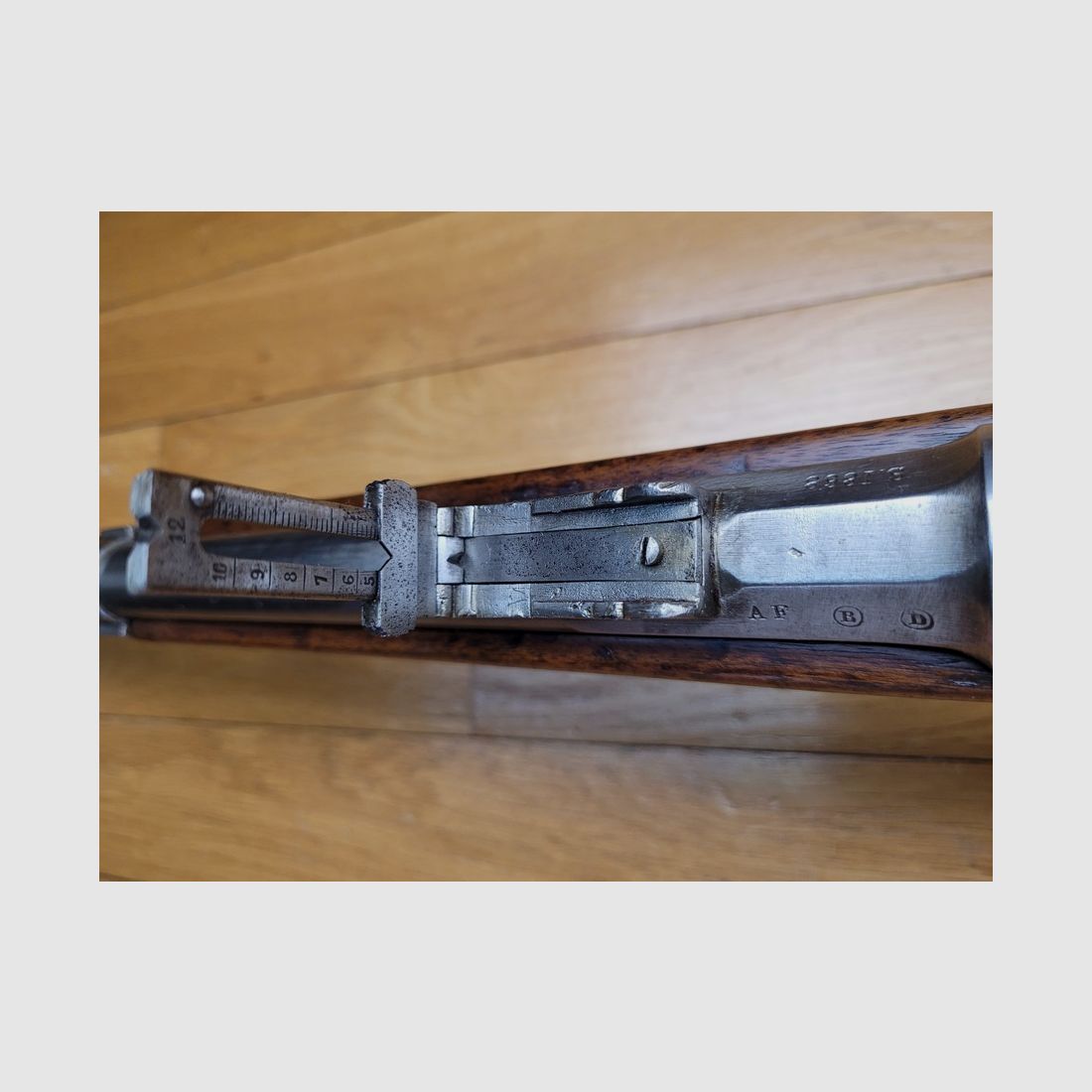

Beautiful Chassepot rifle 1866 – Imperial Manufacture of St. Etienne – October 1868 – at the 1st RTA! – Original caliber – Excellent barrel – TBE
Price on Request
Purchase permit required
75002 Paris, France
11
ID: 10339100
This item is currently unavailable.
Purchase from outside the EU: The firearm goes through an importer in your country, the dealer handles the export.
How buying from Europe works
Shop safely with Gunfinder
Our AI-powered seller identity verification makes Gunfinder the safest marketplace online.
Learn more
Details
- Original language
- French
- Category
- Purchase eligibility
- Required
- Condition
- New
- Location
- 🇫🇷 75002 Paris, France
- Availability
- Out of stock
Freshness
This listing is based on a mirrored offer, where the listing data was synced to us from a shop, dealer, or external marketplace. Please note that temporary price discrepancies may occur due to possible delays in data transmission.
- Source
- Flingus Maximus
- Last checked with the dealer
- 1 day ago
Description
Note:
The item is located abroad. Please note that delivery conditions, shipping times, and/or the purchase process may differ.
First used in combat at the Battle of Mentana in 1867, the Chassepot proved its worth once again during the 1870 war, showing itself to be significantly superior to the German Dreyse it was designed to counter. In fact, after the Franco-Prussian War, the Germans rushed to recover as many as they could and, after modifying them, use them to equip a large part of their cavalry.
Antoine-Alphonse Chassepot, the son and nephew of arms inspectors and a worker at the Manufacture d’armes de Saint Étienne, certainly deserved the Legion of Honor and the 30,000-franc prize—an enormous sum at the time—that his invention earned him.
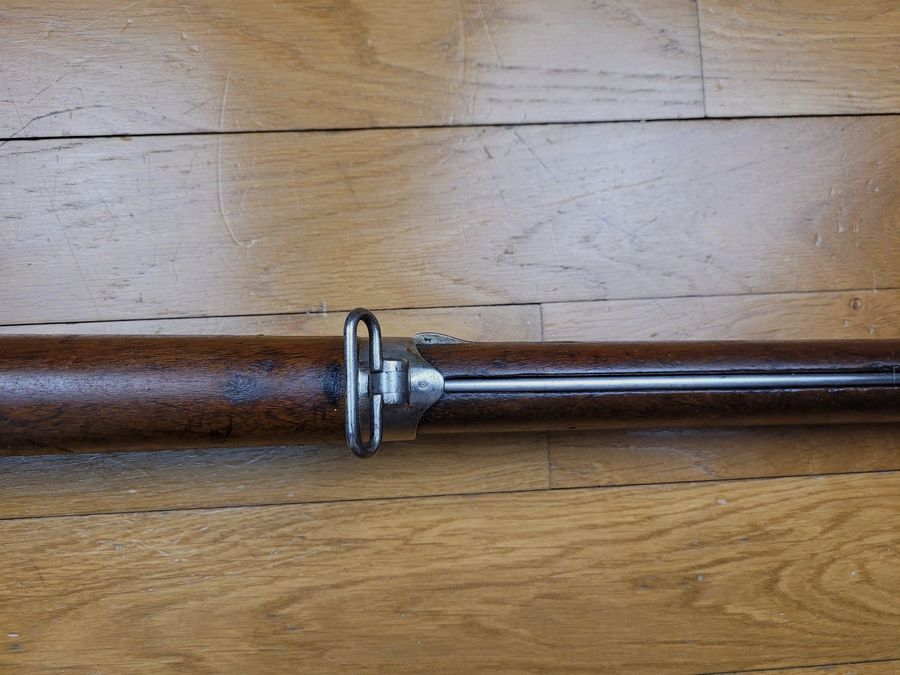
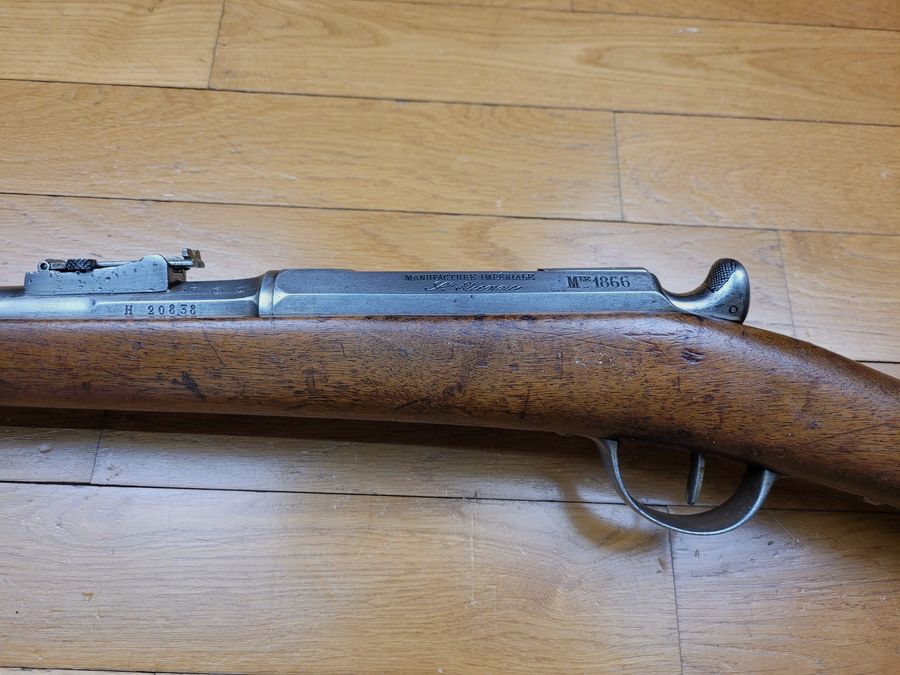
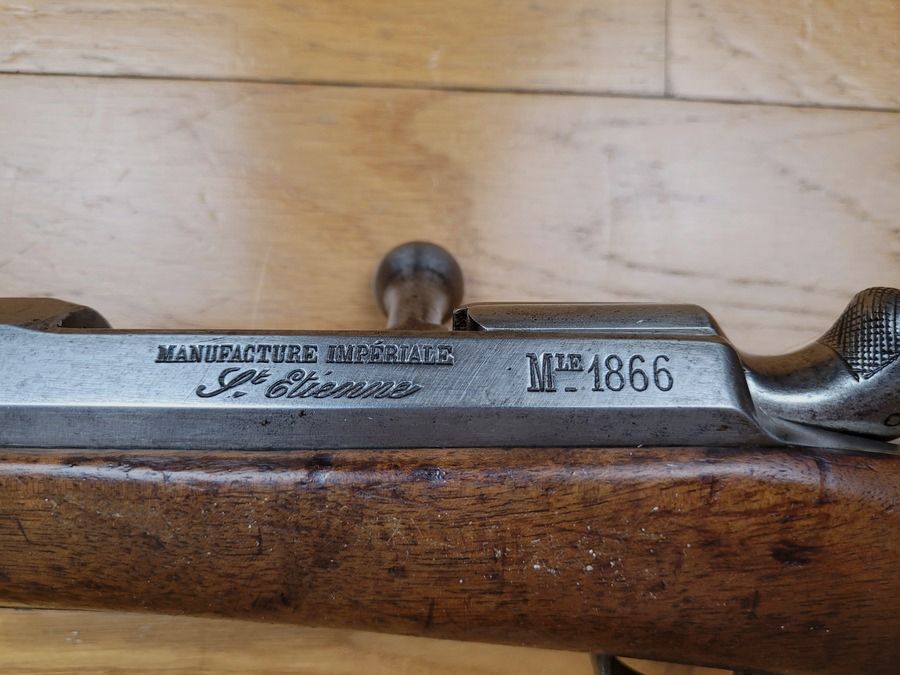
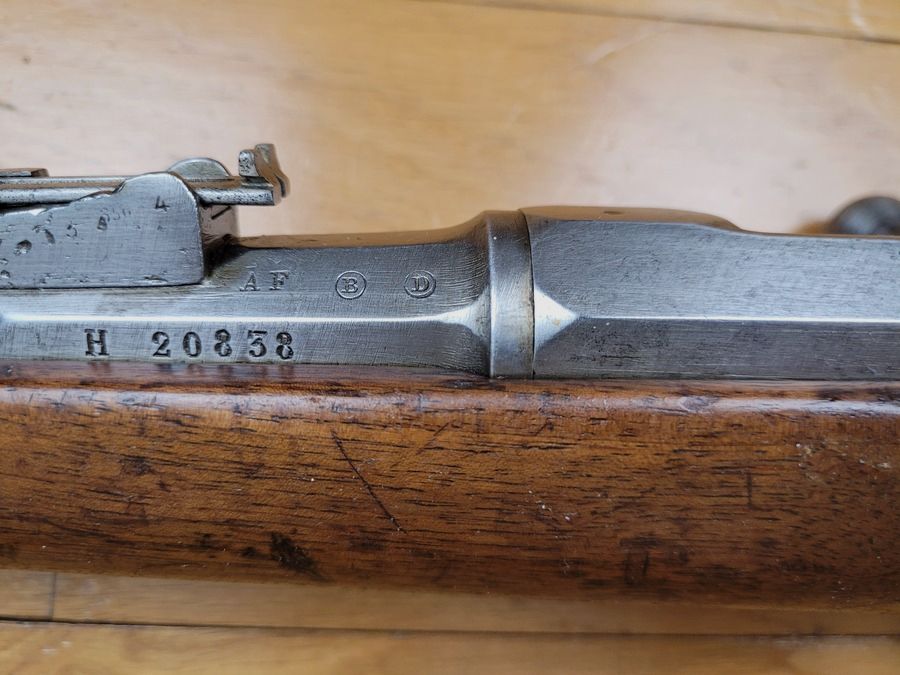
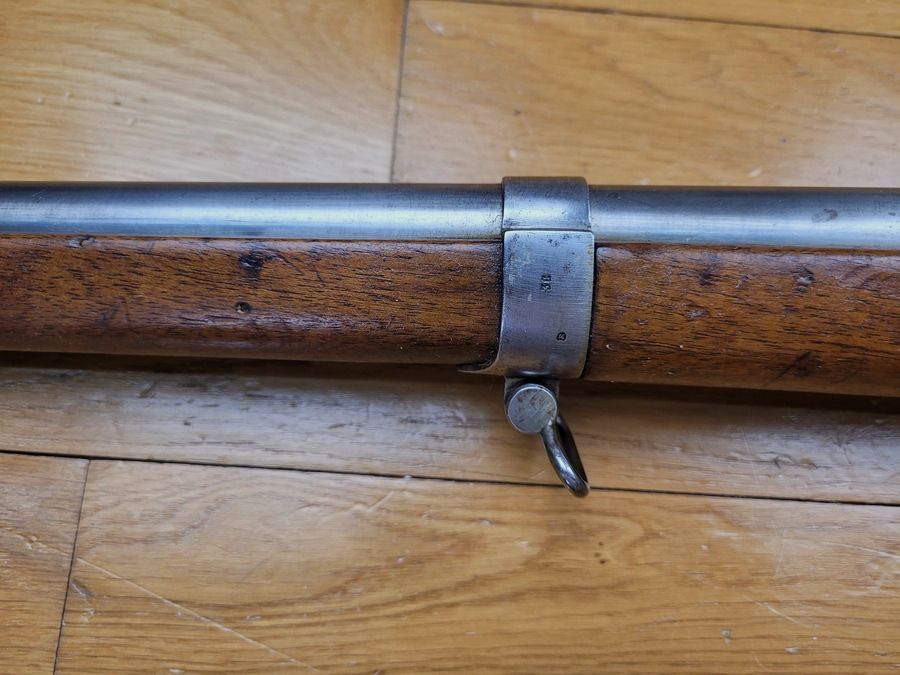
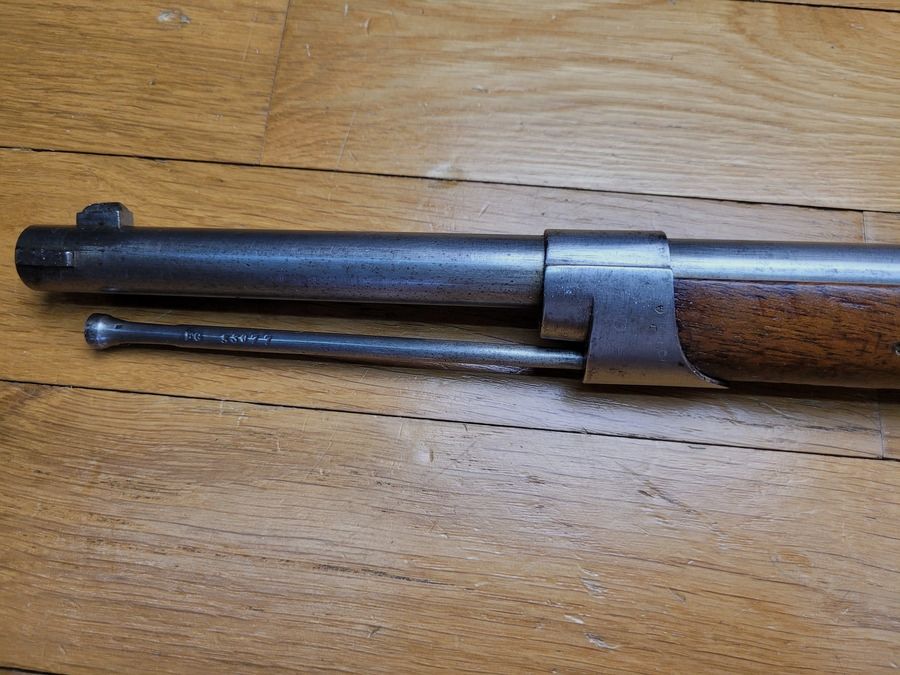
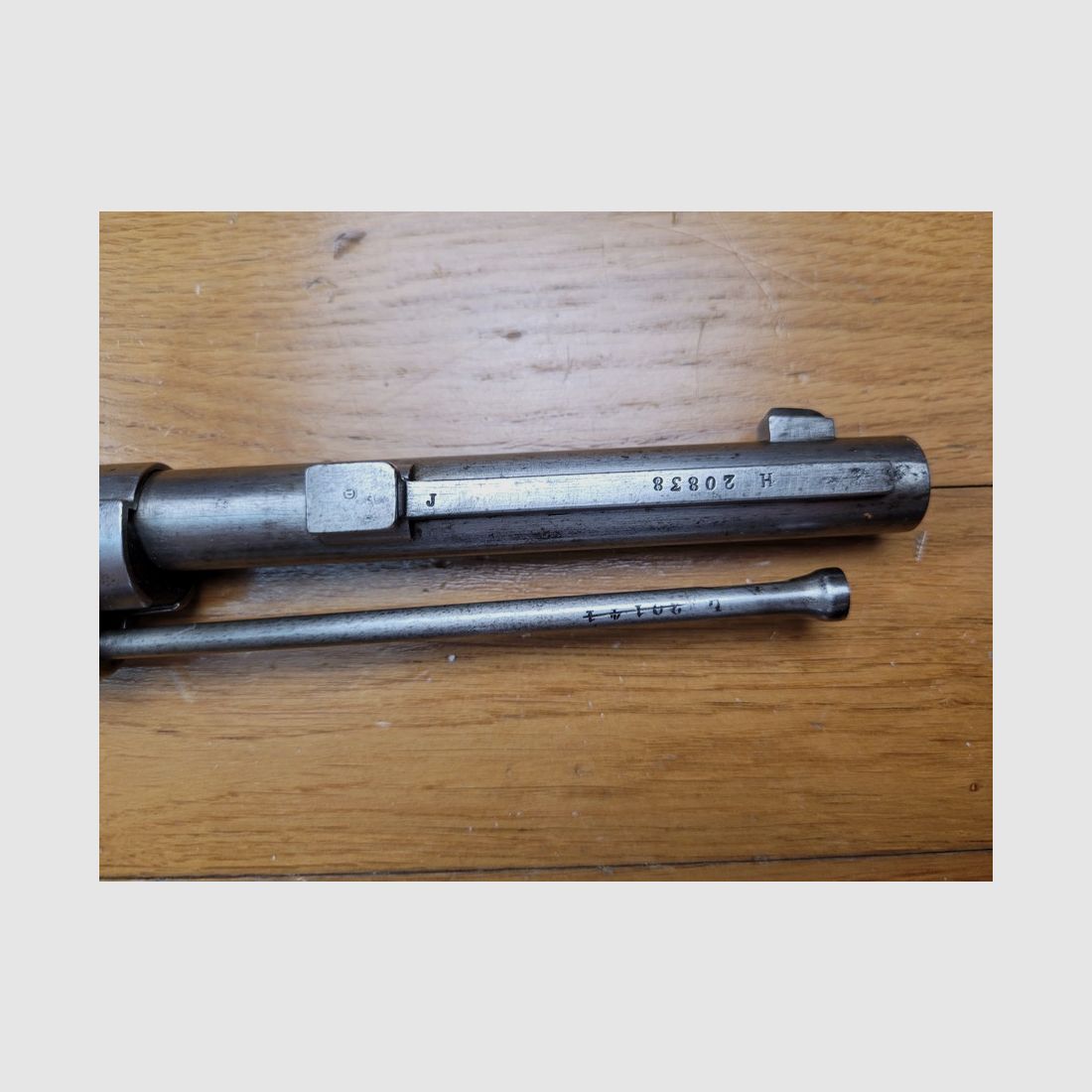
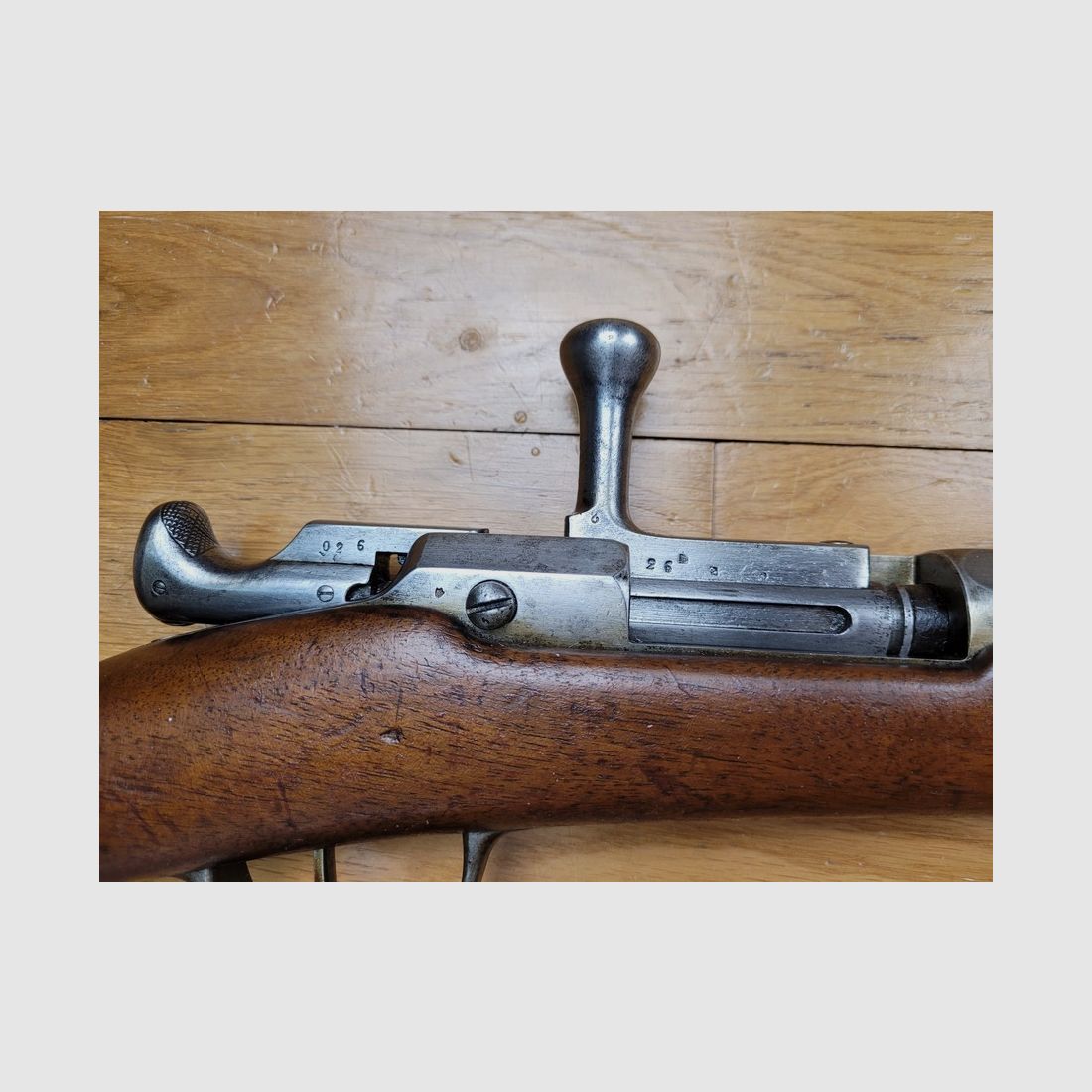
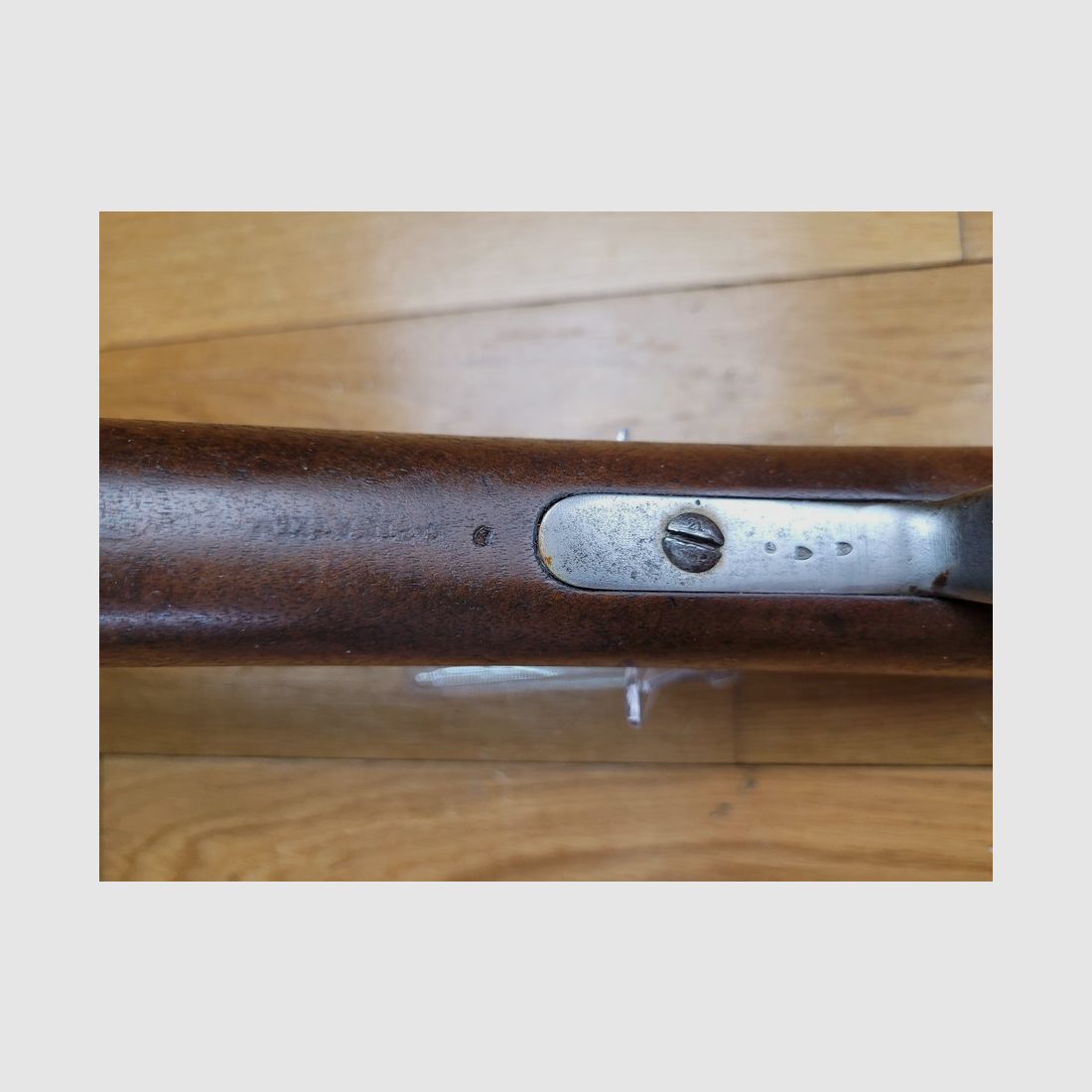
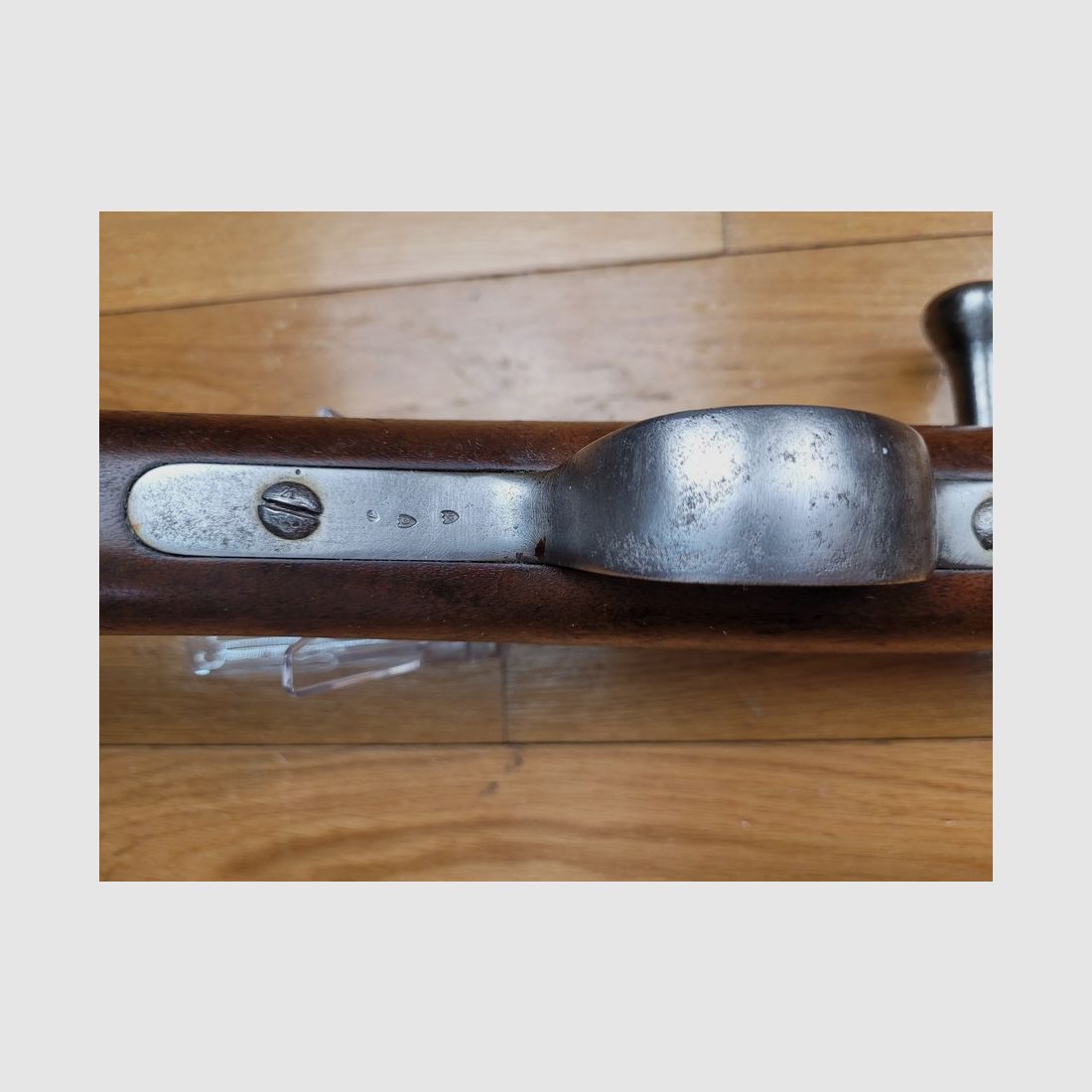
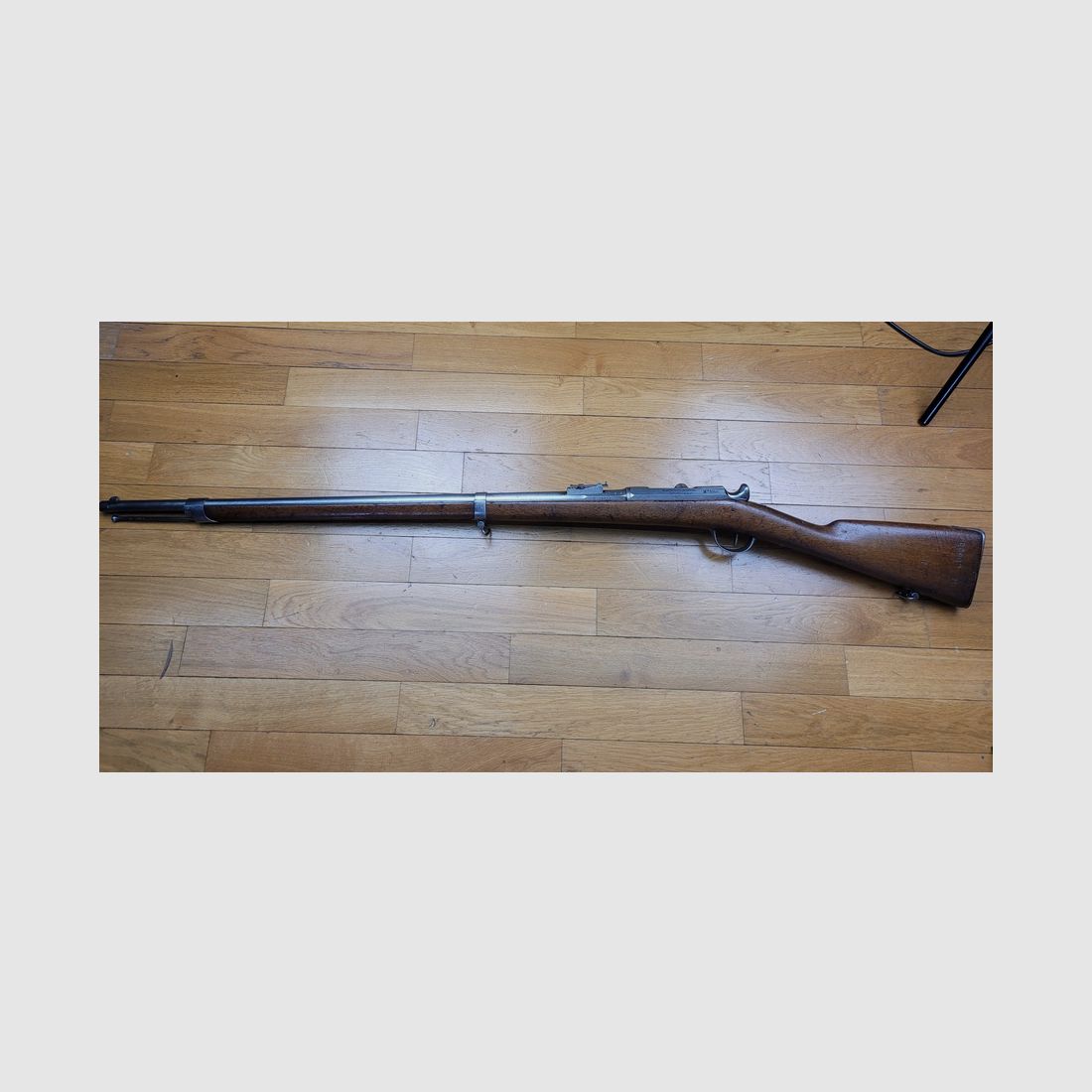
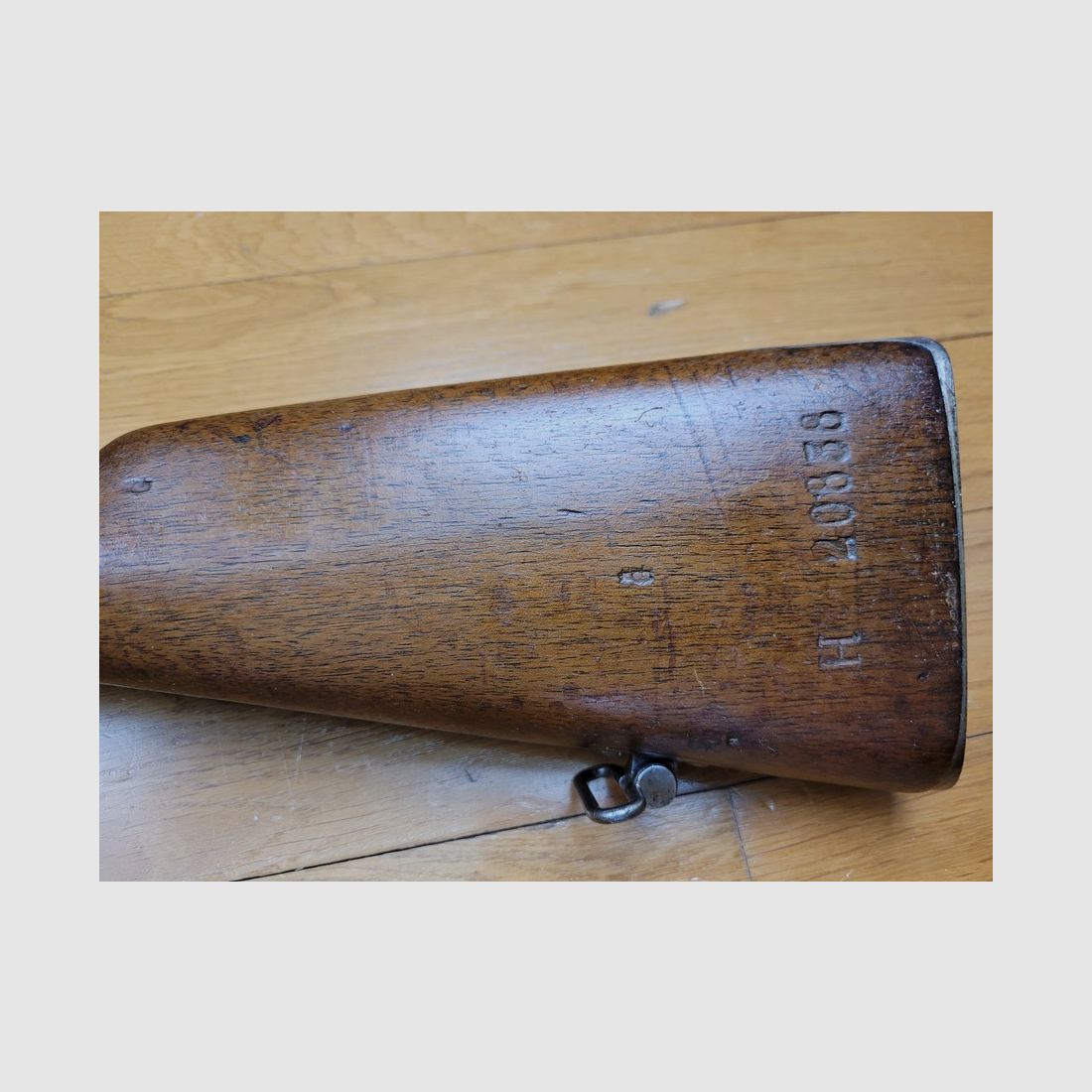
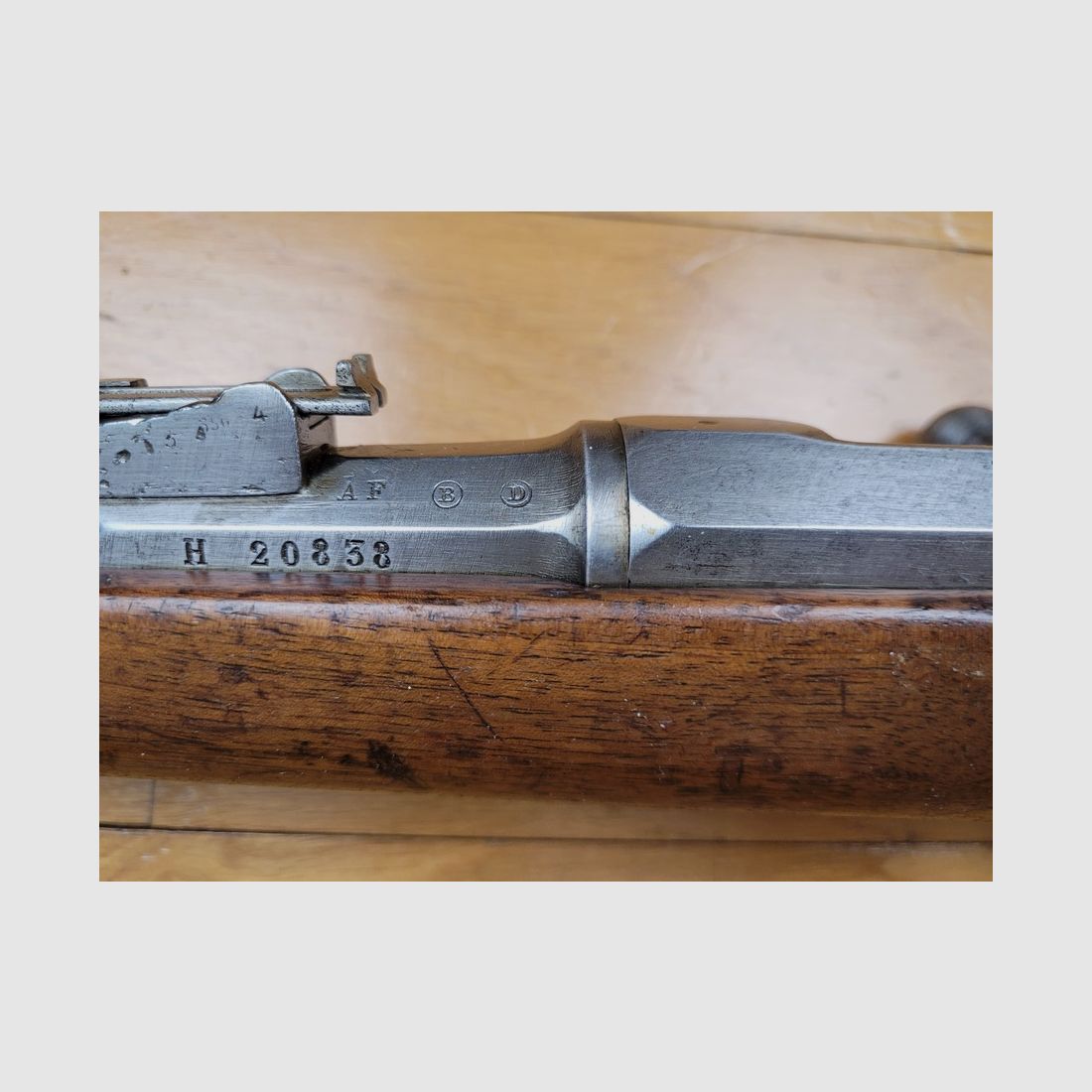
Here we have a very fine example of a Chassepot Model 1866 rifle, made in late 1868 at the Manufacture Impériale de Saint Étienne. The stock, bayonet lug, and barrel all bear the same serial number (H series); only the cleaning rod and bolt have different numbers. But the bolt—both of its numbered parts—is also from the H series. A very well-matched rifle.
This one is in very fine condition, especially compared with the examples usually seen on the market…
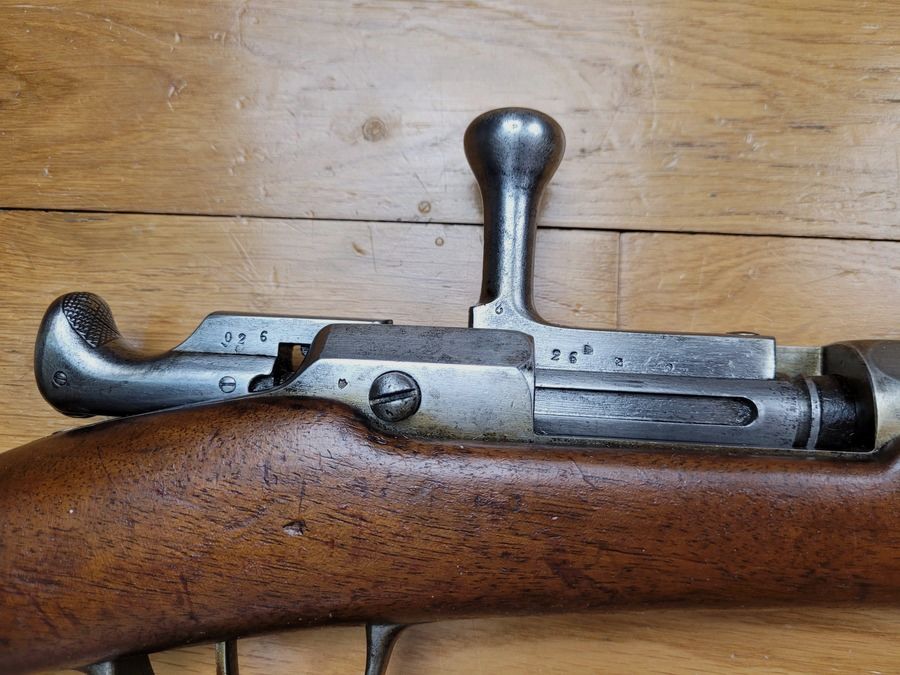
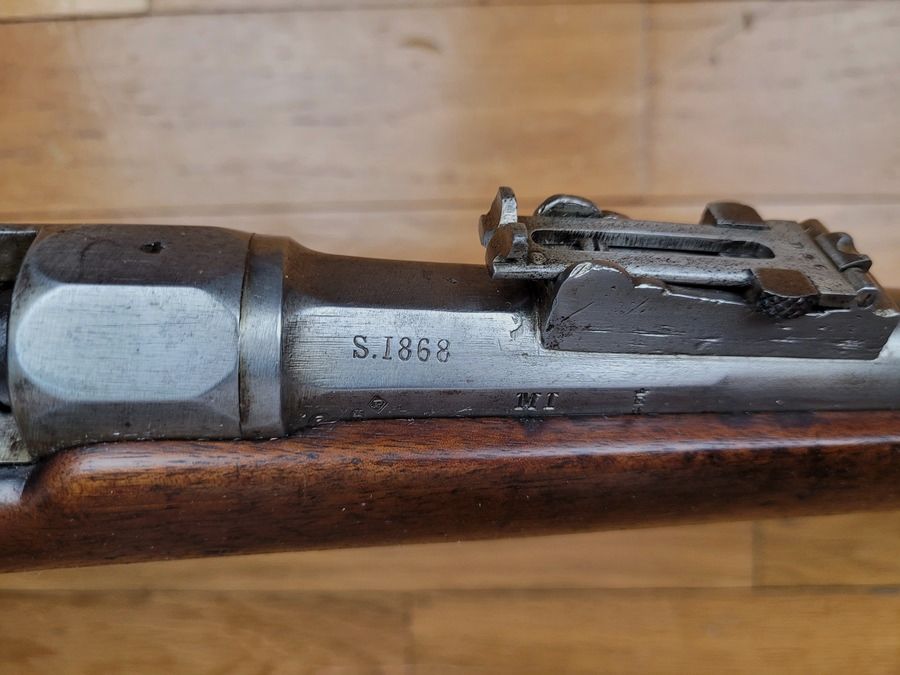
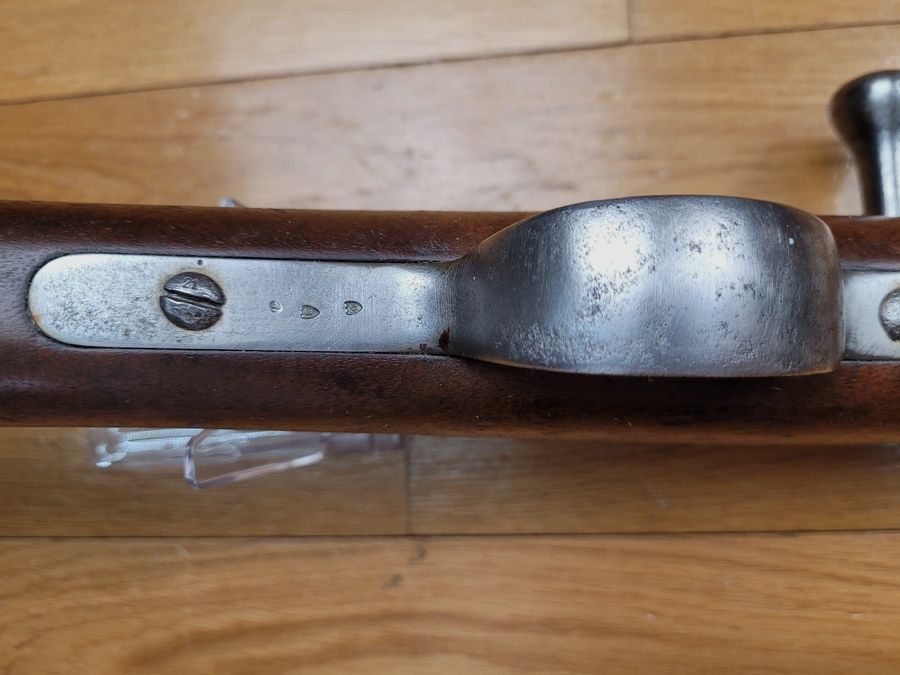
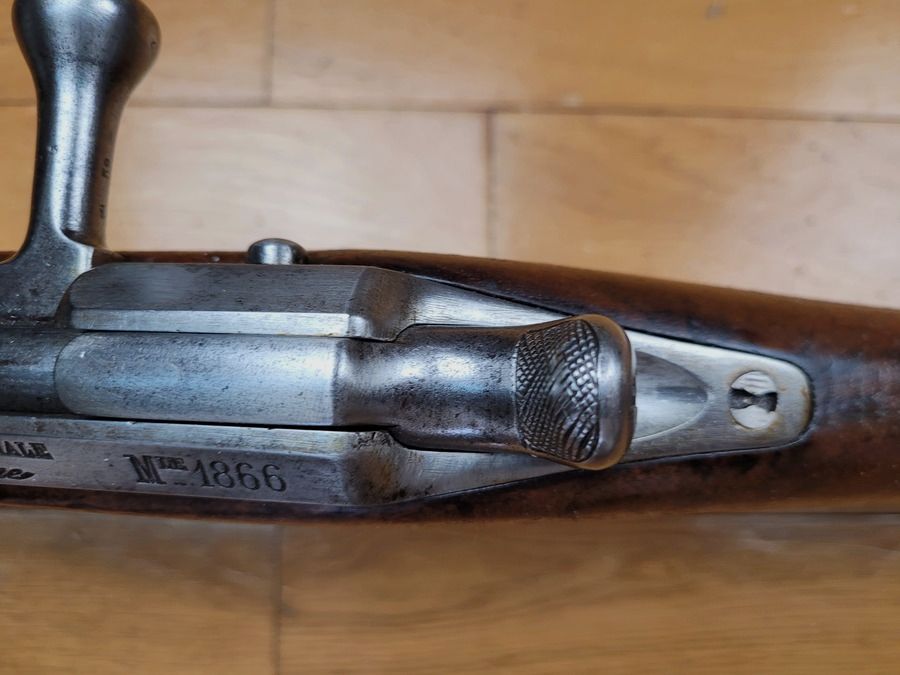
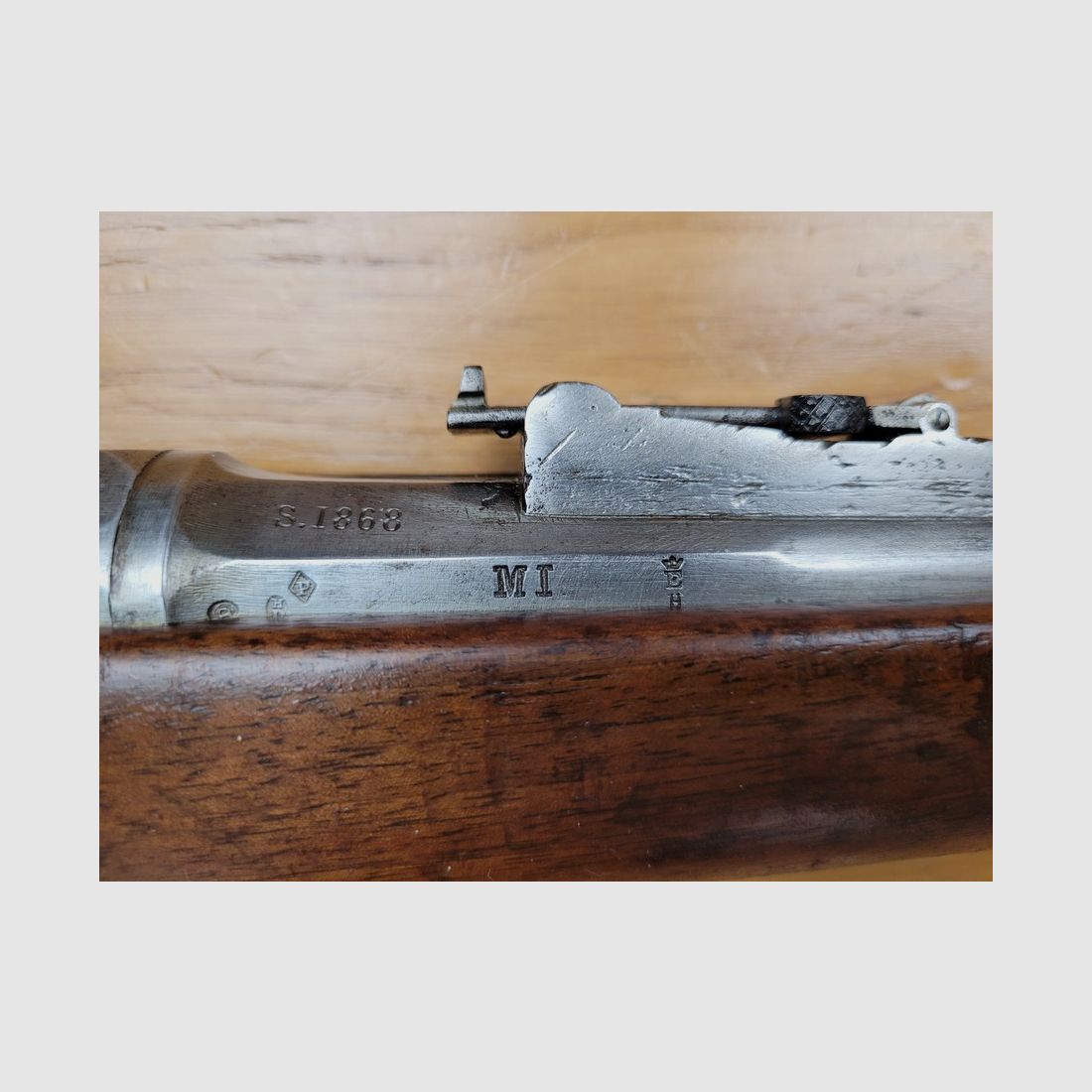
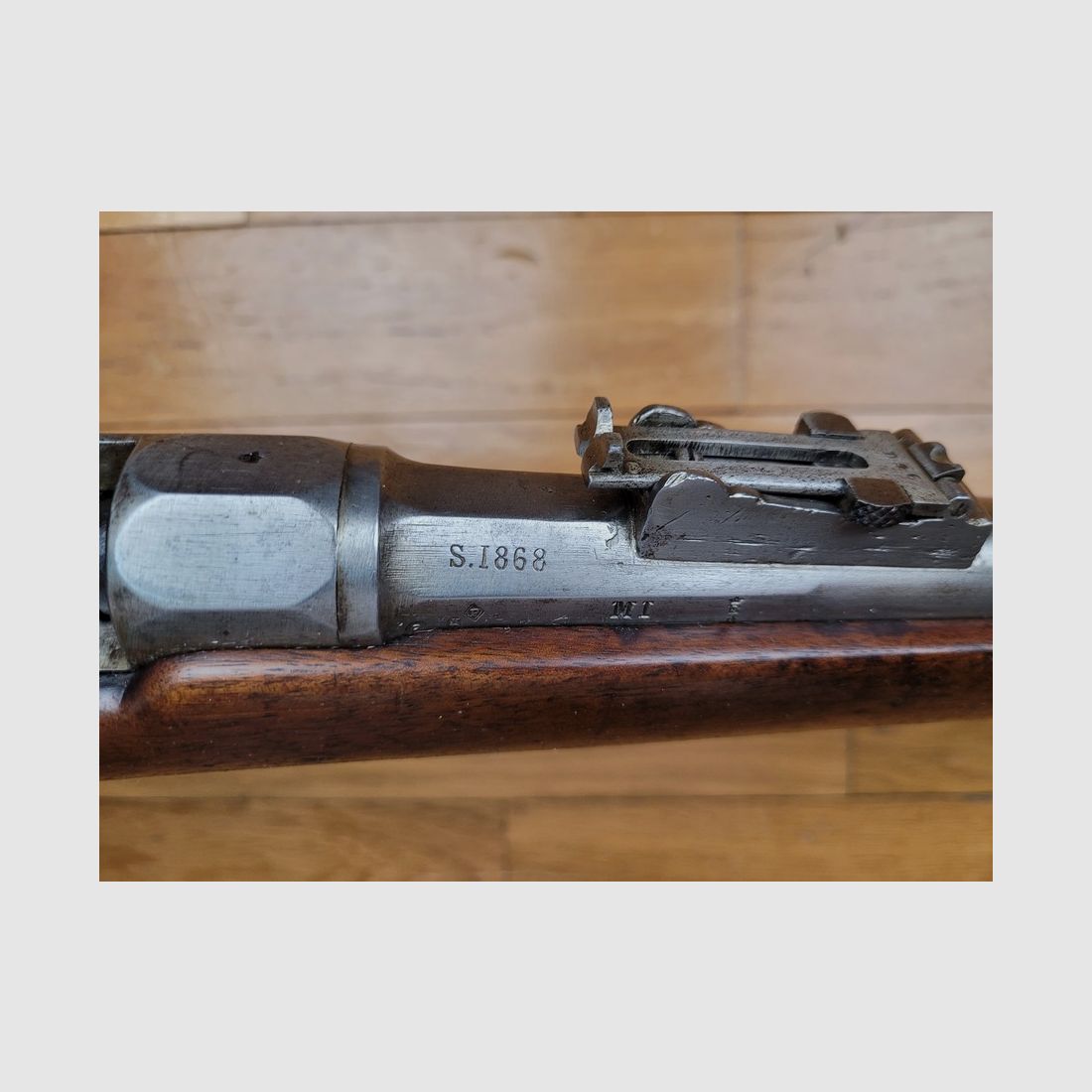
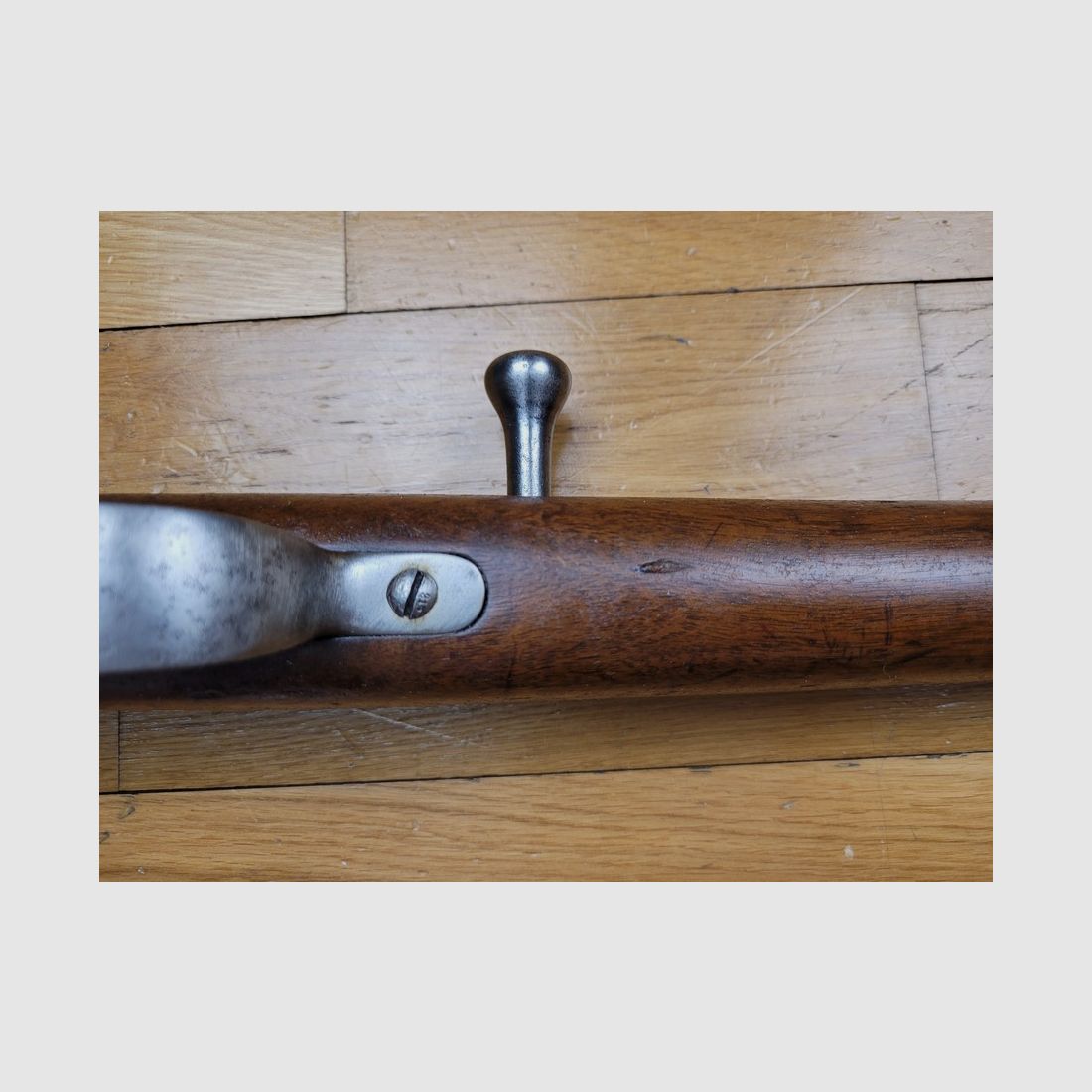
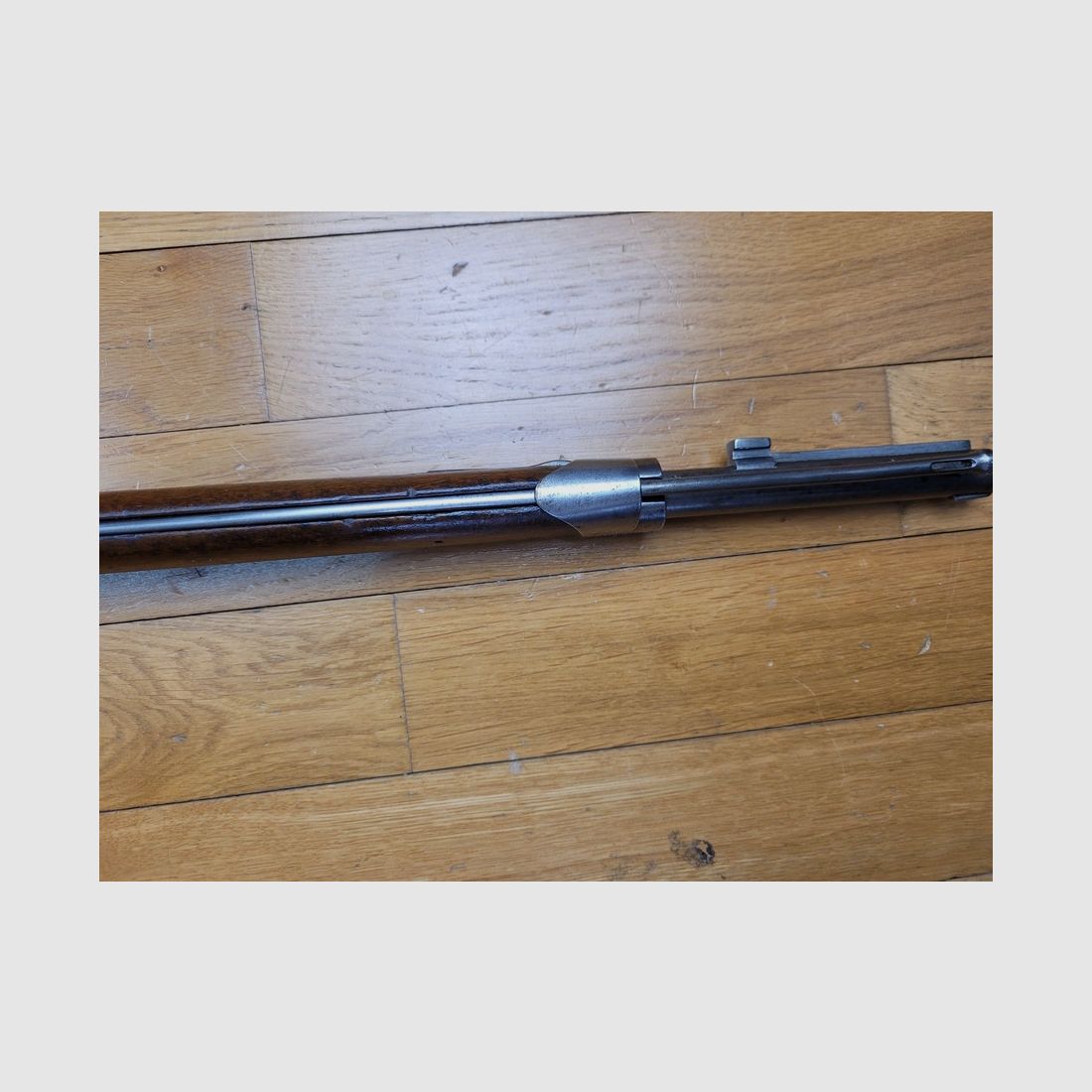
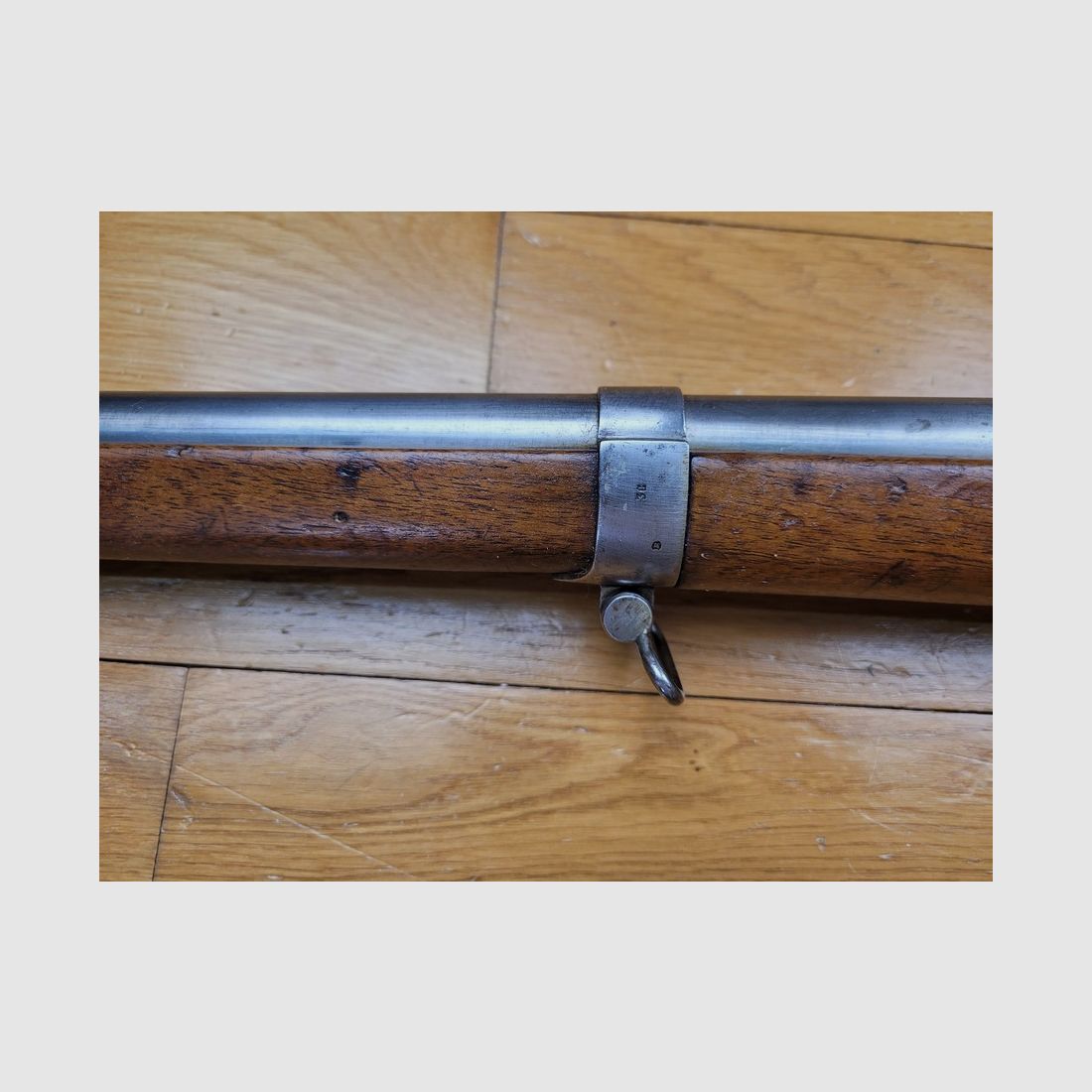
The metal is in very good condition, with no oxidation or pitting. All proof marks and markings are clearly visible, legible, and consistent. The arsenal and model markings are crisp and unworn. Saint Étienne manufacture, clearly marked “S 1868”. The metal parts are in very fine condition.
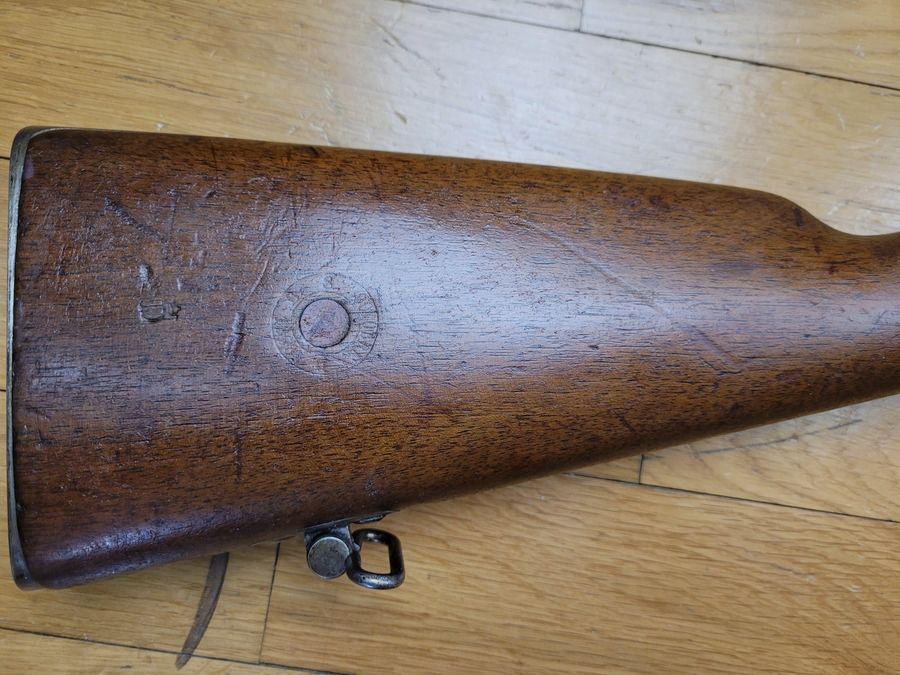
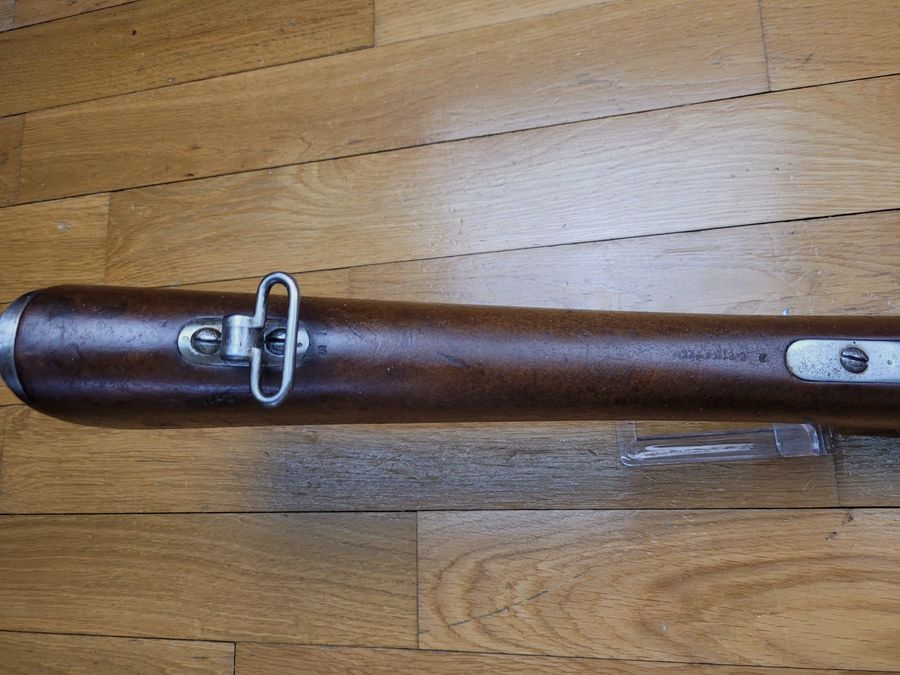
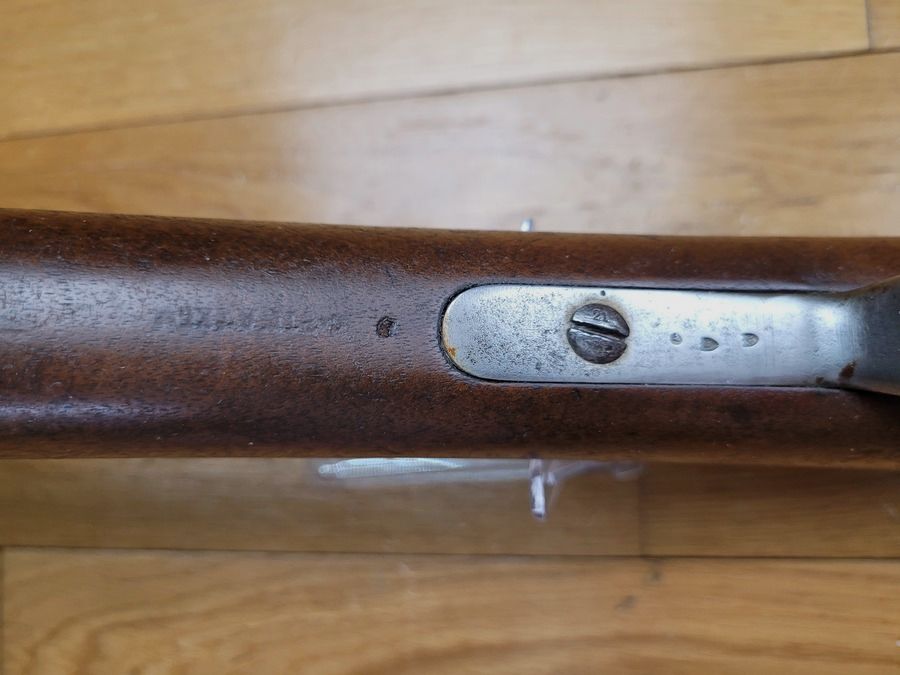
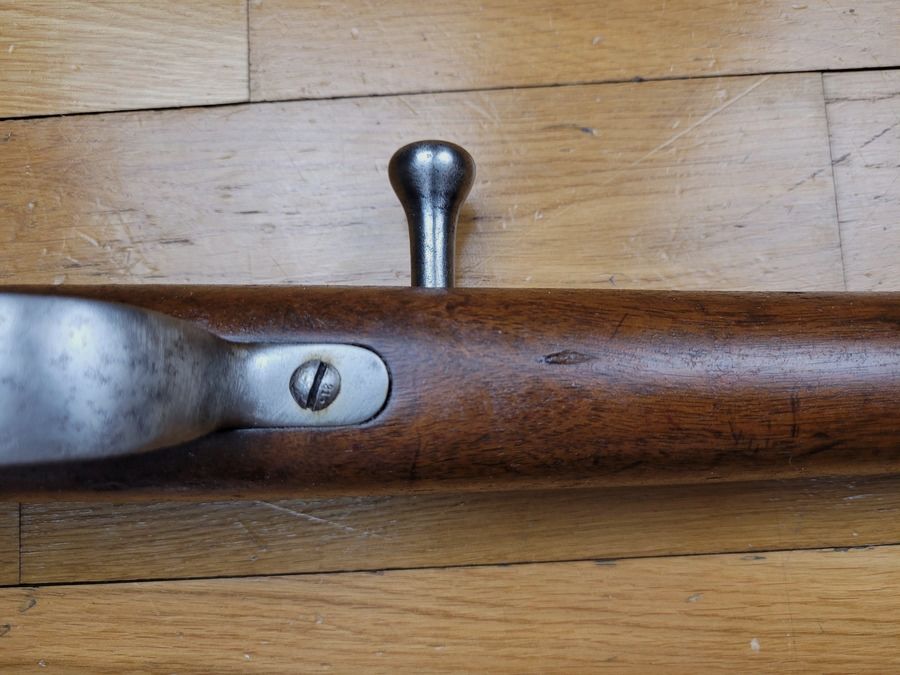
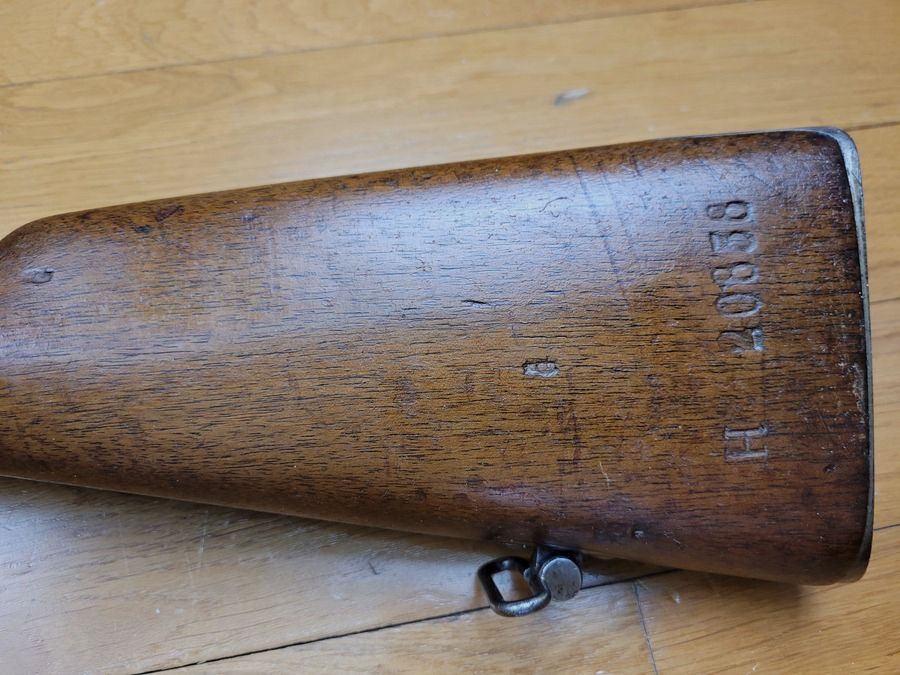
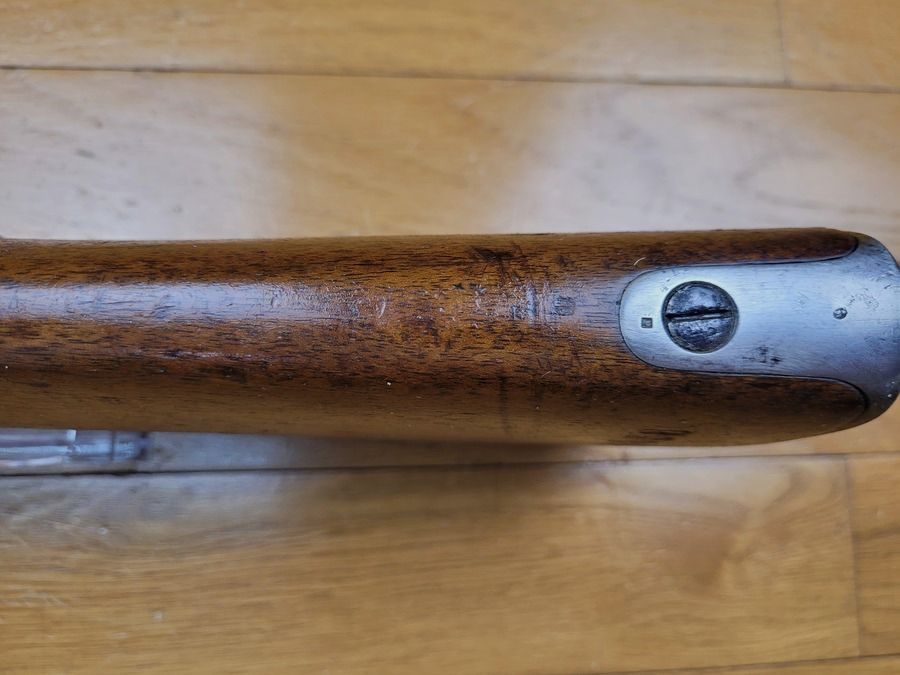
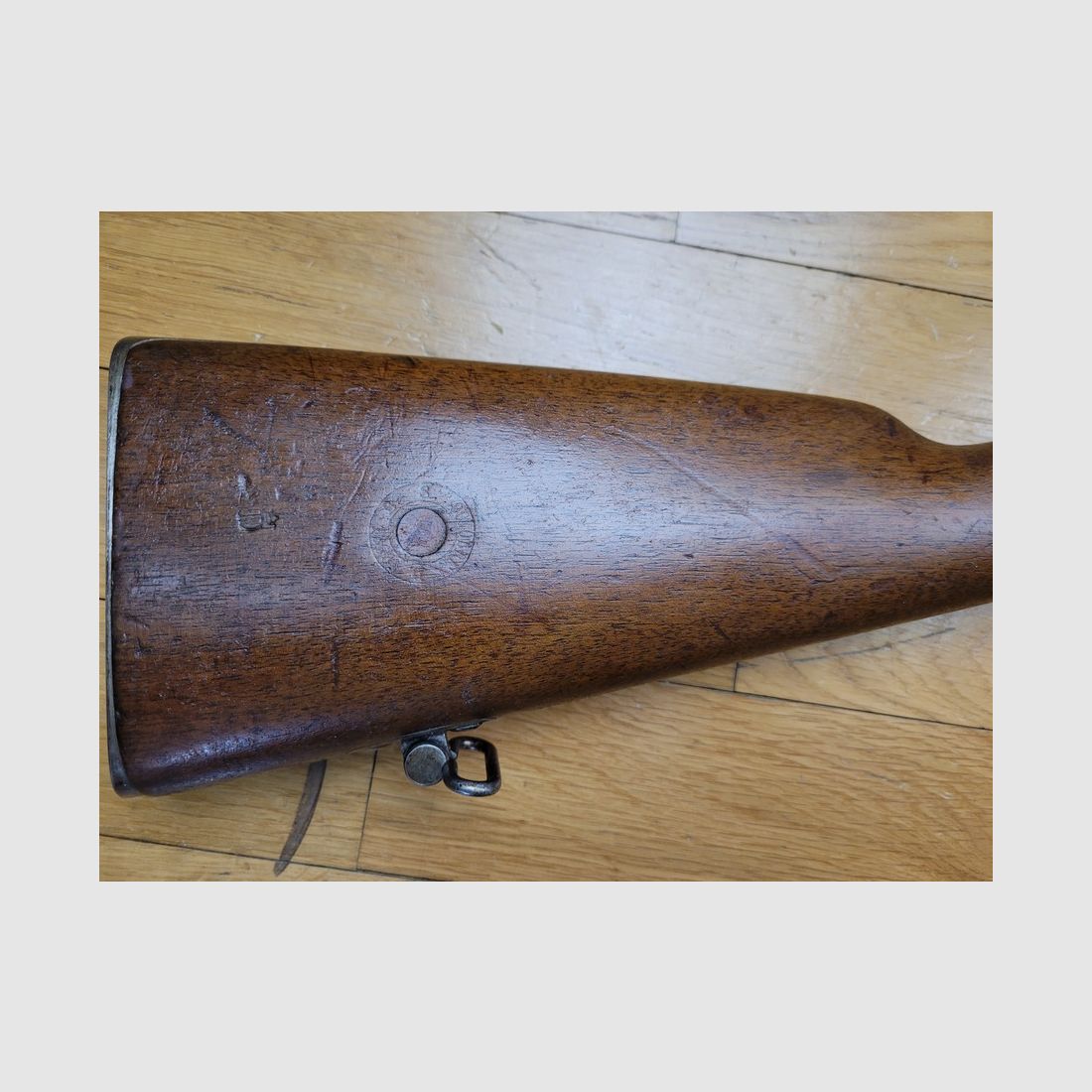
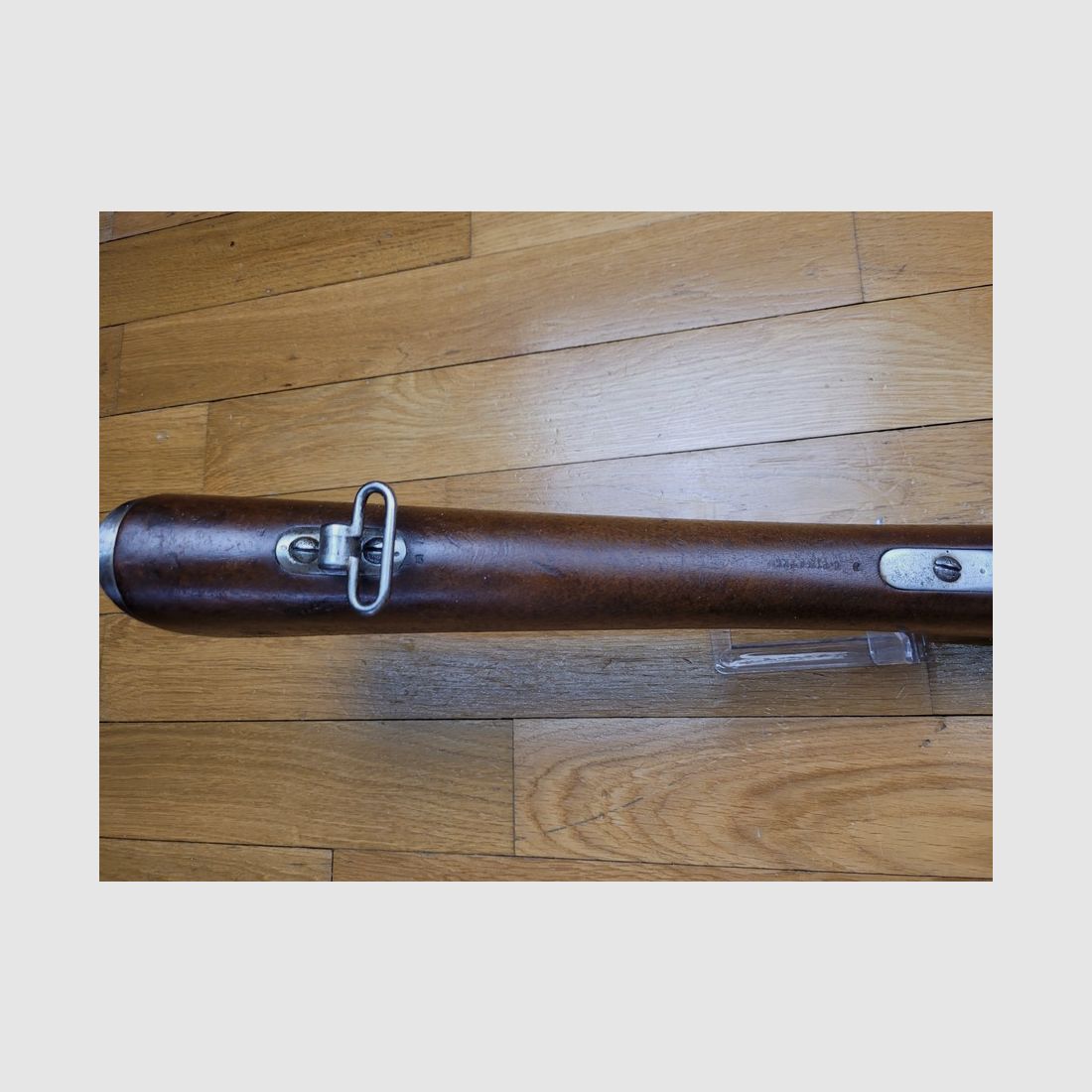
The wood is also in excellent condition (no cracks, repairs, or wormholes), with very few signs of handling. The white spots in the close-up are just dust! The cartouche is still legible (a little clearer in raking light), with its boxwood insert intact, indicating October 1868. The wood inspection marks are crisp. The markings are consistent across all the fittings. Screws in very good condition. Buttplate is immaculate. More on that shortly.
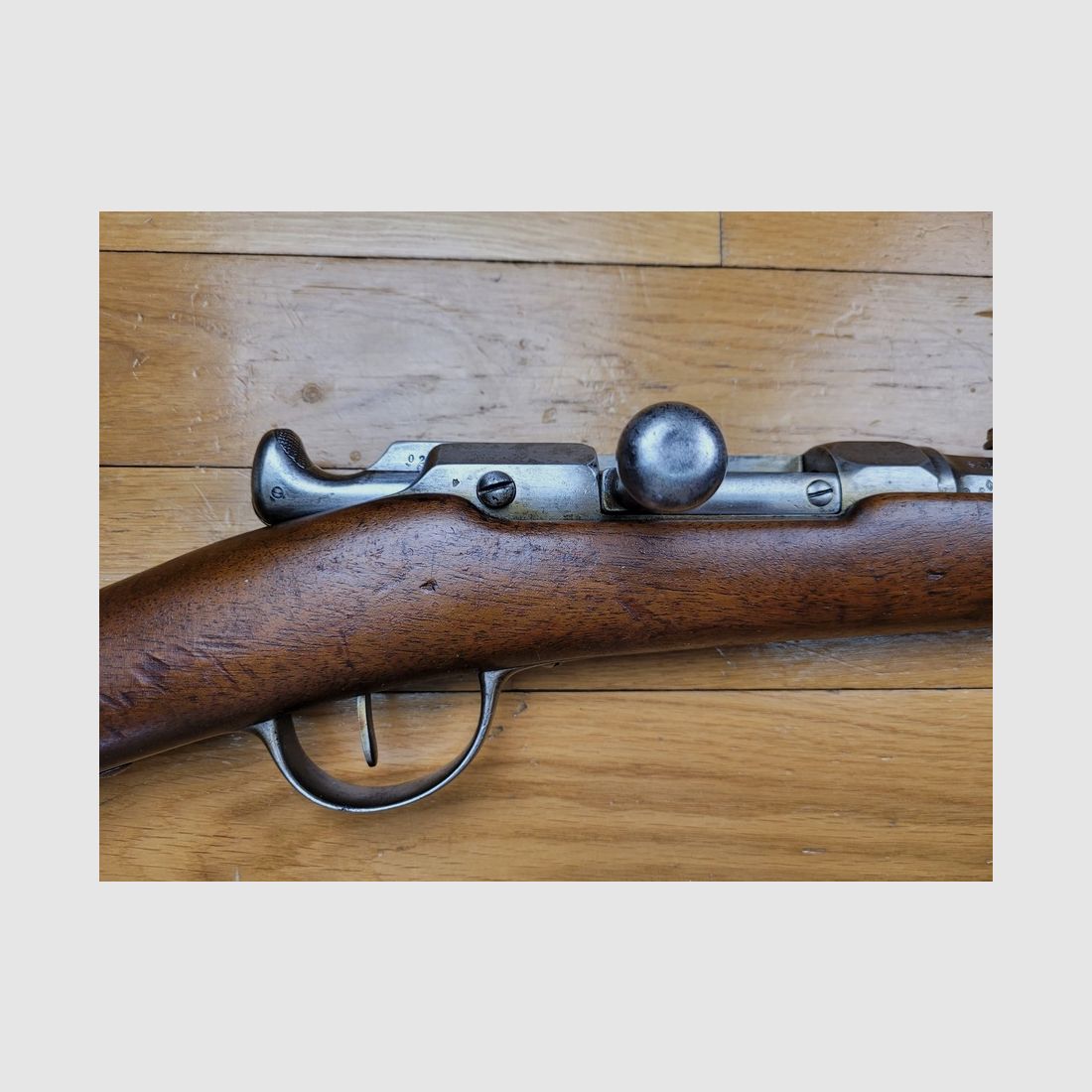
This is a second-type rifle (rounded breech tang, checkered bolt handle). Production of the first type ended in spring 1869 at the last factories, and in late 1868 at Saint-Étienne. So this is one of the very first second-type rifles.
The action works flawlessly, with a crisp strike, a good spring, and perfect locking. The barrel needs cleaning but is absolutely mirror-bright, with no oxidation and crisp, deep rifling—a truly excellent barrel, almost like new. That’s rare on a Chassepot!
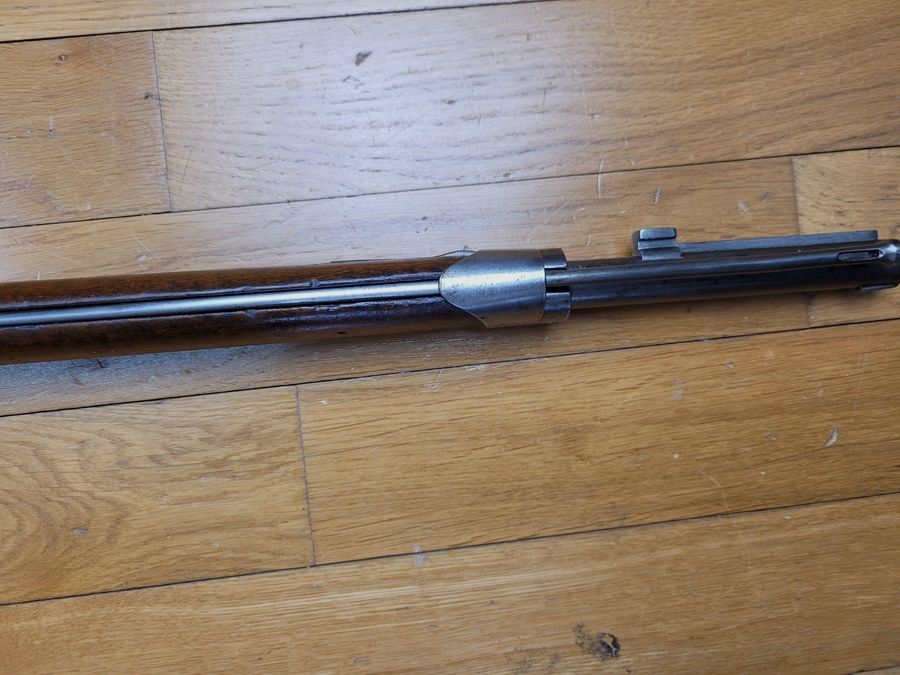
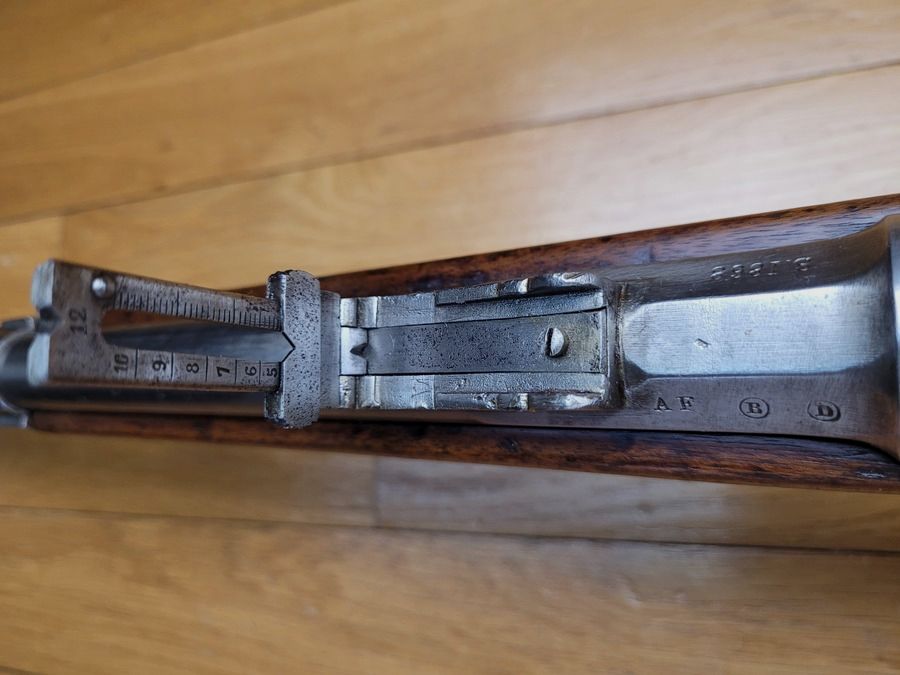
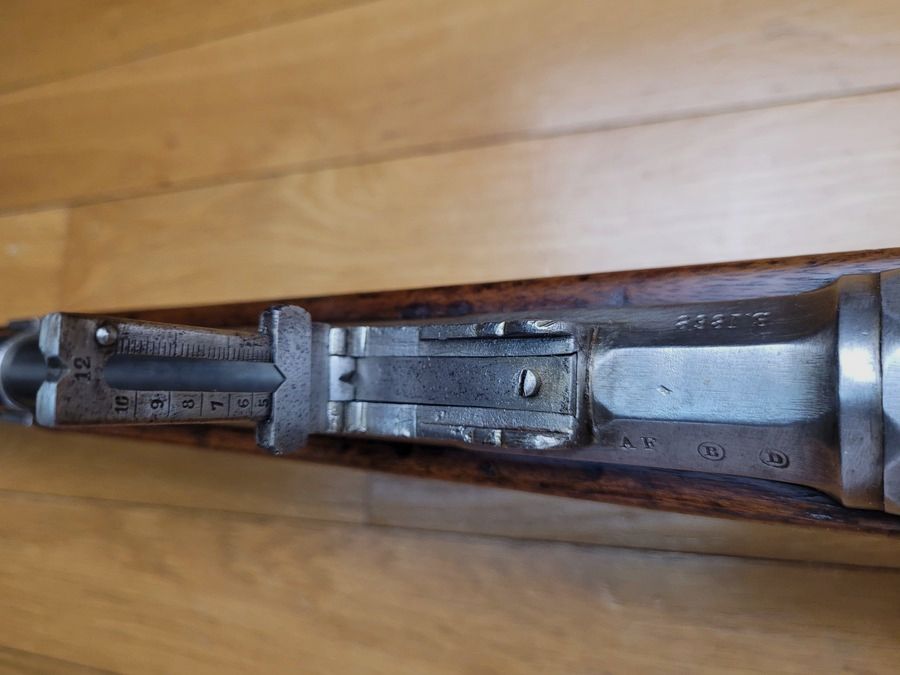
The rear sight is the first type, from before 1874.
A very fine, well-matched rifle in excellent condition—one that’s becoming very hard to find in an Imperial model.
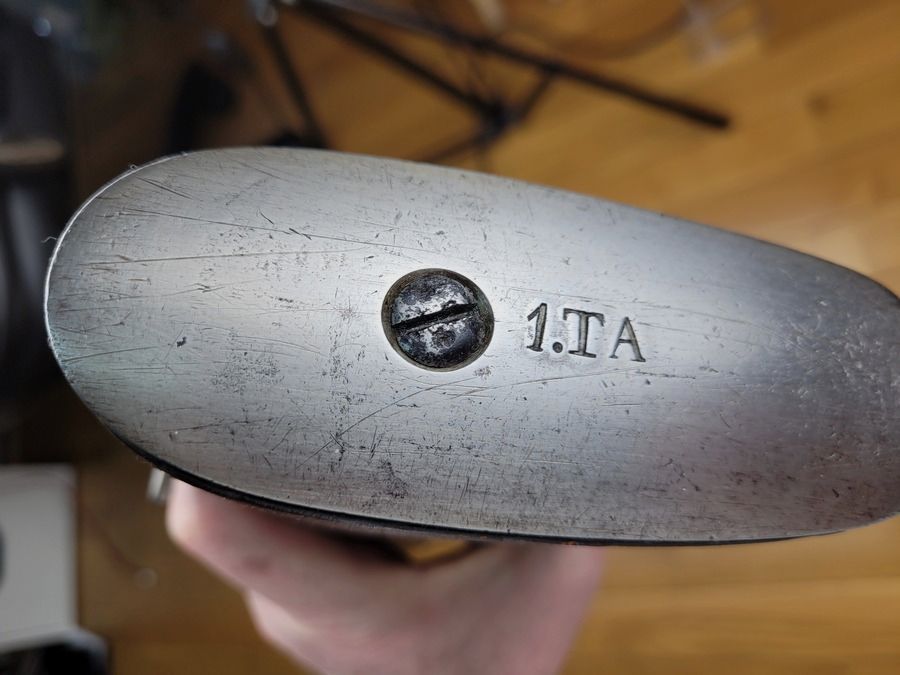
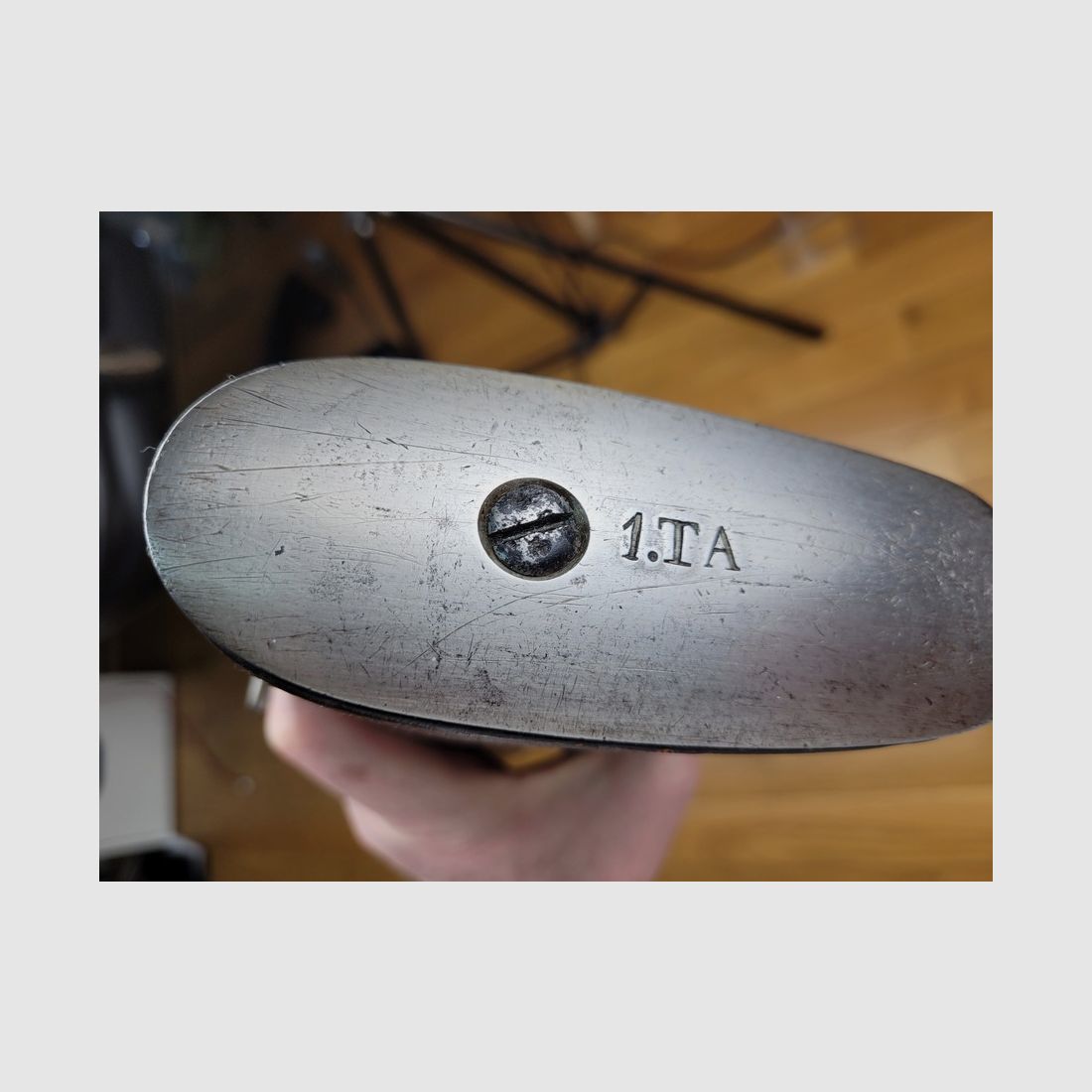
The icing on the cake: its buttplate is regiment-marked. To the 1st TA! That’s the 1st Algerian Tirailleurs Regiment, a prestigious regiment that took part in every French campaign from its formation in 1842 to its disbandment in 1962. It was put to the test time and again, taking part in many of the toughest engagements. For example, its 1870 campaign:
On August 1, 1870, the 1st Algerian Tirailleurs Regiment was part of the Army of the Rhine. Its commanding officer was Colonel Morandy. Together with Colonel Brice’s 78th Infantry Regiment, the 1st RTA formed the 2nd Brigade under General Pellé. Along with General Pelletier de Montmarie’s 1st Brigade, two four-gun batteries, a machine-gun battery (!) and an engineer company, it made up the 2nd Infantry Division, commanded by Major General Abel Douay, part of the 1st Army Corps, whose commander-in-chief was Marshal de Mac Mahon, Duke of Magenta.
On August 4, 1870, it distinguished itself at Wissembourg. Decimated, it was back in action on August 6 at the Battle of Froeschwiller. Bled white at bla
nc, part of the unit joins the Bitche fortress, where it will defend itself heroically during a siege that deserves a book of its own… The bulk of the 1st RTA heads to Sedan to suffer the same fate as the bulk of the French Army.
In short, a classic firearm in very good condition—emblematic of the conflict period (July 1870 – late January 1871) and once owned by a prestigious unit. A great addition to any collection of French service firearms.
Ammunition and shooting kits are readily available on the market—for example, from H&C.
Category D firearm under the CSI: valid ID, national ID card or passport required
*****************************************************************************************************************************************************************************************************************
Let’s say it again! Flingus Maximus gun shop in Paris and throughout France is also here to help with private firearm transfers, buying firearm and militaria collections, firearm appraisals, and questions about firearms in estates and inheritances. Contact your favorite gunsmith using our contact form or at [email protected]
Reminder: All collectible, hunting, and shooting firearms are used and sold as-is, without warranty.
All antique firearms sold as Category C or D, “Collection” or “Cowboy shooting” are collectible firearms that have not been proof-tested for shooting or tested at a range. They have been visually inspected for their general and mechanical condition, but none have been used for shooting, so they are sold as untested. Anyone wishing to use a firearm for shooting must first contact the National Proof House in Saint Étienne, the only body authorized to issue proof certificates before a firearm can be used for shooting. (Show description in original language)
Le fusil Chassepot est le premier fusil réglementaire français à chargement par la culasse de l’armée française. Il fonctionnait avec une cartouche papier, permettant le tir couché et une cadence de tir inconnue jusque là pour un fusil à verrou. Pourtant, tout tenait à un joint de caoutchouc faisant étanchéité dans la culasse…
Engagé au combat pour la première fois à la bataille de Mentana en 1867, le Chassepot prouva encore une fois sa valeur durant la guerre de 1870 en se révélant sensiblement supérieur au Dreyse allemand auquel il était censé répondre. D’ailleurs, après la Guerre de 70, les allemands se sont empressés d’en récupérer le maximum et de les utiliser, après transformation, pour équiper notamment une bonne partie de leur cavalerie.
Antoine-Alphonse Chassepot, fils et neveu de contrôleur d’armes, et ouvrier à la Manufacture d’armes de Saint Étienne de son état, méritait donc bien la légion d’Honneur et le prix de 30.000 francs – somme énorme pour l’époque – que lui valurent son invention.
Nous avons ici un très bel exemplaire de fusil Chassepot modèle 1866 fabriqué fin 1868 à la Manufacture Impériale de Saint Étienne. L’arme porte le même numéro de série (en H) sur la crosse, le tenon de baïonnette et le canon – seule la baguette et la culasse ne sont pas au même numéro. Mais la culasse – prises en ses deux pièces numérotées – est bien aussi est en série H. Belle arme homogène
Celui-ci est en effet en très bel état notamment si on le compare à ceux qu’on voit usuellement sur le marché…
Métal sans oxydation ni piqûre en très bon état – tous les poinçons ou marquages sont bien visibles et lisibles et homogènes – les gravures d’arsenal et de modèle sont bien nettes et pas usées. Fabrication de St Étienne bien Marquée “S 1868”. Très bel état des fers.
Les bois sont en excellent état aussi (ni fracture, ni enture ni vers) avec assez peu de traces de manipulation – Les points blancs en gros plan c’est de la poussière ! – Macaron encore lisible (un peu mieux en lumière rasante) avec son insert de buis bien présent pour le mois d’octobre 1868 – les poinçons de contrôle des bois du bois sont bien nets. Poinçons bien homogènes partout sur les garnitures. Vis en TBE – Plaque de couche impeccable. On va y revenir.
C’est un deuxième type (queue de culasse arrondie – tige d’armement de culasse quadrillée). La fabrication du 1er type a cessé au printemps de 1869 pour les dernières manufactures et à St-Etienne fin 1868. C’est donc un des tout premier second type.
Fonctionnement mécanique irréprochable – percussion franche – bon ressort – verrouillage parfait avec un canon à nettoyer mais absolument miroir, sans oxydation, et aux rayures bien nettes et bien profondes – vraiment un canon en excellent état, presque neuf. C’est rare sur un Chassepot !
La hausse est bien du 1er type avant 1874.
Très belle arme très homogène dans un état excellent qui devient très difficile à trouver pour un Impérial.
Cerise sur le gâteau, sa plaque de couche est régimentée. Au 1er TA ! C’est le 1er Régiment de Tirailleurs Algériens. Régiment prestigieux qui sera de toutes les aventures françaises entre 1842 sa formation, et 1962 sa dissolution. Et qui sera bien mis à l’épreuve en étant de la plupart des coups durs… Exemple, sa campagne de 1870 :
Au 1er août 1870, le 1er régiment de tirailleurs algériens fait partie de l’Armée du Rhin. Son chef de Corps est le Colonel Morandy. Avec le 78e régiment d’infanterie du Colonel Brice, le 1er RTA forme la 2de Brigade aux ordres du Général Pellé. Avec la 1ière Brigade du Général Pelletier de Montmarie, deux batteries de 4, une de mitrailleuses (!) et une compagnie du génie, elle constitue la 2ième Division d’Infanterie commandée par le Général de division Abel Douay du 1er Corps d’Armée dont le commandant en chef est le Maréchal de Mac Mahon, Duc de Magenta.
Le 4 août 1870 elle s’illustre à Wissembourg. Décimée, elle remet le couvert dès le 6 août à la bataille de Froeschwiller. Saignée à blanc, une partie de l’unité rejoint la forteresse de Bitche où elle se défendra héroïquement lors d’un siège qui mériterait un livre… Le gros du 1er RTA rejoint Sedan pour subir le sort du gros de l’Armée Française.
Bref une arme classique dans un très bon état – emblématique de la période du conflit (juillet 1870 – fin janvier 1871) et ayant appartenu à une unité prestigieuse – Addition de choix pour une collection d’armes réglementaires françaises.
Des munitions et kit de tir sont disponibles facilement sur le marché – chez H&C par exemple.
Arme de catégorie D au CSI : pièce d’identité, CNI ou passeport, en cours de validité obligatoire
*****************************************************************************************************************************************************************************************************************
Répétons le ! L’armurerie Flingus Maximus à Paris et partout en France est là aussi pour vos formalités armes entre particuliers, le rachat de collections armes et militaria, vos estimations d’armes, vos questions armes dans les successions et héritage. Contactez votre armurier préféré via notre formulaire de contact ou à [email protected]
Rappel : Toutes les armes de collection, de chasse, et de tir sont d’occasion et sont vendues dans l’état, sans garantie.
Toutes les armes historiques de fabrication ancienne vendues en tant que C ou D, “Collection” ou “Cow-boy shooting”, sont des armes de collection non éprouvées pour le tir et non testées en stand. Elles ont été inspectées visuellement relativement à leur état général et mécanique mais aucune n’a été utilisée au tir et elle sont donc vendues comme non testées. L’acquéreur désirant utiliser une arme pour le tir devra impérativement se rapprocher préalablement du banc National d’Épreuve de Saint Étienne, seule entité habilitée à délivrer des certifications d’épreuves préalable à un usage de tir.