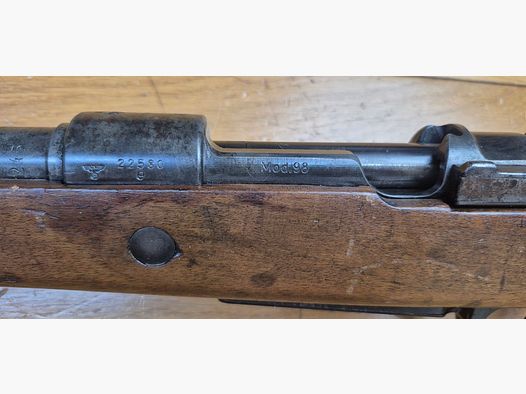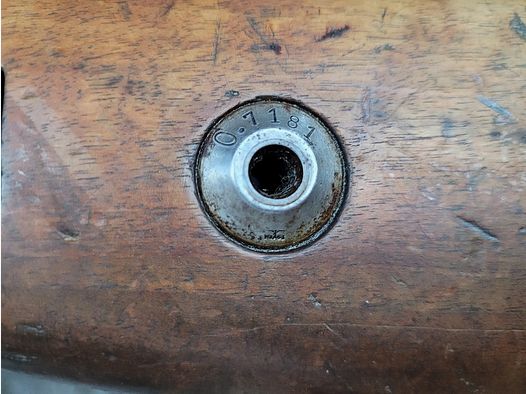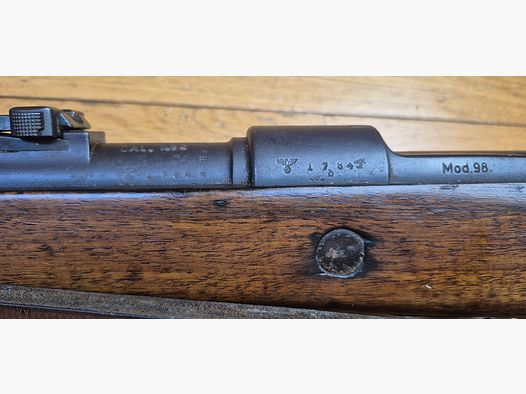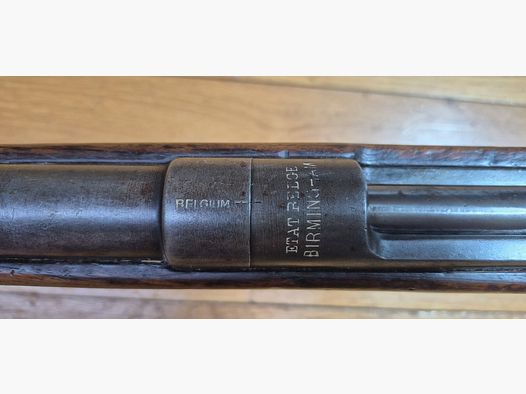
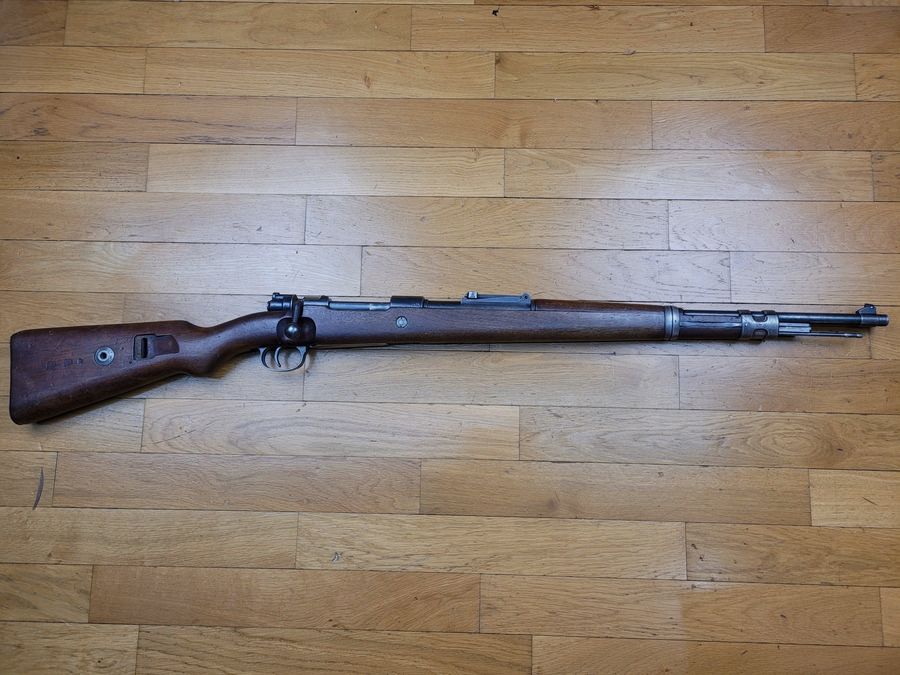
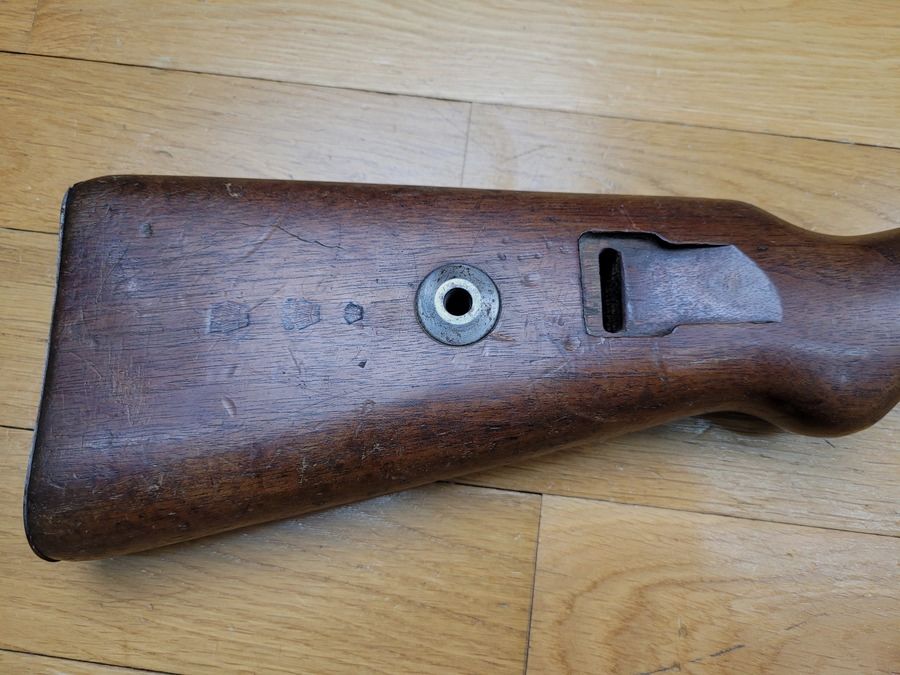


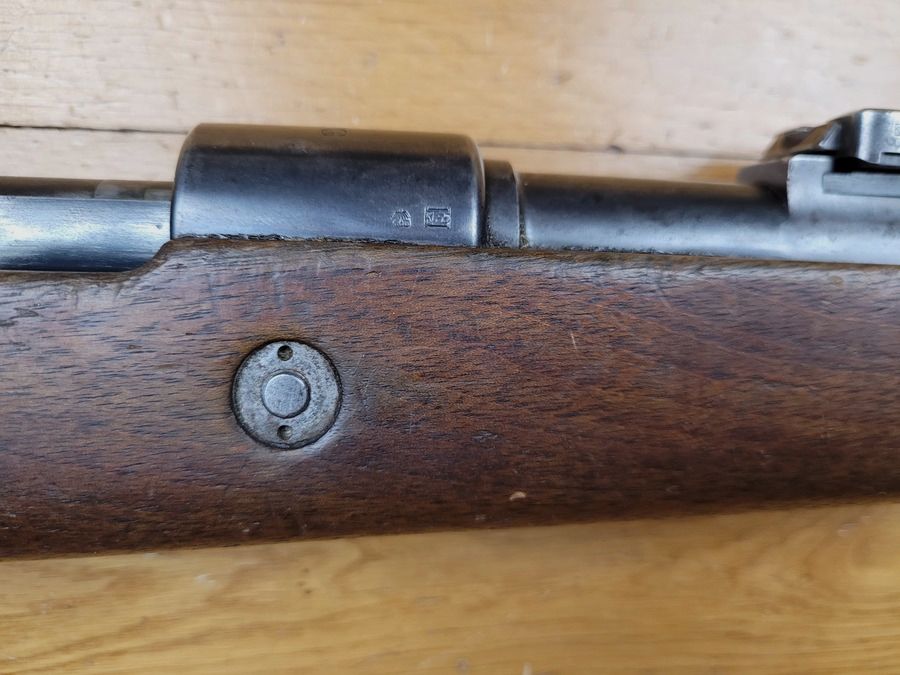

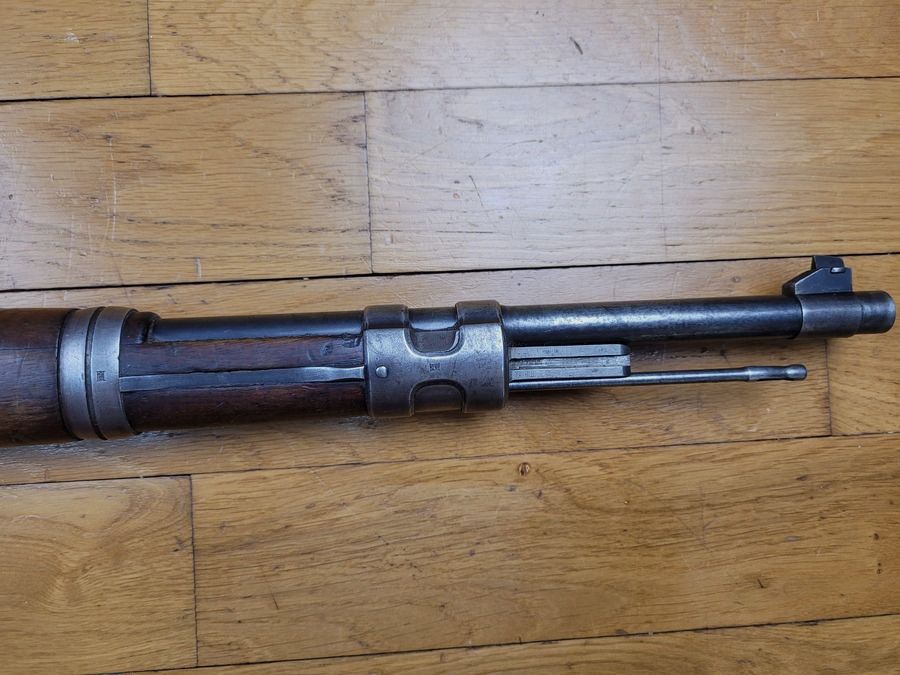

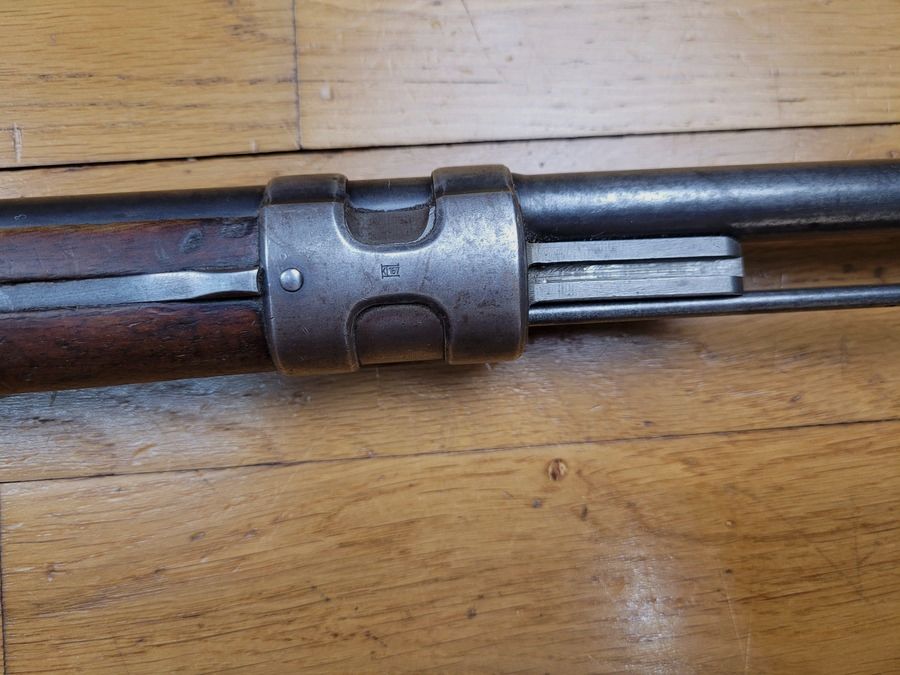


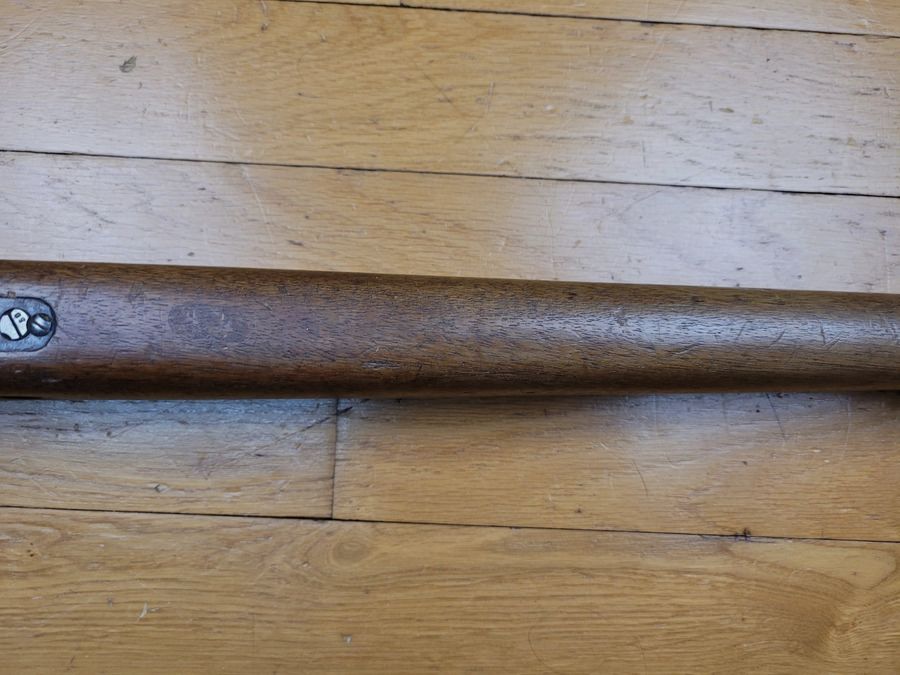
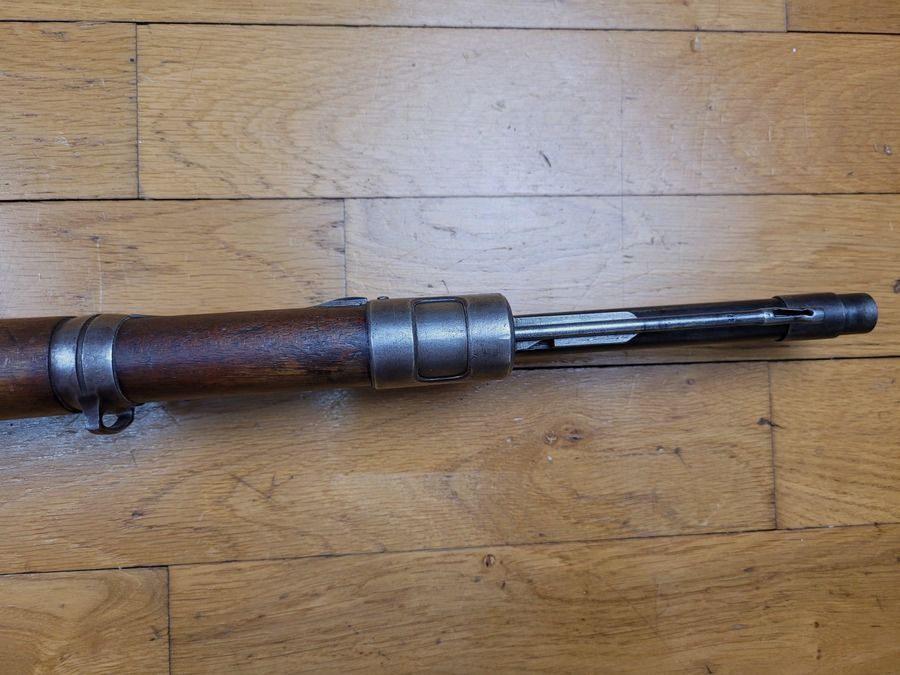


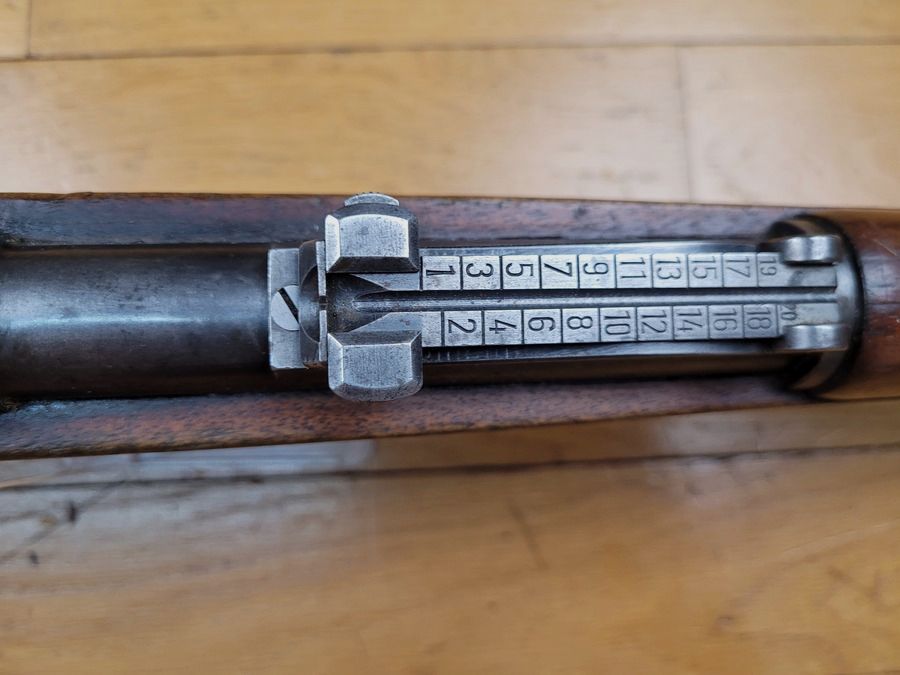
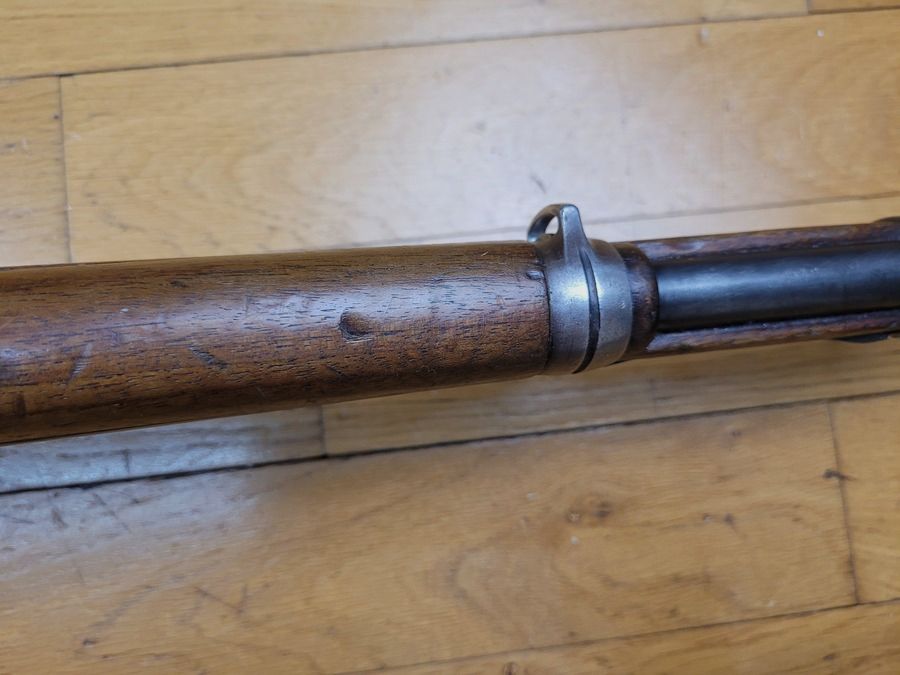
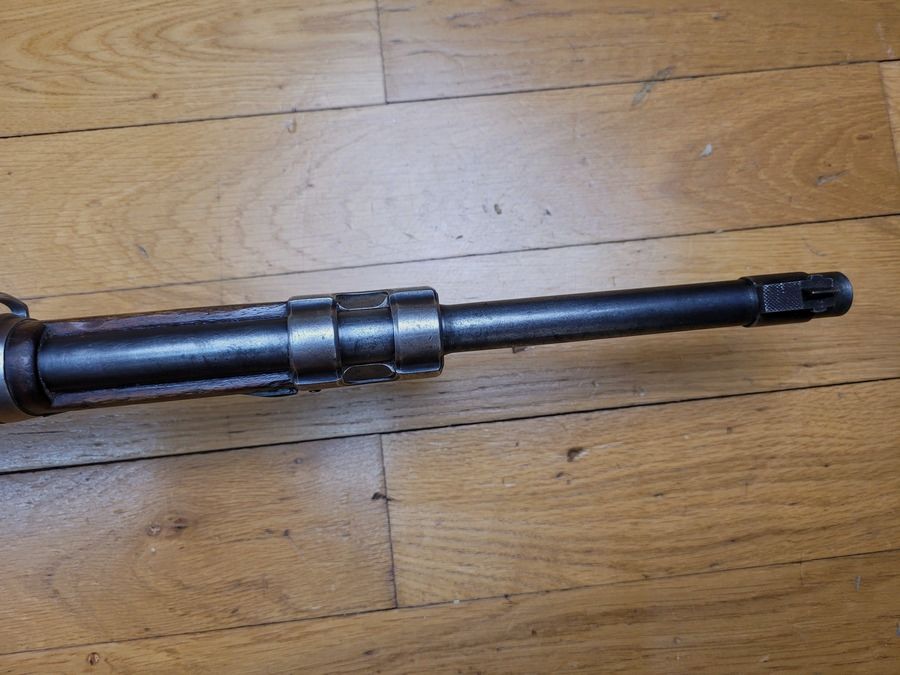

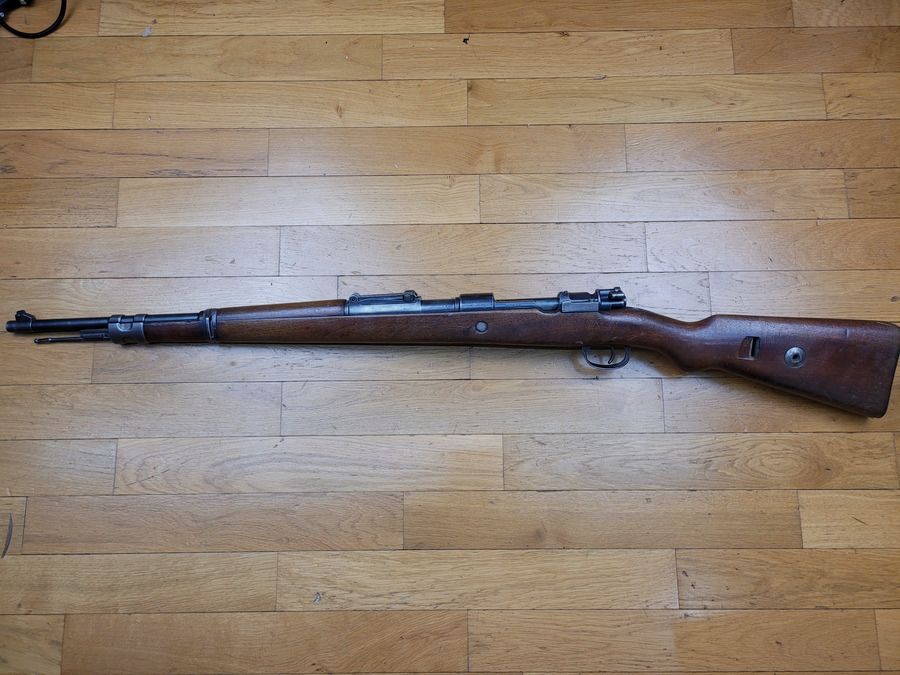


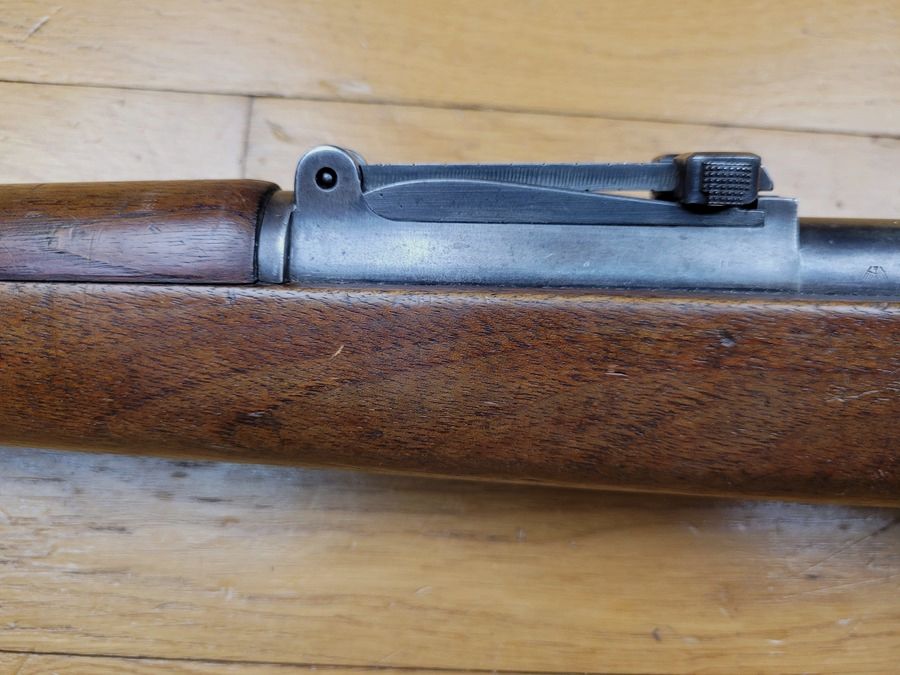
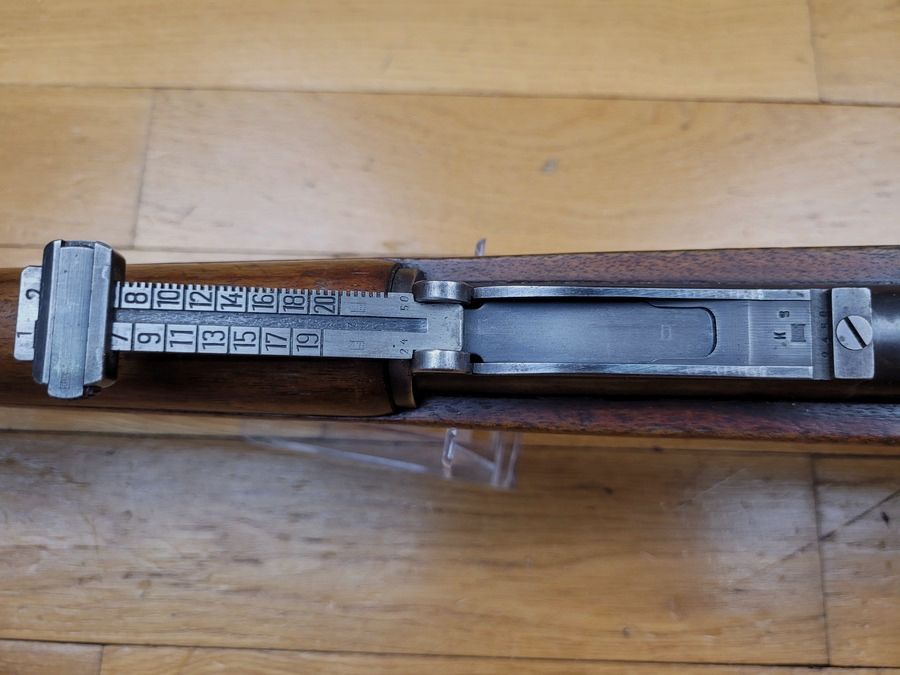

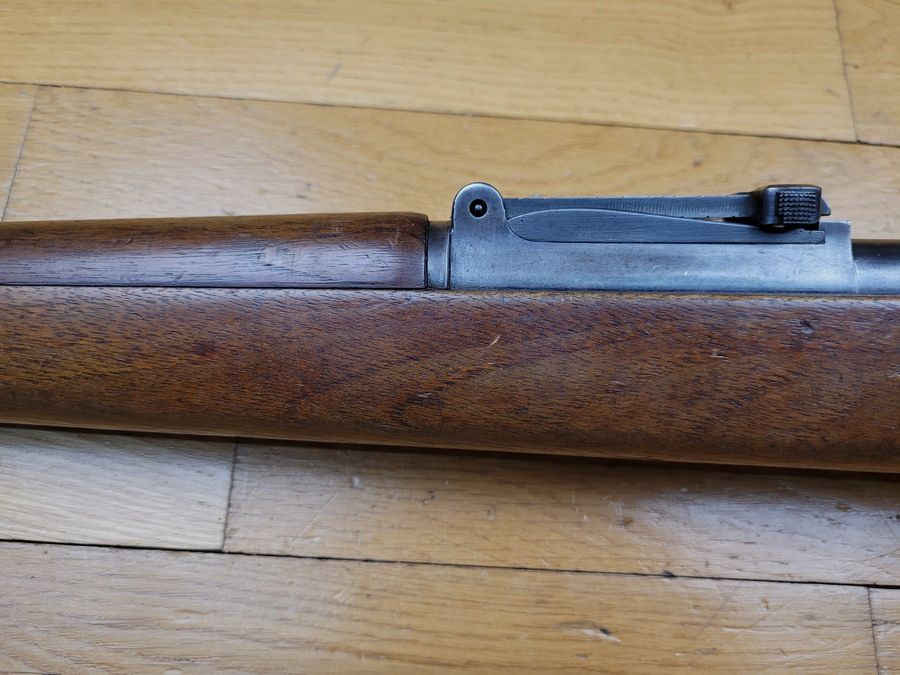

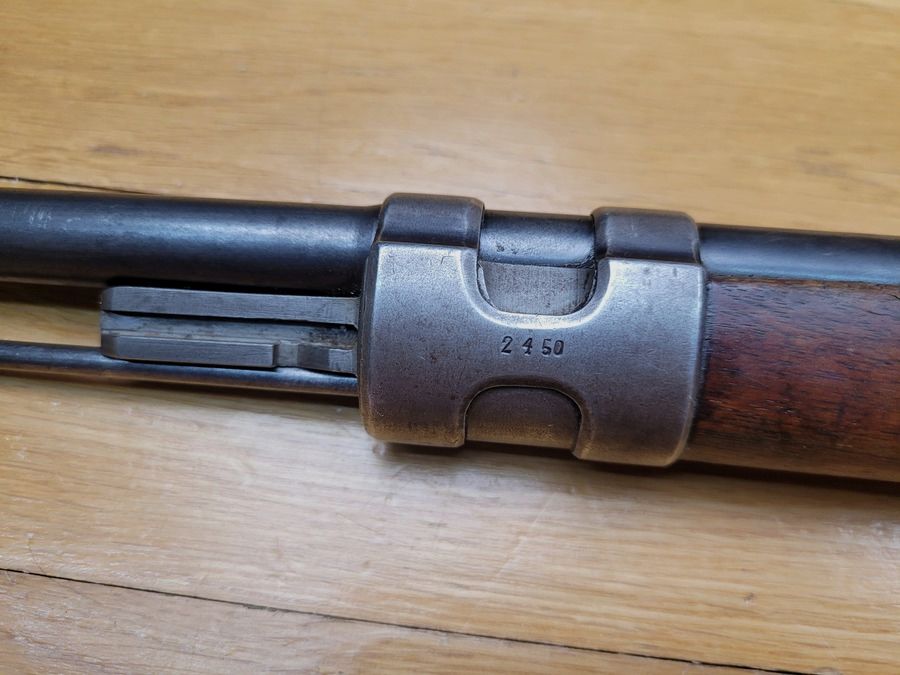
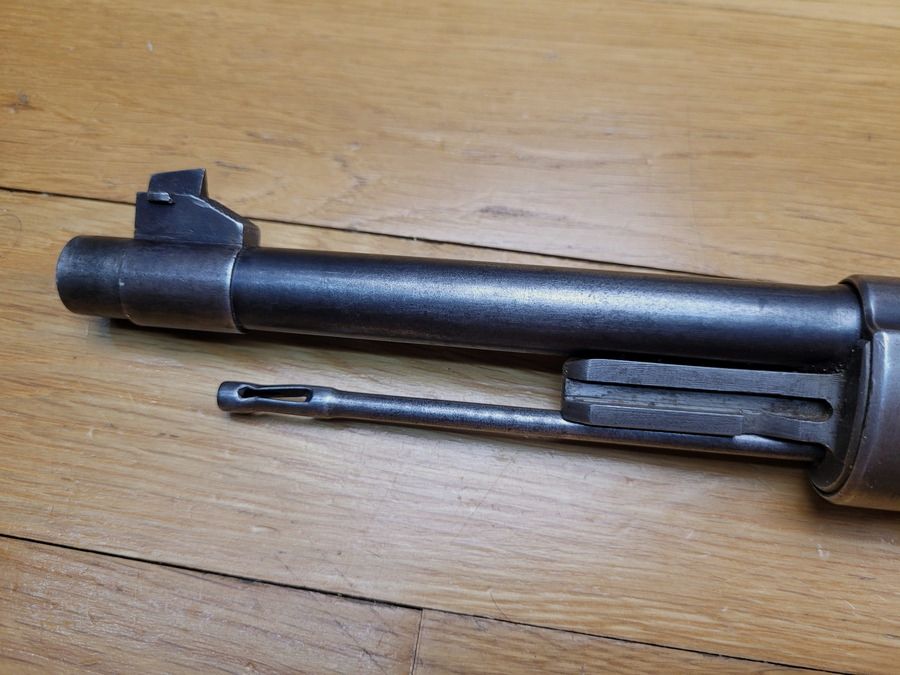


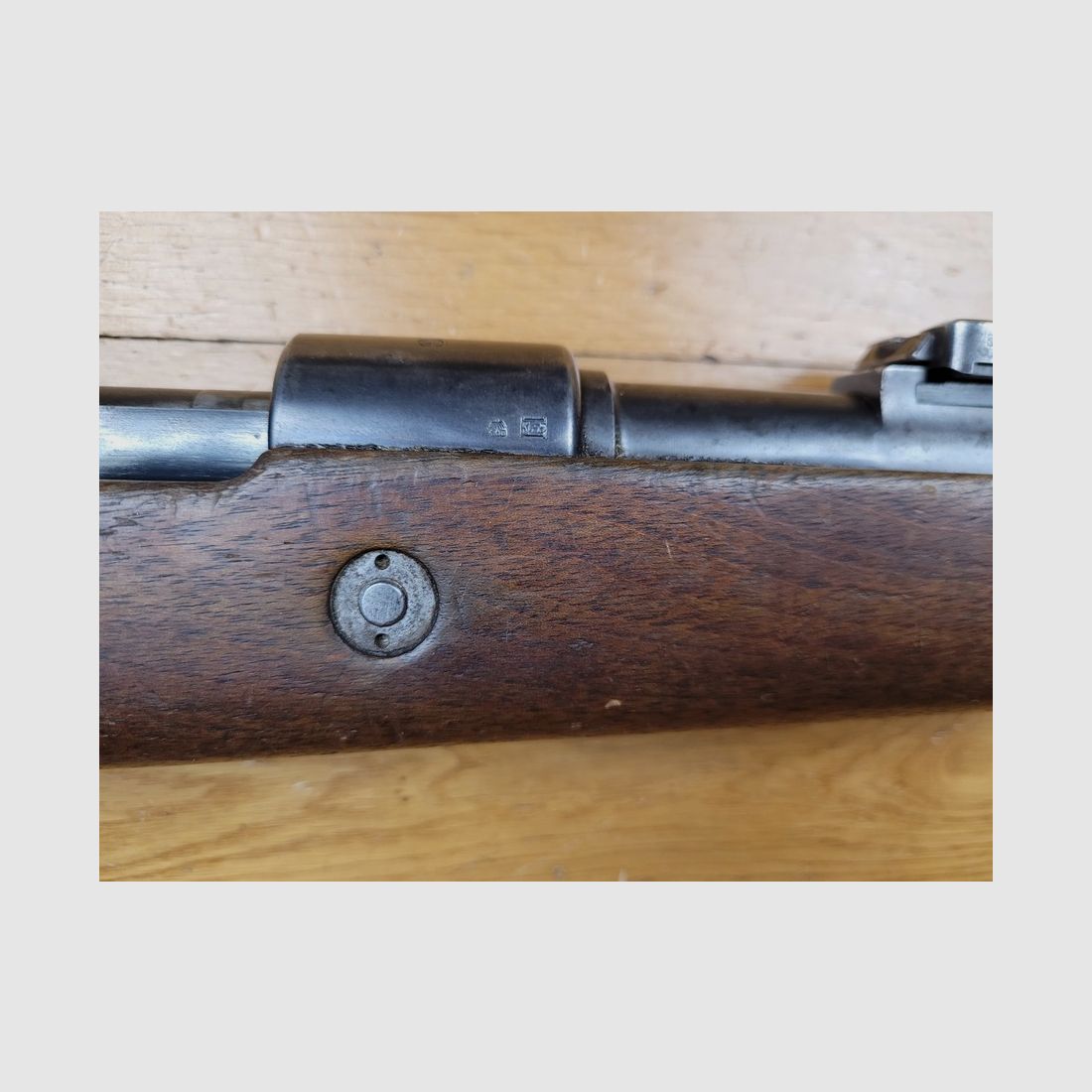
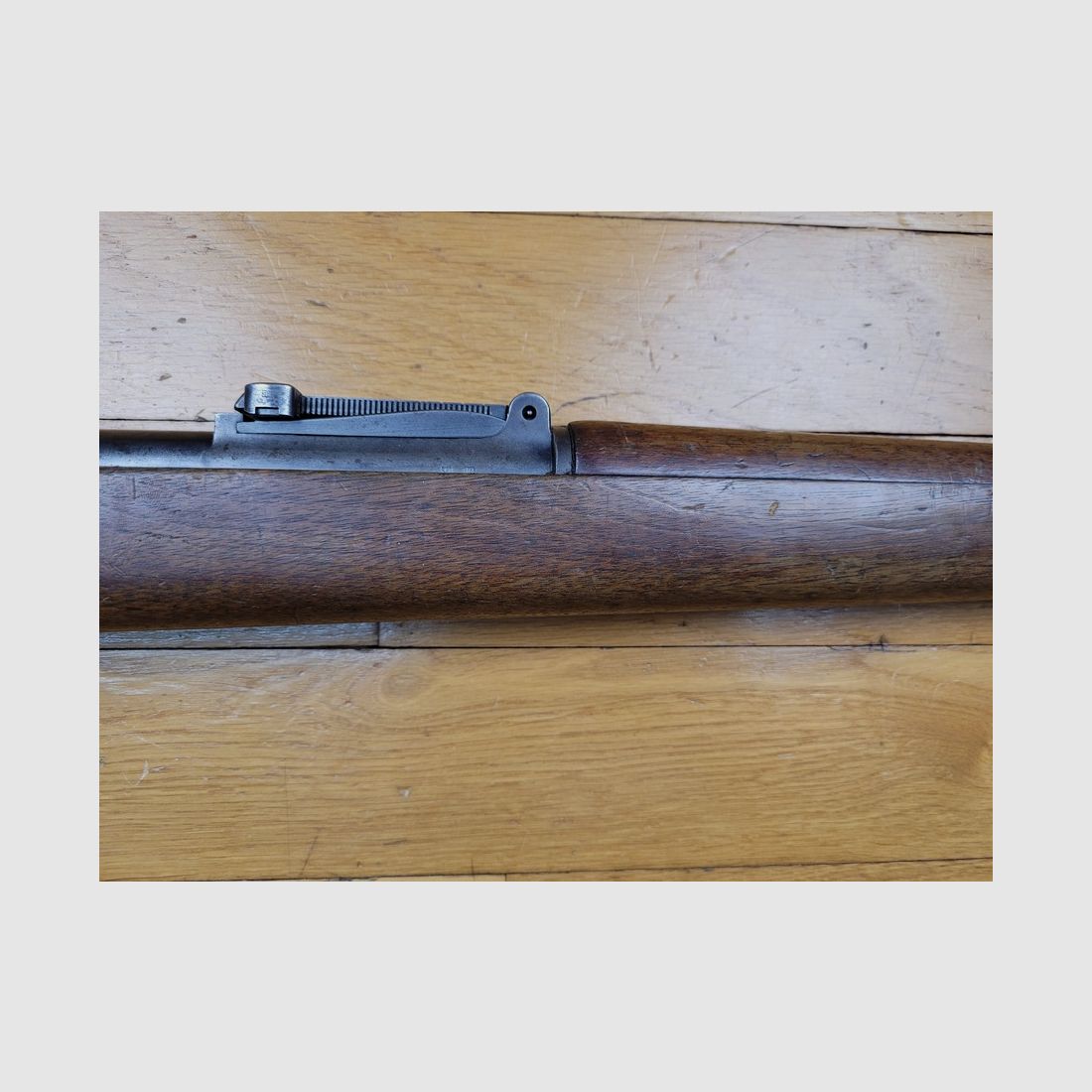


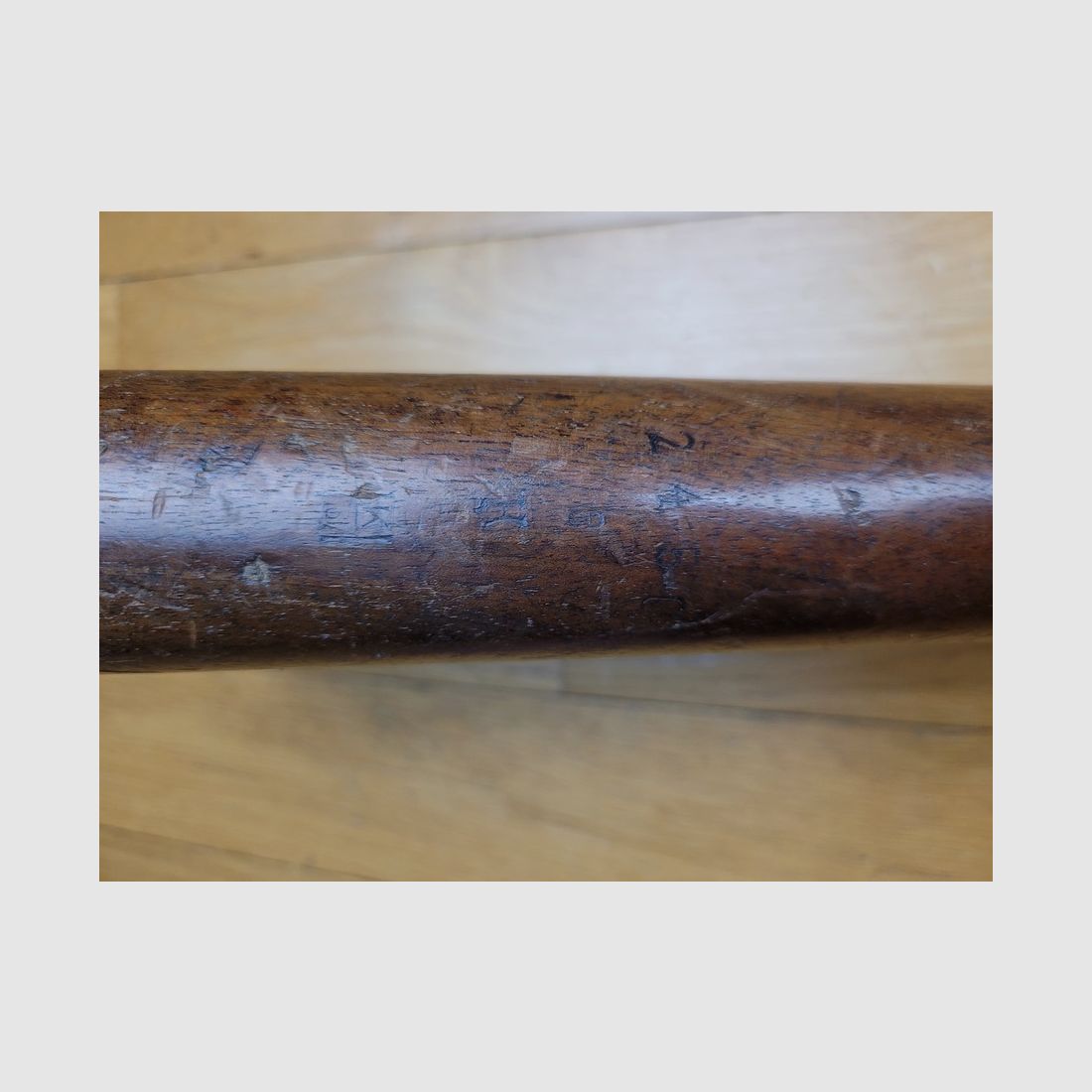


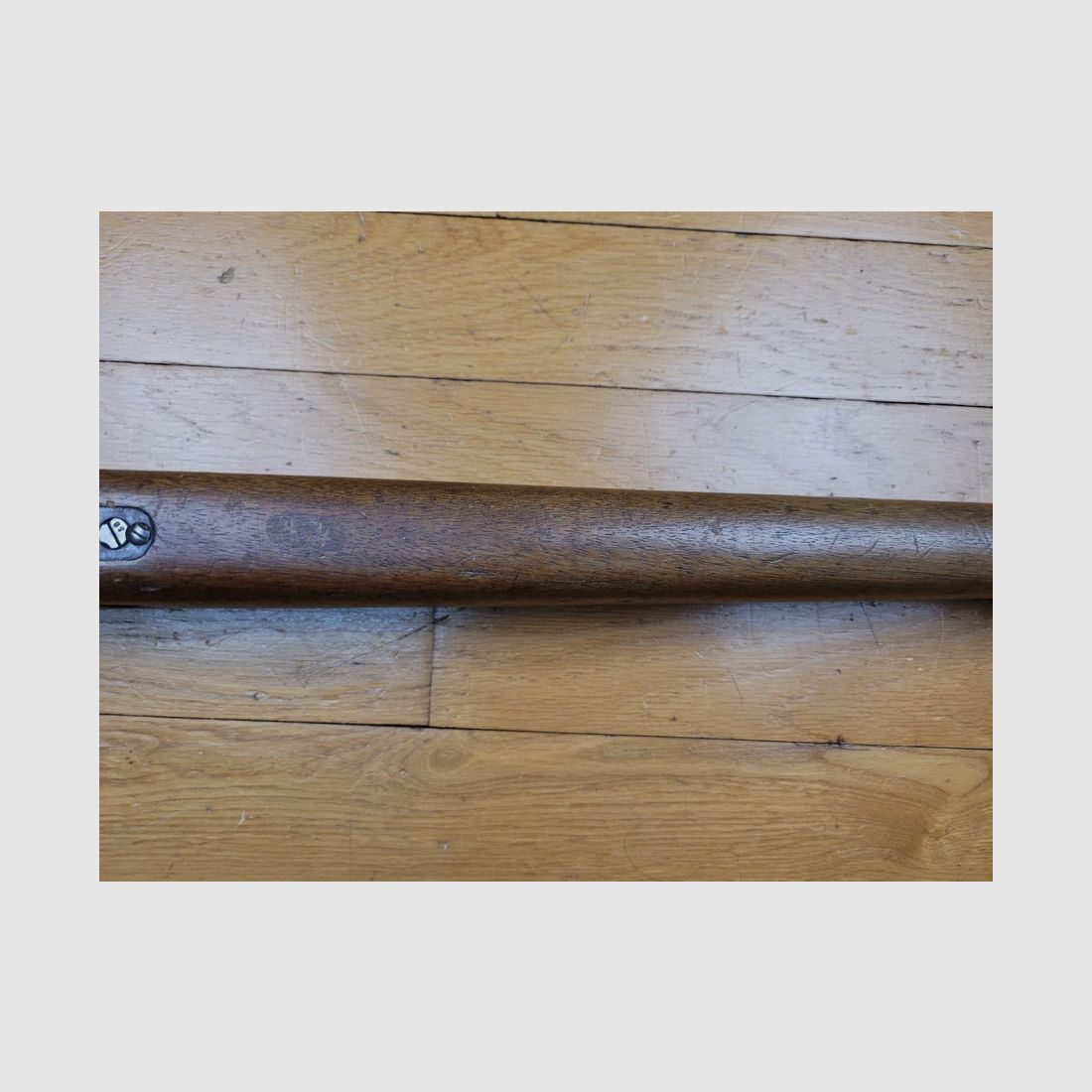

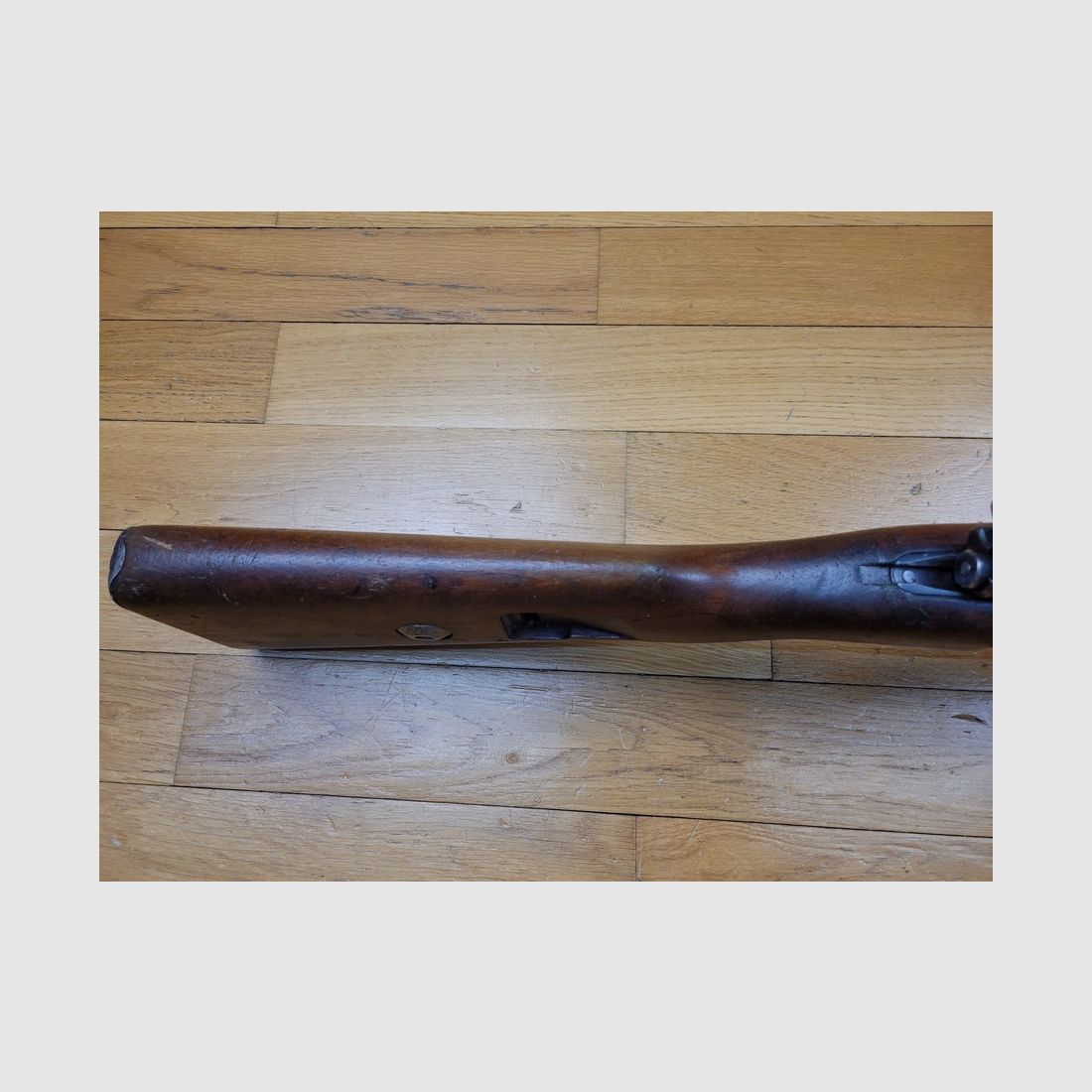






Very beautiful K98 rifle from the early Third Reich period – Code S42/G manufactured by Mauser – non-matching – Weapon from April 1935 – superb mechanical condition – barrel in top condition – Very beautiful, rare weapon in excellent condition
≈ $1,374
Price at the dealer: 1,250 €. Converted at the ECB rate as of November 20, 2026.
Purchase permit required
75002 Paris, France
13
ID: 10338970
This item is currently unavailable.
Purchase from outside the EU: The firearm goes through an importer in your country, the dealer handles the export.
How buying from Europe works
Shop safely with Gunfinder
Our AI-powered seller identity verification makes Gunfinder the safest marketplace online.
Learn more
Details
- Original language
- French
- Brand
- Mauser
- Category
- Purchase eligibility
- Required
- Condition
- New
- Location
- 🇫🇷 75002 Paris, France
- Availability
- Out of stock
Freshness
This listing is based on a mirrored offer, where the listing data was synced to us from a shop, dealer, or external marketplace. Please note that temporary price discrepancies may occur due to possible delays in data transmission.
- Source
- Flingus Maximus
- Last checked with the dealer
- about 24 hours ago
Description
Note:
The item is located abroad. Please note that delivery conditions, shipping times, and/or the purchase process may differ.
Its obvious intrinsic shooting and manufacturing qualities, its multiple finishes and manufacturers that make it an ideal collector’s item, the huge war actions it remains attached to in people’s memory, all contribute to making it a unique weapon.
Personally, within the Mauser galaxy, I have always had a soft spot for the magnificent export productions for Latin America before 1914, and my little favourite is the Persian from the 1934 order, which was actually made in... Czechoslovakia! Master Flingus loves Turkish delights and exoticism. The great thing about the Mauser galaxy is that everyone can find their honey there. And I humbly admit that these 35-40 productions are very beautiful.
These weapons from the early production of the Third Reich are quite rare. The war left few survivors among the weapons as well...
But when did the K98 adventure begin, since we are clearly looking at a superb example, with a finish typical of the early production?
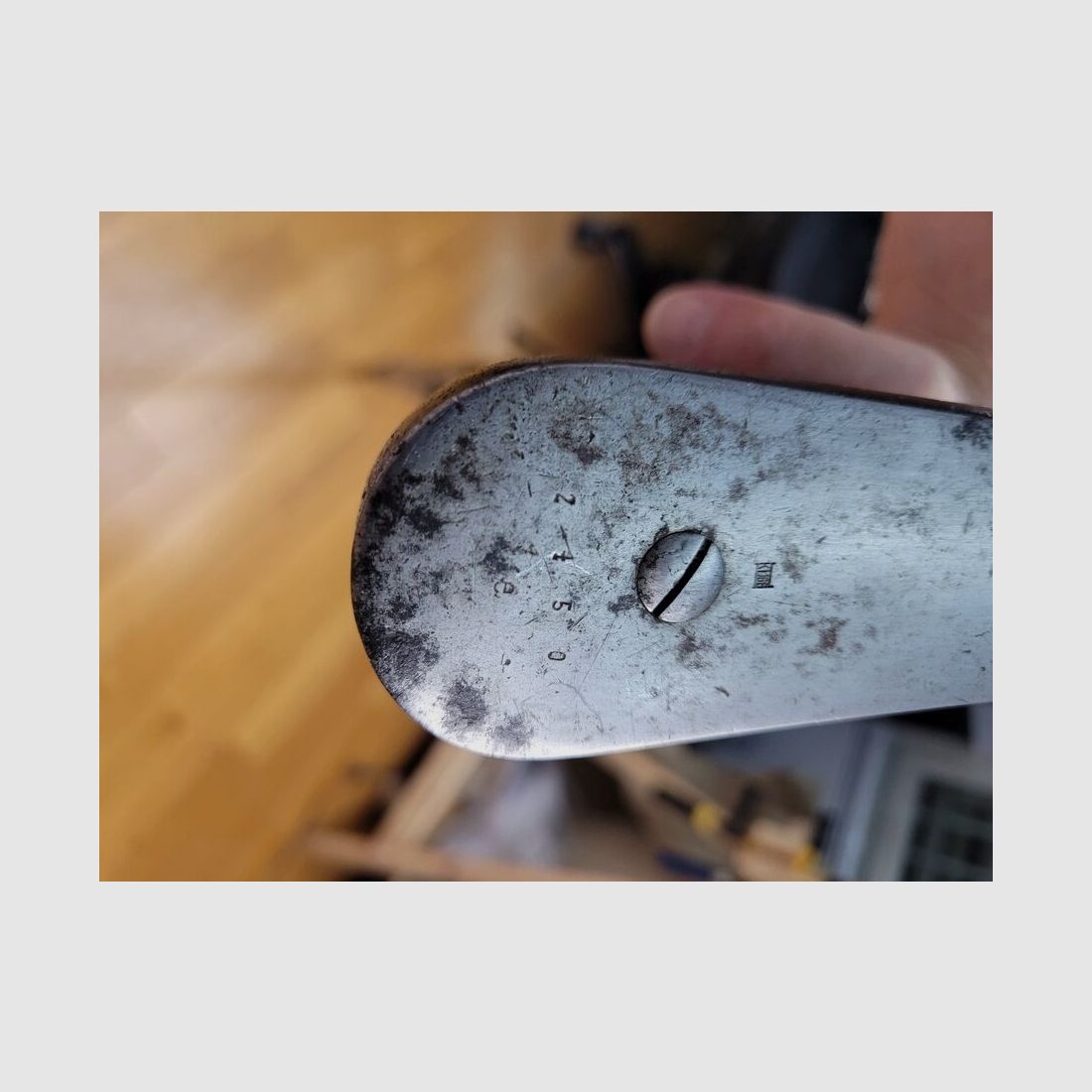
Officially, the decree introducing the weapon is dated 14 June (1935). And yet my documentation is clear – mine was born in April (series code “2450 e” for archive enthusiasts). No inconsistency though.
I never really doubted that in its haste to rearm, Germany started production “under the radar” as early as 1934. Very rare examples from that year are clearly identified in some collections – the regime simply hid its rearmament, then hid it less and less quickly, and not at all from 1936 onwards.
Our weapon is therefore one of the very first in the pre-Second World War productions and of the reborn German army.
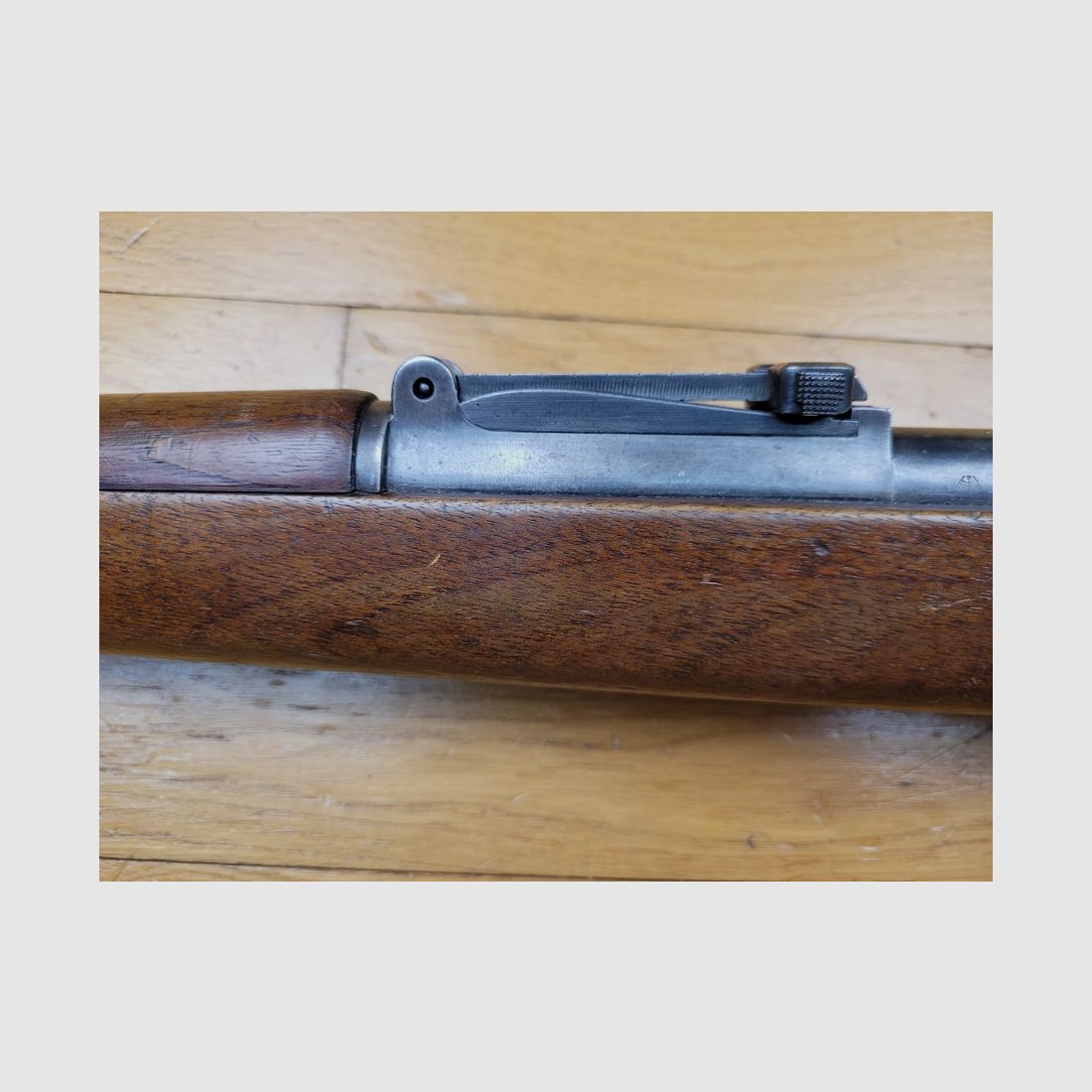
The production year of 1935 is indicated by the receiver marking – this manufacturer coding with letter and double digit and offset serial numbering – reset every 10,000 by a suffix letter system aimed first at hiding rearmament then masking production quantities from Allied espionage during the war.
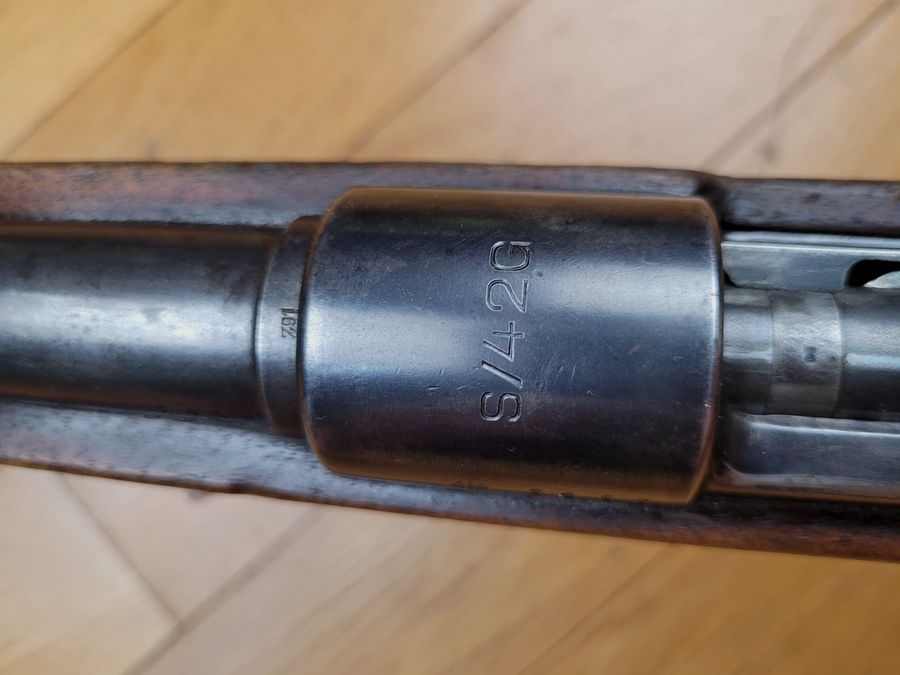
Ours is clearly marked “S/42 G”, a code belonging only to Mauser and used only in 1935.
April 1935, I told you. That year Mauser produced about 152,000 K98s. That’s not much. Production was just restarting.
It’s very beautiful – in a truly rare state of preservation – its only flaw is not being all matching numbers, even though absolutely all parts – except the bolt – are matching to the last screw (“50” everywhere). The bolt itself is fully matching (letter a)) except for its flag. It was close to a feat.
Its wood is truly very beautiful. It’s pre-war walnut, not laminated. It bears all its good Mauser and Waffen amt stamps (211 in this case) still clearly visible and consistent with its dating. The wood is also numbered to the weapon, obviously. Very few handling marks – really top notch.
The metal parts are also in excellent condition – no pitting or orange peel – Its original pre-war high-quality bluing is still present at 95% with just a few slight lightened spots, probably due to sling wear.
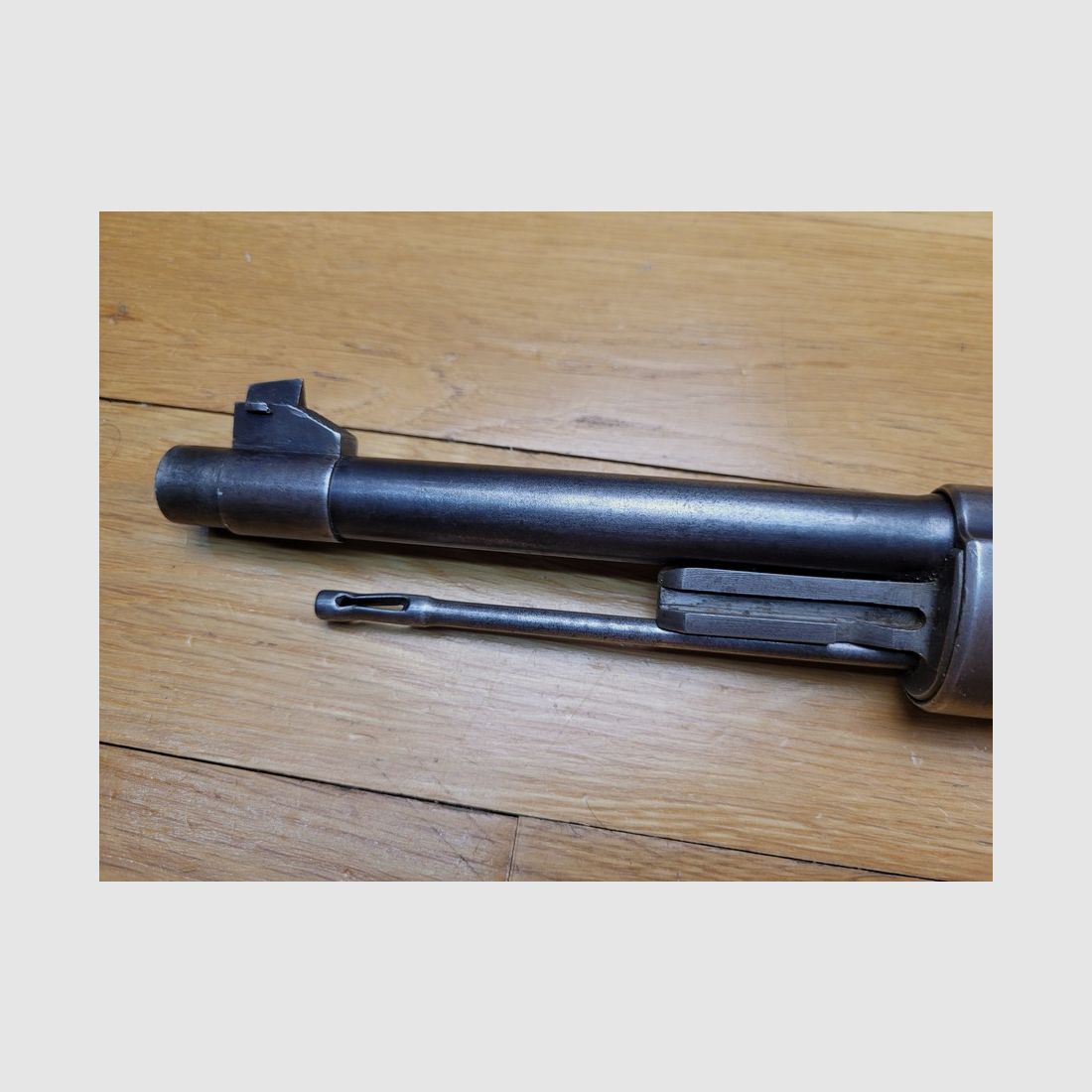
The mechanical condition of the weapon is impeccable – its barrel is in a rare state for a weapon born 10 years before the end of the war and which has endured all that iron and the risks of storage for already 88 years... Very nice rifling and no oxidation. I have no doubt about its shooting qualities.
Of the 9,987,000 examples produced during this period, the pre-war weapons have the well-deserved reputation of being the best finished and most beautiful. Very few remain.
In short, a very beautiful example of a K98 by a legendary manufacturer, from the early production, and in a condition well above average. These S42/G code examples are
quite rare. It would be a shame to put a scope on it…
Category C firearm under the CSI: Valid shooting license with a doctor’s stamp and signature on the back or a hunting permit with its validation for the current or previous year AND a valid ID card or passport. Reminder: with your license or hunting permit, you can possess an unlimited number of category C firearms.
****************************************************************************************************************************************************************
Let’s repeat it! The Flingus Maximus gun shop in Paris and throughout France is also here for your private firearm formalities, buying collections of firearms and militaria, your firearm appraisals, and your firearm questions in estates and inheritance. Contact your favourite gunsmith via our contact form or at [email protected] (Show description in original language)
Le K98 est une arme qui fascine.
Ses qualités intrinsèques de tir et de fabrication évidentes, ses multiples finitions et fabricants qui en font un objet de collection idéal, les actions guerrières gigantesques auxquelles il reste attaché dans la mémoire des hommes, tout concourt à en faire une arme à part.
A titre personnel, dans la galaxie Mauser, j’ai néanmoins toujours eu un petit faible pour les magnifiques fabrications export pour l’Amérique Latine d’avant 14 et mon petit chouchou est le Perse de la commande de 1934 d’ailleurs fabriqué en …Tchécoslovaquie ! Maître Flingus aime les loukoums et l’exotisme. Ce qu’il y a de bien dans la galaxie Mauser c’est que chacun peut y trouver son miel. Et je reconnais humblement que ces fabrications 35-40 sont très belles.
Ces armes du début de la production du III°Reich sont assez peu courantes. La guerre a laissé peu de survivants chez les armes aussi…
Mais quand l’aventure du K98 a-t-elle commencée puisque nous sommes, de toutes évidences, face à une exemplaire superbe, de finition typique des débuts de la production ?
Officiellement, le décret d’introduction de l’arme est du 14 juin (1935). Et pourtant ma documentation est claire – le mien est né en avril (code série « 2450 e » pour les amateurs d’archives). Aucune incohérence néanmoins.
Je n’ai jamais eu trop de doute que dans sa hâte de réarmer l’Allemagne ait commencé la production en « loucedè » dès le courant 1934. De très rares exemplaires de cette année sont d’ailleurs clairement identifiés dans quelques collections – Le régime cachait simplement son réarmement puis le cachât de moins en moins assez rapidement Et plus du tout à partir de 1936.
Notre arme est donc une des toutes premières dans les productions de l’avant seconde guerre mondiale et de l’armée allemande renaissante.
L’année de production de 1935, elle, ressort du marquage de boitier – de ce codage de fabricants en lettre et double chiffre et à numérotation de série décalée – remise à zéro tous les 10.000 par un jeu de lettres suffixes et visant d’abord à cacher le réarmement puis à masquer à l’espionnage allié les quantité produites durant la guerre.
Le notre est bien marqué « S/42 G », un code qui n’appartient qu’à Mauser et qui n’a été employé qu’en 1935.
Avril 1935 vous disais-je. Cette année là Mauser produisit environ 152.000 K98. C’est peu. La production ne faisait encore que redémarrer.
Il est très beau- dans un état de conservation vraiment rare – son seul défaut est de ne pas être mono matricule même si absolument toutes les pièces – hors culasse – le sont jusqu’à la dernière vis (« 50 » partout) . La culasse elle-même est intégralement au même numéro (en lettre a)) sauf son drapeau. On est pas passé loin de l’exploit.
Ses bois sont véritablement très beaux. C’est du noyer d’avant guerre et pas du lamellé-collé. Il porte bien tous ses bons poinçons Mauser et de Waffen amt (211 en l »espèce) encore bien visibles et cohérents avec sa datation. Les bois sont numéro de l’arme aussi évidement. Très peu de traces de manipulations – vraiment top.
Les fers sont aussi en excellent état – aucune piqure ou peau d’orange – Son bronzage d’origine de la belle qualité d’avant guerre est encore présent à 95% avec juste quelques éclaircissements légers, probablement dus au port à la bretelle.
L’état mécanique de l’arme est impeccable – son canon est dans un état rare pour une arme née 10 ans avant la fin de la guerre et qui a subit toute cette période de fer et les risques du stockage pendant déjà 88 ans… Très belles rayures et aucune oxydation. Je n’ai pas trop de doute sur ses qualités de tir.
Sur les 9.987.000 exemplaires fabriqués sur cette période, les armes d’avant guerre ont la juste réputation d’être les mieux finies et les plus belles. Il en reste très peu.
Bref un très bel exemplaire de K98 par un fabricant mythique, des débuts de fabrication, et dans un état plus que très au-dessus de la moyenne. Ces exemplaires en code S42/G sont peu courant. Il serait dommage d’y coller une lunette…
Arme de catégorie C au CSI : Licence de tir en cours de validité avec cachet et signature d’un médecin au dos ou bien un permis de chasse avec sa validation pour l’année en cours ou l’année précédente ET CNI ou passeport en cours de validité. Rappel avec votre licence ou permis de chasse vous pouvez détenir sans limite de nombre des armes de catégorie C.
****************************************************************************************************************************************************************
Répétons le ! L’armurerie Flingus Maximus à Paris et partout en France est là aussi pour vos formalités armes entre particuliers, le rachat de collections armes et militaria, vos estimations d’armes, vos questions armes dans les successions et héritage. Contactez votre armurier préféré via notre formulaire de contact ou à [email protected]