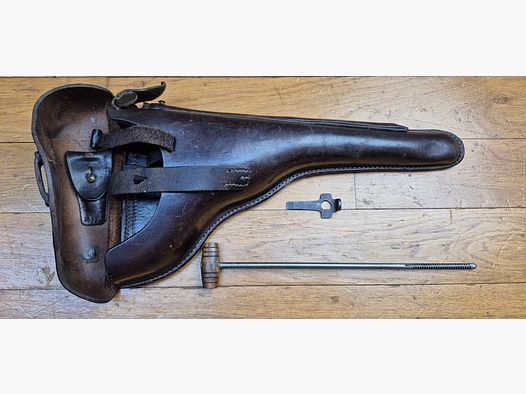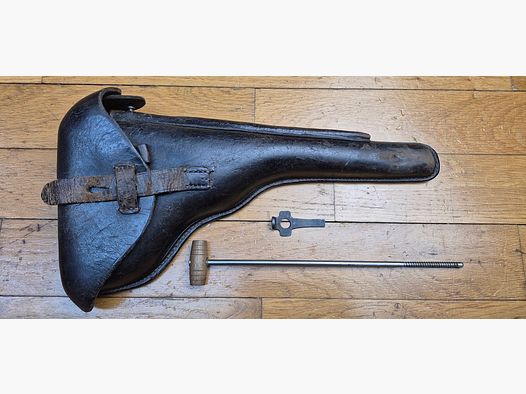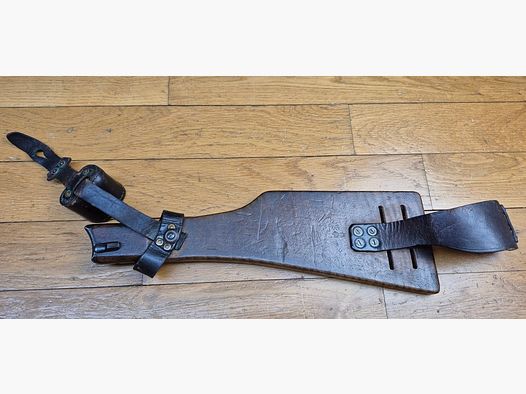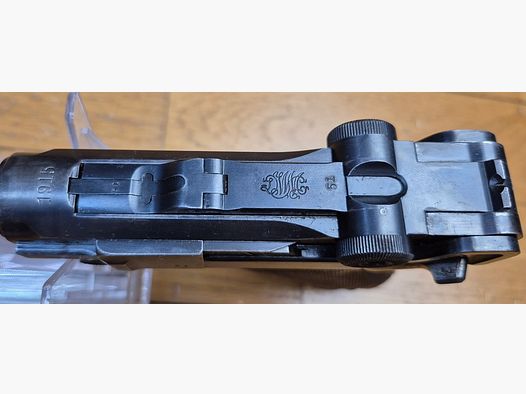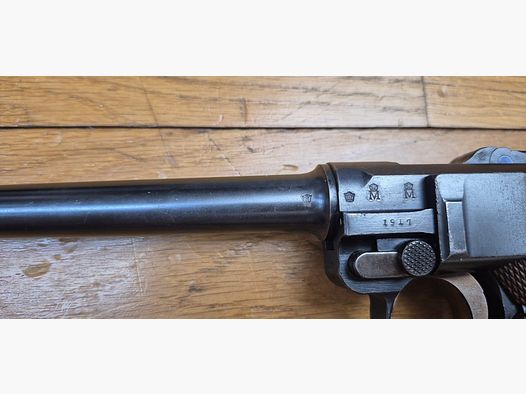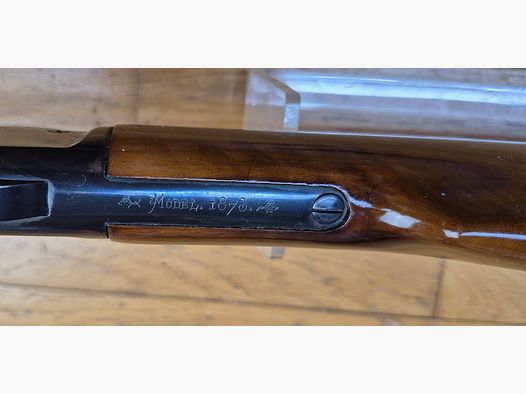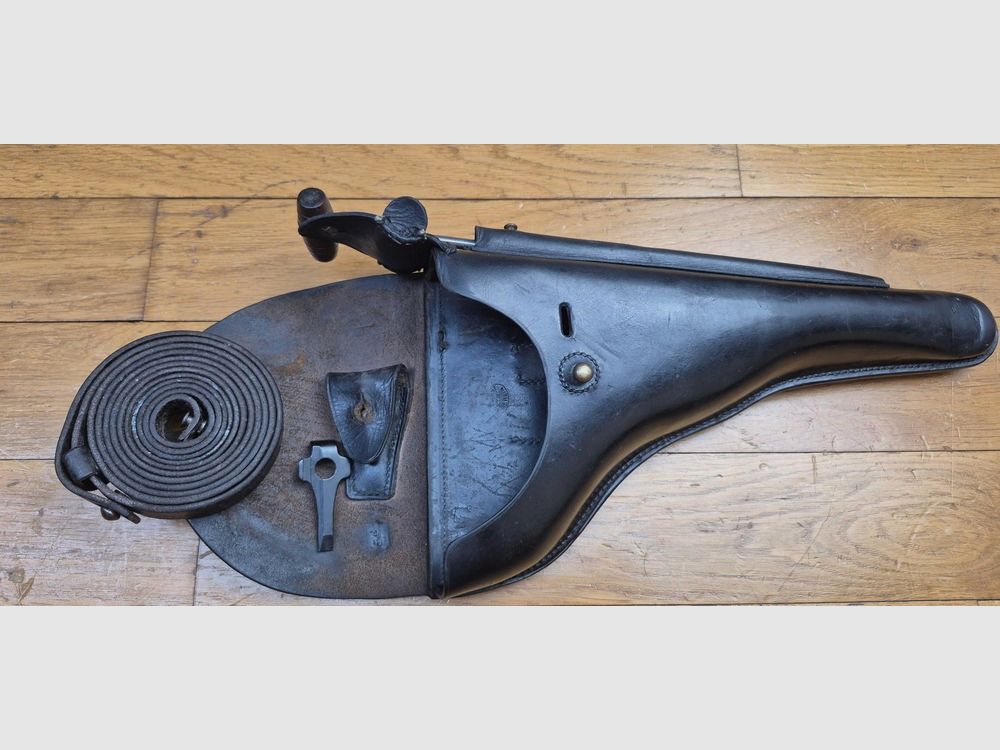
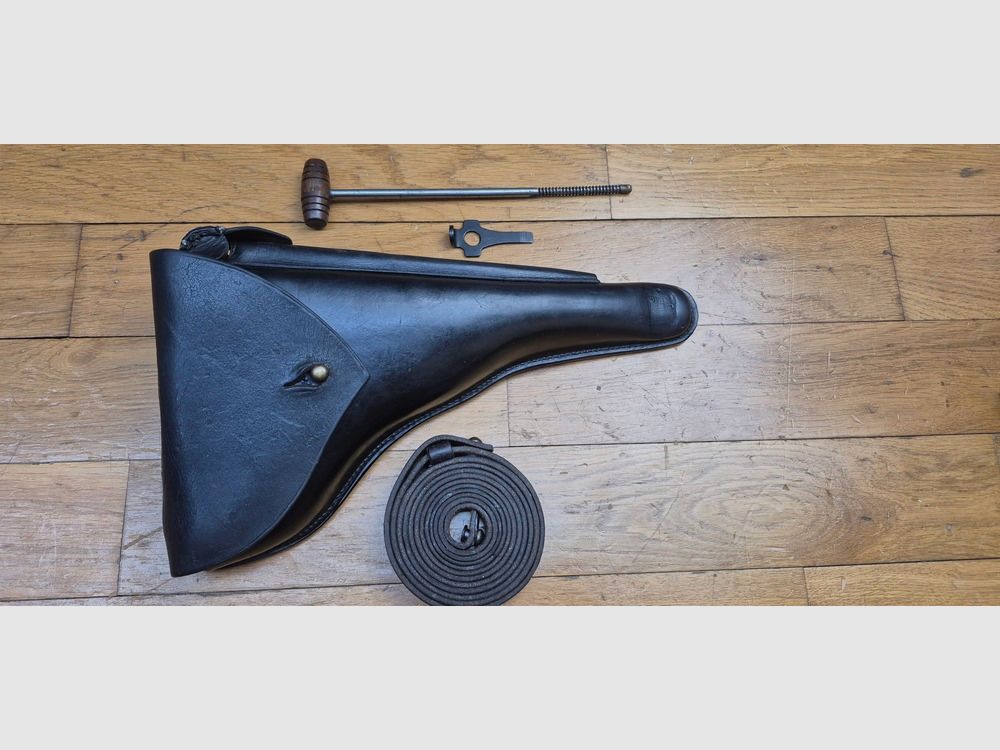

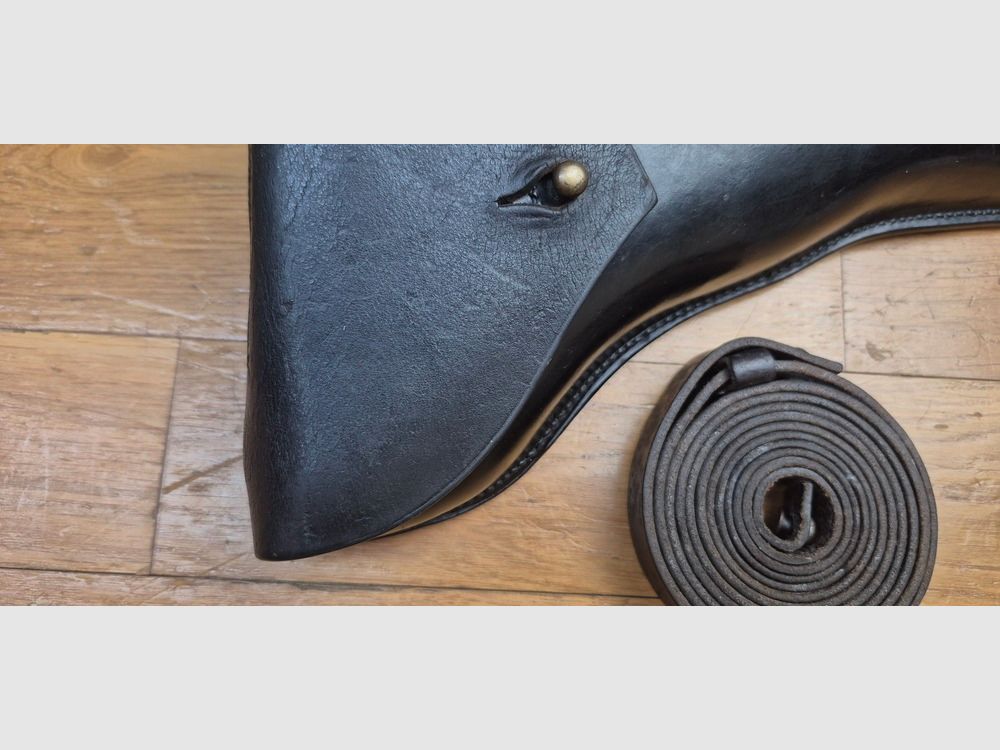
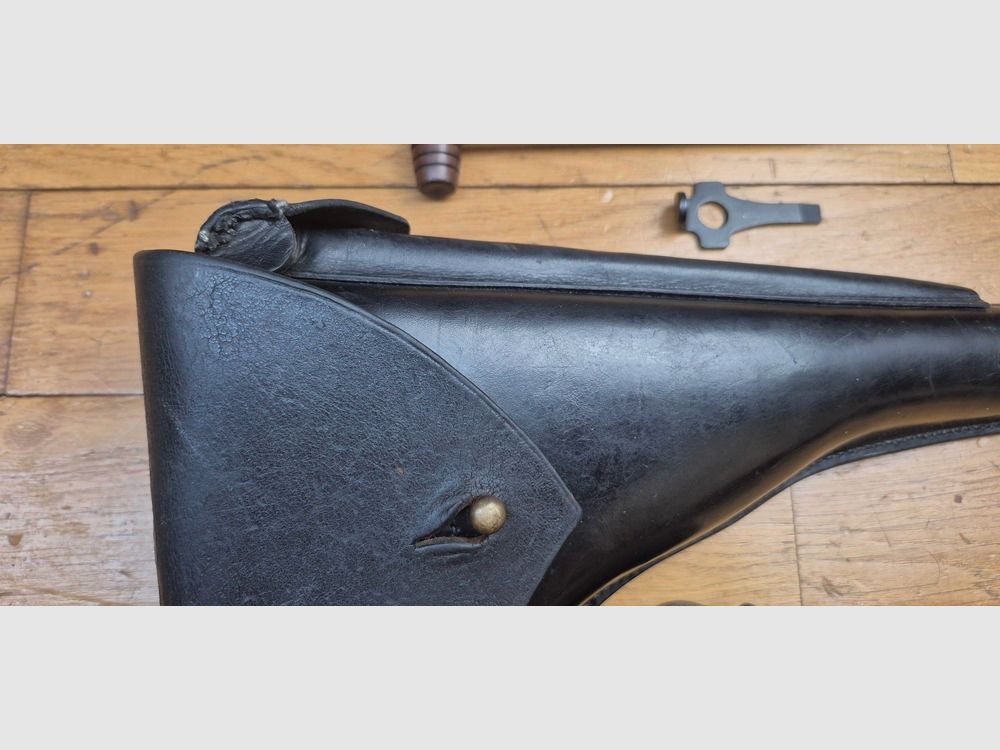


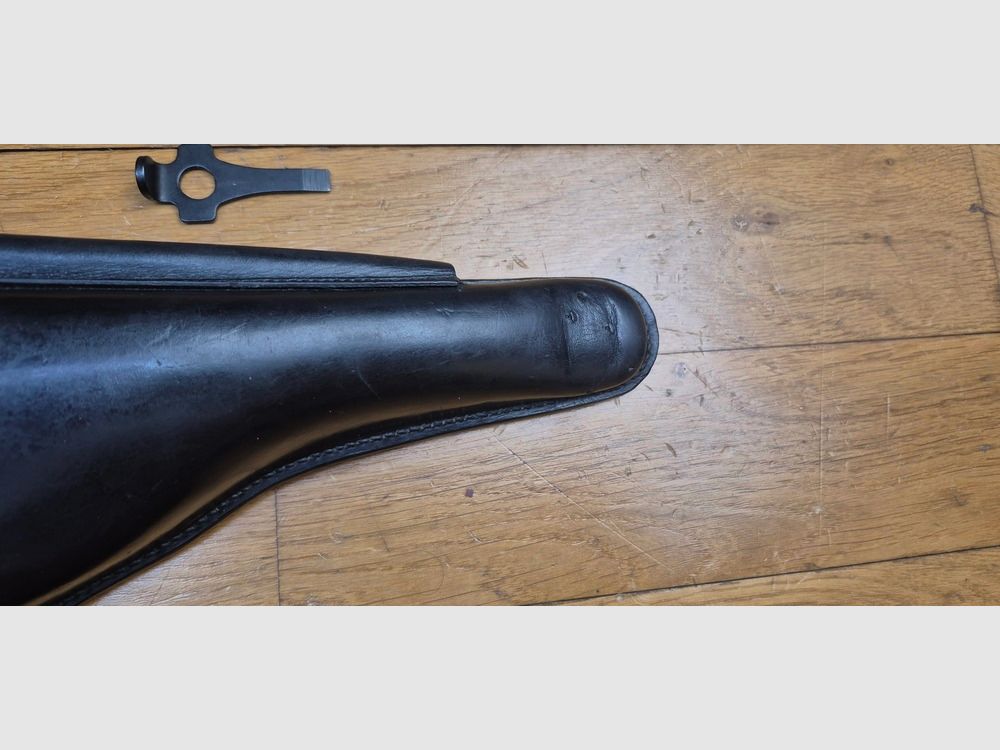
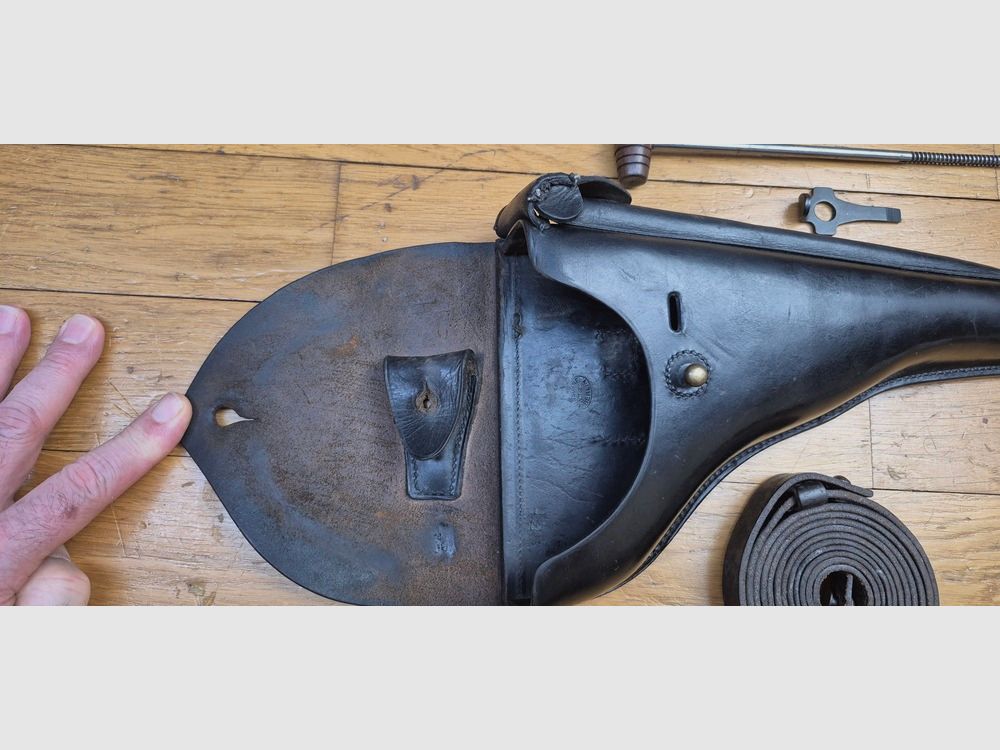
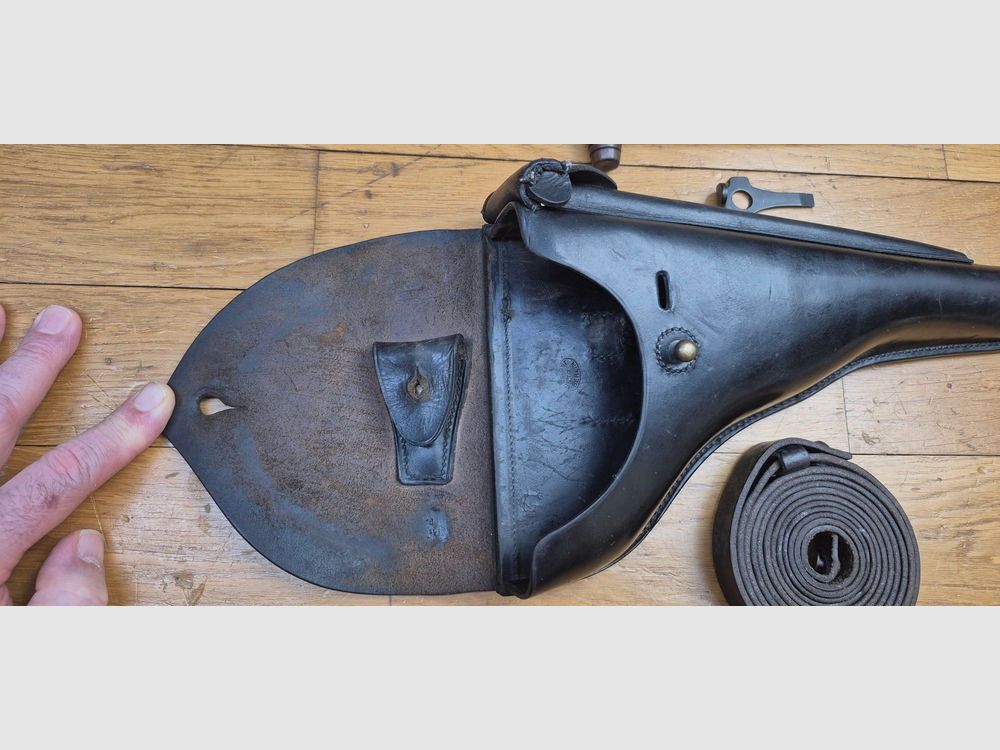
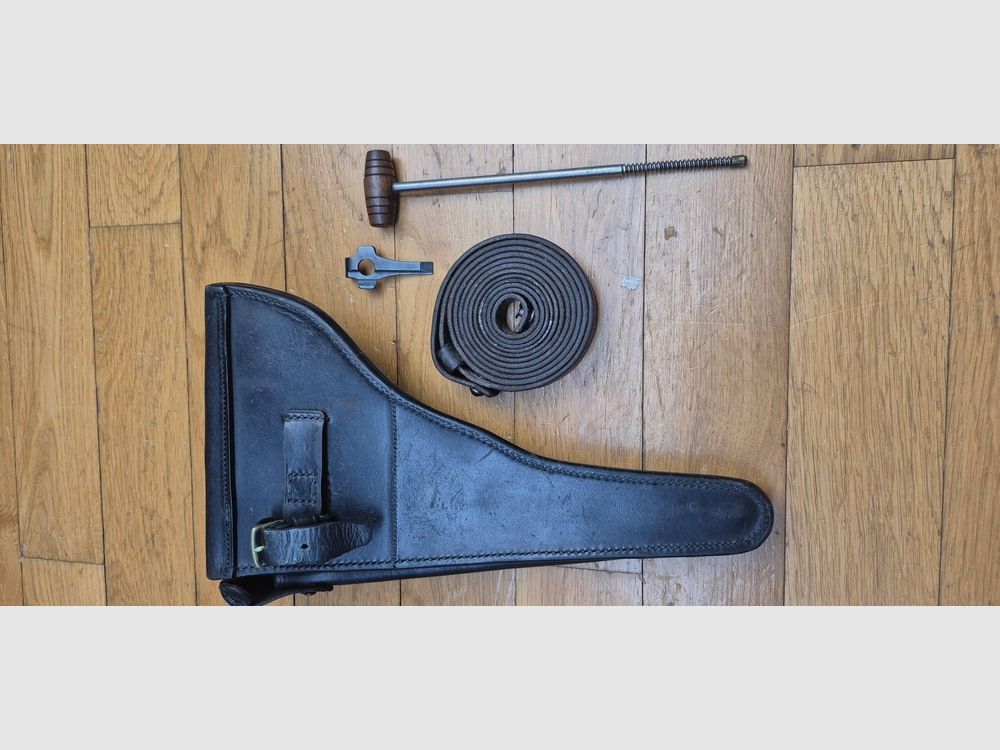


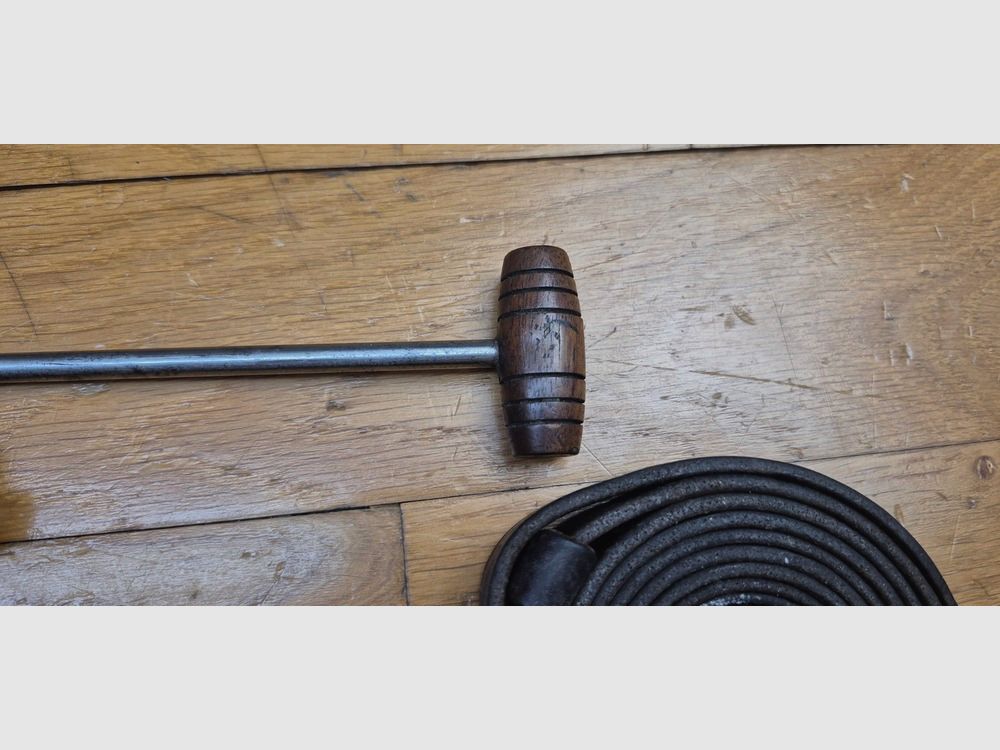

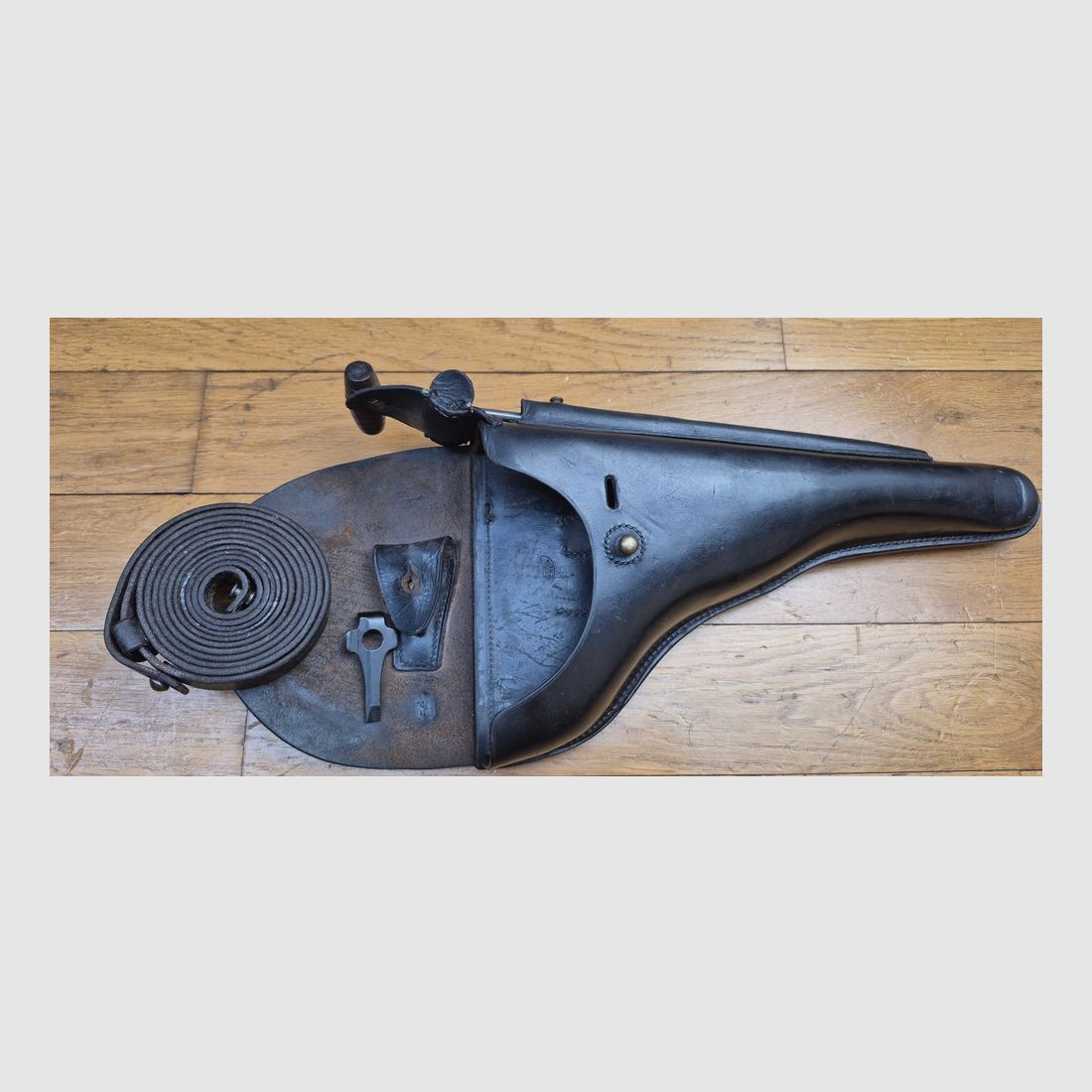




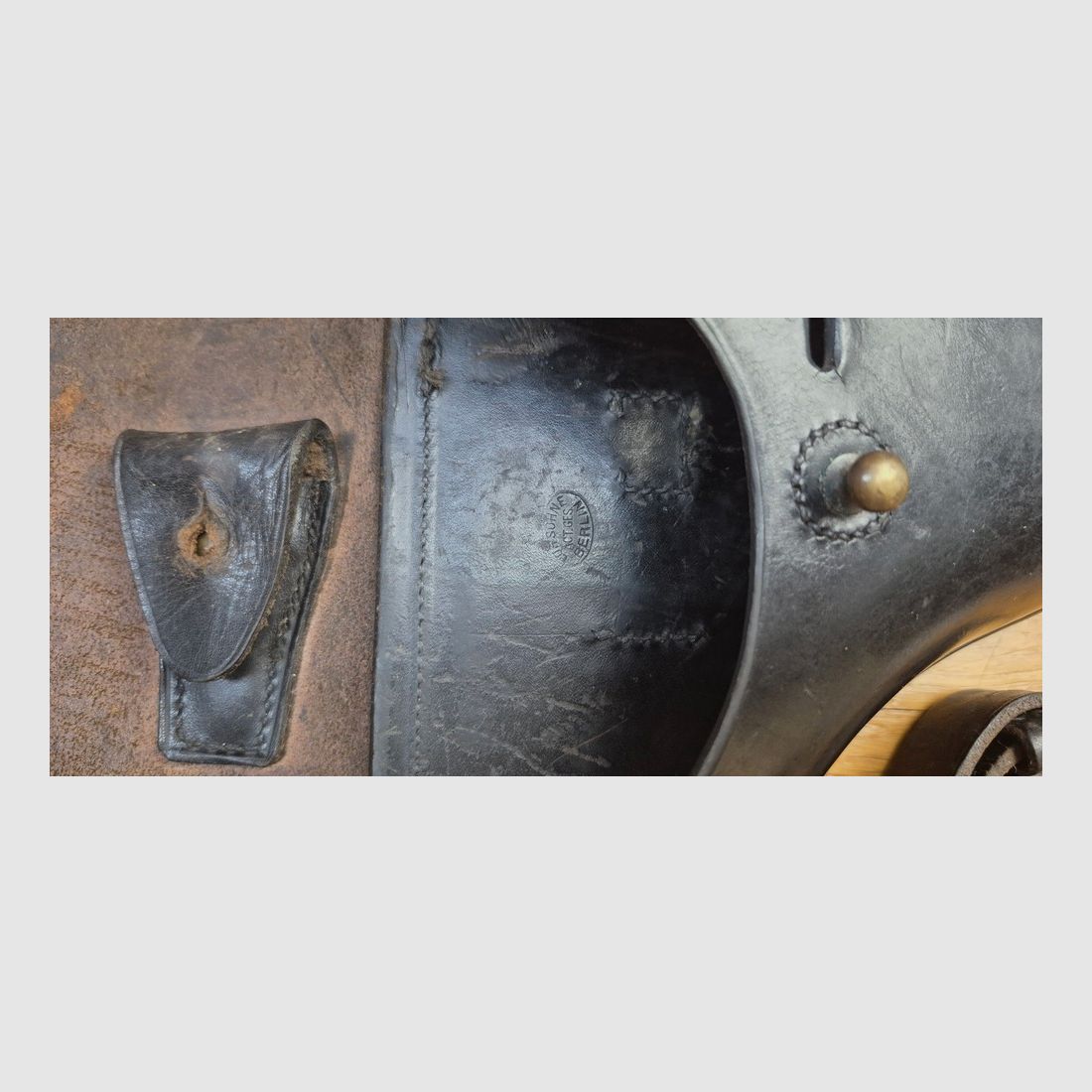


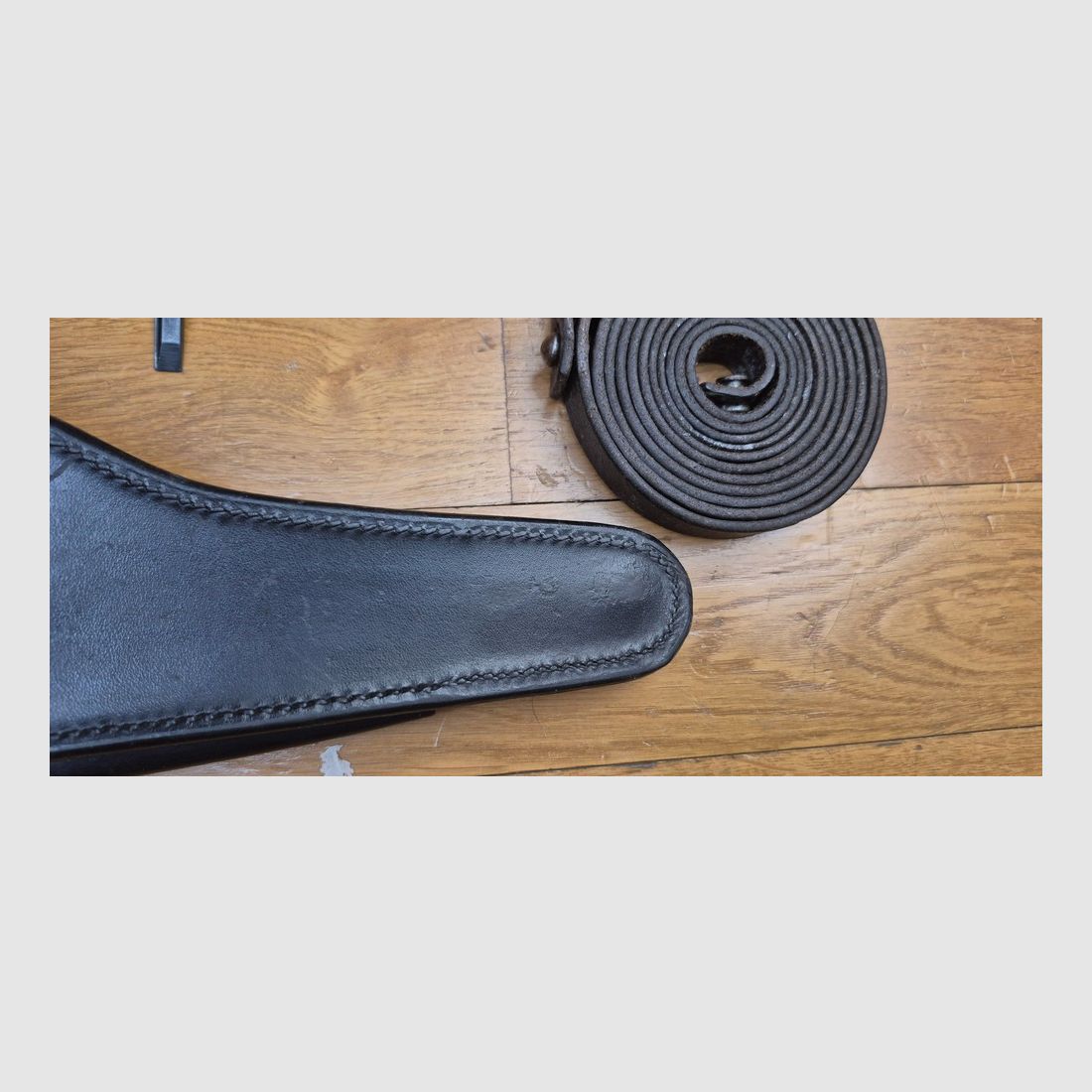

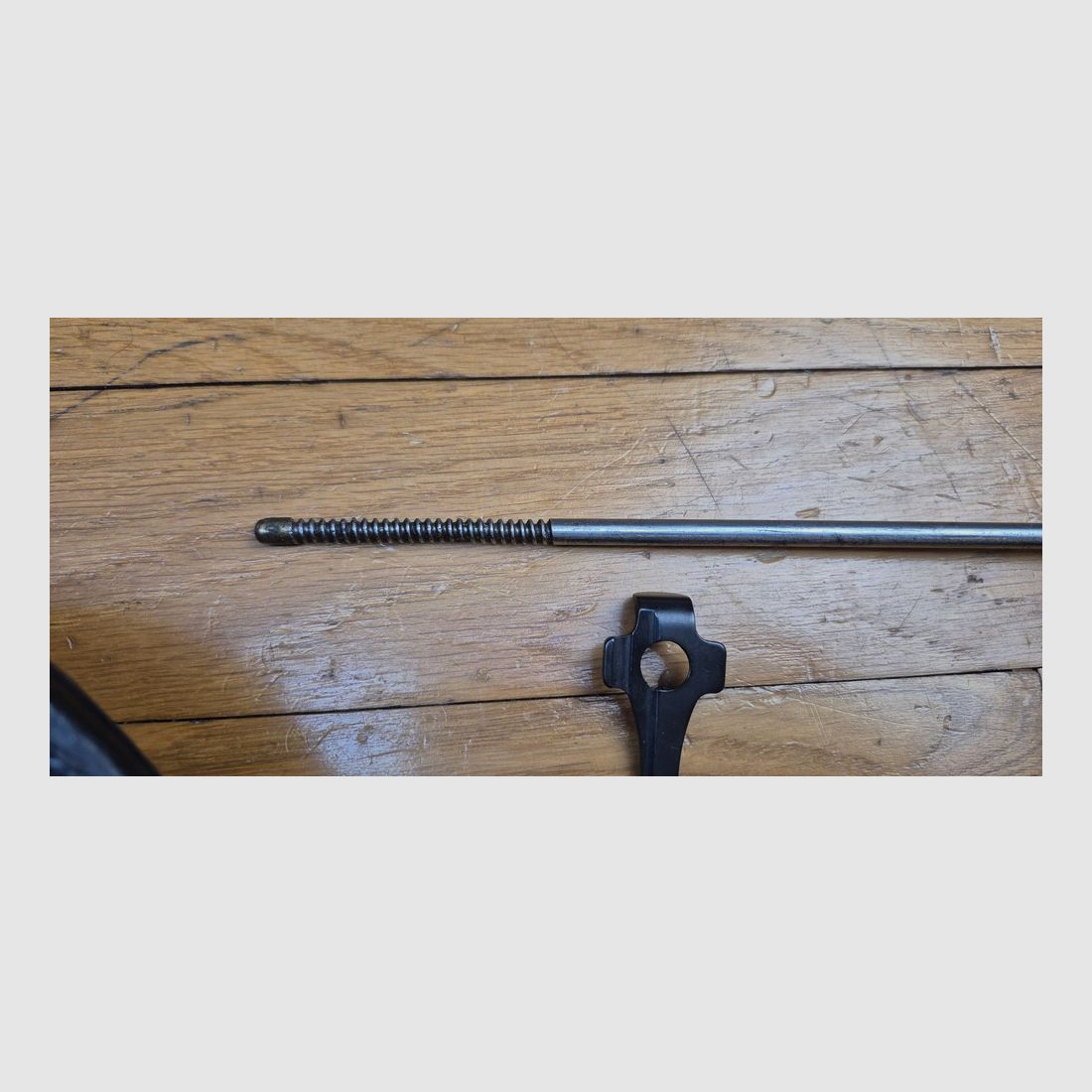

Very nice case for Luger P04 Marine Pistol – Made by LOH Söhne in Berlin – First early model – DMW key tools and marine rod – High-quality, very soft leather in excellent condition on all seams – With its very rare carrying strap! - TBE++
≈ $1,319
Price at the dealer: 1,200 €. Converted at the ECB rate as of November 20, 2026.
No permit required (18+)
75002 Paris, France
3
ID: 10338578
This item is currently unavailable.
Purchase from outside the EU: The firearm goes through an importer in your country, the dealer handles the export.
How buying from Europe works
Shop safely with Gunfinder
Our AI-powered seller identity verification makes Gunfinder the safest marketplace online.
Learn more
Details
- Original language
- French
- Category
- Condition
- New
- Location
- 🇫🇷 75002 Paris, France
- Availability
- Out of stock
Freshness
This listing is based on a mirrored offer, where the listing data was synced to us from a shop, dealer, or external marketplace. Please note that temporary price discrepancies may occur due to possible delays in data transmission.
- Source
- Flingus Maximus
- Last checked with the dealer
- 1 day ago
Description
Note:
The item is located abroad. Please note that delivery conditions, shipping times, and/or the purchase process may differ.
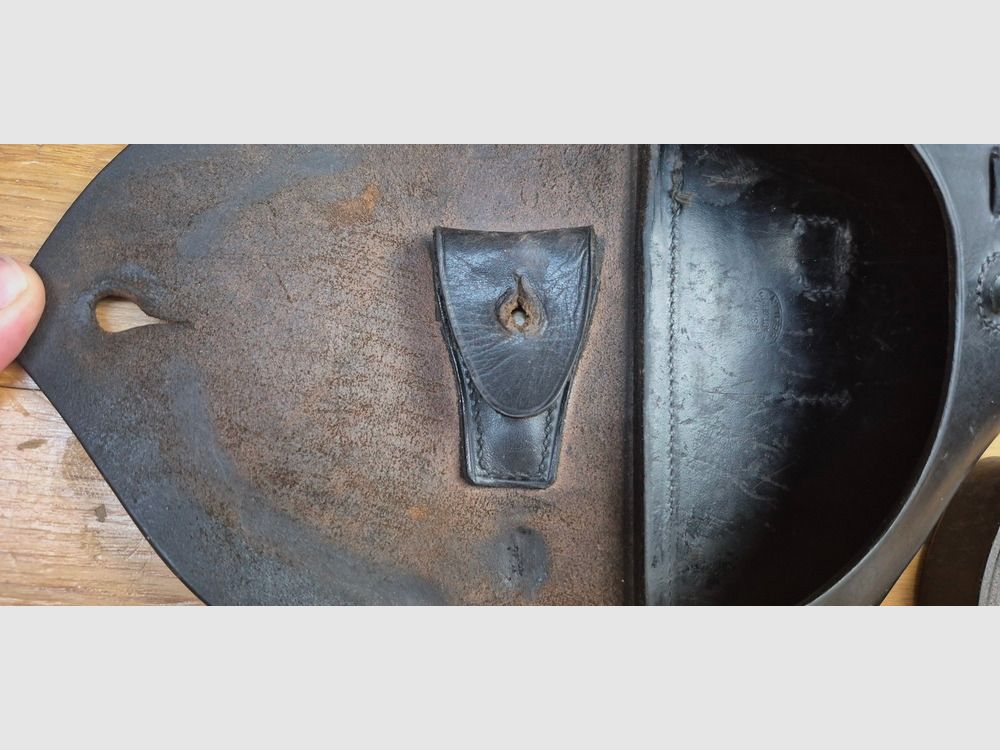
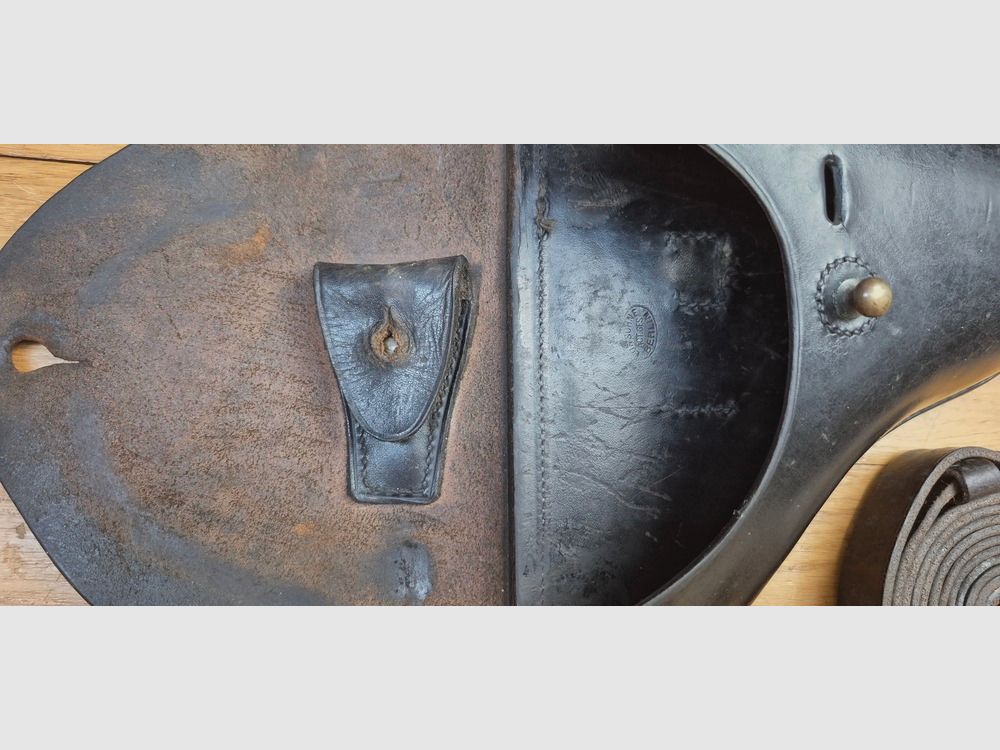
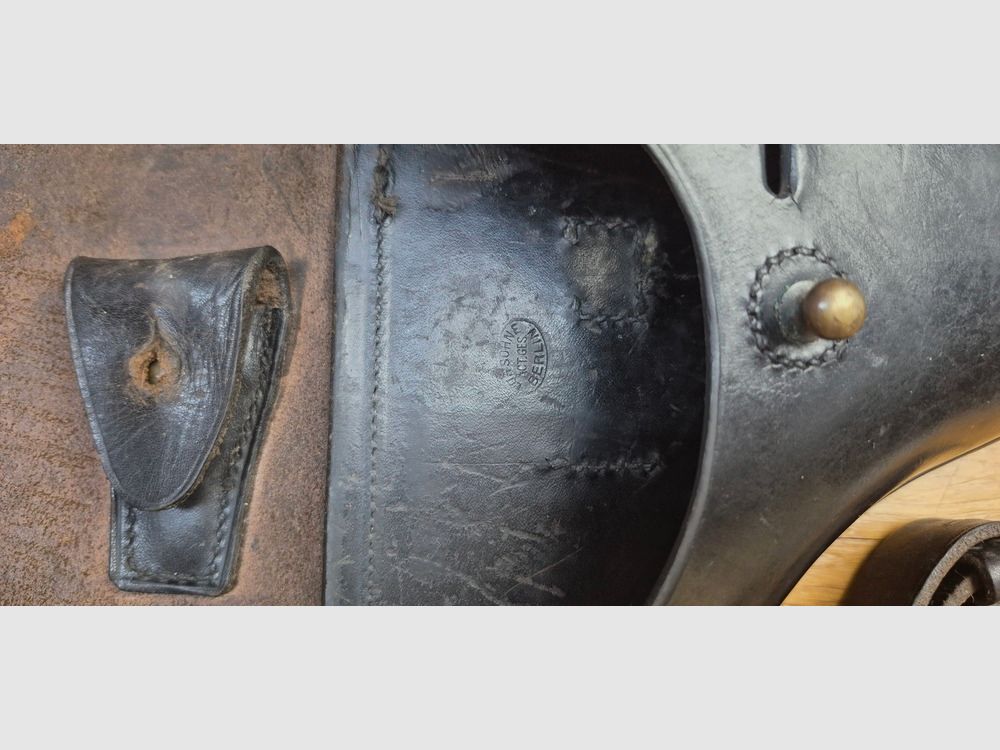
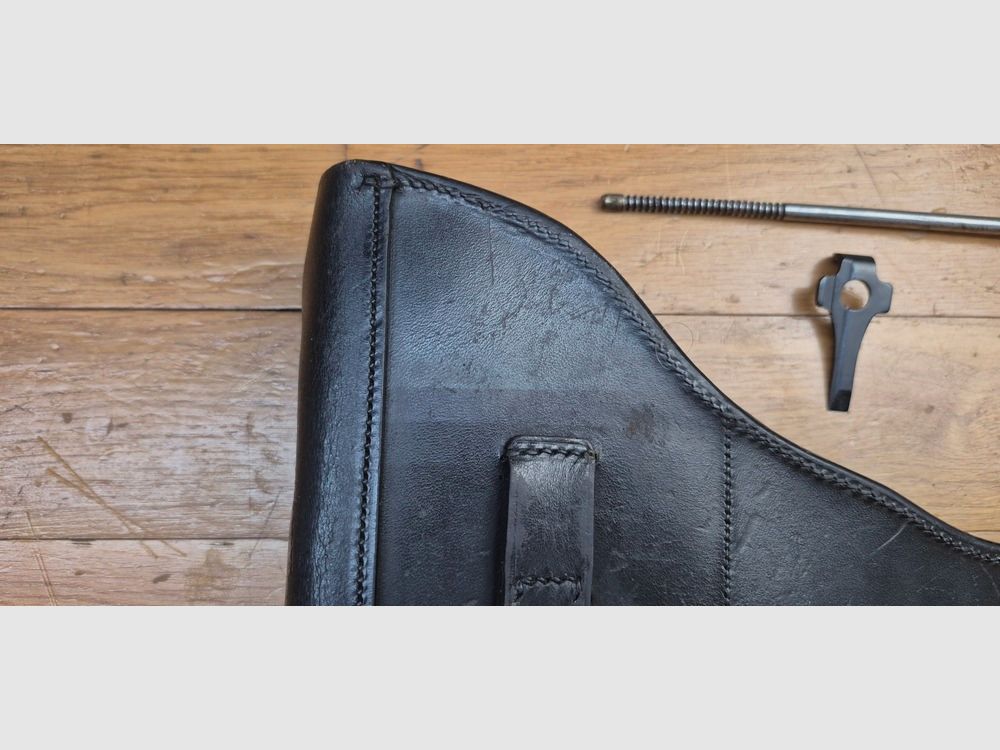
This is a Luger P04 holster made by LOH Söhne in Berlin, one of the four or five makers known to have produced these holsters. Its stamp is still clearly legible inside the holster, rather than on the back (a mark of early pre-war production, which is still undated).
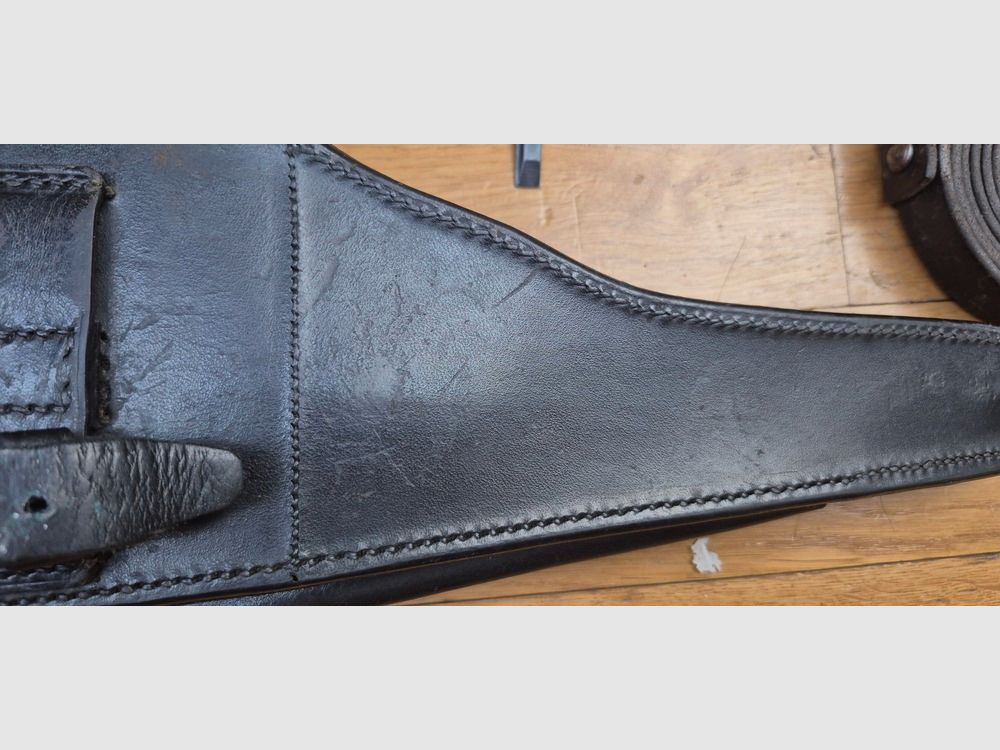
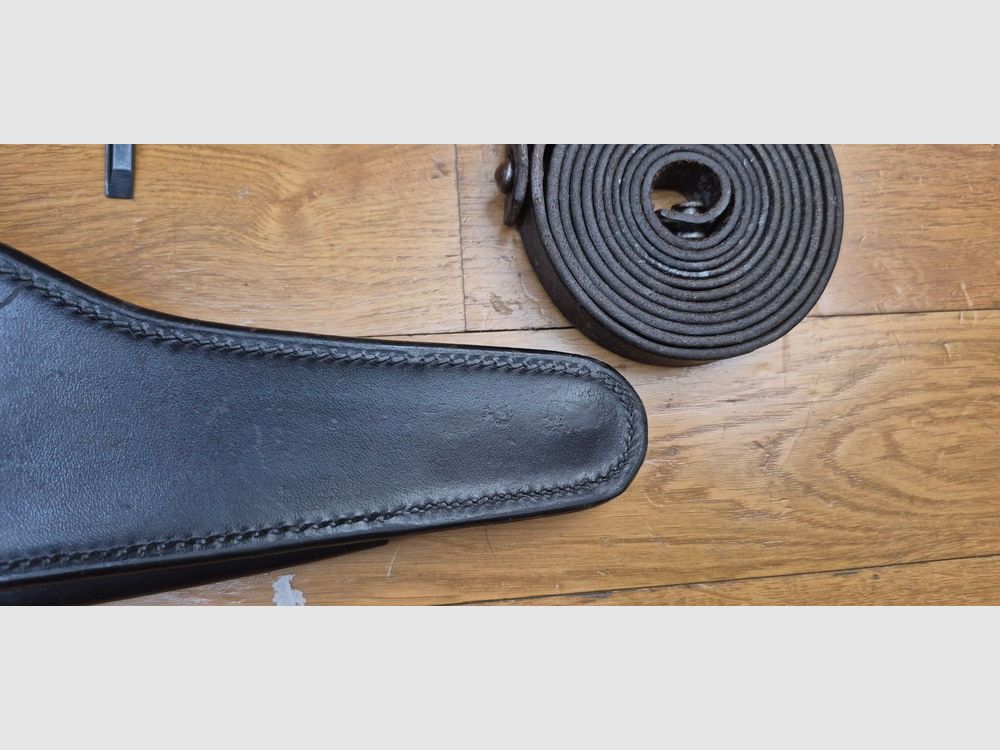
All the stitching is intact, very precise, expertly done, and in excellent condition. It is 100% original and in rare condition, with no tears in the leather and still supple. It has been very well cared for.
The only thing missing is the leather cord used to lift the gun out of the holster when you need to draw it quickly. Otherwise, the holster is simply perfect!
“Standalone” Navy holsters are VERY rare—far rarer than the already uncommon holsters for the artillery Luger P14 with its 20 cm barrel.
This is an early type with a triangular flap and a single attachment on the back. It was blackened in accordance with the general order issued by the Imperial Navy General Staff on October 8, 1916.
It was originally brown, like all the others. The infantry had issued the same order to blacken all brown equipment in September 1915.
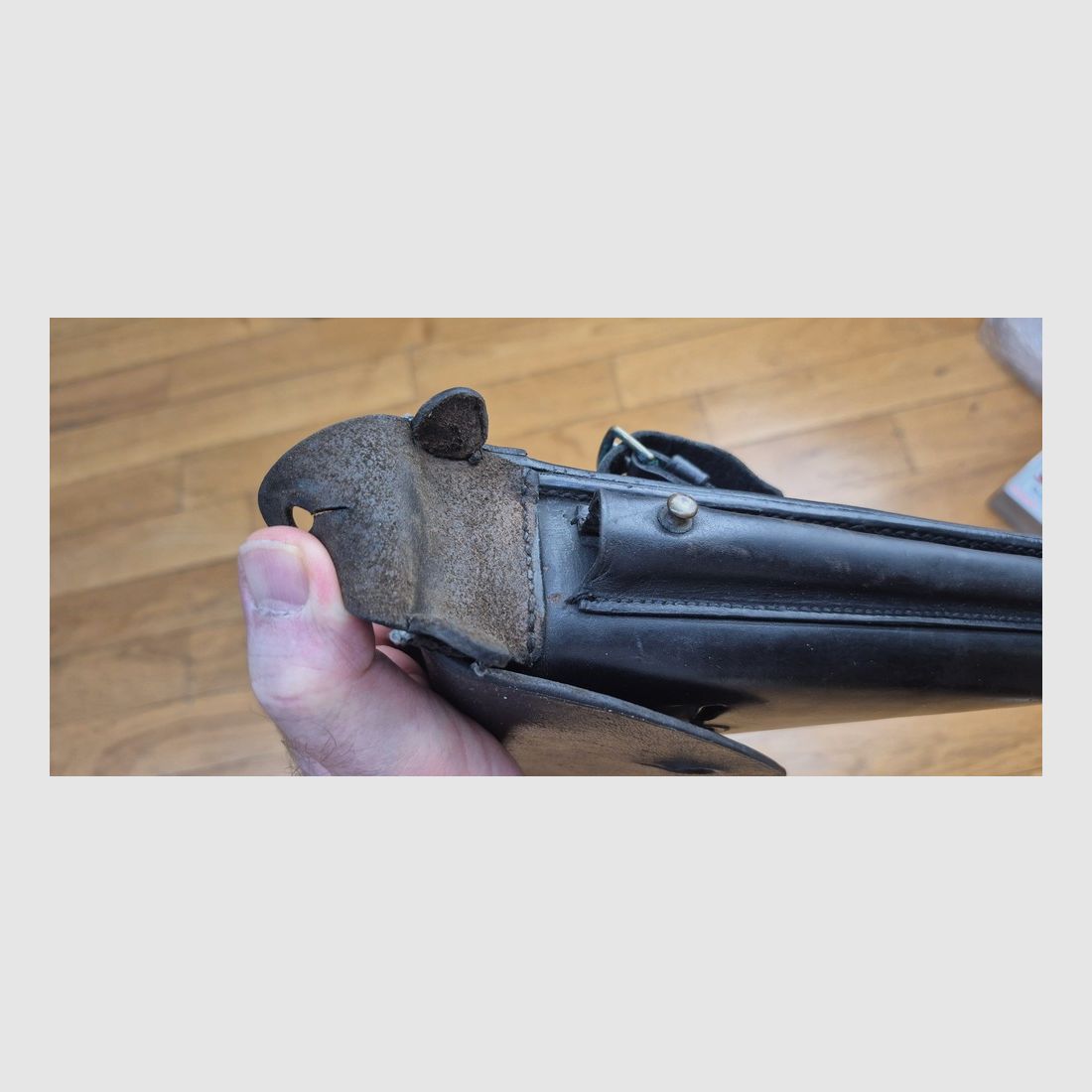
The cleaning rod compartment still has both original “ears” (beautiful leatherwork, by the way!). They protected the sides of the cleaning rod’s “barrel.” These ears were often removed on the second type, which had two belt loops on the back for wearing on a belt instead of a strap.
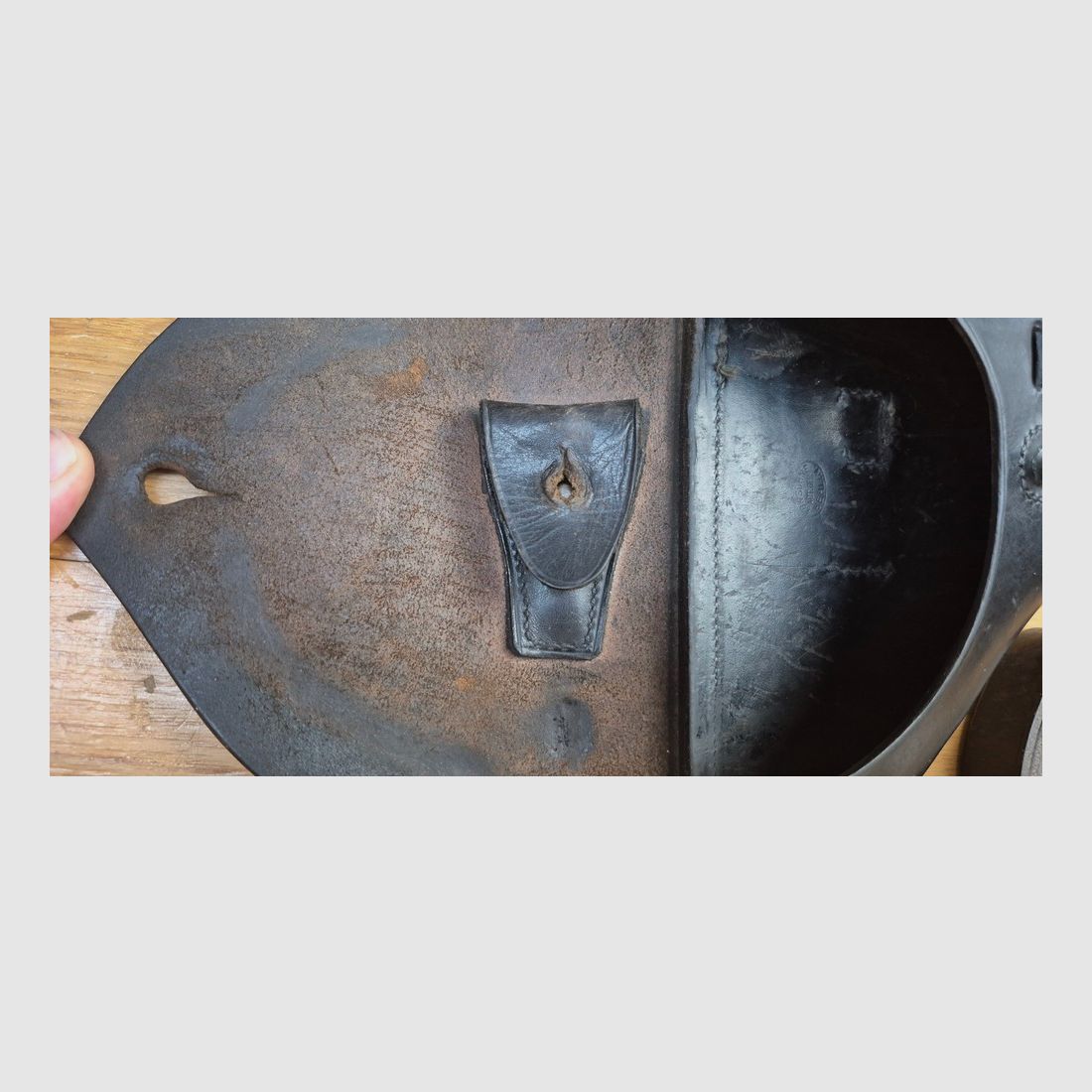
The takedown tool compartment is also fully functional and sturdy.
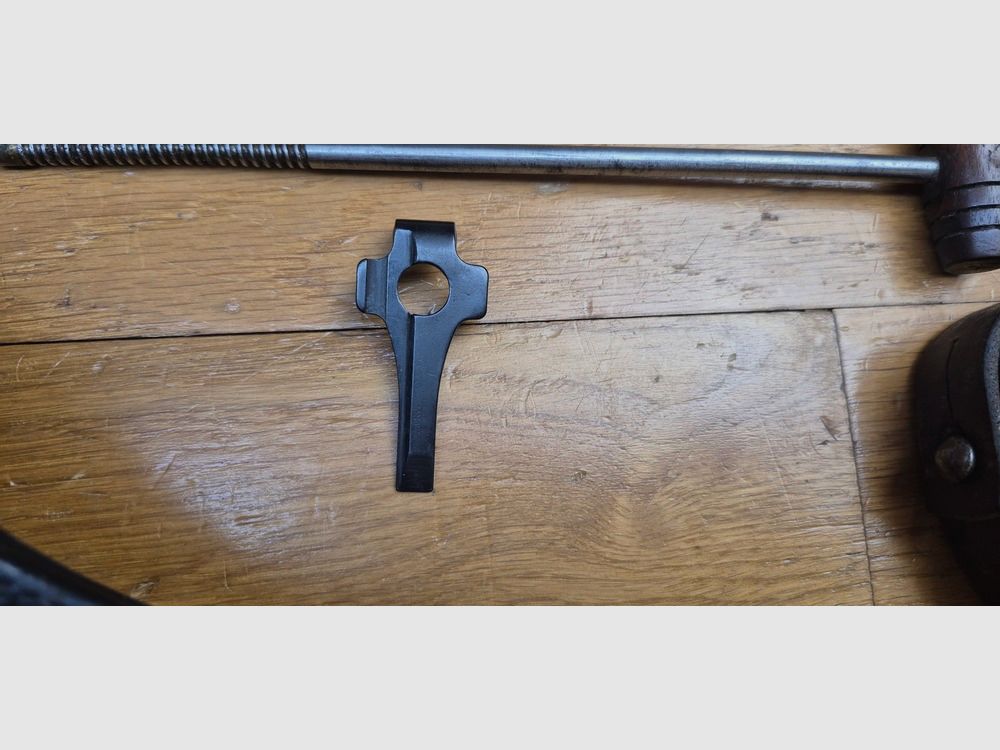
The takedown/loading tool and barrel-shaped cleaning rod are in very good condition and have no proof marks. Many will say, “Copies?” I say, “Not a chance, Marie!” Why?
First, copies are often stamped to make them look more “authentic.” But that’s not really the point.
Because when I went back through the reference material, I learned something. As always.
As for the screwdriver, it is indeed the “short-necked” type typical of DWM production during World War I. The cutouts are fine and very well machined. Quite complex, in fact. Nothing like the copies.
Götz and Sturgess emphasize this model on page 1506 of volume III, and note that acceptance marks are very rare on these DMW tools made during World War I.
Only the inspectors at Erfurt followed the 1910 requirement on this point. The beveled underside of the tool, its cutout, the quality of the workmanship, and its bluing leave me with little doubt. This is the “right” tool, the one that came with the holster, not a replacement.
The cleaning rod is also the correct Navy model for World War I, with a non-rotating head, metal shaft, and brass tip. It is the fourth from the top in their illustration on page 1517, and the shaft is indeed 185 mm long. A superb and very rare Navy version. Practical, too.
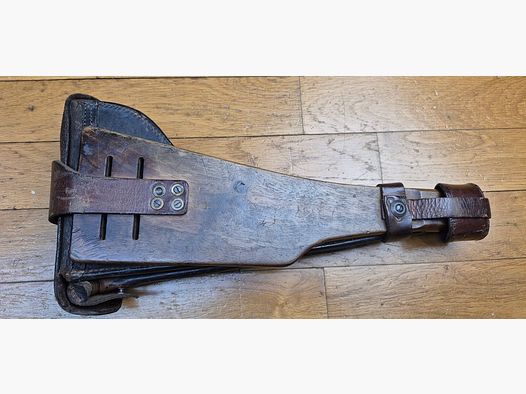
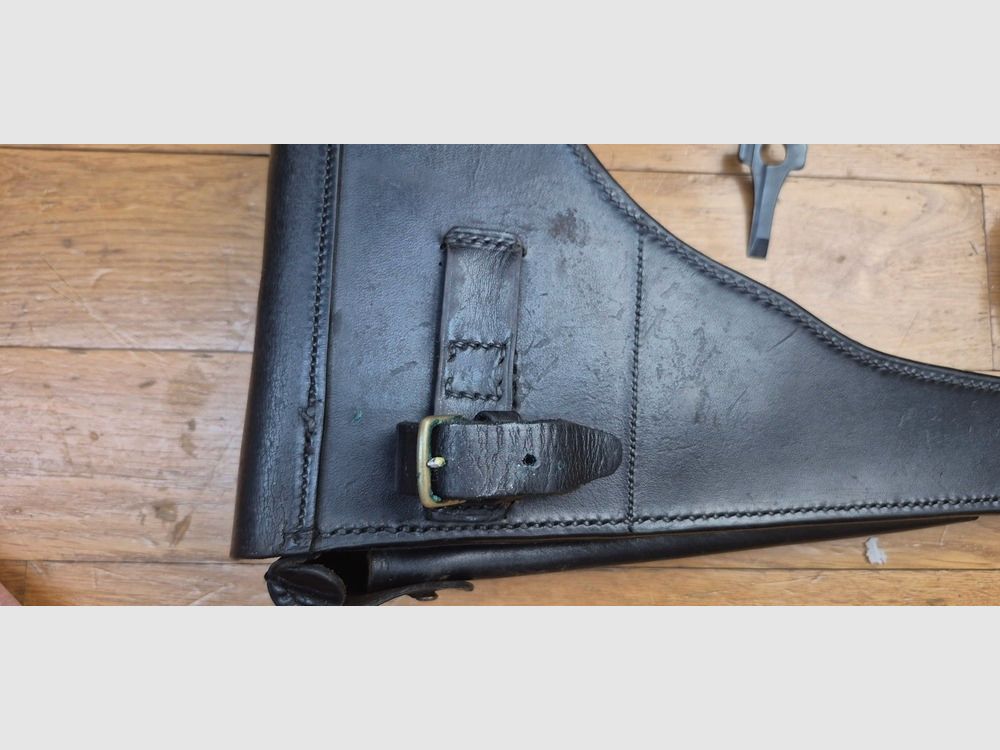
One of the two original buckle straps used to attach the stock to the holster is still on the back. The other is missing. No big deal, since almost all the other Navy holsters I’ve seen have lost both…
It’s also an excellent basis for having an exact copy made if you want the holster to carry its detachable stock as it did back then.
Included with the holster and its tools is the original carrying strap, which I found with it and which is made of a different type of leather. Probably bought separately, as this Navy strap is extremely rare in its own right. A simple leather strap with a stud, missing in most cases—I’d never seen one before.
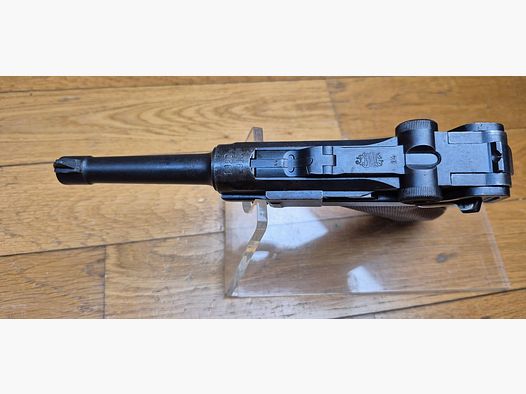
A very rare piece of equipment, infinitely rarer than the artillery holster, and a perfect complement to a fine P04 Navy pistol you already own or may acquire. An opportunity not to be missed, unless you want years of regret for letting it pass you by…
A Flingus find!
P.S. So all you need now is an authentic naval stock (because it’s different from the artillery stock!)? Don’t worry! There’s one right here!
Item not classified by the CSI and freely available. (Show description in original language)
Voici un très rare accessoire au Pistolet de Marine P04 d’exception présenté ici.
Il s’agit d’un étui de port du Luger P04 fabriqué par LOH Söhne à Berlin, un des quatre ou cinq répertoriés ayant travaillé sur ces étuis. Son cachet est encore bien lisible dans l’étui et pas derrière l’étui (marque des fabrication précoces d’avant guerre encore non datées).
Les coutures sont toutes bien en place, très précises, très bien travaillées et en excellent état. Il est 100% d’origine et dans un état rare avec un cuir non déchiré nulle part et bien souple. Il a été très bien entretenu.
Seul manque le cordon de cuir qui permet de soulever l’arme dans l’étui quand on veut la sortir d’urgence. Sinon étui juste parfait !
Les étuis de Marine « isolés » sont TRÈS rares – bien plus rares que les déjà assez peu courants étuis pour le Luger P14 d’artillerie à canon de 20 cm.
Il s’agit d’un premier type à rabat triangulaire et à attache unique au dos. Il a été passé au noir conformément à l’ordre général de l’état-major de la Marine Impériale du 8 octobre 1916.
Il était brun à l’origine comme tous ses frères. Les biffins avaient donné le même ordre de noircir toutes les garnitures brunes en septembre 1915.
Le logement de la baguette de nettoyage comporte bien ses deux « oreilles » d’origine (très beau travail de cuir au passage!). Elles protégeaient les flans du « tonneau » de la baguette de nettoyage. Ces oreilles ont été souvent supprimées dans le second type qui lui a deux passant au dos pour port au ceinturon et non plus à une sangle.
Le logement de clé de démontage et lui aussi parfaitement fonctionnel et bien solide.
Clé de démontage/chargement et baguette tonneau de nettoyage sont en très bon état et sans poinçons. Beaucoup diront « copies? » – Je réponds « Des clous, Marie! ». Pourquoi ?
D’abord les copies sont souvent poinçonnées pour les rendre plus « vraies ». Mais ce n’est pas tant le sujet.
Car en me replongeant dans la doc j’ai appris quelque chose. Comme toujours.
Pour ce qui est du tournevis, il est bien du type « short-necked » typique des productions DWM de la première guerre mondiale. Les découpes sont fines et très bien usinées. Assez complexes en fait. Rien à voir avec les copies.
Götz et Sturgess insistent bien page 1506 du volume III sur ce modèle et sur le fait que les poinçons d’acceptation sont très rares sur ces clés de production DMW de la première guerre mondiale.
Seuls les inspecteurs de Erfurt ont obéi sur ce point à la prescription de 1910 sur le sujet. La forme biseautée du dessous de clé, sa découpe, la qualité du travail et son bronzage ne me laissent que peu de doute. Cette clé est la « bonne », celle de l’étui et pas un remplacement.
La baguette est aussi bien du modèle Marine pour la première guerre mondiale à tête non rotative, tige métal et embout laiton – C’est la quatrième depuis le haut sur leur illustration de la page 1517 et elle fait bien 185mm de long en tige. Superbe pièce très rare en version marine. Et pratique en plus.
Il reste à l’arrière de l’étui une des deux lanières à boucle d’origine qui permettait la fixation de la crosse à l’étui. L’autre est perdue. C’est pas grave puisque la quasi totalité des autres étuis de marine que j’ai vus ont juste perdu les deux…
C’est d’ailleurs une excellente base pour en faire réaliser une copie absolument à l’identique si vous voulez que l’étui puisse porter sa crosse amovible comme à l’époque.
Je cède avec l’étui et ses outils, la sangle de port d’origine que j’ai trouvée avec et qui est d’un cuir différent. Sans doute un achat de complément car cette sangle de Marine est absolument rarissime en elle-même. Simple lanière de cuir avec un tenon, perdue dans la plupart des cas, je ne l’avais jamais vue.
Pièce de harnachement très rare, infiniment plus rare que l’étui d’artillerie, et complémentaire à un beau P04 de Marine présent ou à venir. Une occasion à ne pas manquer avant d’avoir des années de regrets de l’avoir laisser passée…
Une occasion Flingus !
PS: Il ne vous manque donc plus qu’une crosse de marine authentique (car elle est différente de la crosse d’artillerie!) ? Pas de panique ! Justement, il y a en a une ici!
Pièce non classée au CSI et en vente libre.