-15 %
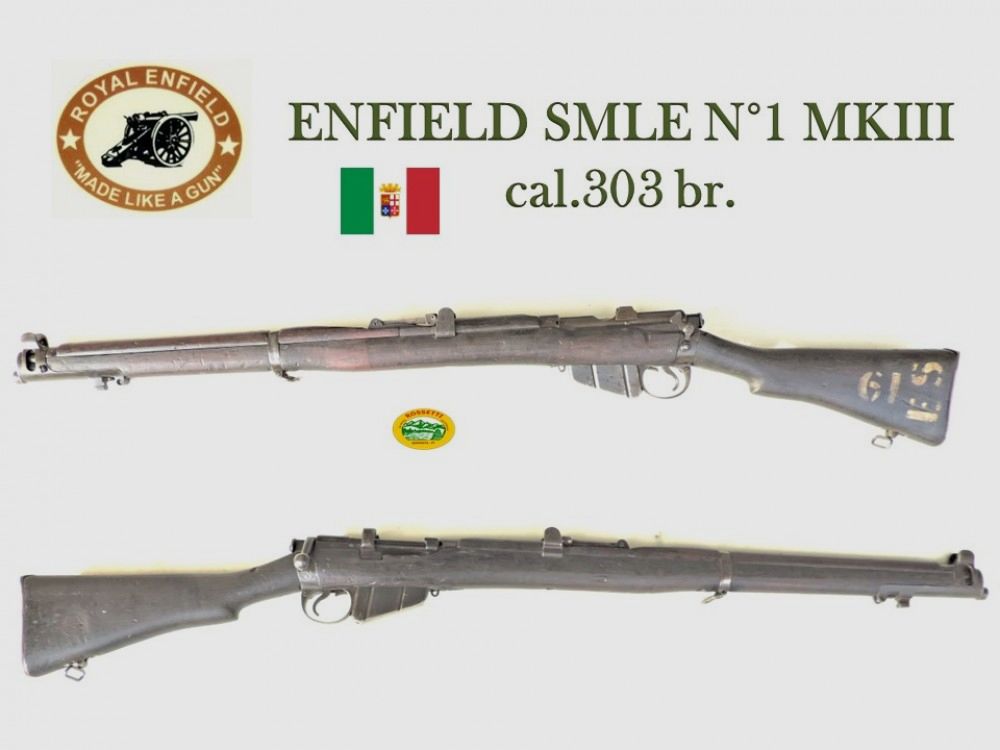

LEE ENFIELD N.1 MKIII cal.303 british R.15760
Purchase permit required
51039 Quarrata, Italy
0
ID: 10056410
Shop safely with Gunfinder
Our AI-powered seller identity verification makes Gunfinder the safest marketplace online.
Learn more
Details
- Original language
- Italian
- Category
- Purchase eligibility
- Required - What am I allowed to buy?
- Caliber
- .303 British
- Condition
- Used
- Location
- 🇮🇹 51039 Quarrata, Italy
- Availability
- In stock
Freshness
This listing is based on a mirrored offer, where the listing data was synced to us from a shop, dealer, or external marketplace. Please note that temporary price discrepancies may occur due to possible delays in data transmission.
- Source
- Armeriarossetti
- Last updated
- about 19 hours ago
Description
Note:
The item is located abroad. Please note that delivery conditions, shipping times, and/or the purchase process may differ.
Il nome deriva dal progettista James Paris Lee, un americano nato in Scozia che nel 1879 brevettò il disegno della azione. "Enfield" invece si riferisce alla località Enfield Lock, in Inghilterra, dove aveva sede la RSAF (Royal Small Arms Factory). Nel 1887 Lee sottopose i suoi progetti alla gara per la realizzazione di un nuovo fucile, e questi furono accettati. Con qualche piccola modifica nacque il Lee-Metford "Magazine Rifle Mark I" del 1888. Questo fucile era progettato per la vecchia munizione .303, che utilizzava una carica compressa di polvere nera. Alcuni anni più tardi fu introdotta per il caricamento della munizione .303, una polvere infume denominata Cordite e fortemente corrosiva, capace di rovinare in breve tempo qualunque canna del fucile Lee-Metford. Il fucile fu ri-progettato per la nuova munizione, e nel 1895 nacque il primo, vero Lee Enfield. Questo fu seguito da diverse altre modifiche finché nel 1906 non fu adottato il Mark III, con la denominazione ufficiale: "Short Magazine Lee Enfield (SMLE) No.1 Mk III". Detto anche Smelly o Smellie, nomignolo affibbiatogli dalle truppe. E´ un fucile che ha partecipato alla prima guerra mondiale ed a parte della seconda, prodotto in Inghilterra fino agli anni 30 e poi sostituito dal Lee Enfield no. 4 Mk I. Gli australiani decisero di non passare al fucile no. 4, e continuarono a produrre anche durante la II G.M. il sempre valido no.1 Mk III. Tra il Lee Enfield no. 1 ed il no. 4.... c´è stato l´Enfield no.3, che conosciamo come P14 che, malgrado fosse un buon fucile, evidentemente non piacque a nessuno. Non agli inglesi, che lo dimenticarono, e non agli americani, che lo ricamerarono in 30.06 e lo chiamarono P17, e appena finita la I G.M. riuscirono a dimenticare quale era stata l´arma del Sergente York, e si ri-gettarono a capofitto sul loro amato Springfield 1903. Tra tutte le varianti Lee Enfield sono state prodotti più di 17 milioni di esemplari. Il Lee Enfield, malgrado ancor oggi spari, e bene, in alcune agitate zone del mondo, all’inizio della sua carriera fu una sorta di brutto anatroccolo, anche se solo agli occhi degli Inglesi. Infatti, inspiegabilmente, non appena lo adottarono, già pensarono di cambiarlo, trovandogli difetti più o meno immaginari. Fortunatamente non si dettero retta e non lo cambiarono. Il primo Enfield è un gran fucile, contegnoso e un po’ eccentrico, come gli isolani che lo costruirono. Ha un lussuoso calciolo in ottone massiccio, che andava reso opaco in azione, ma lucidato per le parate, ed era oggetto di sadiche attenzioni da parte del sergente d’ispezione. La canna è completamente protetta dal legno, e ben protetti sono il mirino e l’alzo. Una volta regolato, il fucile non si starerà più, anche cadesse in un dirupo. Ha un serbatoio da dieci colpi invece che da cinque, la pallottola che spara è potente, ma un po’ meno delle sue coeve (forse per lasciare una chance, sportivamente, ai suoi avversari) ed è di forma squisitamente retrò. Per puro spirito di contraddizione con ciò che gli altri eserciti pensarono, la calciatura è in due pezzi. Se si allenta, stringerla è un’avventura e occorre un cacciavite lungo un miglio da cacciare in un foro nel calcio lungo un altro miglio. Lo stesso otturatore è in due pezzi, con una testa avvitata che dà una grande e falsa sensazione di fragilità. In compenso l’Enfield è protetto in punta da un’armatura d’acciaio e questo peso rende l’arma più dolce da sparare e più rapida a tornare in mira. Corto, quando nacque, rispetto agli altri, permise alla fanteria inglese di confermare la sua tradizione di rapidità e abilità al fuoco. Secondo alcuni il movimento del suo otturatore lo rende il fucile a ripetizione manuale più rapido in assoluto.