

Ungulates: Roe deer, Deer, Fallow deer, Mouflon, and Wild boar
≈ $38
Price at the dealer: 35 €. Converted at the ECB rate as of November 19, 2026.
No permit required (18+)
28043 Bellinzago Novarese, Italy
6
ID: 10005026
Purchase from outside the EU: The firearm goes through an importer in your country, the dealer handles the export.
How buying from Europe works
Shop safely with Gunfinder
Our AI-powered seller identity verification makes Gunfinder the safest marketplace online.
Learn more
Details
- Original language
- Italian
- Category
- Condition
- New
- Location
- 🇮🇹 28043 Bellinzago Novarese, Italy
- Availability
- In stock
Freshness
This listing is based on a mirrored offer, where the listing data was synced to us from a shop, dealer, or external marketplace. Please note that temporary price discrepancies may occur due to possible delays in data transmission.
- Source
- Trophyhunt
- Last checked with the dealer
- 2 days ago
Description
Note:
The item is located abroad. Please note that delivery conditions, shipping times, and/or the purchase process may differ.
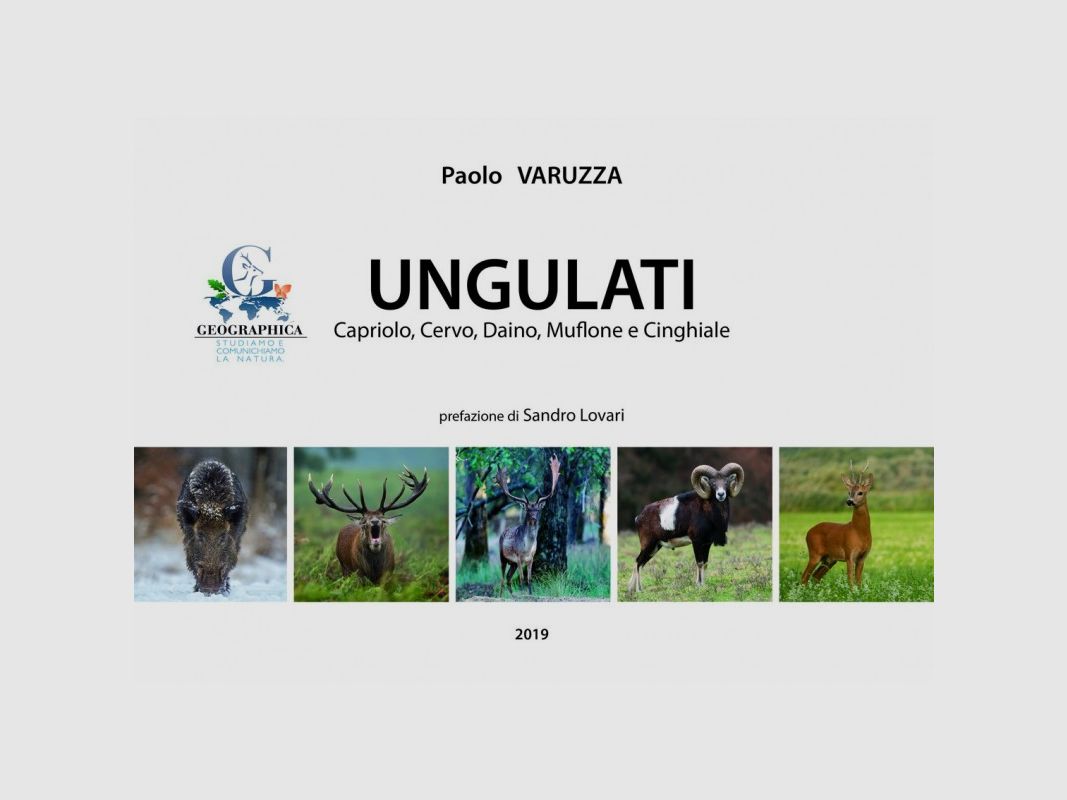
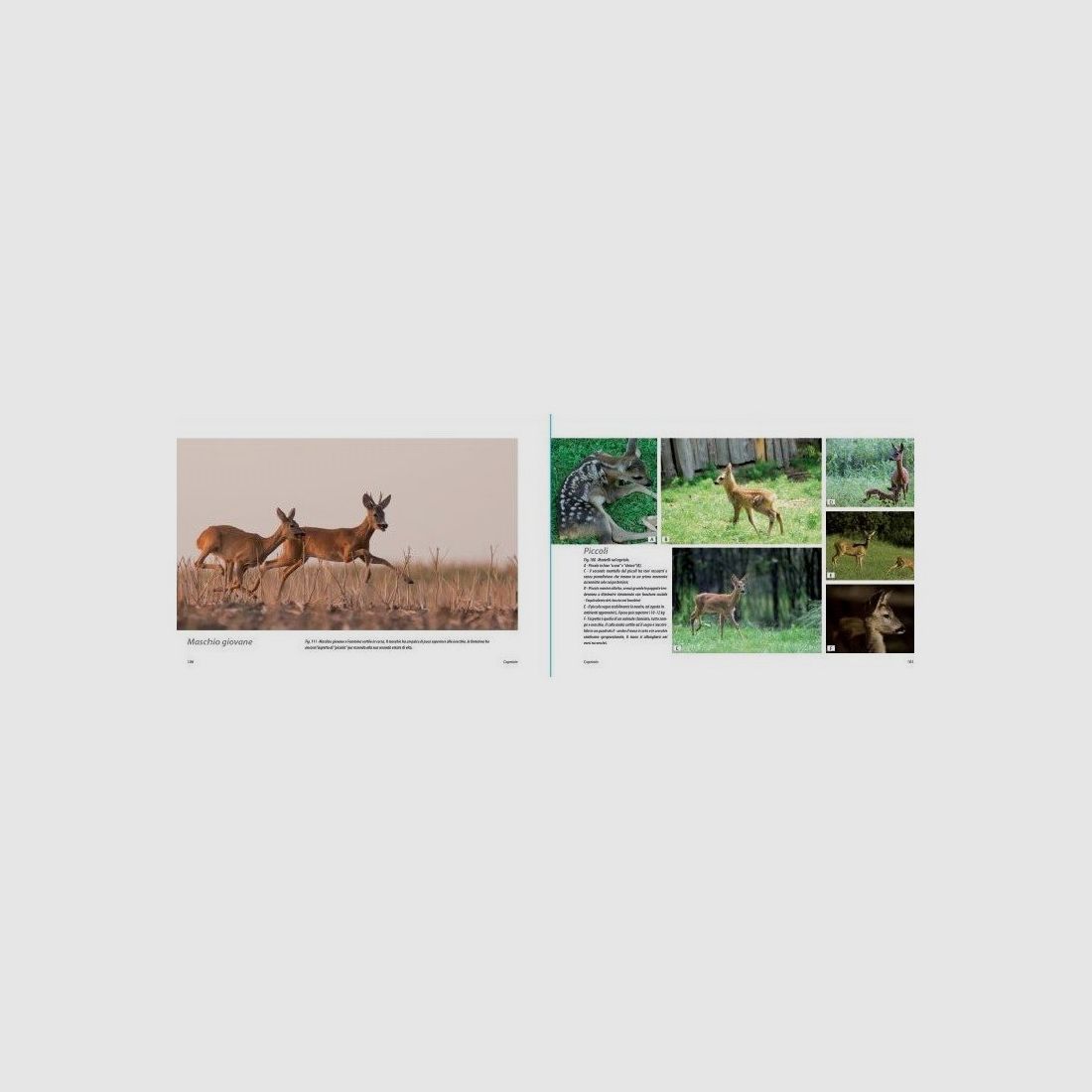
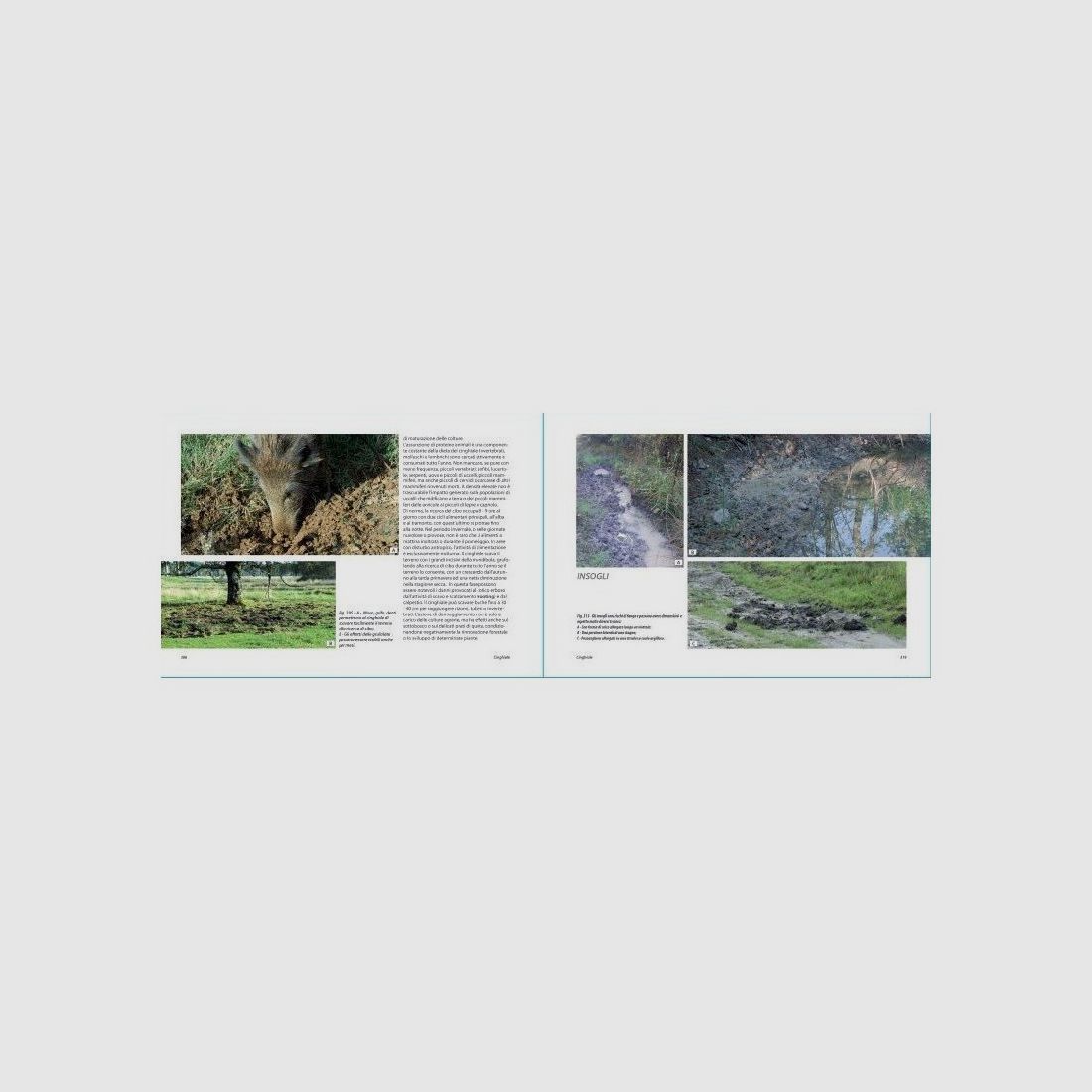
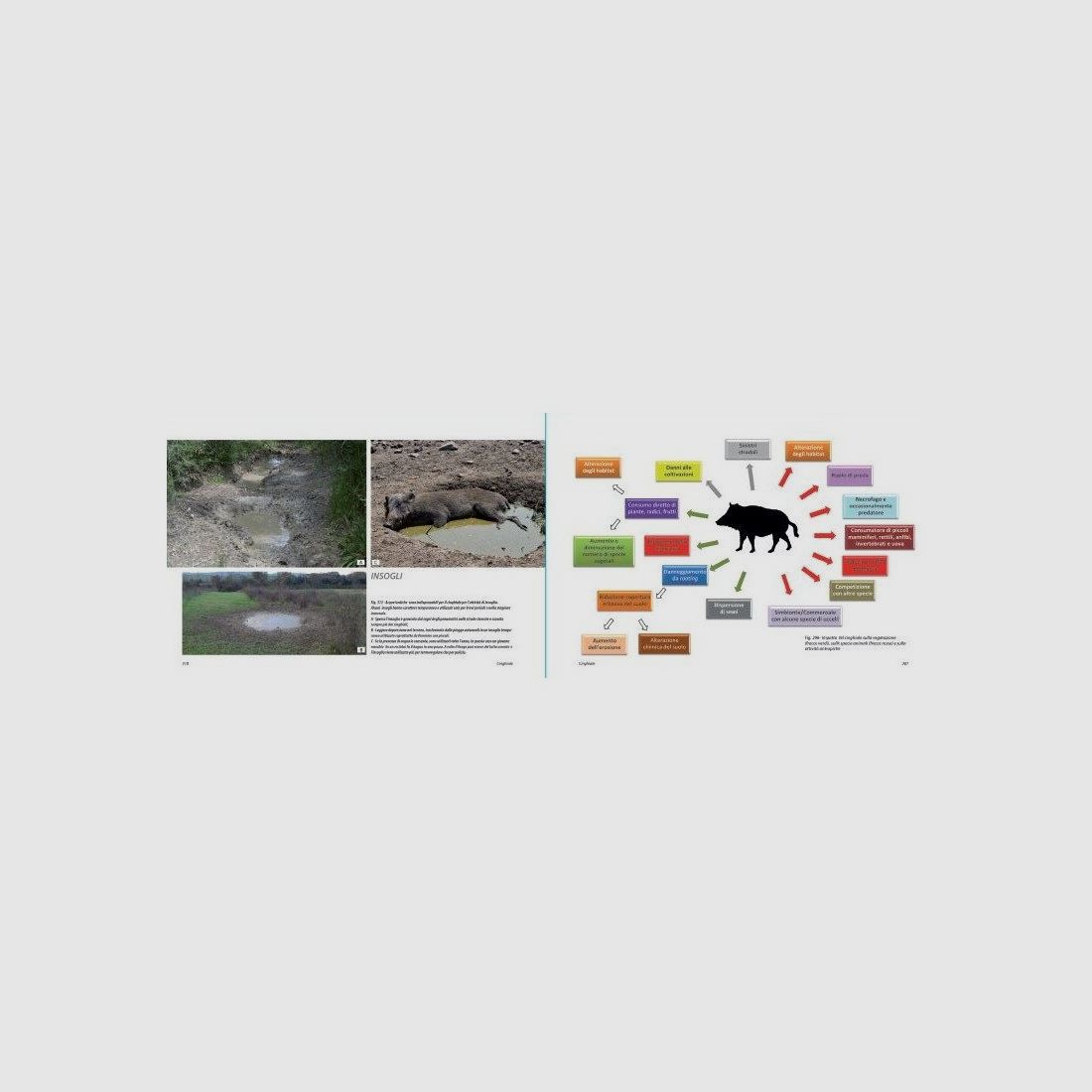
Perhaps better known for the news stories about the problems they cause than for their biology, Italy’s ungulates are slowly reclaiming their ancient territories across the country. Red deer, roe deer, fallow deer, mouflon and wild boar are part of human history. In the past, people worshipped them as gods, used their hides, antlers and horns, ate their meat and took them with them around the world. They represent ecological, cultural, economic and even nutritional value that should be preserved and passed on, just as we pass on the wonder and delight of seeing a roe deer running through a field.
This book is a window into the fascinating world of the five ungulate species most widespread in the Apennines, with the aim of giving readers a basic understanding of their biology and how to identify them in the wild.
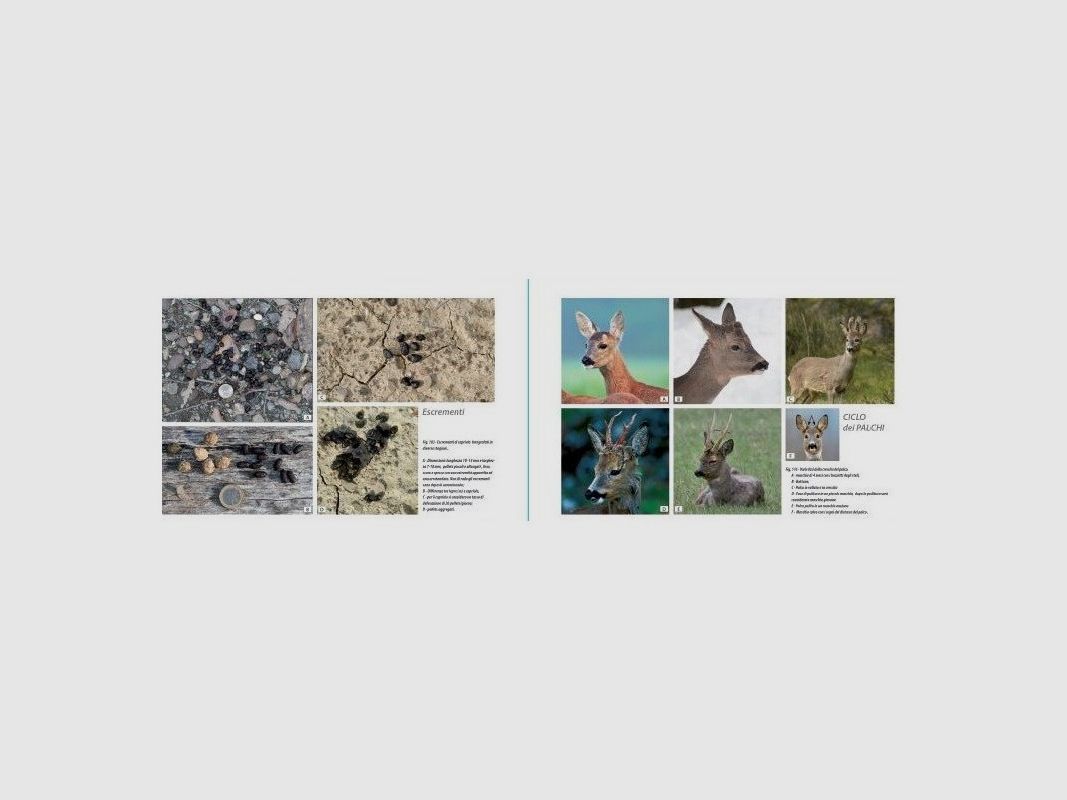
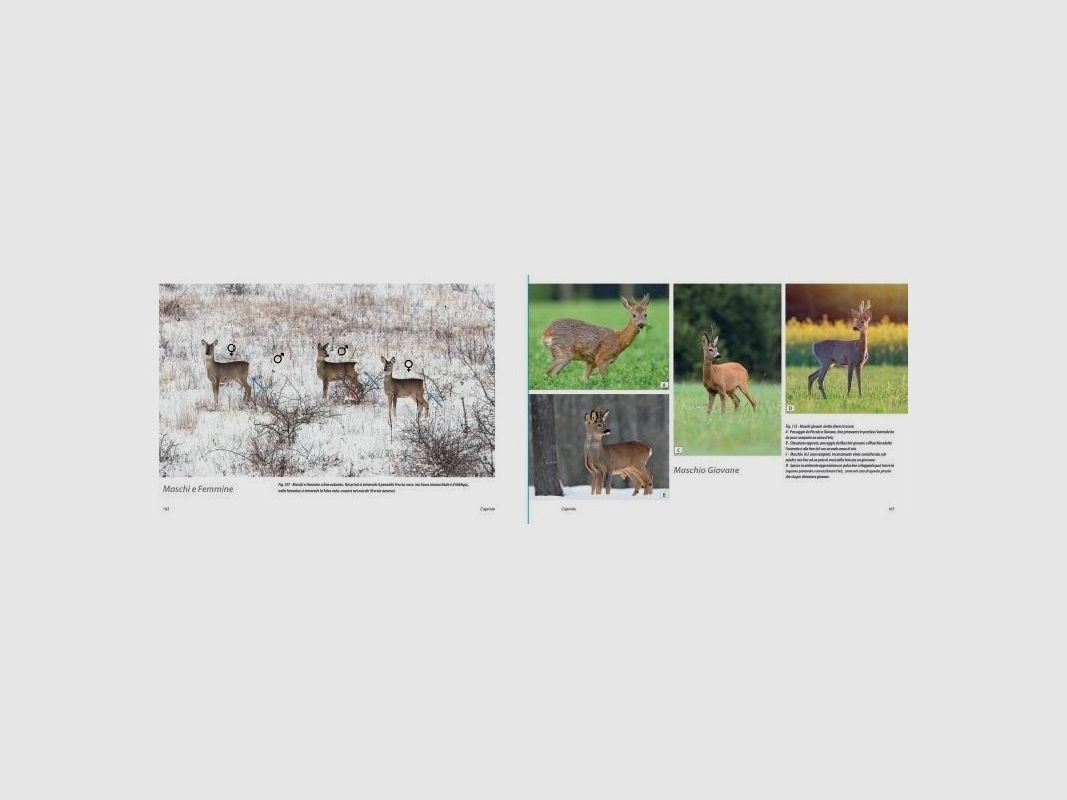
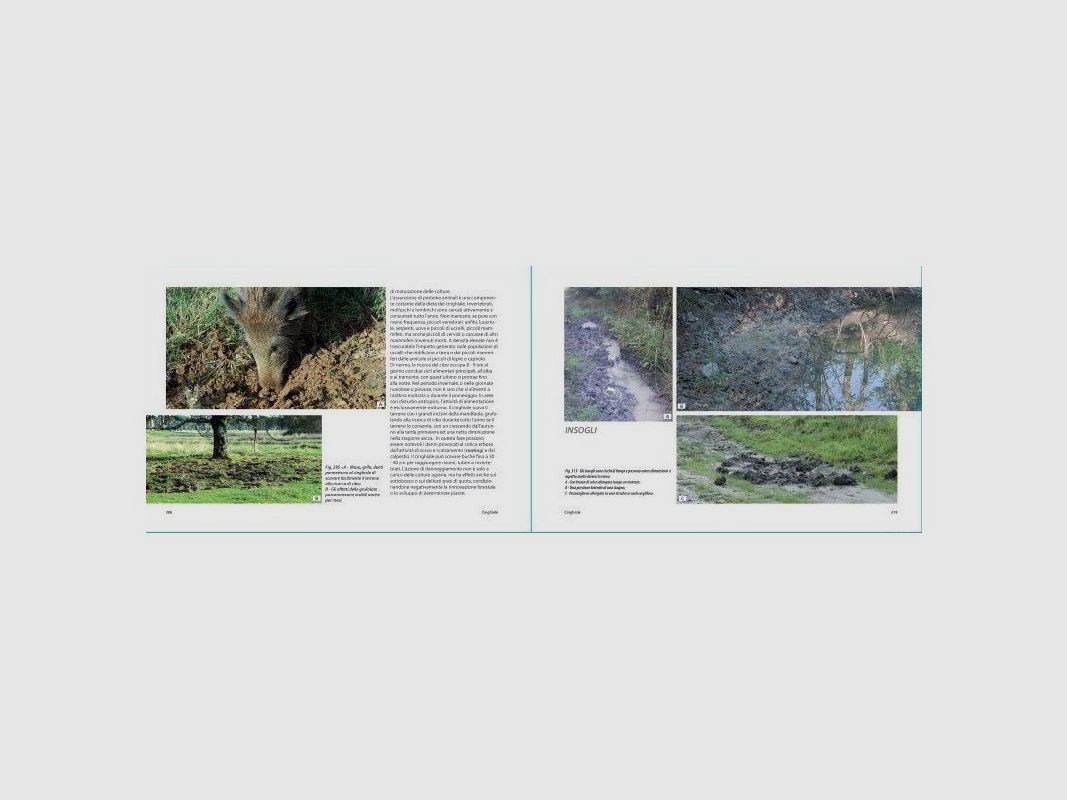
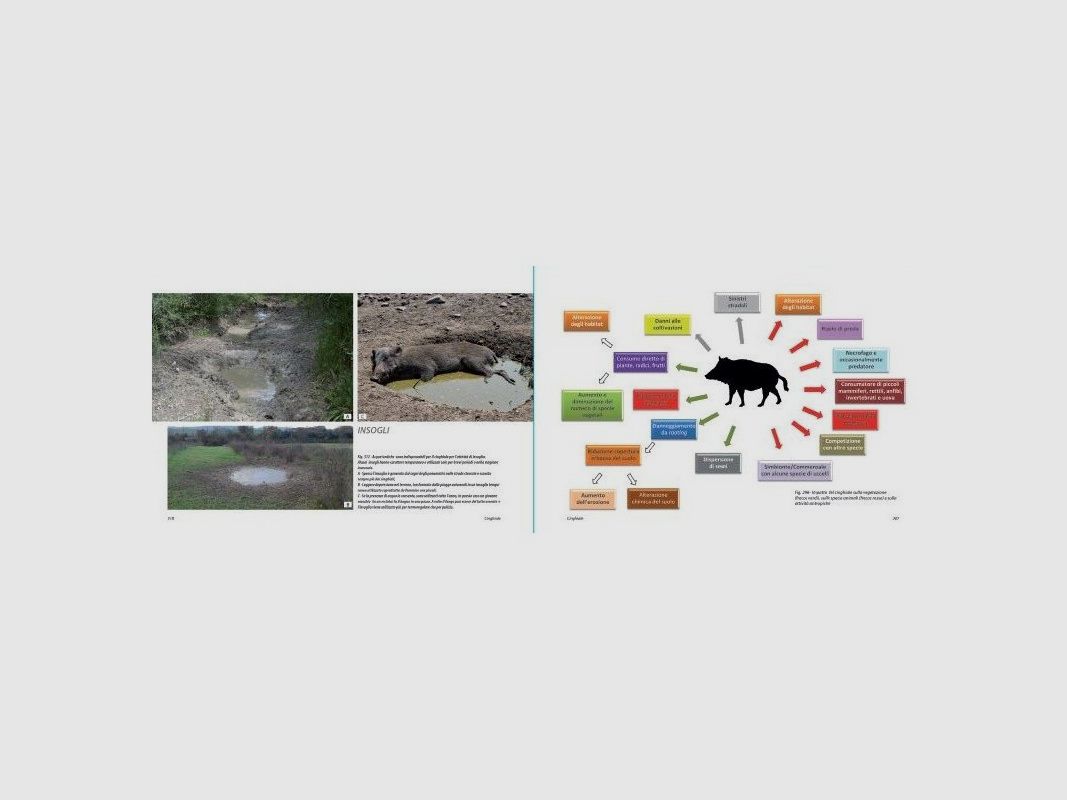
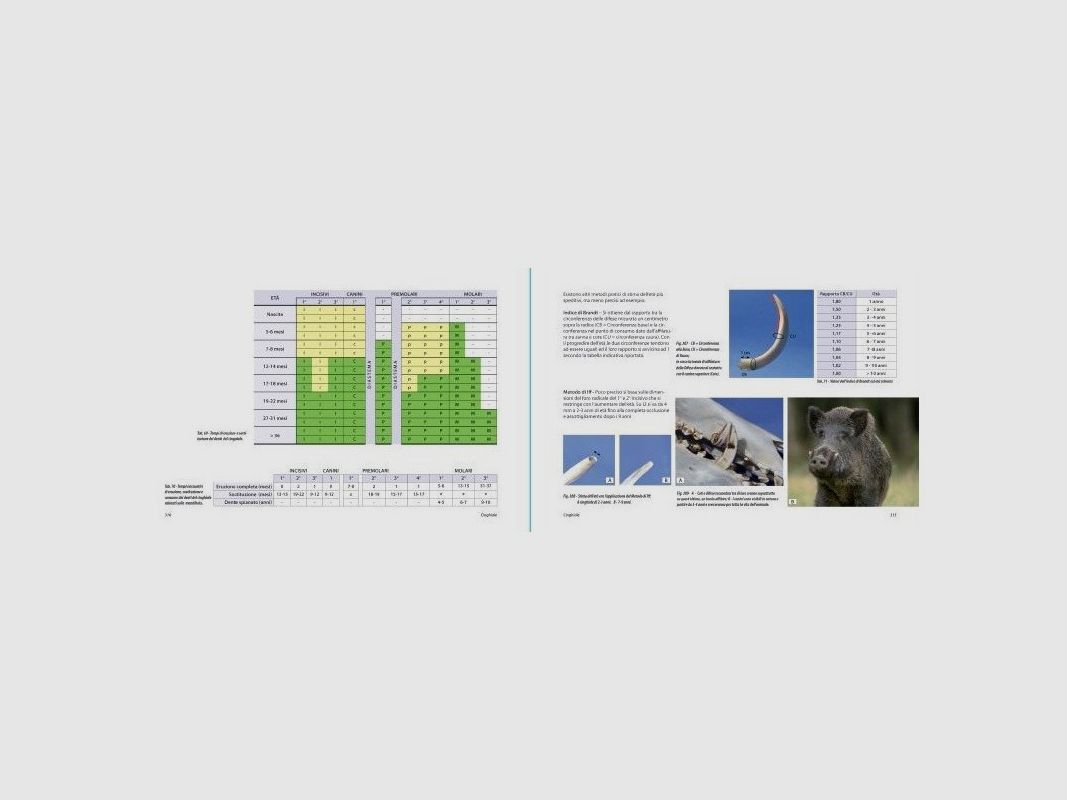
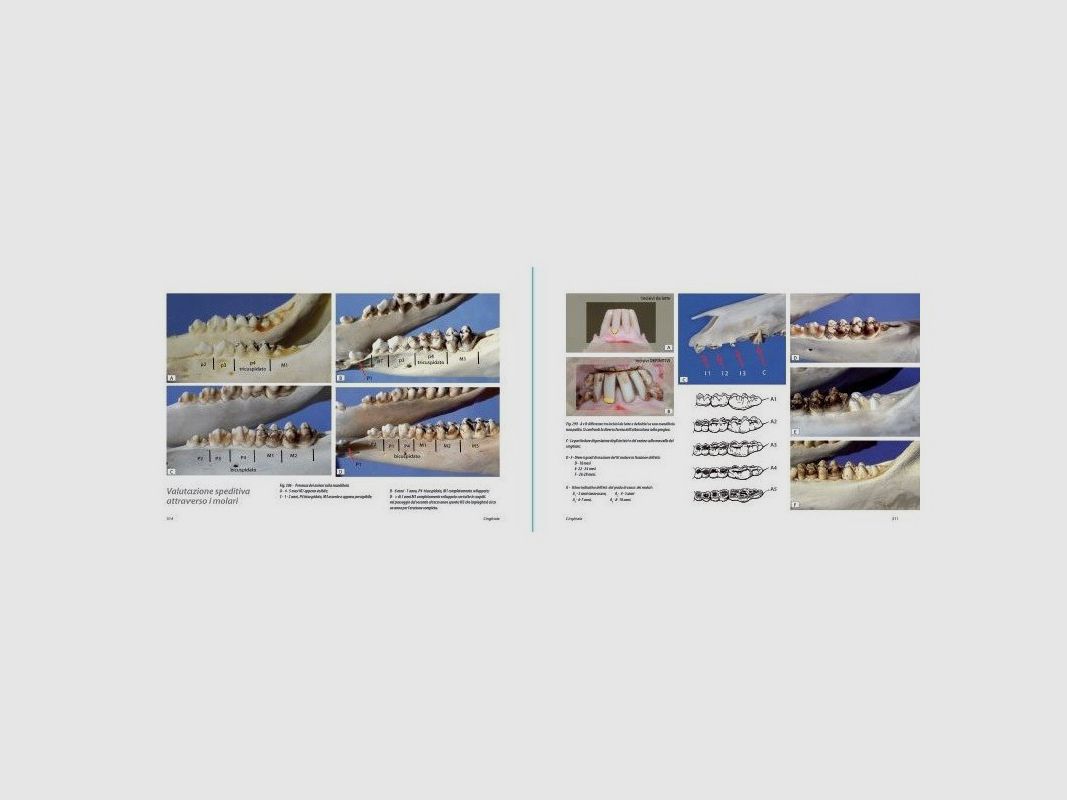
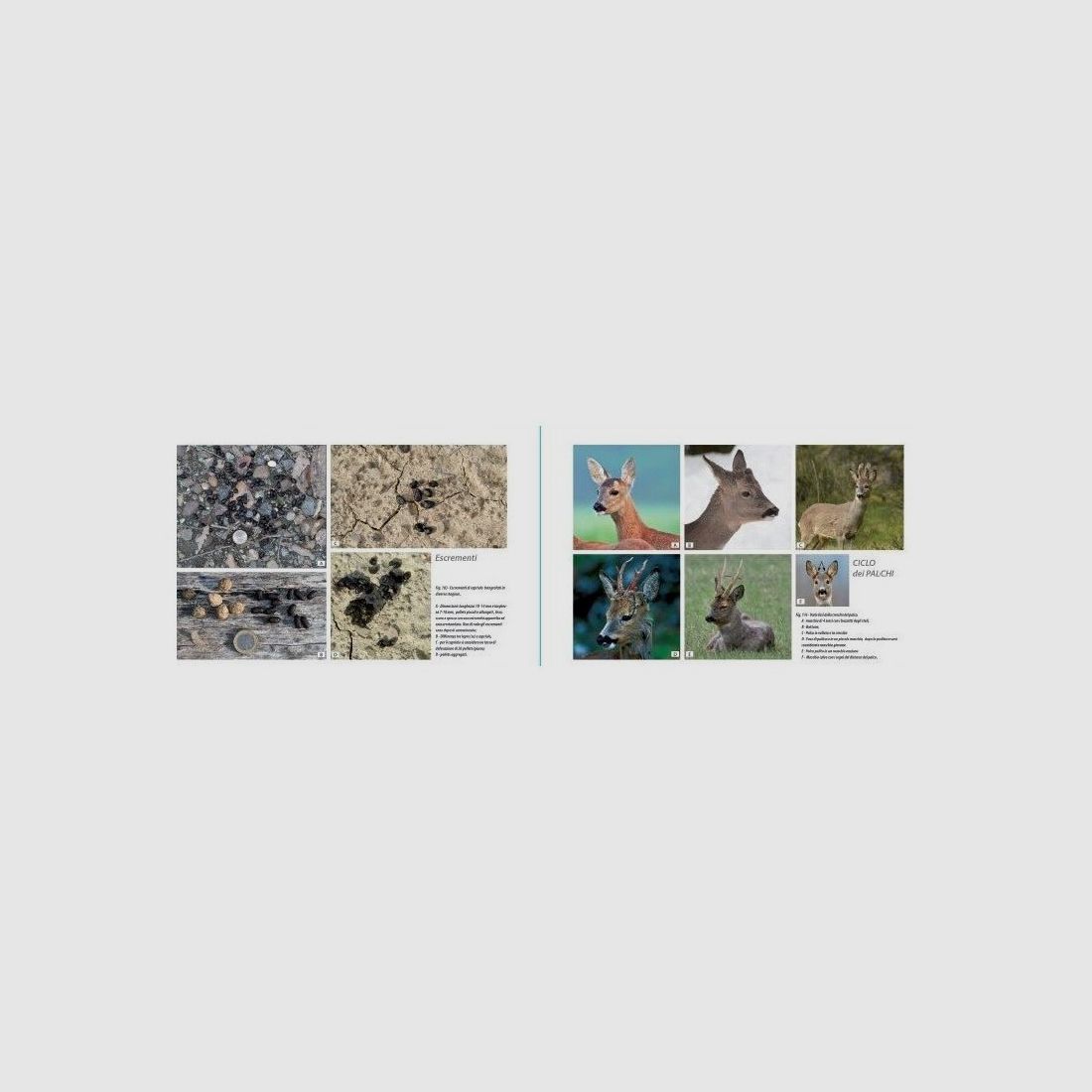
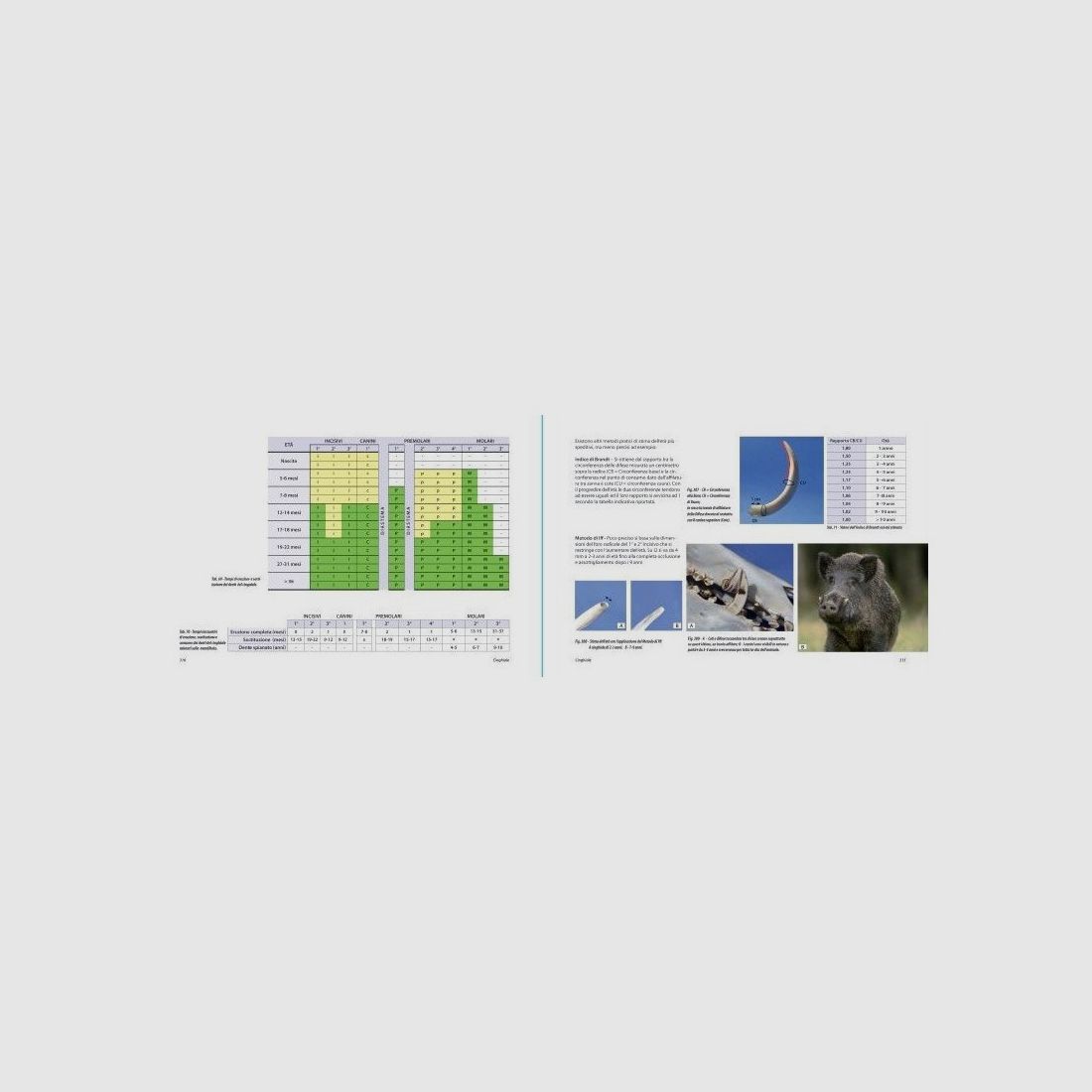
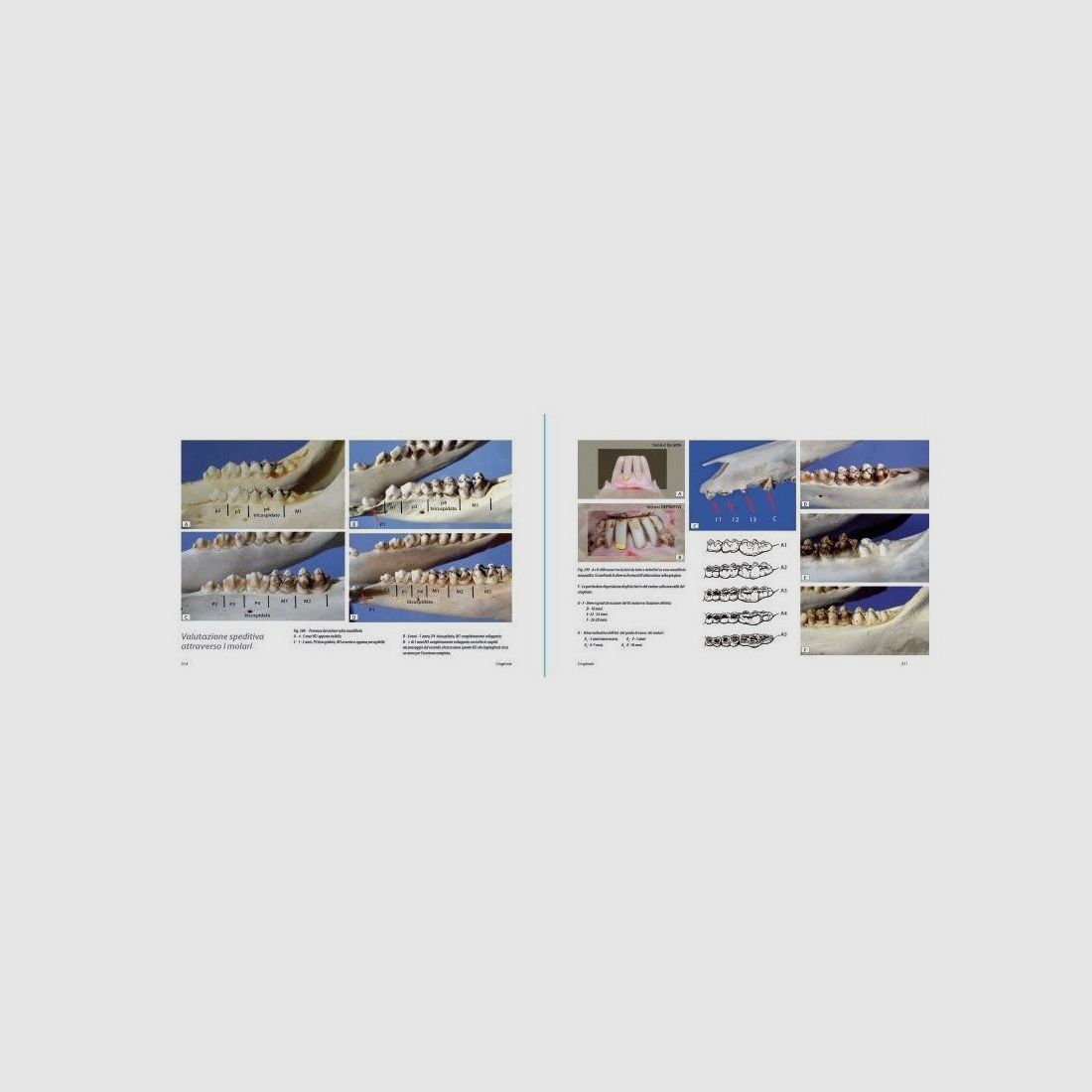
The general section looks at the morphological and functional adaptations that enabled ungulates to conquer the world. It then presents the distinguishing morphological features of each species, their social organization, and their reproductive and spatial behavior in different seasons, always using language that is accessible to everyone while remaining scientifically accurate. The book is illustrated with numerous carefully selected images and practical comparison tables that guide readers in identifying sex and age, as well as tracks in the wild. A large photographic section is devoted to the development and wear of the teeth.
The conservation and management of roe deer, red deer, fallow deer, mouflon and wild boar depend in large part on a better understanding of these species, both among professionals and among the thousands of people who visit our forests and protected areas or go hunting.
This book invites you to discover them, stepping quietly into their fascinating world: from the roe deer’s unusual gestation to the red deer’s extraordinary fights, from the fallow deer’s calls to the mouflon’s incredible history and the wild boar’s social life.
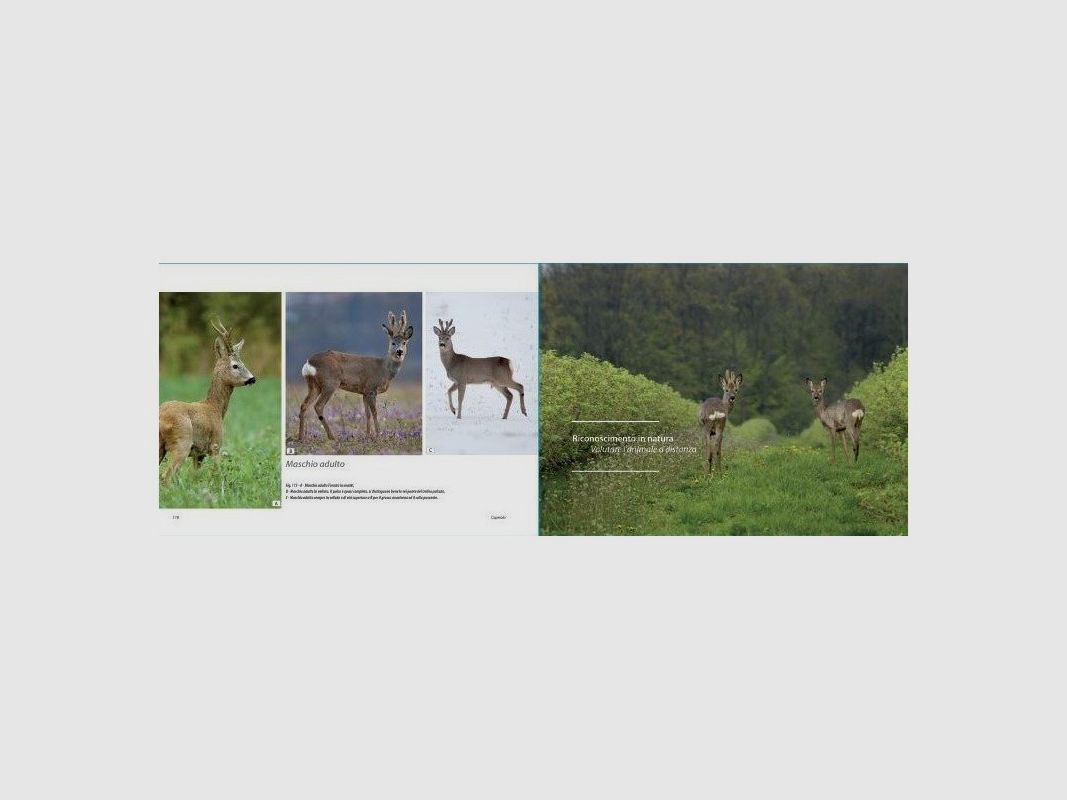
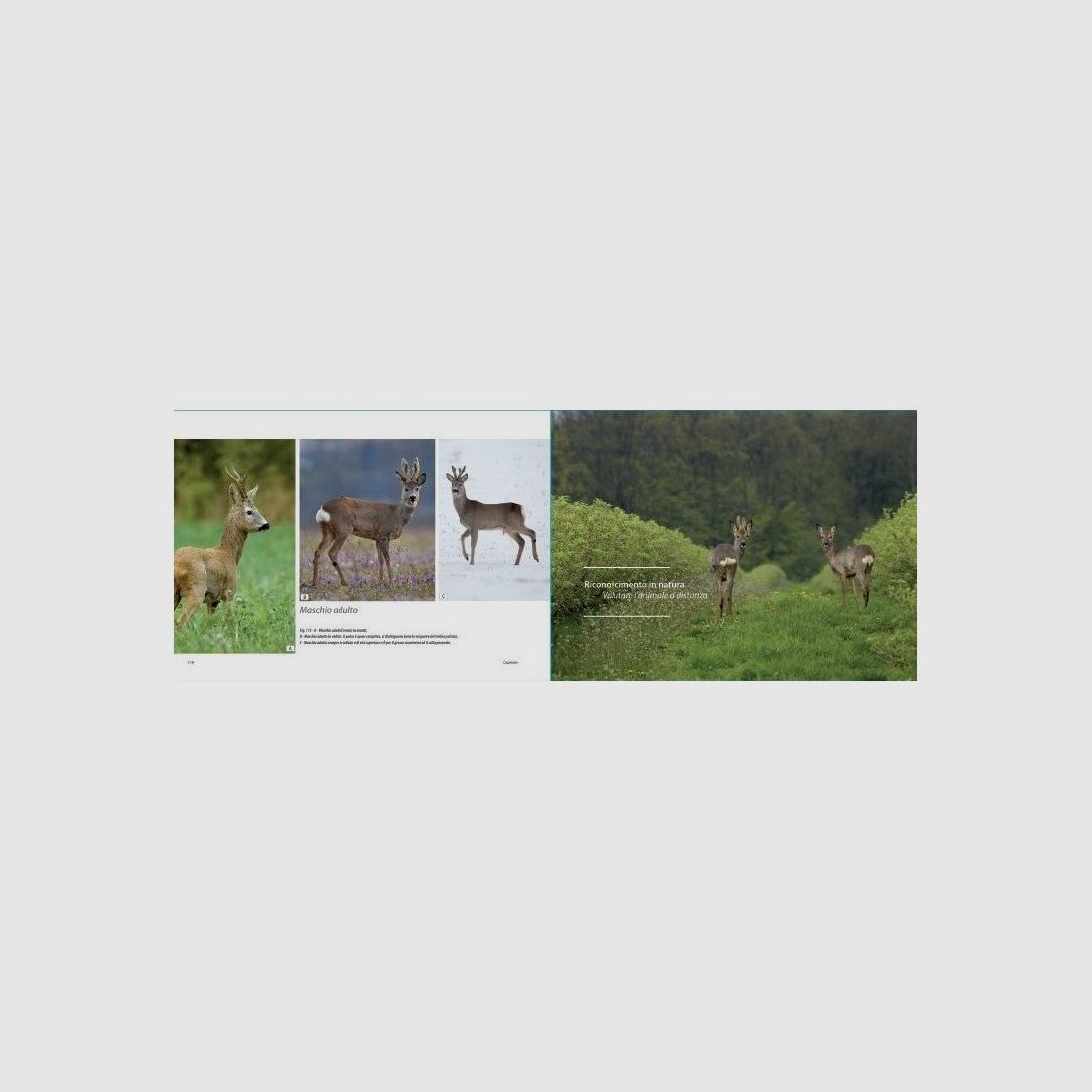
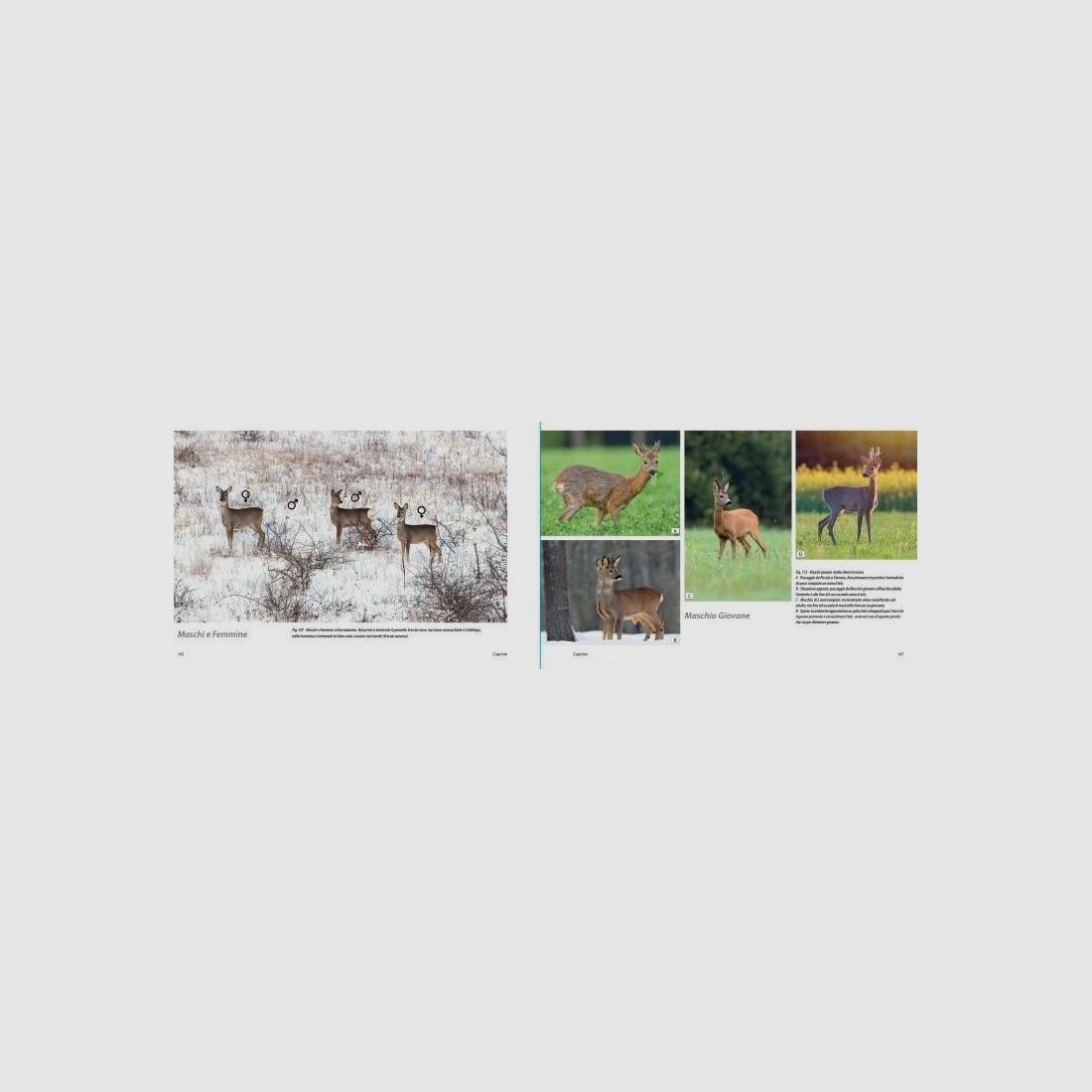
An unidentified ungulate at the edge of a forest in the Apennines will become a clearly identified species, a male or a female, with clean antlers or in velvet, young, adult or old. (Show description in original language)
Questo volume è una finestra sull’affascinante mondo delle cinque specie di ungulati maggiormente diffuse in Appennino con l’obiettivo di fornire al lettore le conoscenze di base sulla loro biologia e sul riconoscimento in natura.
Forse conosciuti più per le notizie di cronaca legate alle problematiche generate che per la loro biologia, gli ungulati italiani si stanno lentamente riappropriando dei loro antichi territori un po’ in tutto il nostro Paese. Cervi, Caprioli, Daini, Mufloni e Cinghiali fanno parte della storia dell’Uomo che in passato, li ha venerati come Dei, usato i loro mantelli, i loro palchi e corna, ne ha mangiato le carni e li ha fatti viaggiare con sé per il mondo. Essi, infatti, rappresentano un valore ecologico, culturale, economico, ma anche alimentare da preservare e tramandare così come si tramanda lo stupore e l’incanto davanti ad un capriolo che corre in un campo.
Questo volume è una finestra sull’affascinante mondo delle cinque specie di ungulati maggiormente diffuse in Appennino con l’obiettivo di fornire al lettore le conoscenze di base sulla loro biologia e sul riconoscimento in natura.
La parte generale ripercorre gli adattamenti morfo-funzionali che hanno portato gli ungulati alla conquista del mondo. Vengono poi presentate per ogni specie le caratteristiche morfologiche che le contraddistinguono, la loro organizzazione sociale, il comportamento riproduttivo e spaziale nelle diverse stagioni usando sempre un linguaggio accessibile a tutti, ma scientificamente corretto. Corredano il libro numerose illustrazioni, scelte con attenzione, e pratiche tabelle di confronto che guidano il lettore nel riconoscimento del sesso e dell’età, così come delle loro tracce in natura, mentre un’ampia sezione fotografica è dedicata allo sviluppo e consumo delle tavole dentarie.
La Conservazione e la Gestione del Capriolo, Cervo, Daino, Muflone e Cinghiale, passa sicuramente attraverso una loro maggiore conoscenza sia per gli addetti ai lavori, sia per le migliaia di persone che frequentano i nostri boschi, le aree protette o vanno a caccia.
Questo libro vuole condurvi alla loro scoperta entrando in punta di piedi, nel loro affascinante mondo: dalla particolare gestazione del Capriolo, agli straordinari combattimenti del Cervo, dai bramiti del Daino, alla storia incredibile del Muflone o alla vita sociale del Cinghiale.
Un anonimo ungulato ai margini di un bosco in Appennino, diventerà una specie ben definita, un maschio o una femmina, avrà il palco pulito o in velluto, sarà giovane, adulto o vecchio.