Complete guide: Disassembling & assembling the Remington 870
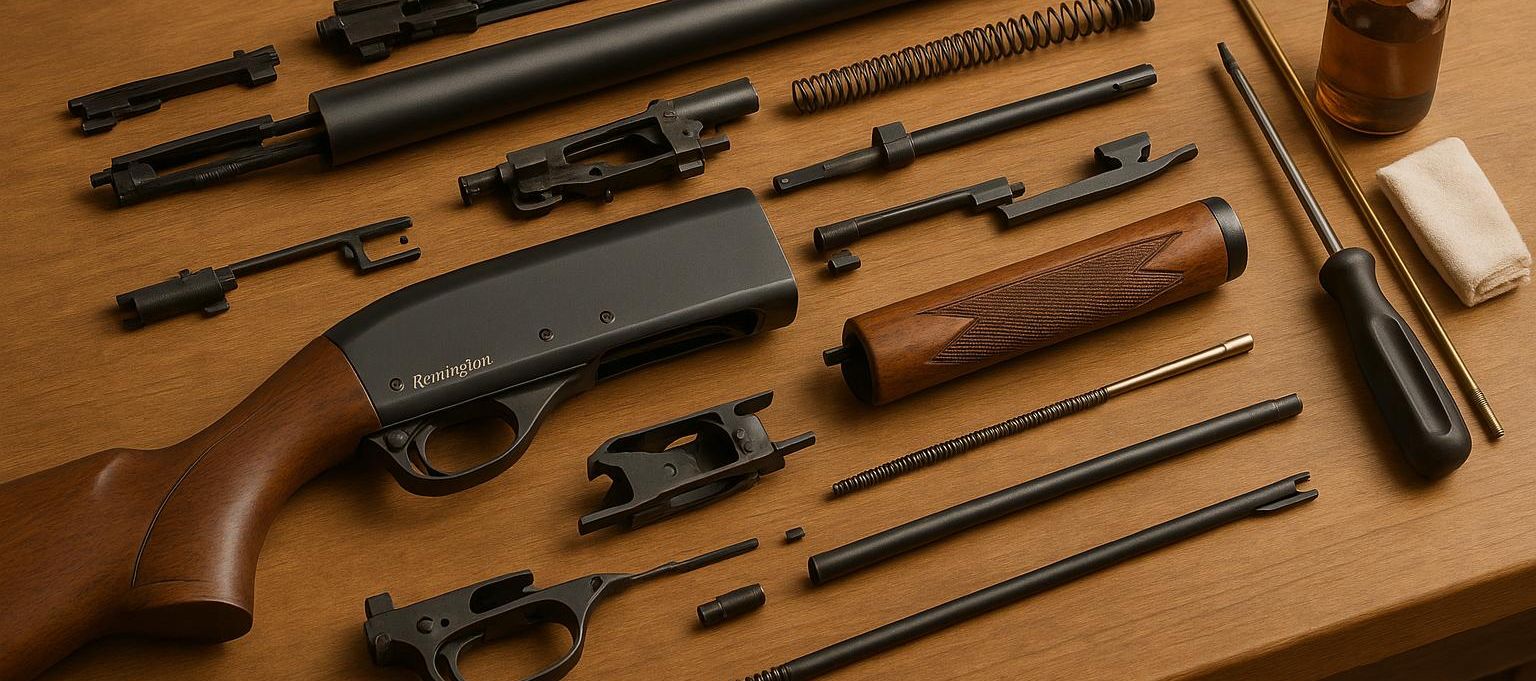
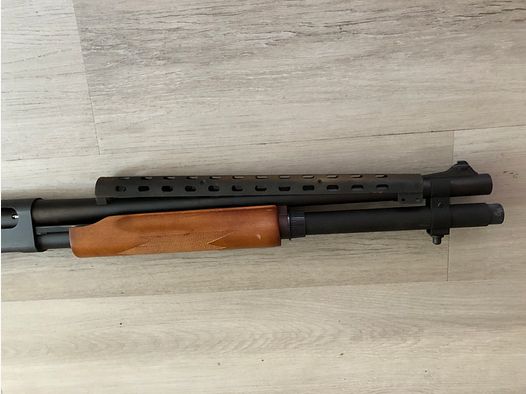
The Remington 870 is one of the most sold shotguns worldwide for good reason. With its impressive reliability and versatility, it has secured a firm place in the hands of hunters, sport shooters, and security forces. In this article, we will guide you through a detailed step-by-step guide to disassembling and assembling the Remington 870. This guide is based on a practical video and has been structured clearly for the discerning reader.
Why is the Remington 870 so special?
Before we dive into the details, it's worth taking a brief look at the history of this iconic shotgun. The Remington 870 was first introduced in 1950 as the successor to the Model 31. While the Model 31 was known for its smooth loading process – often referred to as the "ball-bearing repeater" – it was expensive due to its elaborate manufacturing. The 870 was developed as a more cost-effective and equally reliable alternative. Since then, it has proven itself through its robustness and durability and is widely used by security forces as well as in hunting and shooting sports.
Did you know?
- Over 11 million units of the Remington 870 have been sold worldwide.
- It is frequently used by police and military units, proving its reliability.
Safety First: Preparation Before Disassembly
Before you start working on your shotgun, safety is paramount. Follow these basic steps:
- Ensure the weapon is unloaded: Visually and physically check that there are no cartridges in the chamber, magazine tube, or bolt.
- Prepare the workspace: Use a clean, well-lit work surface, ideally with a non-slip base.
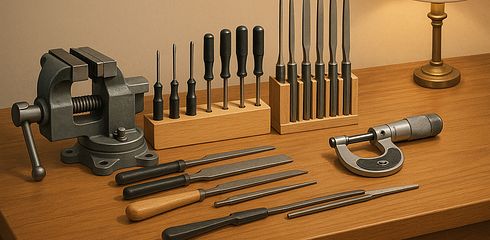
- Have tools ready: For most steps, you will need basic tools such as screwdrivers, punches, and possibly a rubber mallet.
Step-by-Step Guide: Disassembly of the Remington 870

1. Loosening the Magazine Tube Cap and Removing the Barrel
- Turn the nut at the end of the magazine tube counterclockwise.
- Push the bolt slightly forward to loosen the barrel.
- Carefully pull the barrel off.
2. Removing the Magazine Spring and the Spring Retainer
- At the end of the magazine tube, there is a spring retainer (a small, split steel cup).
- Use a flat screwdriver to carefully pry out the spring retainer. Be cautious of the spring, which is under tension.
- Pull out the spring and set it aside.
3. Removing the Forend and the Bolt
- Press the shell latch (on the left inner edge) to push the forend forward.
- Pull out the forend and the bolt.
4. Removing the Trigger Group
- Remove the two cross pins that hold the trigger group.
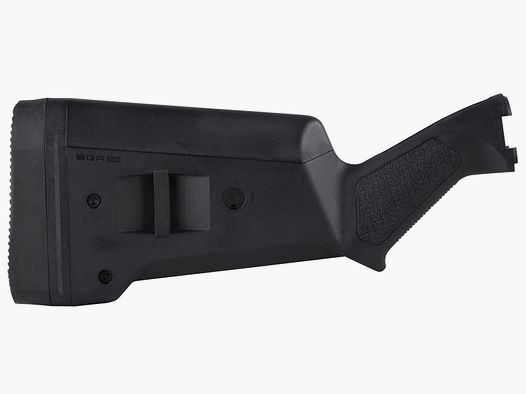
- Carefully pull the trigger group down and out.
- The trigger group can be further disassembled separately if necessary.
Step-by-Step Guide: Assembling the Remington 870
The assembly is done in the reverse order of disassembly. Keep the following notes in mind:
1. Reinstalling the Trigger Group
- Reinsert the trigger group into the stock and secure it with the two cross pins.
- Ensure that the pins are flush with the housing.
2. Assembling the Forend and the Bolt
- Place the bolt assembly onto the guide rails of the forend.
- Slide the unit back into the housing while pressing the shell latch.
3. Inserting the Magazine Spring and the Spring Retainer
- Press the spring back into the magazine tube.
- Insert the spring retainer and press it firmly until it is flush.
4. Reattaching the Barrel
- Slide the barrel into the housing, ensuring it is fully seated.
- Screw the nut at the end of the magazine tube back on tightly.
Maintenance Tips and Common Issues
- Regular Cleaning: The Remington 870 is known for its reliability, but like any firearm, regular cleaning and lubrication are crucial.
- Inspection of Wear Parts: Components such as the bolt, spring, and trigger should be regularly checked for wear.
- Caution with the Trigger Group: Some models have permanently riveted pins. Only remove these if absolutely necessary.
Key Takeaways
- Disassembling and assembling the Remington 870 is manageable with the right tools and a bit of patience.
- Safety First: Always check if the weapon is unloaded.
- Tools and Preparation: Keep simple tools like screwdrivers and punches ready.
- Maintenance Extends Lifespan: Regular cleaning and lubrication ensure the weapon retains its reliability.
- The trigger group may seem complicated, but with the step-by-step method, everything remains clear.
Conclusion
The Remington 870 remains one of the most versatile and reliable shotguns on the market. With the guide presented here, experienced gun owners can not only safely disassemble and reassemble the weapon but also ensure it is optimally maintained. Whether for hunting, shooting sports, or use in security services – the 870 is a loyal companion that can last a lifetime with a little attention.
Stay safe and enjoy the precision and reliability of your Remington 870!
Source: "Remington 870 Complete Disassembly and Reassembly" - mattsgaragediy, YouTube, Sep 1, 2025 - https://www.youtube.com/watch?v=2tpnTJrvHh8
Use: Embedded for reference. Brief quotes used for commentary/review.