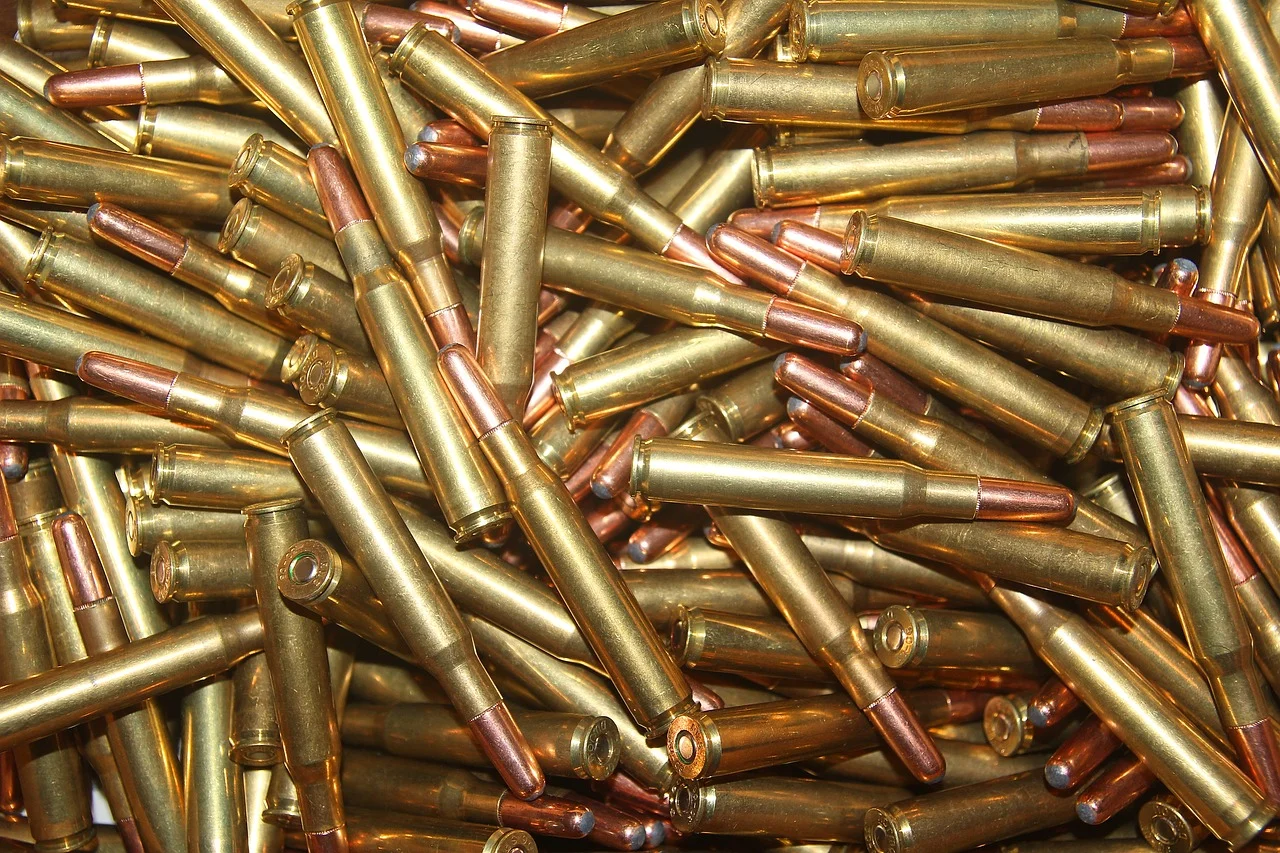
Does the barrel length of a rifle affect the performance of the ammunition?

The question of whether the barrel length of a rifle affects the performance of the ammunition is widely discussed among hunters and sport shooters. Although there is no universal answer, we can discuss some essential aspects.
Background
The barrel length of a rifle can significantly influence the performance and accuracy of projectiles. It plays a crucial role in the energy and speed that a cartridge can achieve.
Factors
Factors that affect the performance of the ammunition include the powder charge, the shape of the projectile, and the material from which the projectile is made. The barrel length of a rifle can influence both the energy and the speed at which the projectile exits the barrel.
Energy and Speed
The speed of the projectile increases with the barrel length, but only up to a certain point. Beyond this point, a longer barrel can actually reduce the speed, as the projectile experiences more friction in the longer barrel. Therefore, it is important to find a compromise between barrel length and speed.
As for energy, a longer barrel increases the energy of the projectile. The energy is determined by the weight of the projectile and the speed at which it exits the barrel.
Optimal Barrel Length
The optimal barrel length depends on many factors, including the type of ammunition, the weight of the projectile, and the specific requirements of the shooter. Generally, longer barrels are more precise and produce higher muzzle energy, while shorter barrels are easier to handle and transport.
Summary
In summary, the barrel length of a rifle affects the performance of the ammunition, but the optimal barrel length depends on many factors and varies from case to case. It is important to understand the advantages and disadvantages of different barrel lengths and to make an informed decision based on your individual needs and requirements.
Matching listings
Sponsored listings
You might also like

More articles on this topic