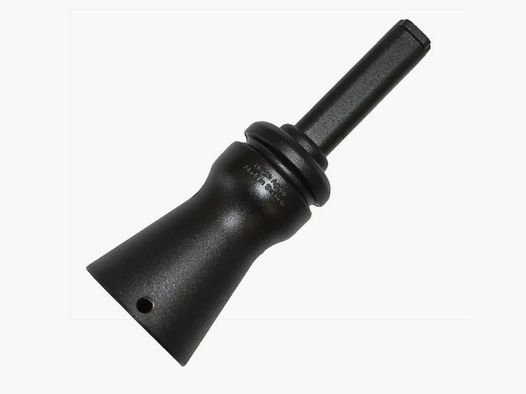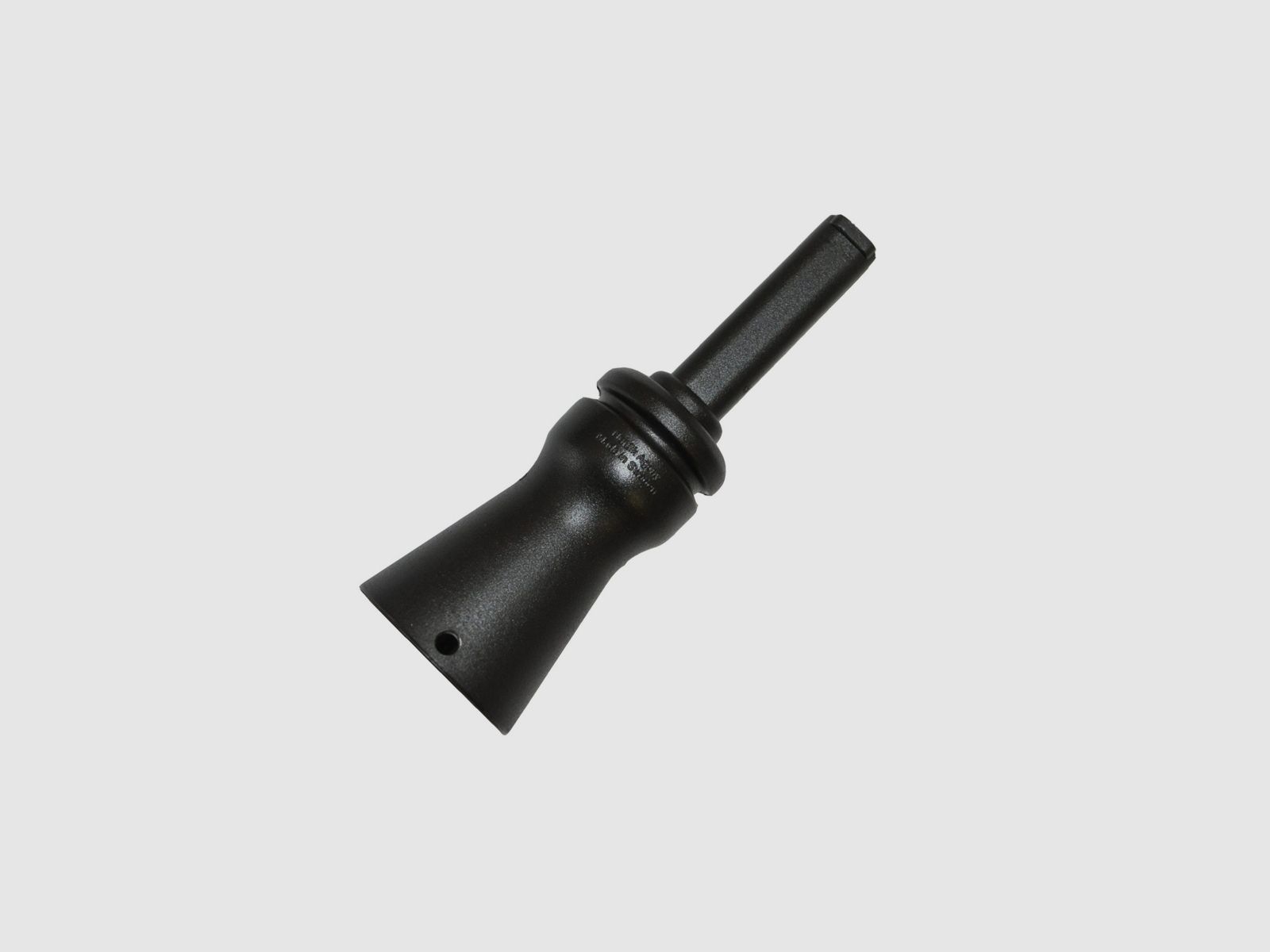
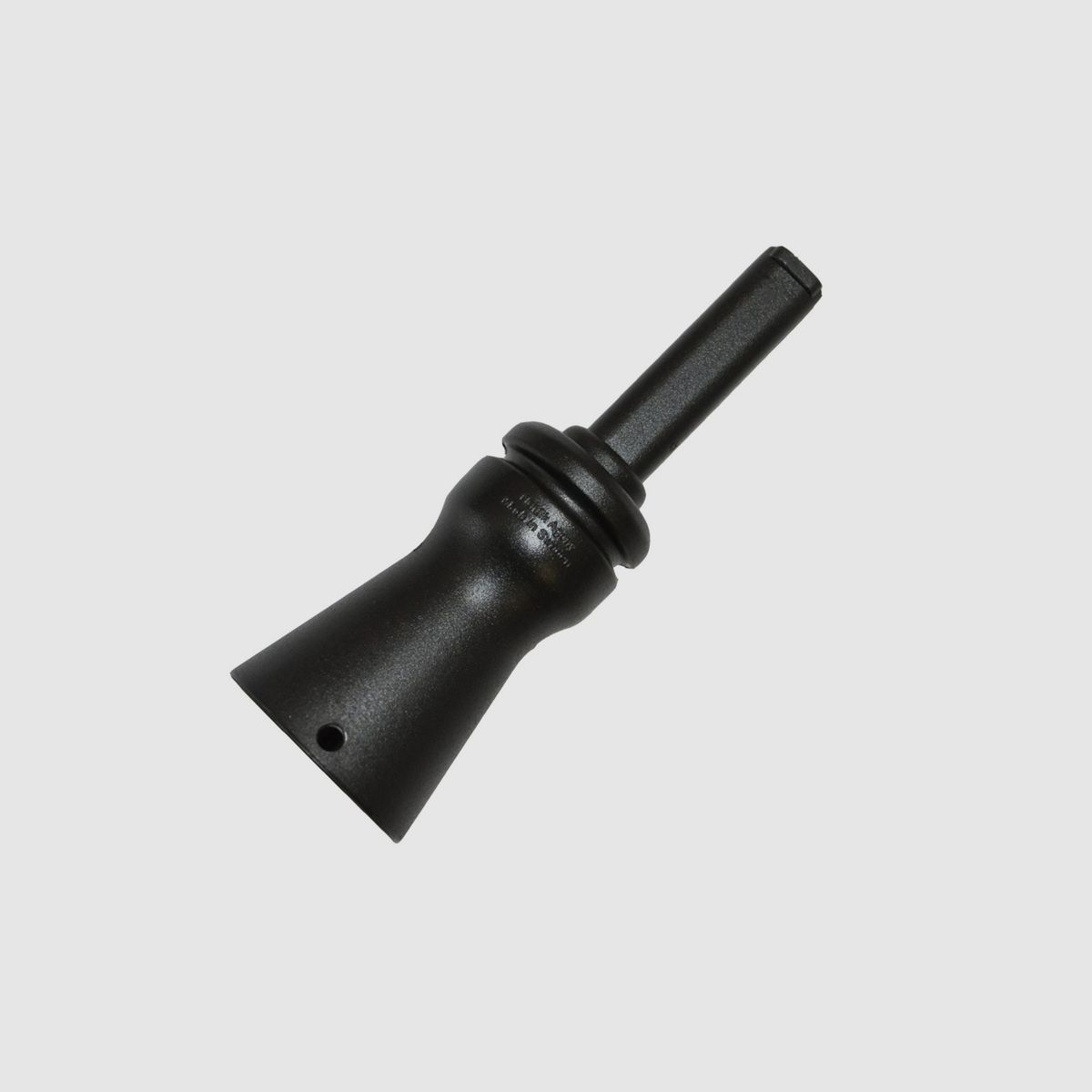
Nordik Agony
≈ $40
Price at the dealer: 36 €. Converted at the ECB rate as of November 20, 2026.
No permit required (18+)
46034 Borgo Virgilio, Italy
5
ID: 9967282
Purchase from outside the EU: The firearm goes through an importer in your country, the dealer handles the export.
How buying from Europe works
Shop safely with Gunfinder
Our AI-powered seller identity verification makes Gunfinder the safest marketplace online.
Learn more
Details
- Original language
- Italian
- Brand
- Nordik
- Category
- Condition
- New
- Location
- 🇮🇹 46034 Borgo Virgilio, Italy
- Availability
- In stock
Freshness
This listing is based on a mirrored offer, where the listing data was synced to us from a shop, dealer, or external marketplace. Please note that temporary price discrepancies may occur due to possible delays in data transmission.
- Source
- Mantovarmi
- Last checked with the dealer
- about 20 hours ago
Description
Note:
The item is located abroad. Please note that delivery conditions, shipping times, and/or the purchase process may differ.
The Nordik Agony is a call designed to faithfully reproduce a sound of intense distress and agony, and is very easy to blow. The sounds it produces imitate a general distress call, particularly effective for fox and other predator control.
The Nordik Agony is a closed-reed call; this design makes it more sensitive to moisture, so take care not to let saliva enter the call while using it.
This call is also extremely effective for imitating the call of the jackdaw (a corvid).
Place the mouthpiece against your teeth or lips and blow short, firm bursts of air into the call. Vary the length of the air bursts and use one hand in front of the call’s opening to make the sound more dynamic and realistic. The call requires very little effort: don’t blow too hard, but modulate the airflow until you get a hoarse, natural sound, without straining your throat or attempting a guttural growl.
For a higher pitch: increase the pressure of your lips/teeth on the mouthpiece slightly.
Imitating the Jackdaw
Completely clamp the mouthpiece with your teeth or lips and blow into the call, while simultaneously releasing all pressure on the mouthpiece.
Recommended calling strategy
Open fields and large areas:
Call intensely for 15-20 seconds, stay silent for 2-3 minutes, and repeat the cycle for a total of 20-40 minutes per stand.
Small plots and wooded areas:
Call intensely for 15-20 seconds, stay silent for 5-6 minutes, and repeat the cycle for 20-30 minutes per stand.
Tactical note: Remember that predators almost always try to approach from downwind to make sure there are no threats or larger predators in the area. Choose a position that lets you constantly monitor your downwind side, and take great care with your camouflage. (Show description in original language)
Ecco la traduzione. Come per i testi precedenti, ho ripulito il linguaggio dalle iperboli commerciali anglosassoni e ho utilizzato la corretta terminologia tecnica venatoria (come il passaggio fondamentale da closed reed ad “ancia chiusa”), restituendo un testo preciso e scorrevole.
Il Nordik Agony è un richiamo progettato per riprodurre fedelmente un suono di forte stress e agonia, caratterizzato da una grande facilità di emissione. I suoni generati simulano un lamento generico, particolarmente efficace per l’eradicazione e il controllo della volpe e di altri predatori.
Il Nordik Agony è un richiamo ad ancia chiusa (closed reed); questa caratteristica costruttiva lo rende più sensibile all’umidità, pertanto è necessario prestare attenzione a non introdurre saliva all’interno dello strumento durante l’uso.
Questo strumento è inoltre estremamente efficace per imitare il grido della taccole (un corvide).
Appoggia l’imboccatura contro i denti o le labbra ed emetti brevi e decisi colpi d’aria nel richiamo. Varia la lunghezza dei flussi d’aria e usa una mano davanti all’apertura dello strumento per rendere il suono più dinamico e realistico. Il richiamo richiede pochissimo sforzo: non soffiare con eccessiva forza, ma modula l’aria finché non ottieni un suono rauco e naturale, senza forzare la gola o accennare a un ringhio gutturale.
Per una tonalità più acuta: aumenta leggermente la pressione delle labbra/denti sull’imboccatura.
Imitazione della Taccola
Serrate completamente l’imboccatura con i denti o con le labbra e soffia nel richiamo, rilasciando contemporaneamente e del tutto la pressione sull’imboccatura stessa.
Strategia di appostamento consigliata
Campi aperti e grandi spazi:
Richiama intensamente per 15-20 secondi, mantieni il silenzio per 2-3 minuti e ripeti il ciclo per una durata complessiva di 20-40 minuti per singolo appostamento.
Piccoli appezzamenti e aree boschive:
Richiama intensamente per 15-20 secondi, mantieni il silenzio per 5-6 minuti e ripeti il ciclo per 20-30 minuti per singolo appostamento.
Nota tattica: Ricorda che i predatori tendono quasi sempre a portarsi sottovento per accertarsi che non vi siano minacce o predatori più grandi nell’area. Scegli una posizione che ti permetta di monitorare costantemente il tuo lato sottovento e cura meticolosamente il mimetismo.