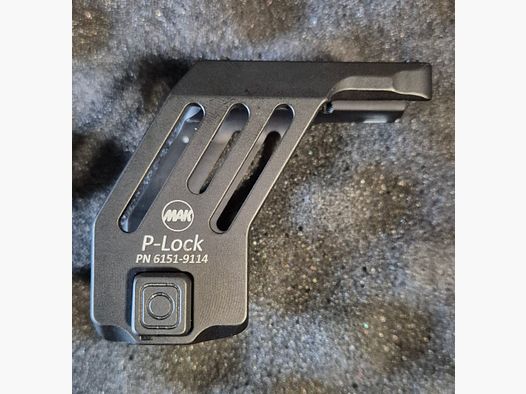
Outerimpact Red Dot Adapter Ruger 57
≈ $85
Price at the dealer: 75.90 €. Converted at the ECB rate as of October 23, 2026.
No permit required (18+)
72479 Straßberg, Germany
11
ID: 9895911
Purchase from outside the EU: The firearm goes through an importer in your country, the dealer handles the export.
How buying from Europe works
Shop safely with Gunfinder
Our AI-powered seller identity verification makes Gunfinder the safest marketplace online.
Learn more
Details
- Original language
- German
- Brand
- Ruger
- Product
- Ruger 57
- Category
- Condition
- New
- Location
- 🇩🇪 72479 Straßberg, Germany
- Availability
- In stock
Freshness
This listing is based on a mirrored offer, where the listing data was synced to us from a shop, dealer, or external marketplace. Please note that temporary price discrepancies may occur due to possible delays in data transmission.
- Source
- Black Raptor
- Last updated
- 2 days ago
Description
Note:
The item is located abroad. Please note that delivery conditions, shipping times, and/or the purchase process may differ.
.br-product h2{font-size:1.2rem;margin-top:28px;}
.br-product ul{padding-left:18px;}
.br-product .info-box{background:#ffdddd;border-left:6px solid #c40000;padding:12px;margin:20px 0;}
.br-product .tip-box{background:#eef6ff;border-left:6px solid #2a6fdb;padding:12px;margin:20px 0;}
.br-product details{background:#f2f2f2;padding:10px;margin-bottom:8px;border-radius:4px;}
.br-product summary{font-weight:600;cursor:pointer;}
Outerimpact Red Dot Adapter Ruger 57 is the right choice if you want to equip your Ruger 57 with a red dot sight without guessing on fit and footprint.
Outerimpact doesn’t make these modular red dot adapters as a showpiece, but as a practical interface between firearm and optic. The benefit comes when adapter, screw pattern, height, and use really match. That’s why this page is not just a feature list, but a buying guide.
For Ruger 57, the most important point is the clear classification: Which exact platform is present, which red dot should be mounted, and do you need a broad MRA solution, a micro adapter, or an adjustable co-witness mount? Clarifying these questions beforehand avoids bad purchases and unnecessary modifications.
Key Features
Model reference: designed for Ruger 57; the real platform matters, not just the general firearm name.
Footprint options: supports several common red dot sights like Vortex Defender CCW / ST / XL, Trijicon RMR / SRO, Docter / Noblex footprint, Leupold DeltaPoint / DeltaPoint Pro, Burris FastFire 2 / 3.
Construction: 7075-T6 aircraft aluminum and black anodized finish provide a stable, lightweight adapter base.
Mounting principle: uses the rear sight base and is therefore interesting if you don’t want the slide milled.
Hardware: T-10 Torx screws and steel alignment pins hold plate and optic reproducibly in position.
Use: suitable for rimfire training, club range, target shooting, and precise recreational setups when sight acquisition and repeatability matter more than an improvised solution.
Our assessment
Outerimpact Red Dot Adapter Ruger 57 is strong if you want a clean, model-specific solution and don’t just want to slap any Picatinny or adapter plate on the system. Especially with red dot mounts, the sum of fit, screw pattern, pin retention, and height decides whether the setup stays comfortable in training.
Buy if: you want to use Ruger 57 on the range, in training, or competition with a suitable red dot sight and are looking for a stable adapter solution that doesn’t feel like a DIY job.
Don’t buy if: you want a milled direct mount with minimal height or a pure micro K-footprint solution.
Pro tip: Footprint first, then adapter
Many mistakes don’t happen during mounting but during the selection beforehand. First check the footprint of your red dot sight, then the exact firearm or slide version, and only then the adapter plate. A fitting adapter is precise; a roughly fitting adapter is a nuisance.
Mounting & Platform
The plate attaches to the rear sight base. This is especially interesting if you don’t want milling on the slide but requires careful checking of the execution.
7075-T6 aircraft aluminum is more than just a data point here. An adapter plate must stay light but must not feel soft or spongy under load. The combination of milled plate, alignment pins, and matching screws is therefore more important than the longest marketing text.
If your setup is frequently transported or you regularly switch between drills on the range, repeatability counts. The optic shouldn’t have to be rethought every time. That’s exactly what a cleanly fitting adapter plate is for.
oll.
Kompatibility & Optic Selection
The adapter is designed for Ruger 57. For red dot mounts, the model name alone is still not always enough: generation, OR version, MOS version, slide variant, or existing rail can be crucial.
Typical optic types in this adapter class are Vortex Defender CCW / ST / XL, Trijicon RMR / SRO, Docter / Noblex Footprint, Leupold DeltaPoint / DeltaPoint Pro, Burris FastFire 2 / 3, C-MORE RTS / STS, Shield RMS. The decisive factor remains the exact screw pattern of your optic. If you are undecided between two footprints, the technical drawing of the dot is more important than the product name.
Classification in the Outerimpact System
MRA Adapter: useful if you want to cover as many classic mini red dot footprints as possible.
Micro Adapter: useful if your dot uses a compact micro-/K-footprint format and you want the setup to stay slimmer.
Co-Witnessing Mount: useful if the sight line is deliberately built higher and adjustable.
Suitable Products
Outerimpact Red Dot Adapter Ruger Mark I - IV - obvious alternative or addition within the Outerimpact mounts.
Red Dot Mount Ruger 10/22 Outerimpact - obvious alternative or addition within the Outerimpact mounts.
Outerimpact Red Dot Adapter for Ruger American - obvious alternative or addition within the Outerimpact mounts.
Outerimpact Red Dot Adapter for Glock - obvious alternative or addition within the Outerimpact mounts.
Red Dot Mount Smith & Wesson Victory - obvious alternative or addition within the Outerimpact mounts.
Technical Data
Product: Outerimpact Red Dot Adapter Ruger 57
Platform: Ruger 57
Mounting Type: model-specific mounting via the rear sight base
Material: 7075-T6 aircraft aluminum
Surface: black anodized surface
Red Dot Class: mini and micro red dots depending on footprint
Application Area: rimfire training, club range, target shooting, and precise recreational setups
Scope of Delivery
Outerimpact adapter plate for Ruger 57
suitable fastening parts depending on version
alignment pins and screw material for the intended footprints
Important Classification Before Purchase:
With red dot adapters, compatibility is not a gut feeling. Check the exact weapon variant, the footprint of the optic, and the desired height. If one of these points does not fit, another Outerimpact model or a direct mount is the better choice.
FAQ
What is Outerimpact Red Dot Adapter Ruger 57 best for? For Ruger 57, when a red dot sight should be cleanly mounted on an existing platform and you consciously check fit, footprint, and application area beforehand.
Which red dot sights fit? Depending on the adapter class, several common footprints are possible. Typical examples are Vortex Defender CCW / ST / XL, Trijicon RMR / SRO, Docter / Noblex Footprint, Leupold DeltaPoint / DeltaPoint Pro, Burris FastFire 2 / 3, C-MORE RTS / STS. Always check the footprint and screw pattern of the specific dot before mounting.
Does it fit every version of Ruger 57? Check the exact version of your firearm. Model name, generation, slide version, and existing interface are more important for adapter plates than the rough manufacturer name.
Is this an alternative to milling? Yes, if you are looking for a reversible or less invasive solution. A milled direct mount can build lower but is significantly more permanent.
What should I check before buying? Weapon model, generation, slide or rail variant, red dot footprint, and desired height. These four points matter more than the brand name on the optic. (Show description in original language)
.br-product-v3{--br-ink:#17201c;--br-muted:#54615b;--br-line:#d9e0dc;--br-soft:#f5f7f5;--br-deep:#10271d;--br-gold:#f2d58e;color:var(--br-ink);font-size:16px;line-height:1.68;max-width:1040px;margin:0 auto}.br-product-v3 *{box-sizing:border-box}.br-product-v3 p{margin:0 0 12px}.br-product-v3 .br-hero-v3,.br-product-v3 .br-final{background:var(--br-deep);border-radius:18px;padding:clamp(24px,5vw,48px);margin:0 0 28px}.br-product-v3 .br-hero-v3,.br-product-v3 .br-hero-v3 p,.br-product-v3 .br-hero-v3 strong,.br-product-v3 .br-hero-v3 span,.br-product-v3 .br-final,.br-product-v3 .br-final p,.br-product-v3 .br-final strong,.br-product-v3 .br-final span{color:#fff!important}.br-product-v3 .br-eyebrow{font-size:.78rem;letter-spacing:.12em;text-transform:uppercase;font-weight:800;margin-bottom:10px;color:var(--br-gold)!important}.br-product-v3 .br-hero-title{display:block;font-size:clamp(1.65rem,4vw,2.55rem);line-height:1.13;margin-bottom:14px;font-weight:850}.br-product-v3 .br-section-title{display:block;font-size:clamp(1.18rem,2.5vw,1.42rem);line-height:1.25;font-weight:850;margin:30px 0 13px;color:var(--br-ink)}.br-product-v3 .br-box{background:var(--br-soft);border:1px solid var(--br-line);border-radius:14px;padding:20px;margin:0 0 18px}.br-product-v3 .br-grid{display:grid;grid-template-columns:repeat(2,minmax(0,1fr));gap:14px;margin:0 0 18px}.br-product-v3 .br-card{border:1px solid var(--br-line);border-radius:14px;padding:18px;background:#fff}.br-product-v3 .br-card-title{display:block;font-size:1rem;line-height:1.35;font-weight:850;margin-bottom:8px;color:var(--br-ink)}.br-product-v3 details{border:1px solid var(--br-line);border-radius:12px;background:#fff;padding:0 16px;margin:10px 0}.br-product-v3 summary{cursor:pointer;font-weight:800;padding:14px 0;color:var(--br-ink)}.br-product-v3 details p{padding:0 0 14px;color:var(--br-ink)}.br-product-v3 .br-note{border-left:4px solid #b78c2c}@media(max-width:640px){.br-product-v3{font-size:15.8px;line-height:1.62}.br-product-v3 .br-grid{grid-template-columns:1fr}.br-product-v3 .br-hero-v3,.br-product-v3 .br-final{padding:24px 20px;border-radius:14px}.br-product-v3 .br-box,.br-product-v3 .br-card{padding:16px}}
Ruger-57 · Red-Dot-Adapter · Kimmenaufnahme
Outerimpact Adapter für Ruger-57: Red Dot nachrüsten ohne Fräsung Diese Adapterplatte nutzt die vorhandene Kimmenaufnahme der Ruger-57 als Schnittstelle für ein Rotpunktvisier. Der Kauf entscheidet sich nicht an der Marke des Dots, sondern an drei Punkten: konkrete Ruger-57-Ausführung, Footprint der Optik und gewünschte Bauhöhe.
Unsere ehrliche Einordnung
Die Lösung ist interessant, wenn du eine reversible Nachrüstung bevorzugst und keine dauerhafte Schlittenfräsung möchtest. Die vorhandenen Produktdaten führen eine 7075-T6-Aluminiumplatte, schwarz eloxierte Oberfläche, Torx-Hardware und Ausrichtungsstifte auf.
Der wichtigste Nachteil liegt in der Bauhöhe: Eine Adapterlösung über der Kimmenaufnahme baut typischerweise höher als eine direkt gefräste Optikaufnahme. Wer möglichst tief sitzen oder eine exakt definierte Co-Witness-Höhe erreichen will, sollte das vor dem Kauf berücksichtigen.
Passt gut, wenn … … du eine Ruger-57 ohne passende Direktfräsung mit einem kompatiblen Red Dot ausstatten willst.
… dir reversible Montage wichtiger ist als die niedrigstmögliche Bauhöhe.
Passt eher nicht, wenn … … dein Dot einen nicht unterstützten Footprint hat oder deine Schlitten-/Kimmenausführung abweicht.
… du eine besonders niedrige Direktmontage oder eine garantierte Co-Witness-Konfiguration suchst.
Kompatibilität und Variantenwahl
Waffenplattform zuerst Der Adapter ist für die Ruger-57 vorgesehen. Vor Montage muss die konkrete Kimmenaufnahme der vorhandenen Pistole zur Adapterausführung passen.
Footprint separat prüfen Die vorhandenen Produktdaten nennen mehrere klassische Mini-Red-Dot-Familien, darunter RMR/SRO-, Docter/Noblex-, DeltaPoint- und FastFire-Klassen. Maßgeblich bleibt das Schraubenbild des konkreten Dots.
Micro ist nicht automatisch MRA Kompakte K-/RMSc-Formate unterscheiden sich von klassischen größeren Footprints. Nicht vom Markennamen auf die Schnittstelle schließen.
Bauhöhe bewusst wählen Die Adapterplatte sitzt über der ursprünglichen Kimmenaufnahme. Das verändert Visierlinie und Handhabung gegenüber einer Direktfräsung.
Grenzen, Nachteile und Fehlkaufvermeidung
Kein Universaladapter: Waffenmodell und Optik-Footprint müssen beide passen.
Keine Aussage zur Nullhaltung ohne Montageprüfung: Schrauben, Kontaktflächen und Ausrichtungsstifte müssen korrekt sitzen; nach Montage Funktion und festen Sitz prüfen.
Direktfräsung bleibt niedriger: Wer maximale Bauhöhenreduktion priorisiert, braucht gegebenenfalls eine andere Lösung.
Technische Daten mit Praxisdeutung
Plattform Ruger-57. SKU im Shop: OTL-RDM-RGR03-1.
Montageprinzip Adapter über die Kimmenaufnahme – reversibel, aber höher bauend als eine Direktfräsung.
Material 7075-T6 Aluminium, schwarz eloxiert laut vorhandenen Produktdaten.
Hardware Torx-Schrauben und Ausrichtungsstifte laut vorhandener Produktbeschreibung; das konkrete Red-Dot-Schraubenbild separat prüfen.
Lieferumfang
Outerimpact Adapterplatte für Ruger-57 sowie zugehörige Befestigungsteile/Ausrichtungsstifte gemäß vorhandenen Produktdaten. Vor Montage prüfen, welche Schrauben für das konkrete Red Dot vorgesehen sind.
Sichere Montage
Entladen und prüfen Vor Montage Waffe vollständig entladen und Arbeitsbereich frei von Munition halten. Bei fehlender Erfahrung Montage fachkundig durchführen lassen.
Nachkontrolle Nach Montage Sitz, Schrauben und Funktion kontrollieren und nach den ersten Trainingseinheiten erneut prüfen. Keine Schraube nach Gefühl überziehen.
FAQ
Passt der Adapter auf jede Ruger-57? Er ist für die Ruger-57 vorgesehen, trotzdem muss die konkrete Kimmen-/Schlittenausführung zur Adapteraufnahme passen. Welche Red Dots passen? Die vorhandenen Produktdaten nennen mehrere klassische Mini-Red-Dot-Footprints. Entscheidend ist immer das exakte Schraubenbild des konkreten Dots, nicht nur dessen Markenname. Ist das eine Alternative zur Fräsung? Ja, wenn du eine reversible Lösung suchst. Eine Direktfräsung baut in der Regel niedriger. Bleibt die offene Visierung nutzbar? Das hängt von Bauhöhe, Optik und konkreter Konfiguration ab. Eine pauschale Co-Witness-Zusage wäre unseriös.
Black Raptor · Fehlkauf vermeiden
Ruger-57, Adapteraufnahme und Red-Dot-Footprint müssen zusammenpassen. Wenn diese drei Punkte geklärt sind, ist die Outerimpact-Platte eine saubere reversible Nachrüstlösung.
Ruger-57 · Red-Dot-Adapter · Kimmenaufnahme
Outerimpact Adapter für Ruger-57: Red Dot nachrüsten ohne Fräsung Diese Adapterplatte nutzt die vorhandene Kimmenaufnahme der Ruger-57 als Schnittstelle für ein Rotpunktvisier. Der Kauf entscheidet sich nicht an der Marke des Dots, sondern an drei Punkten: konkrete Ruger-57-Ausführung, Footprint der Optik und gewünschte Bauhöhe.
Unsere ehrliche Einordnung
Die Lösung ist interessant, wenn du eine reversible Nachrüstung bevorzugst und keine dauerhafte Schlittenfräsung möchtest. Die vorhandenen Produktdaten führen eine 7075-T6-Aluminiumplatte, schwarz eloxierte Oberfläche, Torx-Hardware und Ausrichtungsstifte auf.
Der wichtigste Nachteil liegt in der Bauhöhe: Eine Adapterlösung über der Kimmenaufnahme baut typischerweise höher als eine direkt gefräste Optikaufnahme. Wer möglichst tief sitzen oder eine exakt definierte Co-Witness-Höhe erreichen will, sollte das vor dem Kauf berücksichtigen.
Passt gut, wenn … … du eine Ruger-57 ohne passende Direktfräsung mit einem kompatiblen Red Dot ausstatten willst.
… dir reversible Montage wichtiger ist als die niedrigstmögliche Bauhöhe.
Passt eher nicht, wenn … … dein Dot einen nicht unterstützten Footprint hat oder deine Schlitten-/Kimmenausführung abweicht.
… du eine besonders niedrige Direktmontage oder eine garantierte Co-Witness-Konfiguration suchst.
Kompatibilität und Variantenwahl
Waffenplattform zuerst Der Adapter ist für die Ruger-57 vorgesehen. Vor Montage muss die konkrete Kimmenaufnahme der vorhandenen Pistole zur Adapterausführung passen.
Footprint separat prüfen Die vorhandenen Produktdaten nennen mehrere klassische Mini-Red-Dot-Familien, darunter RMR/SRO-, Docter/Noblex-, DeltaPoint- und FastFire-Klassen. Maßgeblich bleibt das Schraubenbild des konkreten Dots.
Micro ist nicht automatisch MRA Kompakte K-/RMSc-Formate unterscheiden sich von klassischen größeren Footprints. Nicht vom Markennamen auf die Schnittstelle schließen.
Bauhöhe bewusst wählen Die Adapterplatte sitzt über der ursprünglichen Kimmenaufnahme. Das verändert Visierlinie und Handhabung gegenüber einer Direktfräsung.
Grenzen, Nachteile und Fehlkaufvermeidung
Kein Universaladapter: Waffenmodell und Optik-Footprint müssen beide passen.
Keine Aussage zur Nullhaltung ohne Montageprüfung: Schrauben, Kontaktflächen und Ausrichtungsstifte müssen korrekt sitzen; nach Montage Funktion und festen Sitz prüfen.
Direktfräsung bleibt niedriger: Wer maximale Bauhöhenreduktion priorisiert, braucht gegebenenfalls eine andere Lösung.
Technische Daten mit Praxisdeutung
Plattform Ruger-57. SKU im Shop: OTL-RDM-RGR03-1.
Montageprinzip Adapter über die Kimmenaufnahme – reversibel, aber höher bauend als eine Direktfräsung.
Material 7075-T6 Aluminium, schwarz eloxiert laut vorhandenen Produktdaten.
Hardware Torx-Schrauben und Ausrichtungsstifte laut vorhandener Produktbeschreibung; das konkrete Red-Dot-Schraubenbild separat prüfen.
Lieferumfang
Outerimpact Adapterplatte für Ruger-57 sowie zugehörige Befestigungsteile/Ausrichtungsstifte gemäß vorhandenen Produktdaten. Vor Montage prüfen, welche Schrauben für das konkrete Red Dot vorgesehen sind.
Sichere Montage
Entladen und prüfen Vor Montage Waffe vollständig entladen und Arbeitsbereich frei von Munition halten. Bei fehlender Erfahrung Montage fachkundig durchführen lassen.
Nachkontrolle Nach Montage Sitz, Schrauben und Funktion kontrollieren und nach den ersten Trainingseinheiten erneut prüfen. Keine Schraube nach Gefühl überziehen.
FAQ
Passt der Adapter auf jede Ruger-57? Er ist für die Ruger-57 vorgesehen, trotzdem muss die konkrete Kimmen-/Schlittenausführung zur Adapteraufnahme passen. Welche Red Dots passen? Die vorhandenen Produktdaten nennen mehrere klassische Mini-Red-Dot-Footprints. Entscheidend ist immer das exakte Schraubenbild des konkreten Dots, nicht nur dessen Markenname. Ist das eine Alternative zur Fräsung? Ja, wenn du eine reversible Lösung suchst. Eine Direktfräsung baut in der Regel niedriger. Bleibt die offene Visierung nutzbar? Das hängt von Bauhöhe, Optik und konkreter Konfiguration ab. Eine pauschale Co-Witness-Zusage wäre unseriös.
Black Raptor · Fehlkauf vermeiden
Ruger-57, Adapteraufnahme und Red-Dot-Footprint müssen zusammenpassen. Wenn diese drei Punkte geklärt sind, ist die Outerimpact-Platte eine saubere reversible Nachrüstlösung.