-7 %
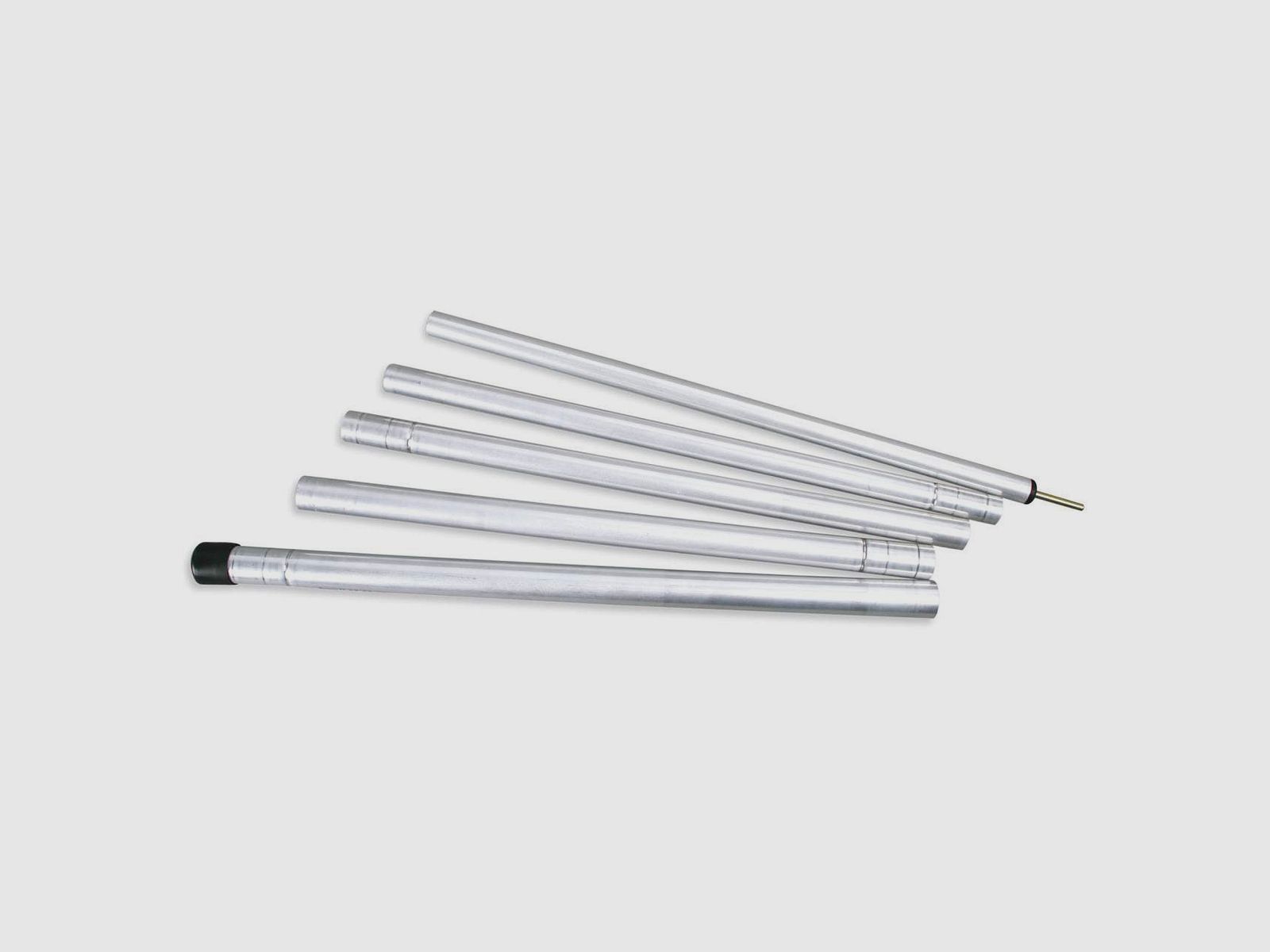
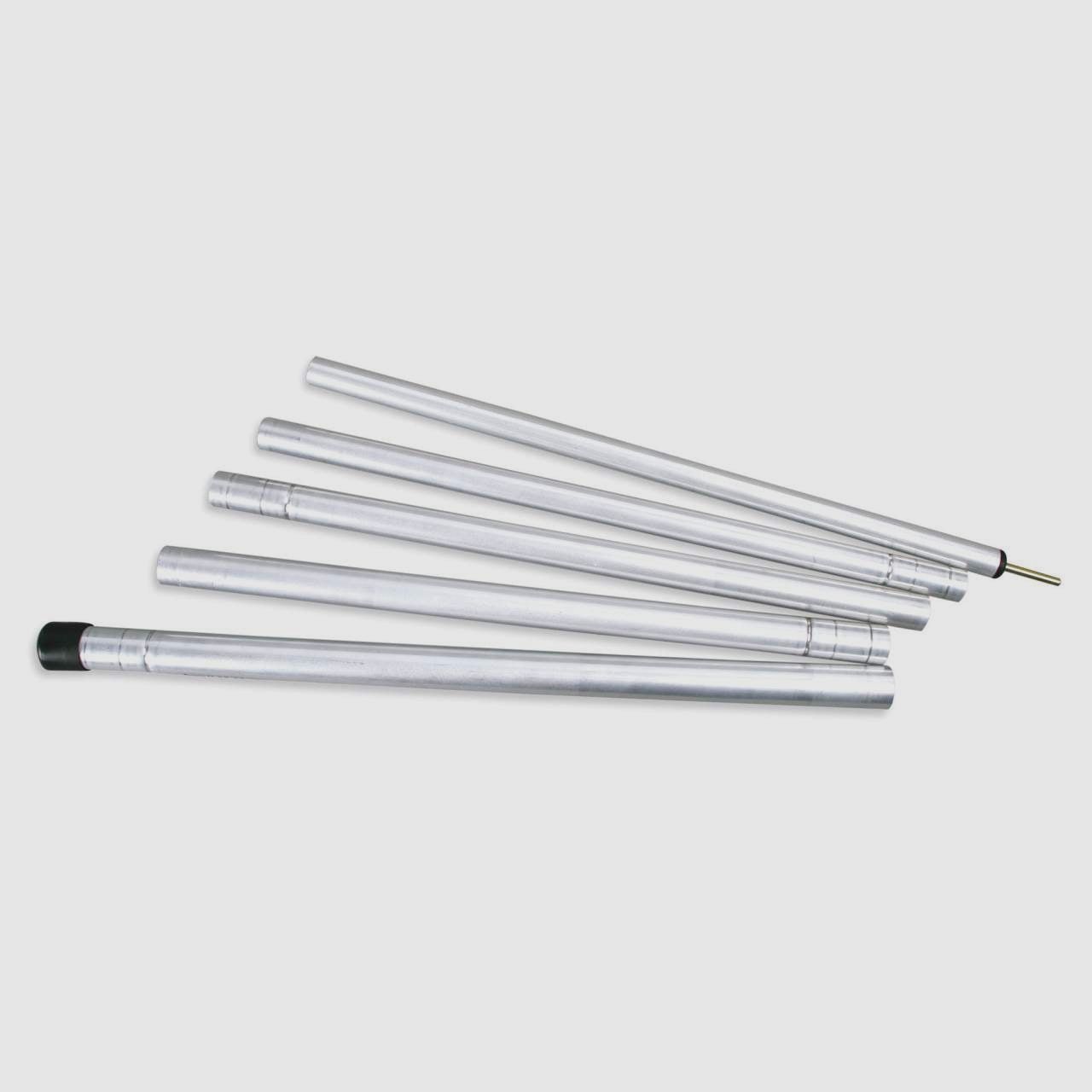
Tatonka Tarp Pole – Support Pole for Tarps (160–220 cm)
72479 Straßberg, Germany
3
ID: 9894719
Shop safely with Gunfinder
Our AI-powered seller identity verification makes Gunfinder the safest marketplace online.
Learn more
Details
- Original language
- German
- Brand
- Tatonka
- Condition
- New
- Location
- 🇩🇪 72479 Straßberg, Germany
- Availability
- In stock
Freshness
This listing is based on a mirrored offer, where the listing data was synced to us from a shop, dealer, or external marketplace. Please note that temporary price discrepancies may occur due to possible delays in data transmission.
- Source
- Black Raptor
- Last updated
- about 6 hours ago
Description
Note:
The item is located abroad. Please note that delivery conditions, shipping times, and/or the purchase process may differ.
Black Raptor Buying Guide
Tatonka Tarp Pole – 160, 180 or 220 cm
A simple aluminum support pole for tarps and sun sails when trees or fixed anchor points are missing. The right length determines headroom, wind exposure, and guy line angles.
Fits well / fits rather not
Fits well
for open spots without suitable trees
as entrance, ridge, or side support
for camping, vanlife, and bushcraft shelters
Fits rather not
if you expect a telescopic fine adjustment in millimeters
for unsecured use in strong wind
if packed size is more important than defined setup height
Which length?
160 cm Low setup, less wind exposure, and suitable for compact shelters or side guying.
180 cm Good middle ground for many seating and entrance situations when 160 cm is too low and 220 cm unnecessarily high.
220 cm More headroom and steeper entrance, but greater leverage in wind and higher demands on guying.
Aluminum Robust and straightforward for regular camp use; the pole remains a support point, not a self-supporting structure.
Limits, disadvantages & avoiding bad purchases
Taller is not automatically better. A 220 cm pole creates space but increases the tarp’s wind exposure. For low, weatherproof setups, 160 cm can be more sensible. Guy lines, pegs, and tarp are not automatically included with this item.
Technical data with practical interpretation
Material Aluminum – robust with moderate weight.
Variant 160 cm for low, wind-favorable setups.
Variant 180 cm universal intermediate height.
Variant 220 cm for maximum headroom and tall entrances.
Use Tarp, sun sail, shelter – not to be understood as a universal tent pole.
Selection Choose according to desired setup height, not by “bigger = better.”
Contents
1 × Tatonka Tarp Pole in the chosen length.
Safe use
Place pole on a stable surface, tension tarp evenly, and lead guy lines to minimize tripping hazards. Reduce setup height or take down shelter in strong wind.
FAQ
Which length is the most universal? 180 cm is the middle ground. For lots of headroom 220 cm, for lower and wind-favorable setups 160 cm. Is the pole suitable for every tarp? It is intended for typical tarp and shelter setups. Crucial is that the eyelet
or tie-out point of the tarp to fit the pole attachment. Are guy lines included? The existing scope of delivery only mentions the tarp pole. BR classification: Purchase based on setup height. 220 cm provides comfort, 160 cm stability reserve for low setups, and 180 cm is the pragmatic middle ground. (Show description in original language)
.br-product-v3{font-family:Arial,Helvetica,sans-serif;line-height:1.65;color:#1e293b;max-width:1180px;margin:0 auto}.br-product-v3 *{box-sizing:border-box}.br-hero-v3{background:#10151d;color:#f8fafc;padding:28px;border-radius:14px;margin:0 0 22px}.br-hero-v3 .br-kicker{font-size:.78rem;letter-spacing:.08em;text-transform:uppercase;color:#cbd5e1;margin-bottom:8px}.br-hero-v3 .br-title{font-size:1.55rem;font-weight:800;line-height:1.2;margin:0 0 10px}.br-hero-v3 p{margin:0;color:#e2e8f0}.br-section-title{font-size:1.12rem;font-weight:800;margin:26px 0 12px;color:#111827}.br-grid{display:grid;grid-template-columns:repeat(2,minmax(0,1fr));gap:12px}.br-box,.br-card{border:1px solid #dbe3ec;border-radius:12px;padding:16px;background:#fff}.br-fit-good{border-left:5px solid #2f855a}.br-fit-no{border-left:5px solid #b45309}.br-warning{border-left:5px solid #b91c1c;background:#fff7f7}.br-specs{display:grid;grid-template-columns:repeat(2,minmax(0,1fr));gap:10px}.br-spec{padding:12px;border:1px solid #e2e8f0;border-radius:10px;background:#f8fafc}.br-spec b{display:block;color:#111827;margin-bottom:3px}.br-product-v3 ul{margin:8px 0 0;padding-left:19px}.br-product-v3 li{margin:4px 0}.br-product-v3 details{border-top:1px solid #e5e7eb;padding:11px 0}.br-product-v3 summary{font-weight:700;cursor:pointer}.br-final{margin-top:24px;padding:18px;border-radius:12px;background:#eef2f7;color:#111827;font-weight:700}@media(max-width:720px){.br-grid,.br-specs{grid-template-columns:1fr}.br-hero-v3{padding:20px}.br-product-v3{overflow-wrap:anywhere}}
Black Raptor Kaufberatung
Tatonka Tarp-Stange – 160, 180 oder 220 cm
Eine einfache Aluminium-Aufstellstange für Tarps und Sonnensegel, wenn Bäume oder feste Anschlagpunkte fehlen. Die richtige Länge bestimmt Kopffreiheit, Windangriffsfläche und Abspannwinkel.
Passt gut / passt eher nicht
Passt gut
für freie Stellflächen ohne geeignete Bäume
als Eingang-, First- oder Seitenstütze
für Camping, Vanlife und Bushcraft-Shelter
Passt eher nicht
wenn du eine teleskopische Millimeter-Feinverstellung erwartest
für ungesicherte Nutzung bei starkem Wind
wenn Packmaß wichtiger ist als definierte Aufbauhöhe
Welche Länge?
160 cm Niedriger Aufbau, weniger Windangriffsfläche und sinnvoll für kompakte Shelter oder Seitenabspannung.
180 cm Guter Mittelweg für viele Sitz- und Eingangssituationen, wenn 160 cm zu niedrig und 220 cm unnötig hoch sind.
220 cm Mehr Kopffreiheit und steilerer Eingang, dafür bei Wind größere Hebelwirkung und höhere Anforderungen an Abspannung.
Aluminium Robust und unkompliziert für regelmäßigen Camp-Einsatz; die Stange bleibt ein Stützpunkt, keine selbsttragende Konstruktion.
Grenzen, Nachteile & Fehlkauf vermeiden
Höher ist nicht automatisch besser. Eine 220-cm-Stange schafft Platz, erhöht aber die Windangriffsfläche des Tarps. Für niedrige, wetterfeste Setups kann 160 cm sinnvoller sein. Leinen, Heringe und Tarp sind nicht automatisch Teil dieses Artikels.
Technische Daten mit Praxisdeutung
Material Aluminium – robust bei moderatem Gewicht.
Variante 160 cm für niedrige, windgünstigere Aufbauten.
Variante 180 cm universelle Zwischenhöhe.
Variante 220 cm für maximale Kopffreiheit und hohe Eingänge.
Einsatz Tarp, Sonnensegel, Shelter – nicht als universeller Zeltmast verstehen.
Auswahl Nach gewünschter Aufbauhöhe wählen, nicht nach „größer = besser“.
Lieferumfang
1 × Tatonka Tarp-Stange in der gewählten Länge.
Sichere Anwendung
Stange auf tragfähigem Untergrund setzen, Tarp gleichmäßig abspannen und Leinen so führen, dass Stolperstellen minimiert werden. Bei starkem Wind Aufbauhöhe reduzieren oder Shelter abbauen.
FAQ
Welche Länge ist am universellsten? 180 cm ist der Mittelweg. Für viel Kopffreiheit 220 cm, für niedrigere und windgünstigere Setups 160 cm. Ist die Stange für jedes Tarp geeignet? Sie ist für typische Tarp- und Shelter-Aufbauten gedacht. Entscheidend ist, dass Öse oder Abspannpunkt des Tarps zur Stangenaufnahme passen. Sind Leinen enthalten? Im vorhandenen Lieferumfang wird nur die Tarp-Stange genannt. BR-Einordnung: Kauf nach Aufbauhöhe. 220 cm liefert Komfort, 160 cm Stabilitätsreserve bei niedrigen Setups und 180 cm ist der pragmatische Mittelweg.
Black Raptor Kaufberatung
Tatonka Tarp-Stange – 160, 180 oder 220 cm
Eine einfache Aluminium-Aufstellstange für Tarps und Sonnensegel, wenn Bäume oder feste Anschlagpunkte fehlen. Die richtige Länge bestimmt Kopffreiheit, Windangriffsfläche und Abspannwinkel.
Passt gut / passt eher nicht
Passt gut
für freie Stellflächen ohne geeignete Bäume
als Eingang-, First- oder Seitenstütze
für Camping, Vanlife und Bushcraft-Shelter
Passt eher nicht
wenn du eine teleskopische Millimeter-Feinverstellung erwartest
für ungesicherte Nutzung bei starkem Wind
wenn Packmaß wichtiger ist als definierte Aufbauhöhe
Welche Länge?
160 cm Niedriger Aufbau, weniger Windangriffsfläche und sinnvoll für kompakte Shelter oder Seitenabspannung.
180 cm Guter Mittelweg für viele Sitz- und Eingangssituationen, wenn 160 cm zu niedrig und 220 cm unnötig hoch sind.
220 cm Mehr Kopffreiheit und steilerer Eingang, dafür bei Wind größere Hebelwirkung und höhere Anforderungen an Abspannung.
Aluminium Robust und unkompliziert für regelmäßigen Camp-Einsatz; die Stange bleibt ein Stützpunkt, keine selbsttragende Konstruktion.
Grenzen, Nachteile & Fehlkauf vermeiden
Höher ist nicht automatisch besser. Eine 220-cm-Stange schafft Platz, erhöht aber die Windangriffsfläche des Tarps. Für niedrige, wetterfeste Setups kann 160 cm sinnvoller sein. Leinen, Heringe und Tarp sind nicht automatisch Teil dieses Artikels.
Technische Daten mit Praxisdeutung
Material Aluminium – robust bei moderatem Gewicht.
Variante 160 cm für niedrige, windgünstigere Aufbauten.
Variante 180 cm universelle Zwischenhöhe.
Variante 220 cm für maximale Kopffreiheit und hohe Eingänge.
Einsatz Tarp, Sonnensegel, Shelter – nicht als universeller Zeltmast verstehen.
Auswahl Nach gewünschter Aufbauhöhe wählen, nicht nach „größer = besser“.
Lieferumfang
1 × Tatonka Tarp-Stange in der gewählten Länge.
Sichere Anwendung
Stange auf tragfähigem Untergrund setzen, Tarp gleichmäßig abspannen und Leinen so führen, dass Stolperstellen minimiert werden. Bei starkem Wind Aufbauhöhe reduzieren oder Shelter abbauen.
FAQ
Welche Länge ist am universellsten? 180 cm ist der Mittelweg. Für viel Kopffreiheit 220 cm, für niedrigere und windgünstigere Setups 160 cm. Ist die Stange für jedes Tarp geeignet? Sie ist für typische Tarp- und Shelter-Aufbauten gedacht. Entscheidend ist, dass Öse oder Abspannpunkt des Tarps zur Stangenaufnahme passen. Sind Leinen enthalten? Im vorhandenen Lieferumfang wird nur die Tarp-Stange genannt. BR-Einordnung: Kauf nach Aufbauhöhe. 220 cm liefert Komfort, 160 cm Stabilitätsreserve bei niedrigen Setups und 180 cm ist der pragmatische Mittelweg.