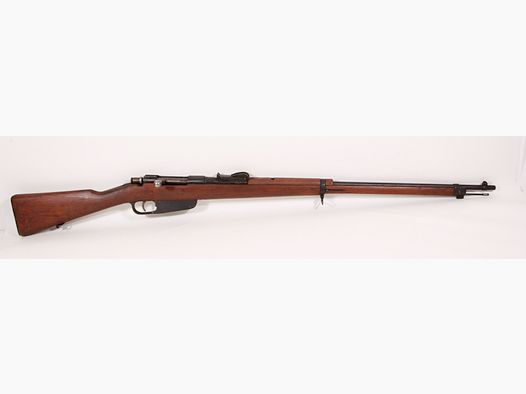
MOSIN M91/30 bolt-action rifle cal. 7,62x53R/54R
≈ $555
Price at the dealer: 2,190 zł. Converted at the ECB rate as of October 27, 2026.
Purchase permit required
60-783 Poznań, Poland
0
ID: 10999303
Purchase from outside the EU: The firearm goes through an importer in your country, the dealer handles the export.
How buying from Europe works
Shop safely with Gunfinder
Our AI-powered seller identity verification makes Gunfinder the safest marketplace online.
Learn more
Details
- Original language
- Polish
- Category
- Purchase eligibility
- Required
- Caliber
- 7,62x53R
- Condition
- New
- Location
- 🇵🇱 60-783 Poznań, Poland
- Availability
- In stock
Freshness
This listing is based on a mirrored offer, where the listing data was synced to us from a shop, dealer, or external marketplace. Please note that temporary price discrepancies may occur due to possible delays in data transmission.
- Source
- Sklep AstroClassic.pl
- Last updated
- about 10 hours ago
Description
Note:
The item is located abroad. Please note that delivery conditions, shipping times, and/or the purchase process may differ.
Rok produkcji: 1942
Producent: Iżewsk
Stan lufy: 4
Stan osady: 3
Stan oksydy: 3
O tym modelu Mosina
Karabin kapitana Siergieja Mosina kal. 7,62 wszedł oficjalnie na uzbrojenie armii carskiej w 1891 roku, jako broń „trzyliniowa obrazca 1891” / 1 linia = 2,54 mm ; trzy linie 7,62 mm/ Nazwisko konstruktora przy broni pojawiło się później. Przy opracowaniu broni Mosin korzystał z doświadczeń belgijskiego inżyniera Naganta, stąd nierzadko spotyka się oznaczenie Mosin/Nagant. Pierwsze modele nie miały nakładki na lufie. Oprócz wersji dla piechoty (z lufą długości 800 mm) produkowano modele dragoński /czyli strzelców konnych/ i kozacki, z lufami o długości 730 mm. Różniły się one także sposobem mocowania pasa, ułatwiającym jazdę konną, z bronią przewieszoną przez plecy. Karabin „kozacki” miał litery „KAZ” wybite na ramce celownika oraz stopce kolby i był przystrzelany bez bagnetu. W 1910 roku pojawiły się wzory z nakładką i nieco zmienionym celownikiem Konowałowa. Konieczność przyjęcia nowego celownika wynikała ze zmiany amunicji, mianowicie stary, tępogłowicowy pocisk zastał zastąpiony nabojem wz. 1908 o lepszych parametrach balistycznych, co wymuszało zmianę nastaw.
W 1907 roku opracowano i wdrożono karabinek wz. 1907, z lufą o długości 508 mm. Po rewolucji podjęto tylko produkcję wersji dragońskiej, dokonując następnie drobnych modyfikacji w 1930 roku. Zmiany miały ułatwić produkcję wielkoseryjną. W tym też roku opracowano model snajperski, z lunetami PU lub PE ( powiększenie 3,5 lub 4 x). W 1938 roku pojawił się karabinek tego wzoru, bez bagnetu, a w 1944 roku ostatni model Mosina, z bagnetem stałym, składanym wzdłuż lufy, z prawej strony.
Przy tym konkretnych egzemplarzach dopisek:
Produkcja wojenna cechowała się nieco gorszym, uproszczonym wykończeniem, widać to m.in. po komorze zamkowej.