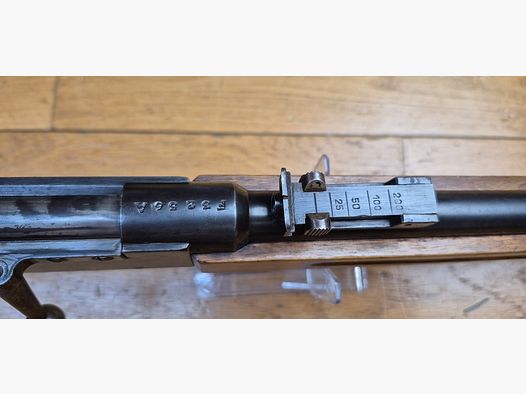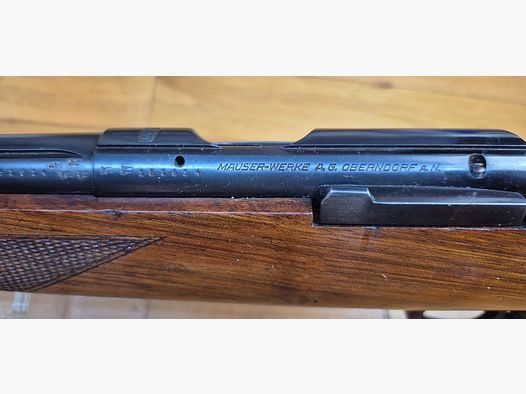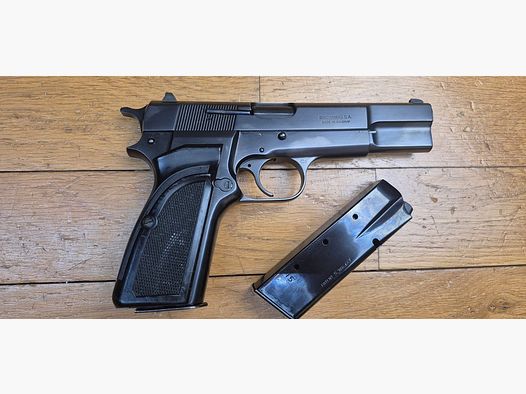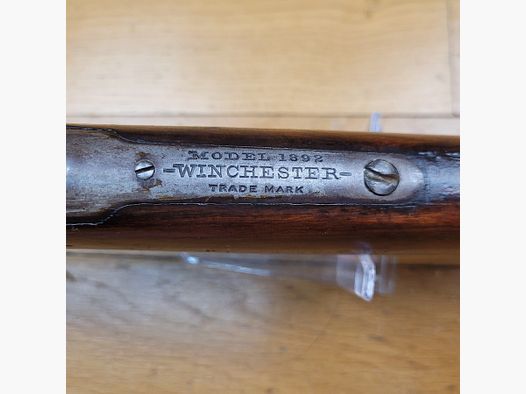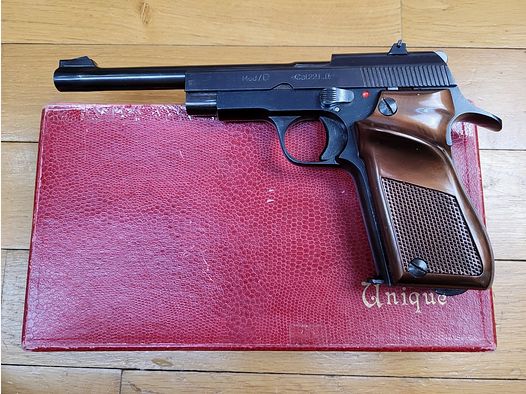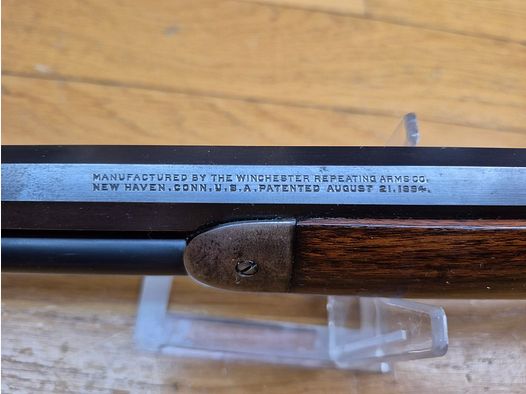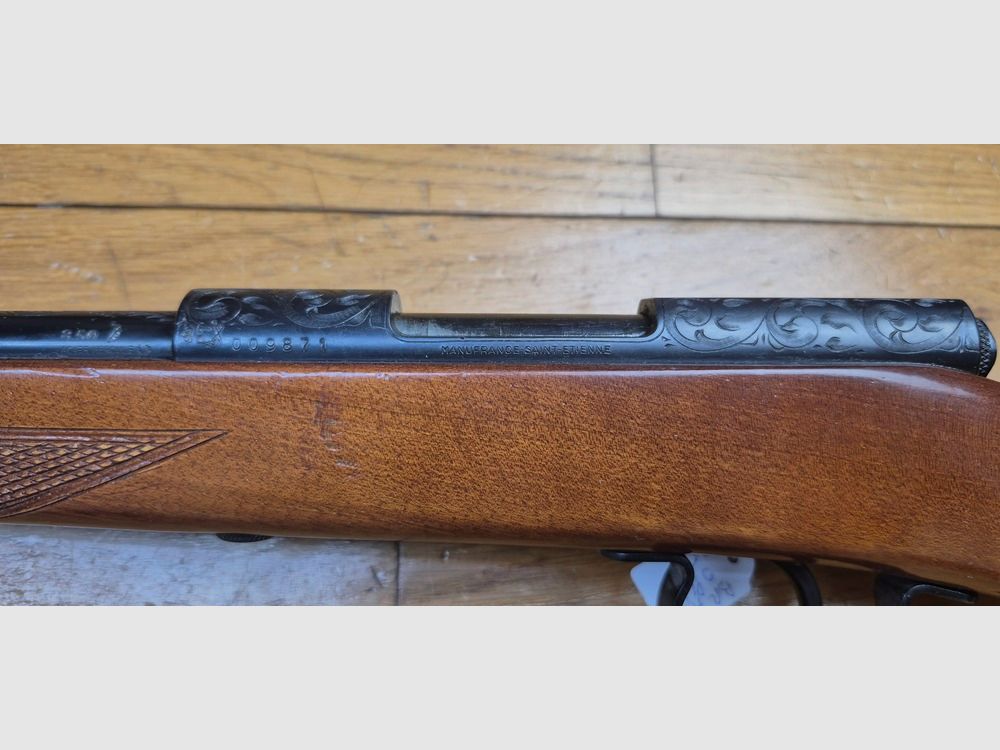

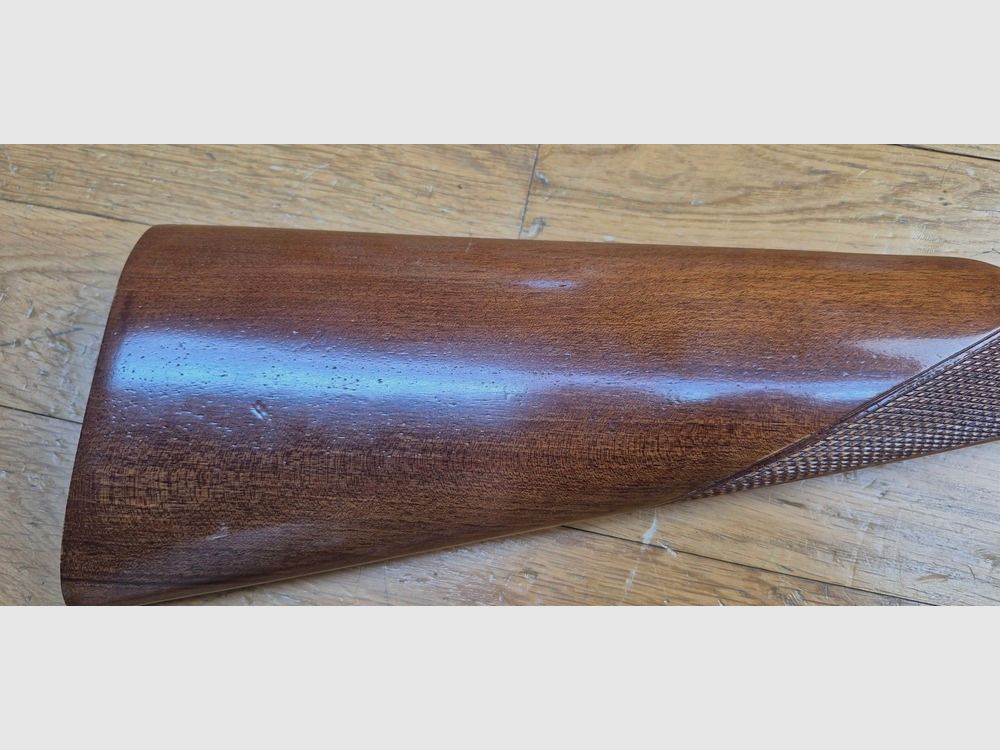
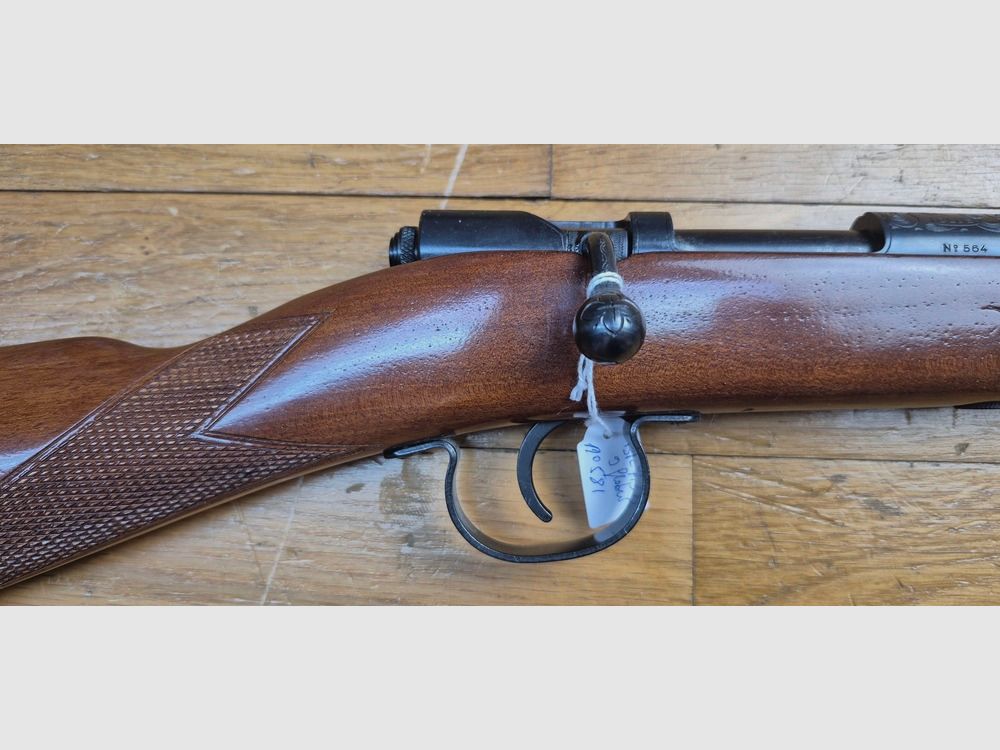
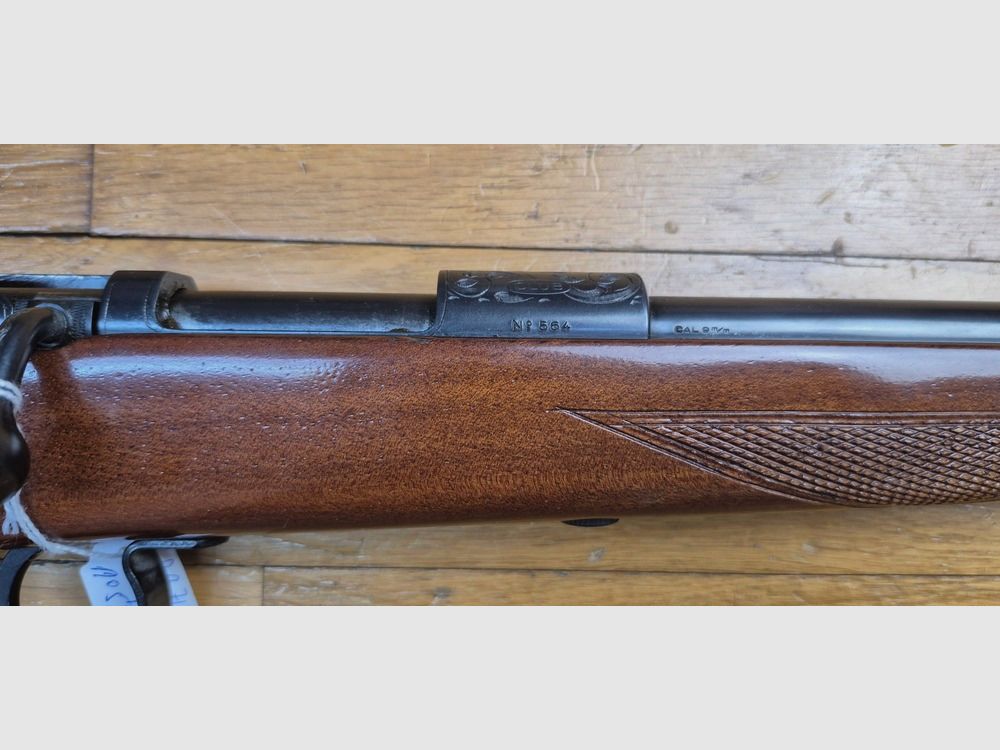
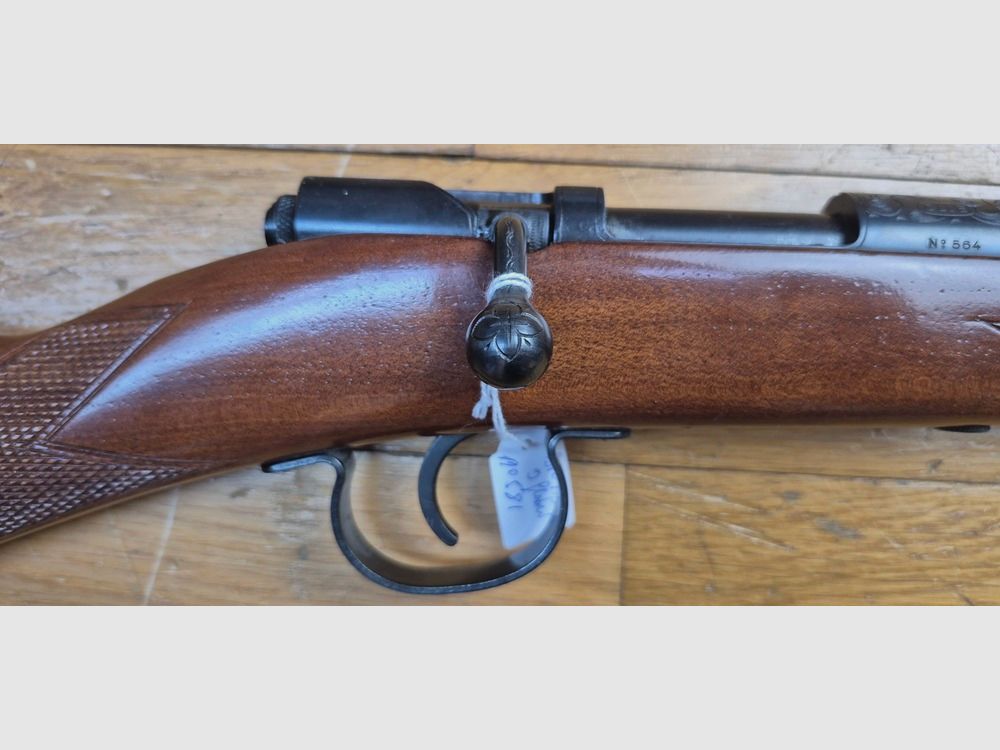

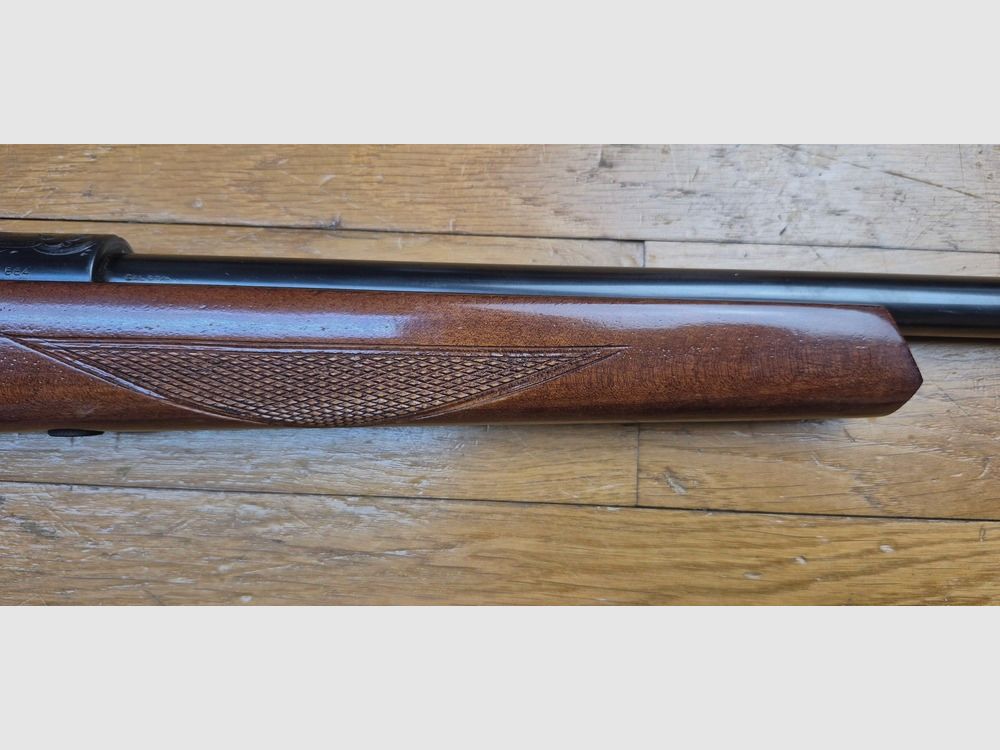


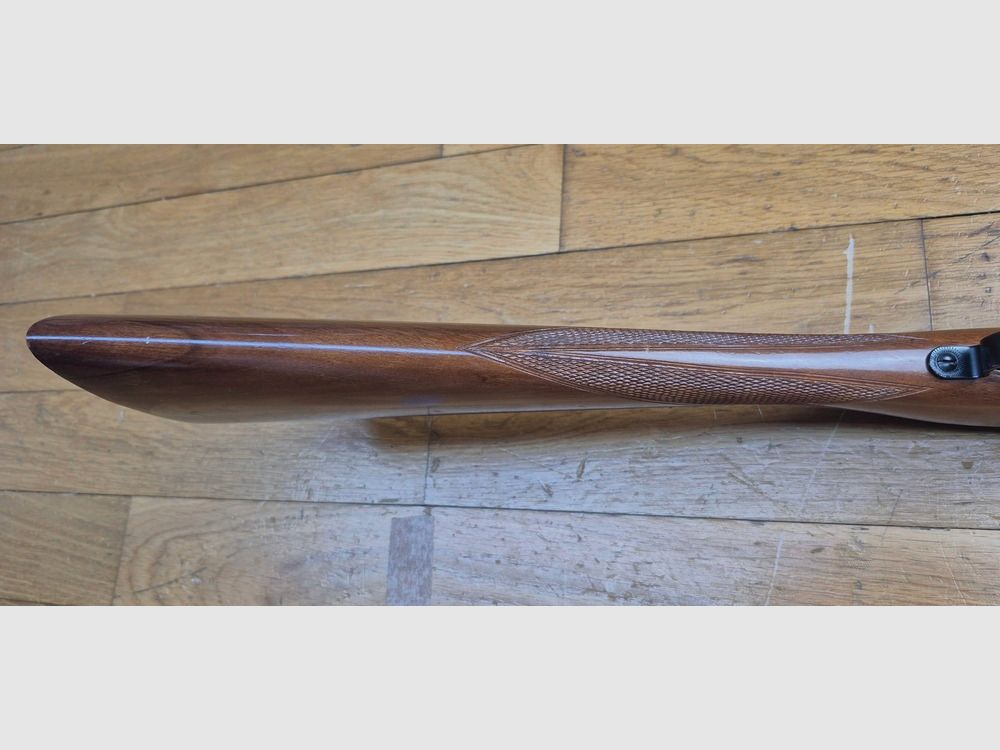
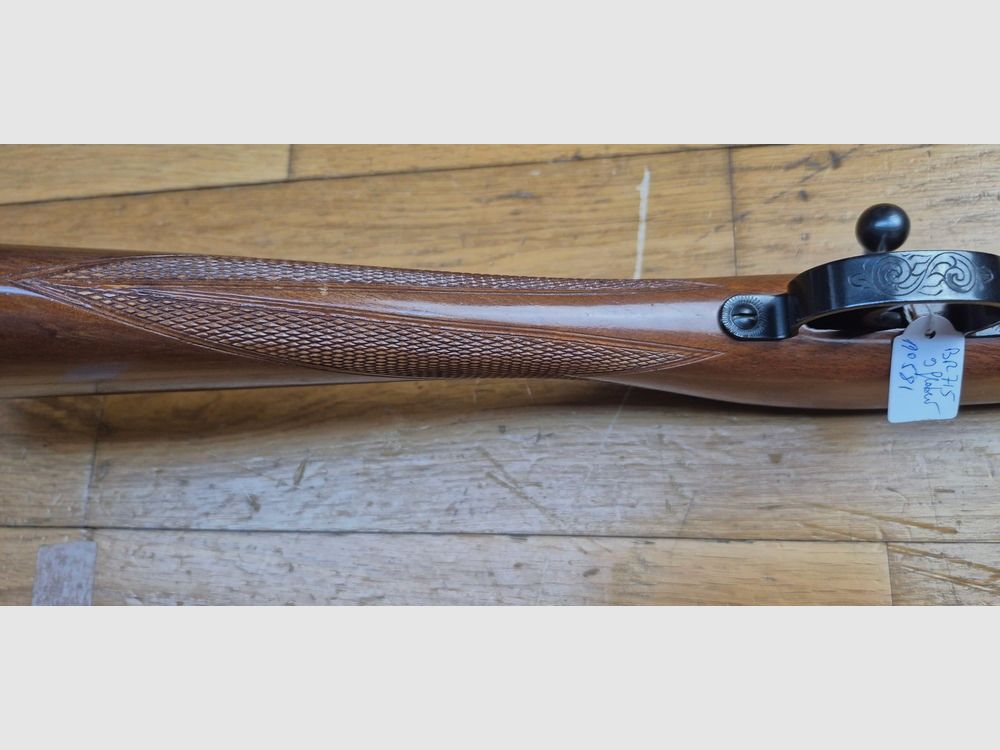


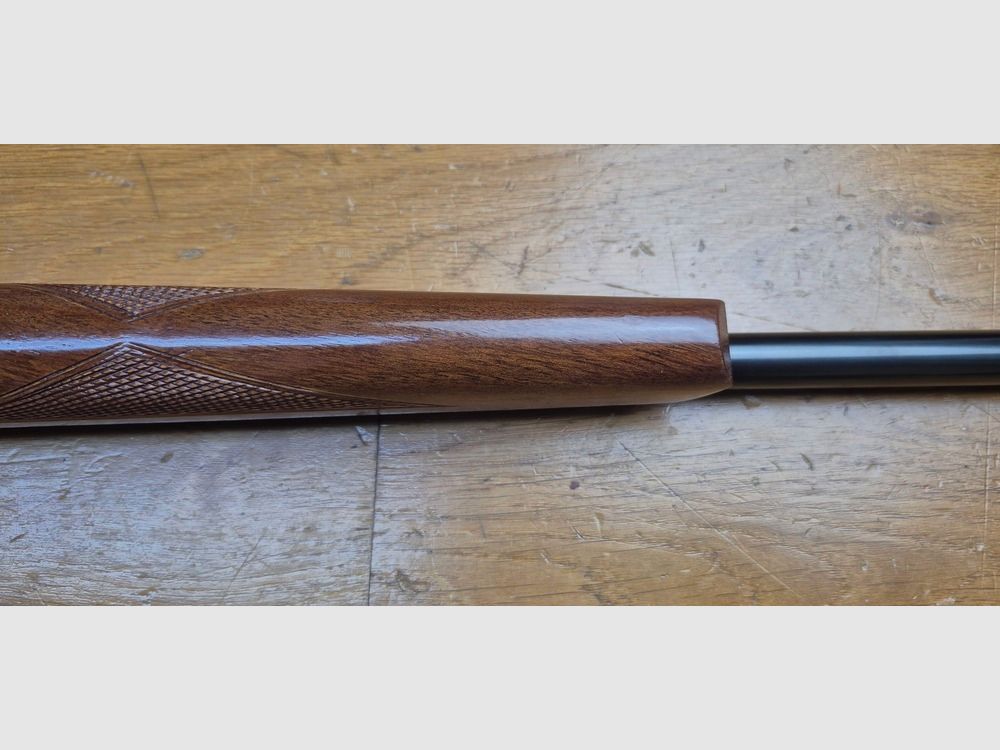
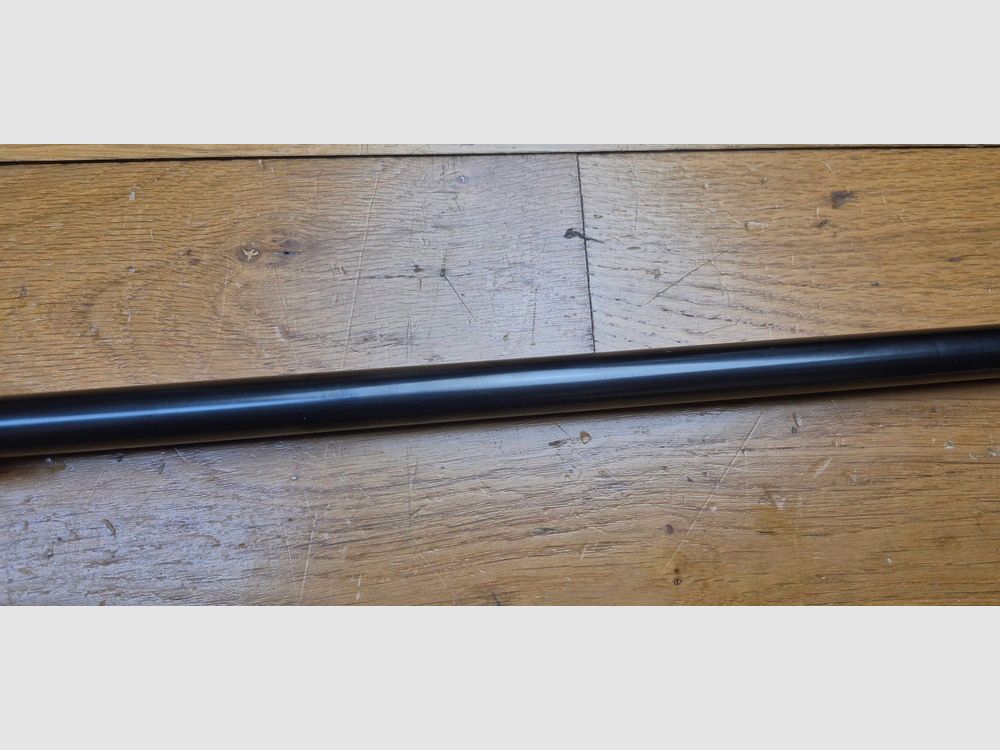
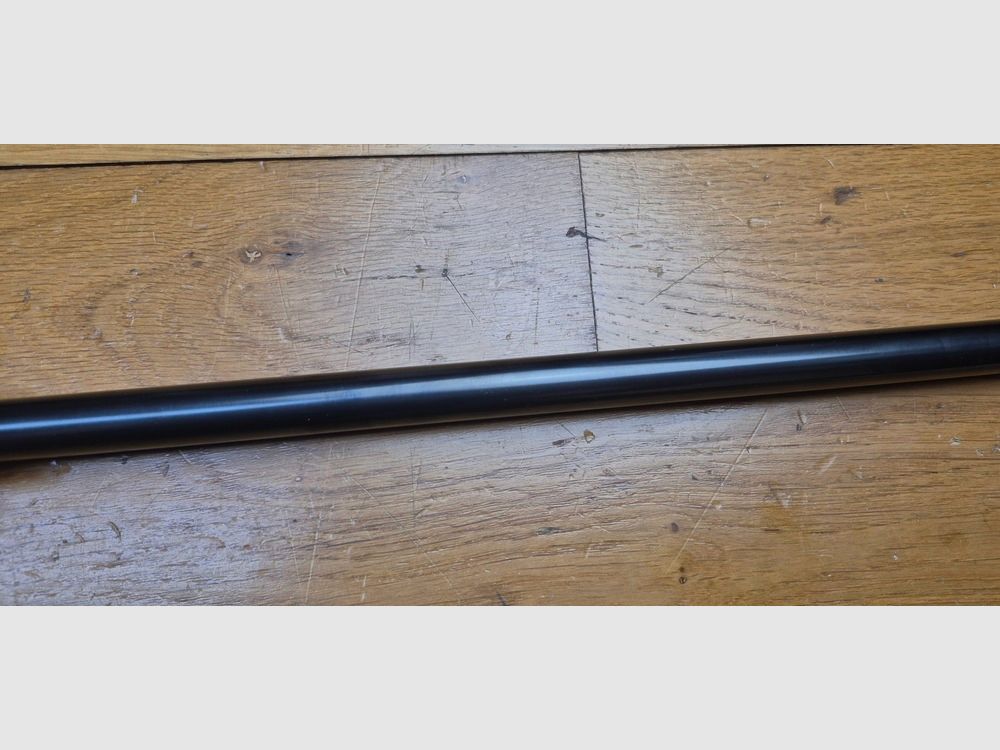
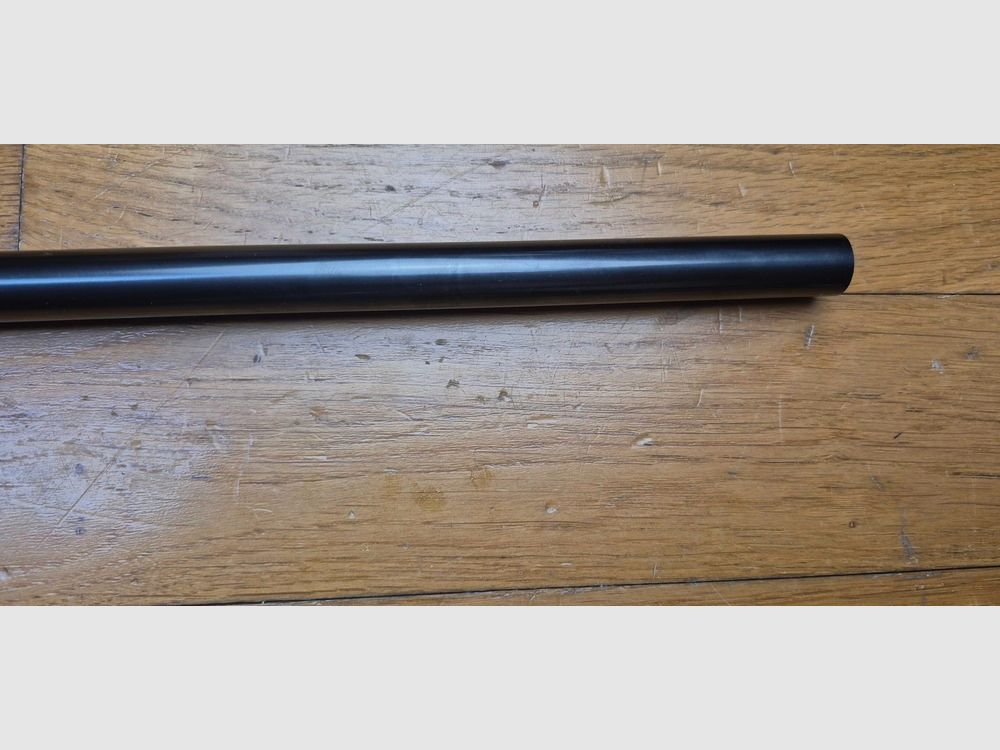
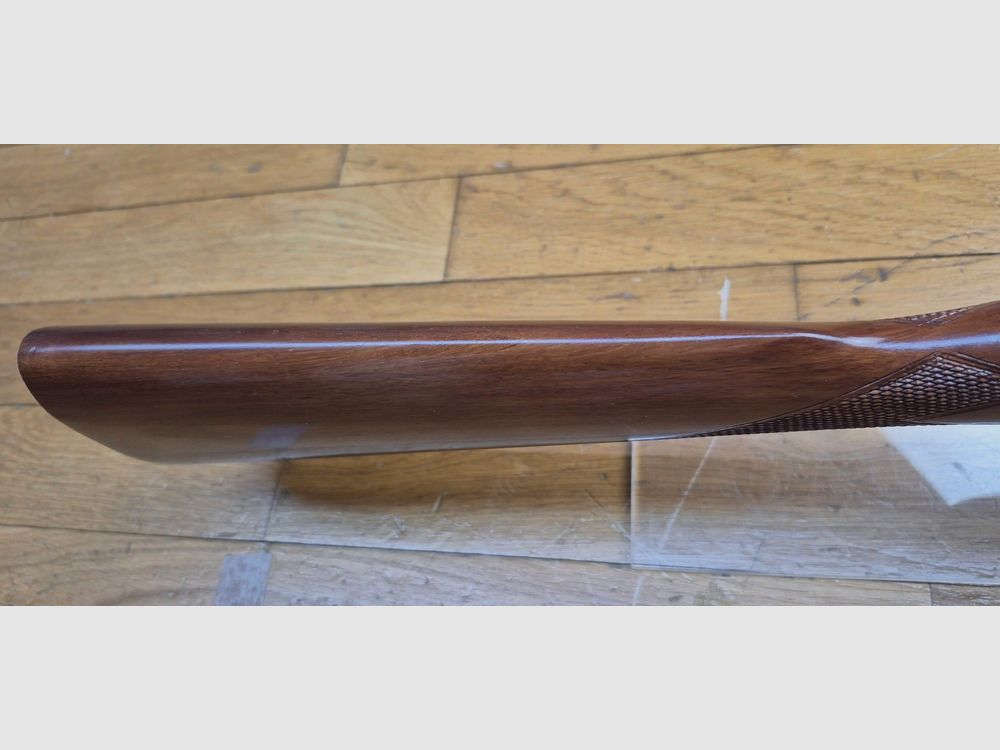
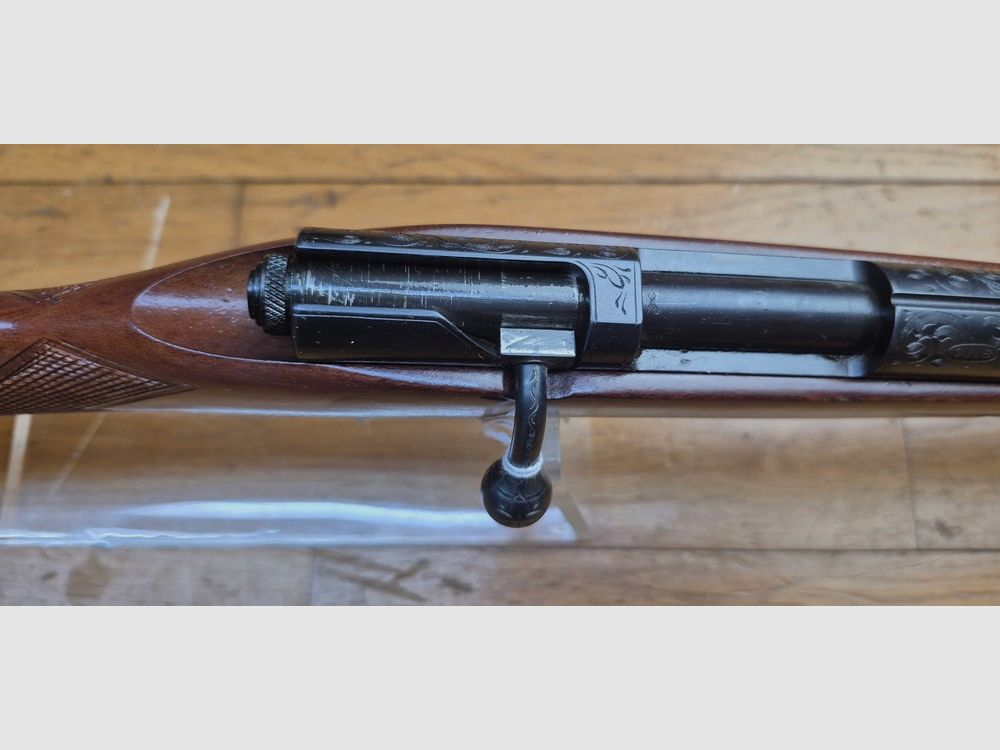
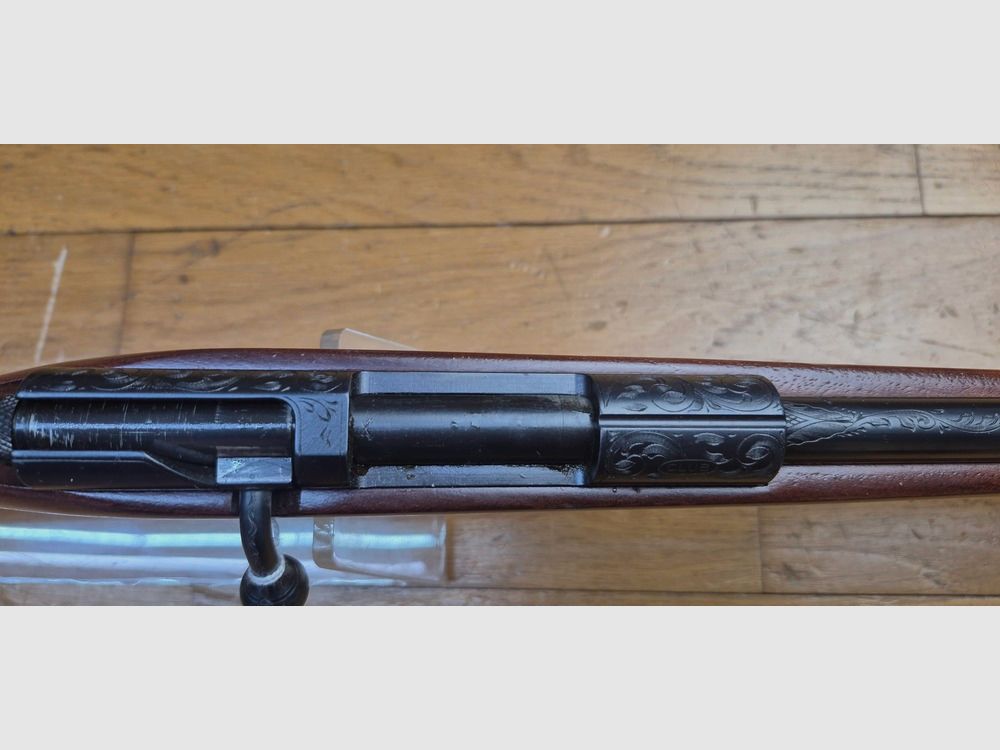


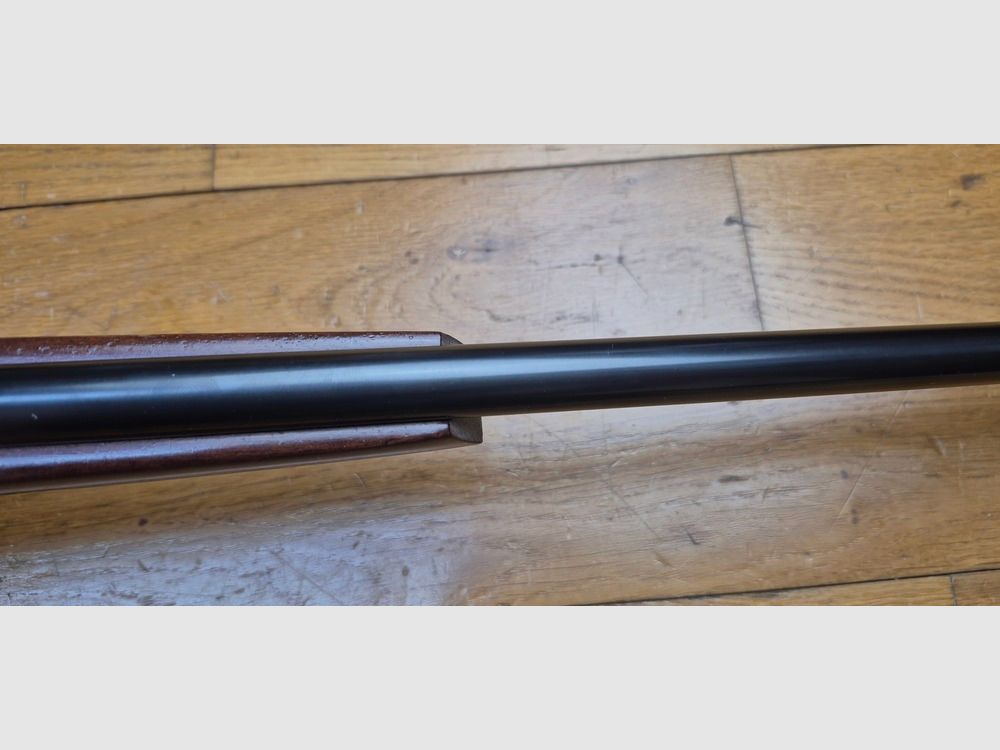
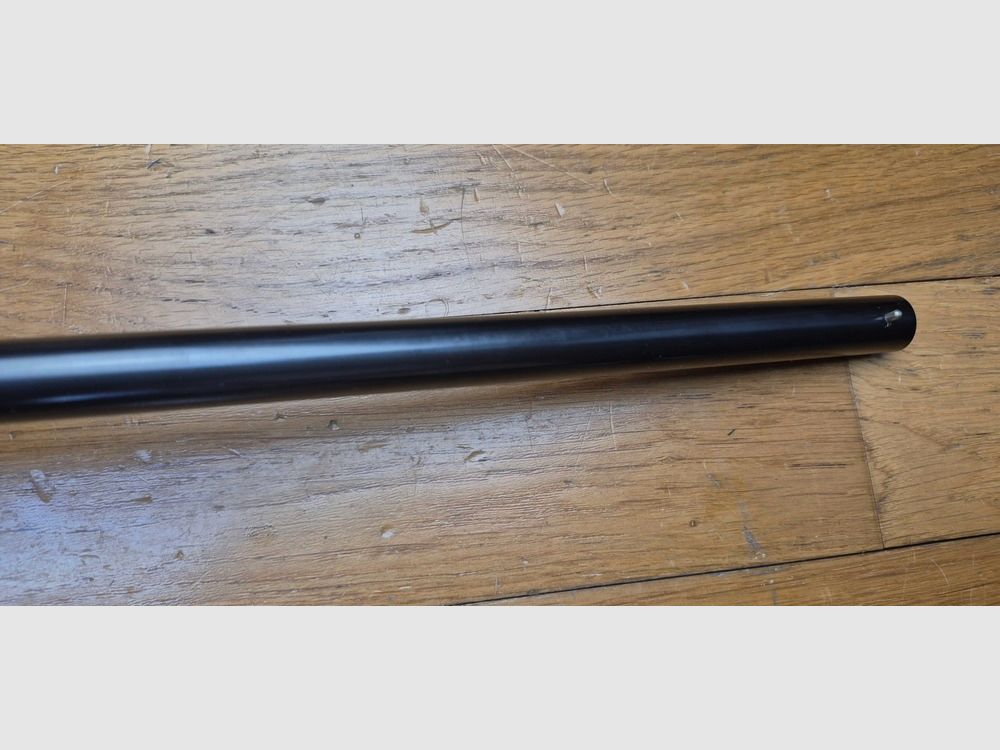


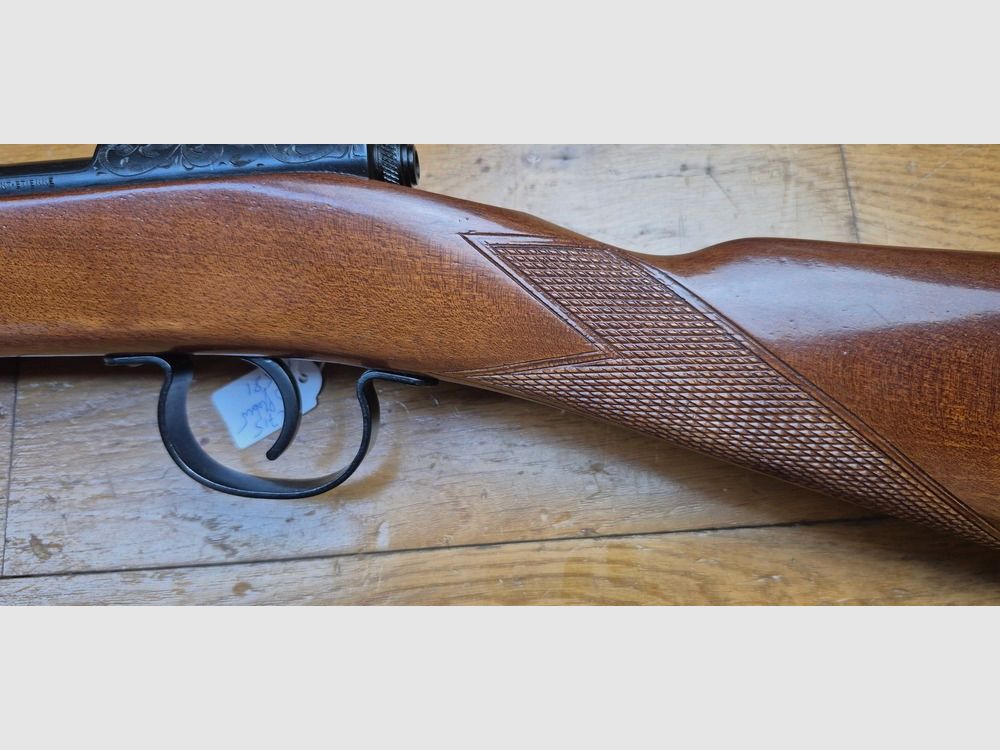

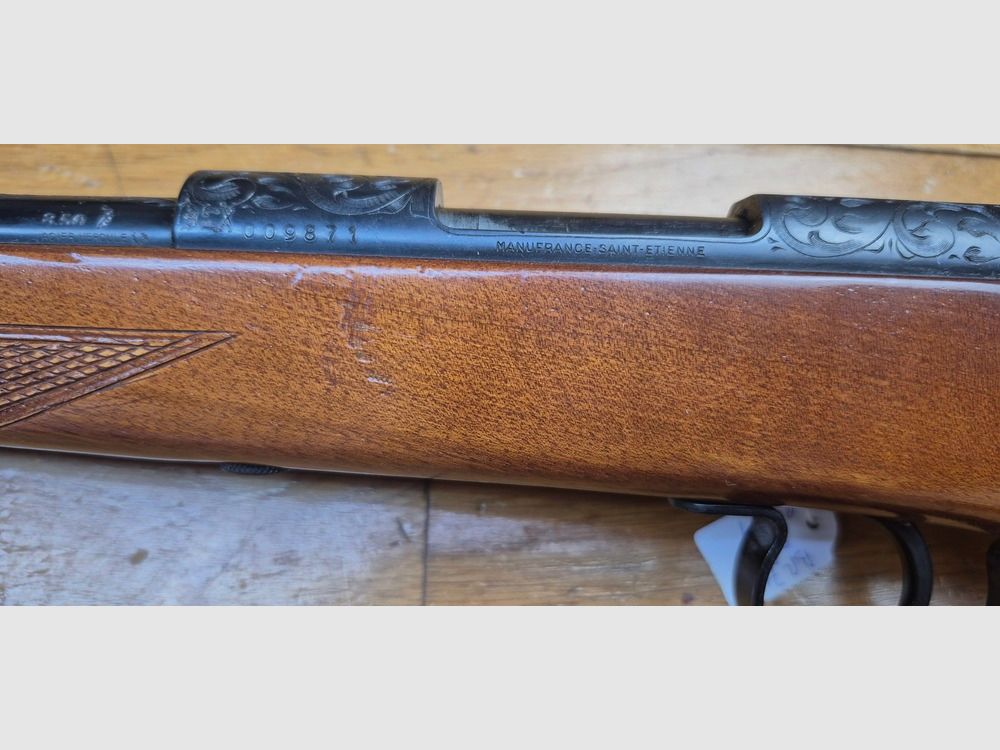
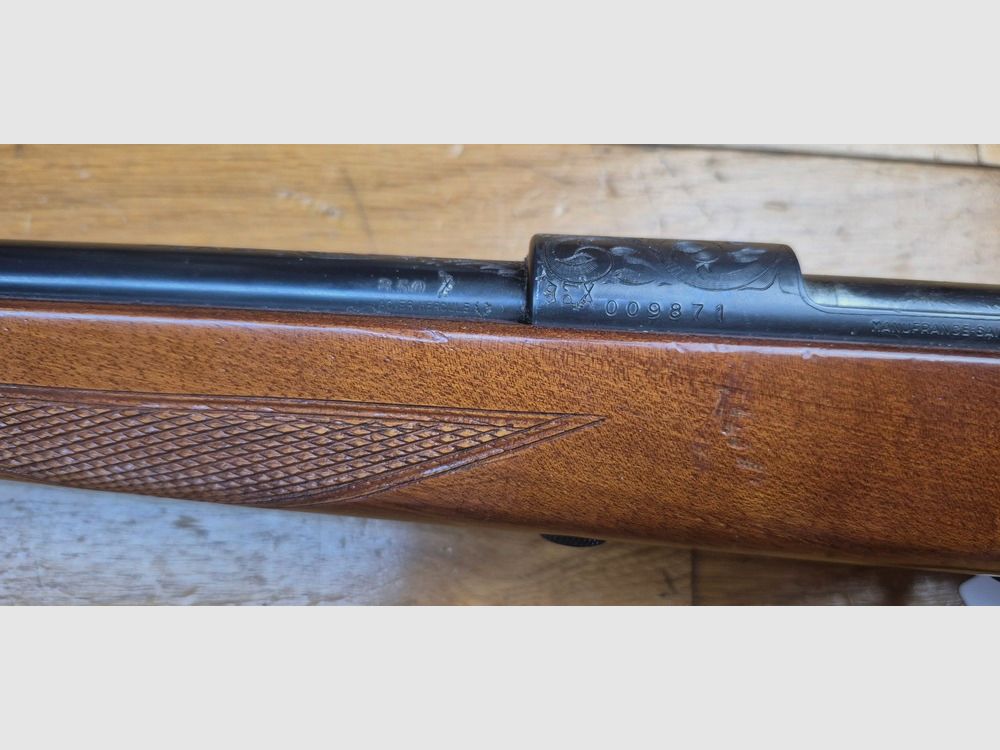

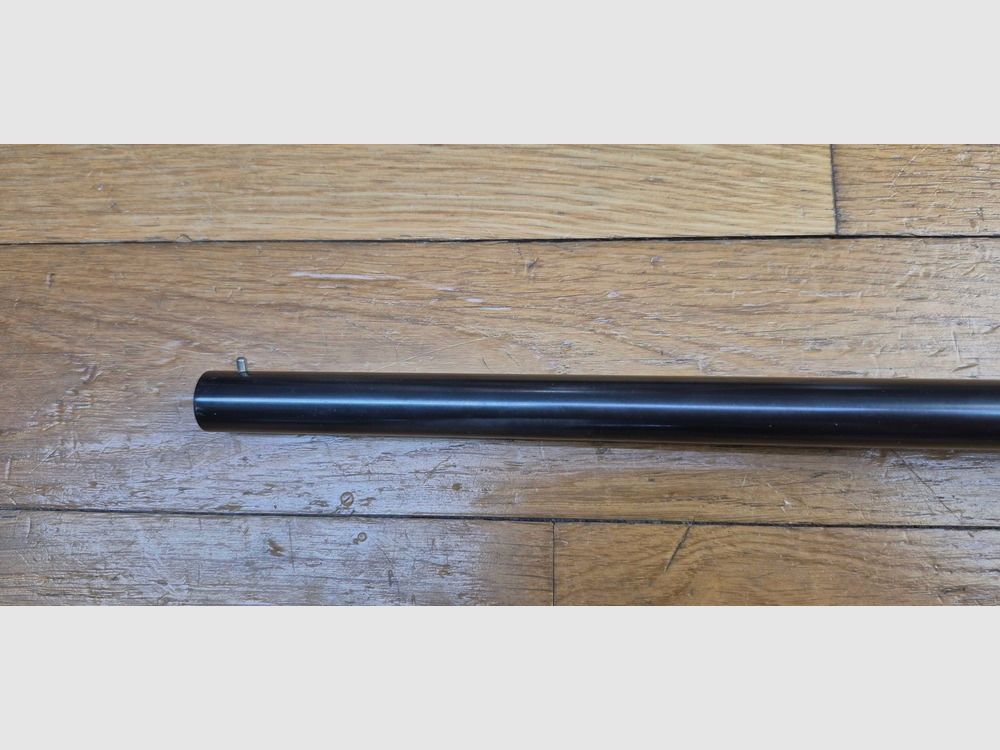


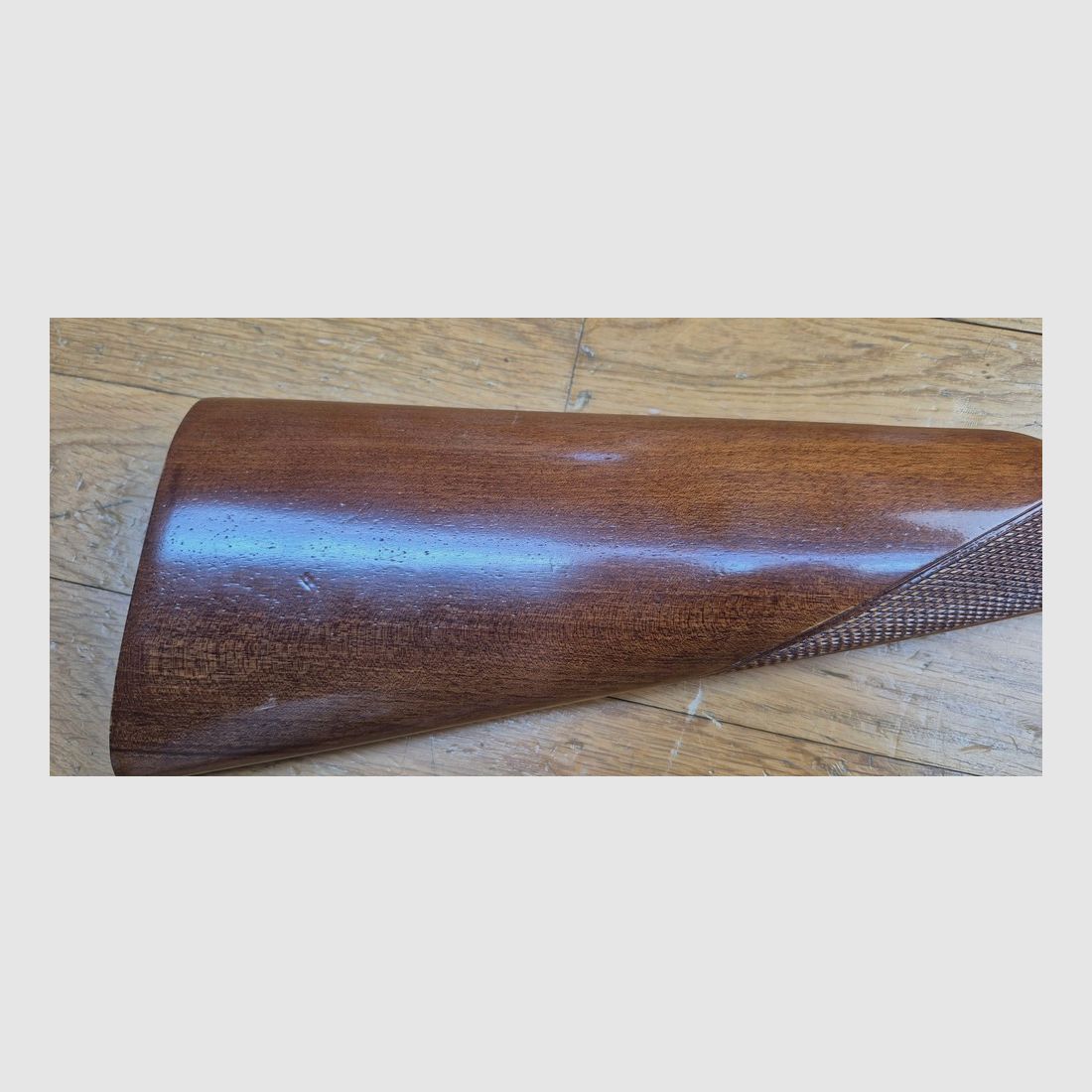


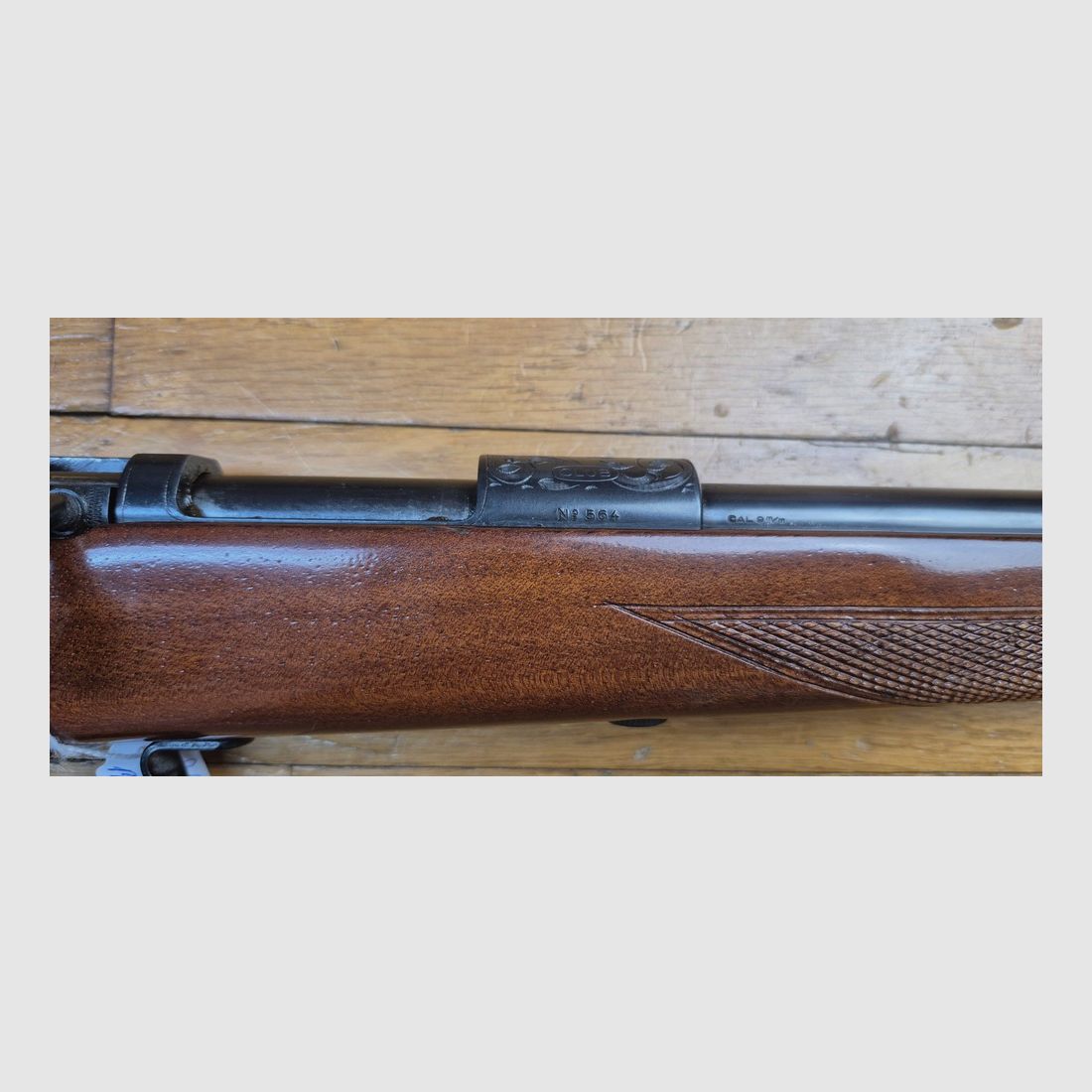

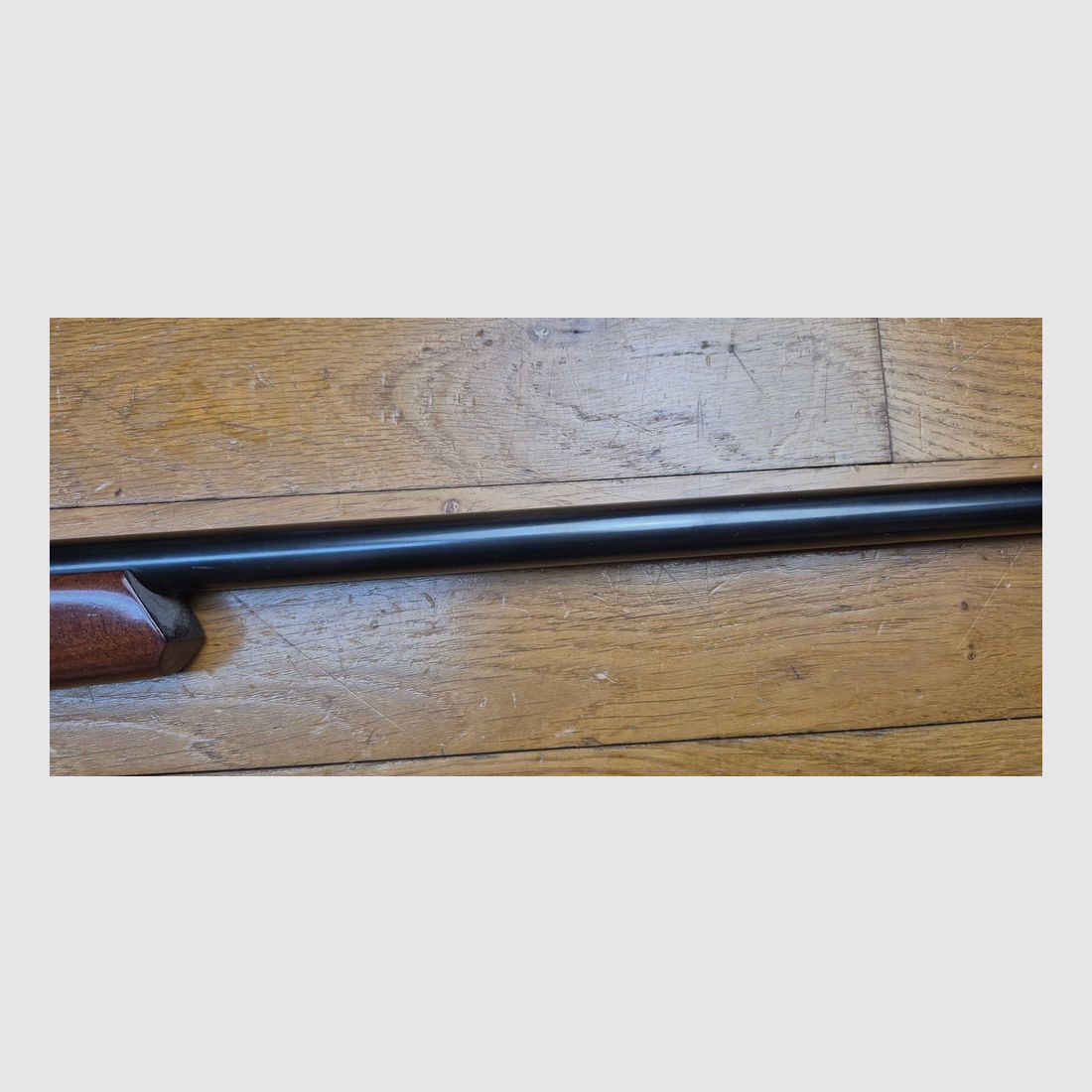
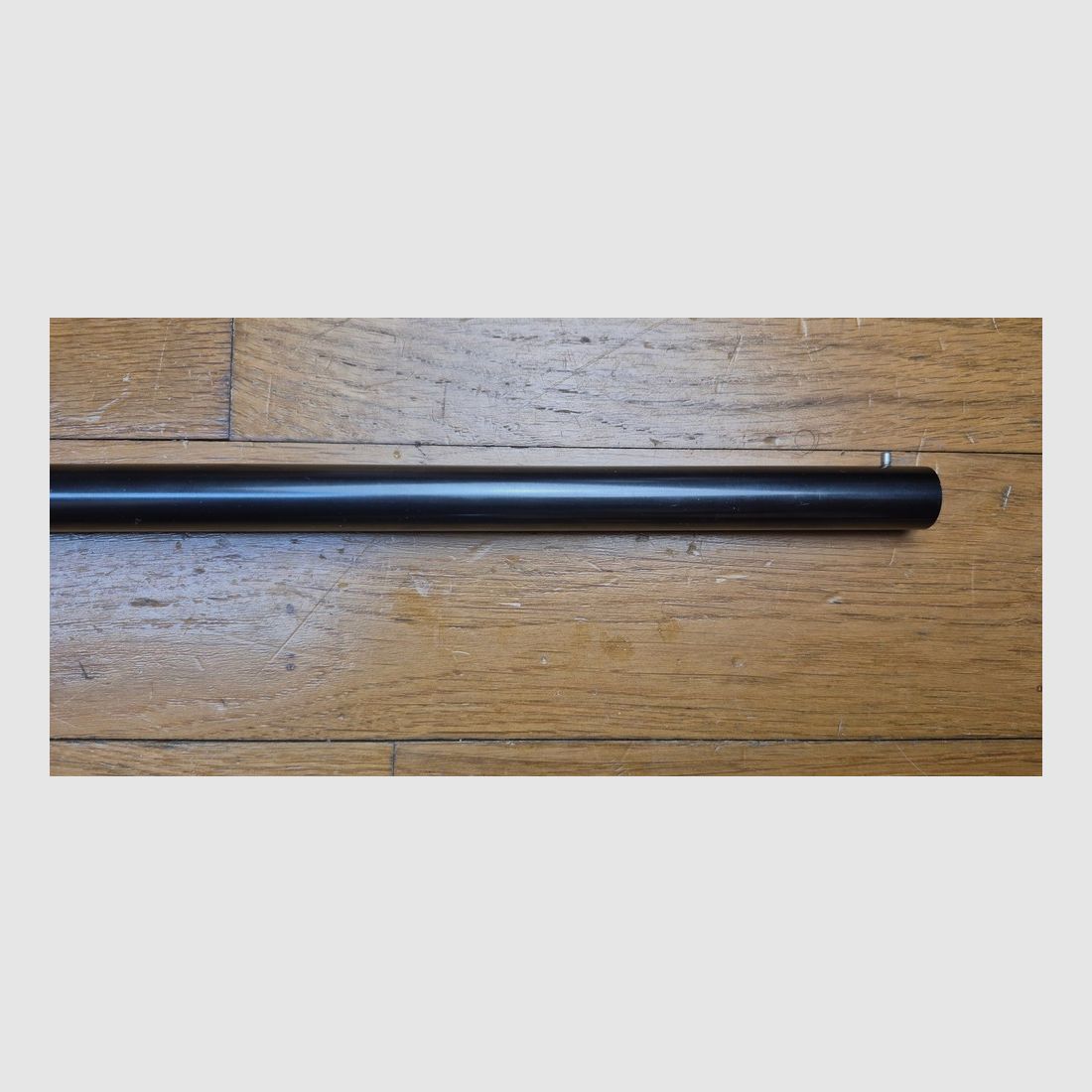
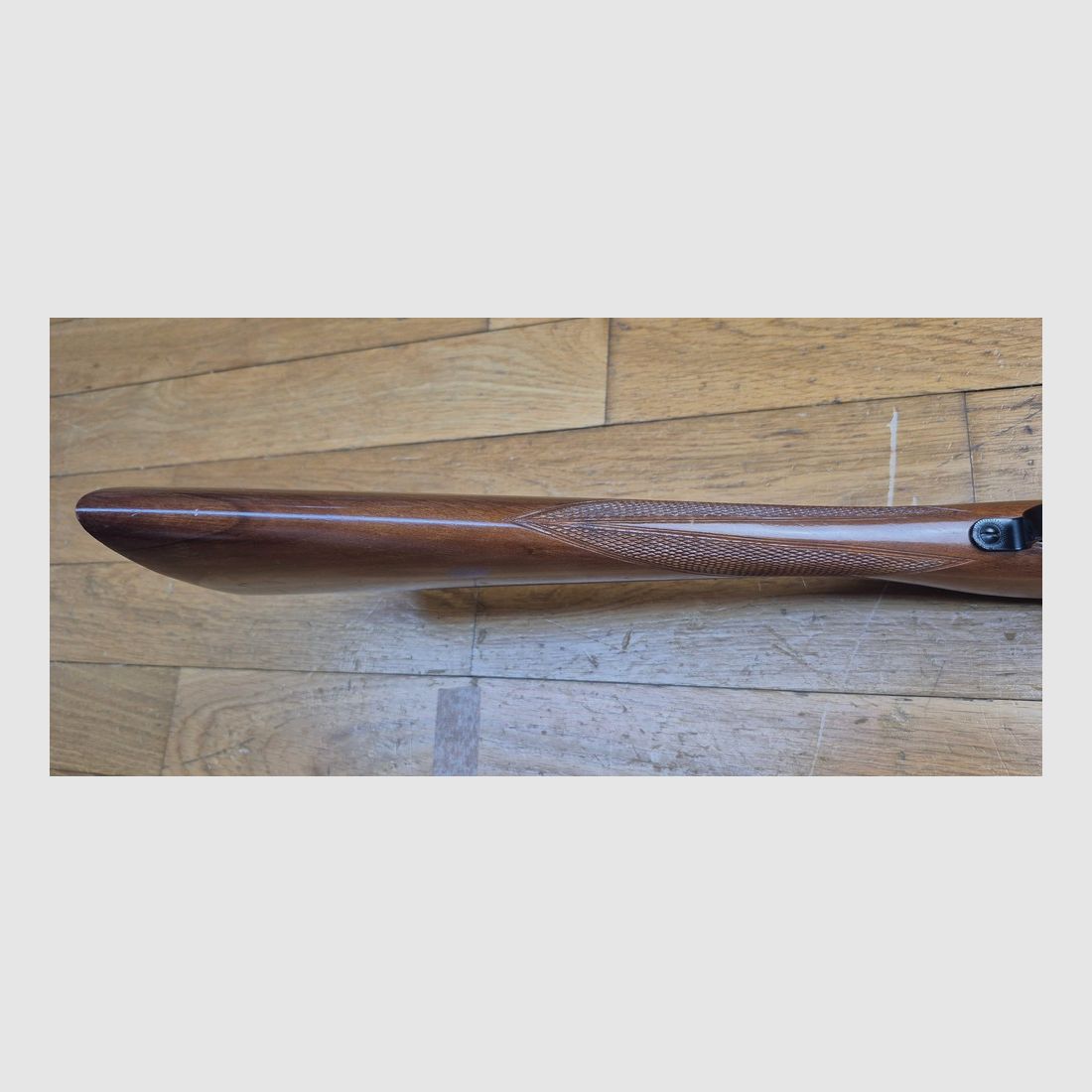

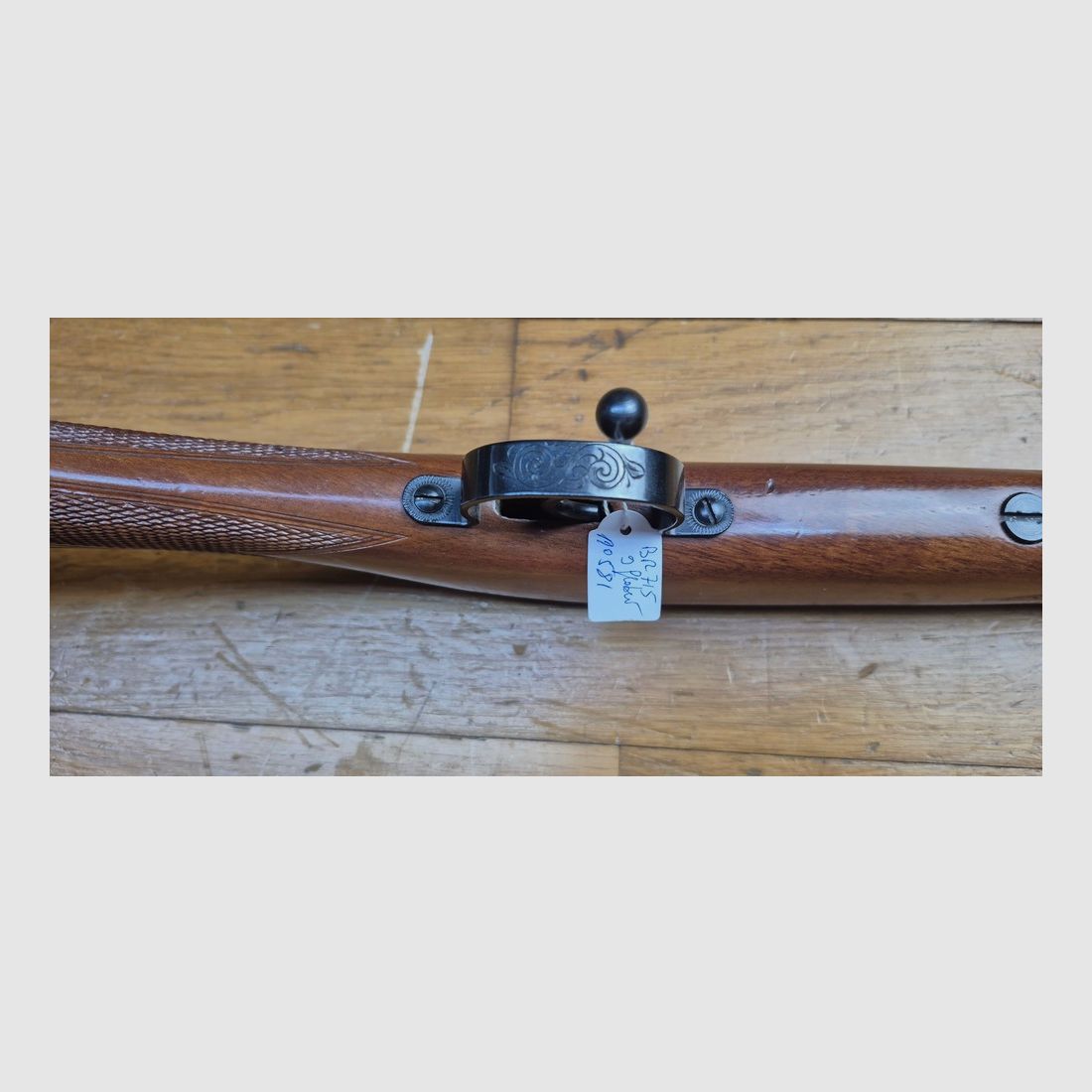
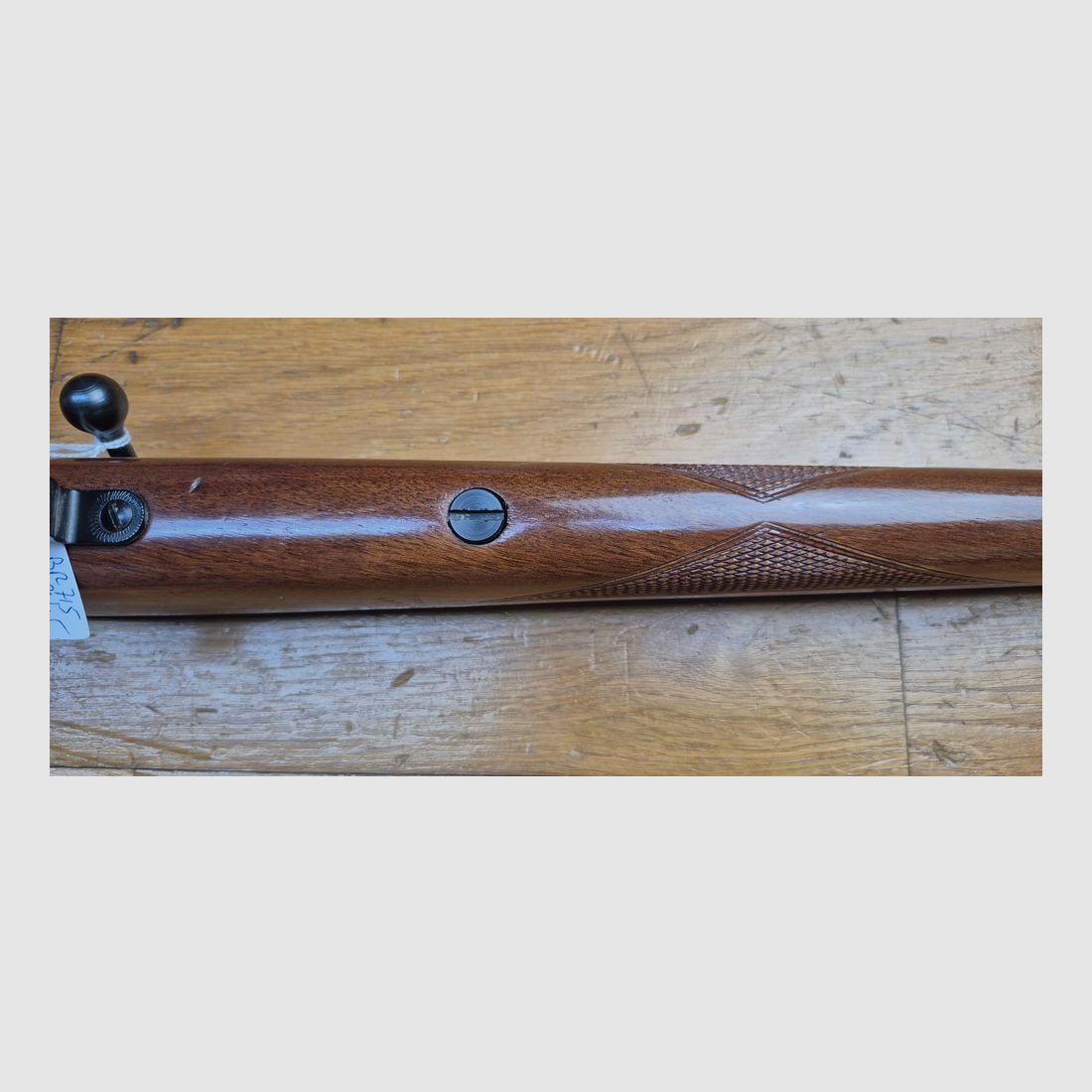
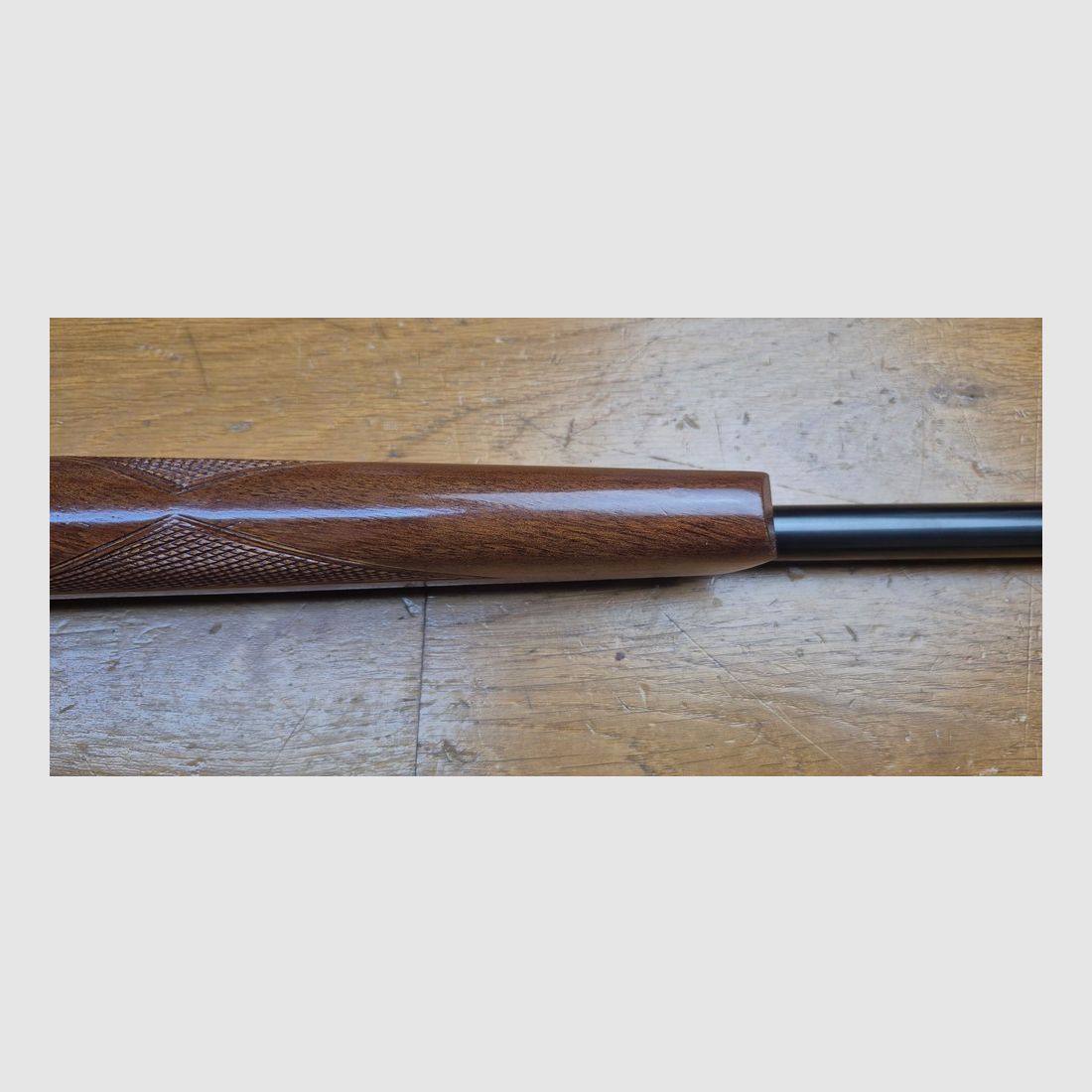

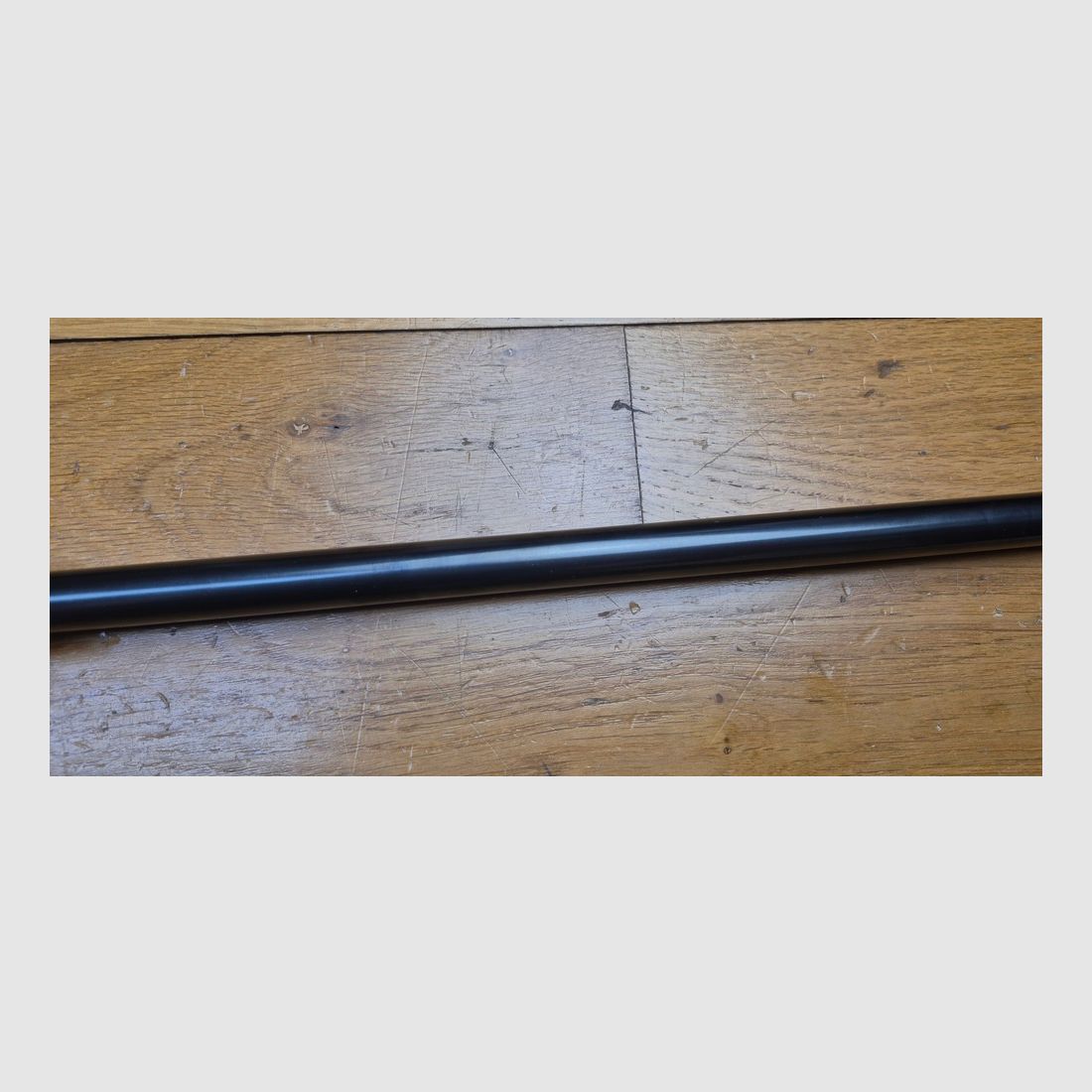


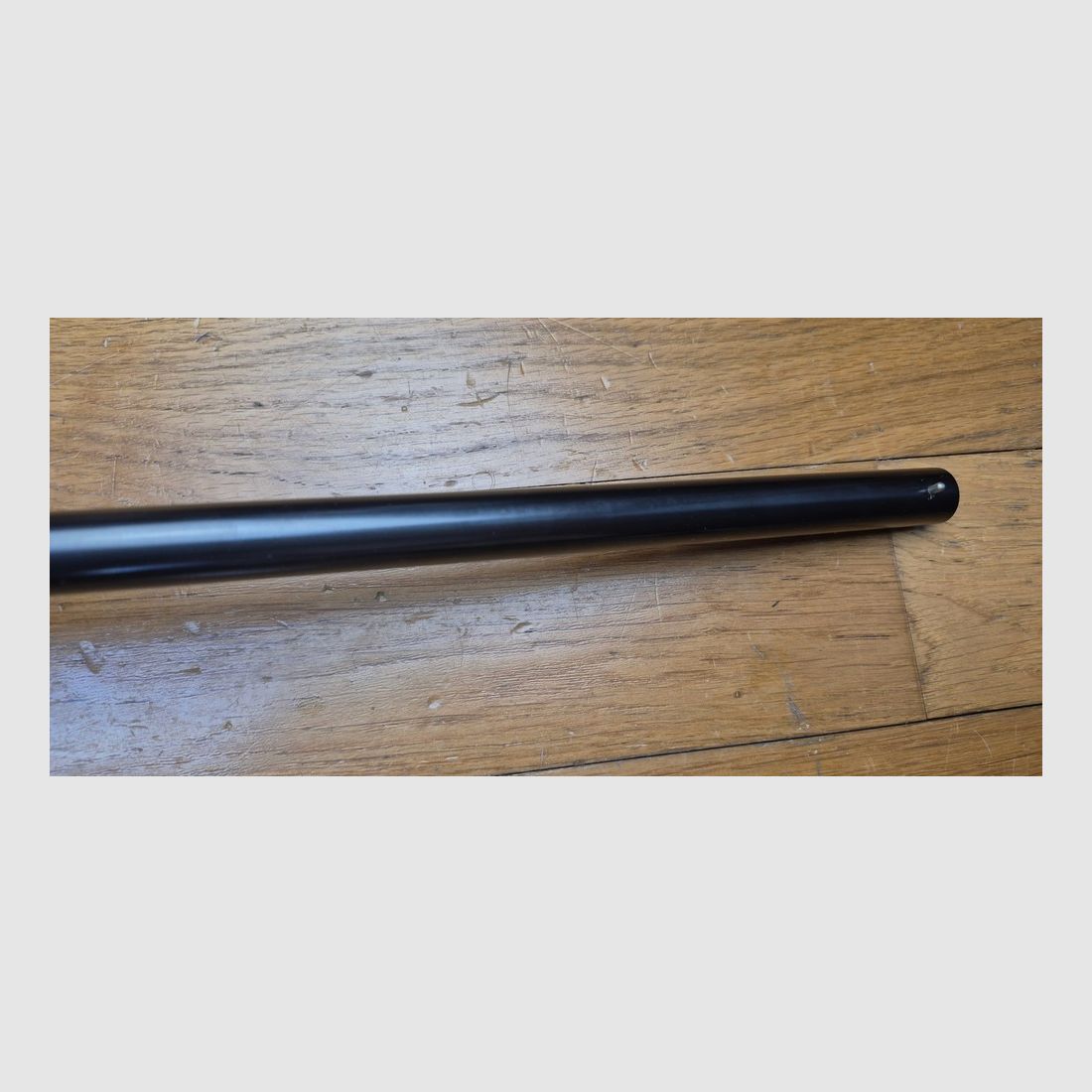
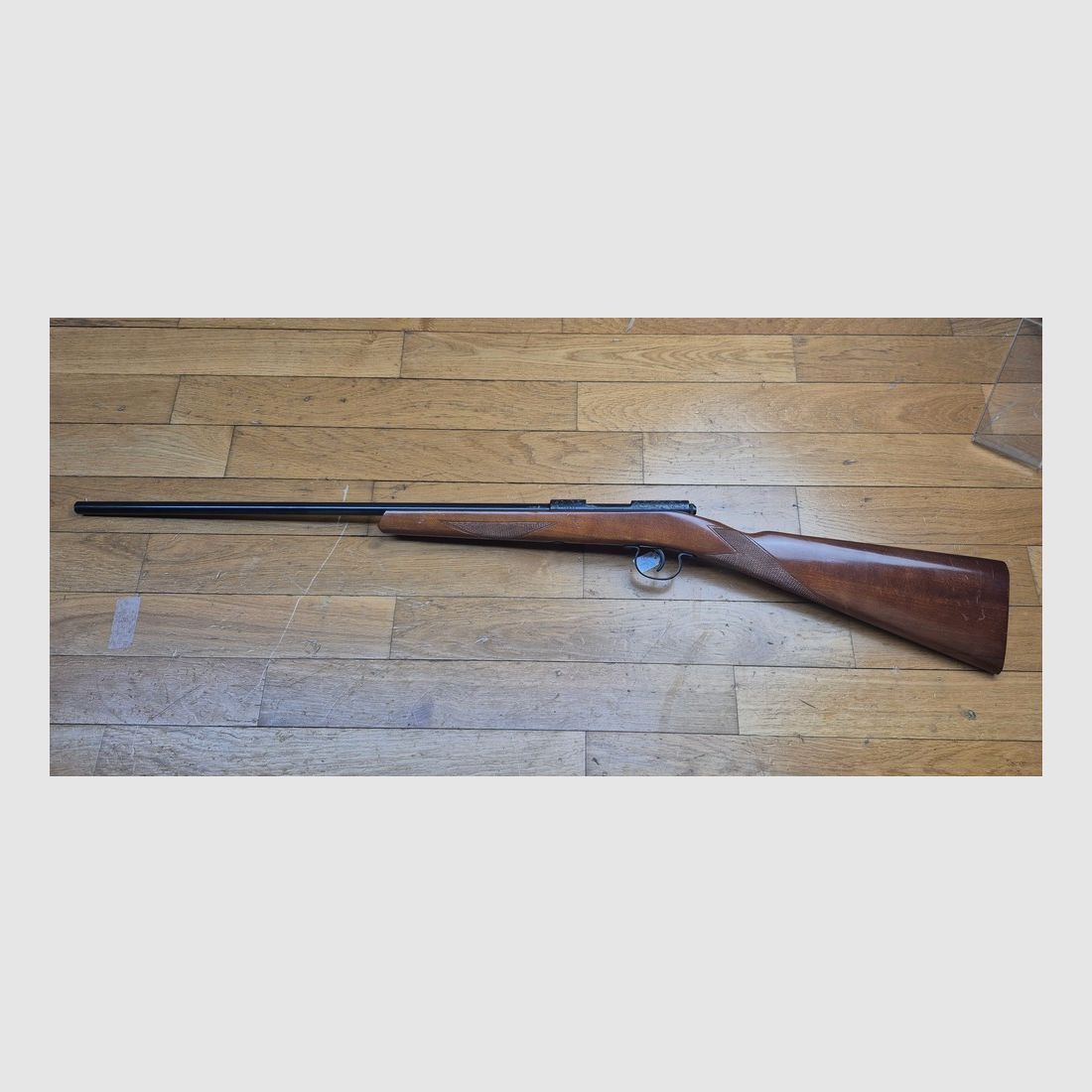

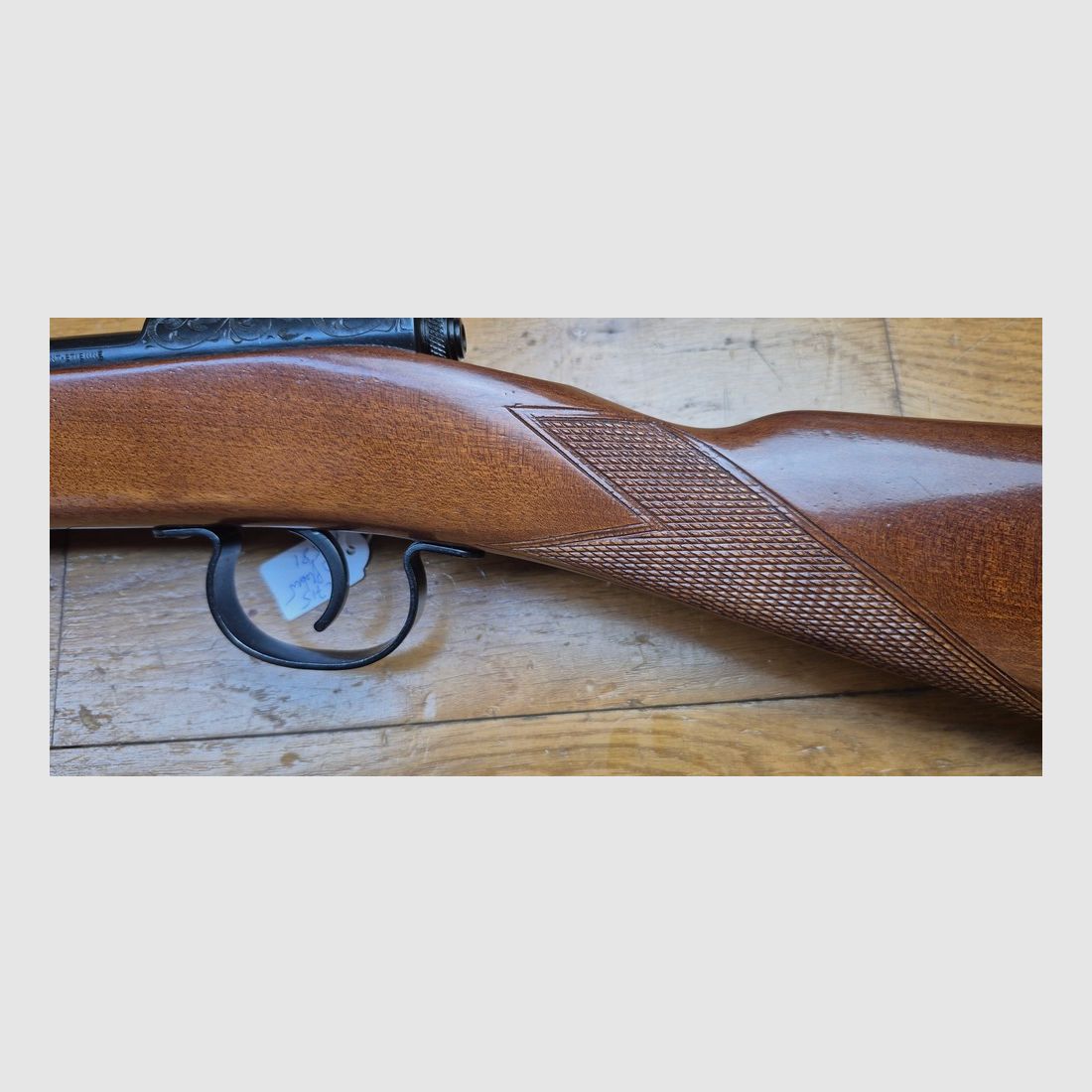
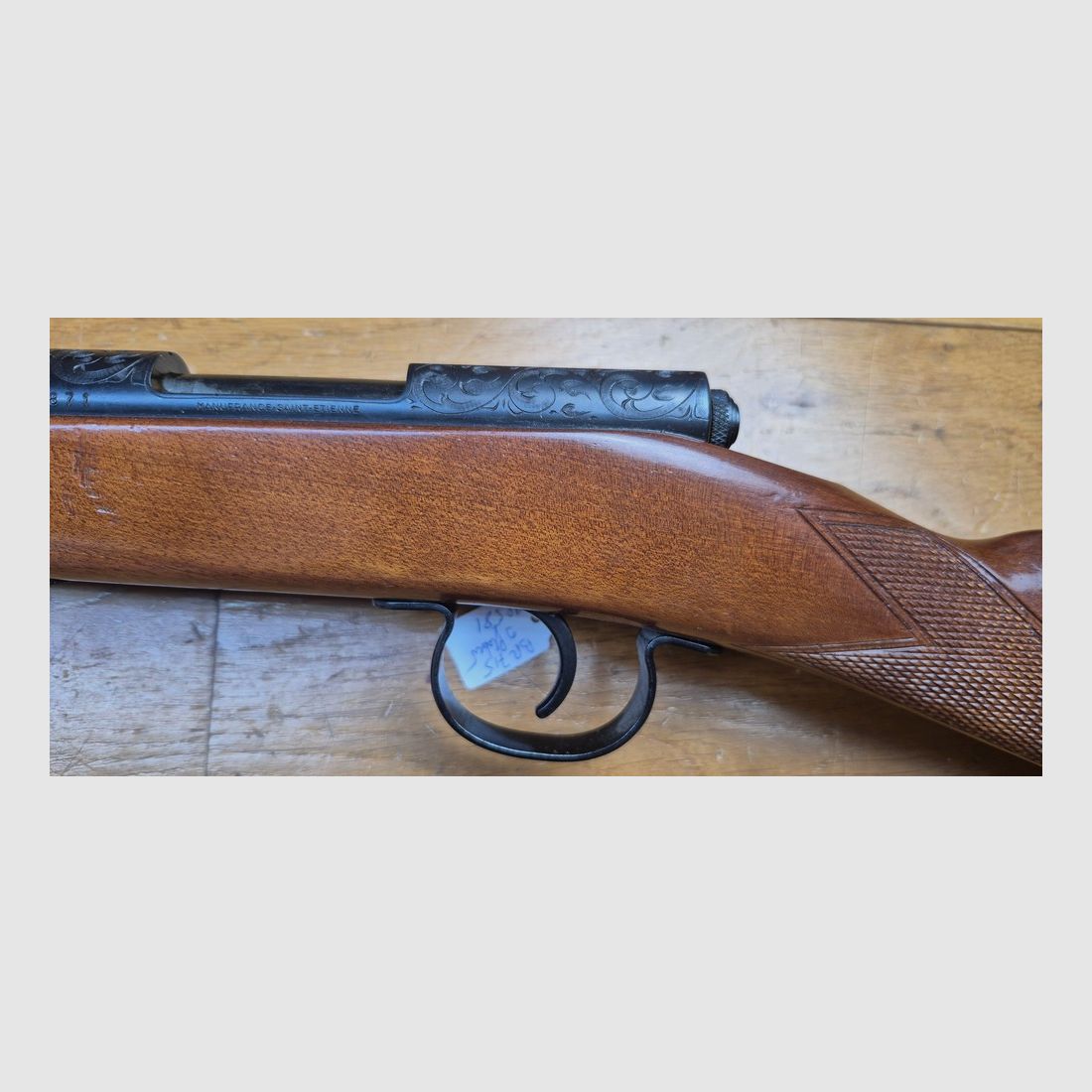


Very nice garden rifle Manufrance – Model "Club" – Cal. 9 mm Flobert (cartridge or pellet) – Very beautiful engravings in scrolls even on the trigger guard – Thick black bluing 100% original – Beautiful wood nicely checkered – Mechanism and barrel untouched – Condition almost new – TBE++/TBE+++
≈ $198
Price at the dealer: 180 €. Converted at the ECB rate as of November 20, 2026.
Purchase permit required
75002 Paris, France
4
ID: 10338393
Purchase from outside the EU: The firearm goes through an importer in your country, the dealer handles the export.
How buying from Europe works
Shop safely with Gunfinder
Our AI-powered seller identity verification makes Gunfinder the safest marketplace online.
Learn more
Details
- Original language
- French
- Category
- Purchase eligibility
- Required
- Caliber
- 9mmFlobert
- Condition
- New
- Location
- 🇫🇷 75002 Paris, France
- Availability
- In stock
Freshness
This listing is based on a mirrored offer, where the listing data was synced to us from a shop, dealer, or external marketplace. Please note that temporary price discrepancies may occur due to possible delays in data transmission.
- Source
- Flingus Maximus
- Last checked with the dealer
- 1 day ago
Description
Note:
The item is located abroad. Please note that delivery conditions, shipping times, and/or the purchase process may differ.
This garden gun, a concept that’s often unfairly looked down on, and in a deluxe version to boot, is still worth taking a closer look at (along with quite a few of its sisters from the same era and built on the same concept).
This is a Manufrance garden rifle, the “Club” model, in 9 mm Flobert—a caliber created in 1845 by Louis-Nicolas Flobert, inventor of the very first rimfire metallic cartridge, originally designed for what he himself called “parlor guns”—that is, guns for shooting in galleries set up right at home…
After dinner, the men of the second half of the 19th century would head off to their corner, light their cigars, bring out the brandy, load their firearms, and sometimes even discuss serious matters.
A century later, in the early 20th century, this same idea moved from the parlor to the garden in France: that’s where the concept behind our rifle came from. But this time, no fine digestif and no cigars. Just for fun.
The result today: we no longer shoot in the parlor, rarely in the garden, no longer smoke cigars, 20 cl of good rum earns you horrified looks, and you have to watch what you say lest you offend someone who’s sensitive to every passing breeze. No doubt about it: freedoms shrink as firearms move from place to place.
And since we’re talking about caliber and history, here’s a fun detail for anyone unfamiliar with the 9 mm Flobert: from the very beginning, depending on the day’s mood, it could fire either a bullet or shot.
Historically, the 9 mm Flobert came in two distinct versions: the “Bosquette,” which fired a single lead ball propelled by the primer alone, with no powder, and the “Grenaille,” a version with a rim that held a small charge of small hunting pellets in its constriction, still with no powder. For shooting in the parlor or out of its windows. In other words: you aimed at the cardboard target with one, and the stubborn sparrow with the other.
These days, if I may put it that way, this dual purpose lives on, and it’s easy to find 9 mm Flobert ammunition with bullets or shot, so you can switch things up—from shooting at cardboard targets (or improvised ones like cans) to having some fun taking out garden pests. Whatever you feel like doing that day. That’s one of the key advantages of these ultra-light, handy guns.
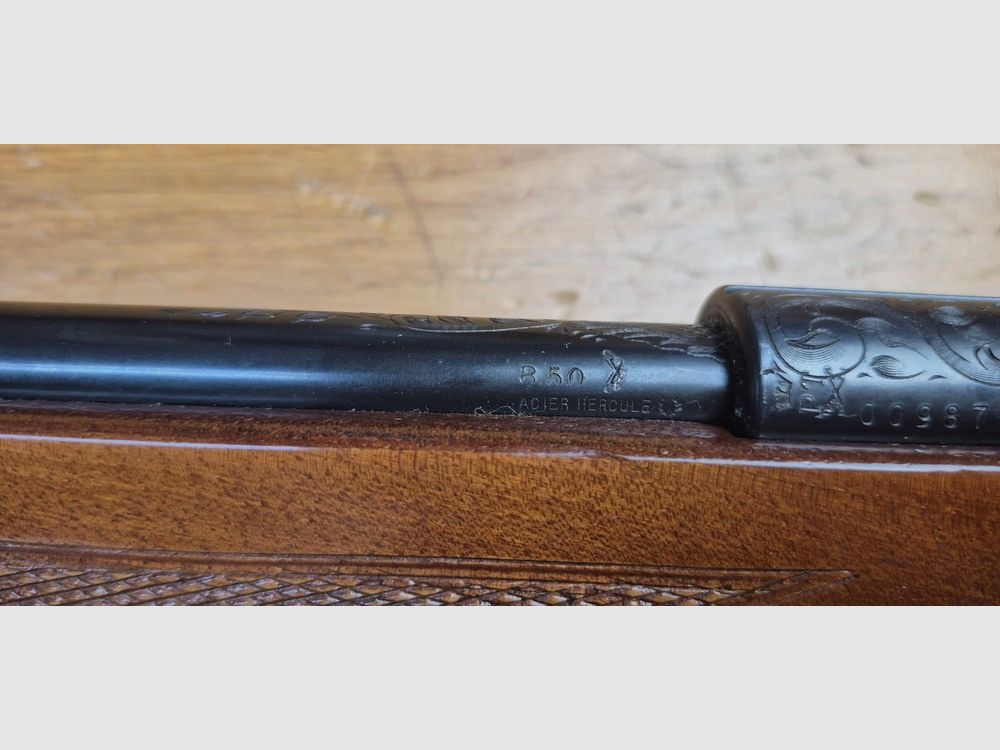
Which brings me to the “Acier Hercule” marking proudly engraved on the barrel.
It’s an authentic and meaningful marking: Manufrance and several other Saint-Étienne manufacturers really did use it to certify the quality of the steel in their barrels. The true indicator of a firearm’s strength, however, was the proof mark, accompanied by one or more palm branches depending on the proof the firearm had undergone.
The term “Hercule” steel is more of a marketing claim meant to impress potential buyers. You can also find it on serious hunting guns from Saint-Étienne, built to withstand much higher pressures than ours.
It’s also found on the barrel of the Buffalo Mitraille rifle, made of “Hercule” steel, bored with three rifled barrels and intended for hunting ducks and large birds.
Except that with our sweet little 9 mm Flobert Club, we’re a long way from duck hunting. A balloon, a rat, or a magpie will do.
Is this Club the heir to Manufrance’s famous “La Populaire”?
They’re often confused on forums. The answer is “yes and no.”
La Populaire is a clearly identified model in the Manufrance catalog, in 9 mm Flobert. “Club” and “Populaire”
They did indeed belong to the same segment of the catalog: garden rifles for the general public. But I’ve never found anything about a strict chronological succession between the two. Let’s just say they’re part of the same family and serve the same purpose, with the “Club” models being a little more luxurious.
The important thing here, though, isn’t the history but enjoying a model that’s now highly “collectible,” especially in this luxury version, and designed for both play and hunting. A bit like the single-shot and semi-automatic .22LR, another model that deserves a place on any respectable gun rack.
Our example is truly beautiful.
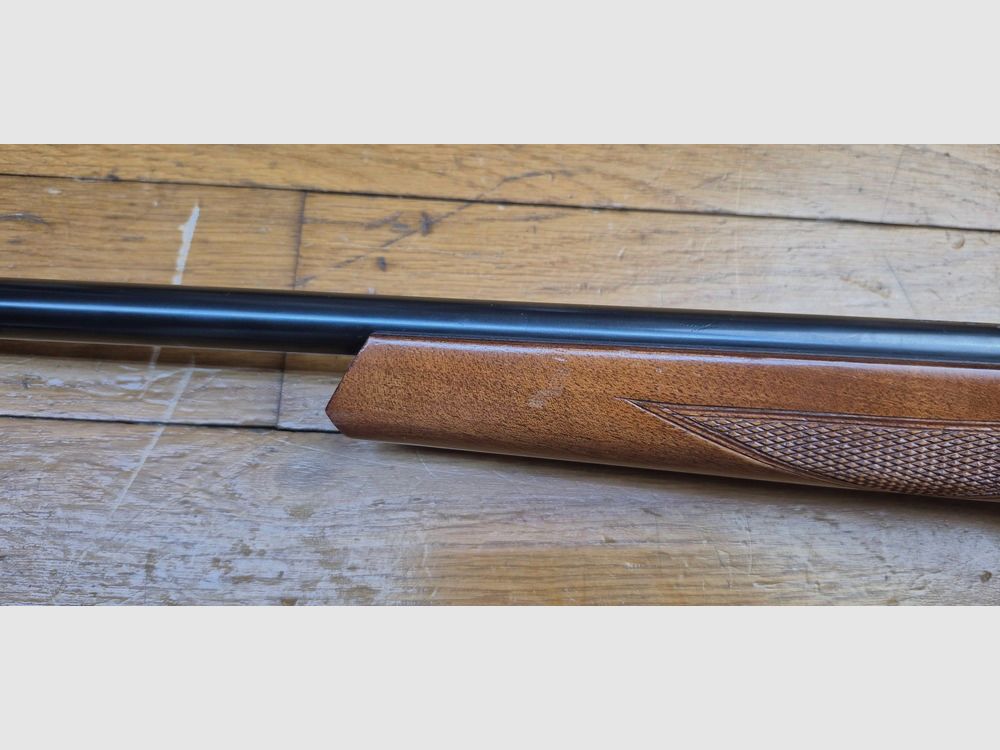
The wood is nicely checkered, with no butt plate, making for a very lightweight, handy firearm that offers plenty of opportunities for fun in the garden or recreational shooting. Very few handling marks. Very sparse and, as usual with me, VERY EXAGGERATED by my close-ups. The wood is in very good condition++.
The thick, high-quality black bluing, “like they don’t make anymore,” is 100% intact. The scrollwork covers the entire firearm, right down to the trigger guard—a level of decorative care you no longer see on this kind of inexpensive little rifle today.
Perfect mechanics: the springs are still nice and firm, it functions flawlessly, and the trigger is surprisingly crisp and clean for a firearm in this category—paradoxical for an inexpensive little garden rifle, but very crisp here. Excellent quality.
The barrel is new. Mirror-bright enough to make your eyes water.
A light cleaning is needed, purely for cosmetic reasons, but the firearm is actually in near-new condition. Much more beautiful than the average example you’ll find on the used market.
All in all, a beautiful firearm that brings to mind, in a high-end version, childhood games and the joys of learning to shoot from another era. A collector’s piece, too, for reconnecting with Flobert calibers and finding a thousand little pleasures in them today.
Firearm in category C under the CSI: valid shooting license, including medical certificate, or a hunting license validated for the current or previous year AND a valid national ID card or passport. SIA ACCOUNT MUST BE OPENED!!
Reminder: with your shooting license or hunting license, you can own any number of category C firearms.
*****************************************************************************************************************************************
Let’s say it again! Flingus Maximus gun shop in Paris and throughout France is also here to help with private firearm transfers, buying firearm and militaria collections, firearm valuations, and questions about firearms in estates and inheritances. Contact your favorite gunsmith using our contact form or at [email protected] (Show description in original language)
Voici une petite pièce charmante (si je laissais parler mon indéniable coté féminin, celui qui saute aux yeux de tous au premier contact, surtout quand je suis pas rasé et douché depuis une bonne semaine, je dirais « adorable ». Mais ça ferait midinette). Une pièce de qualité néanmoins.
Cette arme de jardin, concept souvent injustement méprisé, en version luxe en plus, mérite pourtant qu’on s’y attarde (et avec elle, sur pas mal sur de ses sœurs du même concept et de la même époque).
Ici c’est une carabine de jardin Manufrance du modèle « Club », en calibre 9 mm Flobert — un calibre né en 1845 sous la main de Louis-Nicolas Flobert, l’inventeur de la toute première cartouche métallique à percussion annulaire, conçue à l’origine pour ce qu’il appelait lui-même des « parlor guns » — c’est à dire des armes de salon destinées au tir dans des galeries aménagées à domicile même…
Après le repas, les hommes de la seconde partie du XIX° siècle partaient dans leur coin, allumait les cigares, sortait le Brandy, chargeaient les armes à feu et parfois discutaient même de choses sérieuses.
Un siècle plus tard, au début du XX° siècle, en France, ce même principe migre du salon au jardin : voilà l’origine du concept de notre carabine. Mais cette fois-ci sans digestif de qualité et sans cigares. Juste pour s’amuser.
Résultat aujourd’hui: on ne tire plus dans le salon, rarement dans le jardin, on ne fume plus le cigare, 20 cl d’un bon Rhum vous valent des regards catastrophés et l’on doit surveiller ces expressions sous peine de choquer une feuille sensible aux quatre vents. Aucun doute: les libertés se restreignent au fur et à mesure de la migration des armes à feu.
Et puisqu’on parle de calibre et d’histoire, petite précision amusante pour ceux qui ne connaîtraient pas bien celle du 9 mm Flobert : c’est depuis l’origine, et, selon l’humeur du jour, une balle ou du plomb.
Le 9 mm Flobert existait historiquement en ces deux déclinaisons bien distinctes : la « Bosquette », qui tirait une simple bille de plomb propulsée par la seule amorce, sans poudre, et la « Grenaille », une version à collerette qui loge une petite charge de petits plombs de chasse dans son étranglement, toujours sans poudre. Pour du tir de salon ou par les fenêtres du dit salon. Autrement dit : on visait la cible en carton avec l’une, et le moineau récalcitrant avec l’autre.
De nos jours, si je puis dire, cette ambivalence perdure et on trouve facilement des munitions 9mm Flobert à balle et à plomb pour varier les plaisirs, du tir sur cible carton (ou improvisée type canette) à l’élimination ludique des nuisibles de jardin. Selon ce qu’on a envie de faire ce jour-là. C’est un des intérêts fondamentaux de ces armes ultra légères et maniables.
Ce qui m’amène justement au marquage « Acier Hercule » fièrement gravé sur le canon.
C’est un marquage authentique et sérieux: Manufrance et plusieurs autres manufactures stéphanoises l’utilisaient bel et bien pour certifier la qualité de l’acier de leurs canons. Le marqueur réel de solidité d’une arme était, néanmoins, le poinçon d’épreuve accompagné d’une palme ou plusieurs selon l’épreuve subie par l’arme.
La notion d’acier « Hercule » est plus une mention commerciale destinée à édifier le chaland. On la retrouve d’ailleurs sur des armes de chasse pures et dures issues de Saint-Etienne et bien plus costaudes en pression que la nôtre.
On la trouve aussi sur le canon de la carabine Buffalo Mitraille en acier « Hercule » aussi , foré de trois âmes rayées et destinée à la chasse aux canards et aux gros oiseaux.
Sauf que là, sur notre gentille petite Club en 9 mm Flobert, on est très loin de la chasse au canard. Un ballon, un rat ou une pie lui suffiront.
Cette Club est-elle l’héritière de la fameuse « La Populaire » de Manufrance ?
Elle sont souvent confondus sur les forum. La réponse est « oui et non ».
La Populaire est un modèle bien identifié du catalogue Manufrance, en 9 mm Flobert. « Club » et « Populaire » appartenaient bien au même segment du catalogue, les carabines de jardin à destination du grand public. Mais je n’ai jamais rien trouvé sur une stricte succession chronologique entre les deux. On dira juste que c’est la même famille et la même vocation avec un coté « plus luxe » pour les « Club ».
L’essentiel ici n’est pourtant pas l’histoire mais bien de ce faire plaisir avec un modèle désormais hautement « collectionnable » surtout dans cette version luxe et qui répond à une destination entre jeu et chasse. Un peu comme la coup par coup et la semi en 22LR, un autre modèle qui devrait orner tout râtelier qui se respecte.
Notre pièce est vraiment très belle.
Le bois est joliment quadrillé, sans plaque de couche, pour une arme très légère et maniable, offrant de nombreuses possibilités de loisir dans le jardin ou au tir de plaisir. Très peu de marques de manipulations. Très éparses et, comme d’habitude avec moi TRÈS EXAGÉRÉES par me gros plans. Les bois sont en TBE++
Le bronzage noir, épais et de belle qualité « comme on en fait plus », est présent à 100%. Les gravures en volutes sont présentes sur l’intégralité de l’arme jusqu’au pontet — un niveau de soin décoratif qu’on ne retrouve plus sur ce genre de petite carabine bon marché aujourd’hui.
Mécanique parfaite : ressorts encore bien fermes, fonctionnement impeccable, et détente étonnamment franche et nette pour une arme de cette catégorie — paradoxal pour une petite carabine de jardin bon marché, mais bien net ici.Excellente qualité.
Le canon est neuf. Miroir à s’en brûler les mirettes.
Un léger nettoyage est à prévoir, purement cosmétique, mais l’arme est en réalité en état quasi neuf. Bien plus belle que la moyenne de ce qu’on croise sur le marché de l’occasion.
In fine une très belle arme qui rappelle, dans une version haut de gamme, les jeux de l’enfance et les bonheurs de l’initiation de l’autre siècle. Une pièce de collection aussi pour renouer avec les calibres Flobert et y trouver mille petits plaisirs d’aujourd’hui.
Arme de catégorie C au CSI : Licence de tir en cours de validité y compris médecin ou bien un permis de chasse avec sa validation pour l’année en cours ou l’année précédente ET CNI ou passeport en cours de validité. COMPTE SIA OBLIGATOIREMENT OUVERT!! .
Rappel avec votre licence ou permis de chasse vous pouvez détenir sans limite de nombre des armes de catégorie C.
*****************************************************************************************************************************************
Répétons le ! L’armurerie Flingus Maximus à Paris et partout en France est là aussi pour vos formalités armes entre particuliers, le rachat de collections armes et militaria, vos estimations d’armes, vos questions armes dans les successions et héritage. Contactez votre armurier préféré via notre formulaire de contact ou à [email protected]