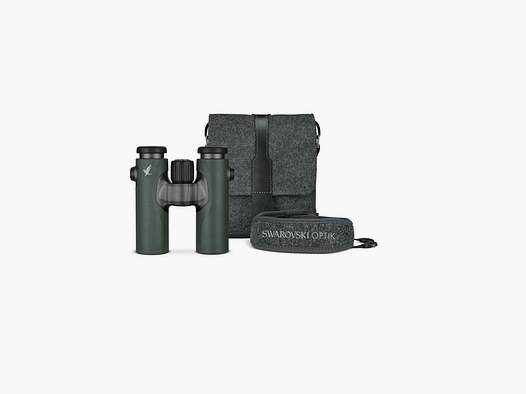
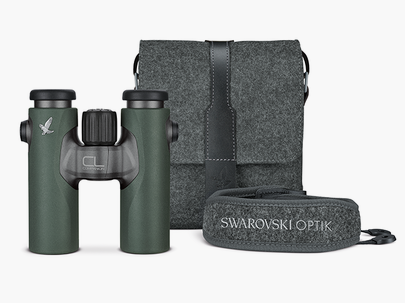
Swarovski CL COMPANION Anthracite 10x30 Northern Lights
Price on Request
No permit required (18+)
52010 Capolona, Italy
11
ID: 10014165
Purchase from outside the EU: The firearm goes through an importer in your country, the dealer handles the export.
How buying from Europe works
Shop safely with Gunfinder
Our AI-powered seller identity verification makes Gunfinder the safest marketplace online.
Learn more
Details
- Original language
- Italian
- Brand
- Swarovski
- Category
- Condition
- New
- Location
- 🇮🇹 52010 Capolona, Italy
- Availability
- Unknown delivery time
Freshness
This listing is based on a mirrored offer, where the listing data was synced to us from a shop, dealer, or external marketplace. Please note that temporary price discrepancies may occur due to possible delays in data transmission.
- Source
- Armeria Paoletti - Capolona, Arezzo
- Last checked with the dealer
- about 13 hours ago
Description
Note:
The item is located abroad. Please note that delivery conditions, shipping times, and/or the purchase process may differ.
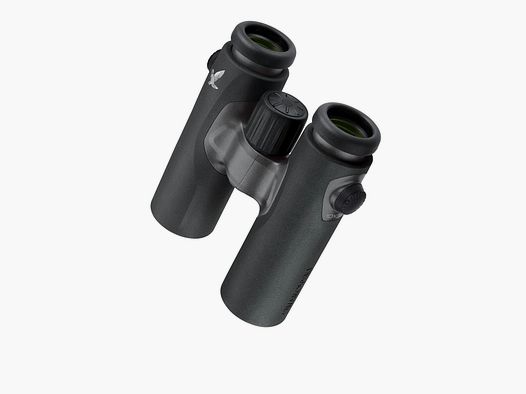
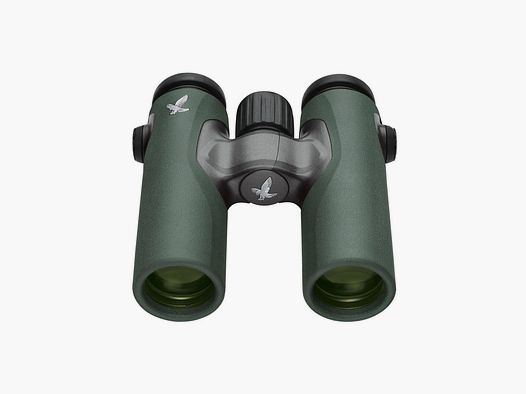
Swarovski CL COMPANION Anthracite 10×30 Northern Lights
With the Swarovski CL COMPANION Anthracite 10×30 Northern Lights, you won’t miss a single detail. Its improved optics with 10x magnification bring you closer to nature.
Thanks to its ergonomic design, the lightweight and compact Swarovski CL COMPANION Anthracite 10×30 Northern Lights (500 g) is the perfect travel companion for unique experiences.
WHAT TO CONSIDER WHEN CHOOSING BINOCULARS
MAGNIFICATION
Magnification indicates how many times closer an object appears compared to its actual distance. The higher the magnification, the closer the object appears. However, higher magnification also means a narrower field of view. In the full product name, the number before the “x” indicates the magnification level. For example, a 10×42 optic offers 10x magnification.
FIELD OF VIEW
The field of view indicates the size of the image area visible through the optics. It can be expressed in meters (width) at a distance of 1,000 meters (m/1000m) or in degrees (angle). The higher the magnification, the smaller the field of view.
Binoculars have a wide field of view, which means they let you see a large area. Spotting scopes offer higher magnification, which makes the field of view much smaller, but still lets you see more detail.
OBJECTIVE LENS DIAMETER
The objective lens diameter determines how much light can enter the optics. It is therefore a key factor in the performance of an optical instrument, for example at dusk. The larger the objective lens diameter, the more light the lens can capture. The darker the surroundings, the larger the objective lens diameter should be. In the full product name, the number after the “x” indicates the objective lens diameter in millimeters. For example, an optic with the suffix 10×42 has an objective lens diameter of 42 mm.
MINIMUM FOCUS DISTANCE
The minimum focus distance indicates how close an object must be to be clearly visible through the optics. The image can be focused between this minimum distance and infinity. (Show description in original language)
Contattaci per conoscere eventuali promozioni in corso
Swarovski CL COMPANION Antracite 10×30 Northern Lights
Swarovski CL COMPANION Antracite 10×30 Northern Lights non vi perderete nessun dettaglio. L’ottica migliorata con ingrandimento 10x vi avvicina alla natura.
Grazie al suo design ergonomico, Swarovski CL COMPANION Antracite 10×30 Northern Lights leggero e compatto (500 g) è un perfetto compagno di viaggio col quale vivrete esperienze uniche.
COSA CONSIDERARE QUANDO SI SCEGLIE IL BINOCOLO
INGRANDIMENTO
L’ingrandimento indica il fattore per cui un oggetto appare più vicino rispetto alla sua distanza reale. Maggiore è l’ingrandimento e più l’oggetto apparirà vicino. Tuttavia, un ingrandimento maggiore comporta anche un campo visivo più limitato. Nel nome completo del prodotto, il numero davanti alla “x” indica il livello di ingrandimento. Uno strumento 10×42, ad esempio, offre un ingrandimento 10x.
CAMPO VISIVO
Il campo visivo indica la dimensione dell’area dell’immagine visibile attraverso l’ottica. Il campo visivo può essere espresso in metri (larghezza) ad una distanza di 1000 metri (m/1000m) o in gradi (angolo). Maggiore è l’ingrandimento e più piccolo è il campo visivo.
I binocoli hanno un ampio campo visivo, il che significa che consentono di vedere una vasta area. I telescopi da osservazione offrono un ingrandimento superiore, che rende il campo visivo molto più piccolo, ma consentono tuttavia di vedere maggiore dettagli.
DIAMETRO DELL’OBIETTIVO
Il diametro dell’obiettivo determina quanta luce può entrare nell’ottica. È dunque un fattore chiave per le prestazioni di uno strumento ottico, ad esempio al crepuscolo. Maggiore è il diametro dell’obiettivo e più luce può catturare l’obiettivo. Più buio è l’ambiente e più grande dovrà essere il diametro dell’obiettivo. Nel nome completo del prodotto, il numero riportato dopo la “x” indica il diametro dell’obiettivo in millimetri. Uno strumento con suffisso 10×42, ad esempio, ha un obiettivo con diametro di 42 mm.
DISTANZA MIN. DI MESSA A FUOCO
La distanza minima di messa a fuoco indica quanto vicino deve essere un oggetto per poter essere chiaramente visibile con l’ottica. L’immagine potrà essere messa a fuoco tra questa distanza minima e l’infinito.