Oil or Grease? A Comparison of Lubricants for Hunting Weapons
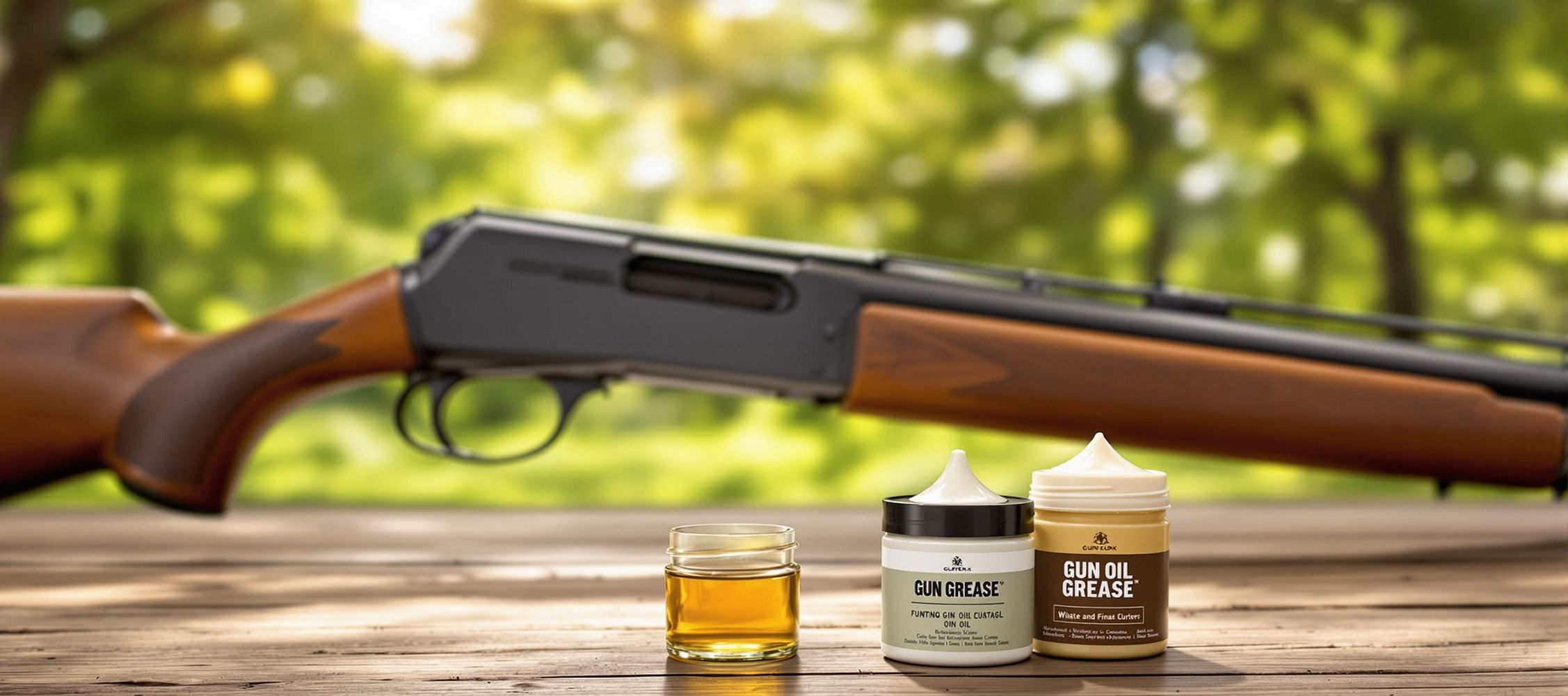
Oil or Grease? Which is better for your hunting weapon? Choosing the right lubricant is crucial for the function and longevity of your weapon. Here’s a summary:
- Oil: Thin, easy to apply, ideal for moving parts and regular maintenance. It provides good cleaning and penetration but needs to be renewed more frequently.
- Grease: Thick, offers long-lasting protection, perfect for heavily used or rarely used parts. It protects better against water and high loads but is more complicated to apply.
Quick Comparison
| Property | Gun Oil | Gun Grease |
|---|---|---|
| Consistency | Thin | Thick to solid |
| Durability | Shorter (2–3 months) | Longer (up to 6 months) |
| Temperature Range | -20°C to +150°C | -30°C to +200°C |
| Water Resistance | Medium | Very high |
| Pressure Resistance | Low to medium | Very high |
| Dirt Adhesion | Low | Higher |
Conclusion
- Oil: For moving parts and regular use.
- Grease: For high loads, long-term protection, and damp conditions.
Choose the appropriate lubricant based on the area of use, type of weapon, and conditions, and apply it sparingly and precisely.
🛢 The Ultimate Gun Oil Test with 16 Products Compared
Understanding Gun Oils
Gun oils play an important role in the function and care of your weapon. They improve cleaning and ensure smooth operation. Here you can learn more about their strengths, weaknesses, and applications.
After discussing the basic differences between oil and grease, let’s take a closer look at the specific properties of gun oils.
Advantages of Gun Oils
Gun oils come with several practical properties that make maintenance easier:
- Good Penetration: They reach even hard-to-access areas.
- Effective Cleaning: Reliably removes dirt and powder residues.
- Easy Handling: Can be applied precisely and evenly.
- Temperature Resistance: Functions under various temperature conditions.
However, despite these advantages, there are also some limitations.
Weaknesses of Gun Oils
- Shorter Protection Duration: The oil film needs to be renewed regularly.
- Weaker Adhesion: Under high load, the film can tear.
- Sensitive to Extreme Temperatures: Viscosity can change.
- Dirt Attraction: Oils can attract dust and dirt, promoting contamination.
When and Where Gun Oils are Useful
| Application Area | Advantages |
|---|---|
| Barrel and Chamber | Good distribution, strong cleaning effect |
| Bolt | Quickly penetrates mechanisms |
| Small Parts and Springs | Precise dosing possible |
Gun oils show their strengths particularly in the following situations:
- Regular Maintenance: Perfect for routine care of your weapon.
- Mechanical Parts: Ideal for moving components and small parts.
- Short-term Storage: Well-suited for weapons that are used regularly.
- Cleaning Tasks: Excellent for loosening dirt.
Make sure to apply the oil thinly and evenly. This way, you avoid malfunctions and unnecessary dirt accumulation.
In the next section, we will take a look at how these properties compare to greases.
Understanding Gun Greases
After highlighting the properties of gun oils, we now turn to gun greases. While oils are ideal for short-term, dynamic applications, greases excel in long-term protection and resistance to wear.
Advantages of Gun Greases
Gun greases offer several clear advantages:
- Long-lasting Lubrication: Stays reliably adhered even under mechanical load.
- Water Resistance: Effectively protects against moisture.
- Pressure Resistance: Withstands high loads.
| Property | Details |
|---|---|
| Protection Duration | Up to 6 months under normal use |
| Temperature Range | -30°C to +200°C |
| Water Resistance | Very high |
| Pressure Load Capacity | High load capacity |
Limitations of Gun Greases
Despite their strengths, there are also challenges when using gun greases:
- Complicated Application: Precise application requires patience and care.
- Dirt Adhesion: Grease tends to attract dust and dirt more than oil.
- Cleaning Effort: Removing old grease residues can be time-consuming.
- Cold Sensitivity: At extremely low temperatures, grease often becomes viscous.
These points should be considered when choosing the lubricant and its application.
Best Application Areas for Greases
Gun greases are particularly useful in the following situations:
- Heavily Used Areas: Perfect for bolt parts and firing pins.
- Long-term Storage: Excellent corrosion protection for rarely used weapons.
- Outdoor Use: Provides better protection in damp or wet weather conditions.
- High-load Mechanisms: Ideal for parts exposed to high loads.
| Application Area | Recommended Grease Amount |
|---|---|
| Bolt | Thin, even layer |
| Firing Pin | Apply minimally |
| Guide Rails | Apply moderately |
| Threaded Barrels | Use sparingly |
Make sure to apply gun grease sparingly and evenly. Too much grease can attract dirt and impair function.
sbb-itb-1cfd233
Oil or Grease in Direct Comparison
Based on the previously described properties of the lubricants, this comparison provides a clear overview to make the right choice.
Comparison of the Key Properties of Gun Oil and Grease
| Property | Gun Oil | Gun Grease |
|---|---|---|
| Application | Easy to apply | Precise application needed |
| Durability | 2–3 months | Up to 6 months |
| Temperature Resistance | -20°C to +150°C | -30°C to +200°C |
| Water Resistance | Medium | Very high |
| Pressure Resistance | Low to medium | Very high |
| Dirt Adhesion | Low | Higher |
| Cleaning Effort | Easy | More complicated |
| Corrosion Protection | Good | Very good |
| Pentration Ability | Very good | Low |
The table illustrates in which situations oil or grease play to their strengths.
Strengths at a Glance
Gun Oil
- Quick and easy to apply, especially on the go
- Supports cleaning and removes rust
- Keeps moving parts functioning smoothly
Gun Grease
- Ideal for high loads and extreme conditions
- Very resistant to water
- Adheres reliably even with prolonged use
In short: Oil is suitable for moving parts and regular maintenance, while Grease is optimal for heavily used areas and long-term protection.
Lubricants by Weapon Type
Here you will find an overview of which lubricant is best suited for different types of weapons.
Rifles and Repeaters
For rifles and repeaters, precise lubrication is particularly important.
Action and Locking System:
- Lock Head and Lugs: Use gun grease that withstands high pressure loads.
- Lock Track: Apply a thin layer of oil.
- Extractor and Ejector: A light film of oil ensures smooth operation.
Barrel and Chamber:
- Inside of the Barrel: Apply a very thin film of oil immediately after cleaning.
- Chamber: Oil minimally and remove excess oil.
- Muzzle Area: Either leave dry or oil sparingly.
However, different requirements apply to shotguns, as they are constructed differently and may be more exposed to the elements.
Shotguns
Shotguns require particularly robust lubrication to meet the demands of their construction.
Locking System:
- Hinges: Use a thicker grease for long-lasting lubrication.
- Lock Bolt: Gun grease is ideal here for high stress.
- Ejectors: Thin oil ensures quick movements.
Barrels and Barrel Bundles:
- Inner Barrel: Oil thinly to avoid corrosion.
- Outer Barrel: Protect with a light film of oil.
- Choke Threads: Apply grease to protect the threads.
Handguns
There are also specific lubrication recommendations for handguns that are tailored to their respective mechanisms.
Pistols:
- Slide and Guide Rails: A thin layer of oil ensures smooth movements.
- Lock Head: Use gun grease on the locking surfaces.
- Spring Guide Rod: Treat with a light film of grease.
Revolvers:
- Cylinder Axis: Gun grease ensures a smooth run.
- Ejector: A light oil supports functionality.
- Cocking Cam: Grease helps minimize wear.
Conclusion
The Right Choice of Lubricant
The choice of the appropriate lubricant depends on the operating conditions of your weapon. For moving parts with high speed, such as locking tracks or slides, you should use a high-quality gun oil. Heavily stressed components like locking lugs or hinges benefit from the use of grease.
Important points to consider:
- Temperature ranges: Is the lubricant suitable for the conditions?
- High loads: Here, a viscous grease is recommended.
- Fast movements: Thin oil is ideal here.
- Damp environment: Grease offers better protection against corrosion.
Once you have selected the appropriate lubricant, the correct application is crucial.
Correct Application
In addition to selecting the right lubricant, precise application is also essential to ensure the long-term function of your weapon. Apply the lubricant sparingly and precisely:
- Cleaning: Thoroughly remove old lubricant residues and dirt.
- Application: Use a brush for grease and a dropper for oil to work accurately.
- Distribution: Move the parts to ensure even distribution of the lubricant.
- Remove Excess: Carefully wipe off excess lubricant.
Ensure that no lubricant gets into the chamber or firing channels.
Every weapon has specific care requirements. By following these guidelines, your weapon will remain optimally protected and always ready for use.