My Dog Has Constipation - What Now?
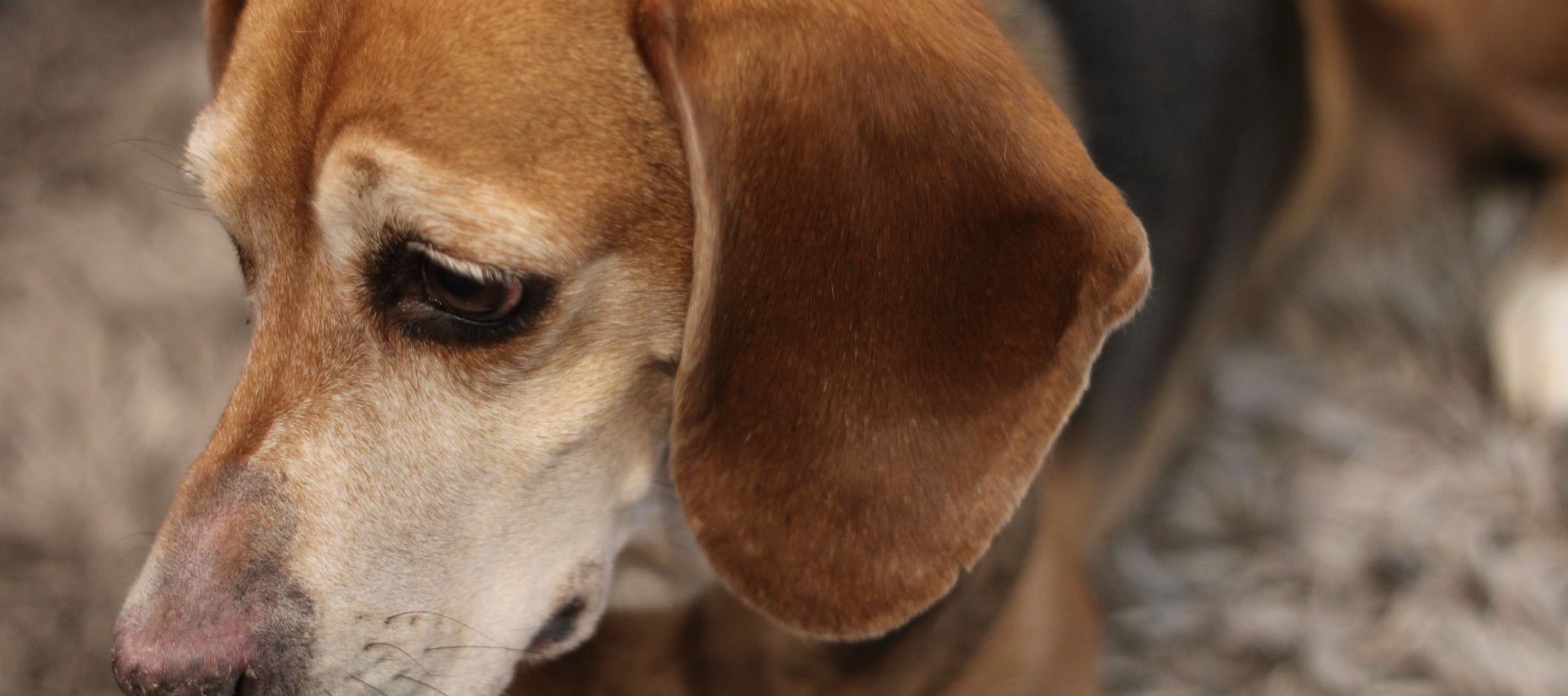
Constipation in dogs is defined as difficulty in passing stool or an inability to do so over an extended period of time.
Symptoms & Signs of Constipation in Dogs
There are several signs that may indicate constipation in dogs. Some of these symptoms include:
- Repeated attempts to defecate without success
- Hard, small stool balls that are passed with pain
- Stool coated with blood and mucus
- Pseudodiarrhea, where blood and mucus are forced out while the stool remains stuck in the intestines
Causes of Constipation
Constipation in dogs can occur for various reasons. These can be caused by feeding errors, stress, lack of exercise, or medical conditions.
Some of the most common non-medical causes of constipation in dogs are:
- Excessive consumption of bones
- Insufficient fluid intake with dry food
- High fluid loss during febrile illnesses
- Swallowing foreign objects like Lego pieces
- Insufficient exercise or lack of opportunities for defecation
- A diet that is too low or too high in fiber
Some of the most common medical causes of constipation in dogs are:
- Inflammation of the anal glands at the anus
- Weak intestinal wall
- Fractures in the pelvic area of the dog
- General pain
- Tumors
- Prostate diseases
- Side effects of medications
- Metabolic diseases, such as hypothyroidism
Diagnosis & Treatment by the Veterinarian
To identify the cause of constipation in a dog, a thorough examination by the veterinarian is conducted. This includes a medical history (recording the dog's health history), a physical examination, and possibly X-rays, blood tests, and an ultrasound examination.
Based on the results of the examinations, the veterinarian can identify the cause of the constipation and initiate an appropriate therapy if necessary. This may involve medication, dietary changes, or even surgery.
A commonly performed treatment is the administration of laxatives. However, it should be noted that laxatives should only be given in consultation with the veterinarian, as uncontrolled administration can lead to further health problems.
Sufficient exercise, avoiding stress, and a balanced diet can also have a positive effect on the dog's digestive tract and thus help prevent constipation.
Conclusion
Constipation in dogs can have various causes and should always be urgently examined by a veterinarian if it lasts longer than two days. Early diagnosis and treatment can prevent further health problems and help the dog quickly return to normal digestion.
Matching listings


Sponsored listings


You might also like

More articles on this topic