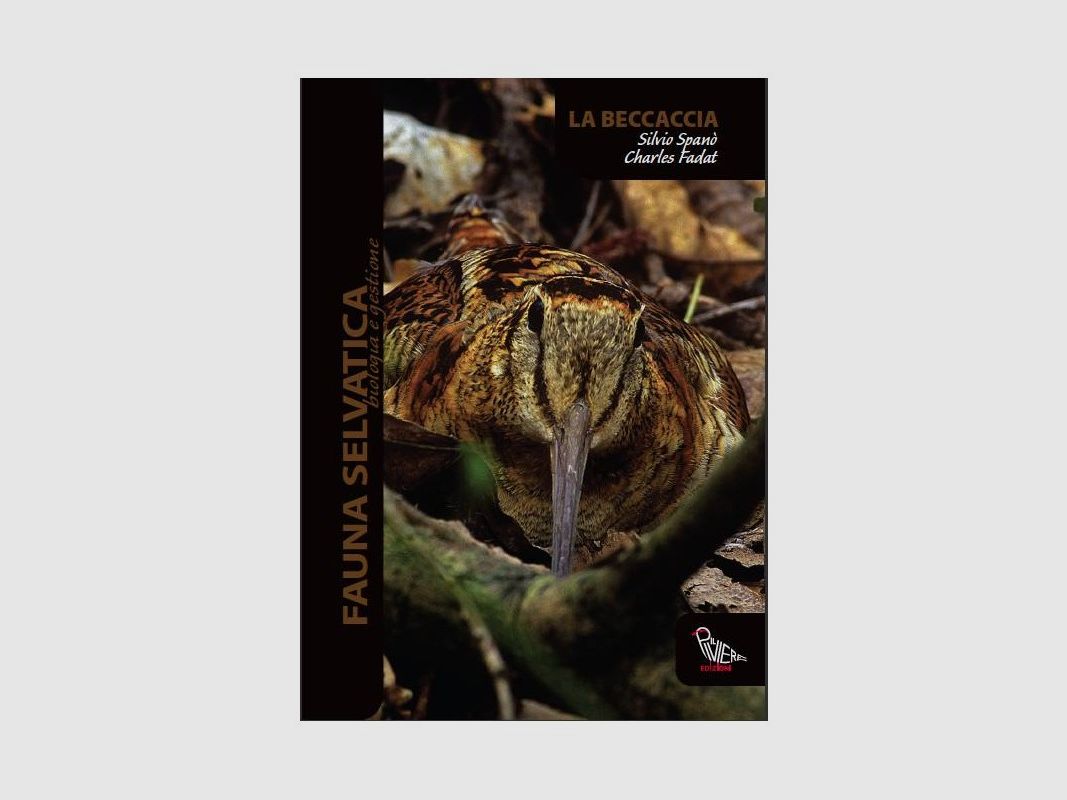
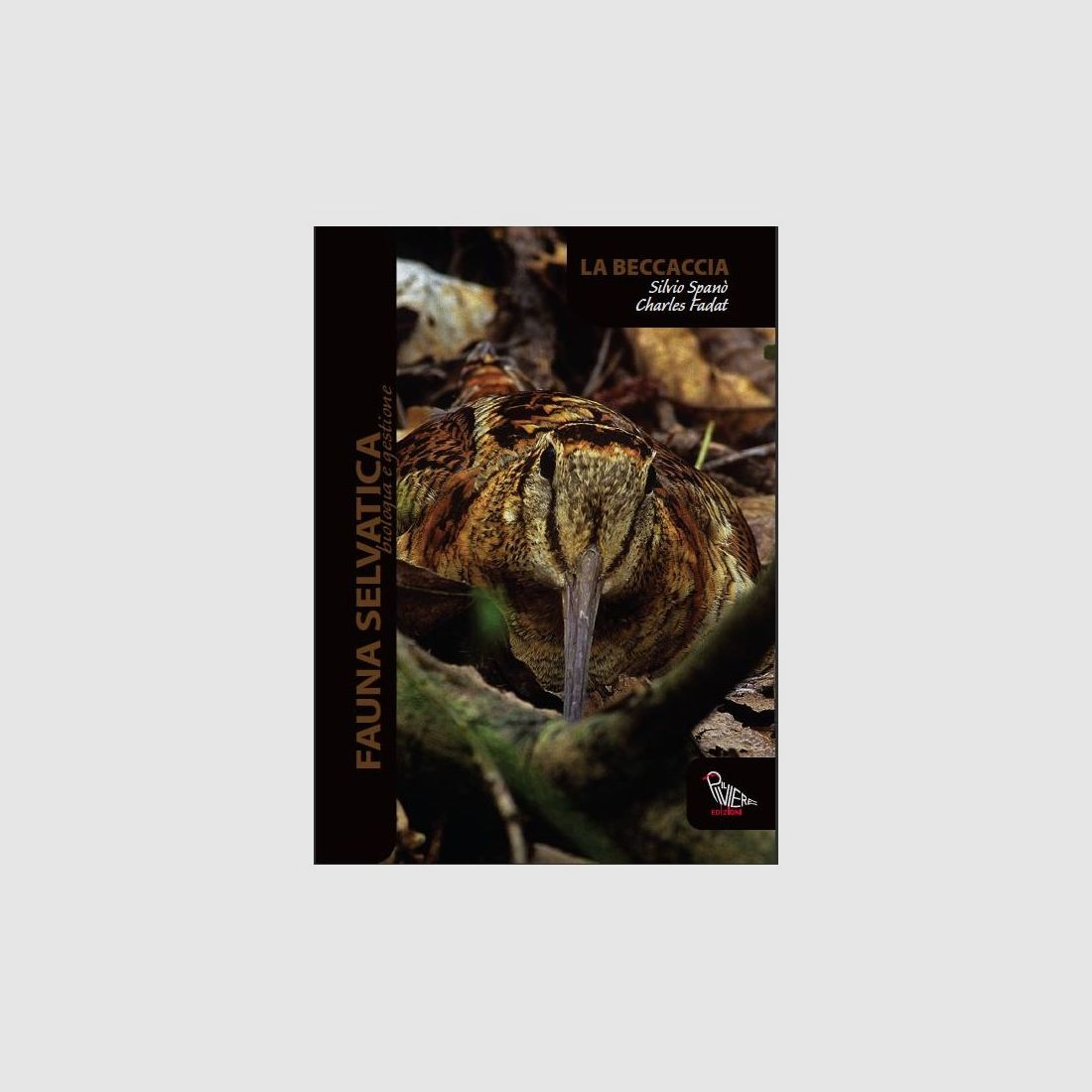
The Woodcock
≈ $22
Price at the dealer: 20 €. Converted at the ECB rate as of November 20, 2026.
No permit required (18+)
28043 Bellinzago Novarese, Italy
4
ID: 10002693
Purchase from outside the EU: The firearm goes through an importer in your country, the dealer handles the export.
How buying from Europe works
Shop safely with Gunfinder
Our AI-powered seller identity verification makes Gunfinder the safest marketplace online.
Learn more
Details
- Original language
- Italian
- Category
- Condition
- New
- Location
- 🇮🇹 28043 Bellinzago Novarese, Italy
- Availability
- In stock
Freshness
This listing is based on a mirrored offer, where the listing data was synced to us from a shop, dealer, or external marketplace. Please note that temporary price discrepancies may occur due to possible delays in data transmission.
- Source
- Trophyhunt
- Last checked with the dealer
- 1 day ago
Description
Note:
The item is located abroad. Please note that delivery conditions, shipping times, and/or the purchase process may differ.
This book is part of a series entitled “Wildlife – Biology and Management”, covering the main species of hunting interest.
The series includes 13 scientifically up-to-date monographs (one of which is devoted to the most widespread predators, which play a decisive role in environmental balance), written by Italy’s leading experts and aimed at wildlife professionals, hunters, students, and enthusiasts.
The texts are enriched with previously unpublished images and carefully drawn illustrations in line and color, created specifically to reveal the less familiar aspects of the biology and behavior of each animal.
Many books have been written about the woodcock, mostly for a general audience. They often focus on technical hunting aspects, but rarely include high-level scientific information. As a migratory species of considerable practical interest in several European countries, the woodcock has been the subject of detailed studies in countries where it has received greater attention, such as France, where more than a million birds are harvested each year. Italy is not far behind, and this cross-border interest is the basis for this book, which brings together the scientific experience of two well-known (and now almost “veteran”) woodcock researchers, based in the two countries. The authors will guide us in discovering this elusive and mysterious bird, with a detailed account of its morphological and behavioral characteristics, drawing on their experience and their comprehensive, continually expanding bibliography, with particular reference to Russia and other Eastern European countries, from which most of the woodcock wintering in Western Europe and the Mediterranean basin originate. Throughout, they keep their greatest concern in focus: the careful management needed to conserve this fascinating “queen of the woods”.
THE AUTHORS
Silvio Spanò graduated in Biological Sciences in 1962 and went on to teach Zoology at the University of Genoa until 2008. He always maintained an active ornithological research program, focusing on the red-legged partridge, quail, and woodcock. He has produced around 200 scientific publications, including a comprehensive monograph on the woodcock. A member of the Woodcock & Snipe Specialist Group of Wetlands International, the Federation of National Associations of Western Palearctic Woodcock Hunters (FANBPO), and CIC-Italia (Migratory Birds Commission), and honorary president of the Italian Woodcock Club, he has pursued a series of initiatives for the sustainable management of the species. As a hunter with a pointing dog, he believes hunting must always be compatible with conservation.
Charles Fadat qualified to teach Natural Sciences at the École Normale Supérieure (Saint-Cloud) and the University of Paris (Sorbonne) in 1962. A field naturalist and hunter, he became head (1976) of the ONCFS Woodcock Section, established within the Ministry of the Environment to implement the program of the European Woodcock Research Group, launching studies on the species’ breeding, migration, and wintering. A long period of educational work led to a course on woodcock biology, included in the training programs for game management technicians at agricultural high schools and the ONC School for Gamekeepers. This led to the creation (1983) of the ONCFS Woodcock Network, which was also responsible for ringing.
Among his many publications is a comprehensive overview of woodcock biology (2009).
Format: 17 x 24
Images: approximately 70 in color
Publication date: February 2014
Pages: 174 (Show description in original language)
di Silvio SPANO’ e Charles FADAT
Il volume fa parte di una collana, intitolata “Fauna selvatica - biologia e gestione”, avente ad oggetto le principali specie di
interesse venatorio.
Sono previste 13 monografie (di cui una dedicata ai più diffusi predatori, che rivestono un ruolo determinante nell’equilibrio ambientale) scientificamente aggiornate, scritte dai più autorevoli esperti italiani, rivolte a tecnici faunistici, cacciatori, studenti e semplici appassionati.
I testi sono impreziositi da immagini inedite e da accurate tavole a tratto e a colori realizzate appositamente, in grado di svelare gli aspetti più nascosti della biologia e del comportamento dell’animale trattato.
Sono stati scritti molti libri sulla beccaccia, per lo più a livello divulgativo, spesso ponendo attenzione ad aspetti prettamente
tecnico-venatori, ma raramente corredati da indicazioni di alto livello scientifico. Essendo specie migratrice di notevole interesse applicativo in diversi Paesi europei, laddove vi sia stata una maggiore attenzione, sono stati fatti – e si fanno – studi puntuali, come in Francia, dove viene abbattuto annualmente oltre un milione di soggetti. L’Italia non è lontana da detta cifra e pertanto proprio l’interesse transnazionale è alla base del libro che unisce l’esperienza scientifica di due noti studiosi della beccaccia (ormai quasi “storici”), residenti nei due Paesi. Gli Autori ci condurranno alla scoperta di questo misterioso in quanto elusivo uccello, con una dettagliata trattazione delle sue caratteristiche morfologiche e comportamentali, partendo dalla loro esperienza e dalla bibliografia completa in loro possesso e sempre in evoluzione, con particolare riferimento alla Russia e agli altri Paesi dell’Est, aree da cui proviene la maggior parte delle beccacce svernanti nelle regioni dell’Europa occidentale e del bacino del Mediterraneo. Sempre con la massima attenzione a ciò che sta a loro più a cuore: un’oculata gestione ai fini della conservazione di questa affascinante “regina dei boschi”.
GLI AUTORI
Silvio Spanò, laureato in Scienze Biologiche nel 1962, quindi docente di Zoologia all’Università di Genova fino al 2008, nella ricerca ha sempre mantenuto ben attivo il filone ornitologico, con approfondimenti su pernice rossa, quaglia e beccaccia. Ha prodotto circa 200 pubblicazioni scientifiche, tra cui un’esauriente monografia sulla beccaccia. Membro del Woodcock & Snipe Specialist Group del Wetland International, della Federazione delle Associazioni nazionali dei beccacciai del Paleartico Occidentale (FANBPO), del CIC-Italia (Commissione Uccelli migratori) e Presidente onorario del Club della Beccaccia italiano,ha portato avanti una serie di iniziative per la gestione durevole della specie. Come cacciatore col cane da ferma ritiene che la caccia debba sempre essere compatibile con la conservazione.
Charles Fadat ha conseguito l’abilitazione all’insegnamento di Scienze Naturali alla Scuola Normale Superiore (Saint-Cloud) e all’Università di Parigi (Sorbona) nel 1962. Naturalista di campo e cacciatore, divenne responsabile (1976) della Section bécasse dell’ONCFS, creato in seno al Ministero dell’Ambiente per rendere operativo il programma del Groupe de Recherches Européen sur la bécasse, avviando studi su riproduzione, migrazione e svernamento della specie. Un lungo lavoro pedagogico sfociò in un corso sulla biologia della beccaccia, inserito nei programmi di formazione per tecnici cinegetici dei Licei Agricoli e della Scuola delle Guardie dell’ONC, che portò alla creazione (1983) del Réseau bécasse (ONCFS), incaricato anche dell’inanellamento.
Tra le molte pubblicazioni emerge un esauriente compendio sulla biologia della beccaccia (2009).
Formato: 17 x 24
Immagini: circa 70 colore
Data pubblicazione: febbraio 2014
Pagine: 174