Black Week
-3 %


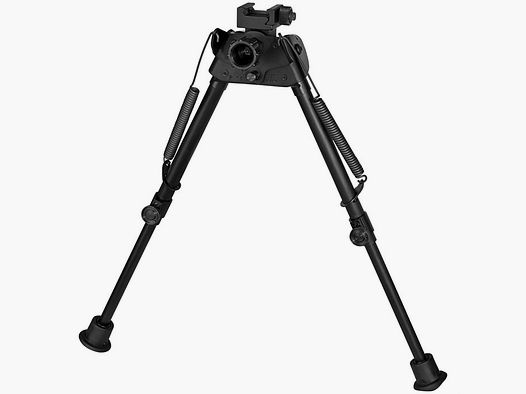
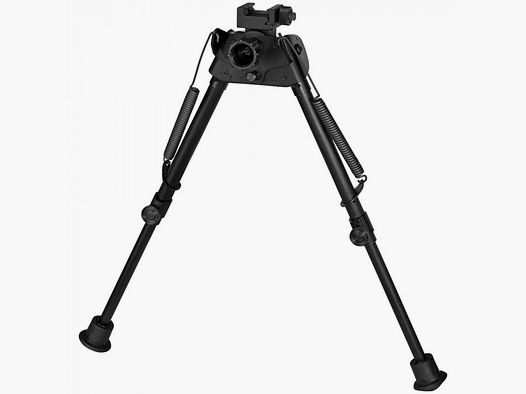
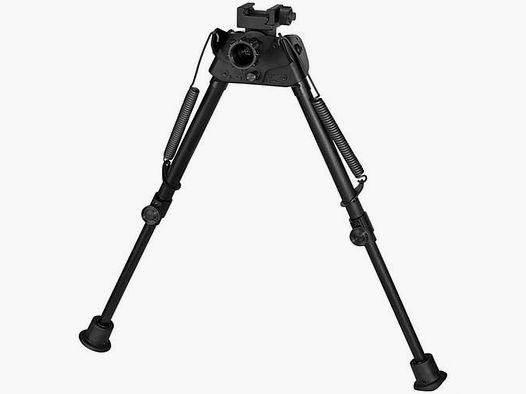
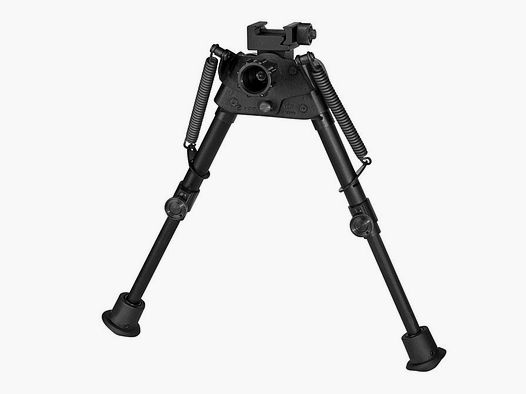
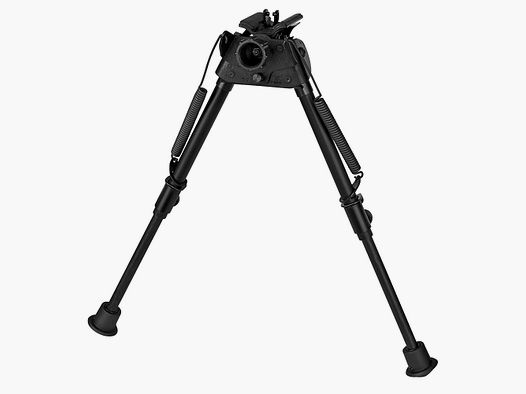
Harris S-L2P Bipod 9–13 inches adjustable
Price at the dealer: 203.65 €. Converted at the ECB rate as of November 25, 2026.
No permit required (18+)
72479 Straßberg, Germany
2
ID: 10467083
Purchase from outside the EU: The firearm goes through an importer in your country, the dealer handles the export.
How buying from Europe works
Shop safely with Gunfinder
Our AI-powered seller identity verification makes Gunfinder the safest marketplace online.
Learn more
Details
- Original language
- German
- Category
- Condition
- New
- Location
- 🇩🇪 72479 Straßberg, Germany
- Availability
- In stock
Freshness
This listing is based on a mirrored offer, where the listing data was synced to us from a shop, dealer, or external marketplace. Please note that temporary price discrepancies may occur due to possible delays in data transmission.
- Source
- Black Raptor
- Last checked with the dealer
- about 3 hours ago
Description
Note:
The item is located abroad. Please note that delivery conditions, shipping times, and/or the purchase process may differ.
Adjust the rest quickly: S-L2P
When a Picatinny mount and a higher prone rest come together, the Self-Leveling legs offer a different adjustment system than traditional notches. The tilting base handles lateral leveling.
The Harris S-L2P is a complete bipod with Self-Leveling legs and a tilting base. The height range is 22,9–33,0 cm; it attaches to Picatinny.
For a prone rest or shooting bench, both ends of this range matter. Check on your fully unloaded setup whether the lowest position of 22,9 cm fits your shooting position and whether the highest position of 33,0 cm provides enough height. A longer version is not automatically better if you don't need its minimum height.
Check before buying
Mounting point: You need a compatible Picatinny rail at the intended mounting location. This version attaches directly there; it is not a direct M-LOK or Sling-Stud version.
Leg adjustment: Choose the Self-Leveling legs for their adjustment system. Quick Deploy describes the fast leg mechanism and does not replace checking the mount.
Base function: If you want to compensate for lateral unevenness, the tilting function is a separate consideration from leg height.
Our assessment
For a higher prone rest on Picatinny, this model combines Self-Leveling legs with a tilting base. The reason to buy it is this combination, not the fast leg mechanism alone. Compared with a short BR2P, the main difference is the height range; the mounting point must fit the rail on both models.
Buy if: You're looking for a prone rest or shooting bench setup with a Picatinny mounting point and the leg adjustment suits the way you set up.
Don't buy if: You need an especially low BR rest or expect a different mount or base function. The model name should confirm your decision, not replace it.
What matters in use
Height range: 22,9–33,0 cm – decide based on your shooting position and the clearance needed under the forend.
Legs: The spring-loaded Self-Leveling legs allow numerous height settings and are held in place by their locking mechanism. This leg type is designed for quick adjustment on different rests. Don't expect traditional notched positions like those on the M models.
Base: The base tilts to compensate for lateral unevenness. This movement complements the leg adjustment; it replaces neither the right support nor the correct mounting.
ng height and a stable support surface.
**Instructor tip:** Assess the leg adjustment and tilt function separately. First set the required height, then assess the lateral position; the two functions address different support needs.
**User note:** First choose the height from your shooting position, then check each twist lock individually. This check also applies when the legs are fully retracted or extended. Self-Leveling helps you choose the leg length; it does not level the rifle automatically or make soft ground stable. If a foot sinks in, improve the support surface first, then readjust.
**Mounting position note:** Allow space for the folded legs and your other accessories. A compatible mounting standard does not mean every position will work equally well with your setup.
**Compatibility and safe mounting**
With the firearm completely unloaded, check the Picatinny rail and available mounting space. The attachment must fit the rail, and the legs need room to fold alongside the sling and other accessories. The additional stud on the bipod is for a sling; it does not make the Picatinny version compatible with a rifle stud mount. Tool size, torque and horizontal swivel function are not specified here.
**Comparison and alternatives**
The Harris S-BR2P has a height range of 15.2–22.9 cm, Self-Leveling legs, a tilting base and a Picatinny mount. The different height range is what determines whether it suits your shooting position.
The Harris S-BRMP has a height range of 15.2–22.9 cm, notched legs, a tilting base and a Picatinny mount. The different leg adjustment is what determines which operation you prefer.
Find other heights and mounts in the Harris selection. Shooting rests also cover other types of support.
**Technical specifications**
Model: Harris S-L2P.
Height range: 22.9–33.0 cm, equivalent to 9–13 inches.
Leg type: Self-Leveling legs.
Base: tilting base.
Mount: Picatinny.
Product weight: approx. 397 g; manufacturer’s figure: 14 oz.
Construction: heat-treated steel and hard alloys, with hard rubber leg caps.
Finish: black anodized.
**Scope of delivery**
One Harris S-L2P bipod in black. The firearm, fore-end and other accessories are not included.
**FAQ**
Why should I check the minimum height too? The lowest setting here is 22.9 cm. If your shooting position needs a lower support, a high maximum height won’t help. Choose a shorter model instead of buying based only on the widest adjustment range.
How does the leg adjustment differ from another Harris series? Choose the Self-Leveling legs for their adjustment mechanism. Quick Deploy describes the fast leg mechanism and does not replace checking the mount. Don’t assume the operation is the same as a similarly named model: smooth legs, notched legs and Self-Leveling legs are distinct designs.
Does the leg adjustment replace a tilt function? If you want to compensate for uneven ground from side to side, the tilt function is a separate consideration from leg height. Leg length sets the height; the base determines the available lateral adjustment. Both need to suit your actual support surface.
Does this version attach directly to another mount? You need a compatible Picatinny rail at the intended mounting point. This version attaches directly to that rail; it is not a direct M-LOK or Sling-Stud version. Confirm the exact mounting interface before buying. A general term like bipod isn’t enough.
What changes if I use a different mounting position? The space available for the folded legs, sling and other accessories may change. So check the intended position.
ion on the unloaded setup, not just whether the mount can be attached somewhere.
Which mounting tools should I plan for? Use the mounting instructions for the exact details. Don’t assume the tools or screws are the same as for another Harris mount. (Show description in original language)
.br-v3-product{color:#1b1f1d;font-size:16px;line-height:1.6;max-width:100%;overflow-wrap:anywhere}.br-v3-product *{box-sizing:border-box}.br-v3-product a{color:#174d3d;text-decoration:underline}.br-v3-product .br-hero,.br-v3-product .br-card,.br-v3-product .br-tip{padding:20px;margin:18px 0;border-radius:6px}.br-v3-product .br-hero{background:#18392f;color:#fff}.br-v3-product .br-card{background:#f7f4ec;border-left:4px solid #a18440}.br-v3-product .br-tip{background:#edf4f0;border-left:4px solid #18392f}.br-v3-product .br-title{font-size:1.45rem;font-weight:800}.br-v3-product .br-section-title{font-size:1.2rem;font-weight:800;color:#18392f;margin-top:26px}.br-v3-product details{background:#f2f2f2;padding:14px;margin:10px 0}.br-v3-product summary{cursor:pointer;font-weight:700}.br-v3-product a:focus-visible,.br-v3-product summary:focus-visible{outline:3px solid #9f6c00;outline-offset:3px}@media(max-width:720px){.br-v3-product{font-size:16px}.br-v3-product .br-hero,.br-v3-product .br-card,.br-v3-product .br-tip{padding:16px}.br-v3-product .br-title{font-size:1.25rem}}.br-v3-product .br-card.br-gold{background:#e8d39a;border-color:#b6984f;color:#17201c}.br-v3-product .br-tip.br-green{background:#18392f;border-color:#18392f}.br-v3-product .br-tip.br-green,.br-v3-product .br-tip.br-green p,.br-v3-product .br-tip.br-green strong{color:#fff!important}
Die Auflage zügig einstellen: S-L2P
Wenn eine Picatinny-Aufnahme und eine höhere liegende Auflage zusammenkommen, bieten die Self-Leveling-Beine eine andere Einstelllogik als klassische Raster. Die kippbare Basis übernimmt den seitlichen Ausgleich.
Das Harris S-L2P ist ein vollständiges Zweibein mit Self-Leveling-Beinen und einer kippbaren Basis. Der Höhenbereich beträgt 22,9–33,0 cm; die Befestigung erfolgt an Picatinny.
Für eine liegende Auflage oder den Schießtisch zählen beide Enden dieses Bereichs. Prüfe an Deinem vollständig entladenen Aufbau, ob bereits die untere Stellung von 22,9 cm zum Anschlag passt und ob die obere Stellung von 33,0 cm genügend Höhe bereitstellt. Eine längere Ausführung ist keine automatische Verbesserung, wenn Du ihre Mindesthöhe nicht brauchst.
Vor dem Kauf prüfen
Gegenstelle: Du brauchst eine passende Picatinny-Schiene am vorgesehenen Montageplatz. Die Ausführung wird dort direkt befestigt; sie ist keine direkte M-LOK- oder Sling-Stud-Ausführung.
Beinverstellung: Wähle die Self-Leveling-Beine wegen ihrer Einstelllogik. Quick Deploy beschreibt die schnelle Beinmechanik und ersetzt die Prüfung der Befestigung nicht.
Basisfunktion: Wenn Du seitliche Unebenheiten ausgleichen möchtest, ist die Kippfunktion eine eigene Auswahl neben der Beinhöhe.
Unsere Einschätzung
Für eine höhere liegende Auflage an Picatinny verbindet dieses Modell Self-Leveling-Beine mit einer kippbaren Basis. Der Kaufgrund ist diese Kombination, nicht die schnelle Beinmechanik allein. Gegenüber einem kurzen BR2P ändert sich vor allem der Höhenbereich; die Gegenstelle muss bei beiden zur Schiene passen.
Kaufen, wenn: Du eine liegende Auflage oder den Schießtisch mit Picatinny-Gegenstelle suchst und die Beinverstellung zu Deiner Art des Aufbaus passt.
Nicht kaufen, wenn: Du eine besonders niedrige BR-Auflage benötigst oder eine andere Befestigung beziehungsweise Basisfunktion erwartest. Die Modellbezeichnung sollte diese Entscheidung bestätigen, statt sie zu ersetzen.
Was im Einsatz zählt
Höhenbereich: 22,9–33,0 cm – entscheide nach Deinem Anschlag und dem notwendigen Freiraum unter dem Vorderschaft.
Beine: Die federbelasteten Self-Leveling-Beine erlauben zahlreiche Höheneinstellungen und werden über ihren Verriegelungsmechanismus gehalten. Diese Beinart ist für das zügige Einstellen auf unterschiedlichen Auflagen gedacht. Erwarte hier keine klassischen Rasterpositionen wie bei den M-Modellen.
Basis: Die Basis kippt zum Ausgleich seitlicher Unebenheiten. Diese Bewegung ergänzt die Beinverstellung; sie ersetzt weder die passende Unterstützungshöhe noch einen tragfähigen Auflageplatz.
Ausbilder-Tipp: Bewerte Beinverstellung und Kippfunktion nacheinander. Stelle zunächst die erforderliche Höhe her und beurteile anschließend die seitliche Lage; beide Funktionen beantworten unterschiedliche Auflageprobleme.
Anwenderhinweis: Wähle zunächst die Höhe aus Deinem Anschlag heraus und kontrolliere danach jede Drehverriegelung getrennt. Diese Kontrolle gilt auch bei vollständig eingeschobenen oder ausgezogenen Beinen. Self-Leveling unterstützt die Längenwahl; es richtet das Gewehr nicht selbstständig horizontal aus und macht nachgebenden Boden nicht tragfähig. Wenn ein Fuß einsinkt, verbessere zuerst den Auflageplatz und stelle anschließend neu ein.
Hinweis für die Montageposition: Plane den Platz für die zusammengeklappten Beine und für Dein übriges Zubehör ein. Ein passender Befestigungsstandard sagt noch nicht, dass jede Position gleich gut zu Deinem Aufbau passt.
Kompatibilität und sichere Montage
Prüfe an der vollständig entladenen Waffe die vorhandene Picatinny-Schiene und den freien Montageplatz. Die Befestigung muss zur Schiene passen, und die Beine benötigen ihren Klappweg neben Riemen und anderem Zubehör. Der zusätzliche Zapfen am Zweibein dient dem Riemen; er macht die Picatinny-Ausführung nicht zur Gewehrzapfenaufnahme. Werkzeuggröße, Drehmoment und horizontale Schwenkfunktion werden hier nicht zugesichert.
Vergleich und Alternativen
Beim Harris S-BR2P findest Du einen Höhenbereich von 15,2–22,9 cm, Self-Leveling-Beine, eine kippbare Basis und die Befestigung an Picatinny. Hier entscheidet der andere Höhenbereich über die passende Schießposition.
Beim Harris S-BRMP findest Du einen Höhenbereich von 15,2–22,9 cm, Rasterbeine, eine kippbare Basis und die Befestigung an Picatinny. Hier entscheidet die andere Beinverstellung über die bevorzugte Bedienung.
Weitere Bauhöhen und Aufnahmen findest Du in der Harris-Auswahl . Die Auflagen für den Schießsport ordnen auch andere Unterstützungsarten ein.
Technische Daten
Modell: Harris S-L2P.
Höhenbereich: 22,9–33,0 cm, entsprechend 9–13 Zoll.
Beinart: Self-Leveling-Beine.
Basis: kippbare Basis.
Befestigung: Picatinny.
Produktgewicht: etwa 397 g; Herstellerwert 14 oz.
Konstruktion: wärmebehandelter Stahl und Hartlegierungen sowie Hartgummi-Beinkappen.
Oberfläche: schwarz eloxiert.
Lieferumfang
Ein Harris S-L2P Zweibein in der schwarzen Ausführung. Schusswaffe, Vorderschaft und anderes Zubehör sind keine Bestandteile dieses Artikels.
FAQ
Warum sollte ich auch die Mindesthöhe prüfen? Die niedrigste Stellung beträgt hier 22,9 cm. Wenn Dein Anschlag eine geringere Auflage braucht, hilft Dir eine große Maximalhöhe nicht weiter. Wähle dann eine kürzere Bauform, statt nur nach dem größten Verstellbereich zu kaufen.
Wie unterscheidet sich die Beinverstellung von einer anderen Harris-Serie? Wähle die Self-Leveling-Beine wegen ihrer Einstelllogik. Quick Deploy beschreibt die schnelle Beinmechanik und ersetzt die Prüfung der Befestigung nicht. Übernimm die Bedienung nicht aus einem ähnlich benannten Modell: Glatte Beine, Rasterbeine und Self-Leveling-Beine sind getrennte Bauarten.
Ersetzt die Beinverstellung eine Kippfunktion? Wenn Du seitliche Unebenheiten ausgleichen möchtest, ist die Kippfunktion eine eigene Auswahl neben der Beinhöhe. Die Beinlänge stellt die Höhe ein; die Basis bestimmt den möglichen seitlichen Ausgleich. Beides muss zu Deiner tatsächlichen Auflage passen.
Passt diese Ausführung direkt an eine andere Aufnahme? Du brauchst eine passende Picatinny-Schiene am vorgesehenen Montageplatz. Die Ausführung wird dort direkt befestigt; sie ist keine direkte M-LOK- oder Sling-Stud-Ausführung. Die genaue Gegenstelle muss vor dem Kauf feststehen. Ein allgemeines Wort wie Zweibein reicht dafür nicht.
Was verändert eine andere Montageposition? Der Platz für die eingeklappten Beine, den Riemen und anderes Zubehör kann sich verändern. Prüfe deshalb die vorgesehene Position am entladenen Aufbau und nicht nur, ob die Aufnahme irgendwo befestigt werden kann.
Welches Montagewerkzeug muss ich einplanen? Nutze die Montagehinweise für die genaue Ausführung. Übernimm keine Werkzeug- oder Schraubenannahmen von einer anderen Harris-Aufnahme.