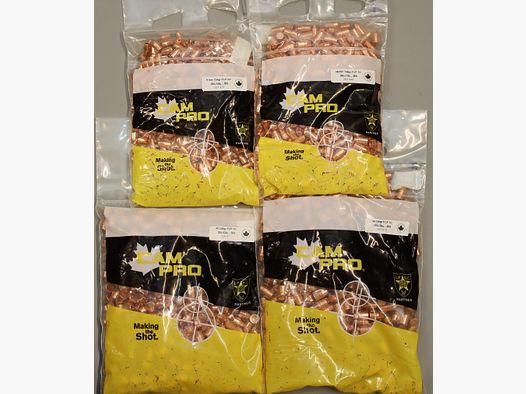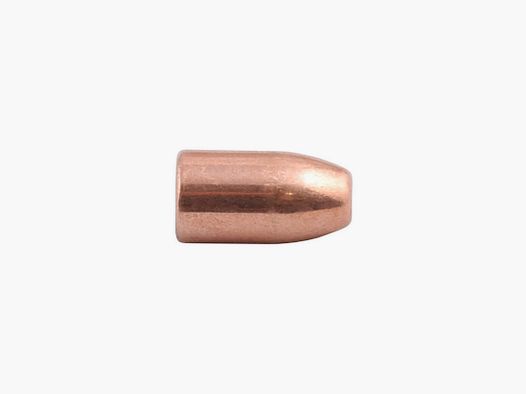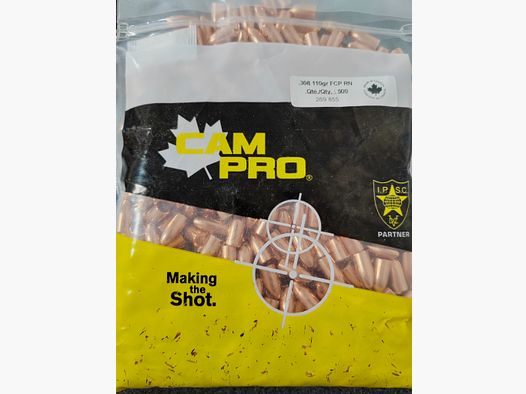
OGIVE CAM PRO 9MAKAROV RN 95GR FCP D 365 X500
≈ $61
Price at the dealer: 55.50 €. Converted at the ECB rate as of November 26, 2026.
No permit required (18+)
59800 Lille, France
6
ID: 10331564
Purchase from outside the EU: The firearm goes through an importer in your country, the dealer handles the export.
How buying from Europe works
Shop safely with Gunfinder
Our AI-powered seller identity verification makes Gunfinder the safest marketplace online.
Learn more
Details
- Original language
- French
- Category
- Condition
- New
- Location
- 🇫🇷 59800 Lille, France
- Availability
- In stock
Freshness
This listing is based on a mirrored offer, where the listing data was synced to us from a shop, dealer, or external marketplace. Please note that temporary price discrepancies may occur due to possible delays in data transmission.
- Source
- Henry Huret
- Last checked with the dealer
- about 24 hours ago
Description
Note:
The item is located abroad. Please note that delivery conditions, shipping times, and/or the purchase process may differ.
Shooters who reload for handguns chambered in 9mm Makarov face an unavoidable technical constraint: this caliber’s bullet diameter (.365) differs from that of 9mm Luger (.355), and bullets are not interchangeable between these two calibers. The CAM PRO 9mm Makarov RN 95 gr FCP bullet meets this need precisely, with a Round Nose profile and a tapered tip (Flat Catch Point) suited to target shooting at the range. The box of 500 is intended for high-volume reloaders engaged in sport shooting. Browse all available options in the bullets category to stock up on reloading components.
Practical tips for reloading with the CAM PRO 9mm Makarov 95 gr bullet
Reloading in 9mm Makarov requires particular care with the diameter: using .365 bullets in a 9mm Luger firearm is dangerous and can jam the chamber. Before you start, check that your cases are 9mm Makarov cases, not 9x19 cases. Seating the bullet requires dies specific to this caliber: improper crimping, whether too light or too tight, compromises both safety and accuracy. The bullet’s copper plating should be uniform, with no exposed lead, to protect the barrel walls and maintain ballistic consistency. Work in a well-ventilated area and carefully follow the powder charges recommended by reputable reloading manuals. For a consistent batch, check the weight and overall length of each finished cartridge. Shooters looking for a lead bullet in 9mm for other applications will find additional options, such as the 9mm RN lead bullets available in the catalog.
Frequently asked questions about the CAM PRO 9mm Makarov RN 95 gr bullet
What is the difference between a 9mm Makarov bullet and a 9mm Luger bullet?
9mm Makarov uses a bullet diameter of .365, compared with .355 for 9mm Luger. These two calibers are not compatible: using a Makarov bullet in a 9mm Luger firearm can jam the chamber, with serious consequences for the shooter and the firearm.
Is the FCP (Flat Catch Point) profile suitable for precision target shooting?
The FCP profile is suited to sport target shooting: its tapered tip promotes consistent penetration and smooth chambering, helping ensure the reliability of the reloaded cartridge. It is commonly used at shooting clubs for practice sessions.
Why is copper plating important on a reloading bullet?
Copper plating protects the barrel from lead abrasion and limits deposits in the rifling. It also improves consistency when chambering and helps maintain consistent bullet velocity from shot to shot. Photos are for illustrative purposes only. (Show description in original language)
Ogive CAM PRO 9mm Makarov RN FCP 95 gr : un composant taillé pour le rechargement en calibre spécifique
Les tireurs qui rechargent pour des armes de poing chambrant en 9mm Makarov font face à une contrainte technique incontournable : le diamètre de projectile de ce calibre (.365) est distinct de celui du 9mm Luger (.355), et les ogives ne sont pas interchangeables entre ces deux calibres. L'ogive CAM PRO 9mm Makarov RN 95 gr FCP répond précisément à ce besoin, avec un profil Round Nose à pointe amincie (Flat Catch Point) adapté au tir sur cible en club. Le conditionnement en boîte de 500 s'adresse aux rechargeurs pratiquant en volume, dans le cadre du tir sportif. Retrouvez l'ensemble des références disponibles dans la catégorie ogives pour compléter votre approvisionnement en composants de rechargement.
Conseils pratiques pour recharger avec l'ogive CAM PRO 9mm Makarov 95 gr
Le rechargement en 9mm Makarov demande une vigilance particulière sur le diamètre : utiliser des ogives calibrées .365 dans une arme 9mm Luger est dangereux et peut bloquer la chambre. Avant de commencer, vérifiez que vos douilles sont bien des douilles 9mm Makarov et non des douilles 9x19. La mise en ogive nécessite des matrices spécifiques à ce calibre : un mauvais sertissage, trop faible ou trop serré, compromet à la fois la sécurité et la précision. Le cuivrage de l'ogive doit être uniforme, sans zones de plomb apparent, pour protéger les parois du canon et maintenir une cohérence balistique. Travaillez dans un espace ventilé et respectez scrupuleusement les charges de poudre recommandées par les manuels de rechargement reconnus. Pour un lot homogène, contrôlez le poids et la longueur globale de chaque cartouche finie. Les tireurs recherchant une ogive en calibre 9mm à base de plomb pour d'autres applications trouveront des références complémentaires comme les ogives plomb 9mm RN disponibles au catalogue.
Questions fréquentes sur l'ogive CAM PRO 9mm Makarov RN 95 gr
Quelle est la différence entre une ogive 9mm Makarov et une ogive 9mm Luger ?
Le 9mm Makarov utilise un diamètre de projectile de .365, contre .355 pour le 9mm Luger. Ces deux calibres ne sont pas compatibles : utiliser une ogive Makarov dans une arme 9mm Luger peut bloquer la chambre, avec des conséquences graves pour le tireur et l'arme.
Le profil FCP (Flat Catch Point) convient-il au tir de précision sur cible ?
Le profil FCP est adapté au tir sportif sur cible : sa forme à pointe amincie favorise une pénétration régulière et une entrée fluide dans la chambre, ce qui contribue à la fiabilité de la cartouche rechargée. Il est couramment utilisé en club pour les séances d'entraînement.
Pourquoi le cuivrage est-il important sur une ogive de rechargement ?
Le cuivrage protège le canon de l'abrasion du plomb et limite les dépôts dans les rayures. Il améliore aussi la régularité de l'entrée en chambre et contribue à maintenir la vitesse du projectile de manière cohérente d'un tir à l'autre.Photos non contractuelles