
.br-product{
font-family: Arial, Helvetica, sans-serif;
line-height:1.6;
color:#222;
}
.br-product h1{
font-size:1.4rem;
margin-bottom:10px;
}
.br-product h2{
font-size:1.2rem;
margin-top:28px;
}
.br-product ul{
padding-left:18px;
}
.br-product .info-box{
background:#ffdddd;
border-left:6px solid #c40000;
padding:12px;
margin:20px 0;
}
.br-product .tip-box{
background:#eef6ff;
border-left:6px solid #2a6fdb;
padding:12px;
margin:20px 0;
}
.br-product .trust-box{
background:#eaf7ea;
border-left:6px solid #2f8f2f;
padding:12px;
margin:20px 0;
}
.br-product .compare-box{
background:#f5f5f5;
border-left:6px solid #444;
padding:12px;
margin:20px 0;
}
.br-product details{
background:#f2f2f2;
padding:10px;
margin-bottom:8px;
border-radius:4px;
}
.br-product summary{
font-weight:600;
cursor:pointer;
}
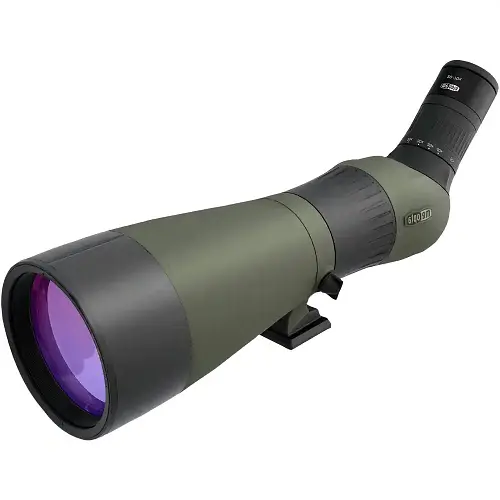
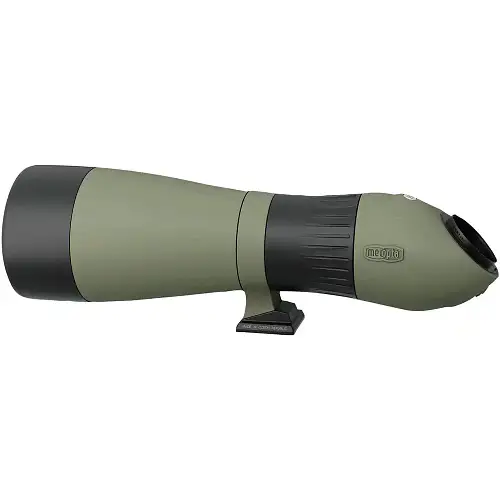
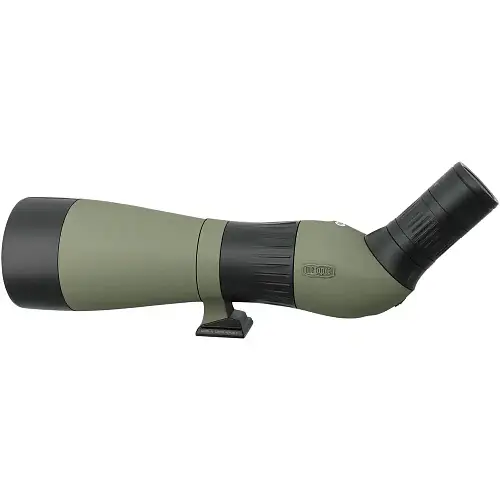
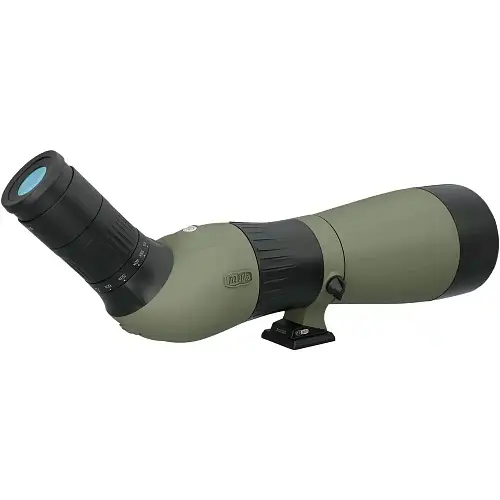
Meopta Meostar S2 82 HD – modular premium spotting scope with 82-mm HD optics
If you really want to identify, you need more than magnification.
The Meopta Meostar S2 82 HD is designed for users who want to not just "see something" at a distance, but to assess clearly: shot placement at the range, game at the field edge, or details in nature observation.
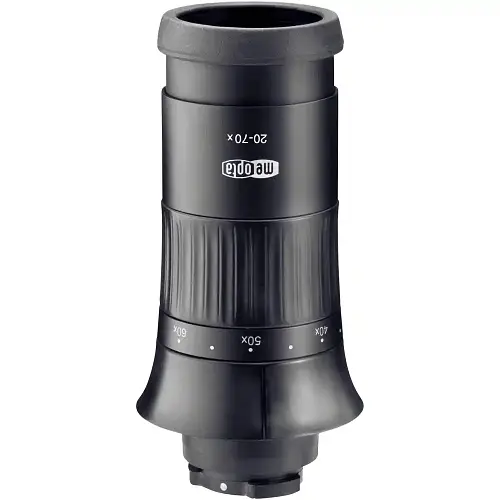
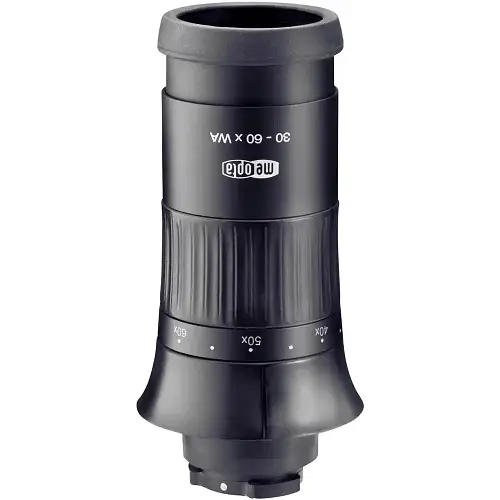
With an 82 mm objective and depending on the eyepiece 20–70x or 30–60x WA magnification range, it delivers added value exactly where binoculars reach their limits – during long observations, high detail demands, and stable tripod use.
Why this product?
✔ 82 mm objective for light and detail reserve
✔ depending on eyepiece 20–70x or 30–60x WA for flexible distance observation
✔ HD/premium optics for clean color reproduction and contrast
✔ tripod use for steady, analyzable observation
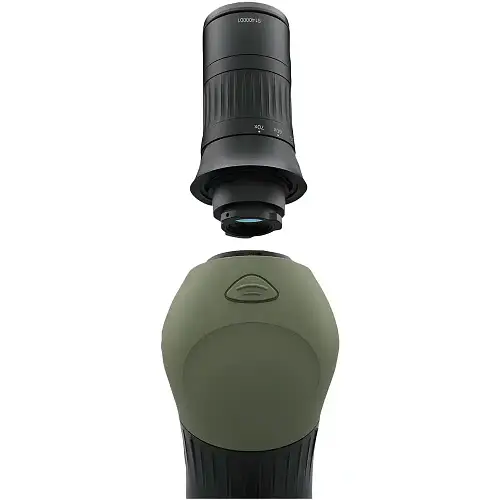
✔ This variant article includes spotting scope body and matching eyepieces
Why MeoStar S2 82 HD?
You don’t buy a spotting scope for a quick glance, but for reliable detail evaluation at distance.
You recognize hits, structures, and game details much more controlled than with binoculars
You work more calmly at the range because you don’t have to constantly walk to the target
You can observe for long periods without having to hold the optics freehand constantly
You get a tool for assessment – not just rough orientation
Spotting scope vs. binoculars:
❌ Binoculars: fast, mobile, but at high distance eventually too little detail ✔ Spotting scope: steady image from tripod, more magnification and better evaluation When it comes to shot placement, trophy assessment, or details at long distance, a spotting scope is the right tool.
Practical added value: distance costs image stability
The farther you observe, the stronger mirage, wind, and tripod movement affect the image. That’s why proper setup is more important than blindly increasing magnification.
Key features
82 mm objective
depending on eyepiece 20–70x or 30–60x WA magnification
tripod compatible
robust outdoor construction
suitable for observation, range, and hunting
Our assessment
The MeoStar S2 82 HD is especially useful for demanding observation, range work, and high-quality tripod use. It doesn’t replace binoculars but complements them where distance and detail level increase.
The modular eyepiece concept is key: 20–70x offers maximum range, 30–60x WA provides more wide angle and comfort during observation.
The practical value arises from the combination of optics, tripod, and observation discipline. Those who set up the spotting scope properly get significantly more usable information than with a handheld glass.
Who it’s suitable for
Shooting range: check shot placement without constantly walking to the target
Hunting: assess game and details at longer distances more clearly
Nature observation: long observations with stable image evaluation
Range / training: spotter tasks and correction calls
Why exactly for you?
If you want to assess rather than guess at distance, you need a spotting scope with a steady setup and clear application.
Suitable optics, mounting and Z
Zubehör findest du auch in unserer Kategorie Outdoor & Krisenvorsorge.
Wichtiger Hinweis:
Ein Spektiv ersetzt keine sichere Ansprache oder jagdrechtliche Prüfung. Nutze es zur Beobachtung und Auswertung; Entscheidungen im Revier müssen immer verantwortungsvoll und rechtlich sauber getroffen werden.
Vergrößerung richtig nutzen
je nach Okular 20–70x oder 30–60x WA klingt nach maximaler Leistung, aber die höchste Vergrößerung ist nicht immer die beste. Bei Wärmeflimmern, Regen oder schlechtem Licht ist oft eine mittlere Vergrößerung deutlich ruhiger und auswertbarer.
20–30x: Übersicht und schnelle Orientierung
40–60x: Trefferlage, Details und saubere Auswertung
Hohe Vergrößerung immer mit stabilem Stativ nutzen
Bei Mirage lieber etwas herunterdrehen statt ein unruhiges Bild erzwingen
Stativ, Augenabstand & Beobachtungsposition
Ein Spektiv ist nur so gut wie sein Setup. Ein wackeliges Stativ oder eine verkrampfte Kopfhaltung zerstören mehr Bildqualität als die Optik selbst.
Stativhöhe so einstellen, dass du ohne Nackenstress beobachten kannst
Bei langen Einheiten lieber sitzen und sauber ausrichten
Okularposition vor dem Einschießen oder Beobachten testen
Bei Wind das Stativ beschweren oder niedrig aufbauen
Praxis-Tipp: Erst grob finden, dann fein auswerten
Suche das Ziel zunächst mit niedriger Vergrößerung. Erst wenn das Bild stabil steht, erhöhst du die Vergrößerung. So verlierst du weniger Zeit und findest Ziele deutlich schneller wieder.
Merkmale & Konstruktion / Inhalte
Robuster Spektivkörper
Stativanschluss für stabile Nutzung
Optische Konstruktion für hohe Detailauflösung
Je nach Variante mit Tasche oder Wechselokularen
Für Transport immer geschützt verpacken
Technische Daten
Objektivdurchmesser: 82 mm
Gewicht (Spektivkörper): 1.454 g
Nahbereich: 4,15 m
Dioptrienausgleich: –3 bis +3 dpt
Stativgewinde: 1/4–20
Stickstoffgefüllt
Wasserdicht – tauchbar
In diesem Variantenartikel sind die passenden Okulare gelistet.
Bitte oben im Auswahlfeld das passende Okular (20–70x oder 30–60x WA) auswählen.
Lieferumfang
enthalten?
Nein. Das Spektiv wird ohne Okular geliefert.
Das passende Wechselokular (20–70x oder 30–60x WA) muss separat ausgewählt und zusätzlich bestellt werden.
FAQ
Brauche ich ein Stativ?
Ja. Bei Spektiv-Vergrößerungen ist ein stabiles Stativ praktisch Pflicht, wenn du das Bild wirklich auswerten willst.
Warum nicht einfach ein Fernglas?
Ein Fernglas ist mobiler, aber bei großer Distanz und Detailprüfung ist das Spektiv klar überlegen.
Welche Vergrößerung ist am sinnvollsten?
Meist nicht die maximale. Eine mittlere Vergrößerung liefert oft das ruhigere, kontrastreichere und besser auswertbare Bild.
Ist das Spektiv für den Schießstand geeignet?
Ja. Gerade zur Trefferkontrolle und für Spotter-Aufgaben ist ein Spektiv deutlich effizienter als ständiges Hin- und Herlaufen.
Worauf muss ich bei schlechtem Wetter achten?
Linsen sauber halten, Stativ stabilisieren und die Vergrößerung an Licht und Luftunruhe anpassen.
Gerade im Bereich Spektiv, Range-Spotting und jagdliche Beobachtung entscheidet nicht nur Vergrößerung, sondern die Kombination aus Glasqualität, Stativstabilität und sinnvoller Vergrößerungswahl.
| ID | 9894166 |
| URL | https://www.gunfinder.com/items/9894166 |
| Category | Optics / Binoculars & Spotting Scopes |
| Condition | Neu |
| Location | 72479 Straßberg, Germany |
| Availability | In stock |
| Shipping costs paid by | Buyer |